
Space agencies build in generous safety margins, but even they are regularly surprised by how long some hardware keeps going. A handful of orbiters, rovers, and deep-space probes have blown past the finish line their engineers originally planned for and simply kept working. Here are eight that outlasted their own mission clocks.
1. Voyager 1: Still Calling Home
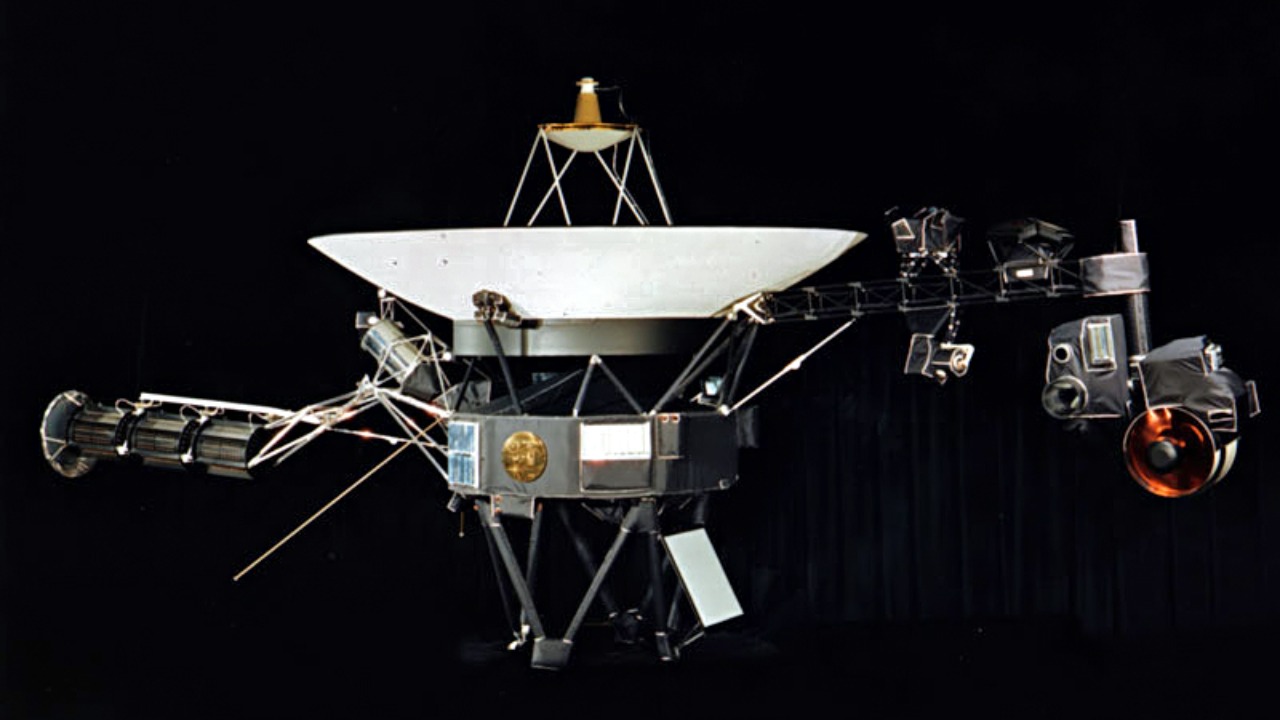
NASA built Voyager 1 for a four-year tour past Jupiter and Saturn, launching it in 1977 alongside a twin spacecraft. After both flybys wrapped up, it kept flying outward instead of going quiet, and it is now the most distant human-made object, still sending back data from interstellar space nearly five decades on.
Its plutonium power source loses a little output every year, so engineers have shut down instruments one by one to keep the rest transmitting. A signal now takes more than a day to reach Earth, and controllers expect it to fade sometime in the next decade.
2. Voyager 2: The Long Detour
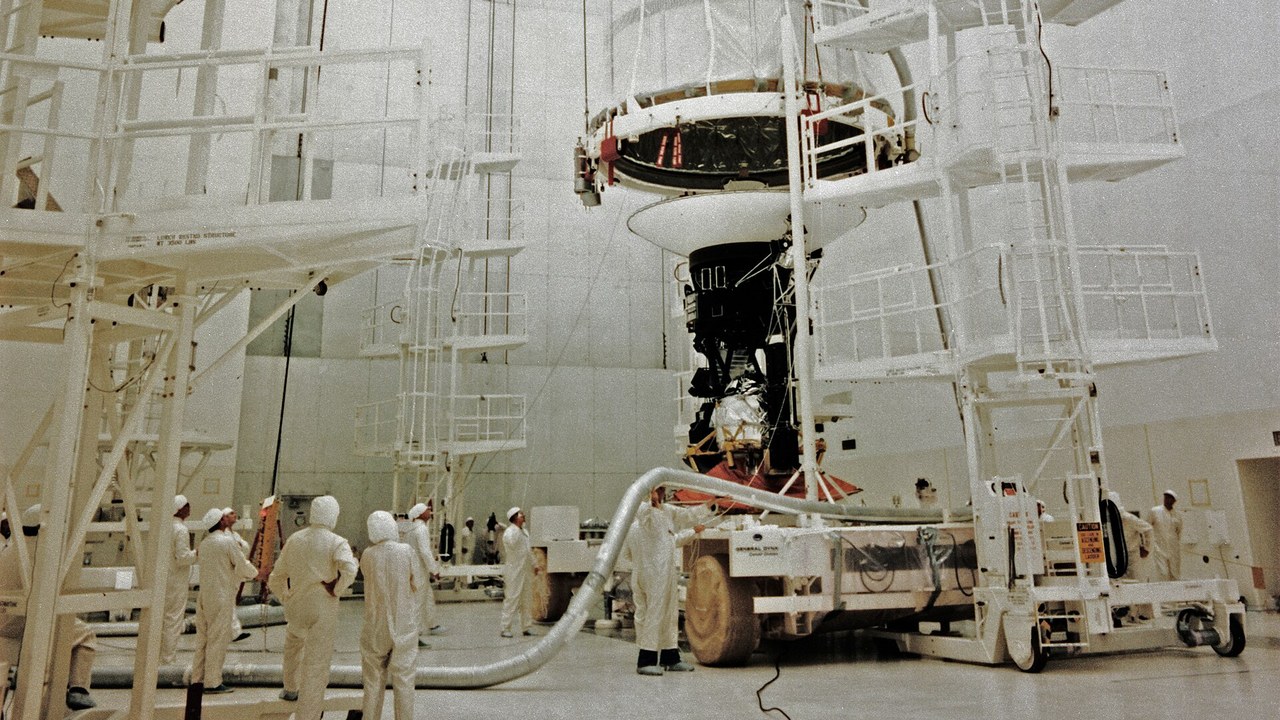
Voyager 2 left Earth in 1977 on the same Jupiter-and-Saturn itinerary as its twin, then its path bent onward. That detour carried it to Uranus and Neptune, and it remains the only spacecraft to visit either ice giant, a stop that was never part of the original plan.
Decades past that flyby, it is still returning readings from beyond the reach of the solar wind. Ground teams ration its fading power by switching off one science instrument at a time, stretching a mission built around a few planets into one that has outlasted most of the engineers who launched it.
3. Hubble Space Telescope: Decades Past Due

Hubble launched in 1990 with a service life measured in years, kept alive by shuttle crews who flew up to swap worn parts. The shuttle program ended in 2011, yet the telescope has kept observing, more than thirty years past its planned life.
Its gyroscopes and cameras have worn down gradually rather than failed outright, so operators now fly it in modes that trade a little precision for continued uptime and route around damaged parts. It still produces new images and research data alongside its newer, more powerful successor, the James Webb Space Telescope, giving astronomers two working space telescopes rather than one to rely on.
4. New Horizons: Beyond Pluto
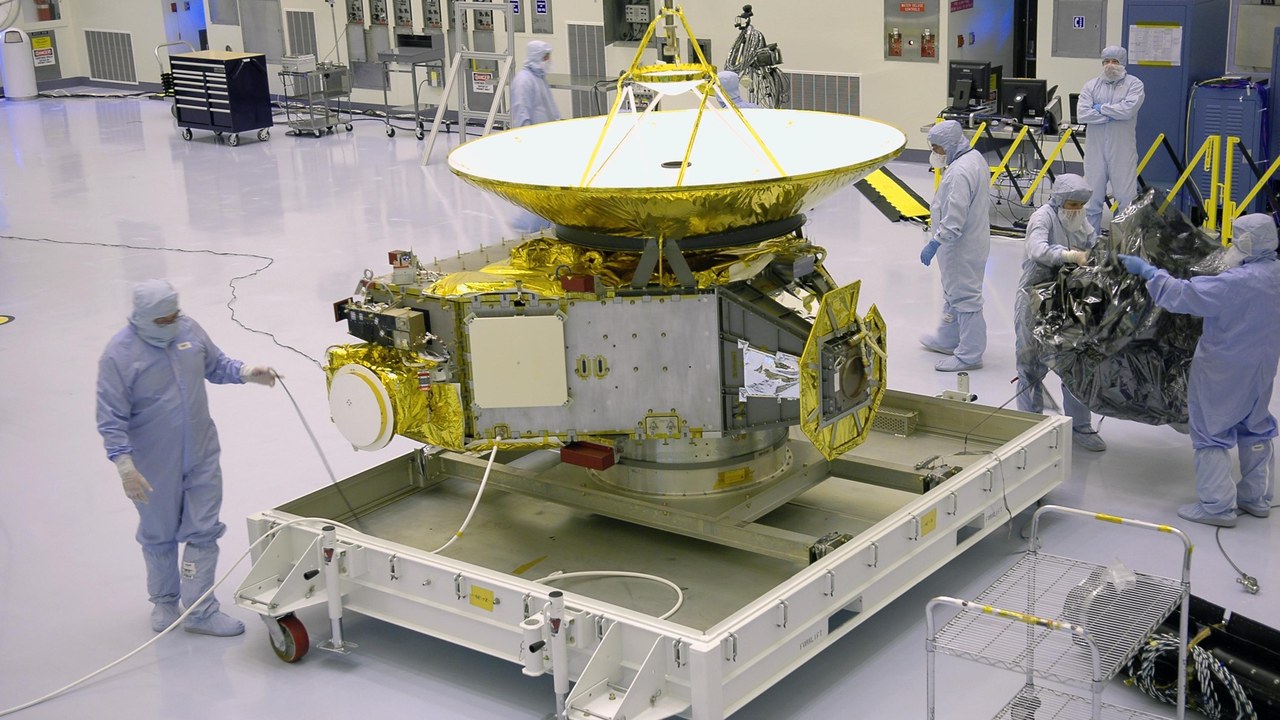
New Horizons launched in 2006 aimed at a single target roughly nine years away. It flew past Pluto in 2015, sending back the first close images of the dwarf planet, then kept traveling instead of powering down.
Rather than end after that flyby, the mission was extended into the Kuiper Belt, the ring of icy, ancient bodies orbiting far beyond Neptune. It has since passed other distant objects out there and keeps returning readings from a region of the solar system almost nothing else has ever reached, adding fresh targets to a mission once built around a single encounter.
5. 2001 Mars Odyssey: Mars’s Old Reliable
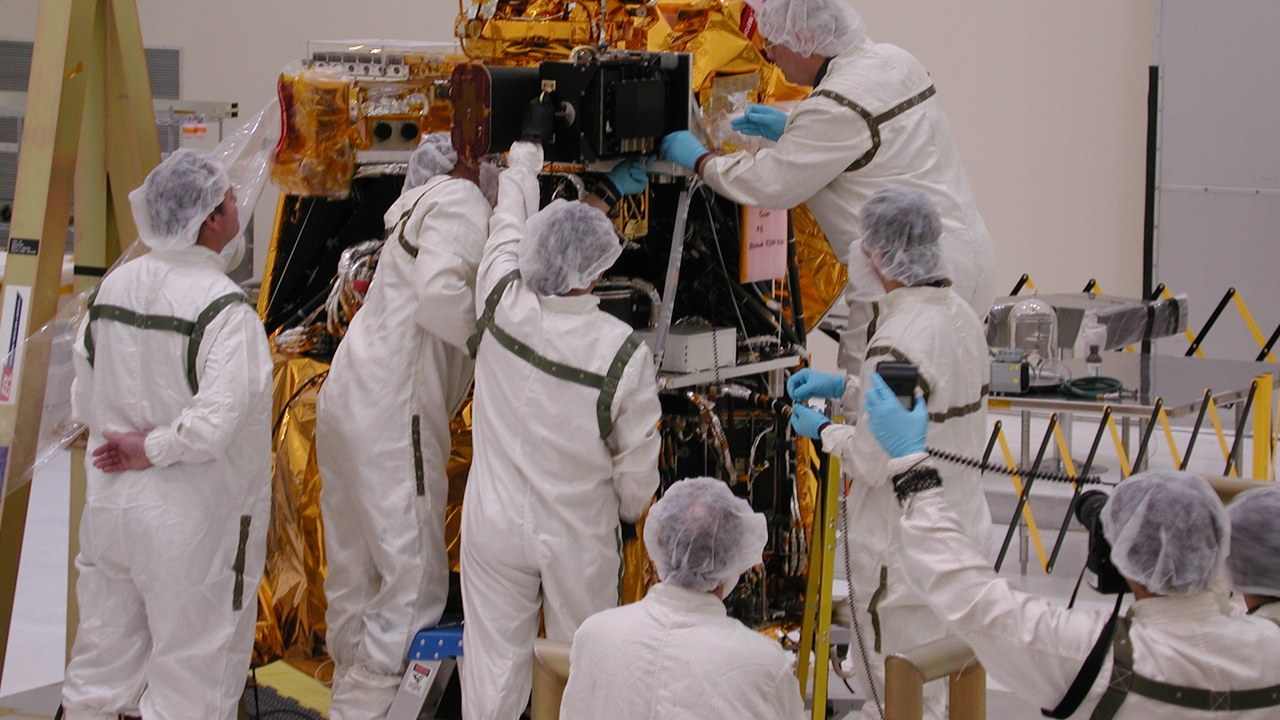
Odyssey reached Mars the same year it launched and was expected to map the planet’s surface and chemistry for a few years before winding down. Instead it became the longest-serving spacecraft at Mars, still circling the planet decades after it arrived.
Beyond its own instruments, the orbiter has spent much of its extended life relaying communications between surface rovers and mission control back on Earth. That relay role has turned an aging orbiter into working infrastructure that later Mars missions have come to depend on, a job its original designers never planned for when they built it to map the planet from above.
6. Curiosity (rover): Still Climbing Mars
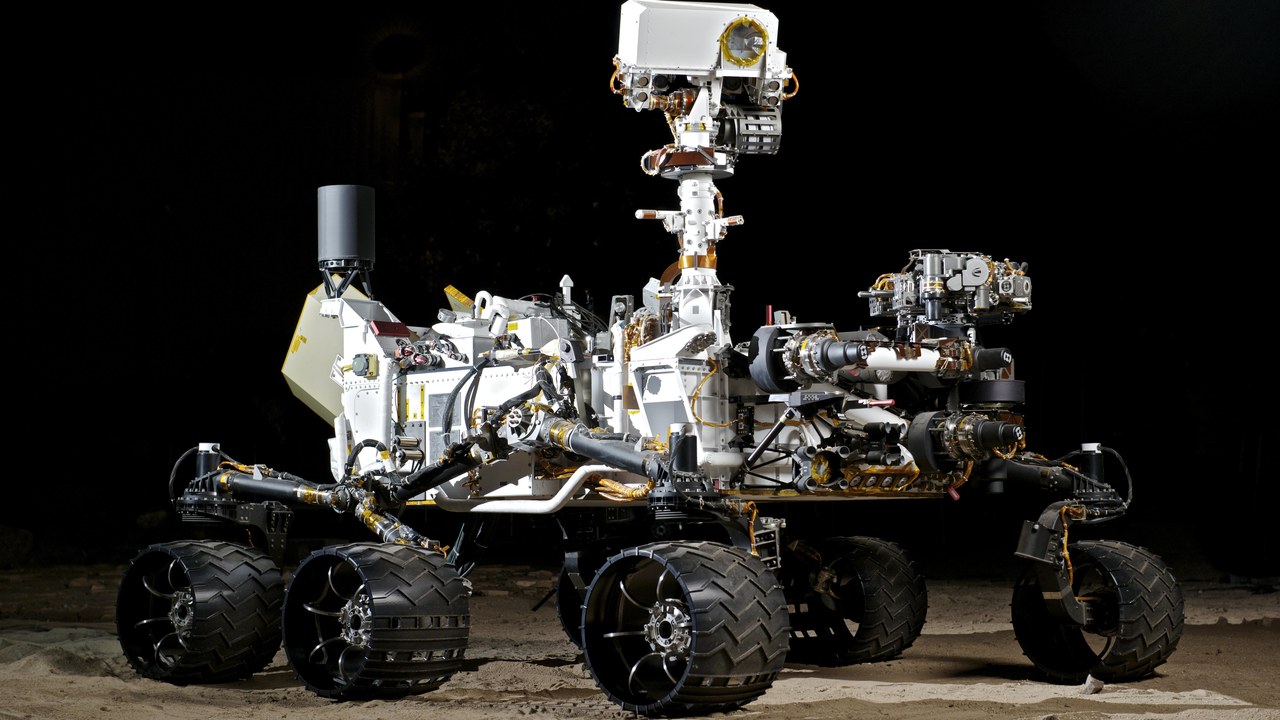
Curiosity landed on Mars in 2012 on a mission planned to run about two years. It has kept roving Mars far past that prime mission, driving higher into Gale Crater’s central mountain than the original plan called for.
Its nuclear power source fades slowly instead of running out the way a battery would, leaving it years of driving still ahead of it. Along the way it has kept drilling rock samples and shooting photos that help scientists judge whether Mars once had conditions suitable for life, work that was only ever meant to run for a single Martian year.
7. Juno (spacecraft): Riding Out Jupiter
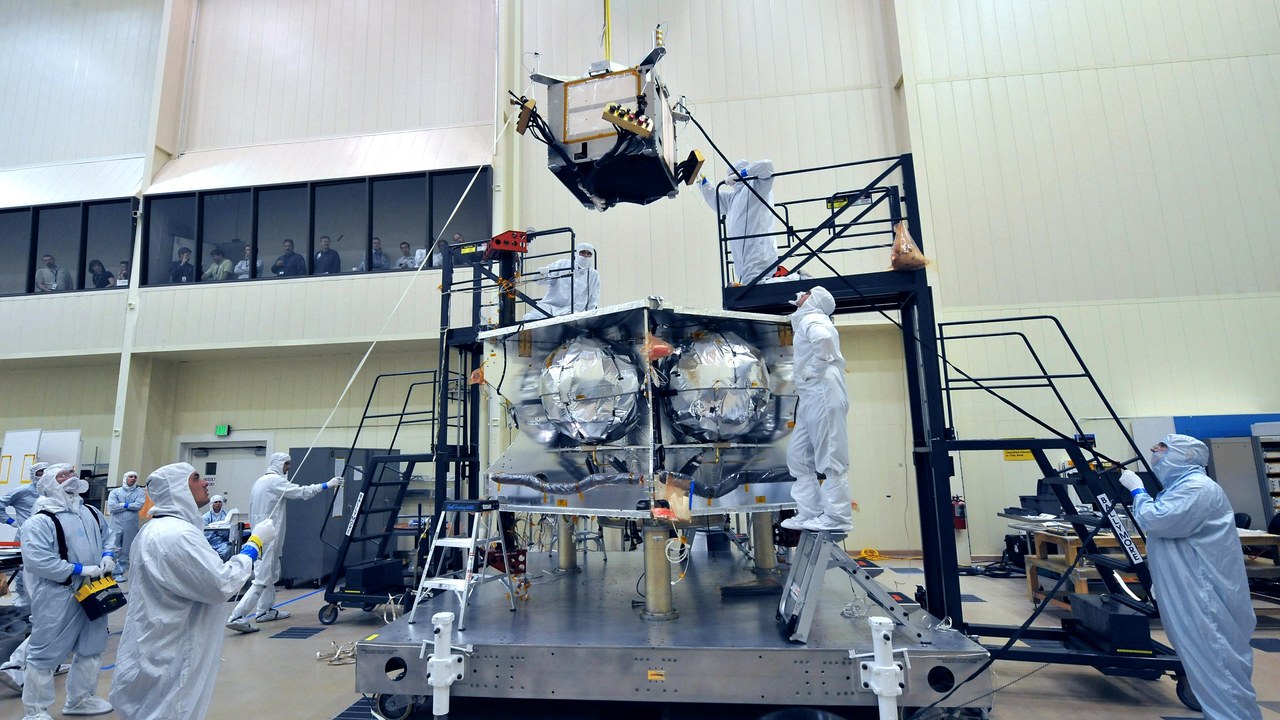
Juno arrived at Jupiter in 2016 after a five-year journey, built around a limited run of close orbits. NASA has since extended it for years of extra Jupiter science, adding flybys of the planet’s largest moons along the way.
Each extension pushes the spacecraft back through Jupiter’s punishing radiation belts, which slowly wear down its electronics and cameras with every pass. Engineers track that damage closely and adjust its orbit as needed, aiming to keep it returning usable images and data for as long as its hardware can withstand the environment it was sent to study.
8. OSIRIS-REx: One Spacecraft, Two Asteroids
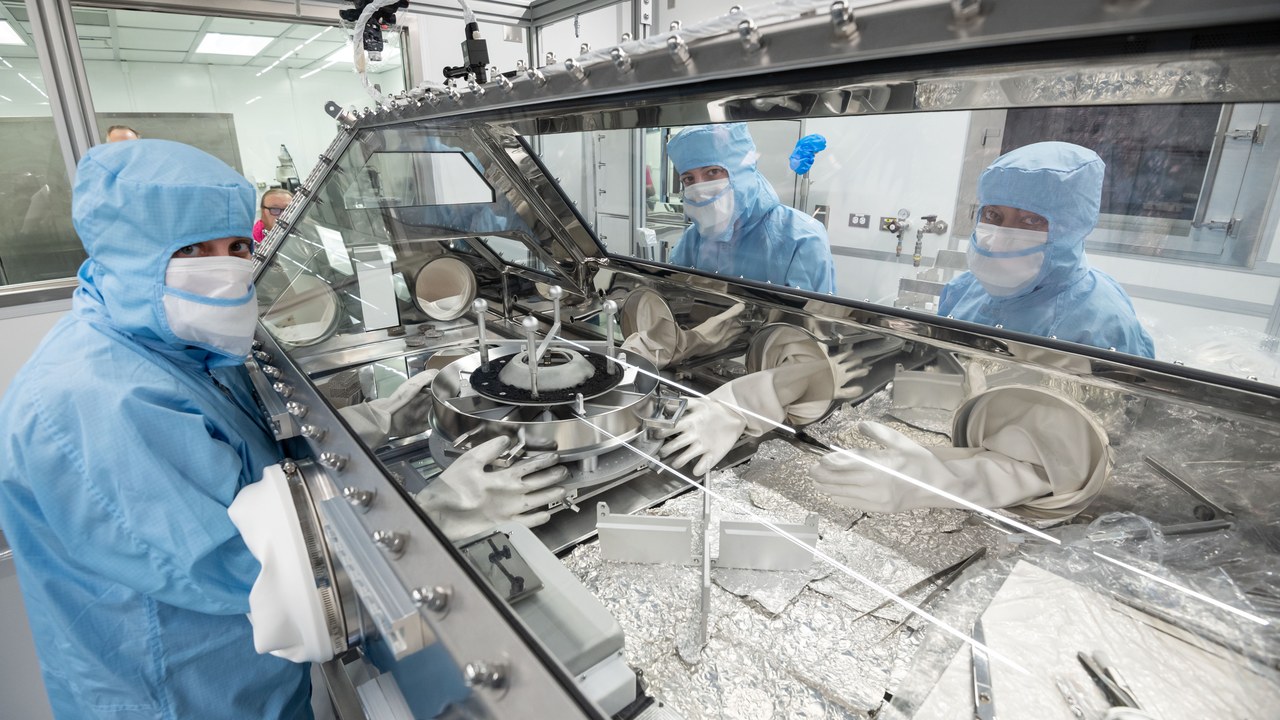
OSIRIS-REx launched in 2016 to collect a sample from the asteroid Bennu and bring it home, a job it finished when the sample capsule landed in 2023. Rather than shut down, the spacecraft was redirected to a new asteroid after returning Bennu samples.
Renamed for its next assignment, it is now headed toward a close flyby of the asteroid Apophis, expected years from now. Reusing hardware that had already completed its main job let the mission add years of additional science without the cost of building and launching an entirely new spacecraft from scratch.
More from Morning Overview
- A California supervolcano has bulged upward about two and a half feet since 1978
- The FTC is warning about a scam quietly draining thousands from victims
- The NSA is again telling phone owners to switch off one location setting
- A handful of car transmissions are so tough mechanics say they almost never fail
