
Self-driving technology promised safer roads, yet the past decade has produced a steady record of crashes, software recalls and abrupt shutdowns instead. Test vehicles have struck pedestrians, regulators have grounded entire robotaxi fleets, and once-prominent startups have collapsed within months of a single bad quarter. Here are eight self-driving vehicles that crashed, got recalled or were pulled off the road.
1. Volvo XC90 (Uber ATG test vehicle): The Fatal Tempe Crash
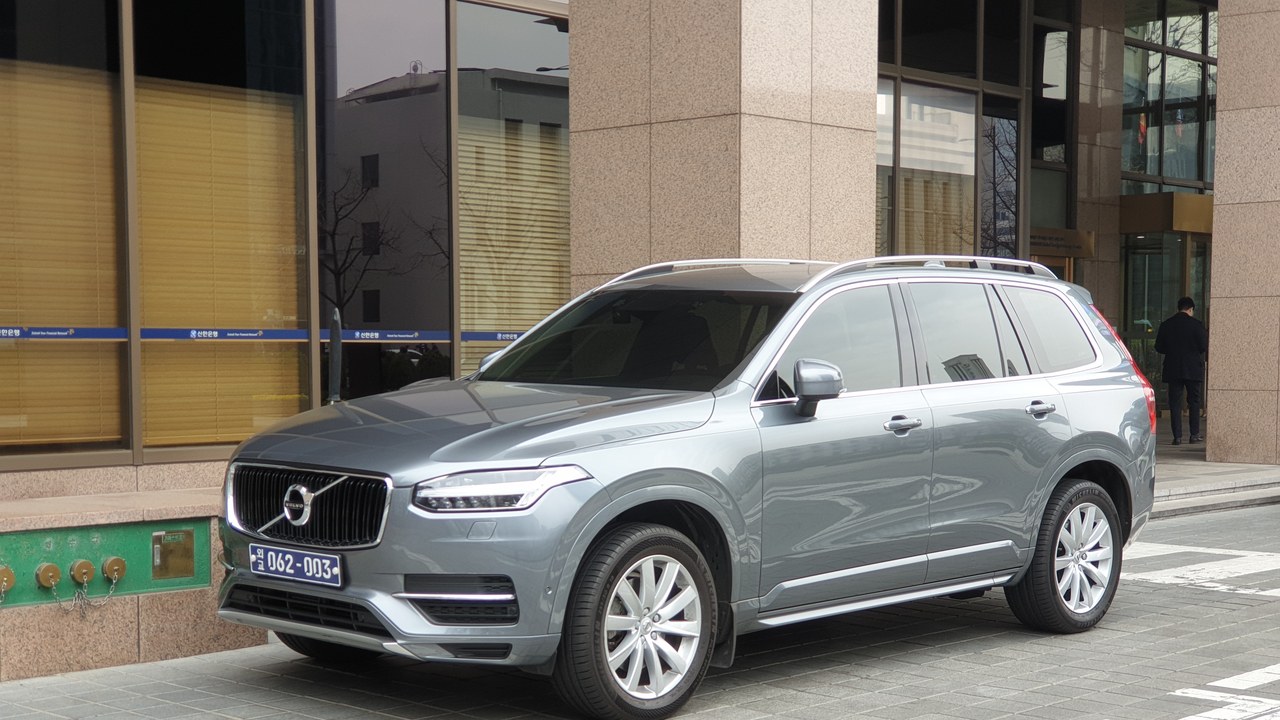
A modified Volvo XC90 operated by Uber’s Advanced Technologies Group struck and killed a pedestrian crossing a street in Tempe, Arizona, on March 18, 2018, marking the first pedestrian death attributed to a self-driving car. The National Transportation Safety Board investigation found that the vehicle’s human safety driver had been watching a phone rather than the road in the seconds before impact.
The crash forced Uber to shut down its entire self-driving testing program in Arizona within days and reshaped how the industry thought about backup human drivers. Regulators nationwide began treating driver-attention monitoring as a baseline requirement rather than an afterthought for any company testing autonomous vehicles on public roads.
2. Chevrolet Bolt EV (Cruise AV): California Pulls the Permit
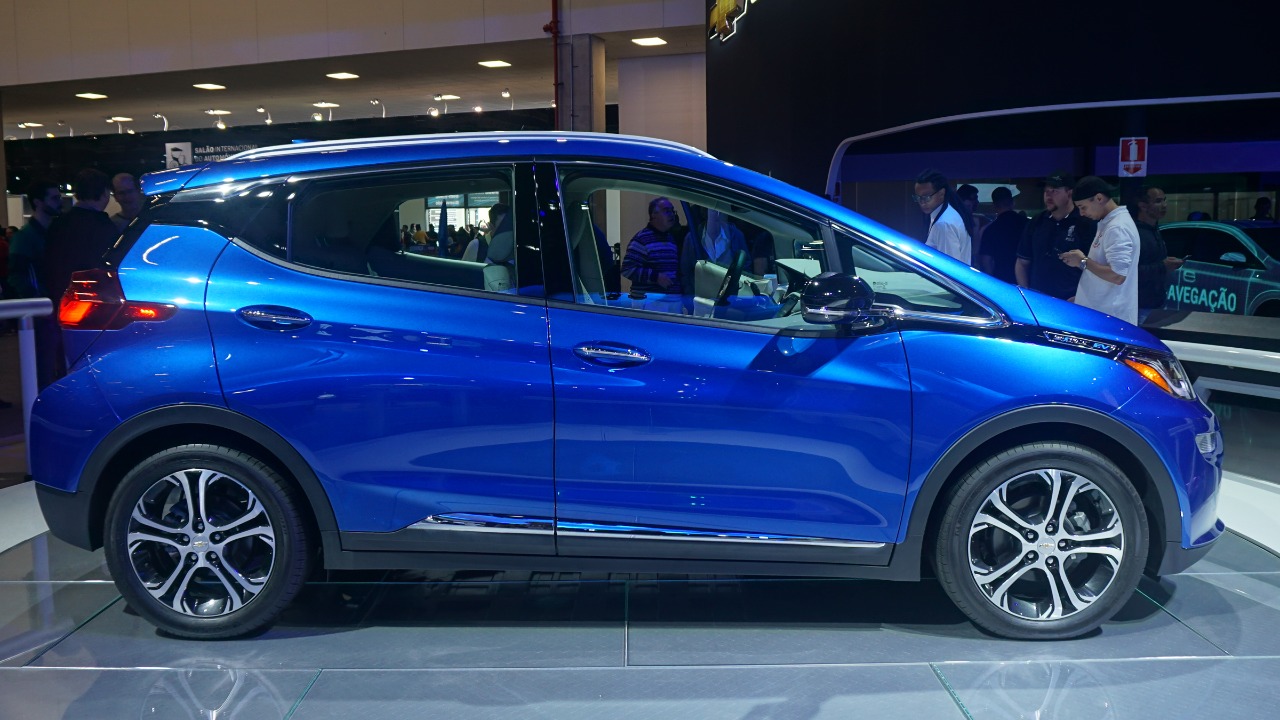
The California Department of Motor Vehicles suspended Cruise’s autonomous-vehicle deployment and driverless testing permits effective immediately on October 24, 2023, pulling the company’s fleet of driverless Chevrolet Bolt EVs off California roads. The DMV’s suspension notice came without warning, an emergency step regulators rarely take against an approved robotaxi operator.
The suspension marked one of the most severe regulatory actions ever taken against a robotaxi operator, effectively grounding Cruise’s driverless service in the state overnight. It underscored how quickly a single safety review can dismantle years of autonomous-vehicle testing and public trust, regardless of a company’s technical progress.
3. Jaguar I-Pace (Waymo): The Gate-Colliding Recall

Waymo issued a software recall covering roughly 1,200 of its Jaguar I-Pace robotaxis in May 2025 after a string of low-speed collisions with gates, chains and other gate-like roadway objects. The recall notice described vehicles misjudging stationary barriers that a human driver would ordinarily register without difficulty.
The fix was a purely software-side update rather than a hardware recall, letting Waymo keep the affected vehicles largely in service while addressing the issue remotely. The episode highlighted a narrow but persistent blind spot in autonomous perception: everyday roadside objects that barely register as obstacles to human drivers.
4. Zoox robotaxi: The Hard-Braking Recall
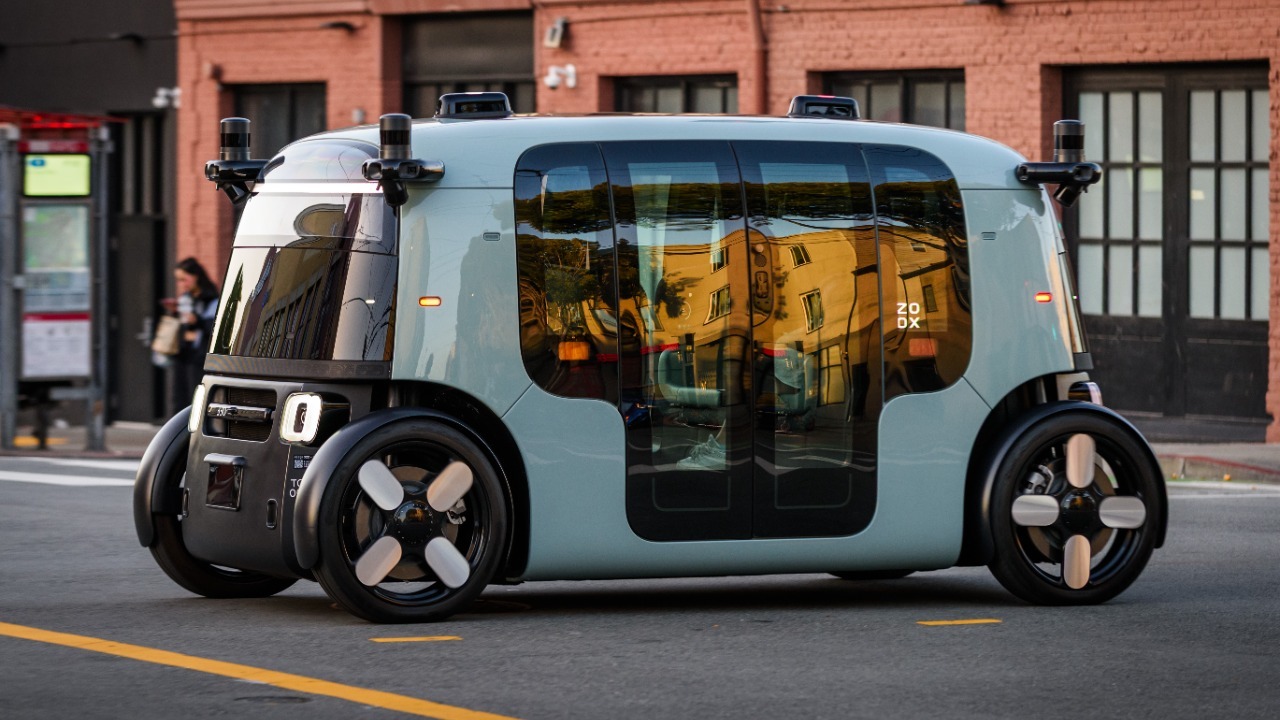
Amazon’s autonomous driving unit Zoox issued a voluntary recall covering 258 of its self-driving vehicles in March 2025 after discovering that its driving software could trigger unexpected hard braking. The recall filing described the abrupt stops as a hazard to trailing vehicles on public roads.
Zoox, unlike some rivals, issued the recall voluntarily rather than waiting for a regulator to force the action, a step the company framed as evidence of a more cautious safety posture. The episode still underscored that even a heavily tested autonomous system can ship software capable of surprising the traffic behind it.
5. Ford Escape Hybrid (Argo AI test vehicle): Argo AI’s Abrupt Shutdown
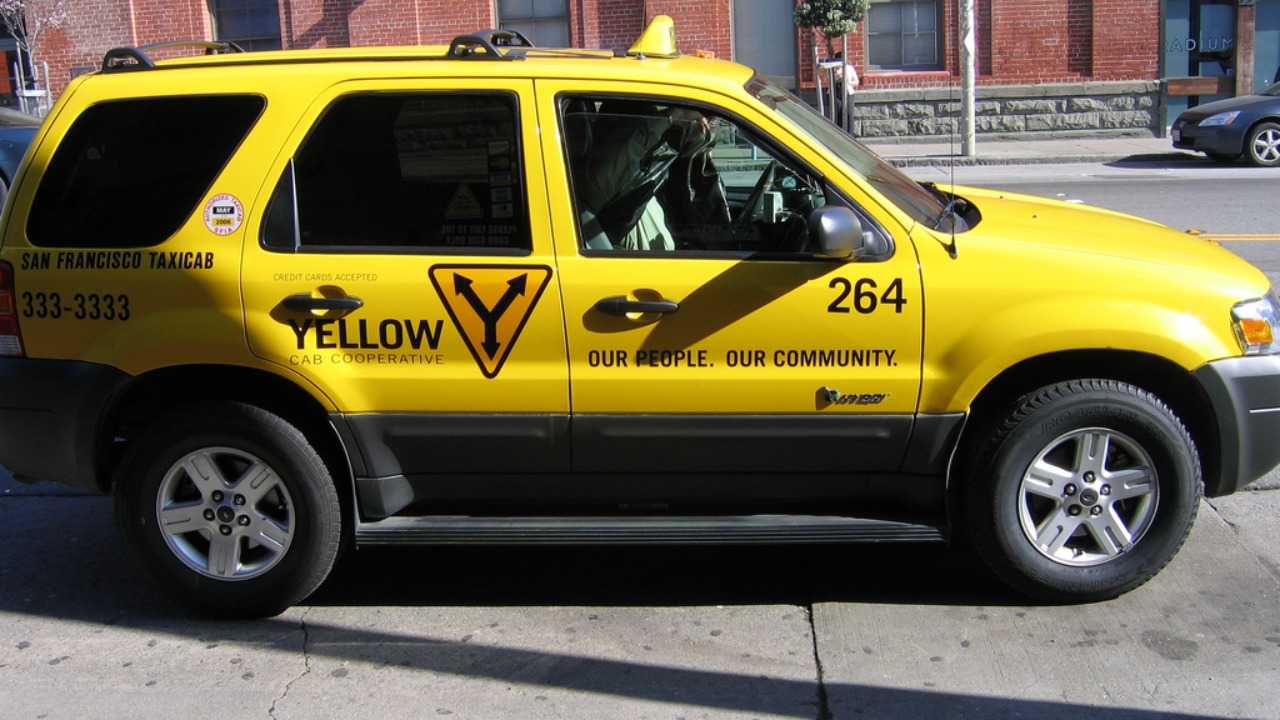
Argo AI, the self-driving startup backed by both Ford and Volkswagen, shut down abruptly in October 2022 after posting an $827 million quarterly loss, pulling its modified Ford Escape Hybrid test fleet off public roads in Austin and Miami. The company had only begun testing that fleet on those streets a few months earlier, in May 2022, according to Argo AI’s own history.
The collapse of a venture that had raised billions of dollars from two of the world’s largest automakers showed how quickly investor patience for driverless technology could evaporate once losses mounted. Austin and Miami lost their modified-Escape test fleet almost overnight, with no advance notice to the cities that had hosted the program on public streets.
6. EasyMile EZ10: The Nationwide Shuttle Suspension
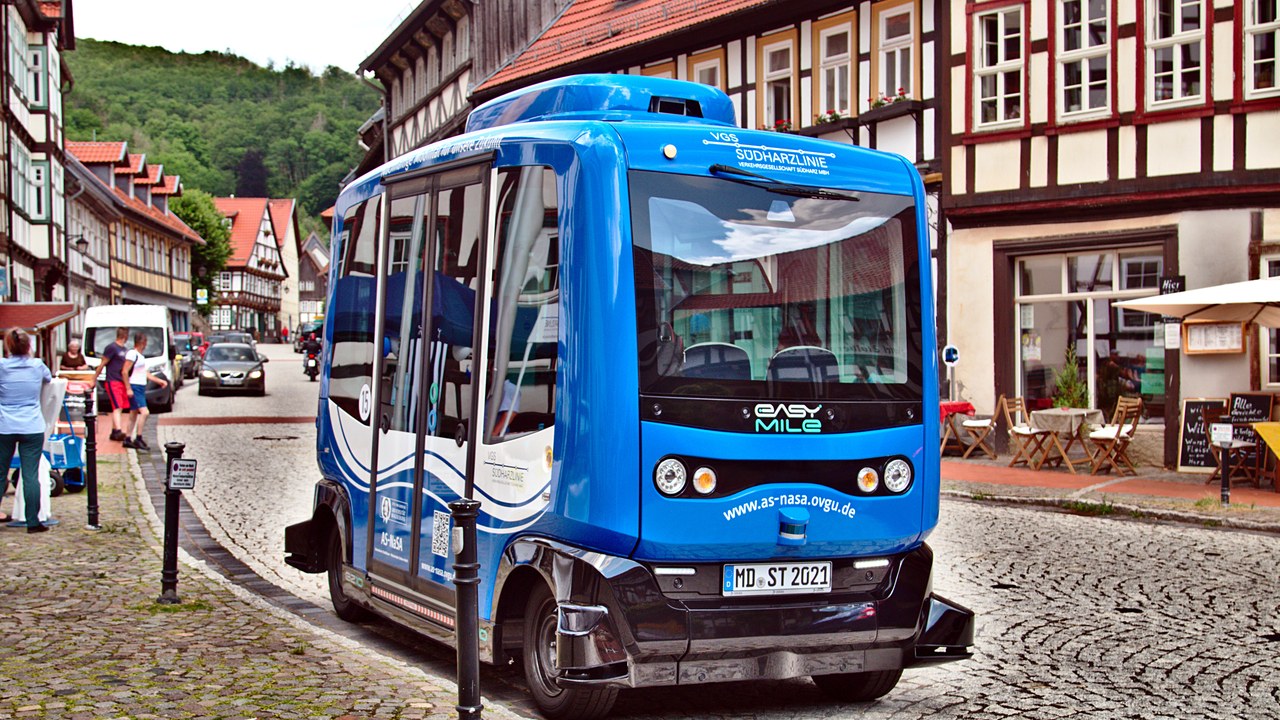
The EasyMile EZ10, a battery-powered autonomous electric shuttle bus designed and marketed by EasyMile, was pulled from passenger service nationwide after a rider was injured aboard one of its vehicles. In February 2020, a Smart Columbus passenger in Columbus, Ohio, fell from a seat when an EZ10 executed an emergency stop from just seven miles per hour, according to its vehicle history.
U.S. vehicle safety regulators at NHTSA ordered a suspension of passenger operations for sixteen EasyMile autonomous shuttles, grounding the company’s passenger services across the ten states where the vehicles had been running. The incident illustrated a distinct hazard for driverless shuttles: sudden braking maneuvers that a seated, unbelted passenger has no way to brace against.
7. Tesla Model Y (Autopilot recall): The Nearly Two-Million-Car Recall
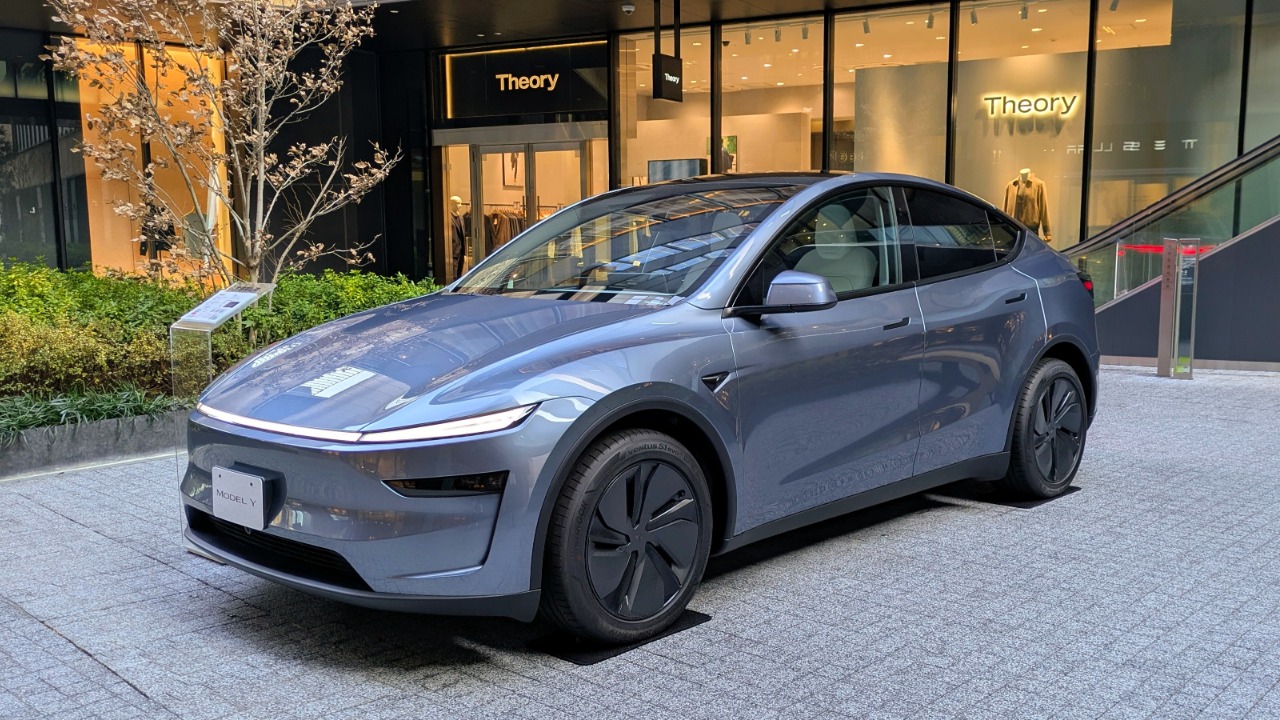
Tesla recalled nearly all 2 million of its cars on U.S. roads, including the Model Y, to limit how drivers could use Autopilot after a two-year federal investigation examined roughly 1,000 crashes in which the system had been engaged. The action ranked among the largest vehicle-software recalls in U.S. history.
The fix arrived as a software update rather than a parts replacement, letting Tesla push it to affected vehicles remotely instead of calling owners into dealerships. Because Autopilot remains officially classified as a driver-assistance system rather than a self-driving one, the recall highlighted how much weight still rests on drivers to stay attentive behind the wheel.
8. Pony.ai Lexus RX450h: California’s First Permit Suspension
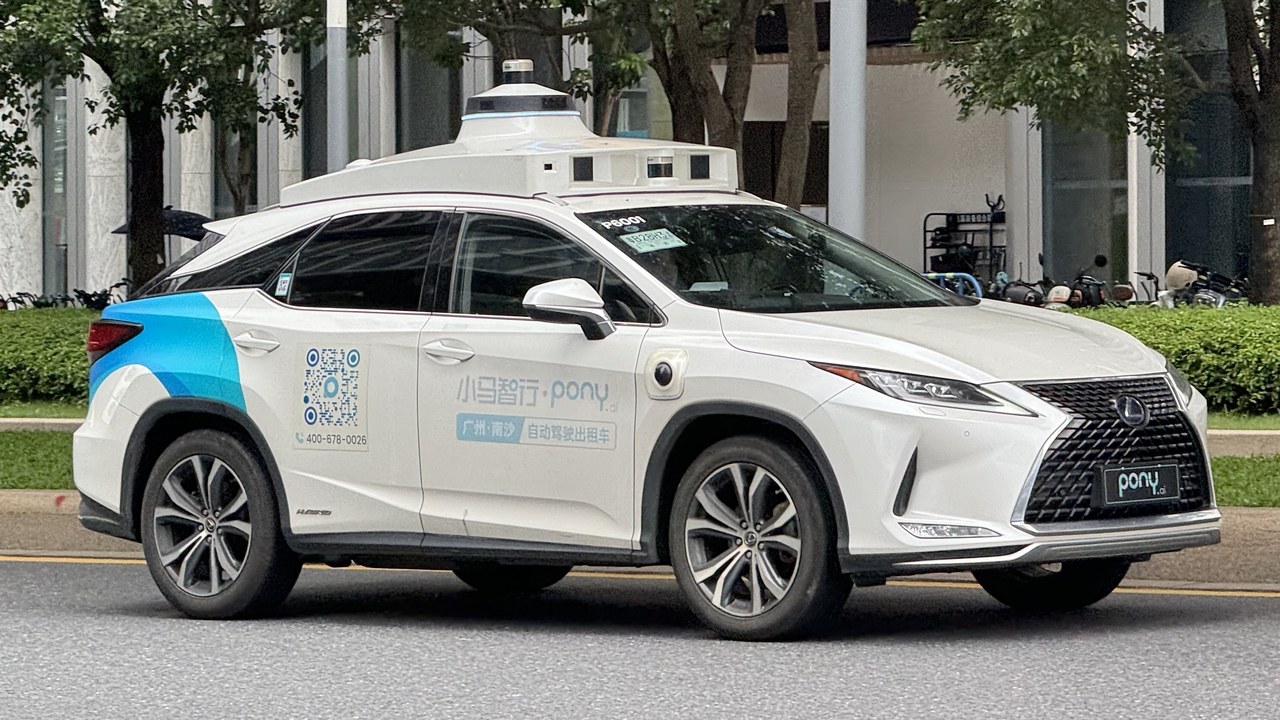
A Pony.ai vehicle operating in autonomous mode struck a road center divider and a traffic sign in Fremont, California, on October 28, 2021, after making a right turn. The California Department of Motor Vehicles responded that December by suspending Pony.ai’s driverless testing permit, the first such suspension the agency had ever issued against an autonomous-vehicle operator.
More than four months after the crash, NHTSA announced what it called the first recall of an automated driving system, after Pony.ai complied with the agency’s request. Pony.ai tests its robotaxi software with Lexus RX450h vehicles, though the company has not said the Fremont vehicle itself was one of them.
More from Morning Overview
- Older Teslas are wearing out in ways early owners never saw coming
- Early electric-car owners are hitting battery and screen failures no one warned them about
- A magnitude 5.3 quake struck off the Oregon coast this week
- Amazon’s Prime refunds are rising to $200 as millions more customers become eligible
