
New cars increasingly ship with safety hardware that regulators chose rather than automakers offered. Backup cameras, airbags, tire-pressure sensors and several newer systems all trace back to a specific government rule with a specific compliance date, split mostly between US federal standards and the European Union’s General Safety Regulation. Here are ten features that are no longer optional because a government mandated them.
1. Backup camera: The Rear View Rule
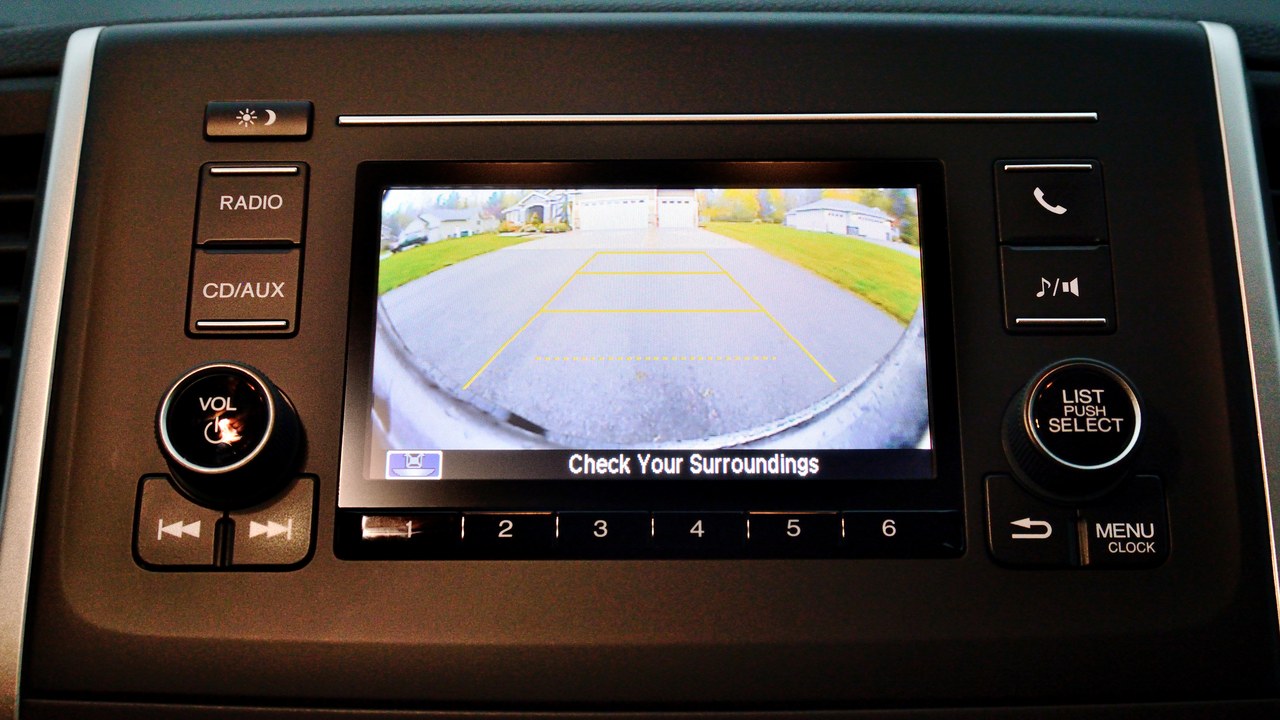
A federal safety mandate requires every new car, pickup truck and van sold in the United States to carry a rear-view camera, a rule that has applied across the entire market without exception since May 2018.
What used to be a premium option bundled only with upscale trims became baseline equipment overnight, and automakers lost any path to sell a compliant vehicle without one, regardless of price point, segment, or body style, from the cheapest compact hatchback up to the largest heavy-duty pickup truck on the lot.
2. Front airbags: Bags Mandated, Then Doubled
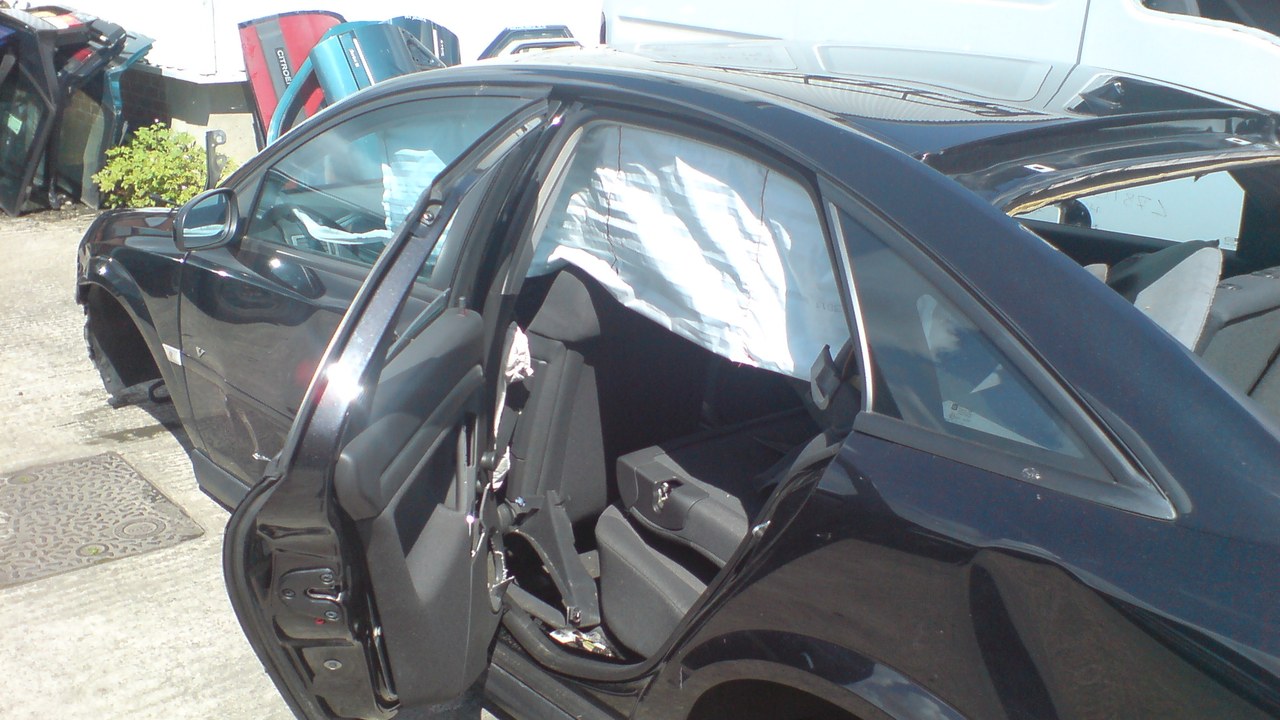
Congress forced the issue with the Intermodal Surface Transportation Efficiency Act of 1991, which required every passenger car and light truck built after September 1, 1998, to carry driver and front-passenger front airbags as standard, non-optional equipment.
Regulators kept revising the mandate rather than leaving it alone: a 1998 amendment to FMVSS 208 required dual front airbags outright and pushed automakers toward reduced-power, second-generation units designed to injure occupants, especially smaller adults and children, less severely whenever the system deploys in a crash.
3. Tire-pressure monitoring system: Pressure Checks By Law
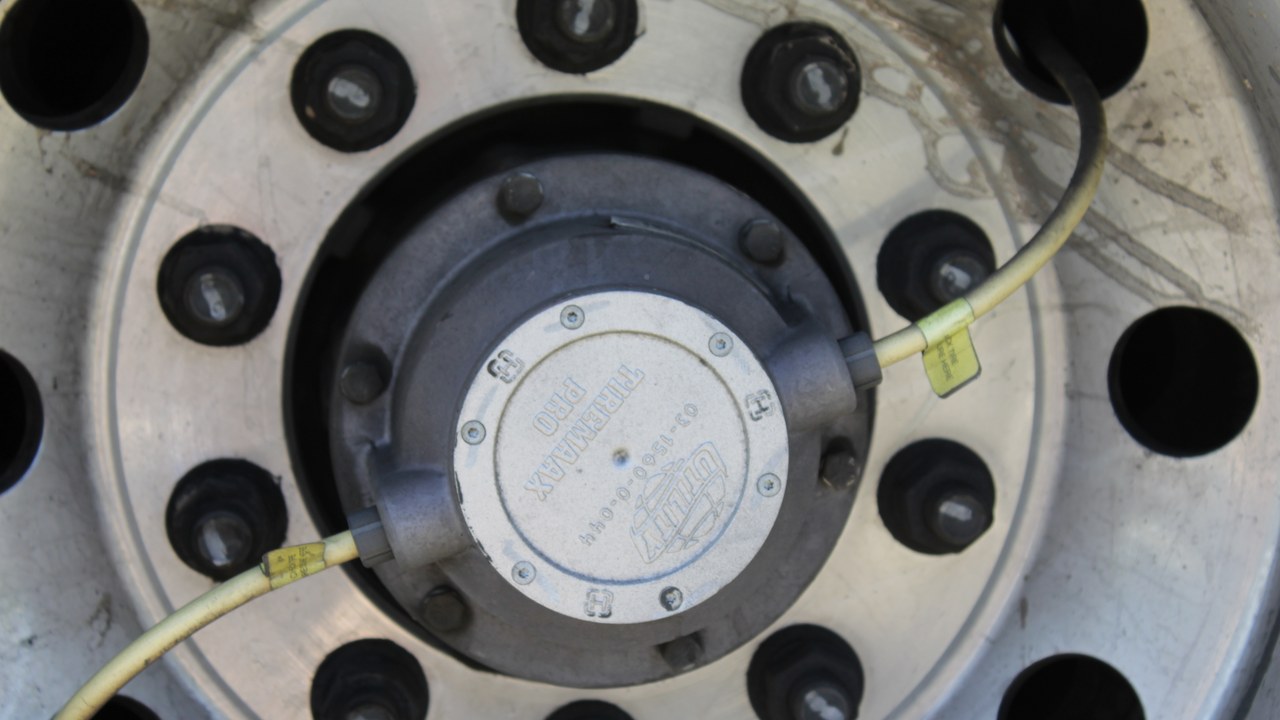
The TREAD Act put tire safety under direct federal control, mandating a tire-pressure monitoring system on every U.S. light vehicle sold after September 1, 2007, years before European regulators followed with a matching rule of their own making.
Brussels caught up on November 1, 2014, when the same monitoring requirement became mandatory on new cars sold across the European Union, turning what was once an aftermarket accessory into a low-tire warning light fixed permanently on dashboards on both sides of the Atlantic.
4. Automatic emergency braking: Braking Nobody Can Skip
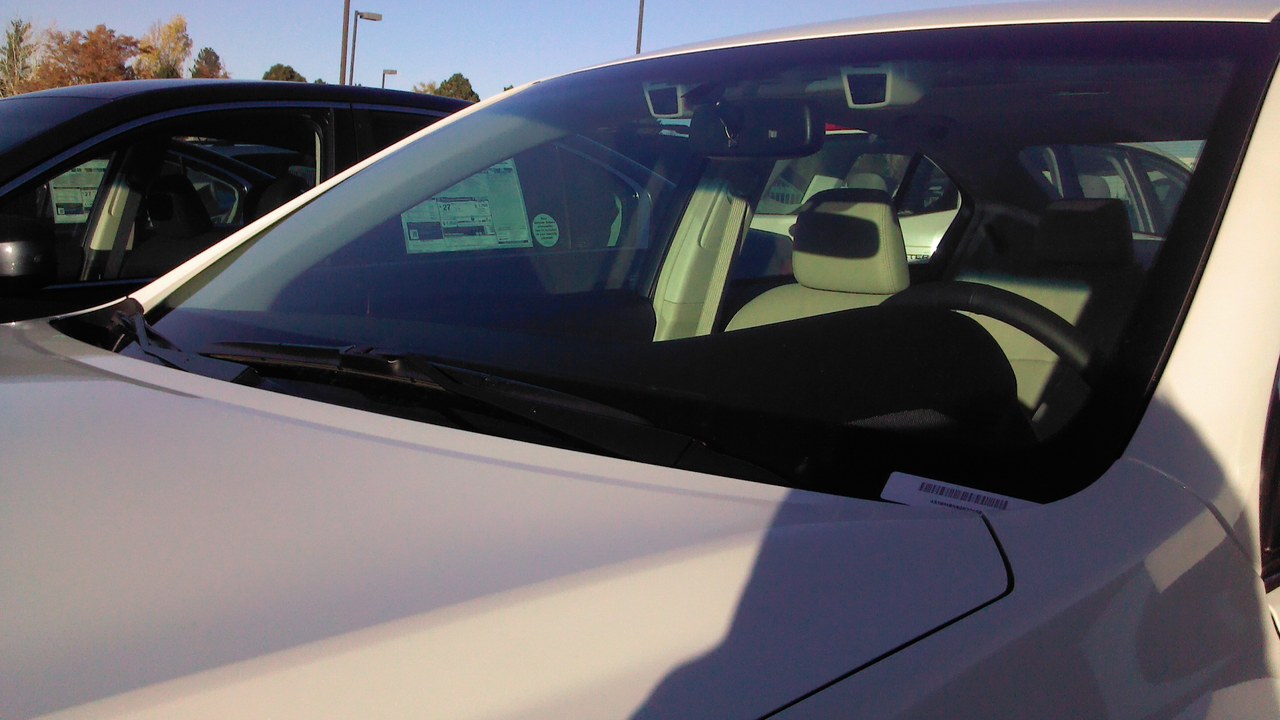
NHTSA’s rule under FMVSS 127 makes automatic emergency braking, including a version tuned specifically to detect pedestrians, standard equipment on every new passenger car and light truck sold in the United States by September 2029.
The agency built its case on projected outcomes rather than a voluntary rollout left to automakers’ own discretion, estimating the mandate will save at least 360 lives a year and prevent at least 24,000 injuries annually once every automaker in the market has fully complied with the rule. The pictured setup is Subaru’s EyeSight suite, one camera-based system already on dealer lots that performs the same pre-collision braking function the federal rule now requires industry-wide.
5. Daytime running lights: Lights On By Regulation
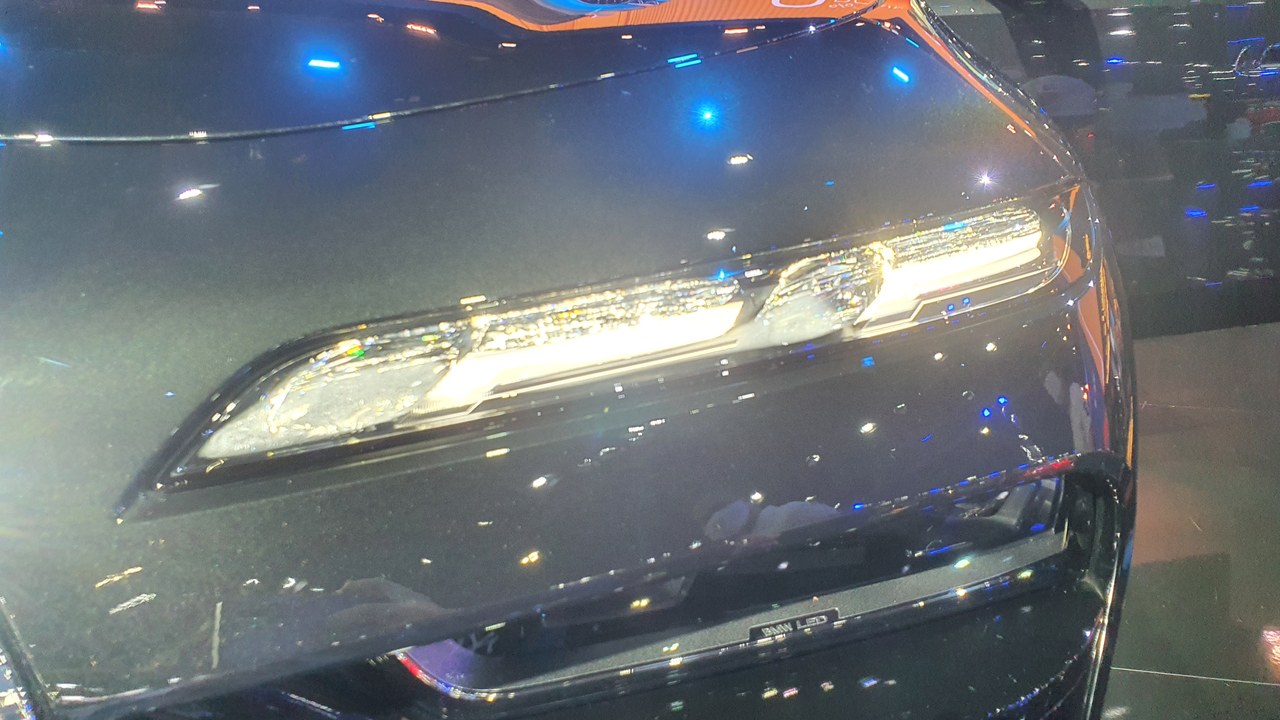
Sweden moved first among nations, requiring widespread daytime running lights back in 1977, and Canada followed decades later with CMVSS 108, mandating them on every new or imported vehicle built after January 1, 1990.
The European Union caught up further still: Directive 2008/89/EC required daytime running lights on passenger cars and small delivery vans type-approved from February 7, 2011, then the same mandate was extended to cover trucks and buses across the entire bloc in August 2012, closing the gap between Nordic practice and the rest of the continent.
6. Center high-mounted stop lamp: The Third Brake Light Order
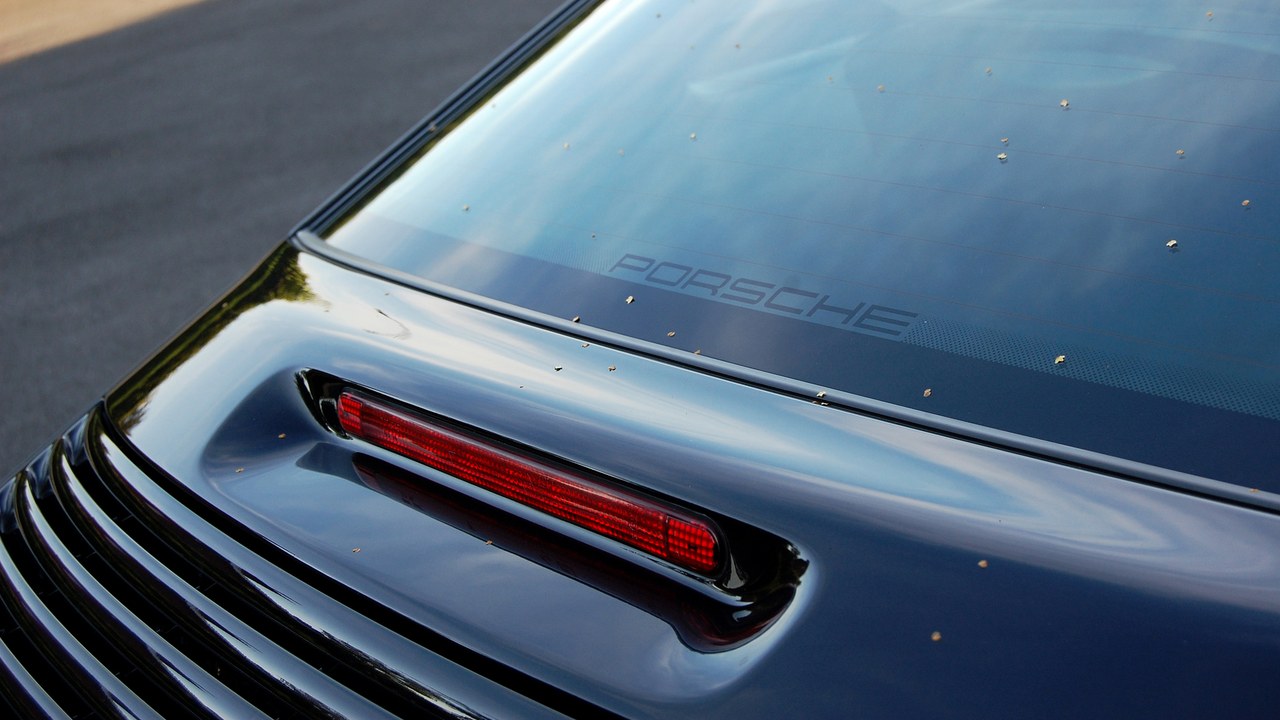
NHTSA and Transport Canada jointly mandated a center high-mounted stop lamp on every new passenger car starting with the 1986 model year, then extended the same requirement to cover light trucks and vans for the 1994 model year as well.
Early taxicab and fleet studies credited the third brake light with cutting rear-end collisions by roughly half, and even though the enduring long-term benefit measured closer to 4.3 percent once broader driving patterns were counted, regulators still judge the mandate cost-effective across the fleet.
7. Event data recorder: The Mandatory Black Box
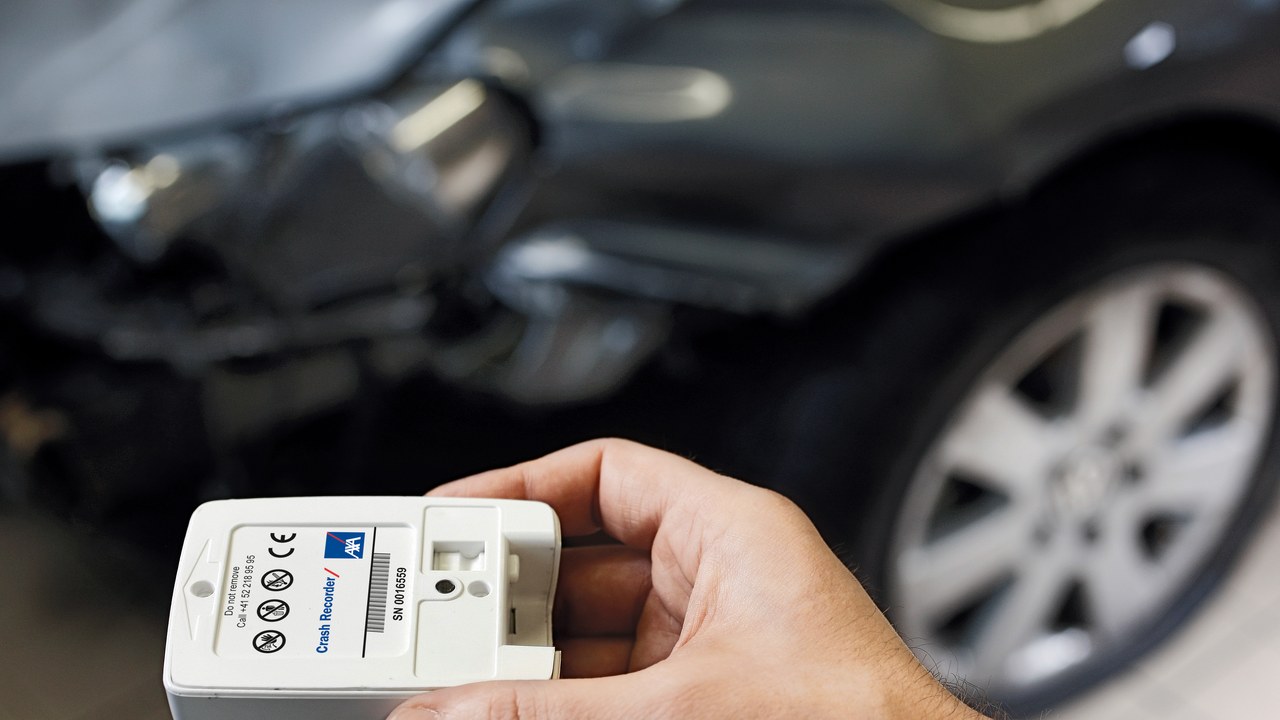
European regulators made the event data recorder mandatory in every new car and van sold in the EU, folding it into a package of driver-assistance rules the European Commission projects will help save more than 25,000 lives by 2038.
Automakers no longer get to choose whether a vehicle logs its final seconds before a crash; the recorder now ships as standard equipment across the entire EU passenger and light-commercial fleet, installed because a government ordered it rather than because manufacturers volunteered the feature on their own.
8. Emergency stop signal: Flashing Lights, By Order
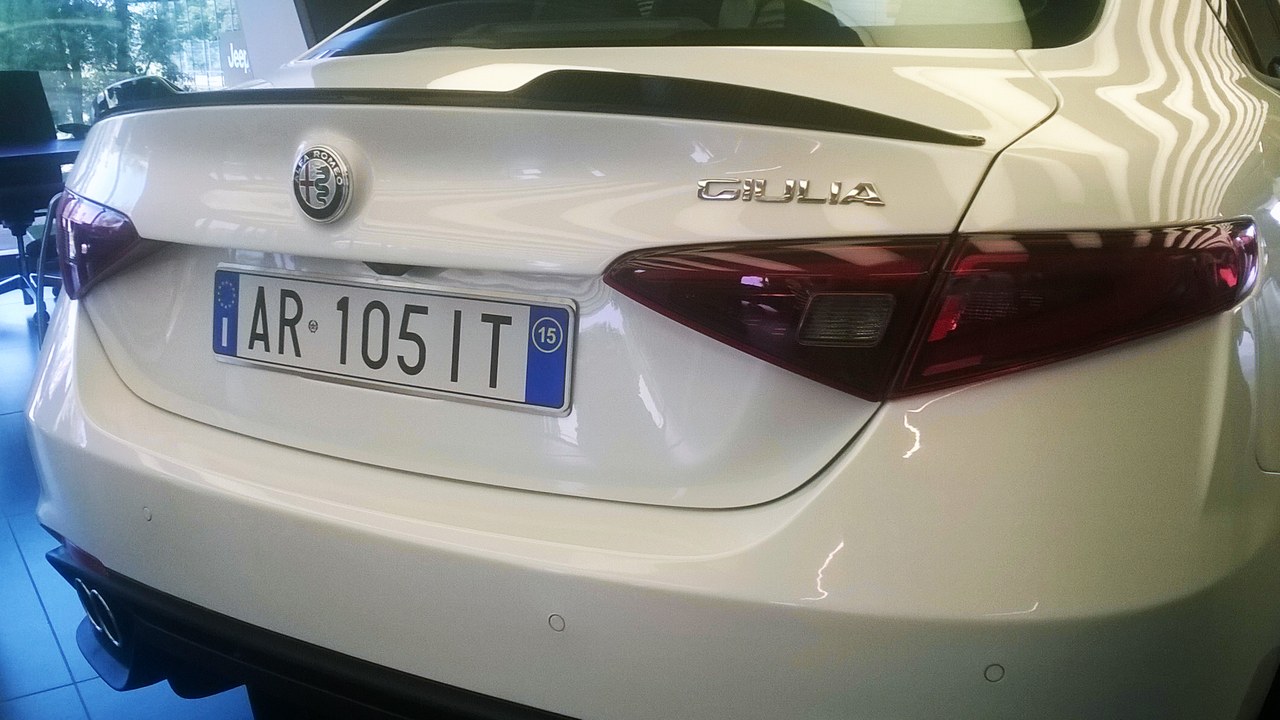
The same EU rule package mandates an emergency stop signal, brake or hazard lights that flash automatically and rapidly to warn following drivers the instant a car brakes unusually hard.
Regulators grouped the signal together with the event data recorder and the drowsiness warning as several of the systems every new EU car and van must now carry as standard, rather than leaving that particular safety choice to individual automakers’ own engineering judgment, marketing plans, or trim-level pricing strategy across the model range.
9. Advanced driver distraction warning: Distraction Now Monitored
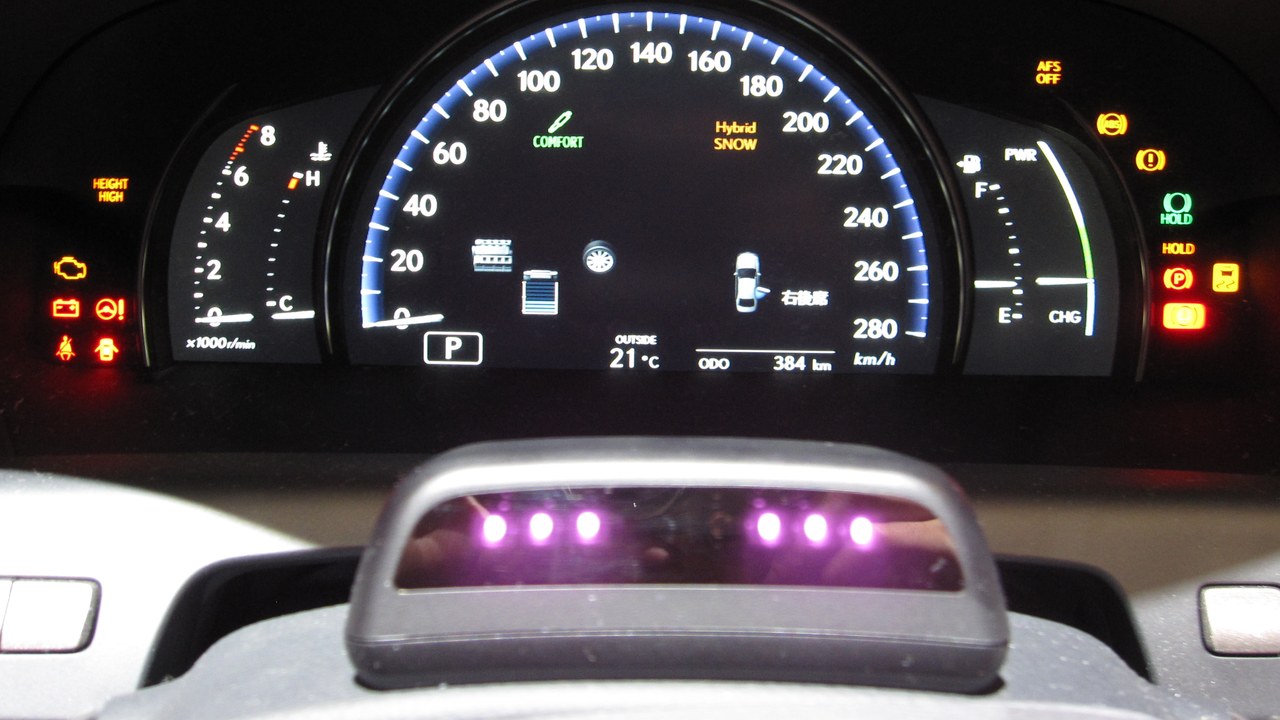
Brussels listed advanced driver distraction warning among the safety systems required in every new passenger car sold across the European Union starting July 7, 2024, under the bloc’s wider General Safety Regulation package.
The requirement puts monitoring technology in the cabin by government mandate rather than manufacturer choice, watching continuously for signs that a driver’s attention has drifted away from the road ahead and alerting the driver before that drift turns into a genuine, avoidable hazard out on the open road.
10. Lane keeping assistance: Steering Help, Required

The same July 7, 2024 EU rule requires lane keeping assistance on every new car sold in the bloc, closing out a list of driver-assistance systems the General Safety Regulation made mandatory the same day across every EU member state.
Where the technology once served automakers as a way to differentiate premium trim levels from cheaper base models, EU law now treats it as a baseline safeguard against unintentional lane drift, standard equipment on the cheapest compact hatchback and the priciest luxury sedan alike.
More from Morning Overview
- Early electric-car owners are hitting battery and screen failures no one warned them about
- A magnitude 5.3 quake struck off the Oregon coast this week
- Amazon’s Prime refunds are rising to $200 as millions more customers become eligible
- A handful of car engines are so tough mechanics say they almost never wear out
