
Automakers increasingly treat features the hardware already includes as ongoing revenue rather than one-time sales, charging owners monthly or annual fees to unlock capability built into the vehicle at the factory. Some of these subscriptions cover software-heavy systems like hands-free highway driving, while others gate something as simple as heated seats or a working key fob. Here are eight car features automakers have tried to lock behind a subscription.
1. Ford BlueCruise: A Recurring Toll For Hands-Free Miles
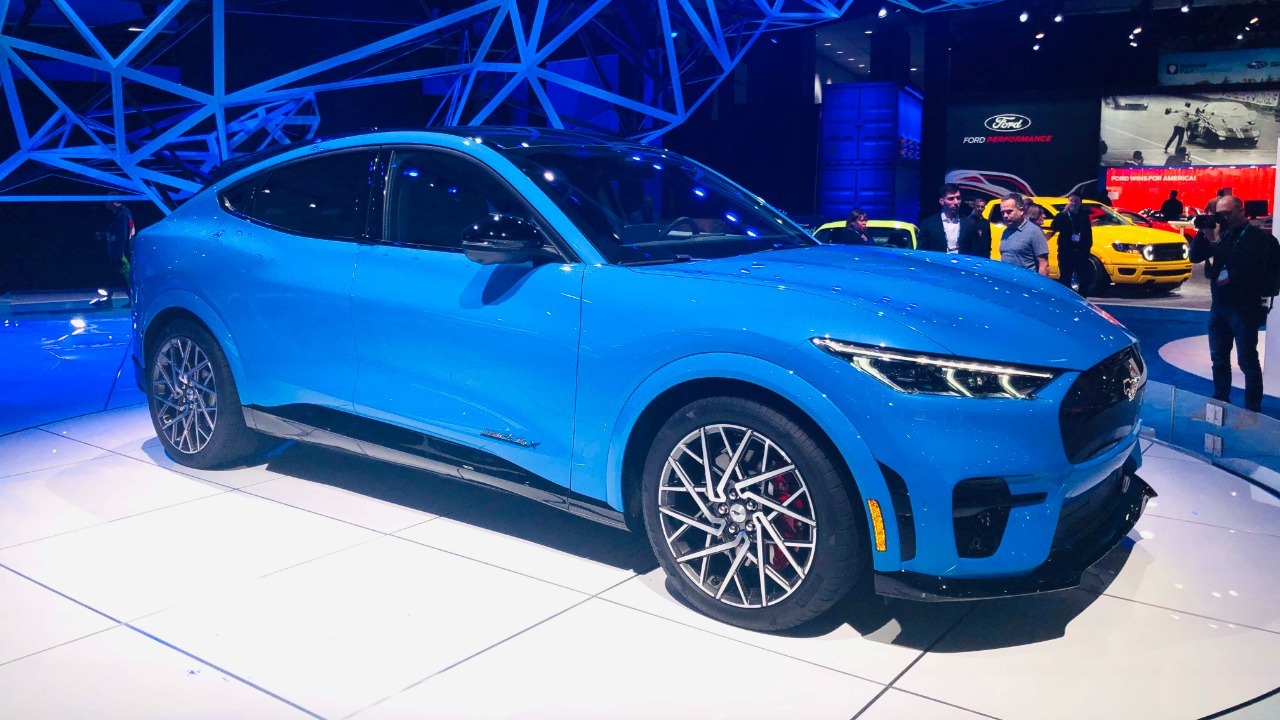
Ford’s hands-free highway driving feature, BlueCruise, costs $495 a year or $49.99 a month once the included trial period ends. Owners who want to skip the recurring charge can instead pay $2,495 once for a lifetime buyout that covers the vehicle for as long as they keep it.
The buyout math favors long-term owners, since five years of the annual plan already costs more than the flat $2,495 fee, while short-term lessees or frequent trade-in buyers end up paying repeatedly for driver-assist hardware the truck or SUV already carries from the factory.
2. Mercedes-Benz Acceleration Increase (EQS): Paying Monthly For Power Already Installed
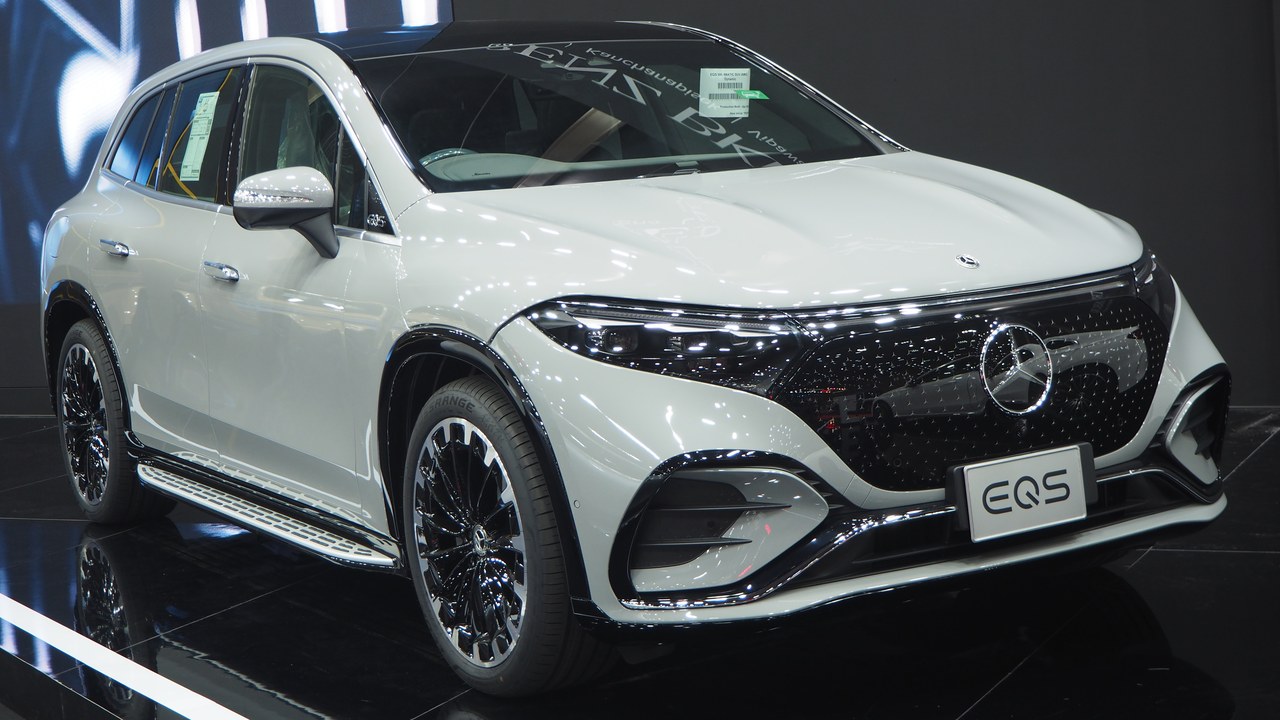
Mercedes-Benz charges EQS owners a recurring fee to unlock acceleration the electric SUV’s motors are already capable of, pricing the Acceleration Increase option at $90 a month, $900 a year, or a flat $2,950 for the life of the vehicle.
The hardware needed for the quicker 0-to-60 time ships in every EQS regardless of trim, so the payment unlocks a software limiter already built into the car rather than adding any new component, mirroring the pay-to-unlock approach other automakers have tested on their own electric and gas-powered lineups in recent years.
3. GM OnStar One: The New Price Of Staying Connected

GM bundles crash detection, remote start, in-car Wi-Fi and other connectivity tools into a single connected-services plan, OnStar One, priced at $34.99 a month for owners who want those features active.
The subscription consolidates safety and convenience tools that GM once sold as separate tiered OnStar packages into one recurring charge, so drivers who want any single piece of the bundle, such as crash notification or remote start, now pay for the whole plan rather than picking a narrower, cheaper option. Skipping the fee also means giving up the stolen-vehicle location tools and remote diagnostics that GM no longer sells as a standalone purchase.
4. GM Super Cruise: No Way To Buy It Outright
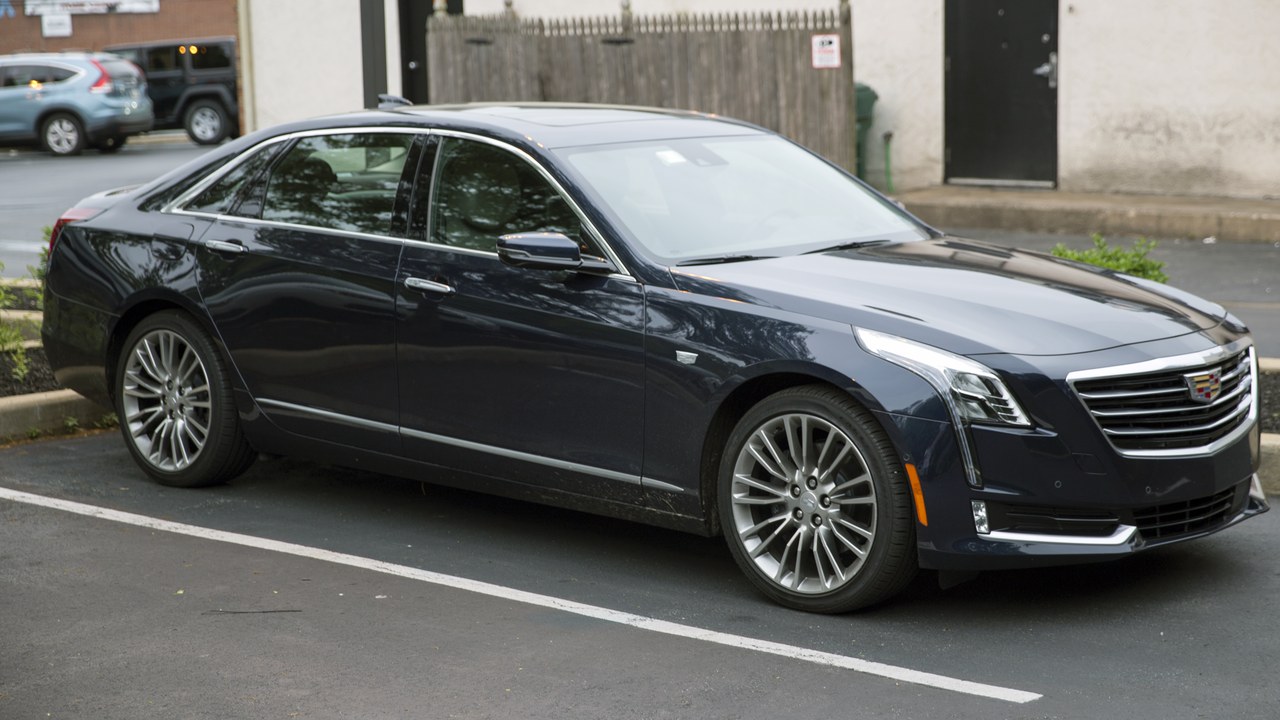
GM sells its hands-free highway driver-assist system, Super Cruise, only as a $39.99-a-month subscription, with no one-time purchase price or lifetime buyout offered to owners who would rather pay once and be done with the feature entirely.
That structure sets GM apart from Ford, which still lets BlueCruise owners buy the feature outright, leaving Super Cruise drivers with a standing monthly bill for as long as they want the hands-free capability to stay active on their Cadillac, GMC or Chevrolet. Cancel the plan and the hardware stays installed but the highway driving mode simply stops working until payment resumes.
5. Tesla Full Self-Driving (Supervised): The End Of The One-Time Fee
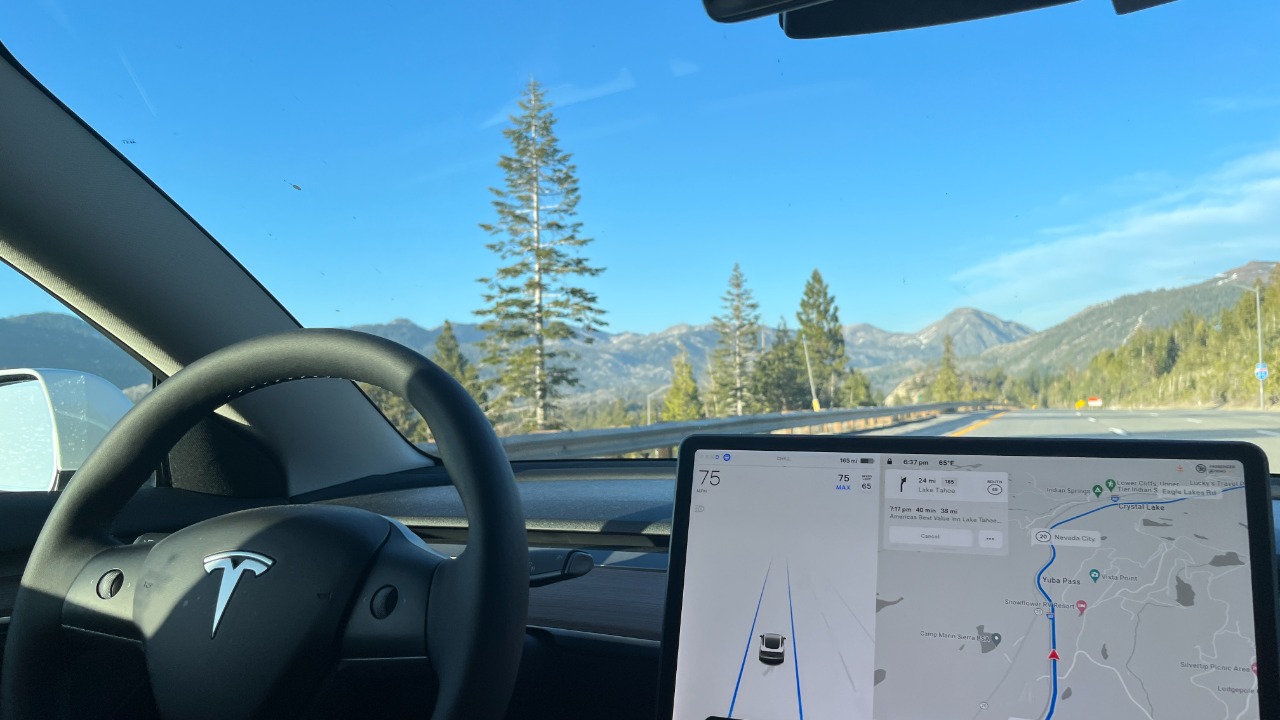
Tesla dropped the one-time purchase price for Full Self-Driving in early 2026, moving new buyers to a $99-a-month subscription as the only way to access the driver-assist suite, a change from the years when owners could pay a single upfront sum instead.
Elon Musk has signaled the monthly price will keep climbing as the software improves, meaning subscription-only owners who want to keep FSD active are committing to a bill that is expected to grow rather than hold steady over time. Owners who bought the feature outright before the switch keep their access, but anyone purchasing a new Tesla today no longer has that one-time option available to them.
6. Rivian hands-free highway driving: Another Automaker Bills Monthly
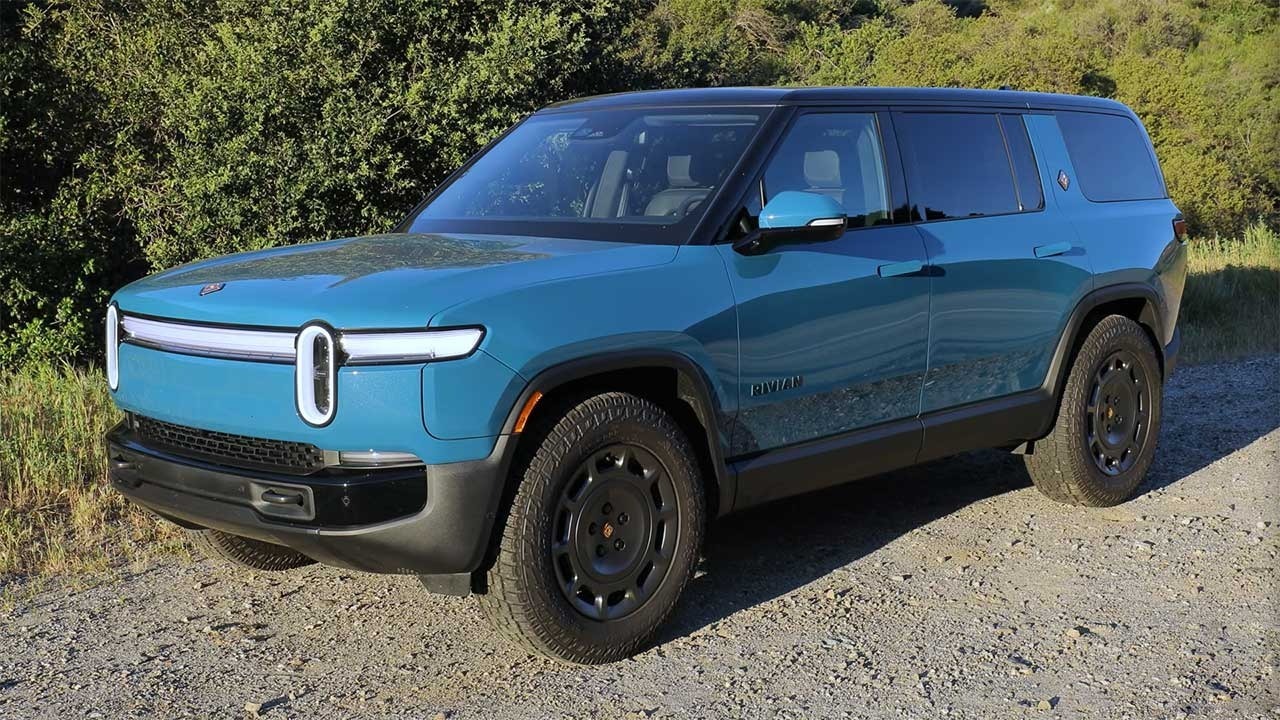
Rivian charges $49.99 a month for its hands-free highway driving subscription, joining Ford, GM and Tesla in treating advanced driver-assist software as a recurring line item rather than a feature bundled permanently into the R1S or R1T’s purchase price at the dealership.
The monthly charge shows how widely the subscription model has spread across the EV segment, with newer manufacturers following the same playbook as legacy automakers instead of using pricing as a way to stand apart from the rest of the pack. Owners who skip the plan keep standard driver-assist features but lose the hands-free highway mode until they subscribe.
7. BMW heated seats: The Fee That Sparked A Backlash
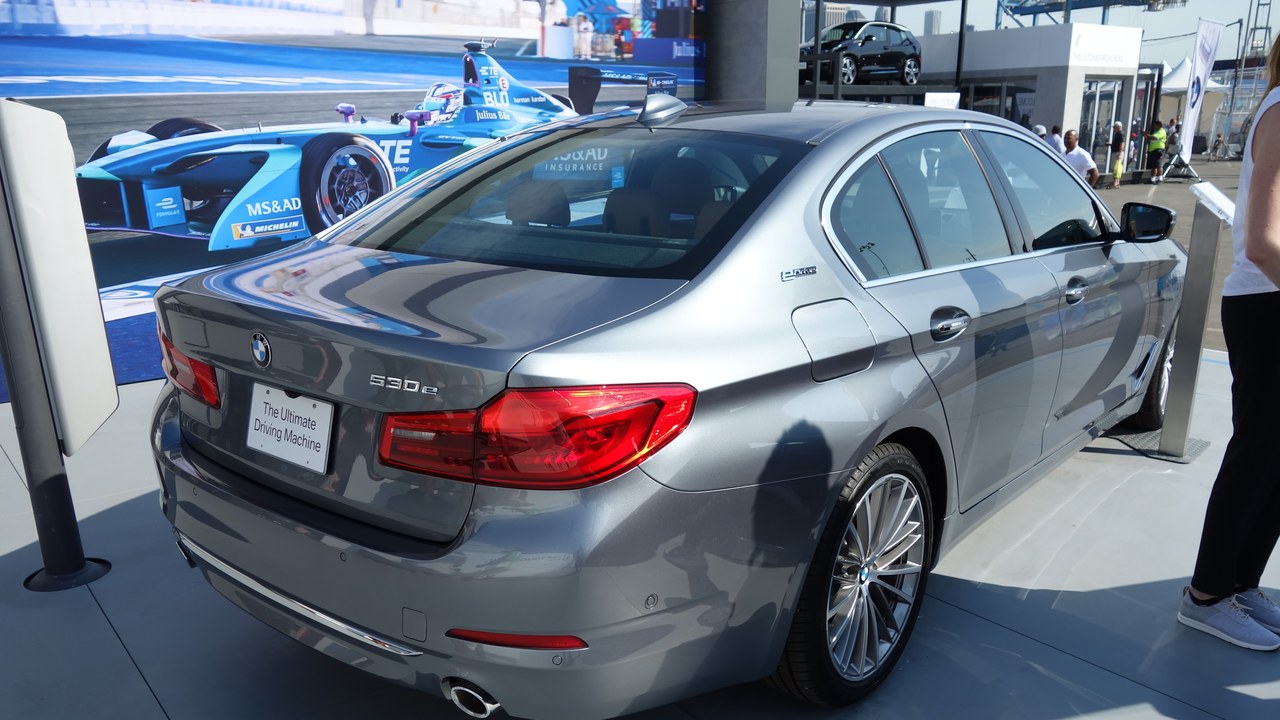
BMW once charged owners $18 a month to activate heated seats that were already installed in the car, a subscription for hardware that had long been included at no extra cost on nearly every trim level BMW sold in the United States and Europe.
The backlash was strong enough that BMW eventually walked the plan back, telling owners the automaker would no longer offer seat heating that way, making it one of the few pay-to-unlock features an automaker has actually abandoned after public pushback rather than defended or expanded further across its lineup.
8. Toyota key fob remote start: A Subscription To Start The Car
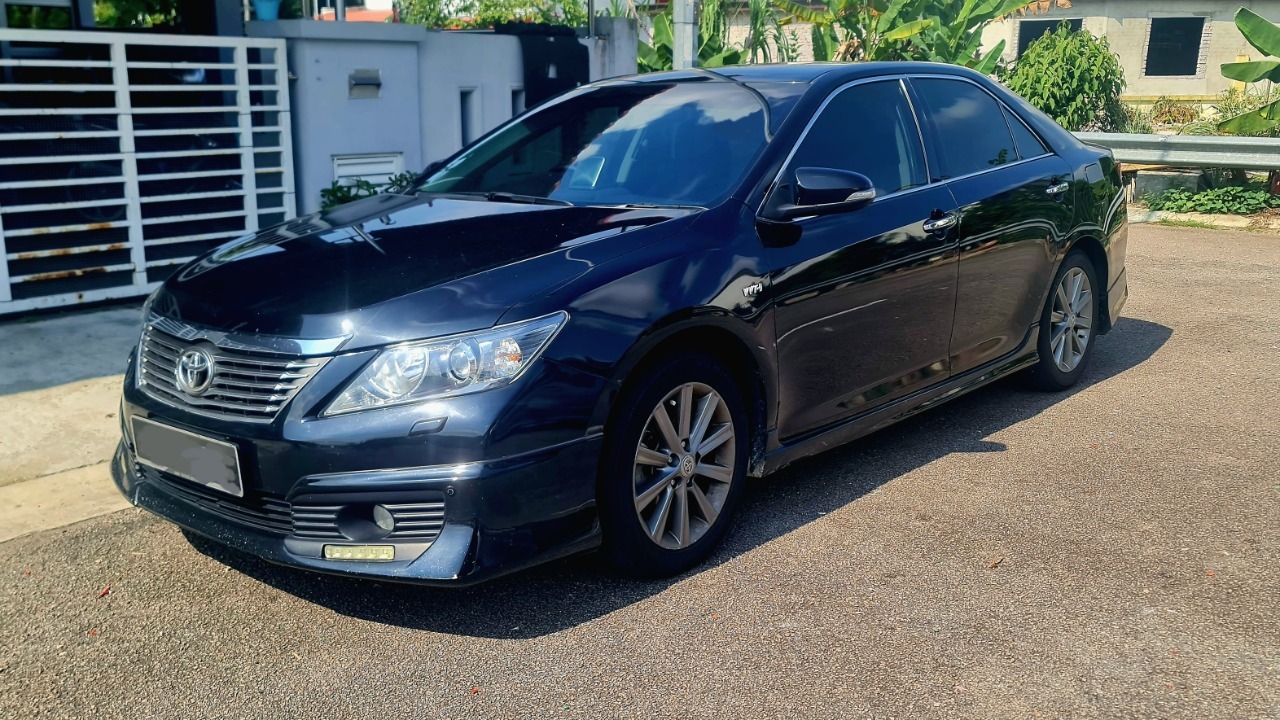
Toyota now requires an active Remote Connect subscription for the key fob’s remote-start button to work at all once the vehicle’s included trial period runs out, charging $8 a month or $80 a year to keep the feature functioning as before.
Unlike a smartphone app losing a convenience, this ties a physical button on the key fob itself to a recurring payment, meaning a lapsed subscription silently disables a feature drivers may not even realize is connected to a bill until the button stops responding out in the driveway one morning.
More from Morning Overview
- Card skimmers hidden on gas pumps and ATMs are draining accounts, and here’s the tell
- Doctors warn a silent liver disease now affects one in three American adults
- Hackers are hijacking outdated home routers, and the FBI named the models to check
- Older Teslas are wearing out in ways early owners never saw coming
