
Flush and electronic door handles look sleek, but they depend on motors, sensors and battery power that can fail exactly when a passenger needs a fast way out. Regulators in the United States and China have opened investigations and issued recalls after occupants and bystanders struggled to release doors during crashes, fires and power failures. Here are eight cars whose electronic door handles have raised documented safety concerns.
1. Tesla Model 3: The Hidden Backup Release
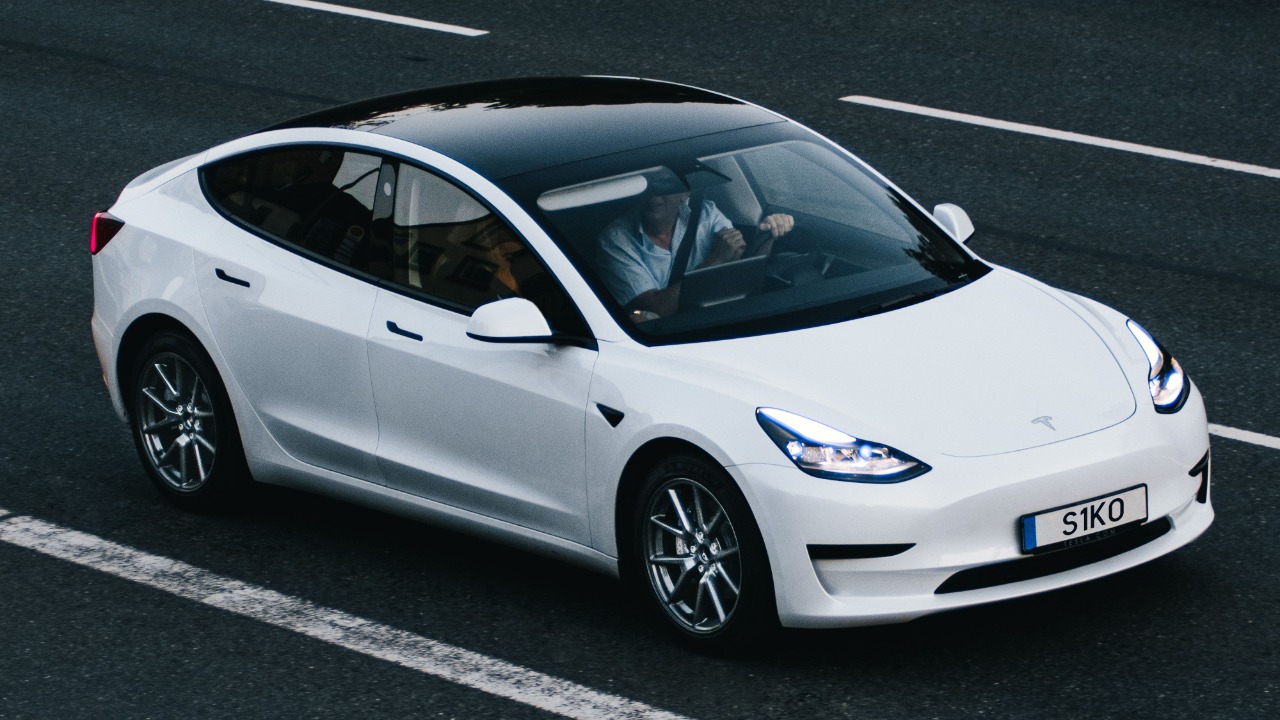
The National Highway Traffic Safety Administration opened an investigation into Tesla in December 2025 after complaints that the Model 3’s mechanical backup door release is hidden and unlabeled, making it hard to find in an emergency. A Bloomberg investigation has linked Tesla’s door handle design to fifteen crash deaths, including a Tacoma, Washington fire that killed Wendy Dennis after bystanders could not get her door open.
The case illustrates a broader problem with flush electronic handles: when power fails or panic sets in, the manual override that occupants and rescuers need most is often the hardest part of the car to locate.
2. Tesla Model Y: Handles That Lose Power
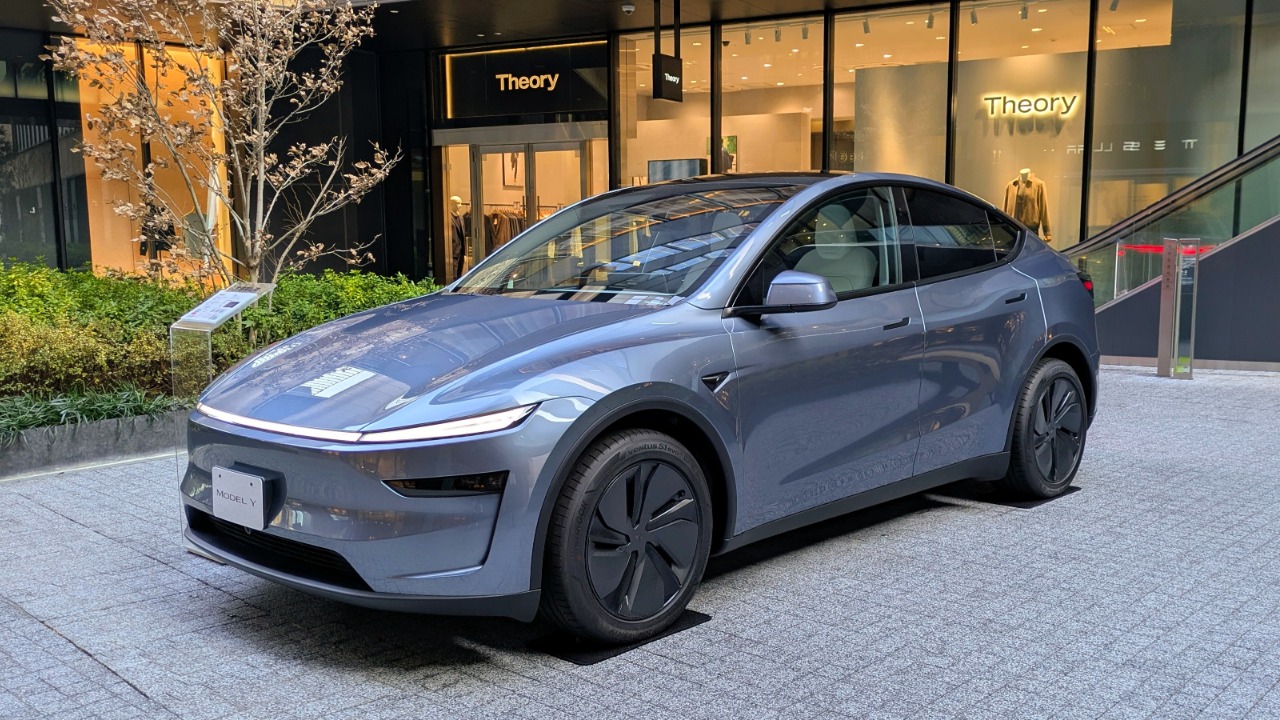
NHTSA’s September 2025 probe of 174,290 Model Y SUVs found that electronic door handles could go inoperable when the vehicle’s 12-volt battery ran low, cutting off the usual way in or out. Nine complaints filed with the agency described parents breaking windows to reach children trapped inside after the handles stopped responding.
The pattern points to a single point of failure: a small backup battery that, once drained, leaves both occupants and would-be rescuers with no mechanical way to open the door, a gap regulators are now pressing Tesla to explain.
3. Tesla Cybertruck: A Fire That Trapped Its Owner
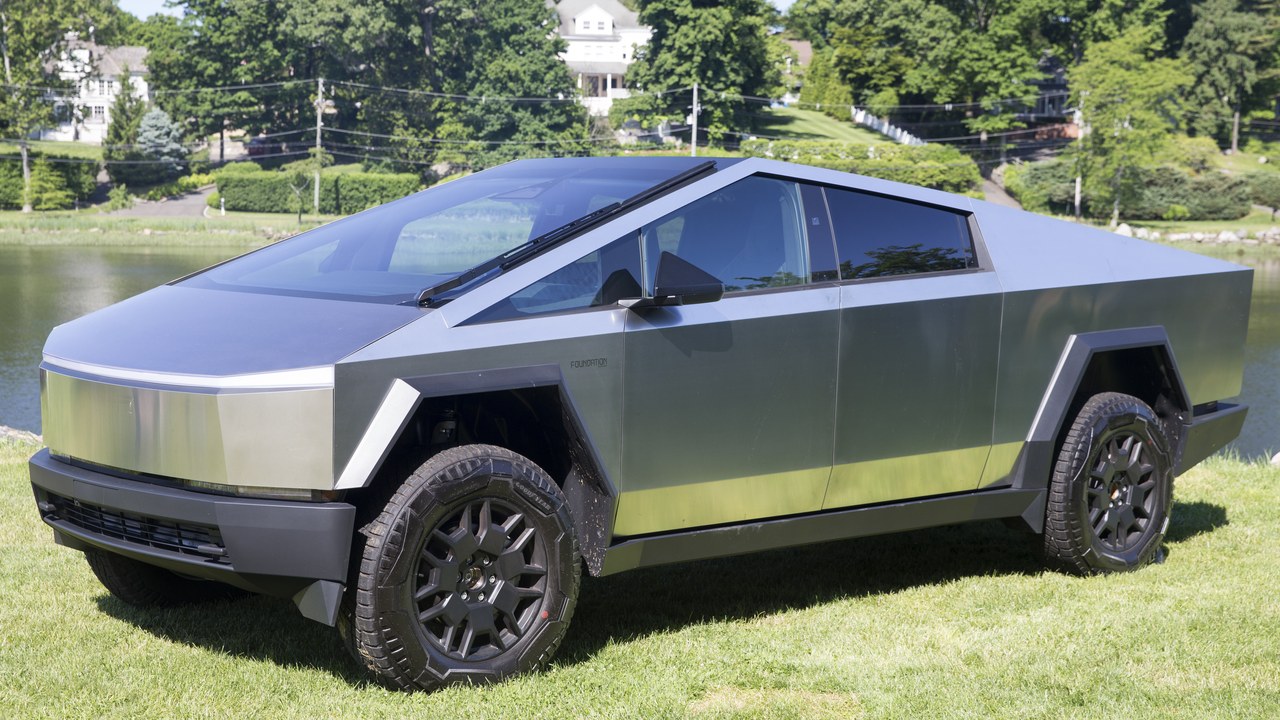
A Texas lawsuit filed in July 2025 alleges that the Cybertruck’s door design trapped owner Michael Sheehan inside the truck as it caught fire following an August 2024 crash, and that he could not escape before the fire killed him. The suit argues the electronic handles and locking system left no reliable manual path out once the vehicle lost power.
Cybertruck’s angular doors already require occupants to locate a separate manual release, and the lawsuit contends that step is neither obvious nor fast enough when a fire is already spreading through the cabin.
4. Tesla Model S: Swept Into China’s Recall
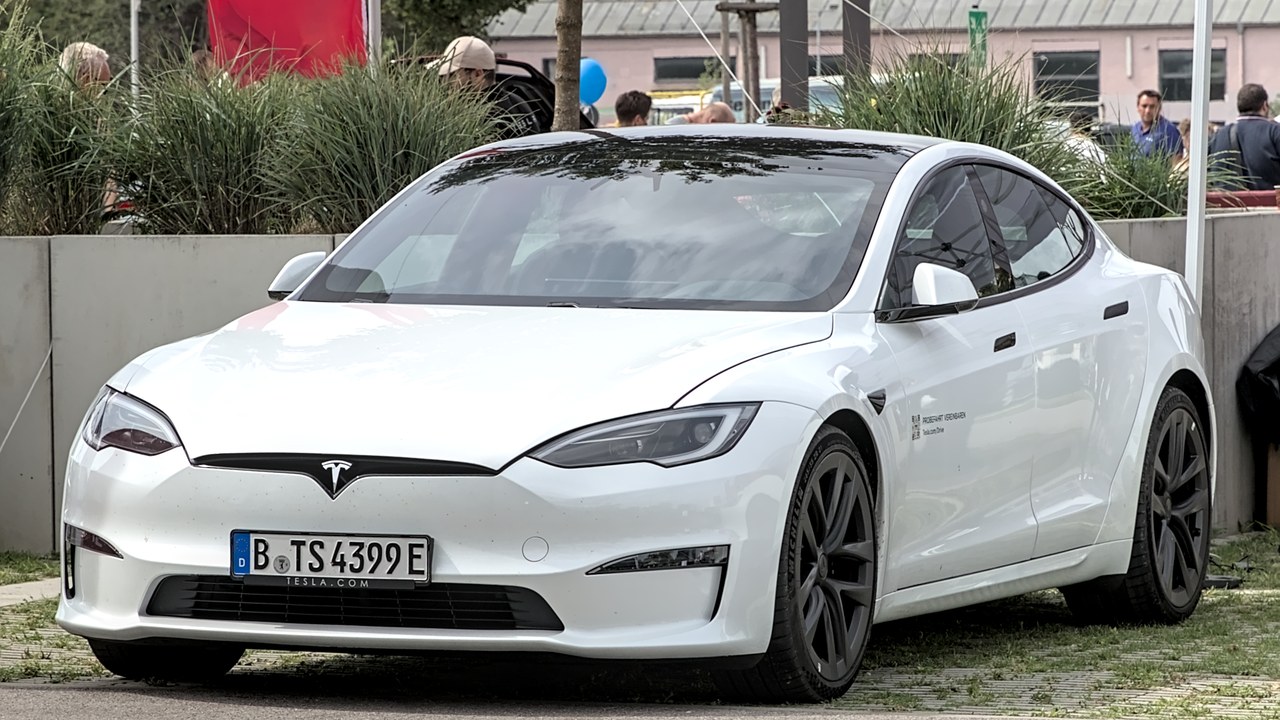
China’s 2026 emergency recall of vehicles with flush door handles pulled in 2,123 imported Model S units, regulators there citing the same failure mode Tesla faces in the United States: handles that can stop responding when the car loses power. The recall requires importers to add a mechanical backup release before the cars can be resold.
The relatively small number reflects how few Model S sedans China imports rather than any lesser risk, and the fix mirrors what US investigators are now asking Tesla to retrofit across its entire lineup in the United States as well.
5. Tesla Model X: Also Caught in the Sweep
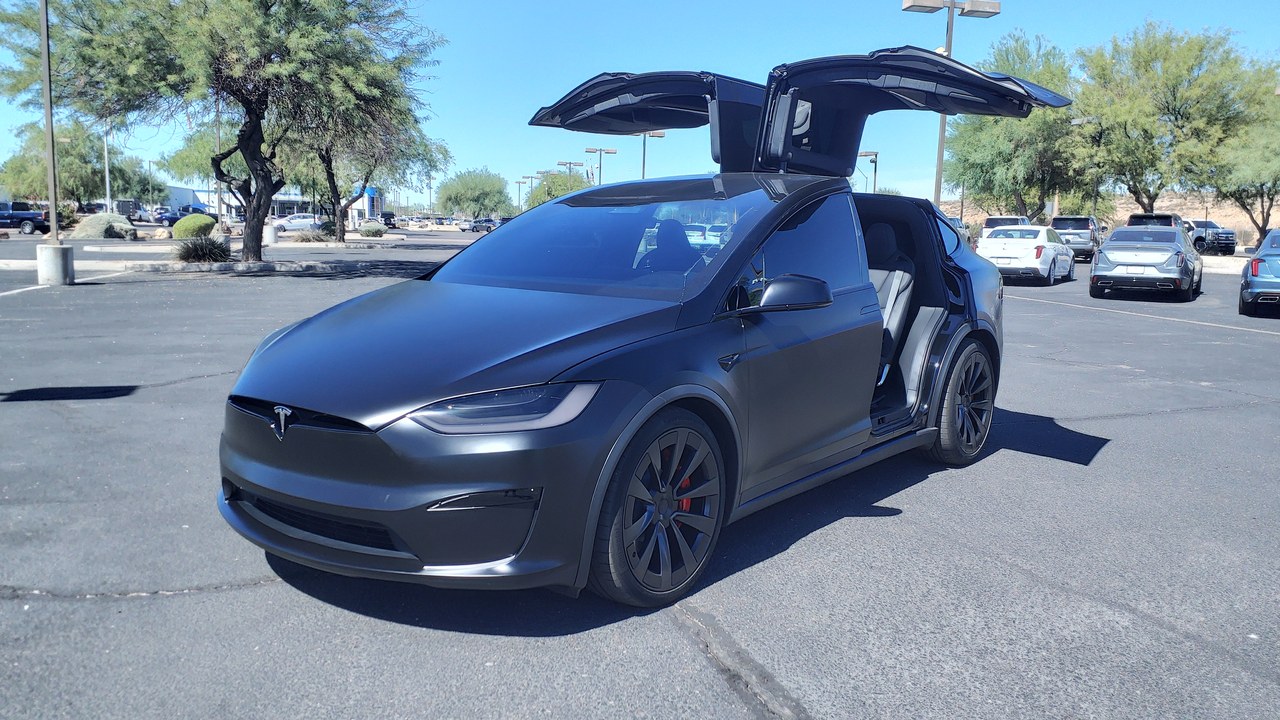
The same Chinese recall order swept in 8,328 imported Model X units, more than triple the Model S total, after regulators concluded the SUV’s electronic handles shared the same fault: a loss of power that can leave the mechanism unresponsive. Owners must have a mechanical backup release installed before the vehicles can legally be sold again.
The larger tally for the Model X than the Model S shows how far the flush-handle design spread across Tesla’s range well before regulators caught up with it, and how much retrofit work now sits ahead of the company.
6. Xiaomi SU7: Fires That Sealed the Doors
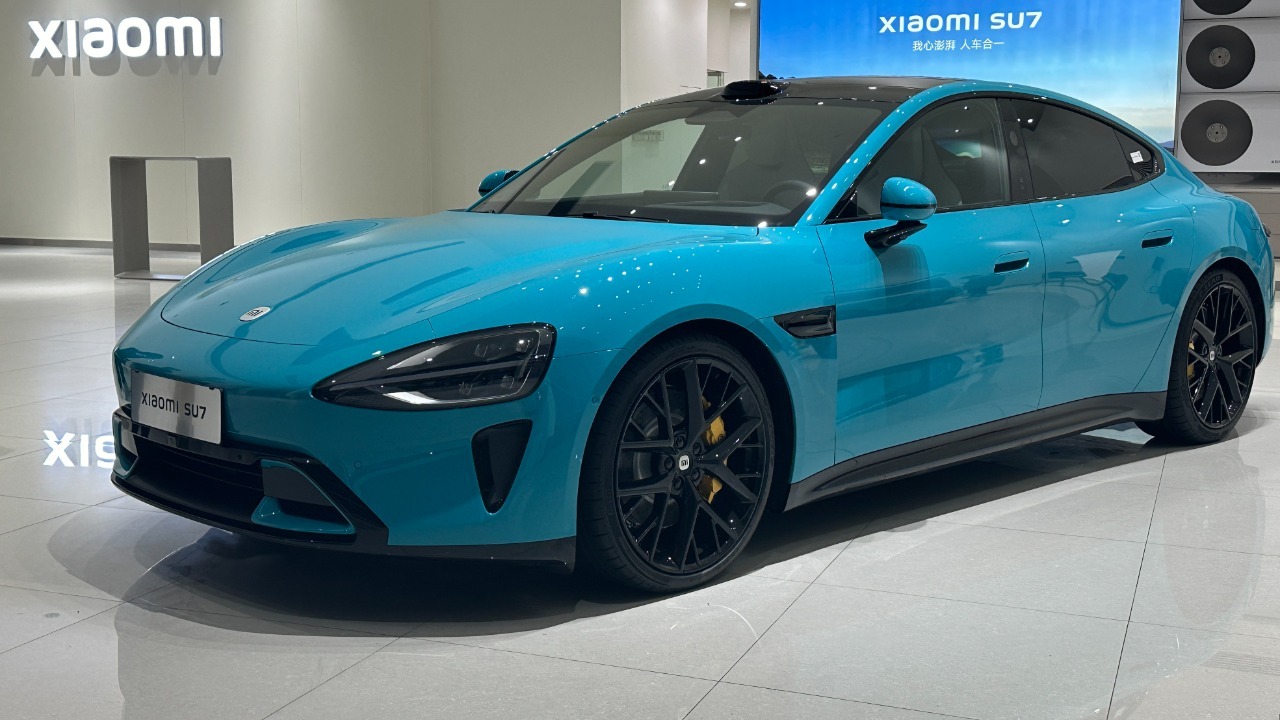
Chinese safety watchdogs have cited two fatal SU7 crash fires from October 2025 in which power failures reportedly kept occupants from escaping vehicles that were already burning. The SU7 uses the same flush, electronically actuated handle design that has drawn scrutiny across Tesla’s lineup and prompted the broader Chinese crackdown.
The incidents helped push regulators toward requiring a mechanical backup on every new flush-handle car sold in China, since a handle that needs electricity to work is only as reliable as the power system feeding it, a standard officials now apply to every automaker still selling the design.
7. BMW iX3: An Early Flush-Handle Adopter
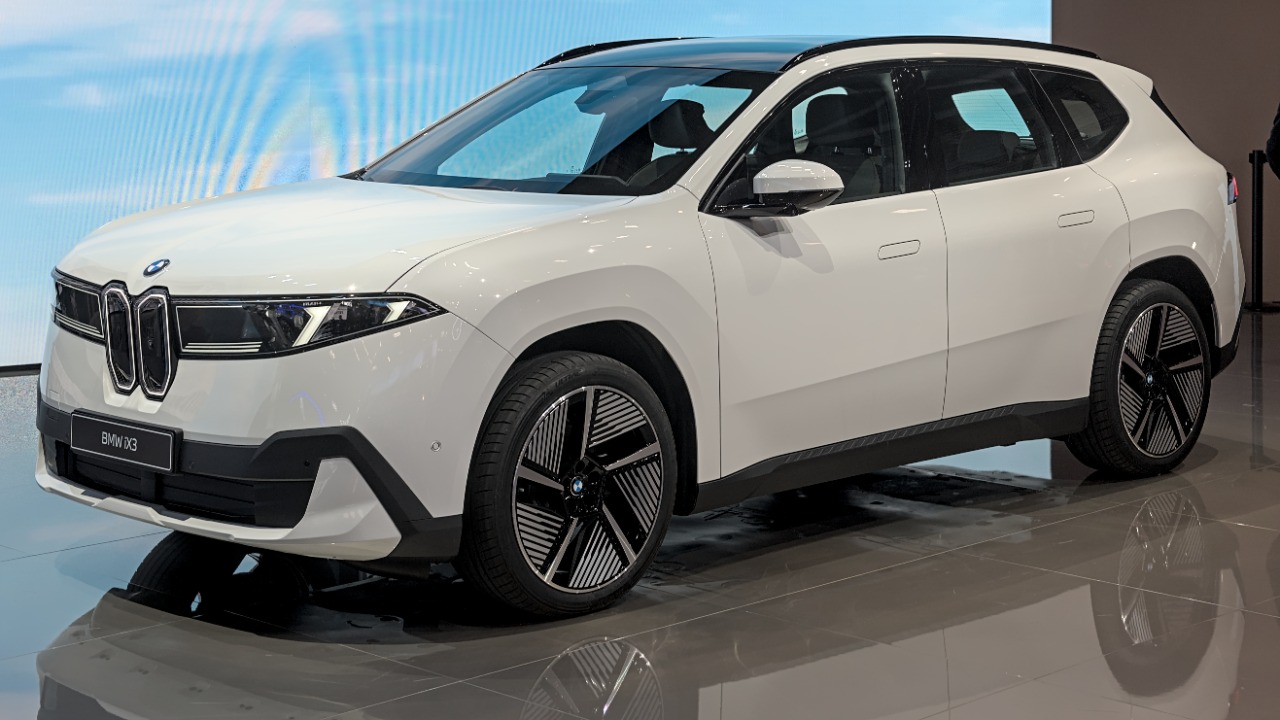
BMW’s iX3 was one of the early adopters of retractable flush door handles, a design choice that now puts it among the models BMW must redesign to meet China’s 2027 mandate requiring a mechanical backup release on every handle. The rule followed the same string of power-loss failures documented on Tesla and Xiaomi models.
BMW has not disclosed how it will retrofit the iX3’s handles, but the mandate gives automakers a hard deadline rather than a recommendation, meaning the redesign has to reach cars already on dealer lots as well as future production.
8. Fisker Ocean: A Probe Into Power Failures
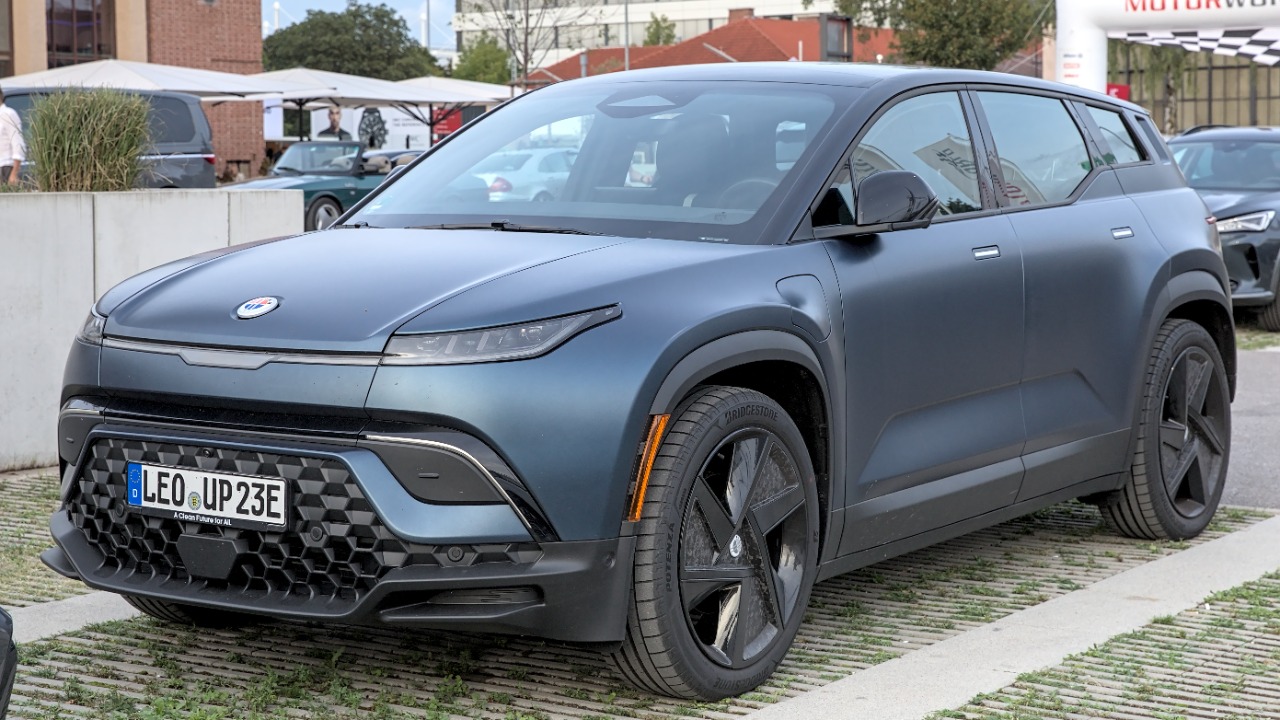
NHTSA opened a preliminary probe on April 3, 2024 into Fisker Ocean door failures after more than 100 reports of the SUV losing power and leaving occupants unable to get the doors open from inside or outside. Fisker filed for bankruptcy months later, leaving owners with a car whose safety issue was never fully resolved.
With no manufacturer left to issue a fix, the Ocean stands as a warning about what happens when an electronic door system fails and the company behind it disappears before a mechanical backup ever ships.
More from Morning Overview
- Four U.S. startups fired up their first small nuclear reactors, aiming to power AI data centers on-site
- Card skimmers hidden on gas pumps and ATMs are draining accounts, and here’s the tell
- Doctors warn a silent liver disease now affects one in three American adults
- Hackers are hijacking outdated home routers, and the FBI named the models to check
