
EPA range ratings come from a standardized test cycle, not from a real highway drive at 70 mph with the climate control running. When automakers advertise a number, real-world testing by outlets like Edmunds and Consumer Reports often falls well short of that figure once wind resistance and speed take their toll. Here are eight EVs whose highway range fell furthest below their advertised EPA rating.
1. Tesla Cybertruck (2024, dual-motor, all-terrain tires): The Widest Gap On This List
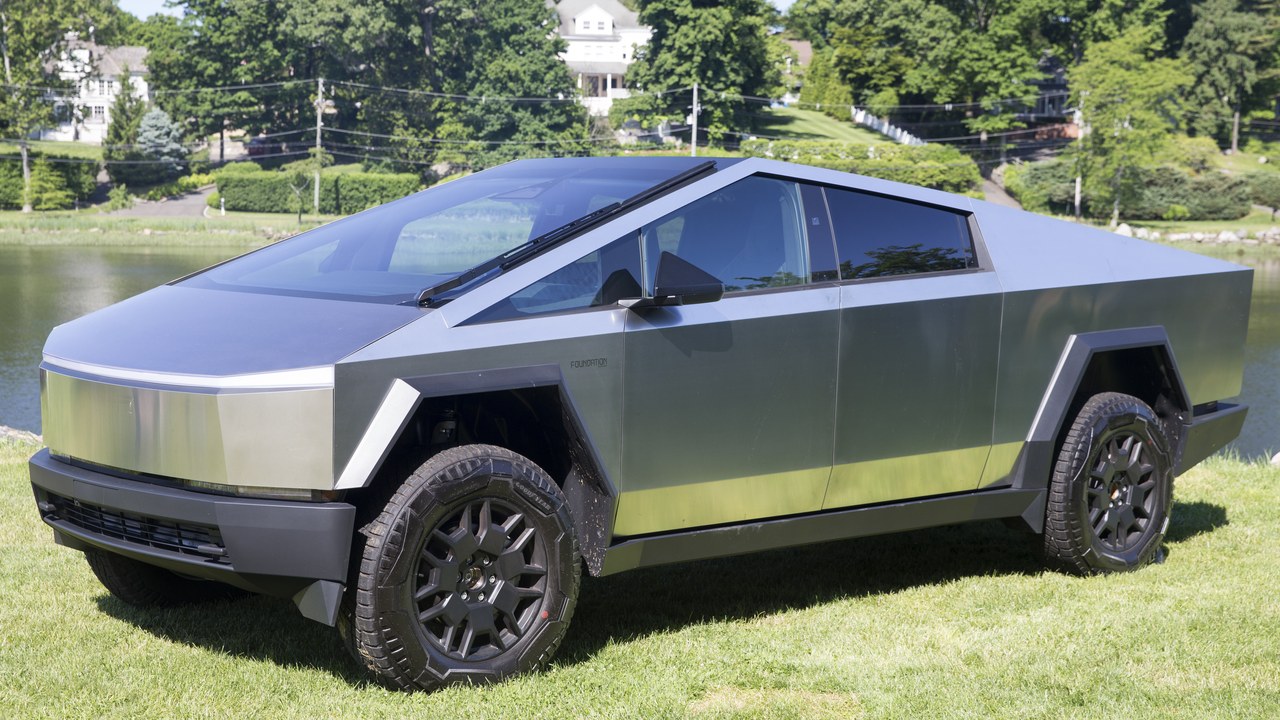
In a real-world highway drive-to-empty test, the dual-motor Tesla Cybertruck riding on all-terrain tires covered only 254 miles before its battery ran out, well short of the truck’s advertised 320-mile EPA range. That works out to a 20.6 percent shortfall, the widest margin of any vehicle on this list.
Highway speed and the extra rolling resistance of all-terrain tires both cut into range faster than city driving does, so drivers planning long highway trips should expect the gap between the window sticker and the dashboard reading to run wider than the EPA figure suggests, especially on cold or windy days.
2. Ford F-150 Lightning: Consumer Reports’ Biggest Miss
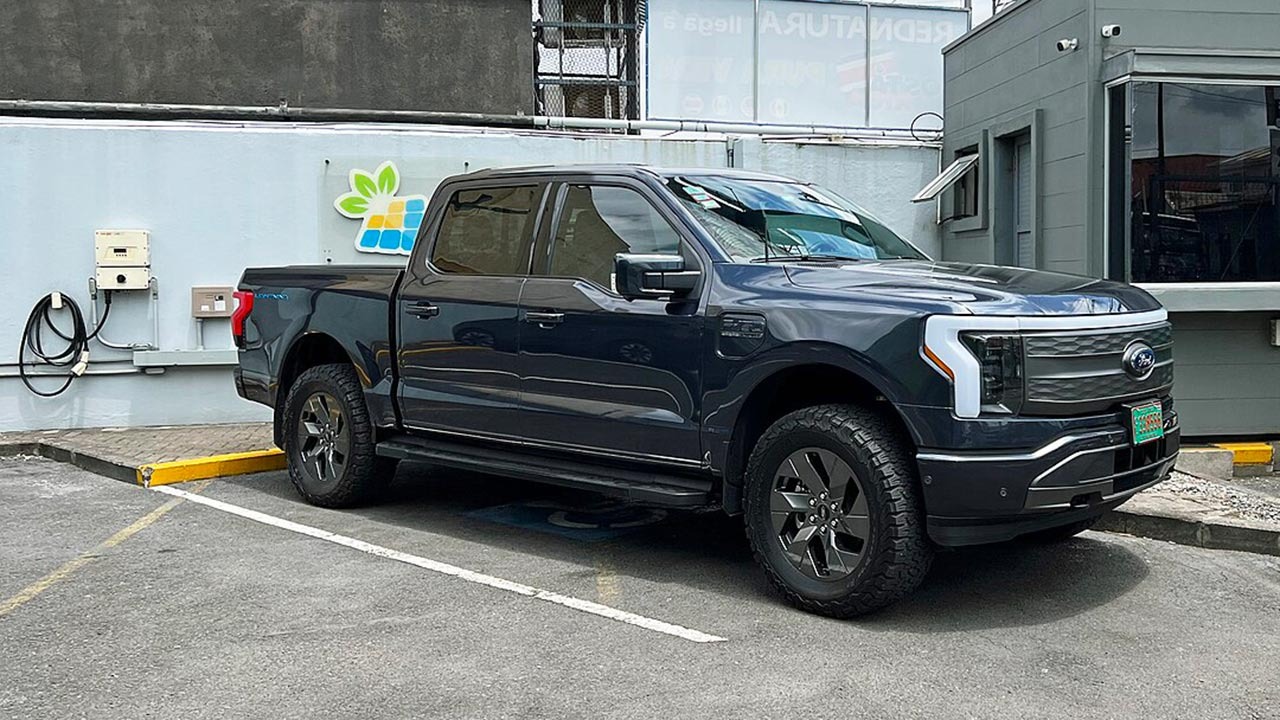
Consumer Reports’ 70-mph highway range test drained the Ford F-150 Lightning’s battery after 270 miles, a 50-mile shortfall against its 320-mile EPA estimate. The 15.6 percent miss was the largest gap Consumer Reports recorded across its entire highway-range test group of EVs.
The test ran an unloaded truck at a steady highway speed, a scenario friendlier to range than towing or hauling cargo, so buyers who load the bed or hitch a trailer should expect the real gap between sticker and reality to run even wider than Consumer Reports measured, particularly in cold weather.
3. Lucid Gravity Grand Touring (2026, 2-row, all-season tires): A Big SUV’s Highway Shortfall
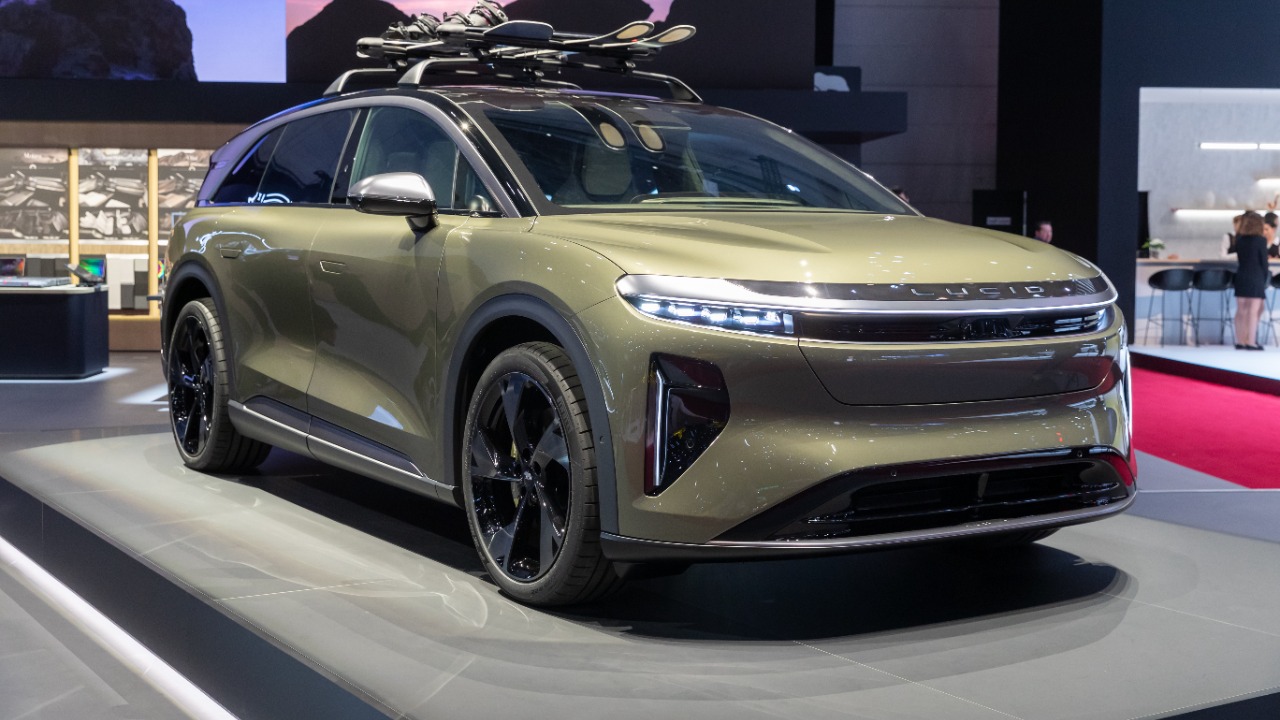
Edmunds’ real-world highway range test measured the two-row, all-season-tire Lucid Gravity Grand Touring at 400 miles, short of its 450-mile EPA rating. The 11.1 percent shortfall places the electric SUV among the larger gaps Edmunds has recorded on its ongoing range-versus-EPA comparison table.
Edmunds tests every vehicle on the same fixed highway loop at a steady speed, so the shortfall reflects the SUV’s weight and aerodynamics rather than driver behavior, meaning buyers cross-shopping the Gravity against its 450-mile sticker should plan highway trips around roughly 400 real miles instead of the full rating.
4. Tesla Model X Long Range (2020): The Largest Gap On Edmunds’ Table
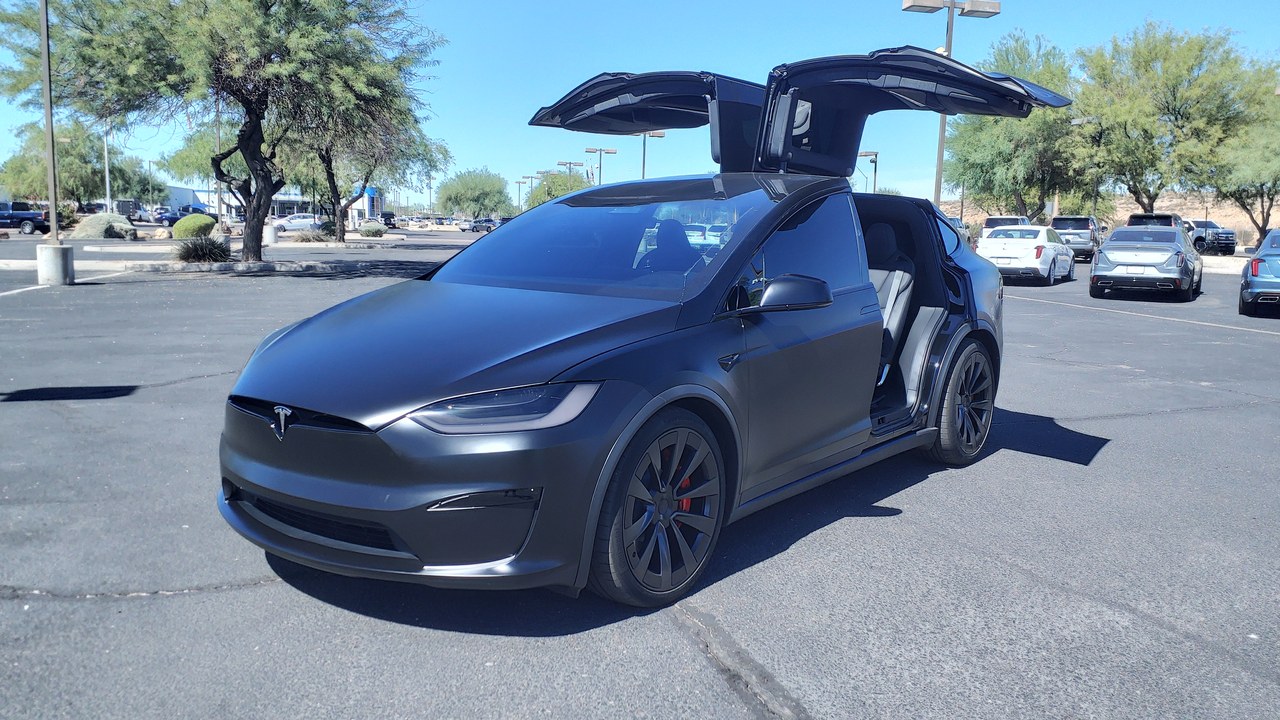
Edmunds’ testing recorded 294 miles of real-world highway range from the Tesla Model X Long Range, well under its 328-mile EPA rating. The resulting 10.4 percent shortfall was the largest mile gap Edmunds logged anywhere on its EPA-versus-real-world comparison table.
The Model X’s boxy shape and falcon-wing doors add aerodynamic drag that a smoother-bodied sedan avoids, and the gap shows up hardest at sustained highway speed, so owners should treat the EPA number as an optimistic ceiling rather than a mile count they can expect to see on an actual road trip.
5. Lucid Air Grand Touring (2022, 19-inch wheels): Even The Efficient Ones Fall Short
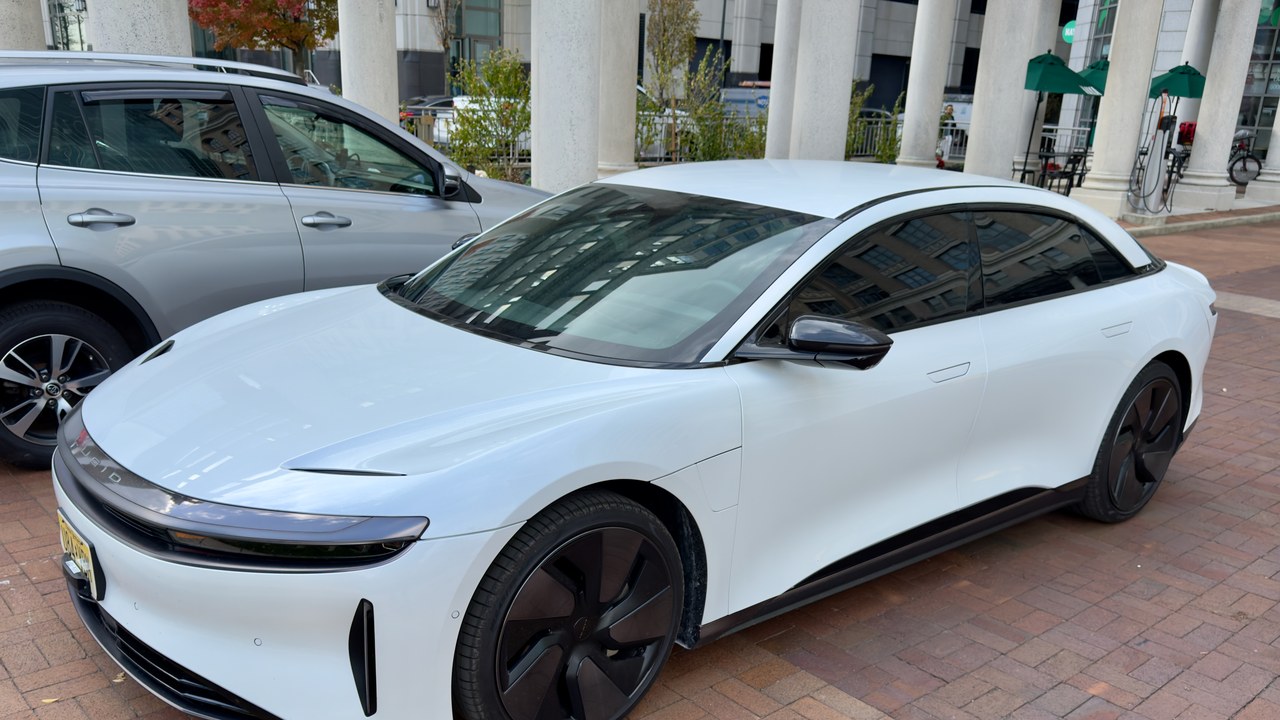
Edmunds tested the Lucid Air Grand Touring on its 19-inch wheels and recorded 465 miles of real-world highway range against a 516-mile EPA rating, a 9.9 percent shortfall on Edmunds’ range-versus-EPA comparison table.
Smaller wheels typically help range by cutting rolling resistance, yet even the Air’s more efficient wheel option still landed roughly 51 miles under its sticker figure, a reminder that sustained highway speed erodes range on the most efficient EVs almost as much as it does on heavier trucks and SUVs. Buyers weighing the Grand Touring’s advertised range should plan trips around the tested highway figure rather than the window-sticker number, since Edmunds ran the test under ordinary highway conditions rather than an extreme scenario.
6. Tesla Model S Long Range (2021): Forty Miles Short Of The Sticker
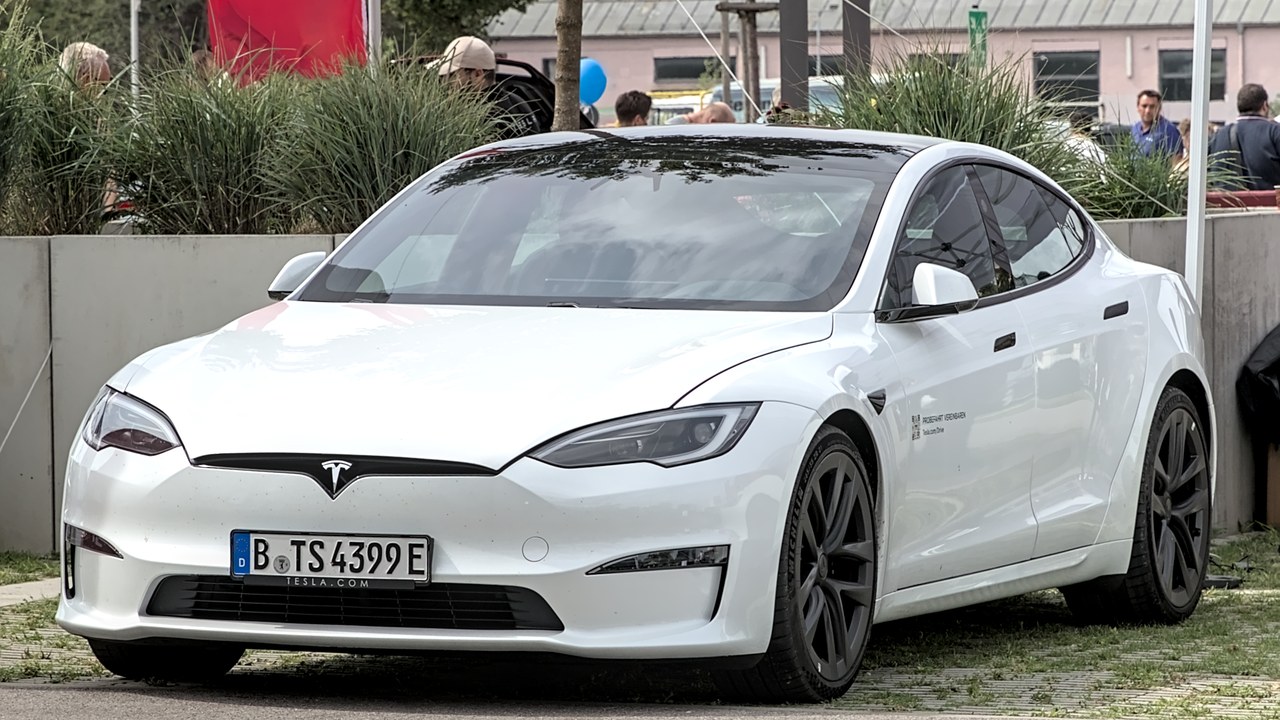
Consumer Reports’ highway range test recorded 366 miles from the Tesla Model S Long Range against a 405-mile EPA estimate, a 9.6 percent shortfall documented in outlet Notebookcheck’s summary of the test results.
Nearly 40 miles disappeared between the window sticker and the road in Consumer Reports’ test, a gap the outlet tied to sustained 70-mph cruising rather than any single mechanical flaw, so drivers planning long highway trips in a Model S should budget for meaningfully less than the advertised number. That pattern held across most of the vehicles Consumer Reports tested that year, underscoring how consistently steady highway cruising outpaces the EPA’s mixed-cycle assumptions over an extended stretch of road.
7. Kia EV6 (2022): One Of The Smaller Misses

Edmunds’ real-world highway drive covered 261 miles in a Kia EV6, missing its 274-mile EPA rating by 13 miles, a shortfall of roughly 5 percent recorded during Edmunds’ standard highway-range test loop.
That miss is modest next to the trucks and SUVs elsewhere on this list, and Edmunds noted the EV6 came closer to its EPA number than many electric vehicles the outlet had tested up to that point, making it one of the smaller highway-range gaps recorded here. Edmunds has since run the same highway test on dozens of other EVs, and the EV6’s comparatively tight gap remains a useful benchmark whenever a newer electric crossover posts a much wider shortfall against its own EPA rating.
8. Subaru Trailseeker (2026): A New Model’s First Test
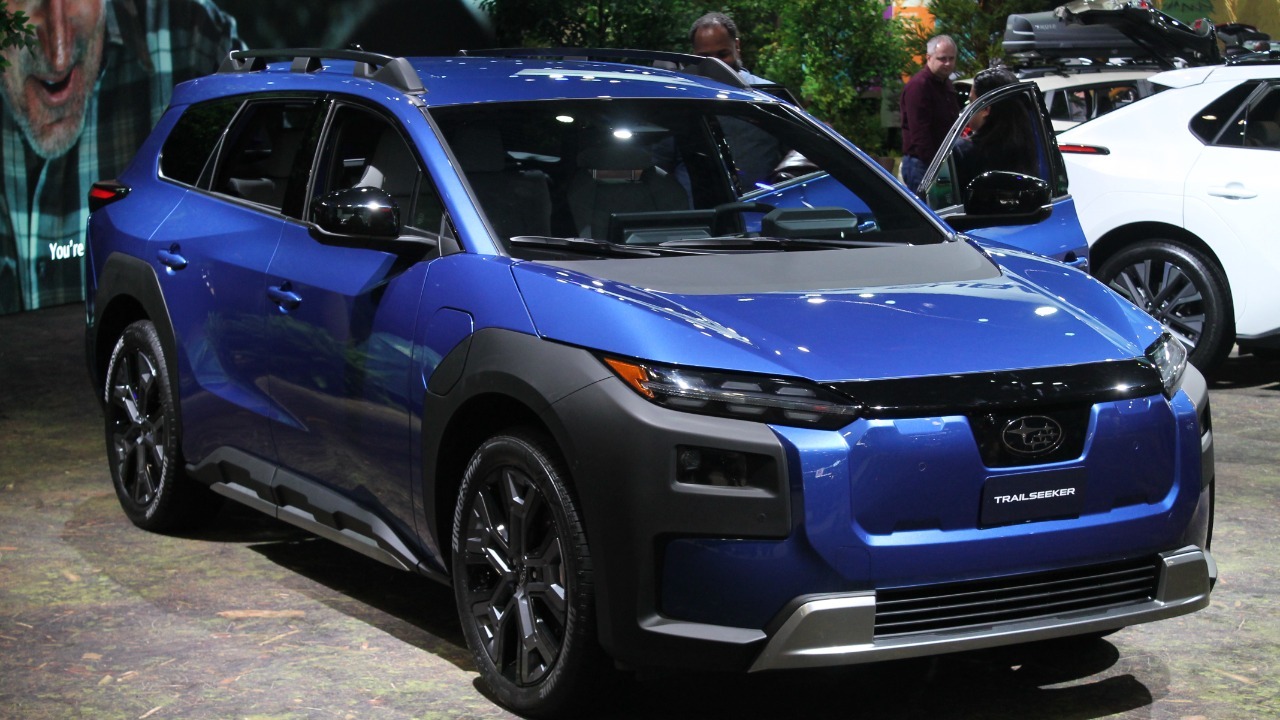
Edmunds’ range test covered 262 miles in the Subaru Trailseeker, finishing 12 miles short of its 274-mile EPA-estimated range, a shortfall of about 4.4 percent measured on Edmunds’ standard highway loop.
As one of Subaru’s newest electric models, the Trailseeker’s real-world result gives early buyers a rare data point before wider ownership reviews arrive, and the roughly 4 percent gap lands near the small end of the shortfalls Edmunds has measured across the EVs gathered on this list. Because the Trailseeker’s EPA rating is still new, Edmunds’ test offers one of the first independent checks on whether Subaru’s own advertised figure holds up once the vehicle is driven at sustained highway speed rather than under the mixed-cycle conditions behind the EPA number.
More from Morning Overview
- Doctors warn a silent liver disease now affects one in three American adults
- Hackers are hijacking outdated home routers, and the FBI named the models to check
- Older Teslas are wearing out in ways early owners never saw coming
- Early electric-car owners are hitting battery and screen failures no one warned them about
