
Fun and fast have never been the same thing, and the two-seater crowd has argued that point for decades. The cars that draw the loudest enthusiast praise tend to be light, balanced and modest on paper, built to reward technique rather than a fat budget. What follows are eight sports cars that keep landing on that list.
1. Mazda MX-5 Miata: The Default Cheap Thrill
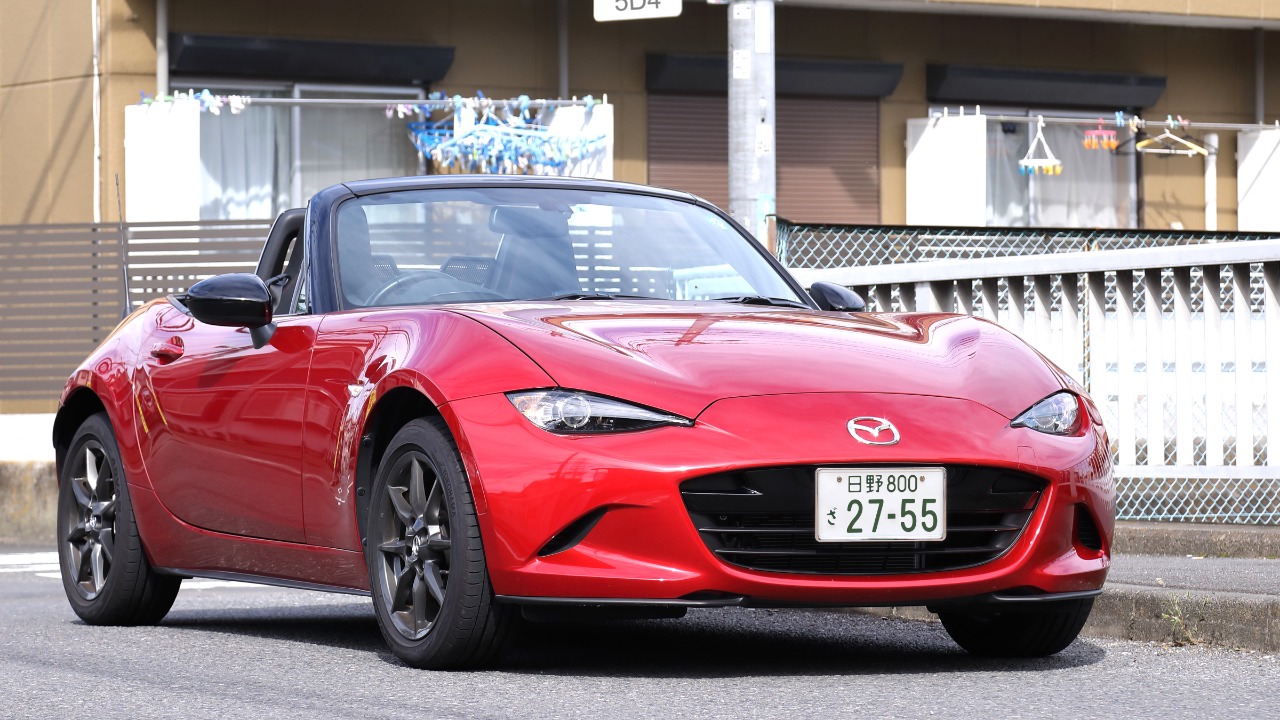
Since 1989 Mazda has chased lightness instead of horsepower, and the formula stuck: the MX-5 Miata stands as the best-selling two-seat convertible sports car ever built, passing one million units in 2016. Four generations have kept the same recipe of a front engine, rear-wheel drive, a manual gearbox and a fabric roof that folds by hand.
Enthusiast consensus treats it as the default answer whenever affordable fun comes up, largely because momentum matters more than muscle here. Modest power means the limits arrive at sane speeds, and decades of club racing have built an aftermarket deep enough to keep running costs down.
2. Toyota GR86: Boxer Power, Sharp Reflexes
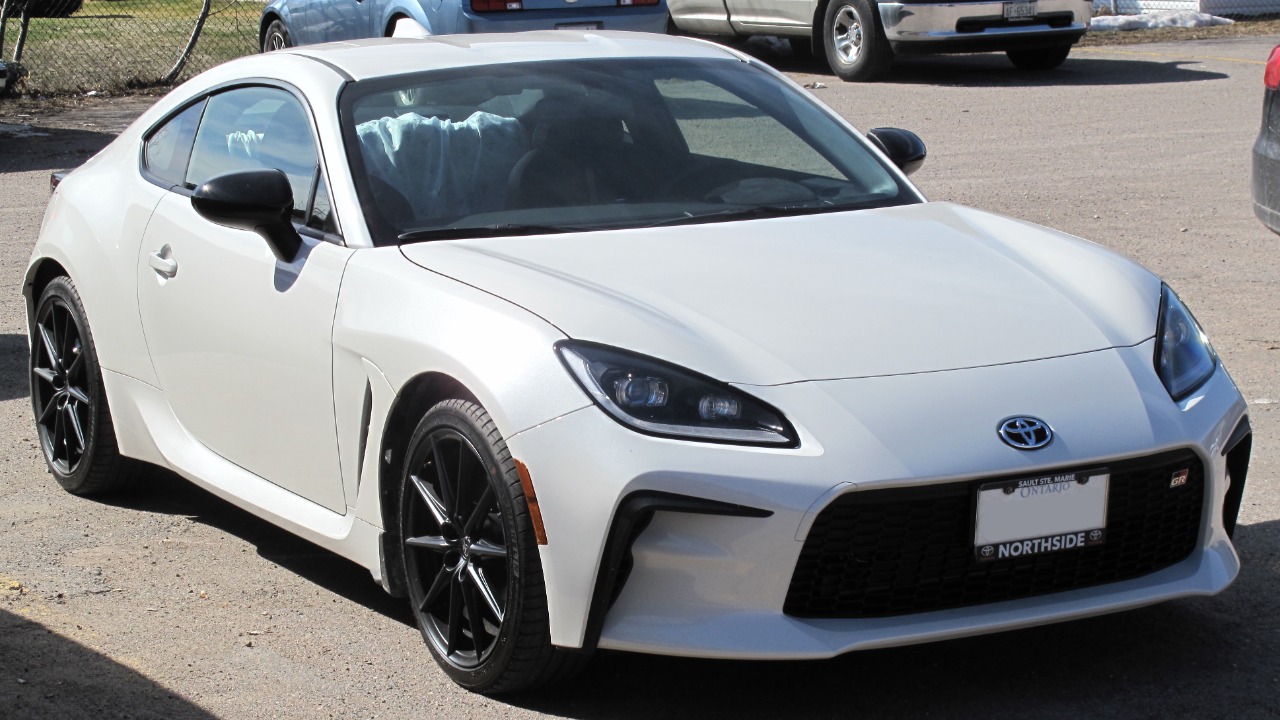
Toyota’s second-generation coupe traded the original two-liter flat-four for a 2.4, and the GR86 driveline routes 228 horsepower to the rear wheels through a six-speed manual or automatic. The car remains a joint project with Subaru, sharing a platform and a boxer engine while wearing Toyota-specific tuning, bodywork and badging.
Appeal comes from the same trait that turned the first-generation car into a cult object: a low center of gravity, talkative steering and just enough grip that the chassis warns before it lets go. Reviewers and owners routinely place it near the top of any affordable-performance conversation.
3. Subaru BRZ: The Twin With Its Own Tune
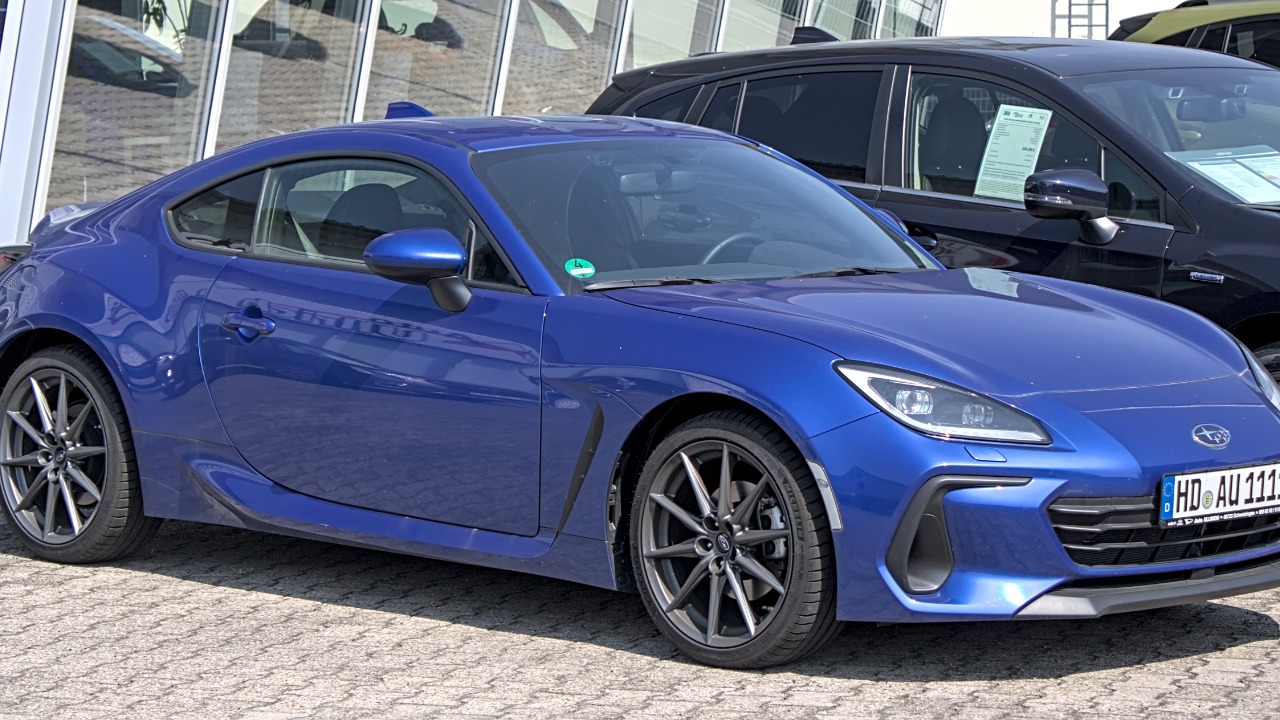
Built beside its Toyota sibling in Japan, the Subaru BRZ carries the same 2.4-liter boxer engine and rear-drive platform, then diverges through suspension tuning and front-end styling. It also sits as the odd one out in a lineup otherwise defined by all-wheel drive, raised ride heights and rally heritage.
A horizontally opposed engine sits its mass unusually low, and that is the entire point, because the resulting center of gravity is what makes the chassis feel so willing to change direction. Enthusiasts tend to frame the choice between the twins as taste rather than merit, since the fundamentals are shared.
4. Porsche Boxster: Balance Behind The Seats
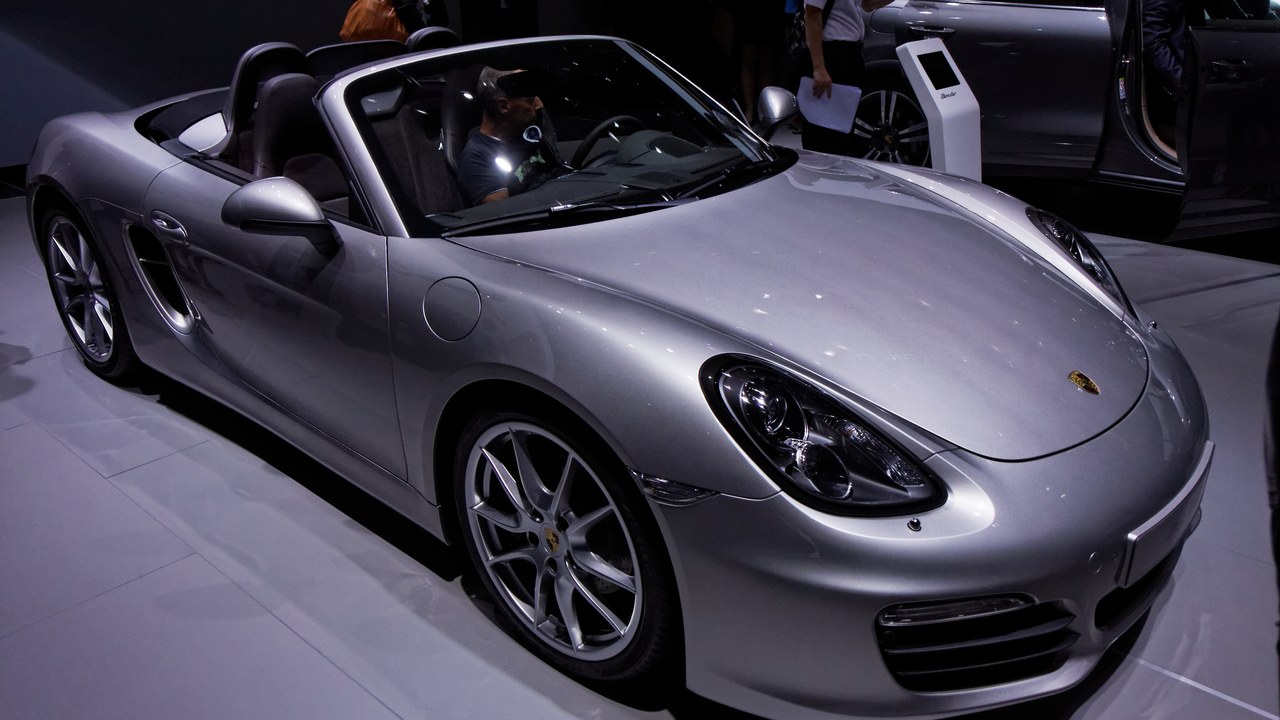
Porsche launched the mid-engine Boxster in 1996, naming it for the boxer engine mounted behind the seats and the roadster body wrapped around it. Sharing tooling and much of its front structure with the contemporary 911 held costs down, and strong sales are widely credited with steadying a company that had been financially precarious.
Layout is the draw. Mass sits between the axles instead of hanging over one end, producing the balance reviewers have praised across every generation. Early examples have depreciated far enough that the model gets described as the cheapest honest route into mid-engine Porsche ownership, though service bills still arrive on German sports-car terms.
5. BMW Z4: Straight-Six Serenity
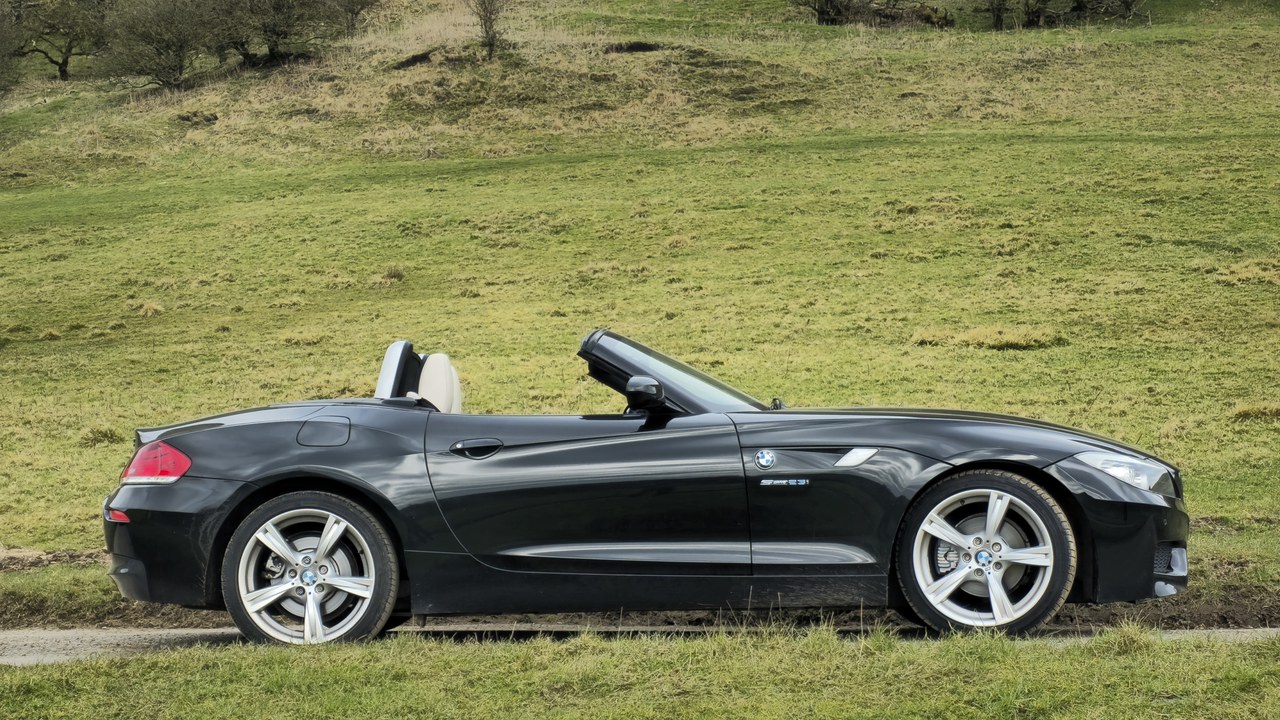
BMW replaced the Z3 with the Z4 roadster in 2002, and inline-six engines have anchored the range ever since, through a retractable hardtop generation and a return to fabric. The current car was engineered alongside the revived Toyota Supra, sharing a platform and drivetrain hardware between two very differently styled machines.
Smoothness separates it from the four-cylinder crowd, since a straight six pulls with a linearity that small turbocharged engines rarely match. That character suits long open roads better than tight autocross cones. Older generations have also aged into used-car money, which puts six-cylinder rear-drive motoring inside budgets that once stretched only to four.
6. Honda S2000: Built To Rev
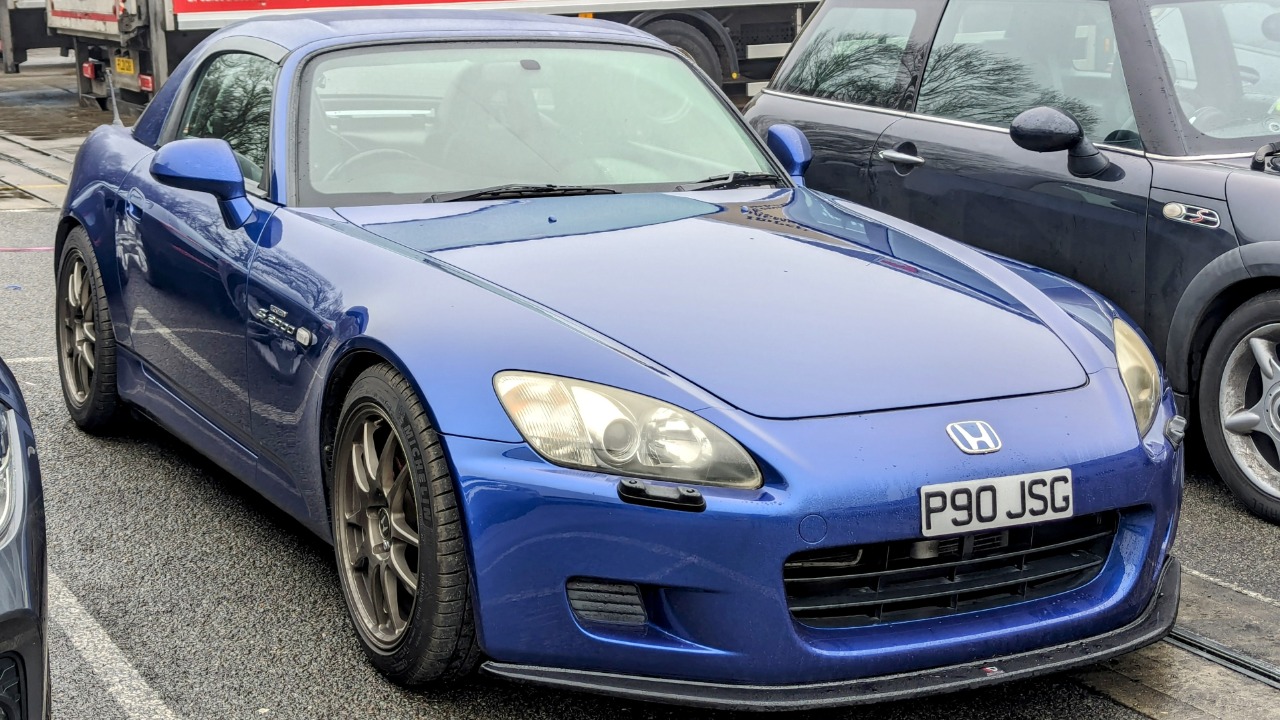
Honda marked its fiftieth anniversary with the S2000 roadster, produced from 1999 to 2009 around a front-mid engine layout and a rigid X-bone frame. Its early two-liter F20C revved beyond 8,000 rpm and claimed the highest specific output of any naturally aspirated production engine at the time of its debut.
Nothing about the car is lazy. Power arrives at the very top of the tachometer, so getting the best out of it demands deliberate gear selection and commitment, which is exactly why the model built such a devoted following. Clean examples have grown scarce, and the S2000 now gets discussed as a modern classic.
7. Fiat 124 Spider: Italian Suit, Japanese Bones
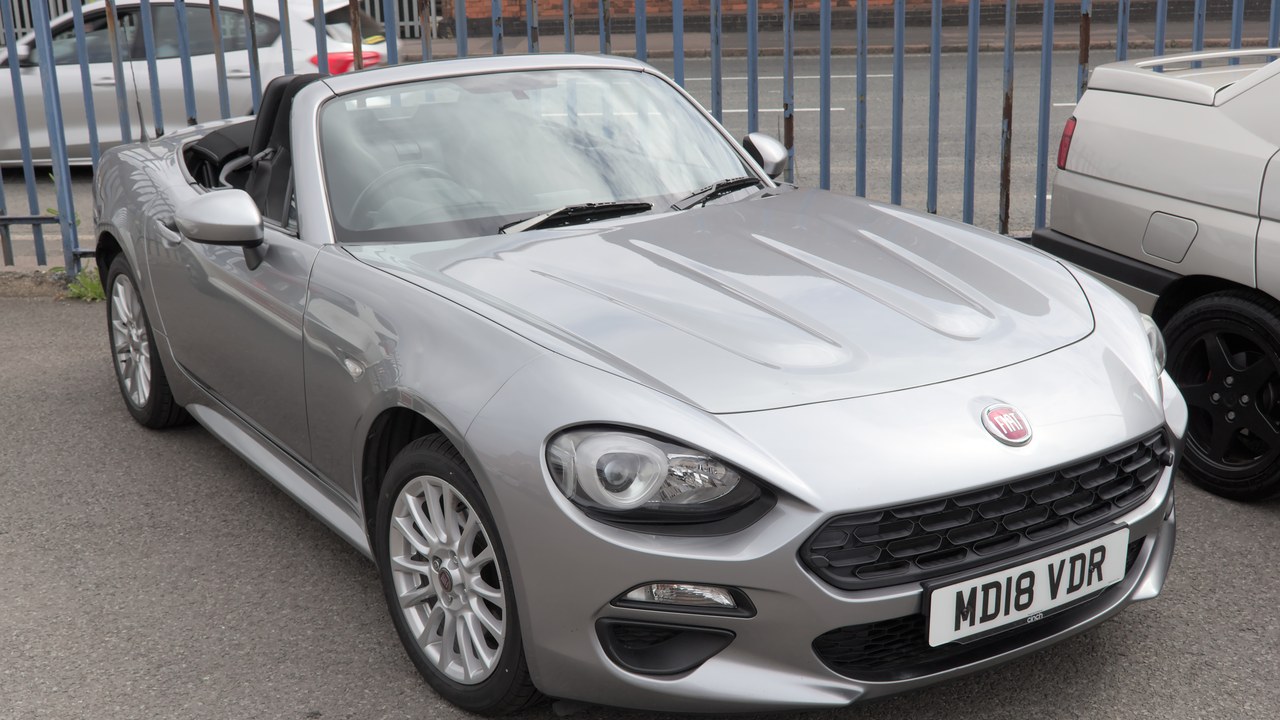
Fiat revived a storied nameplate in 2016 by assembling the 124 Spider beside the MX-5 in Hiroshima, then fitting a 1.4-liter turbocharged MultiAir engine and sheet metal that nods to the 1966 original. Underneath the Italian styling sits the Japanese roadster’s chassis, suspension geometry and cabin architecture.
Turbocharging shifts the character noticeably, delivering torque lower in the rev range and making this the easier of the two cars to drive quickly without wringing out the engine. Sales never approached the donor car’s, and that relative rarity is precisely the appeal for buyers tired of parking beside something identical.
8. Chevrolet Corvette: Mid-Engine Muscle For Less
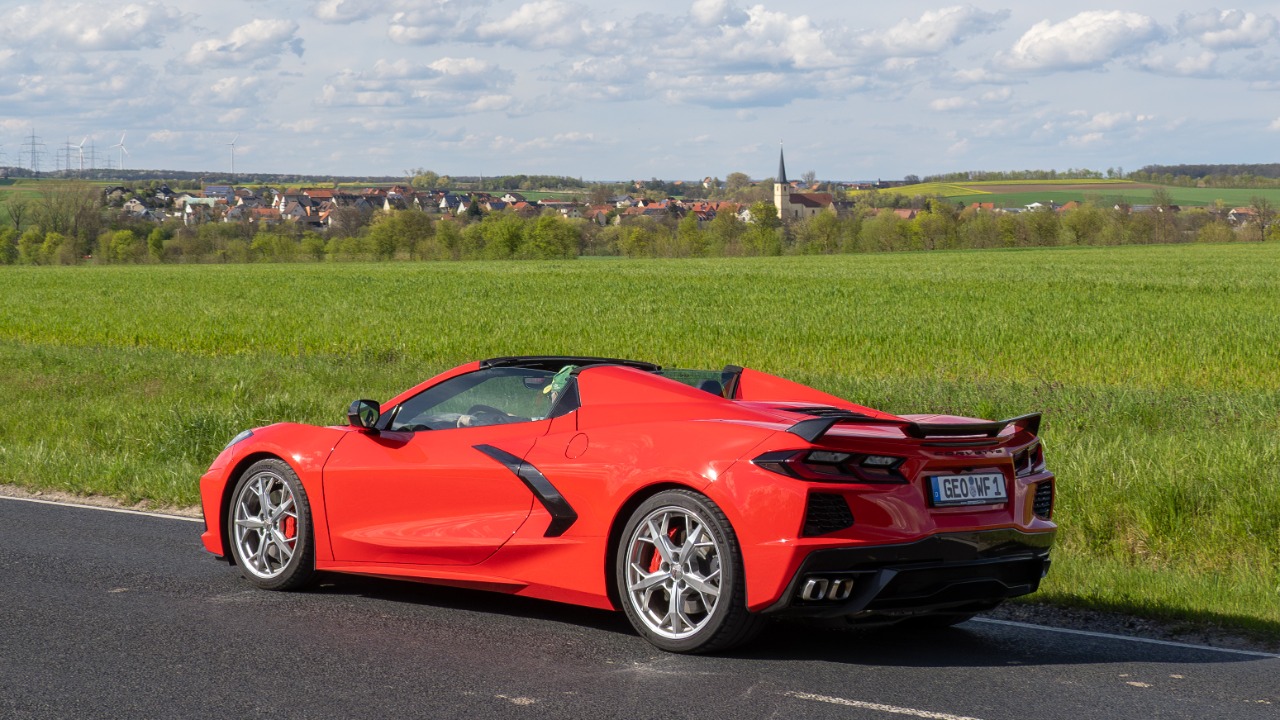
Chevrolet has built a Corvette in some form since 1953, yet the eighth generation broke with seven decades of tradition by moving the V8 behind the cabin, making it the first mid-engine car to wear the name. The base 6.2-liter LT2 produces 490 horsepower, rising to 495 with the performance exhaust.
Performance per dollar is the whole argument. Acceleration once reserved for exotics now arrives with a factory warranty, a dealer network along every interstate and a usable front trunk. Purists spent years arguing about the layout change, and the front-engine generations remain plentiful for anyone who prefers the older recipe.
More from Morning Overview
