
Across the sun-baked deserts of the American Southwest, sprawling solar installations convert relentless sunshine into electricity for millions of homes. Some rely on vast fields of photovoltaic panels, while others use mirrors to concentrate heat and drive turbines. This gallery surveys eight of the largest solar farms helping power the United States.
1. California Valley Solar Ranch: Tracking The Sun In San Luis Obispo
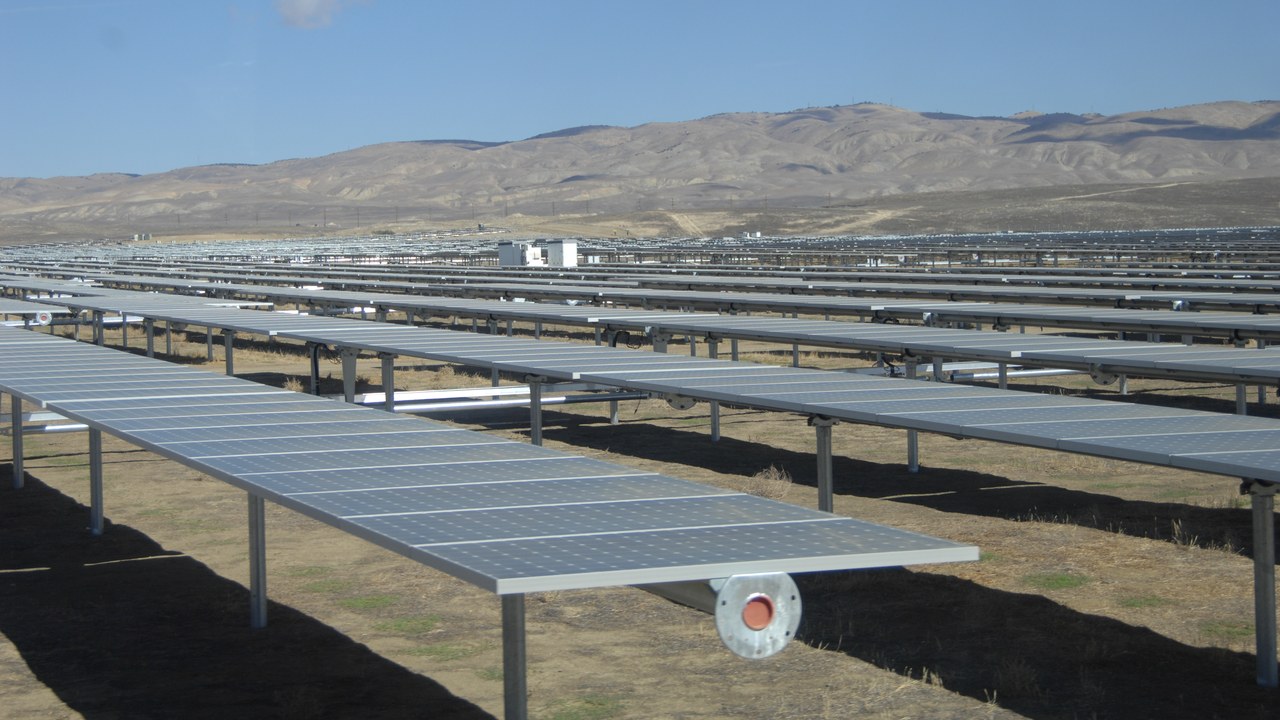
On the Carrizo Plain in San Luis Obispo County, California, the California Valley Solar Ranch spreads a quarter-gigawatt of photovoltaic capacity across former ranch land. Its rows of single-axis tracking panels pivot through the day to follow the sun, wringing extra output from the region’s abundant light.
Completed in the early 2010s, the project fed one of the era’s larger utility-scale solar deliveries into the California grid, enough electricity for roughly a hundred thousand homes. Planners routed the layout around sensitive Carrizo Plain habitat and set aside conservation land alongside the arrays. The ranch became an early template for the sprawling tracking-panel farms that followed across the American West.
2. Topaz Solar Farm: Panels On The Carrizo Plain
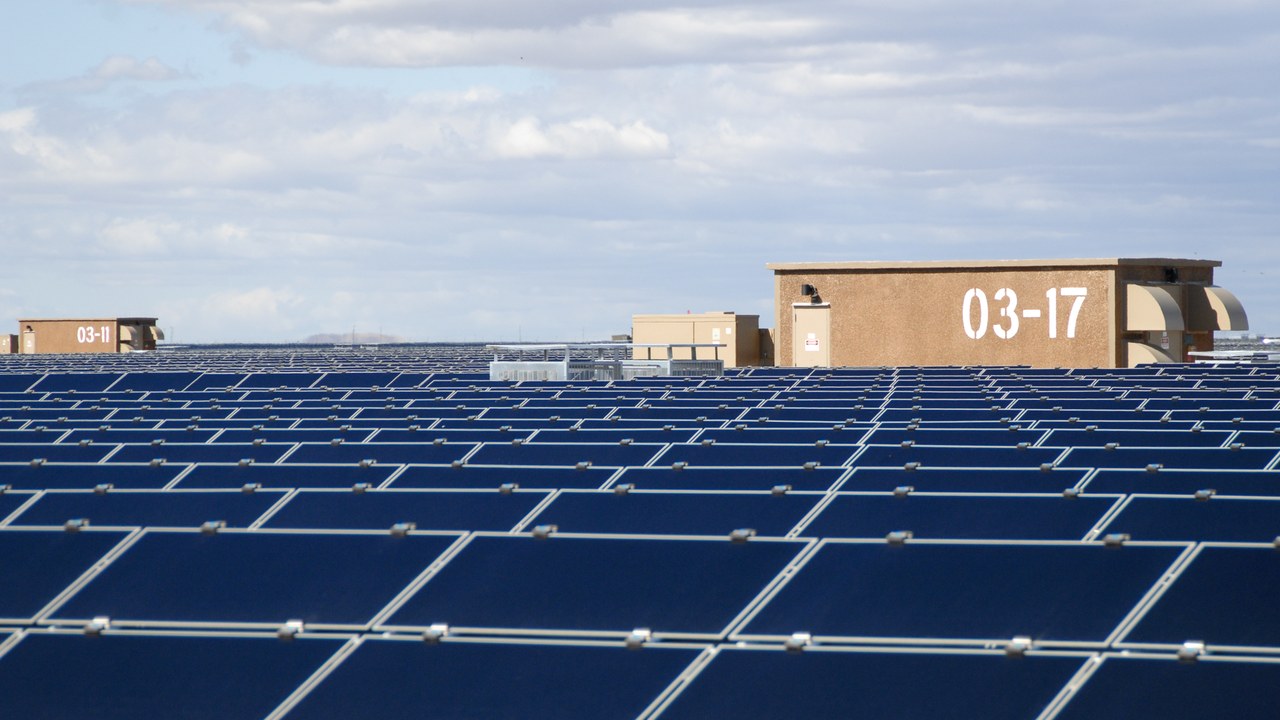
Occupying a stretch of the Carrizo Plain in San Luis Obispo County, Topaz Solar Farm counts among California’s largest photovoltaic projects. Roughly nine million thin-film panels blanket the grassland, converting sunlight directly into current. The site’s remote location kept construction away from dense development.
Because thin-film modules use no moving parts, the array requires relatively little maintenance once installed. Power generated here travels to utility customers across central California. Environmental planning shaped the layout, with wildlife corridors and native habitat considered during design. Since coming online in the mid-2010s, Topaz has stood as an example of how large photovoltaic farms can operate on open, sunny terrain.
3. Desert Sunlight Solar Farm: A Massive Desert Array
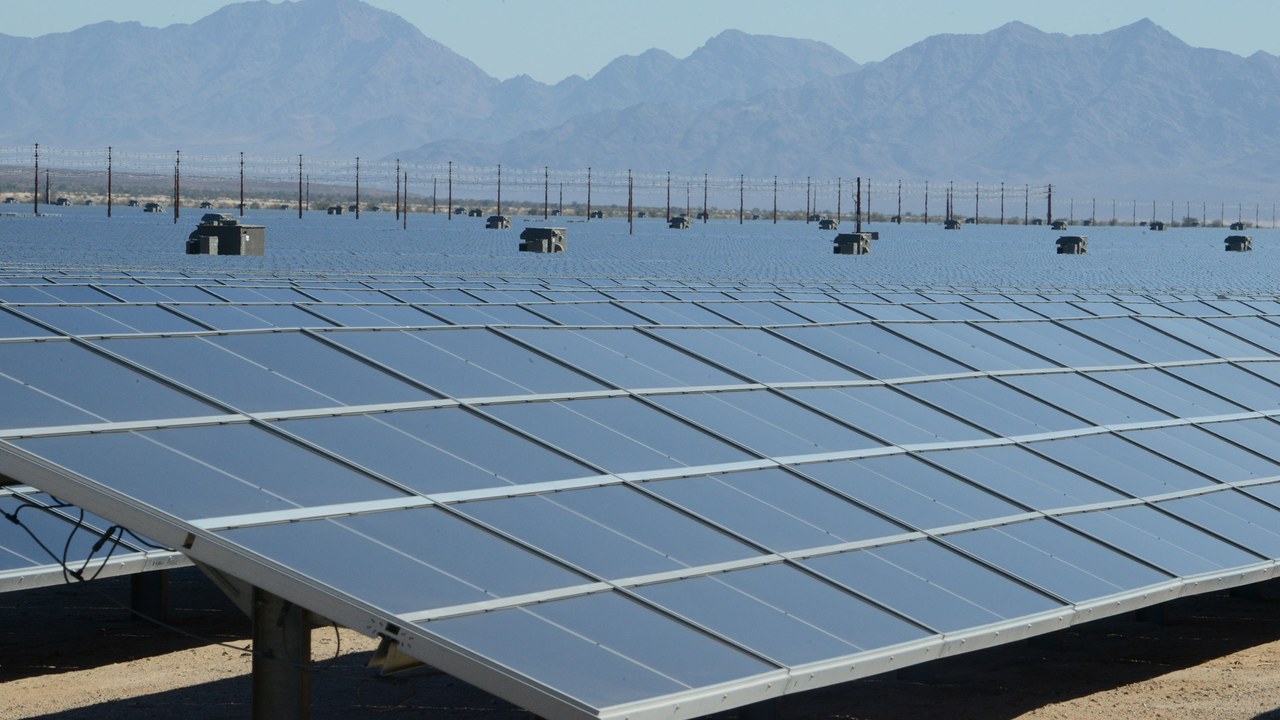
Located near Desert Center in Riverside County, California, Desert Sunlight Solar Farm ranks as a massive desert photovoltaic array. Millions of thin-film panels stretch across arid terrain, feeding electricity into the grid. Federal land management supported the project, and its desert setting offers abundant year-round sunshine.
High solar intensity in the region makes such sites especially productive throughout the long summer days. Output serves utility customers in Southern California, contributing to state renewable-energy goals. Building on remote public land required careful attention to desert tortoise habitat and other local wildlife. Since its completion in the mid-2010s, the farm has remained a notable fixture of large-scale American solar.
4. Copper Mountain Solar Facility: Nevada’s Growing Complex
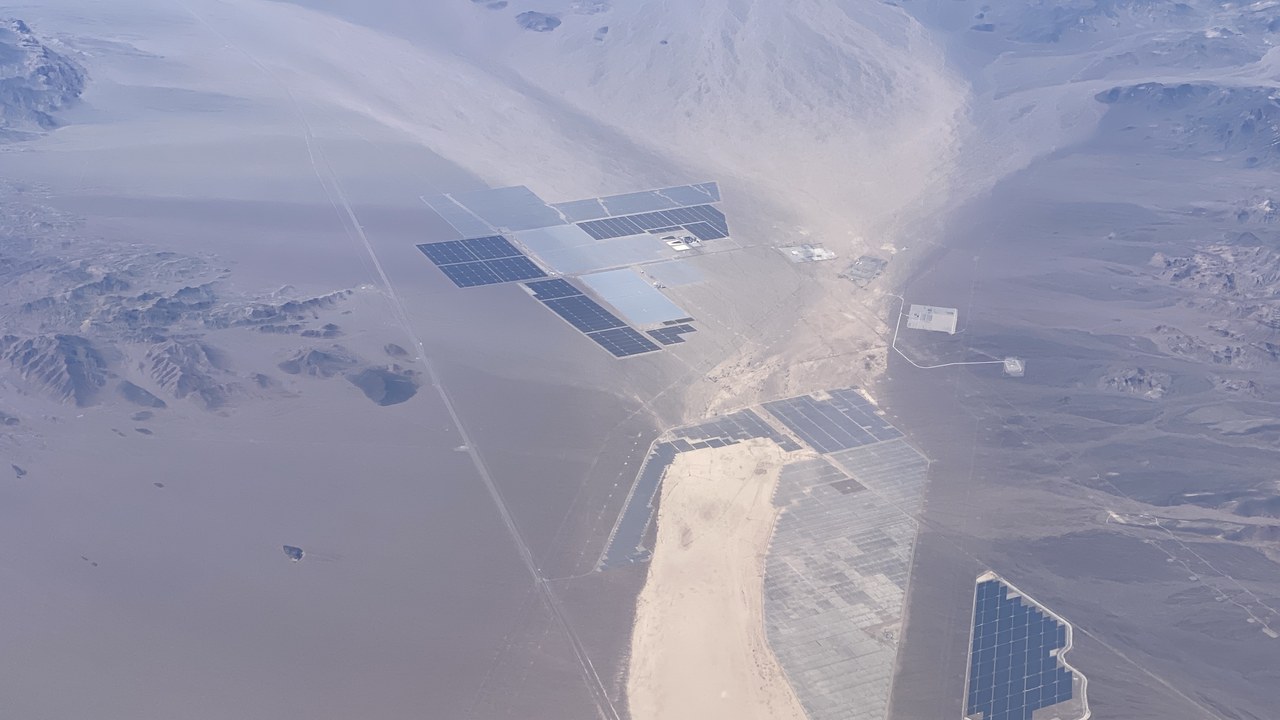
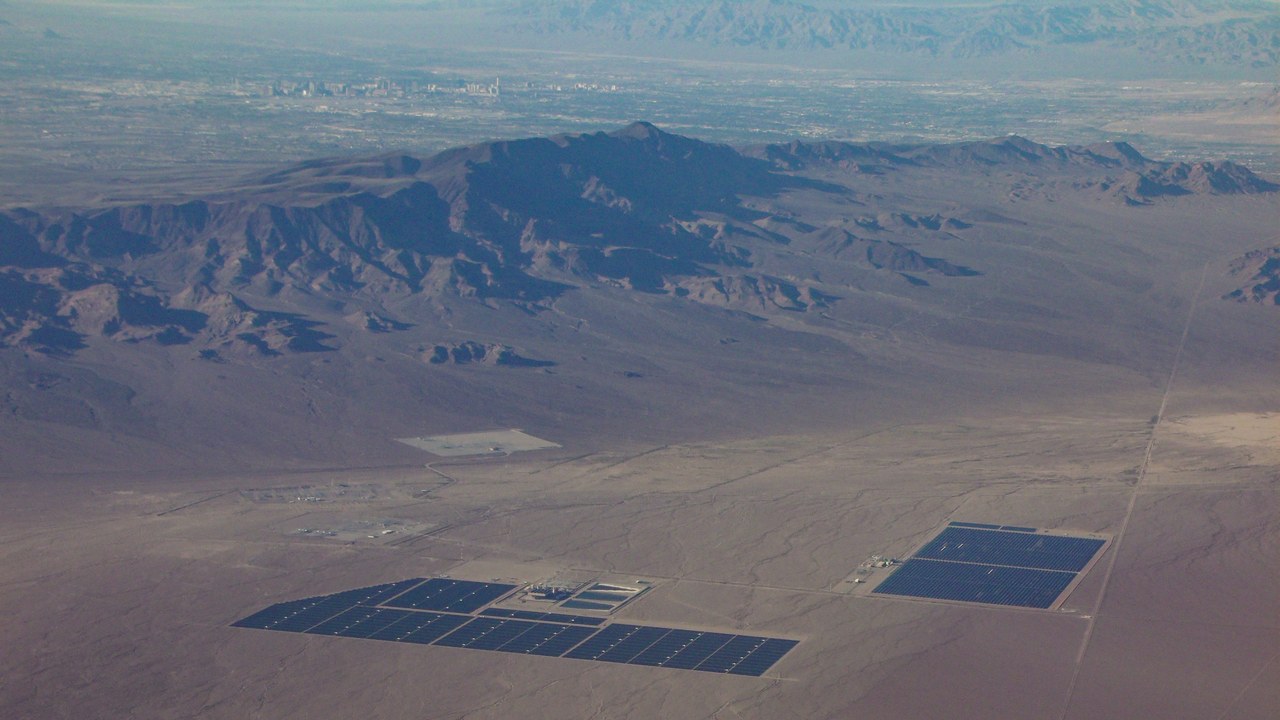
Sited outside Boulder City, Nevada, the Copper Mountain Solar Facility grew in phases into one of the state’s largest solar complexes. Successive expansions added row after row of photovoltaic panels across the desert floor. An aerial view reveals arrays reaching toward distant hills.
Nevada’s clear skies and high desert elevation give the location strong solar potential for much of the year. Generated electricity flows partly toward customers in neighboring states, reflecting the regional nature of the western grid. Built over several years, the complex expanded step by step as demand for renewable power rose. Its staged growth illustrates how solar capacity can scale on affordable open land.
5. Solar Energy Generating Systems: Mojave Mirror Pioneer
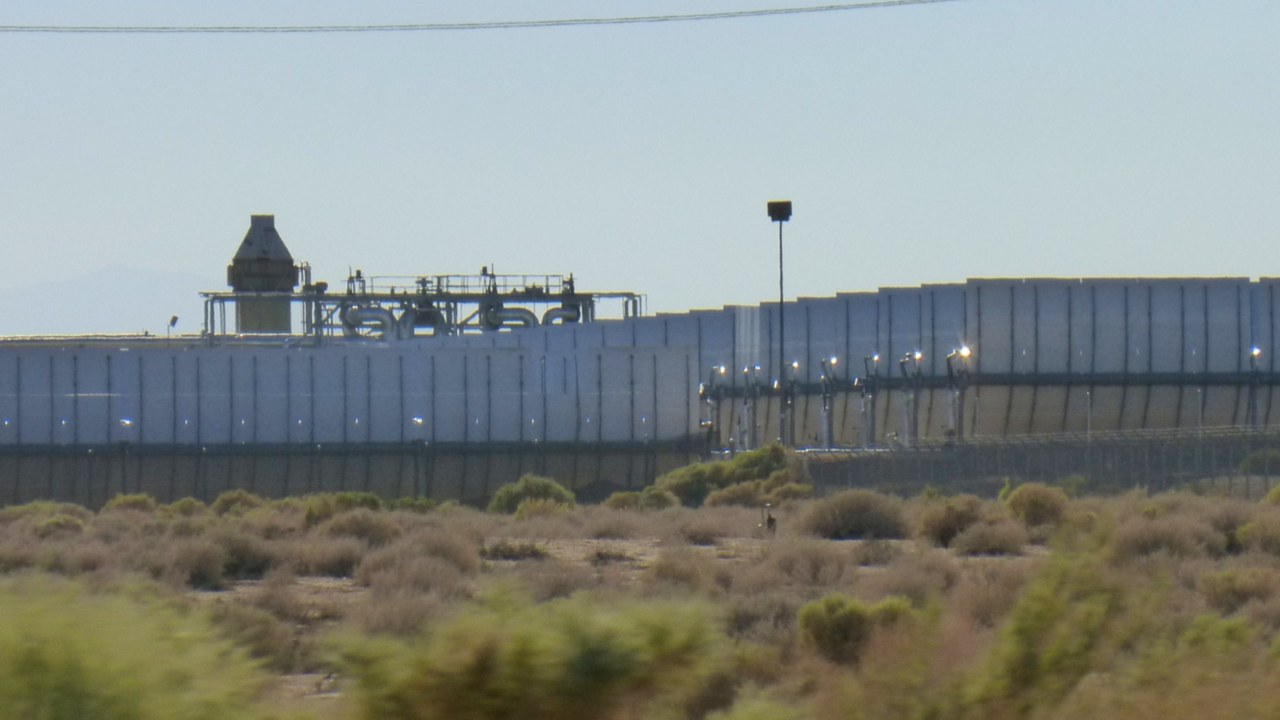
Spread across California’s Mojave Desert, the Solar Energy Generating Systems complex ranks among the earliest and largest concentrated solar thermal developments in the United States. Rather than photovoltaic panels, the facility relies on long rows of curved parabolic mirrors that focus sunlight onto fluid-filled tubes.
Heated fluid produces steam, which then spins turbines to generate electricity in a manner resembling conventional thermal plants. Built in phases during the 1980s, the complex helped pioneer large commercial solar thermal power. Its multiple units span several sites across the desert, taking advantage of intense, reliable sunshine. For decades the installation demonstrated how mirror-based systems could deliver utility-scale renewable energy.
6. Ivanpah Solar Power Facility: Three Towers In The Mojave
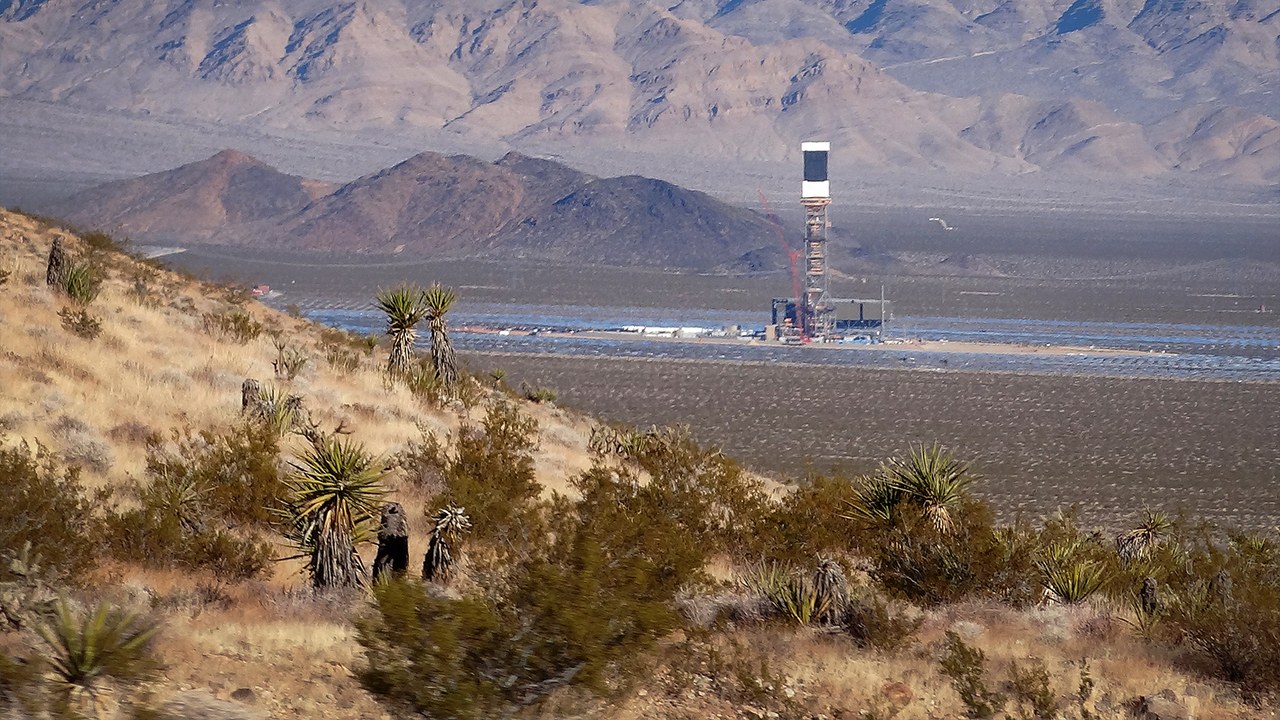
Rising from the Mojave Desert near the California-Nevada border, the Ivanpah Solar Power Facility uses concentrating solar-thermal technology built around three tall towers. Thousands of mirrors track the sun and reflect its light toward boilers perched atop each central tower.
Concentrated sunlight heats water into steam, driving turbines that produce electricity for the regional grid. When it opened in the mid-2010s, the plant counted among the world’s largest solar thermal installations of its kind. The soaring towers make the site visible from a considerable distance across the open desert. Its design showcased an alternative to flat photovoltaic fields at grand scale.
7. Crescent Dunes Solar Energy Project: Storing Sunlight After Dark
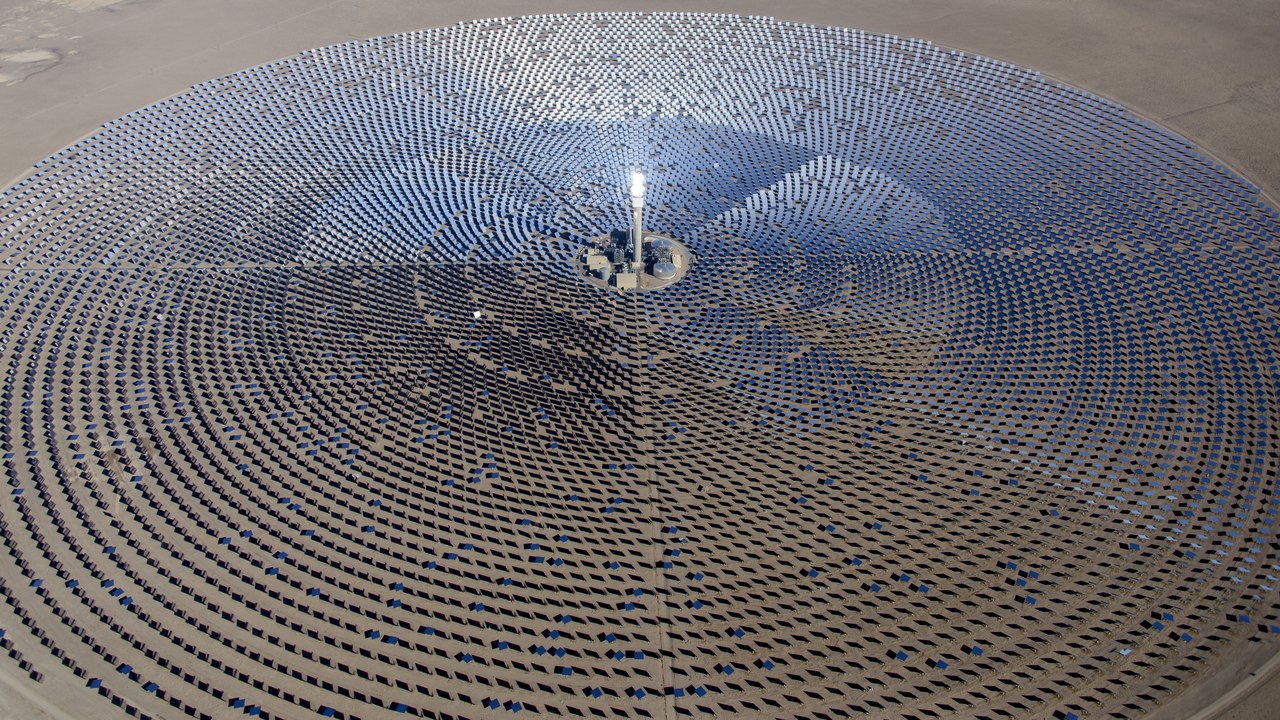
Near Tonopah, Nevada, the Crescent Dunes Solar Energy Project stands as a concentrated solar power plant organized around a single central tower. A vast circular field of mirrors surrounds the structure, and each heliostat mirror redirects sunlight toward the tower’s receiver.
A distinctive feature is molten-salt storage, which captures heat so the plant can generate electricity even after sunset. The stored thermal energy allows generation to continue into evening hours, smoothing supply. Set on high desert terrain, the site benefits from strong, consistent sunshine. Its ring of thousands of mirrors forms a striking pattern when viewed from above, marking an ambitious experiment in dispatchable solar power.
8. Nevada Solar One: An Early Trough Revival
Situated near Boulder City, Nevada, Nevada Solar One counts among the earlier concentrating solar-thermal plants built in the modern American solar era. Long arrays of curved parabolic troughs track the sun and focus its heat onto receiver tubes, as seen in an aerial view of the desert site.
Heat collected along those tubes creates steam that turns a turbine and produces electricity. Completed in the mid-2000s, the plant helped revive commercial interest in concentrating solar technology in the United States. Its desert location supplies the intense sunlight such trough systems depend on for efficient operation. The facility remains a working example of an established approach to harvesting solar heat at scale.
More from Morning Overview
- The NSA is again telling phone owners to switch off one location setting
- A handful of car transmissions are so tough mechanics say they almost never fail
- A handful of SUVs keep hitting 300,000 miles, and they share one engine trait
- Supplements now rank as the fifth-leading cause of death from liver disease.
