
Solar power has scaled up dramatically across the American Southwest, where vast stretches of open desert and near-constant sunshine make it possible to build some of the largest photovoltaic and concentrating solar plants on the planet. These sprawling installations, many built within the last two decades, now supply power to millions of homes and businesses across multiple states. Here are 8 of the largest solar farms operating in America.
1. Copper Mountain Solar: A sprawling Nevada solar plant near Boulder City
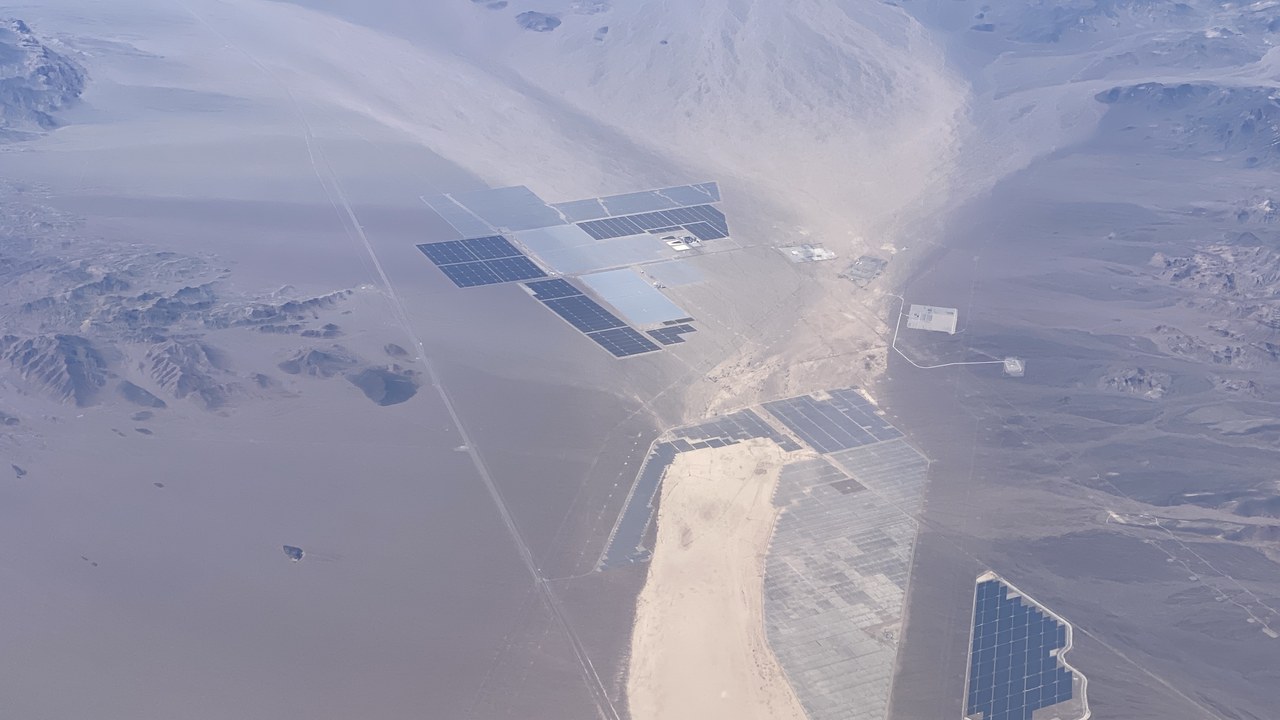
Copper Mountain Solar Facility spreads across the desert near Boulder City, Nevada, and ranks among the largest photovoltaic complexes in the country, with a combined generating capacity well over 800 megawatts. Built in phases starting in 2010, the facility expanded steadily as demand for utility-scale solar power grew across the Southwest.
Rows of solar panels stretch for miles across the site, tracking the sun to maximize output throughout the day. Its development history and capacity details are documented on its Wikipedia page, which outlines the project’s role in supplying power to California utilities under long-term contracts.
2. Solar Star: A massive Southern California photovoltaic project
Solar Star consists of two adjacent photovoltaic plants in Kern and Los Angeles counties, California, together forming one of the largest solar installations built in the United States. Completed in 2015, the project uses hundreds of thousands of panels mounted on tracking systems that follow the sun’s arc across the sky each day.
The combined facility generates enough electricity to power well over a hundred thousand homes annually, feeding directly into Southern California’s grid. Its scale and technical background are detailed on its Wikipedia page, which also covers the financing and utility agreements behind its construction.
3. Topaz Solar Farm: One of the world's biggest PV plants, in California
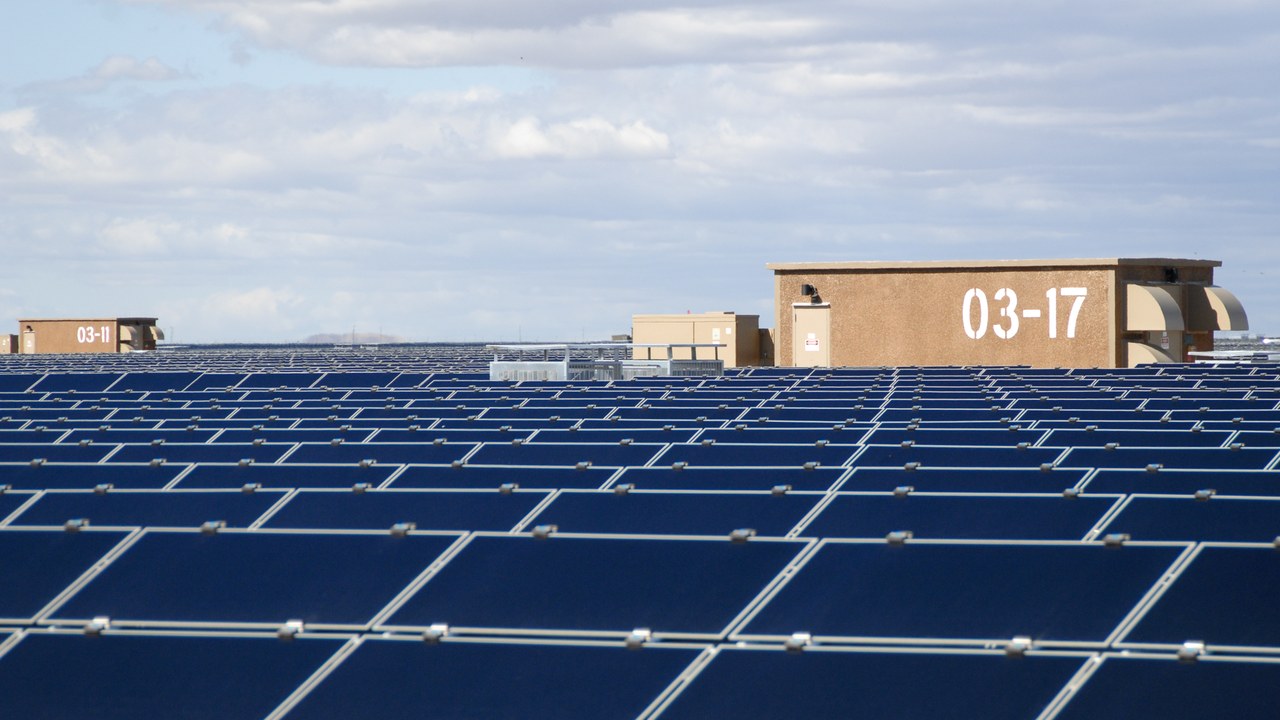
Topaz Solar Farm occupies a vast stretch of San Luis Obispo County, California, and ranks as one of the largest photovoltaic power plants ever built when it came online in 2014. The facility relies on thin-film solar panels spread across roughly 9.5 square miles of previously grazed ranchland.
Its output supplies electricity under a long-term agreement with Pacific Gas and Electric, helping the utility meet state renewable energy mandates. The plant’s history, environmental review process, and technical specifications are covered on its Wikipedia page, which also discusses its impact on local wildlife habitat.
4. Desert Sunlight: A huge Mojave Desert solar installation
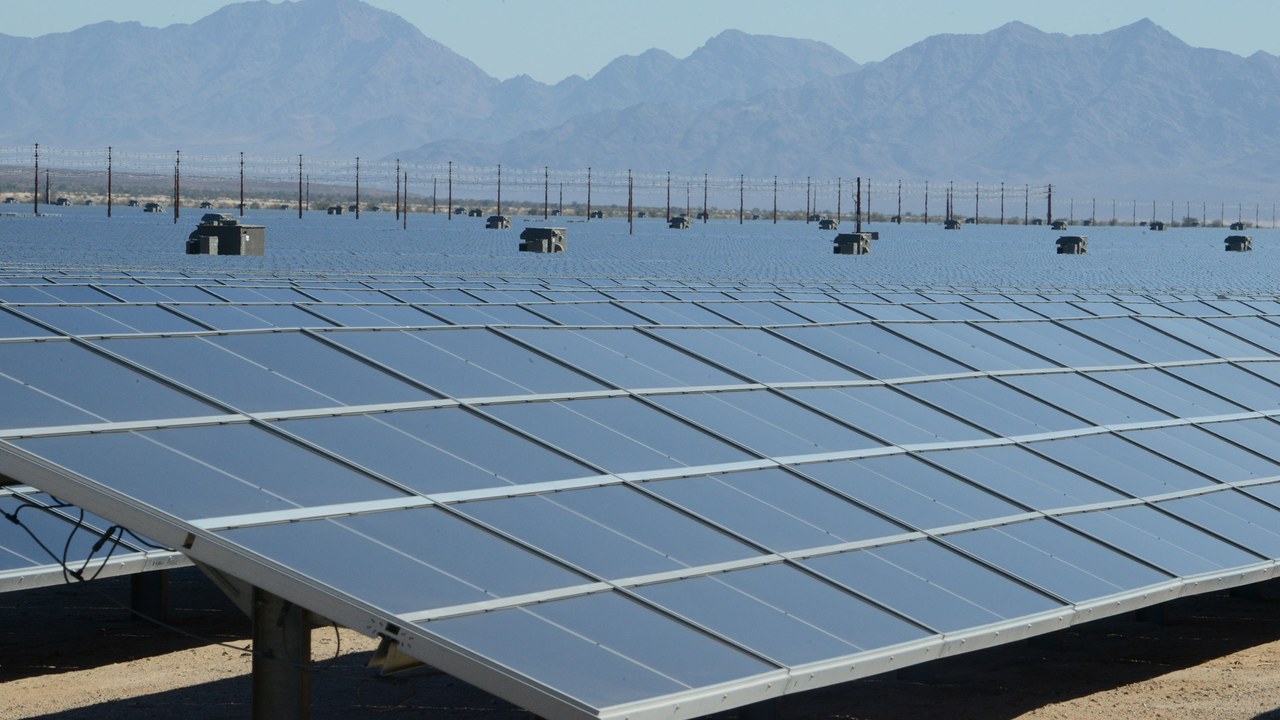
Desert Sunlight Solar Farm covers thousands of acres of the Mojave Desert in Riverside County, California, and stands among the largest photovoltaic projects in the nation. Financed with support from the Department of Energy’s loan program, the facility uses more than eight million thin-film solar panels to convert desert sunshine into usable power.
The project’s electricity is split between two major California utilities, helping the state advance its renewable energy goals. Financing details and project background are outlined on the Department of Energy’s Desert Sunlight page, which describes the loan guarantee that helped make the massive facility possible.
5. Ivanpah Solar: A concentrating solar tower plant in the Mojave
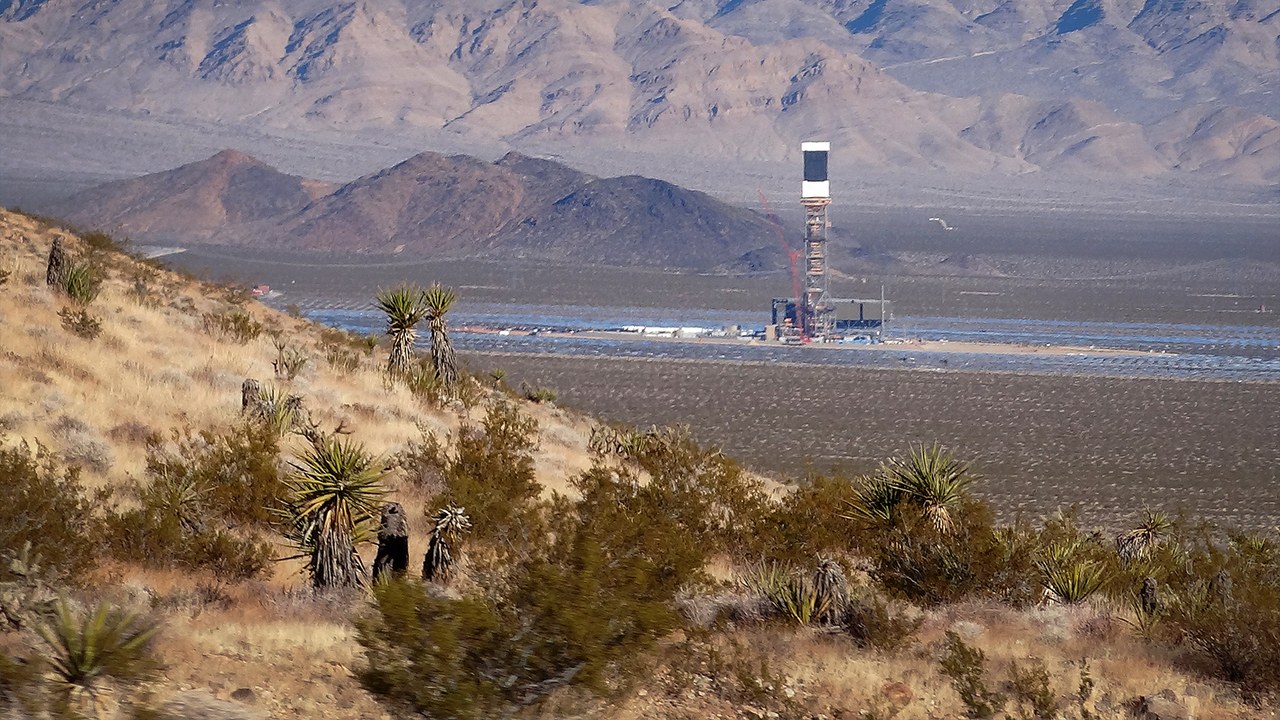
Ivanpah Solar Power Facility uses a very different approach from typical photovoltaic farms, relying on more than 170,000 mirrors to focus sunlight onto three towering receivers in the Mojave Desert. The concentrated heat generates steam that drives turbines, a technology known as concentrating solar power rather than direct panel-based generation.
Located near the California-Nevada border, the plant became one of the largest solar thermal facilities in the world upon its 2014 completion. Its unique design and operational history are described on the Department of Energy’s Ivanpah page, which also addresses the plant’s wildlife-related controversies.
6. Solar Energy Generating Systems: A 354 MW Mojave Desert complex of parabolic-trough plants that was long the world's largest solar installation
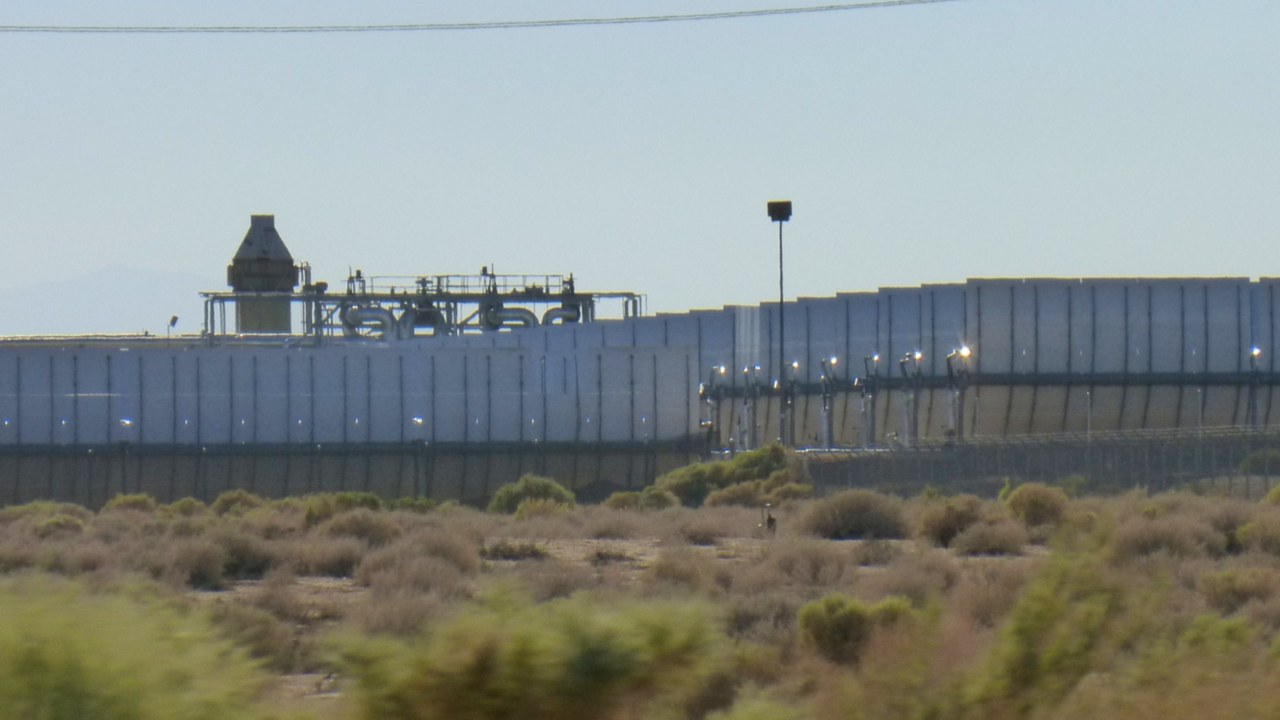
Solar Energy Generating Systems, commonly known as SEGS, was long the largest solar power installation in the world, spanning nine separate plants across the Mojave Desert with a combined capacity of 354 megawatts. Built between the mid-1980s and early 1990s, it relied on parabolic-trough mirrors that concentrate sunlight onto tubes filled with heat-transfer fluid.
The system proved the viability of large-scale solar power decades before photovoltaic technology became cost-competitive at utility scale. Its engineering approach and long operating history are detailed on its Wikipedia page, which traces how the plants paved the way for today’s larger solar projects.
7. Nevada Solar One: A 72 MW concentrating solar plant near Boulder City that was the largest built in the US in over 16 years when it opened
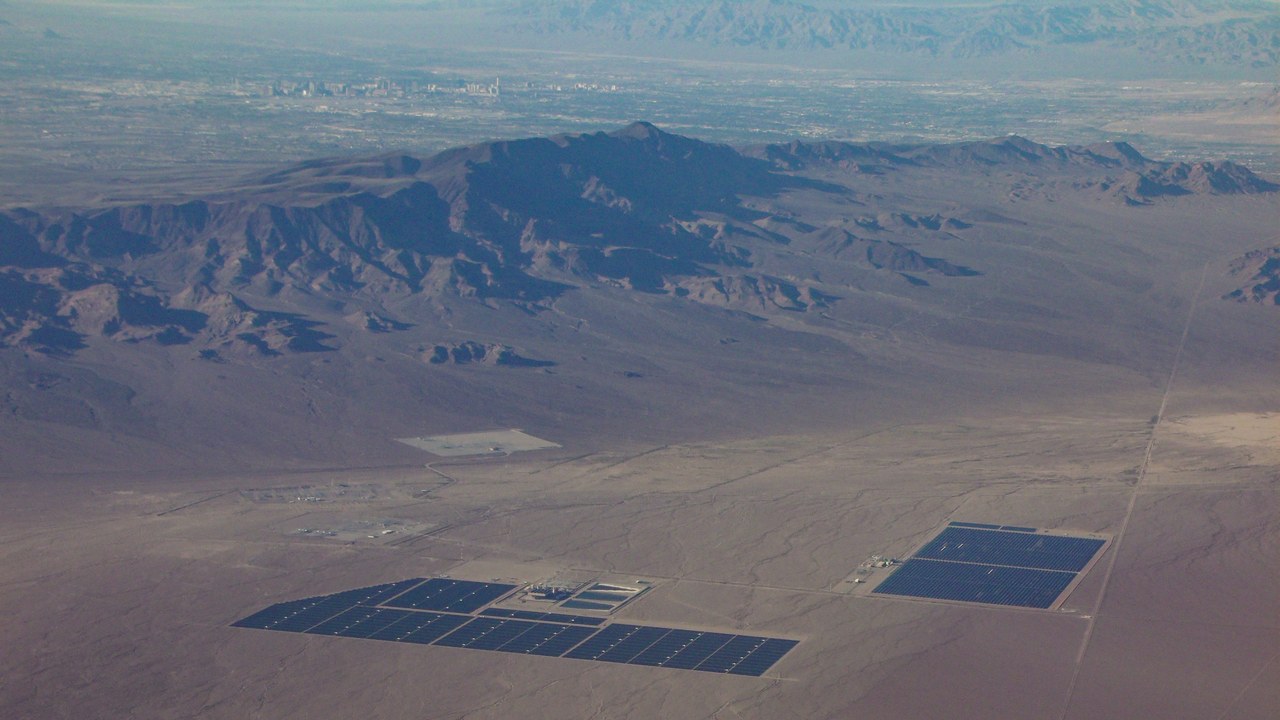
Nevada Solar One sits near Boulder City and generates around 72 megawatts using parabolic-trough concentrating solar technology, similar to the SEGS plants that came before it. When it opened in 2007, it was the largest solar thermal plant built anywhere in the world in more than sixteen years.
The facility helped revive interest in concentrating solar power just as photovoltaic prices were beginning their long decline. Its design, output, and place in solar history are documented on its Wikipedia page, which also covers the broader wave of desert solar projects it helped inspire.
8. Mojave Solar Project: A 280 MW parabolic-trough plant near Barstow that spans thousands of desert acres
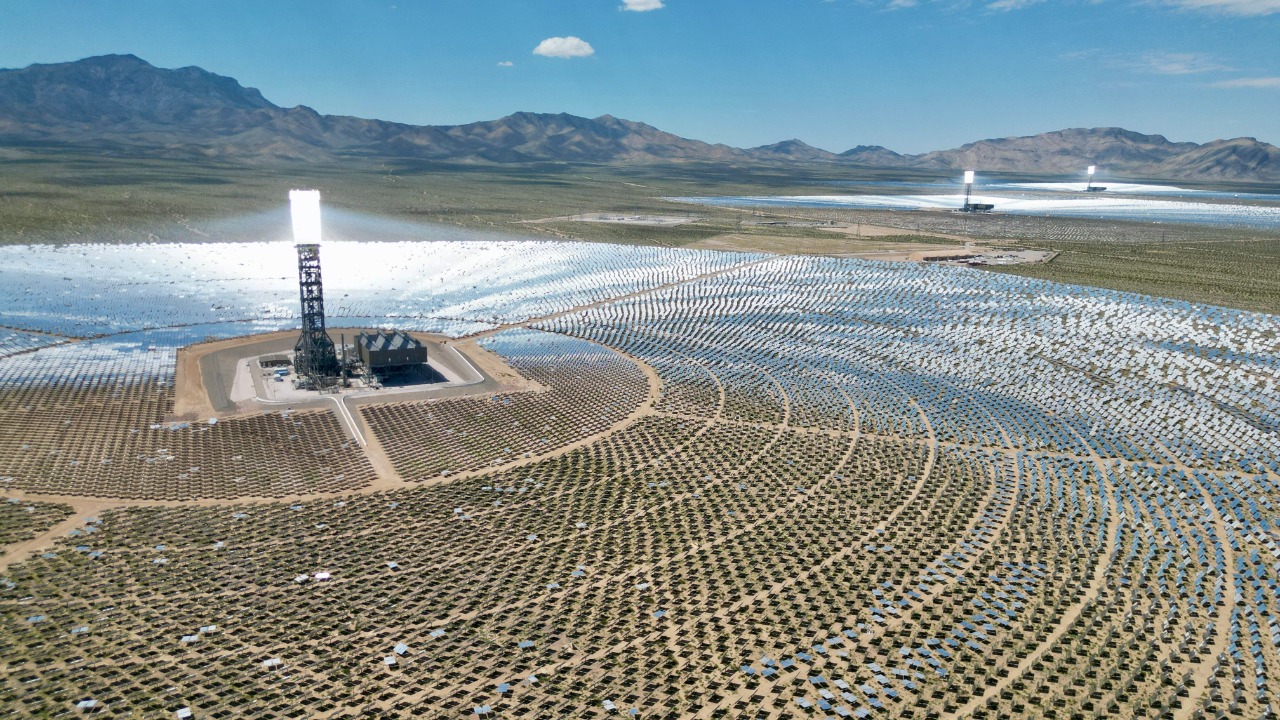
Mojave Solar Project spans thousands of acres near Barstow, California, using parabolic-trough mirrors to generate roughly 280 megawatts of concentrating solar power. Completed in 2014, the plant sits on land once used for a smaller solar demonstration facility, reflecting the steady scale-up of desert solar development in the region.
Heat collected by the trough system drives conventional steam turbines, allowing the plant to keep generating for a period even after the sun sets. Its technical specifications and construction history are covered on its Wikipedia page, which also notes the utility agreements supporting its output.
More from Morning Overview
