
Size in the tree world is measured several different ways, and no single champion holds every record at once. Height, trunk volume, girth, age and sheer connected mass each crown a different organism, scattered across California, Utah, Mexico, Tasmania and England. Here are eight of the largest living trees still standing on Earth.
1. General Sherman: The Largest Trunk On Earth
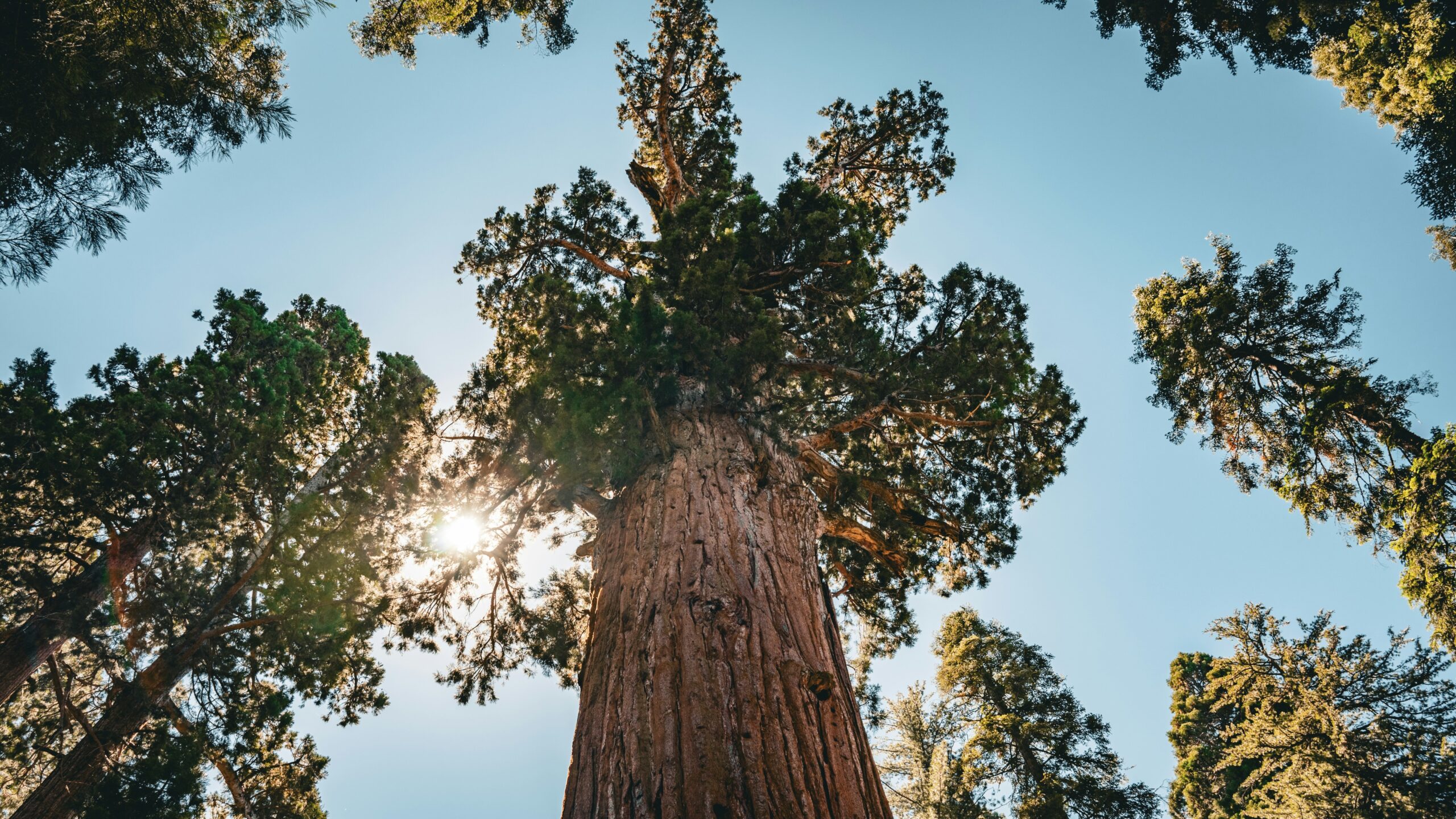
The giant sequoia known as General Sherman rises in the Giant Forest of Sequoia National Park, where park service measurements put its trunk volume near 52,500 cubic feet. That bulk makes it the largest single-stem tree on the planet, though it is neither the tallest nor the oldest. The base spans roughly 36 feet, and the trunk carries that mass high above the ground, tapering slowly instead of narrowing off the way most conifers do.
Volume rather than height is what separates a sequoia from a redwood in these rankings, a distinction that surprises visitors who arrive expecting the tallest thing in the forest. Growth continues in girth each year, adding roughly the wood of a full-sized tree.
2. Tāne Mahuta: Lord Of The Forest
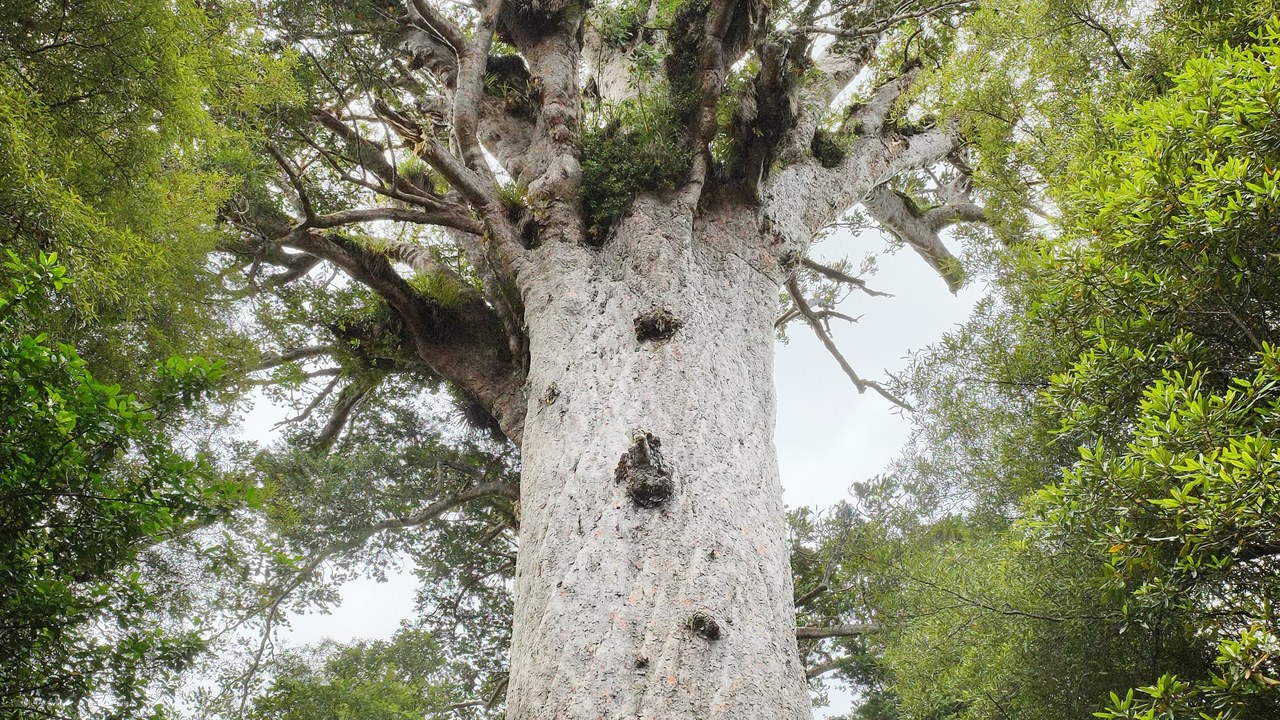
Waipoua Forest in New Zealand’s Northland holds the kauri Tāne Mahuta, the largest known living tree of its species, standing roughly 168 feet tall with a trunk girth near 45 feet. What sets a mature kauri apart is the column: the trunk climbs unbranched for about 60 feet before the first limbs appear, holding nearly its full diameter the whole way, and the measured trunk volume runs to roughly 8,600 cubic feet.
Age estimates span a wide range, commonly cited between 1,250 and 2,500 years, since kauri cannot be reliably cored. Kauri dieback, a soil-borne pathogen spread on footwear, now threatens the species, so the short walkway to the tree ends at shoe-cleaning stations.
3. General Grant: The Nation’s Christmas Tree
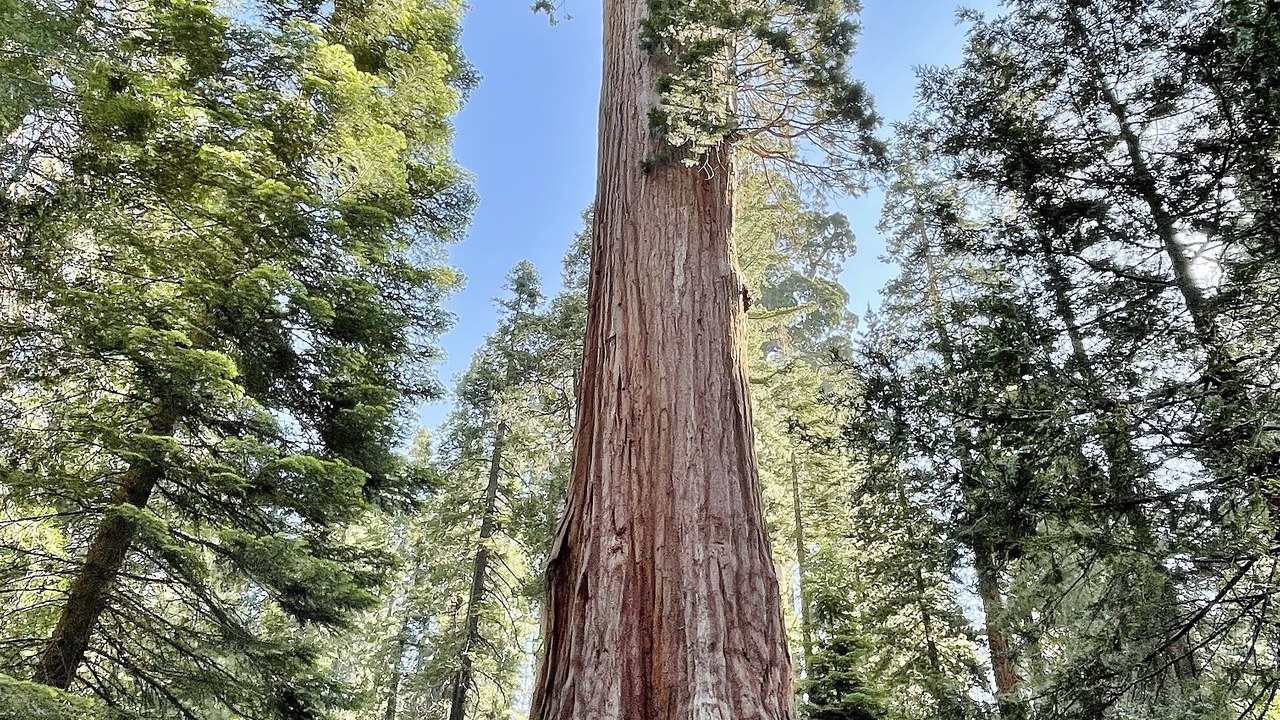
Kings Canyon National Park holds the General Grant tree, second only to General Sherman by trunk volume at roughly 46,600 cubic feet. Its base diameter of about 40 feet is actually the wider of the two, but the trunk tapers faster and the total volume falls short. President Coolidge named it the Nation’s Christmas Tree in 1926, and a ceremony has been held at its foot every December since.
A second designation followed in 1956, when it became a national shrine memorializing Americans killed in war, the only living thing to carry that status. Roughly 268 feet of height and an estimated age near 1,650 years round out the profile.
4. Methuselah: Nearly Five Thousand Years Old
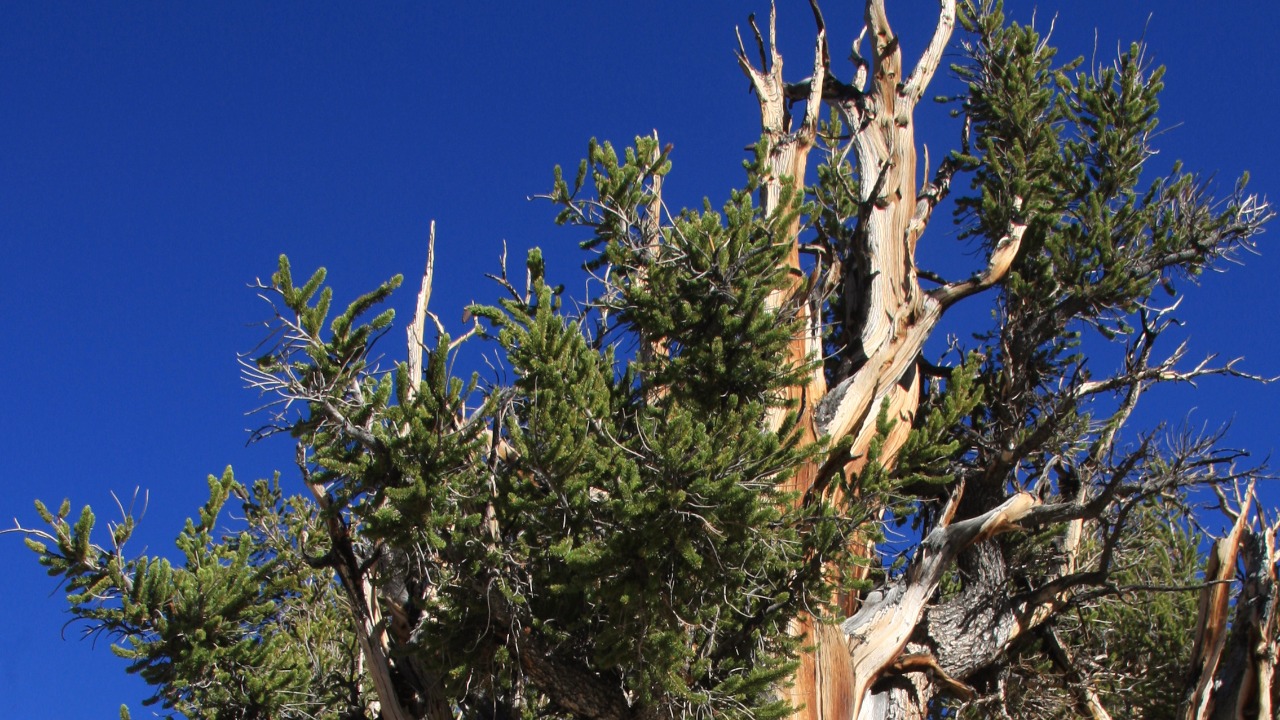
Growing in the White Mountains of eastern California, the bristlecone pine Methuselah has been dated by core sample to roughly 4,800 years, meaning it germinated before the pyramids at Giza were built. Bulk is not the claim here. The trunk is gnarled, largely dead and sculpted by wind at nearly 10,000 feet, with only a narrow ribbon of living bark still feeding the canopy.
Great Basin bristlecones endure by growing slowly into dense, resinous wood that resists rot and insects, a strategy that trades size for centuries. The Forest Service declines to identify the specific tree along the trail, a precaution adopted after an older specimen was felled in 1964.
5. Pando: One Organism, 106 Acres
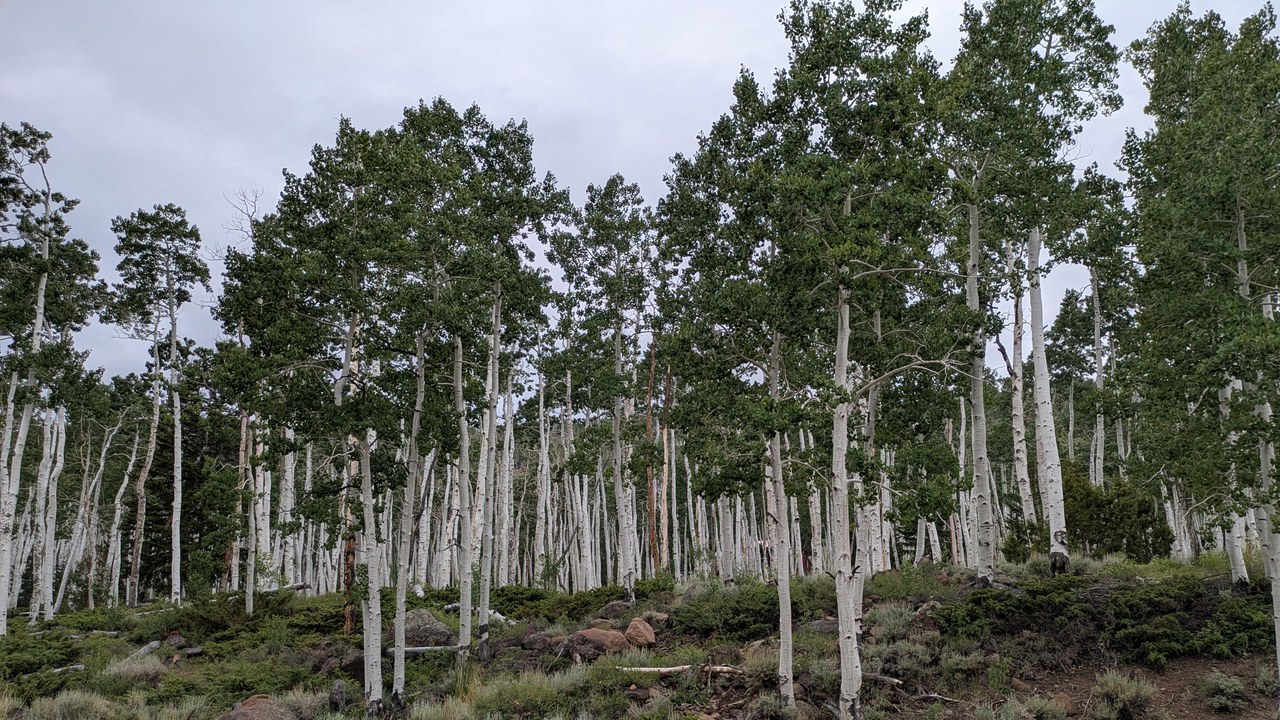
Across 106 acres of Utah’s Fishlake National Forest, the aspen colony Pando sends up roughly 47,000 genetically identical stems from a single connected root system. Counted as one organism, its estimated mass of about 6,000 metric tons ranks it among the heaviest living things ever recorded, and every trunk in it is a male quaking aspen clone of the same original seedling.
Age estimates range from several thousand to tens of thousands of years, because the roots persist while any individual stem lives only about 130. Browsing deer and elk have been eating the new shoots faster than they establish, so sections are now fenced to let the colony regenerate.
6. Arbol del Tule: The Stoutest Trunk Anywhere
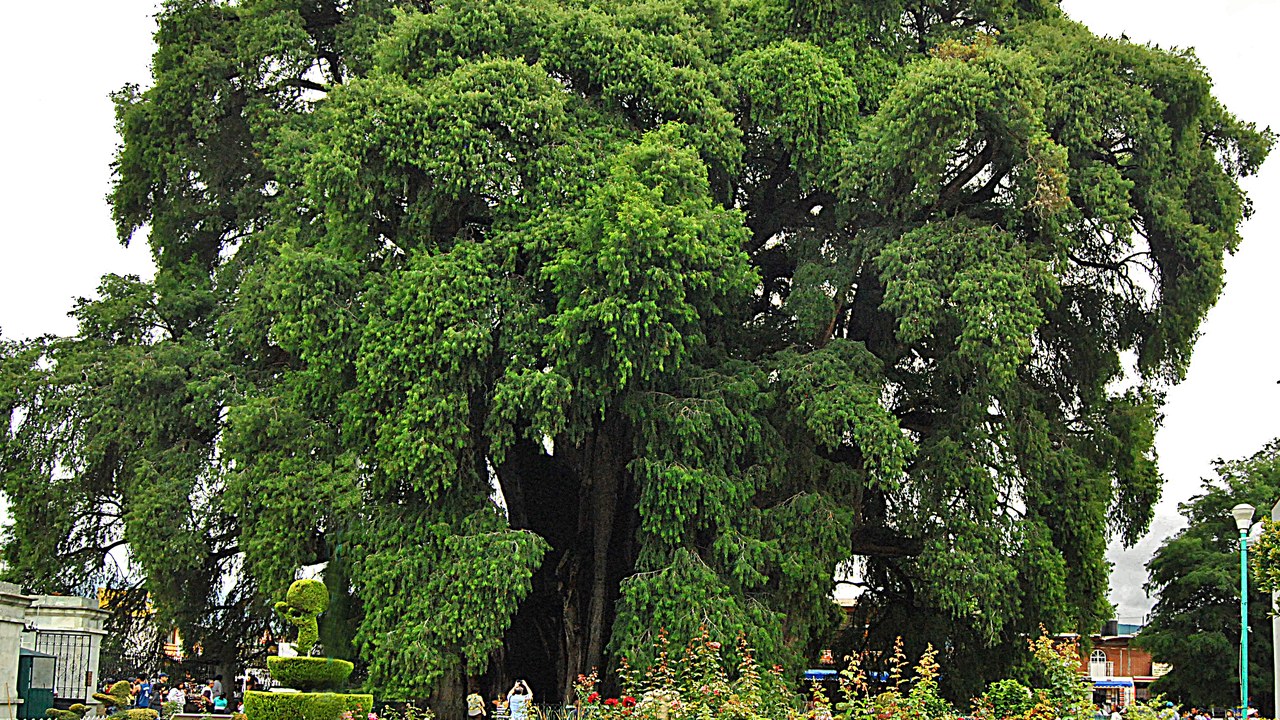
A churchyard in Santa Maria del Tule, in the Mexican state of Oaxaca, contains a Montezuma cypress with the stoutest trunk ever recorded, a circumference of roughly 137 feet and a diameter near 38 feet. Genetic testing eventually settled a long-running argument over whether the mass was one tree or several fused together, confirming a single organism.
Height is modest against those numbers, about 116 feet, so the tree reads as squat and overwhelming rather than towering. Falling groundwater in the surrounding valley is the threat most often flagged by conservationists, since the roots depend on a water table that irrigation and urban demand keep drawing down.
7. Centurion: The Tallest Hardwood Standing
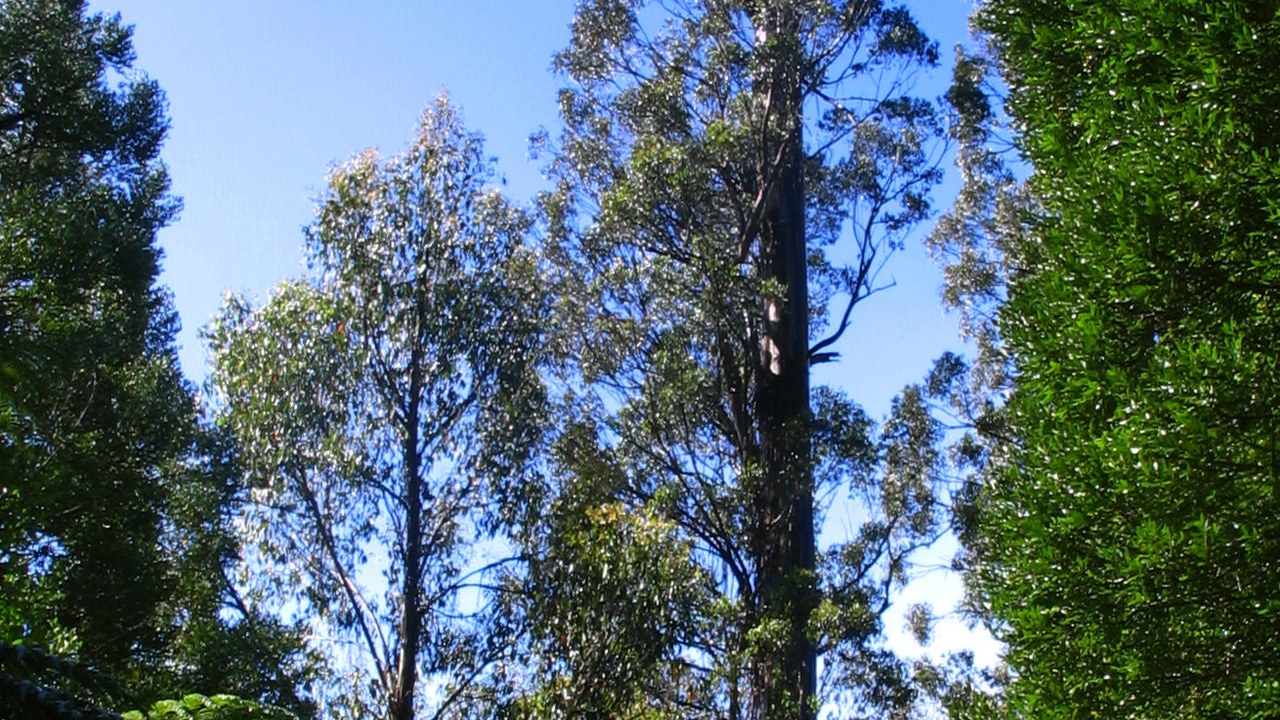
Tasmania’s Arve Valley holds Centurion, a mountain ash remeasured in 2018 at just over 100 metres and recognized as the tallest known hardwood and the tallest flowering plant on Earth. Only coast redwoods outreach it among living trees. A bushfire tore through the valley in 2019 and scorched the base of the trunk, but the tree came through it alive.
Eucalyptus regnans grows fast in the wet forests of southern Australia and now rarely reaches such heights outside protected reserves, most of the tallest specimens having been logged long ago. Its shallow root plate makes soil compaction a real hazard, so access is managed to keep visitors off it.
8. Major Oak: Ancient, Vast And Propped Up
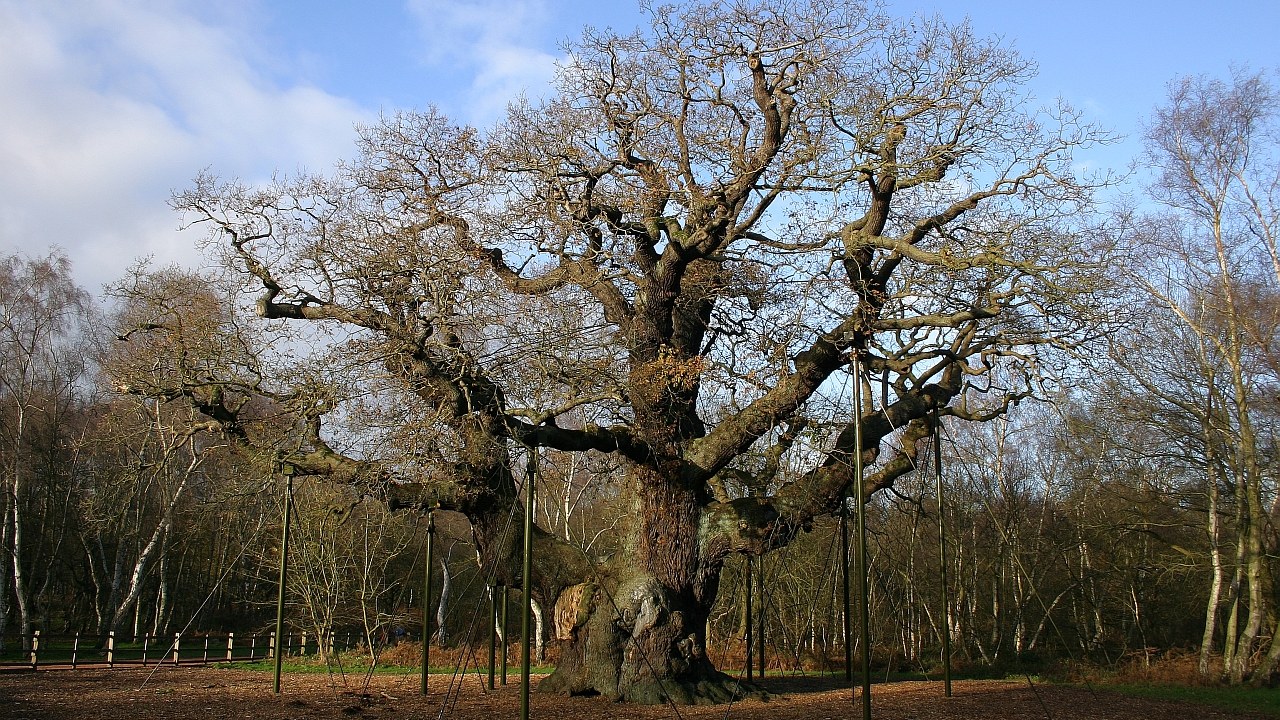
Sherwood Forest’s Major Oak is an English oak carrying a girth of about 33 feet and a canopy spreading some 92 feet across, wide enough that scaffolding and chains have propped up the heaviest limbs since the Victorian era. Age estimates run between 800 and 1,000 years, and the hollow trunk means no core sample can ever settle the question precisely.
Folklore linking the tree to Robin Hood draws crowds large enough that the ground beneath the canopy was fenced off to stop soil compaction over the roots. Survival now depends as much on that arboricultural support as on the tree’s own remaining structure.
More from Morning Overview
- The FTC is warning about a scam quietly draining thousands from victims
- A handful of car transmissions are so tough mechanics say they almost never fail
- A handful of SUVs keep hitting 300,000 miles, and they share one engine trait
- Supplements now rank as the fifth-leading cause of death from liver disease.
