
A lighthouse is a promise kept in the worst weather. Some of these towers were rebuilt after the sea destroyed what stood there before, and one was moved bodily inland to stay ahead of a collapsing shoreline. Here are nine lighthouses still guiding ships along dangerous coasts.
1. Eddystone Lighthouse: Four Towers on One Rock
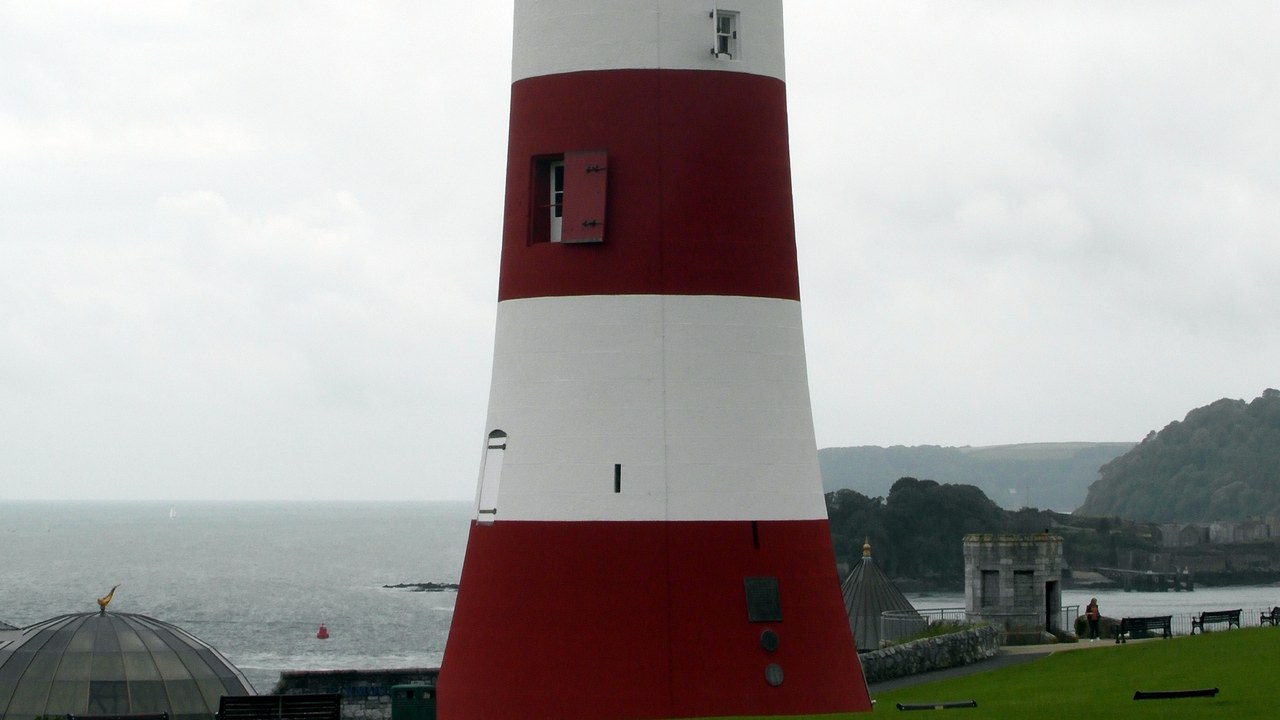
The first Eddystone light, finished in 1699, was the world’s first open-ocean lighthouse, built on a reef that takes the full weight of the Atlantic swell. It did not survive, and neither did the two that followed; the tower standing on the rock today is the fourth.
Each rebuild taught the next engineer something about how masonry fails in open water. The techniques worked out at Eddystone, interlocking stone courses and a curved profile that sheds a breaking wave, became standard practice for every rock lighthouse built afterwards.
2. Bell Rock Lighthouse: Built on a Reef That Vanishes Twice a Day
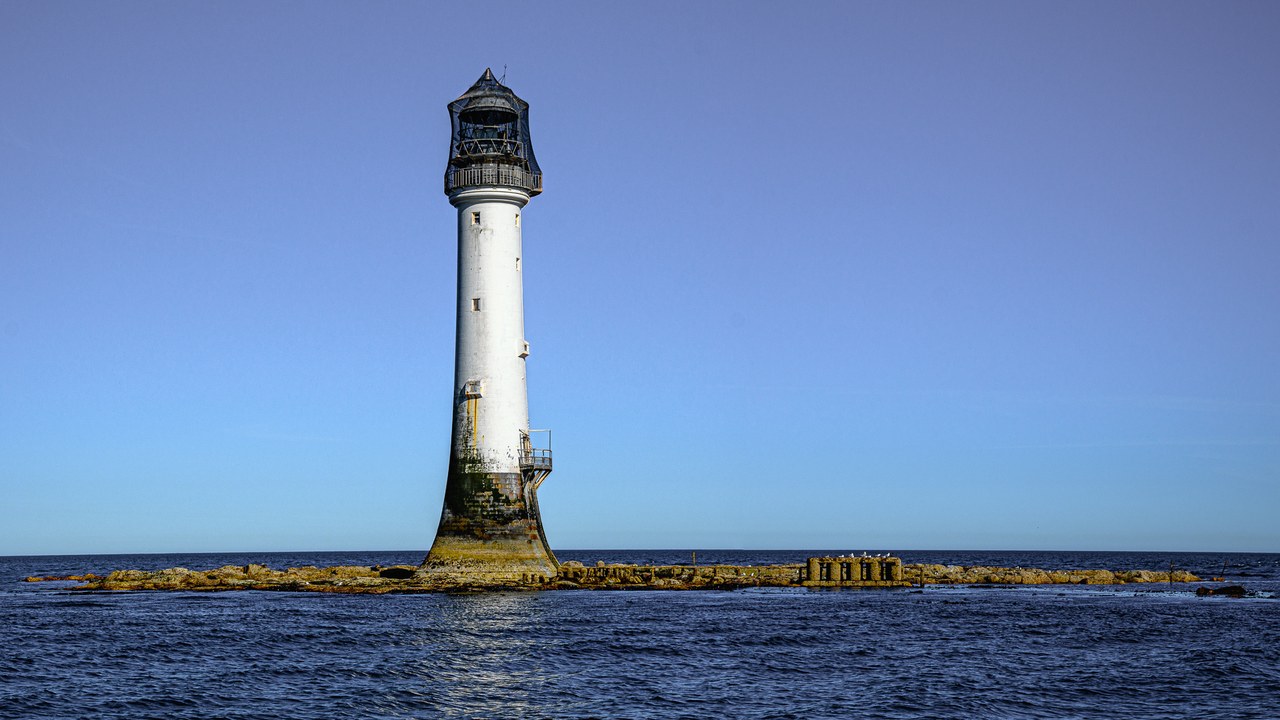
Robert Stevenson raised the Bell Rock light between 1807 and 1810 on a reef that disappears beneath the tide, which meant his masons could only work a few hours at a stretch. It is the oldest surviving sea-washed lighthouse still standing anywhere in the world.
Two centuries of North Sea weather have not shifted it. The lower courses were cut to lock into one another so the tower behaves as a single mass of stone rather than a stack of blocks, which is a large part of why it is still there.
3. Fastnet Lighthouse: Ireland’s Tallest, on the Loneliest Rock
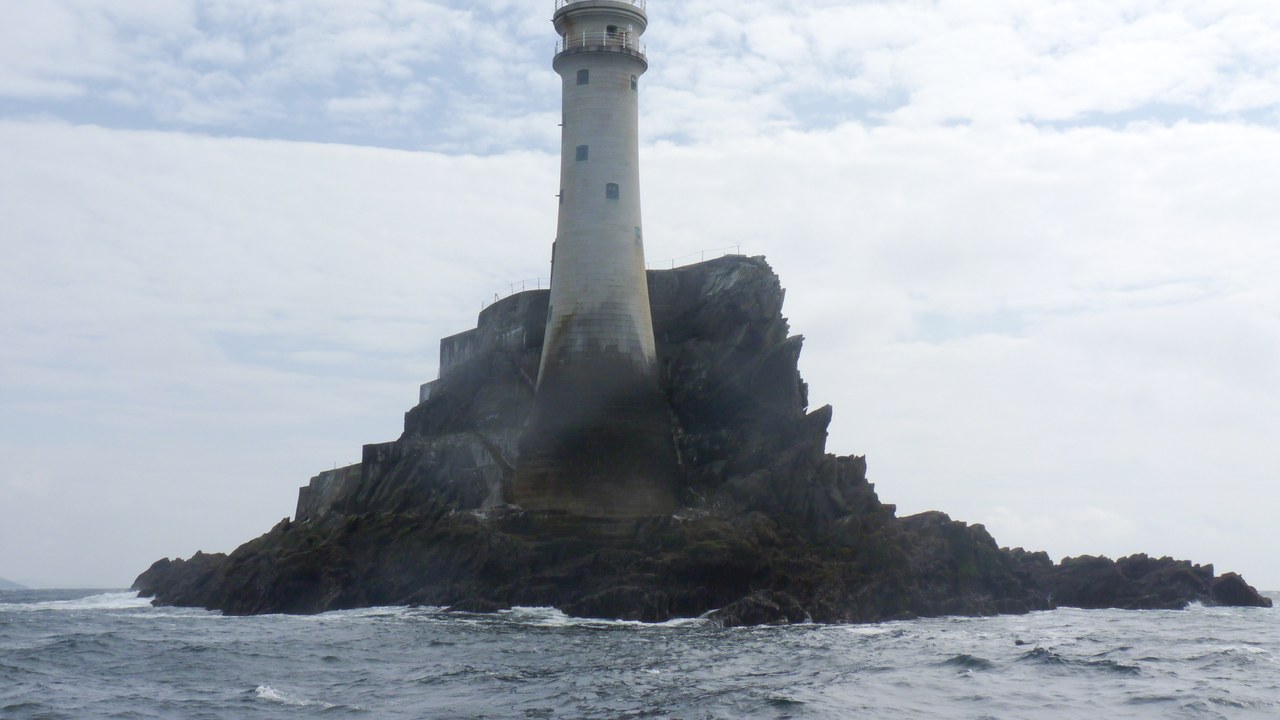
At 54 metres the current tower is the tallest lighthouse in Ireland, and it is the second to stand on Fastnet Rock, a splinter of stone off the southwest coast that takes the first blow of Atlantic storms rolling in from open water.
Generations of emigrants leaving for America watched it slip below the horizon as the last of Ireland they would see, which earned the rock a grim nickname. Today it marks the turning point of one of offshore racing’s hardest events. The rock lies roughly 13 kilometres off the mainland, alone in open water.
4. Portland Head Light: The First One the Government Built
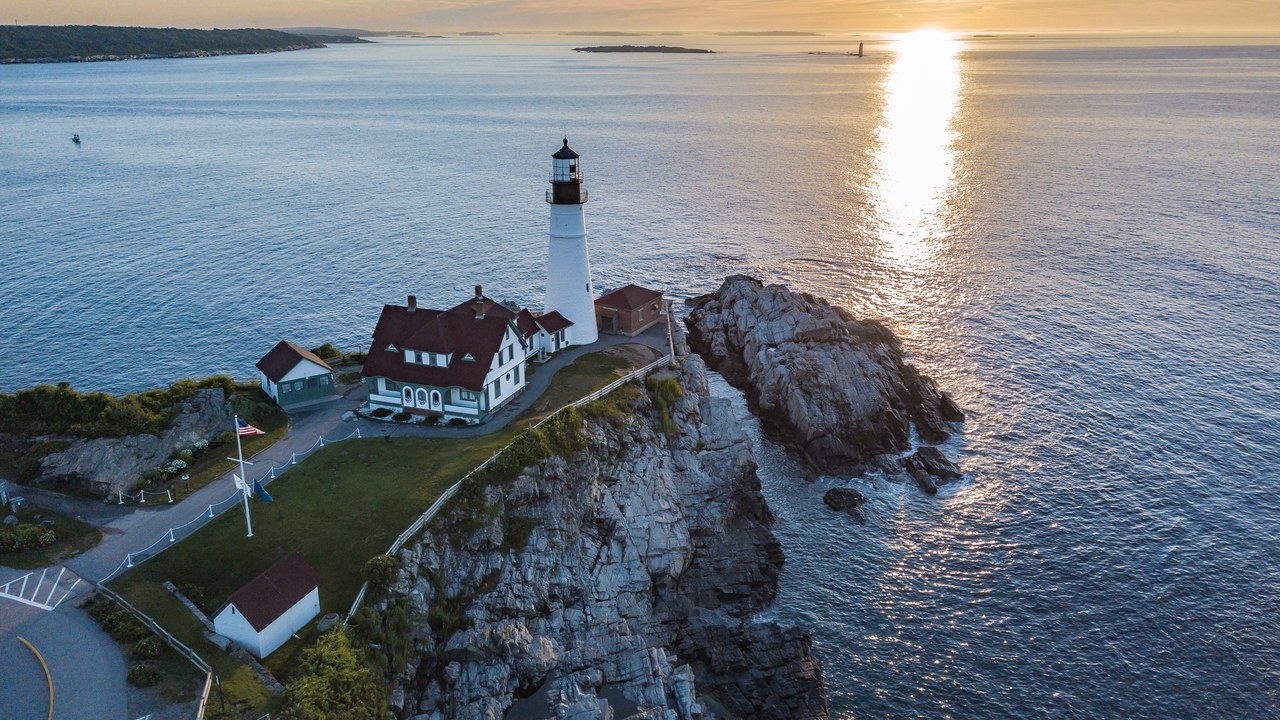
Completed in 1791 at Cape Elizabeth, Portland Head Light is the oldest lighthouse in Maine and the first built by the United States government, marking the approach to Portland harbour where the coastline turns to bare rock.
It has been rebuilt and re-equipped repeatedly since, and the keeper’s house is now a museum, but the tower still works as an aid to navigation. The headland around it takes the full force of Atlantic storms every winter, which is precisely why the light was put there.
5. Peggys Point Lighthouse: The Most Photographed Rock in Atlantic Canada
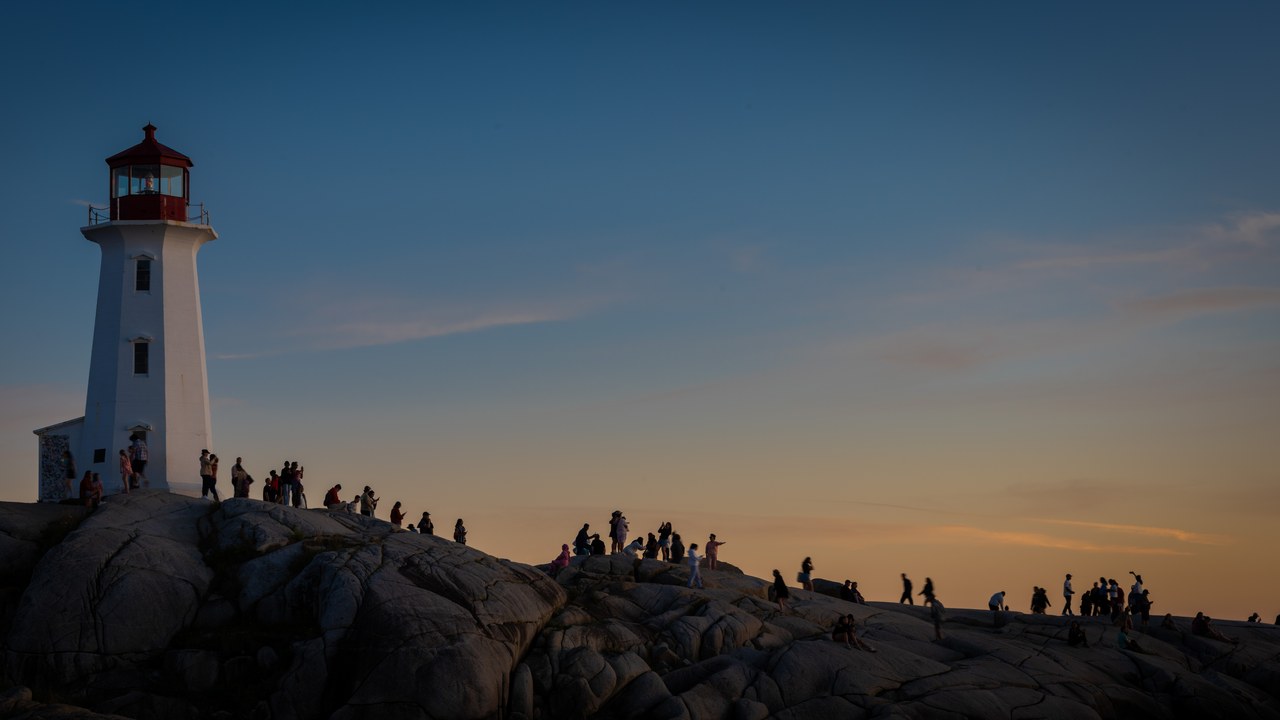
The octagonal tower standing at Peggy’s Cove in Nova Scotia was built in 1914, marking an inlet on a coast of bare granite that has wrecked enough vessels to justify it several times over. It is one of the busiest tourist attractions in the province.
The rocks below it are the real hazard, and they stay dangerous in a different way: visitors are regularly swept off them by swells that arrive without warning. The light itself keeps working above the crowds. Fog and swell here can close the cove in minutes.
6. Cape Hatteras Lighthouse: Moved to Outrun the Sea
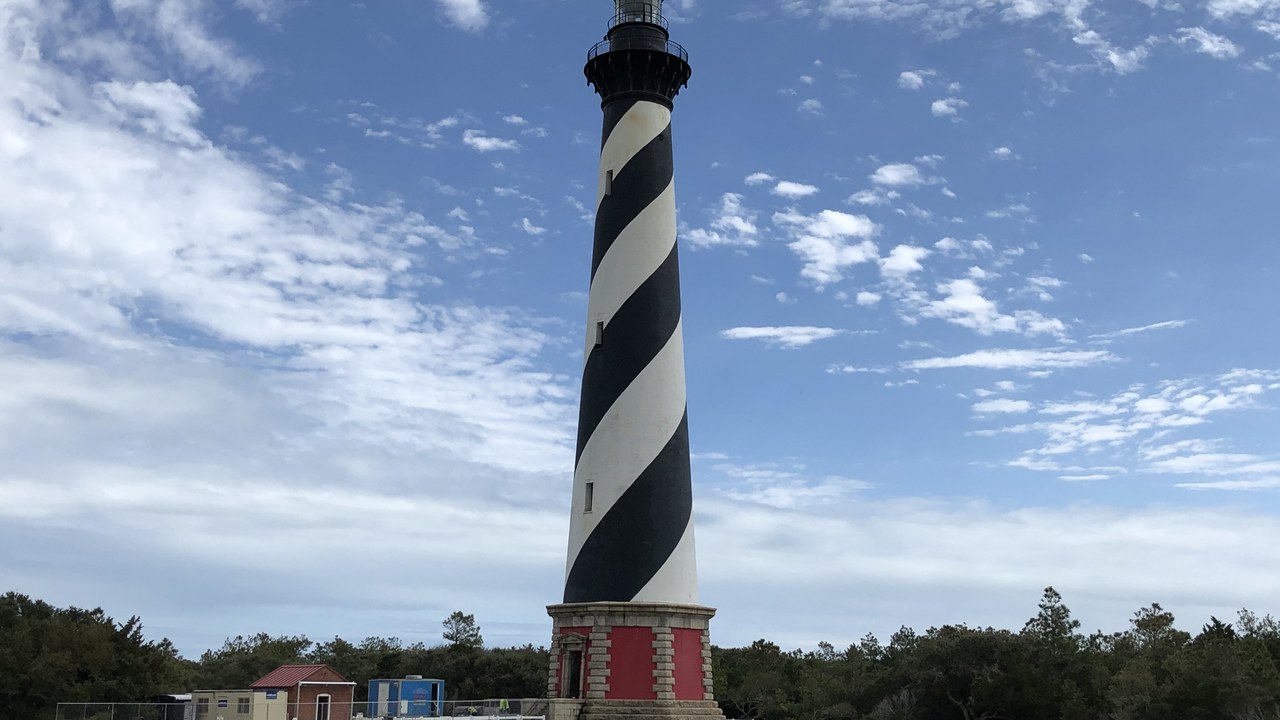
At 210 feet, Cape Hatteras is the tallest lighthouse in the United States, first built in 1802 to mark the shoals off North Carolina that wrecked enough shipping to earn the stretch a reputation as a graveyard for ships.
It has been relocated twice to escape erosion, the second time in 1999, when the entire brick tower was jacked up and rolled nearly half a mile inland. Moving it proved cheaper and far more certain than trying to hold the shoreline still. The original 1802 tower was replaced in 1870 by the striped one standing now.
7. Point Reyes Lighthouse: Built Below the Fog Line
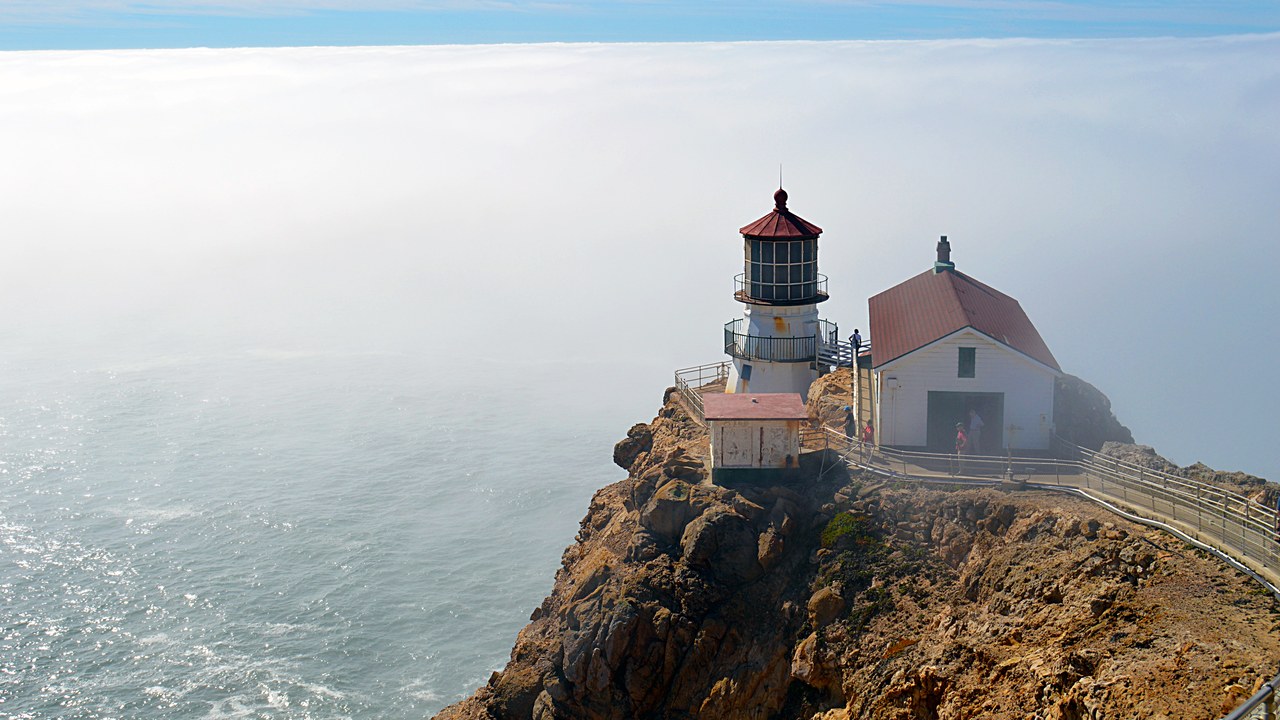
Point Reyes sits on one of the foggiest stretches of the Pacific coast, and its builders deliberately put the light below the top of the cliff rather than on it, so the beam would stay under the fog that routinely buries the headland for days at a time.
The decision inverts the usual logic of lighthouse siting, where height buys range. Here extra elevation would have hidden the light inside cloud for much of the year, so reach was traded away for the certainty of being seen at all.
8. Split Rock Lighthouse: The Storm That Built It
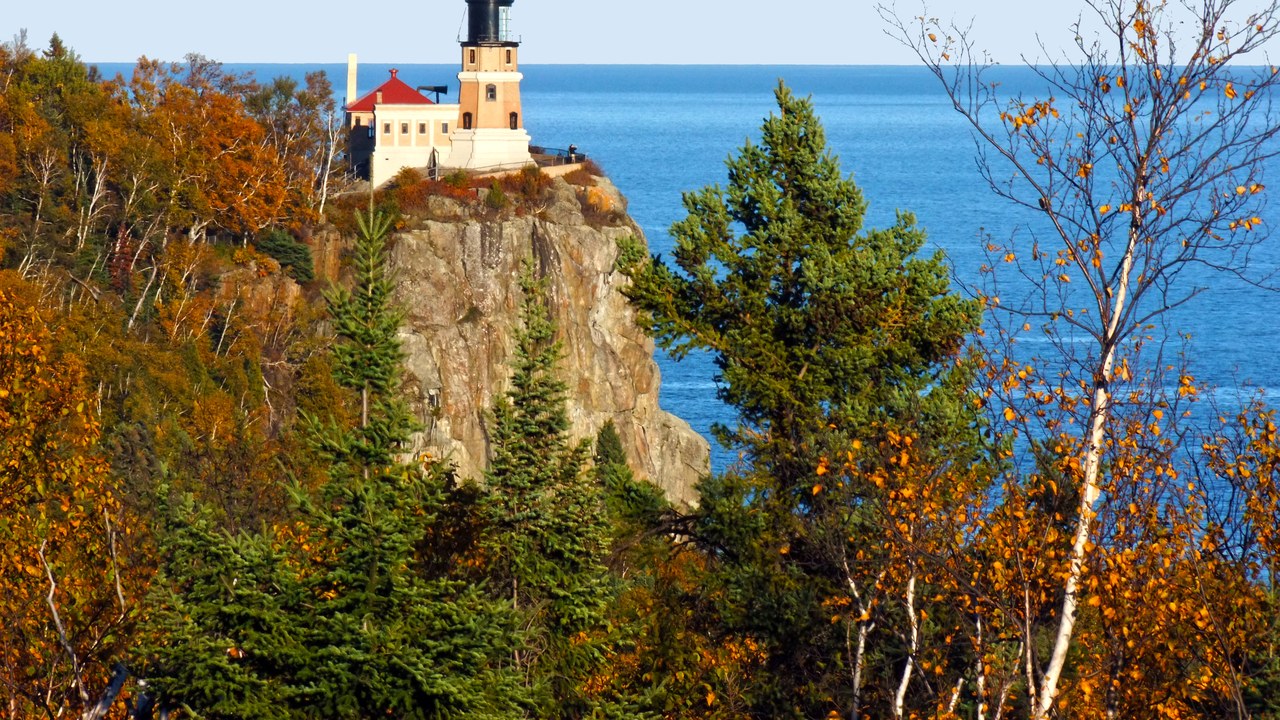
A November storm in 1905 wrecked ships along Lake Superior’s North Shore, and the United States Lighthouse Service answered by completing Split Rock in 1910 at a cost of $75,000, on a cliff high above the water. There was no road to the site, so materials came in by water and were hoisted up the rock face.
Iron in the surrounding cliffs disturbed ships’ compasses, which made the shore doubly dangerous and the light doubly necessary. It still overlooks the lake, now as one of the most photographed structures in Minnesota.
9. Longstone Lighthouse: Grace Darling’s Rock
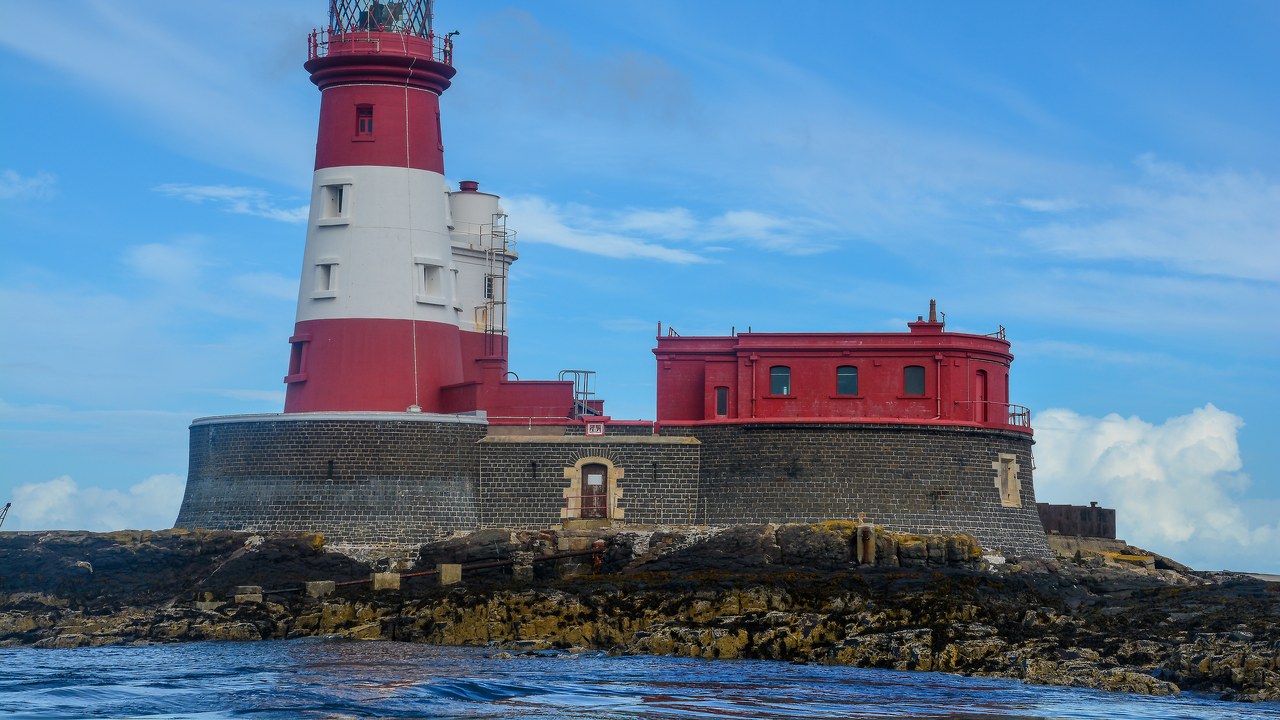
Longstone stands on bare rock in the Farne Islands, and it is remembered less for its engineering than for a single night in 1838, when the paddle steamer Forfarshire broke apart nearby and the keeper’s daughter, Grace Darling, helped row out to the survivors through heavy seas.
She became a national figure almost overnight, in an age that had few famous women and no shortage of shipwrecks. The light still works, marking an archipelago that remains a hazard for anything hugging the Northumberland coast. The Farne Islands themselves are now a protected seabird and seal colony.
More from Morning Overview
