
A cathedral was rarely the work of one generation. Architects died, wars interrupted budgets, and plagues emptied the workshops long before the final stone went into place, so completion sometimes arrived centuries after the foundation was laid and under an entirely different style of roof. Here are eleven cathedrals that were begun by one civilization and finished by another.
1. Cologne Cathedral: The Six-Century Building Pause
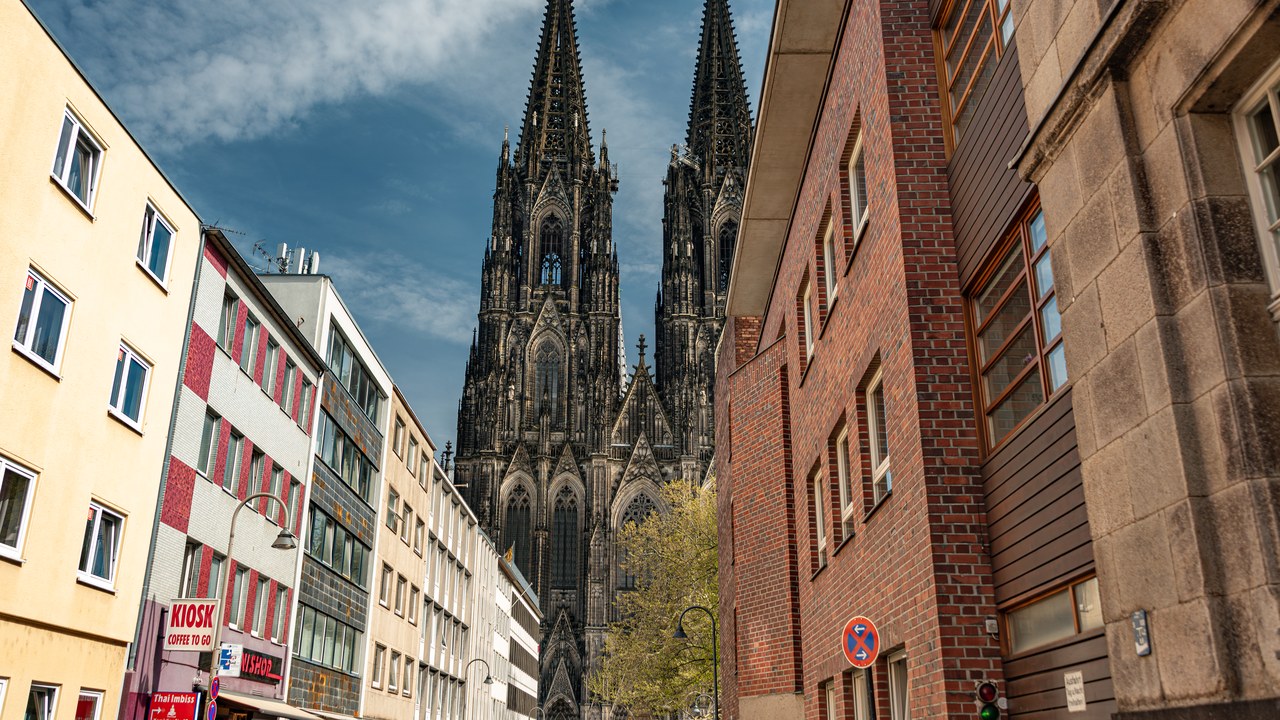
Masons broke ground on the Cologne Cathedral project in 1248, but ran out of money and abandoned the site for nearly three centuries, leaving a construction crane stranded atop the unfinished south tower as a local landmark. Work resumed in the 1840s under the original medieval drawings, and the final stone was set in 1880, 632 years after the first.
The finished cathedral follows the same design the medieval builders drew up, so its soaring twin spires look centuries older than the ironwork and machinery that finally completed them in the industrial age.
2. St. Vitus Cathedral: A Promise Kept By New Hands
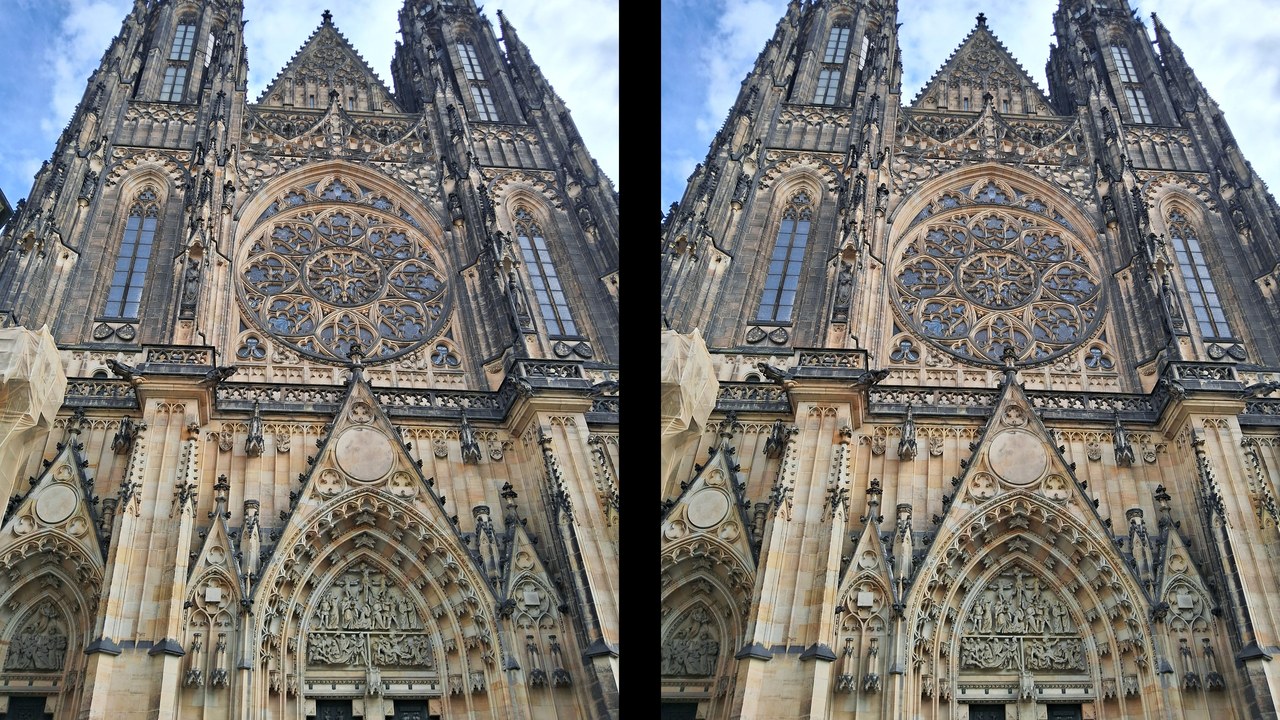
Charles IV laid the foundation of Prague’s cathedral in 1344, and building slowed to a crawl after the Hussite Wars tore through Bohemia in the following century, leaving the church without a west front for generations. A twentieth-century campaign to finish the structure in matching Gothic style did not close the gap until 1929, nearly 600 years later.
The nave, transept and west towers all date from that later push, so a visitor walking from the medieval choir toward the entrance is walking from the fourteenth century into the twentieth without a seam to mark the change.
3. Milan Cathedral: The Facade That Outlasted Empires
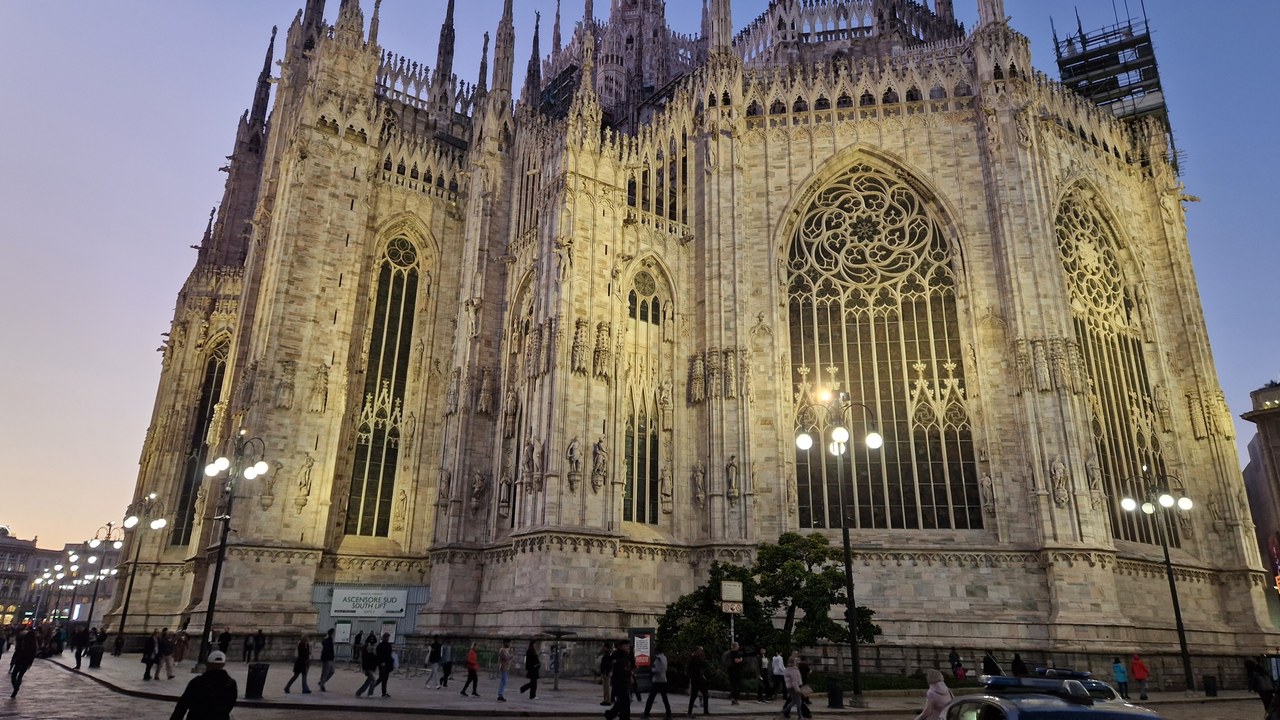
Construction on the Duomo di Milano began in 1386 under a design committee that argued over the roofline for generations, and progress stalled repeatedly for lack of funds until Napoleon, preparing his own coronation, ordered the facade rushed to completion in the early 1800s. Even that push left gaps: the cathedral’s final external gate was not installed until 1965, nearly six hundred years after the first foundation stone.
Its forest of marble spires and thousands of statues were added piecemeal by successive generations of sculptors, which is why art historians still debate exactly when the building should be considered truly finished.
4. Ulm Minster: Race For The Tallest Spire
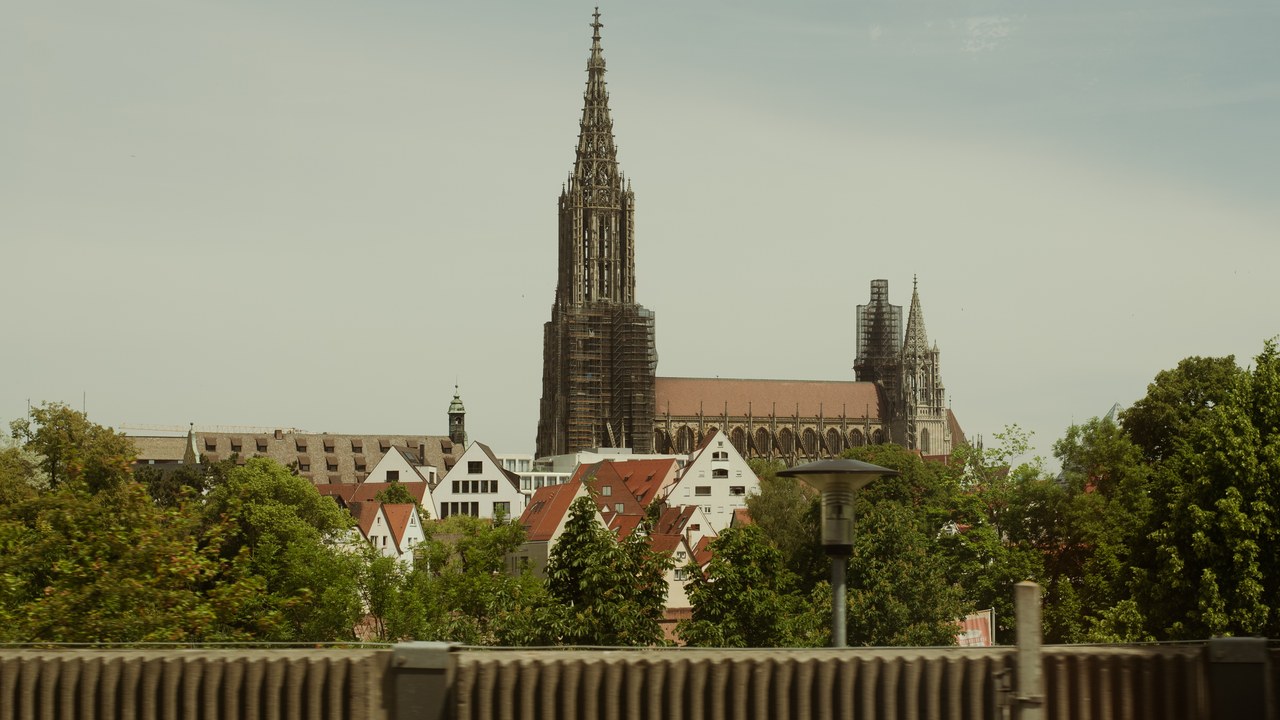
Work on the minster in Ulm started in 1377, then all but stopped for roughly three hundred years after the Reformation drained the city’s appetite for a Catholic-scale building project. A nineteenth-century revival finished the west spire in 1890, 513 years after construction began, and for a few years afterward it stood as the tallest church steeple on Earth.
That record did not last, taller buildings soon overtook it, but the spire’s lattice stonework, finished five centuries after the foundation, still climbs higher than any other church tower ever built.
5. Canterbury Cathedral: Rebuilt From Its Own Ashes
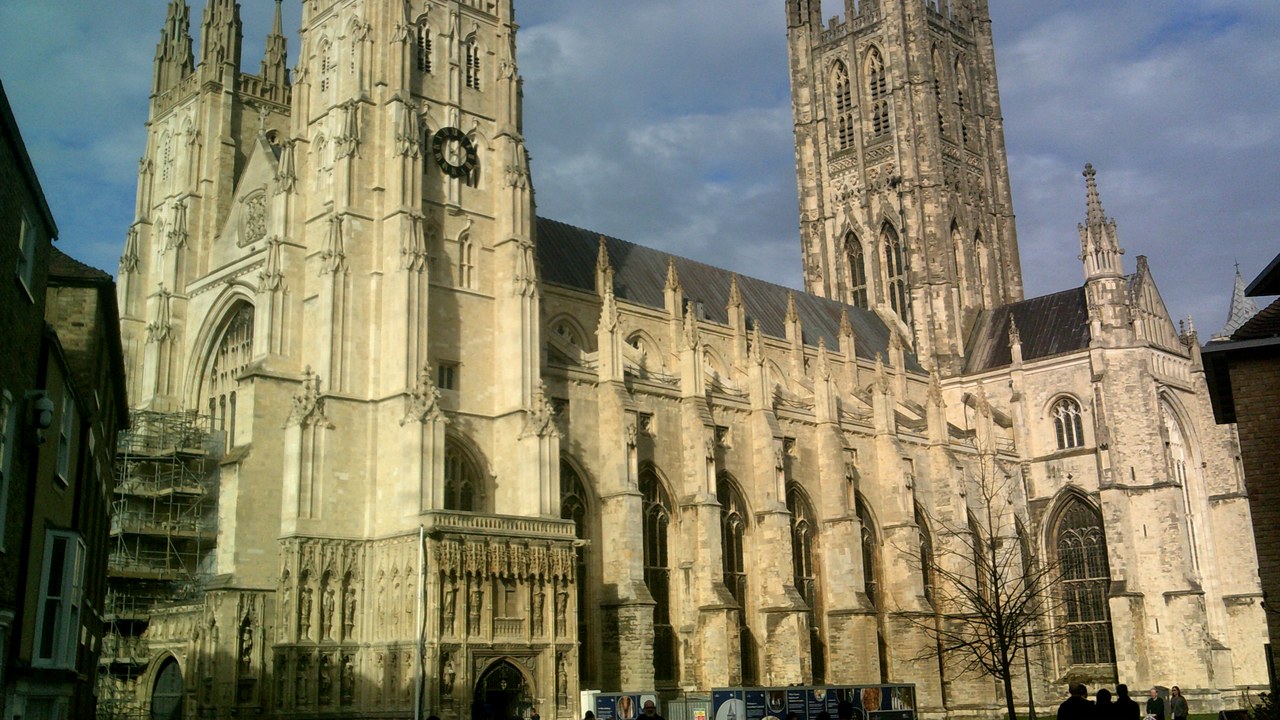
The first church on this site in Canterbury went up around 1070, but a fire tore through the choir in 1174 and forced the monks to rebuild it almost from scratch in the new Gothic style then arriving from France. The cathedral’s central tower was not finished until 1495, more than four centuries after the first stones were laid.
Because the rebuild happened in stages over four hundred years, the building reads like a timeline in stone: Romanesque crypt below, French Gothic choir in the middle, and English Perpendicular tower on top.
6. Strasbourg Cathedral: Only Half Ever Got A Spire
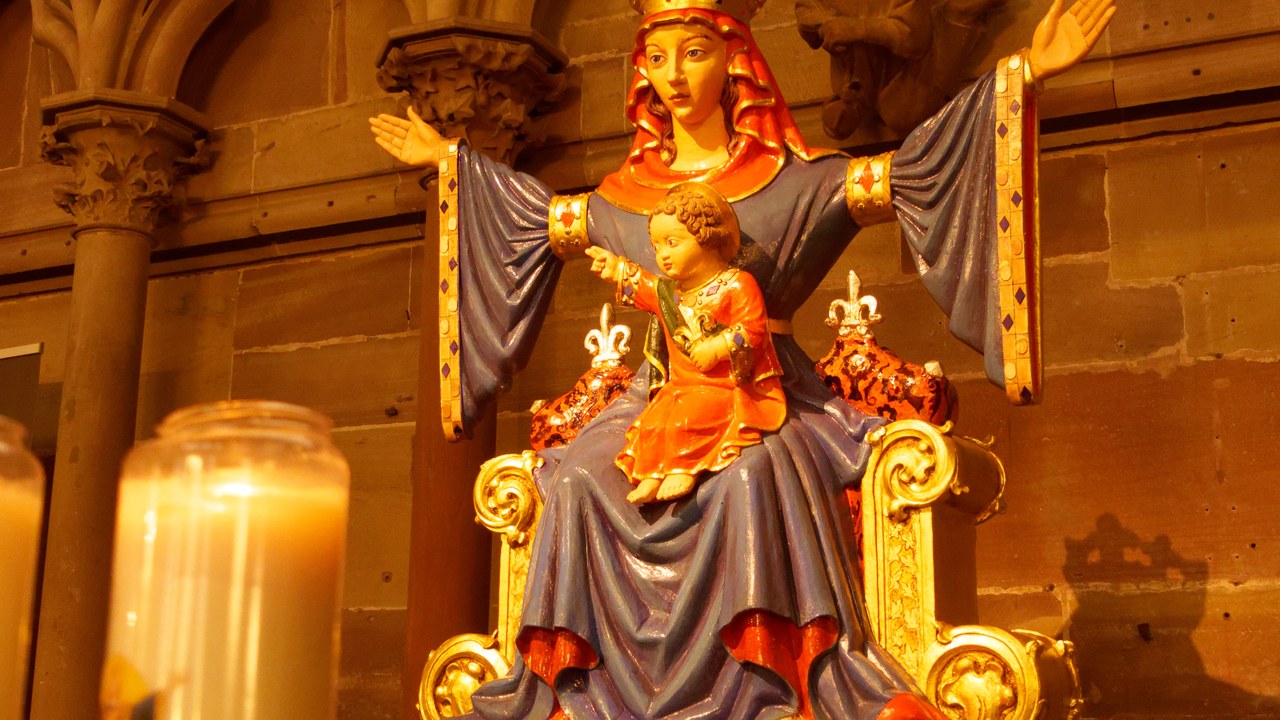
Building at Strasbourg’s cathedral started in 1015 on a Romanesque plan that was later abandoned partway through for the taller Gothic style then spreading across France, a project that was not finished until 1439, 424 years later. Money ran out before the second tower could be built, so only the north spire was ever finished, and from 1647 to 1874 it stood as the tallest structure anywhere in the world.
That lopsided silhouette, one spire soaring and one tower stopped short, is the plan the city simply never went back and finished, even four centuries later.
7. Winchester Cathedral: A Foundation Built On A Bog
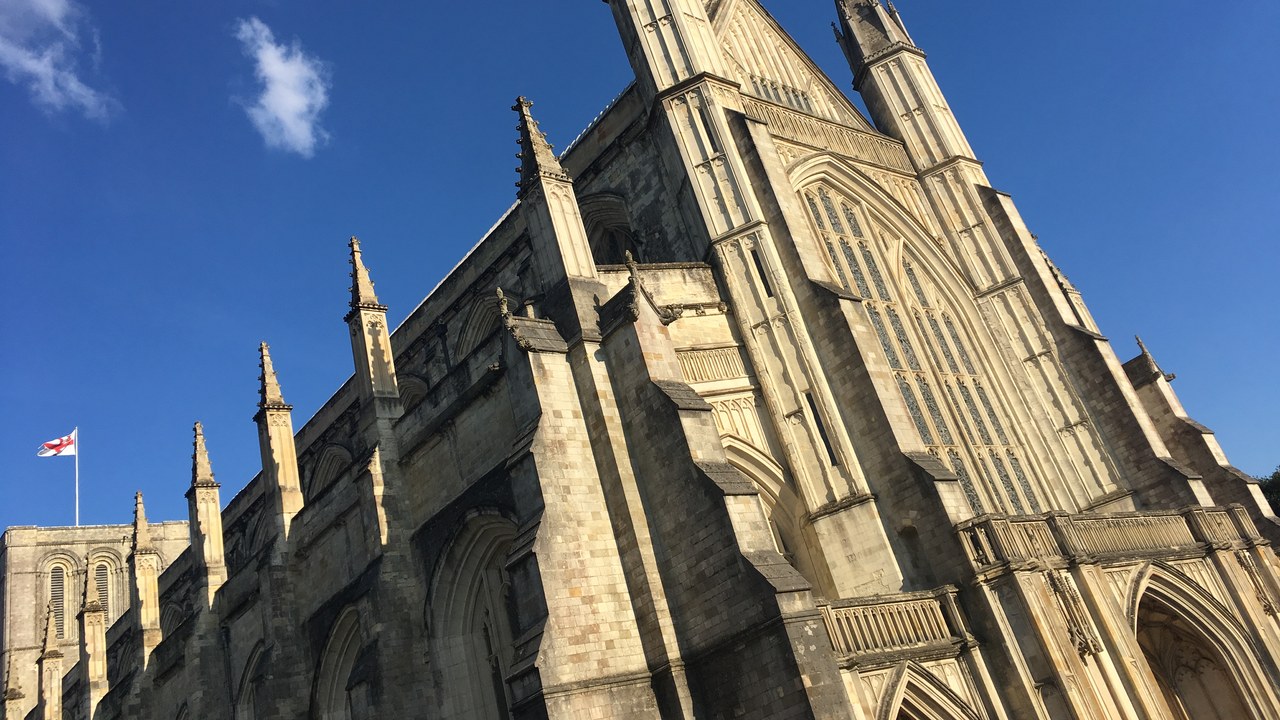
The Normans began Winchester’s cathedral in 1079 on ground that turned out to be waterlogged peat, and the central tower collapsed only decades later, forcing builders to reinforce the foundations before any further work could continue. The nave, choir and retrochoir were extended and remodeled in stages until around 1400, more than three hundred years after the first Norman stones went down.
The medieval builders shored up the collapsed section with tree trunks driven into the mud, and those same waterlogged timbers, replaced by a diver working underwater in the early twentieth century, still hold the building up today.
8. Wells Cathedral: Held Up By Scissor Arches
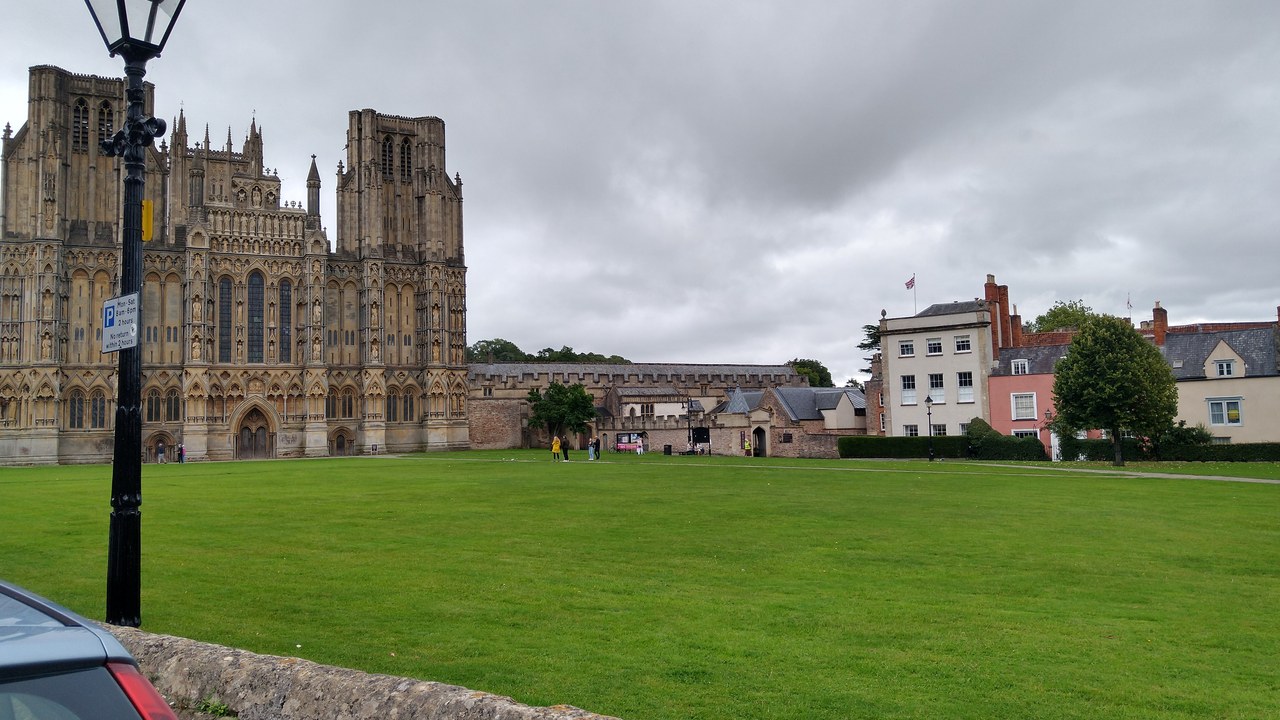
Building began at Wells Cathedral in 1176 to a design meant from the start to be fully Gothic, the first English cathedral attempted that way, and construction crept forward in fits tied to the diocese’s finances for more than three centuries. The last major addition, the west front’s crowning statuary, was not finished until about 1490.
When the new central tower proved too heavy for its own foundations and began to crack, masons wedged giant inverted scissor arches into the crossing to hold it up, a repair still visible today and still doing its job.
9. York Minster: Built To Outshine A Rival
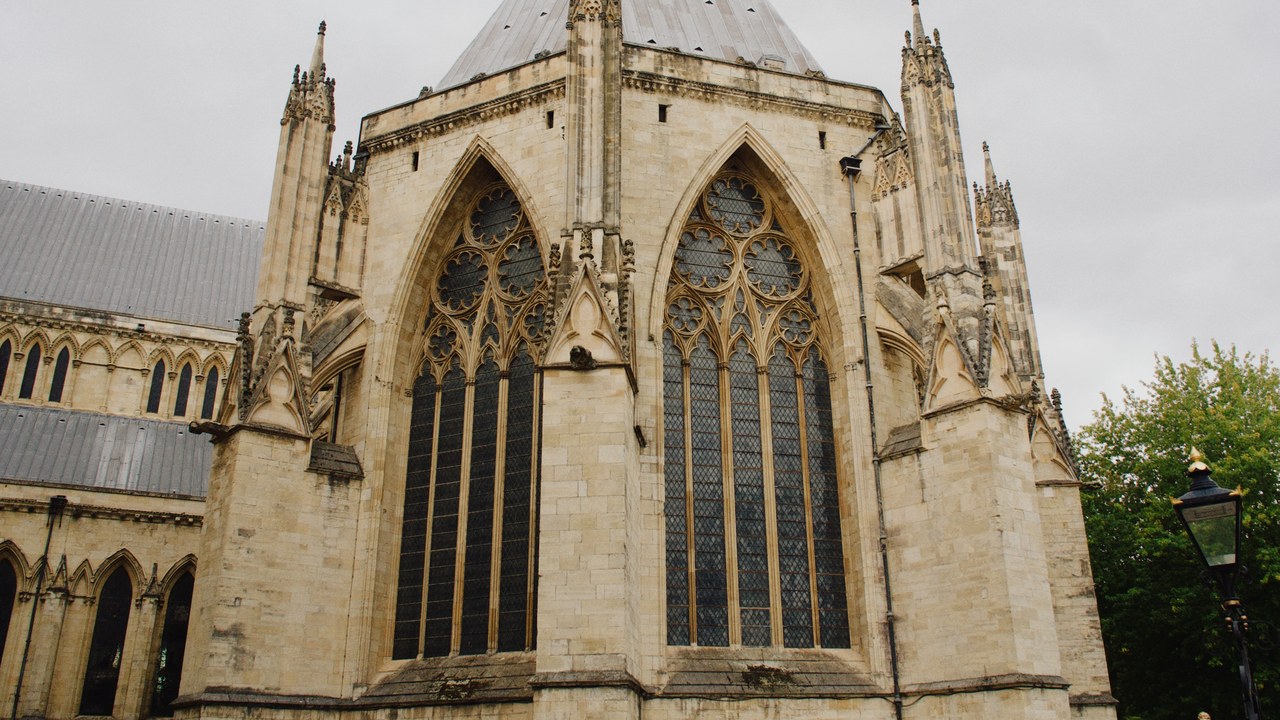
The current York Minster was begun in 1220, explicitly intended by its archbishop to outdo Canterbury in scale, and the ambition kept outrunning the budget for generations as each section, nave, transepts, choir, had to wait its turn for funding. The high vaulting that finally closed the roof was not completed until 1472, a 242-year undertaking.
Even after the vaulting closed, work on towers and glazing dragged on for decades more, so the finished minster ended up carrying the fingerprints of roughly a dozen different master masons across two and a half centuries.
10. Florence Cathedral: Built Before Anyone Knew How To Finish It
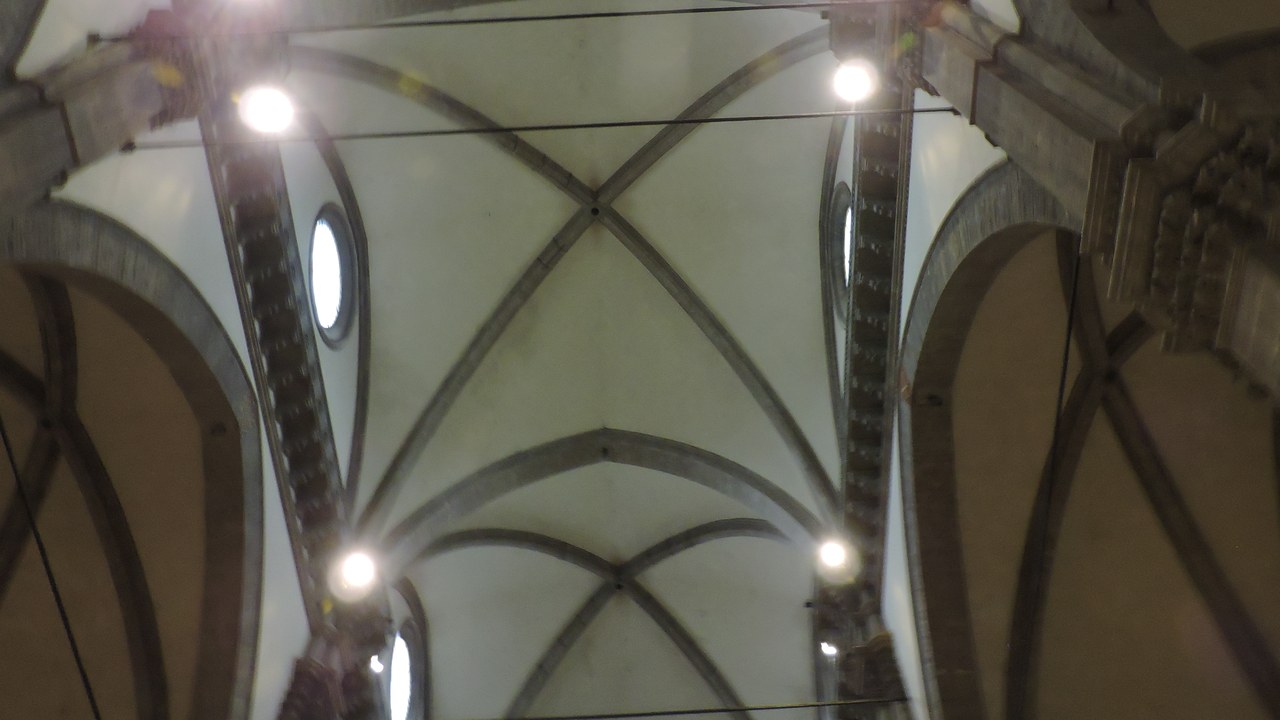
Florence started raising its cathedral in 1296, deliberately designing a dome wider than any built since antiquity before anyone alive knew how to actually construct one, and the crossing sat open to the sky for decades while the city waited for an engineering answer. Brunelleschi’s dome finally closed the gap in 1436, 140 years after the first foundations were dug.
Brunelleschi solved the problem with a self-supporting double shell built without traditional wooden scaffolding, a method so unusual that architects and engineers are still studying exactly how it was done.
11. Seville Cathedral: So Big It Was Called Insane
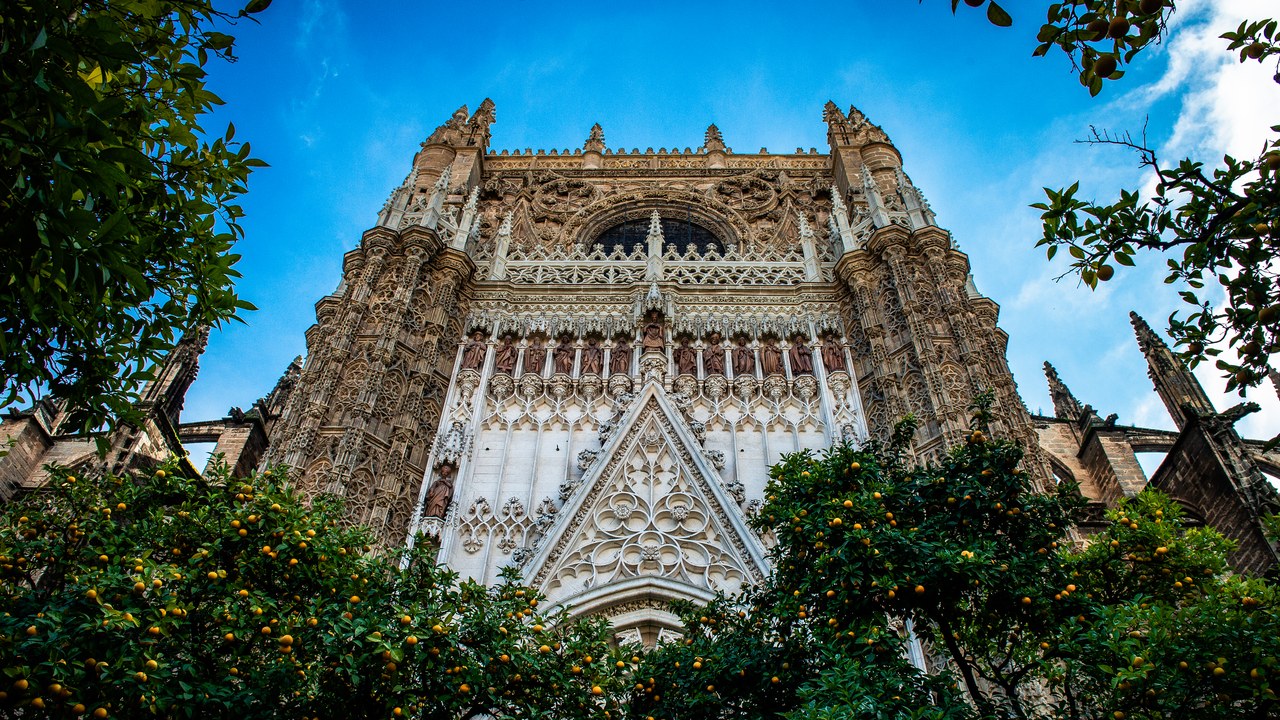
Seville’s church leaders tore down the city’s Almohad-era mosque in 1401 and began a replacement so vast that, according to a chapter legend, they wanted future generations to think them insane. A dome over the crossing collapsed in 1511 and had to be rebuilt before the finished cathedral was finally completed in 1528, 127 years after work began.
The finished building swallowed the old mosque’s footprint almost entirely, keeping only its minaret, later capped with a Christian bell tower, as the one visible trace of what had stood there before.
More from Morning Overview
- A handful of car transmissions are so tough that mechanics say they almost never die
- Card skimmers hidden on gas pumps are draining accounts, and there’s a quick way to spot them
- The NSA warns one messaging setting can clone your texts to a stranger
- Security experts still urge phone owners to switch off one location-tracking setting
