
Suspension bridges push engineering to its limits, using tension in massive cables to fling roadways across straits, rivers and fjords that no beam or arch could span economically. Ranking them by the length of the main span — the single unsupported stretch between towers — rather than total length reveals a different podium than most travelers expect. Here are ten bridges that currently hold the longest main spans ever built.
1. 1915 Çanakkale Bridge: The Longest Span Yet Built
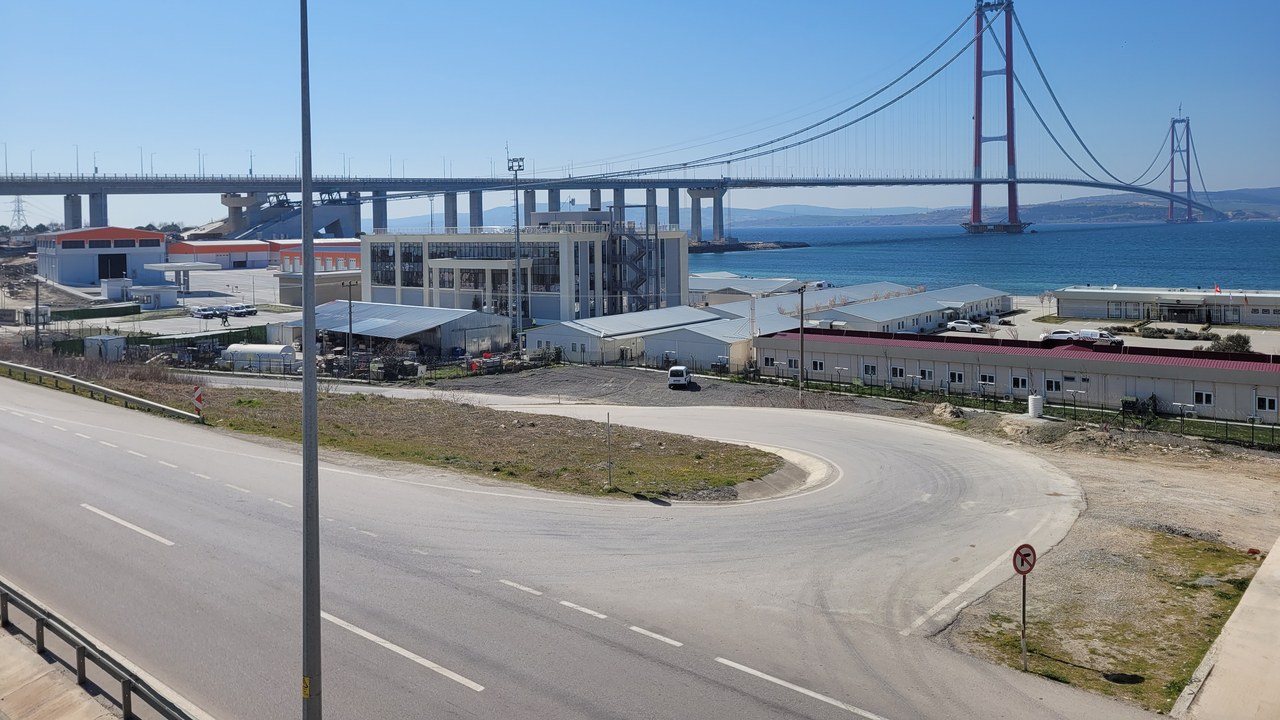
Engineers stretched its main span 2,023 metres across the Dardanelles Strait, a gap so wide that no cable-and-tower design had ever attempted it, and the crossing opened to vehicle traffic in March 2022 after nearly six years of construction work on both shores.
The bridge replaces a ferry crossing that once took roughly ninety minutes, cutting travel between the Gallipoli peninsula and the Asian shore to about six minutes and finally connecting a route that Ottoman engineers first proposed more than a century earlier.
2. Akashi Kaikyō Bridge: A Record That Stood for Decades
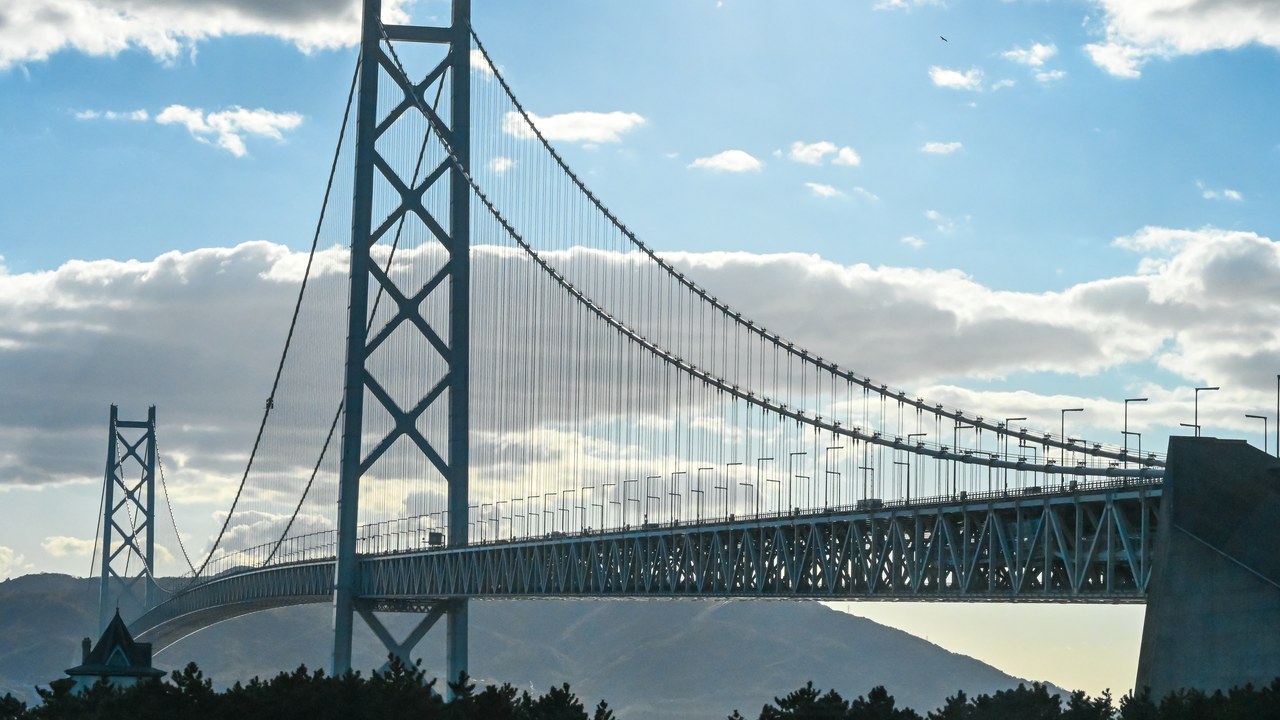
Its main span measures 1,991 metres over the Akashi Strait, a distance the structure has held since construction finished in 1998, linking the city of Kobe with Awaji Island for the first time without a boat.
For nearly twenty-five years afterward, no other suspension bridge came close to matching that figure, and the towers were built tall enough to survive the 1995 Kobe earthquake, which struck mid-construction and stretched the still-unfinished span by almost a full metre before crews adjusted the plans.
3. Yangsigang Yangtze River Bridge: The Widest Double-Deck Crossing
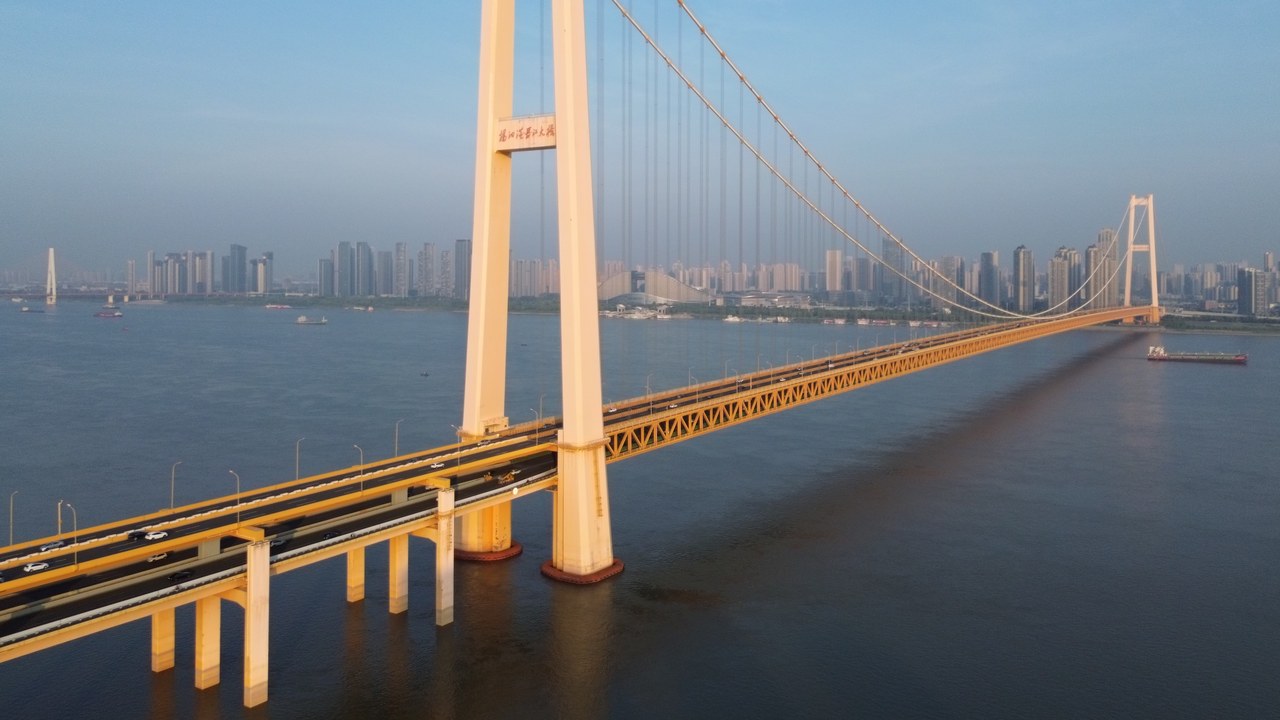
A 1,700-metre main span carries the deck of this bridge across the Yangtze River at Wuhan, opened to traffic in 2019 as the longest double-deck suspension span ever built anywhere on the entire planet.
Stacking a subway line beneath a ten-lane roadway let planners fit two transport systems onto a single set of towers instead of building a second river crossing nearby, a clever design choice that has since been copied on several newer Yangtze bridges both further upstream and downstream.
4. Great Belt Bridge: Scandinavia’s Longest Suspension Span
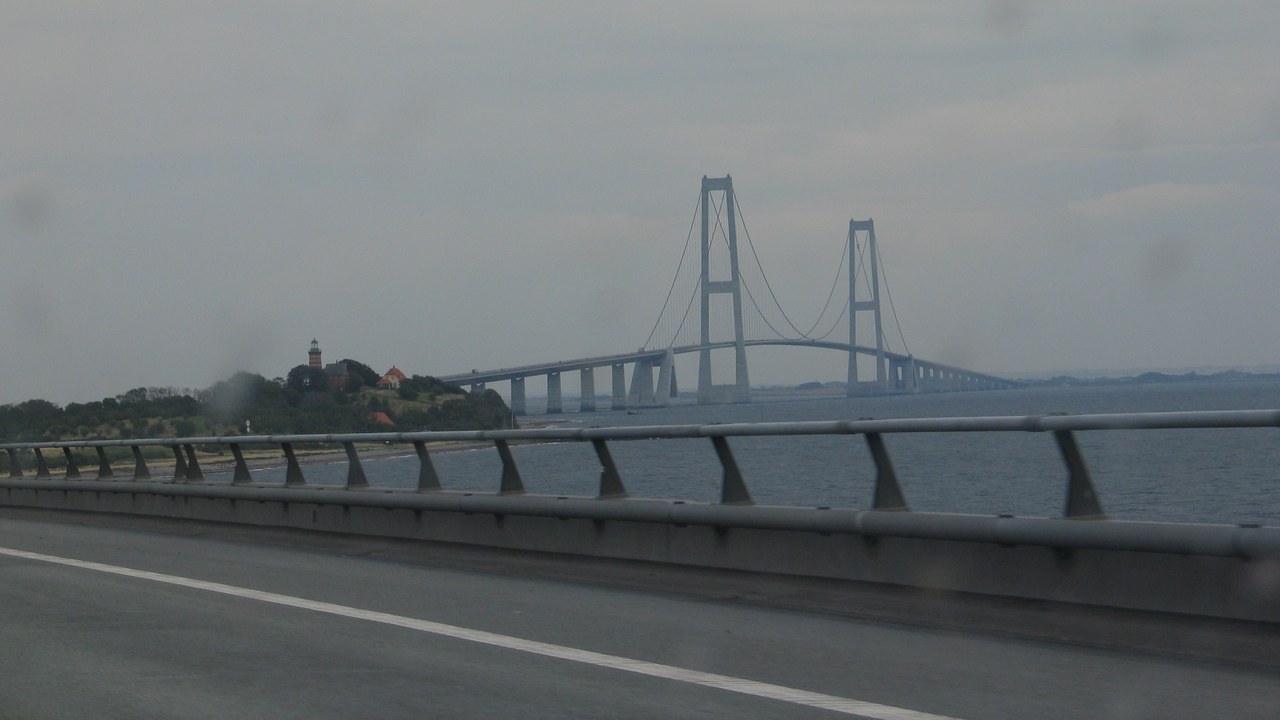
Opened in 1998, the Great Belt Bridge stretches a 1,624-metre main span between the Danish islands of Zealand and Funen, making it by far the longest suspension crossing found anywhere in Scandinavia today.
Denmark built the crossing as part of a larger fixed link that also includes a separate immersed tunnel and a lower bridge for rail traffic, replacing slow ferries that had carried cars over the strait since the country first began operating them in the early twentieth century.
5. Osman Gazi Bridge: Turkey’s Former Record Holder
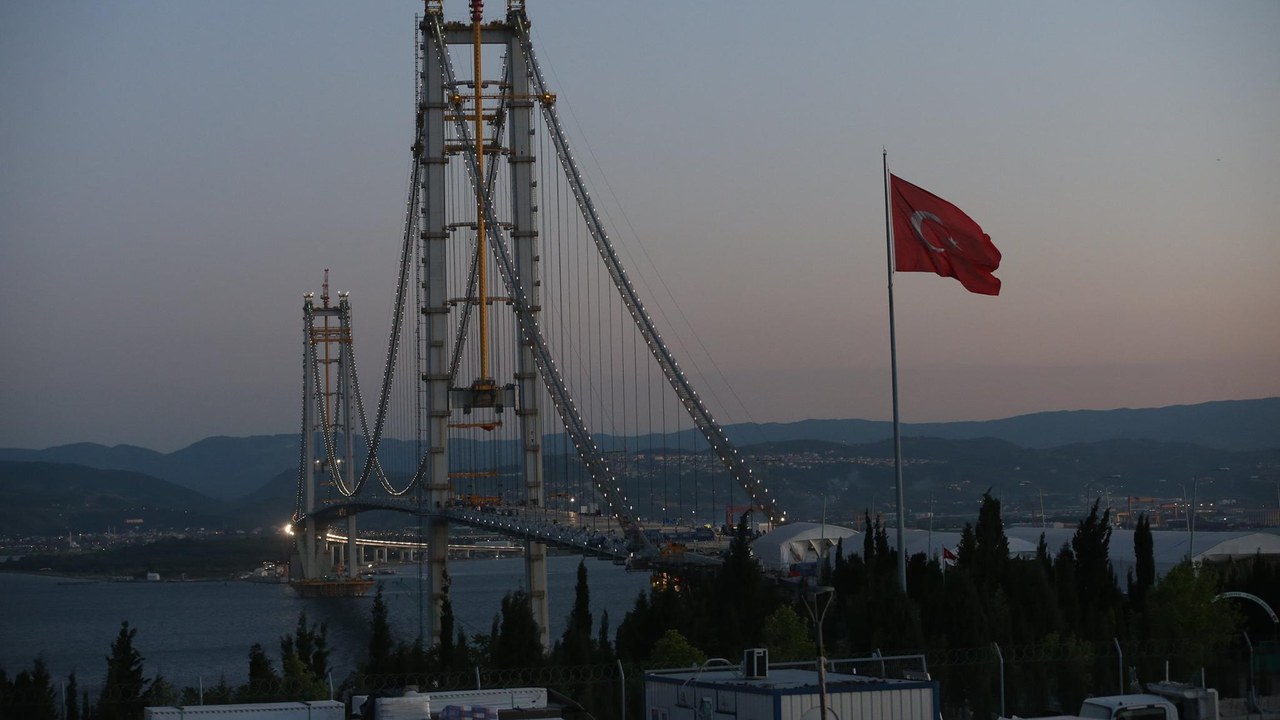
Turkey’s Osman Gazi Bridge stretches 1,550 metres across the Gulf of İzmit in the country’s northwest, opening to traffic in 2016 as the longest suspension bridge the entire nation had ever built up to that point in its history.
It cut the drive around the gulf from roughly sixty minutes to about six, shortening the main route between Istanbul and the industrial cities of the wider Marmara region, though its record lasted barely six years before the 1915 Çanakkale Bridge overtook it further south.
6. Nanjing Qixiashan Yangtze River Bridge: China’s Fast-Rising Bridge Program
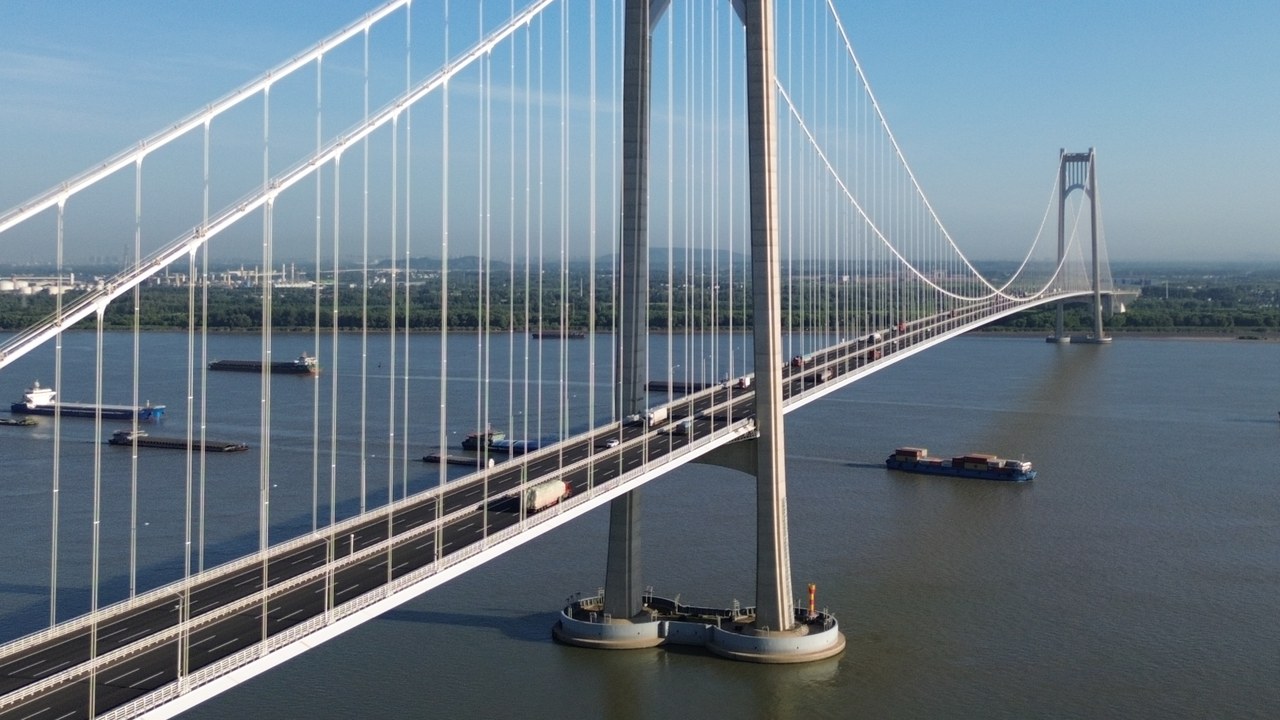
When it opened in 2012, the Nanjing Fourth Yangtze Bridge carried a 1,418-metre main span, making it the longest suspension bridge anywhere in China at the moment it first entered service over the river.
The crossing forms part of Nanjing’s outer ring road, easing pressure on the older, more congested bridges closer to downtown, and it held its national title for only a few years before other Yangtze crossings further downstream grew even longer main spans of their own design.
7. Humber Bridge: Seventeen Years at the Top
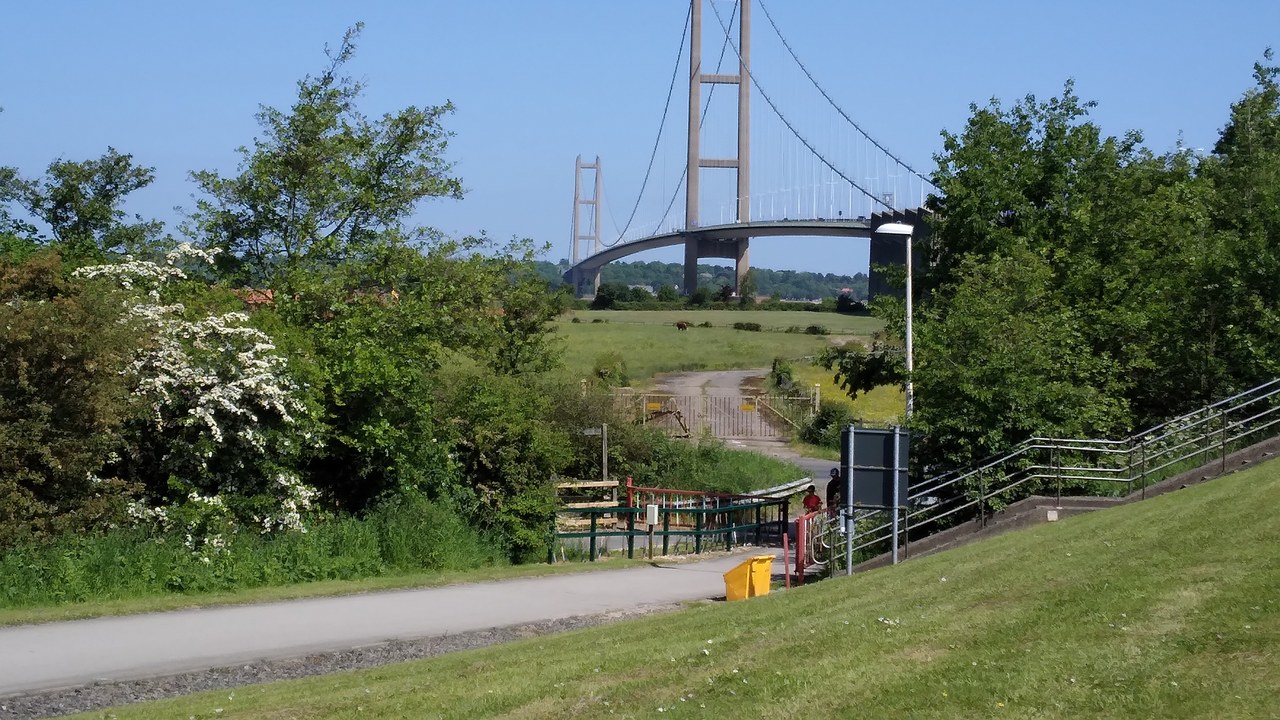
For seventeen years after its 1981 completion, the Humber Bridge held the record for the world’s longest suspension span, its main crossing measuring a full 1,410 metres over the wide Humber Estuary in England.
It connects the towns of Hessle and Barton-upon-Humber, cutting a lengthy inland detour down to a few minutes and finally uniting two regions the wide estuary had kept apart for many generations, until the Akashi Kaikyō Bridge in Japan finally surpassed its single span length in 1998.
8. Jiangyin Yangtze River Bridge: China’s Fourth-Longest Span Ever
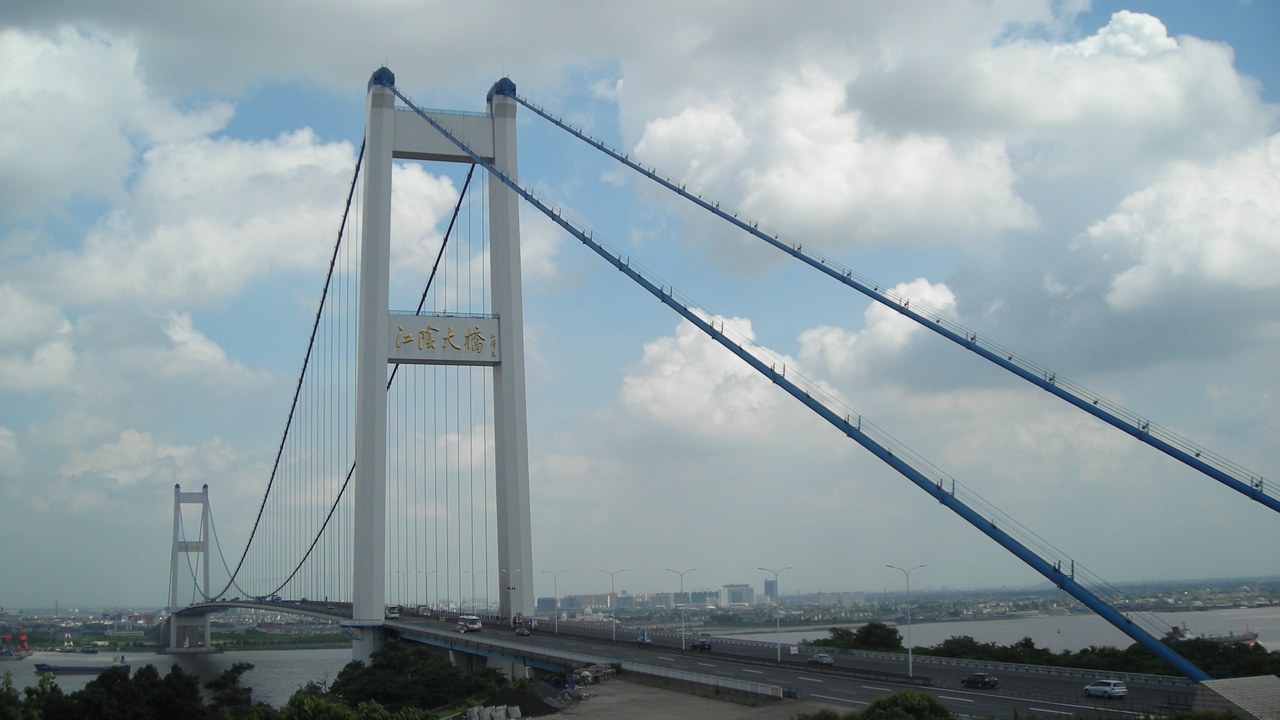
Completed back in 1999, the Jiangyin Yangtze River Bridge‘s 1,385-metre main span made it both the longest suspension bridge anywhere in China and the fourth-longest span found anywhere in the whole world at that particular time.
It carries a six-lane expressway across the lower Yangtze between the cities of Jiangyin and Jingjiang, and its opening helped knit together the booming manufacturing region north of Shanghai long before the faster, larger river crossings built further upstream in the years that quickly followed it.
9. Tsing Ma Bridge: Hong Kong’s Rail-and-Road Giant
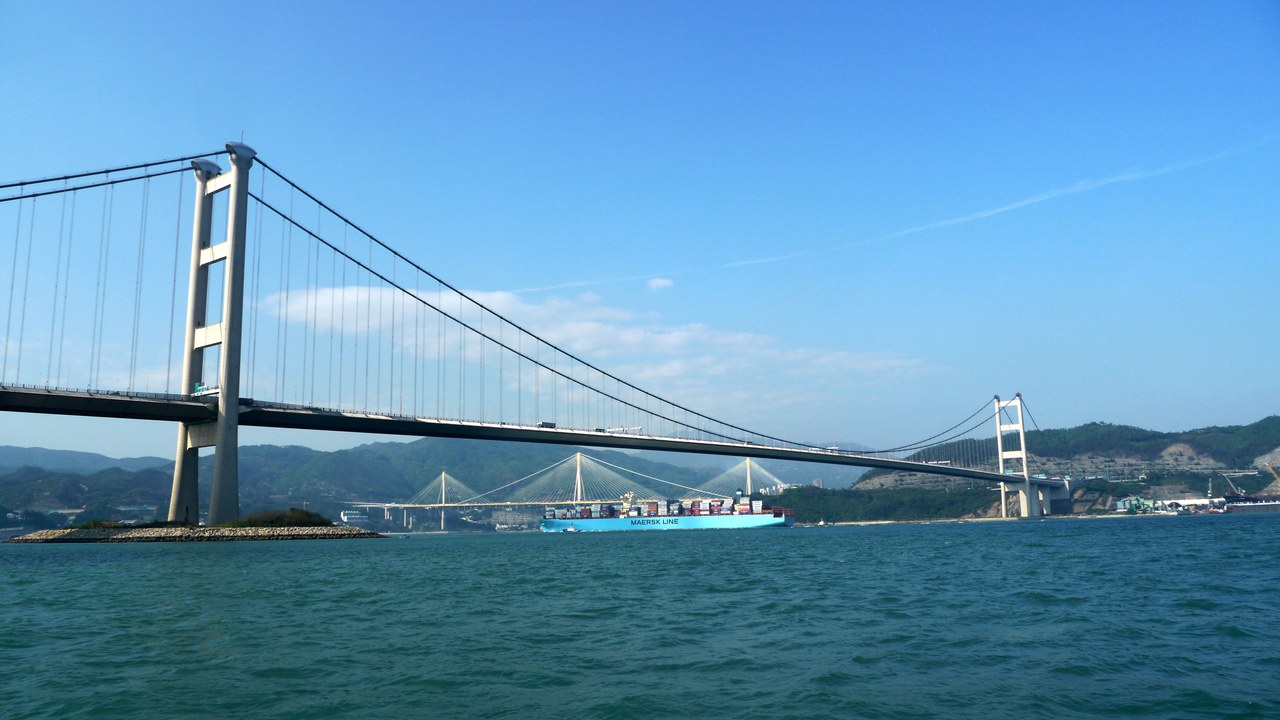
The 1,377-metre main span of the Tsing Ma Bridge crosses the channel between Tsing Yi and Ma Wan in Hong Kong, completed in 1997 as the largest suspension bridge in the world carrying both road and rail traffic together.
Its lower deck carries the Airport Express and Tung Chung rail lines plus a sheltered lane for use during typhoons, while the upper deck handles regular road traffic, a dual-purpose design that made the crossing central to Hong Kong’s new airport opening the same year.
10. Hardanger Bridge: Norway’s Longest Fjord Crossing
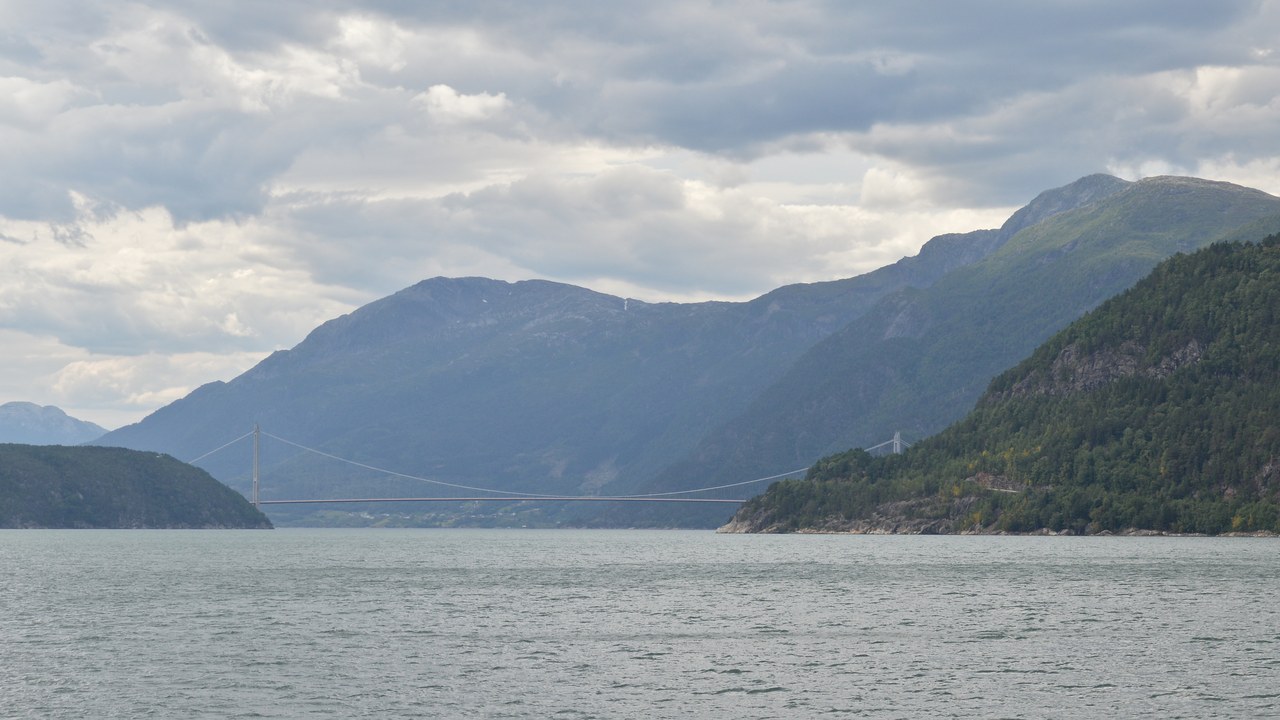
Norway’s longest suspension crossing, the Hardanger Bridge, carries a 1,310-metre main span across the dramatic, steep-sided Hardangerfjord, completed in 2013 as the longest such suspension bridge the country has ever built to date.
The crossing replaced a lengthy detour around the fjord and a slow ferry route that had linked the region for many generations, cutting travel time between Bergen and the eastern valleys by roughly forty minutes and finishing off the last major gap in Norway’s western highway network.
More from Morning Overview
- Four U.S. startups fired up their first small nuclear reactors, aiming to power AI data centers on-site
- 11 engines built to run well past 200,000 miles
- A handful of car transmissions are so tough that mechanics say they almost never die
- Card skimmers hidden on gas pumps are draining accounts, and there’s a quick way to spot them
