
Stone outlasts almost everything else people build. The fortresses below were raised to survive siege engines and winter, and eight centuries later their keeps and curtain walls are still standing, though most have been patched, rebuilt and repurposed many times over. Here are twelve castles and fortresses still standing today.
1. Tower of London: The Keep That Started It All
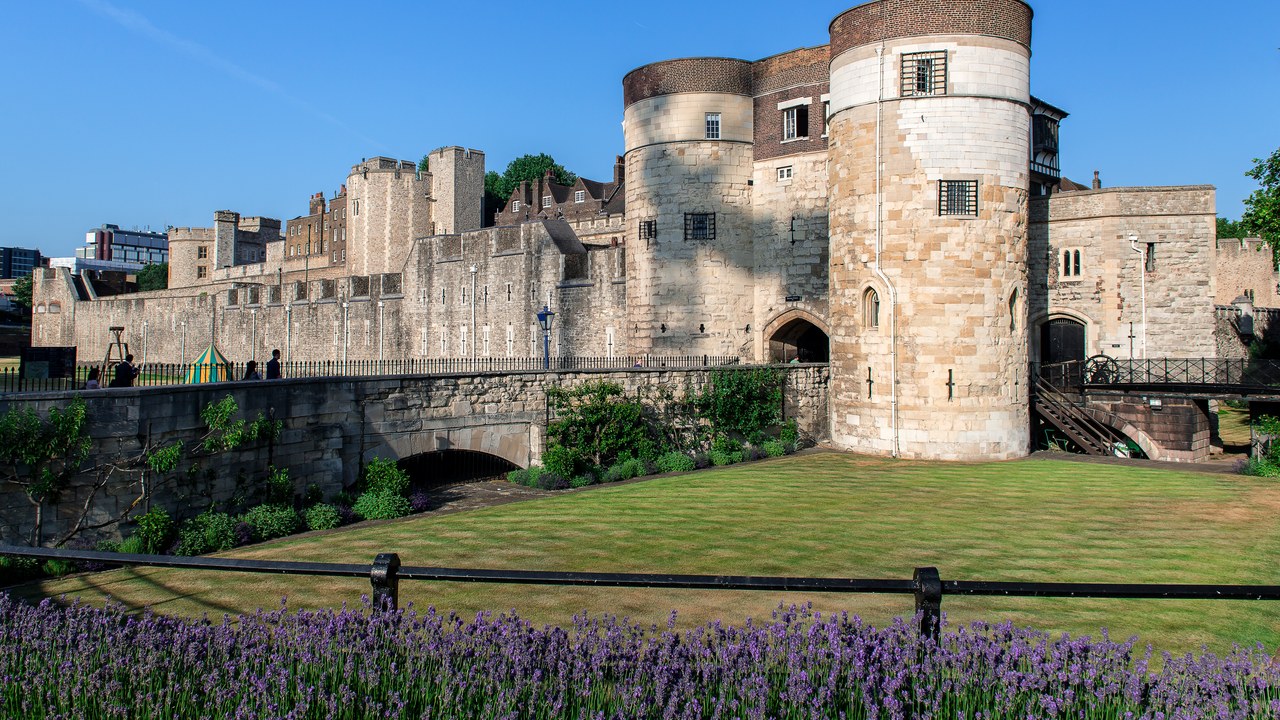
William the Conqueror began the White Tower in 1078 and it was finished by about 1100, a deliberate statement in stone planted at the edge of a city that had just been taken by force.
It has since served as palace, arsenal, mint, menagerie and prison, and it still stands at the centre of the fortress that grew up around it. Very little of eleventh-century London survives at all; this does.
2. Windsor Castle: Occupied Without a Break Since Henry I
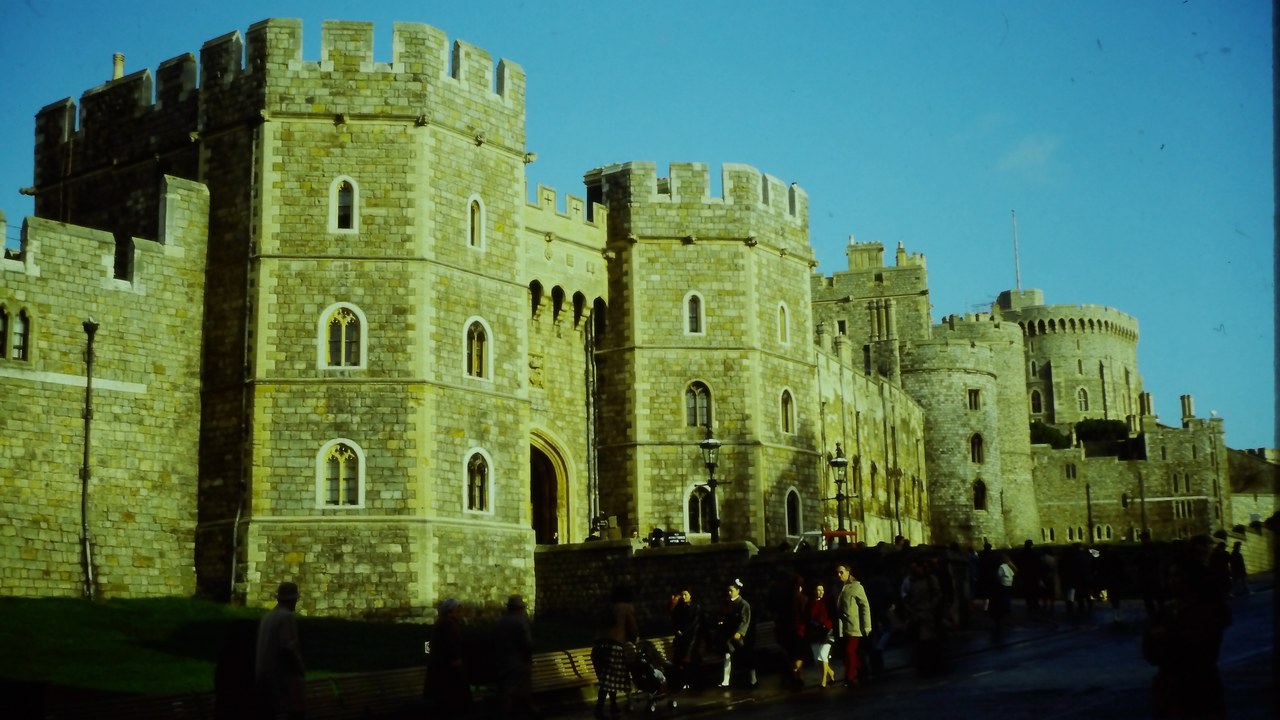
Founded by William the Conqueror around 1070 and lived in by the monarchy since the reign of Henry I, Windsor is the longest-occupied palace in Europe and has never had a period of abandonment to recover from.
Continuous occupation is why so little of the original survives untouched: each reign rebuilt to its own taste, and a serious fire in 1992 forced another round of restoration. The castle endures as an institution more than as a fixed set of stones.
3. Dover Castle: The Key to England
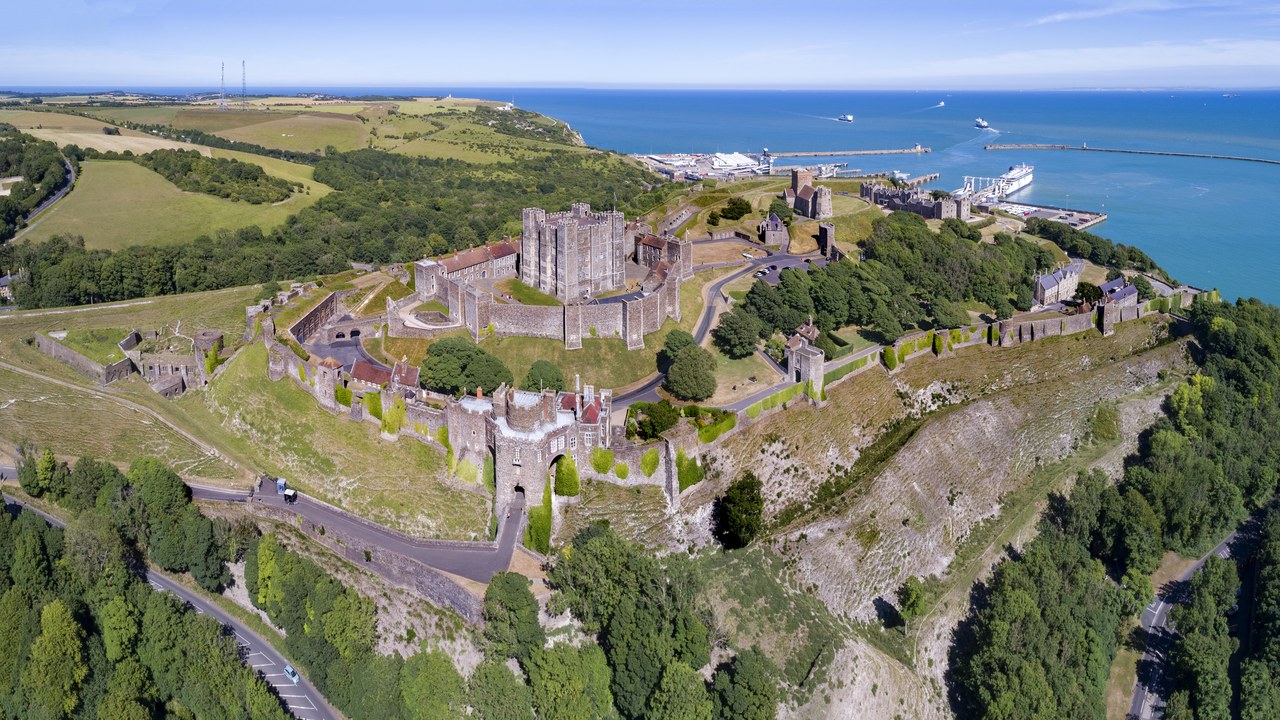
Founded in the eleventh century and greatly enlarged under Henry II, whose great tower went up between 1180 and 1189, Dover commands the shortest crossing to the continent and earned the nickname Key to England.
Its usefulness never really lapsed. Tunnels cut beneath the castle were still in military use during the Second World War, making it one of the few Norman fortresses to serve more or less continuously for nine hundred years.
4. Rochester Castle: A Norman Keep Almost Untouched
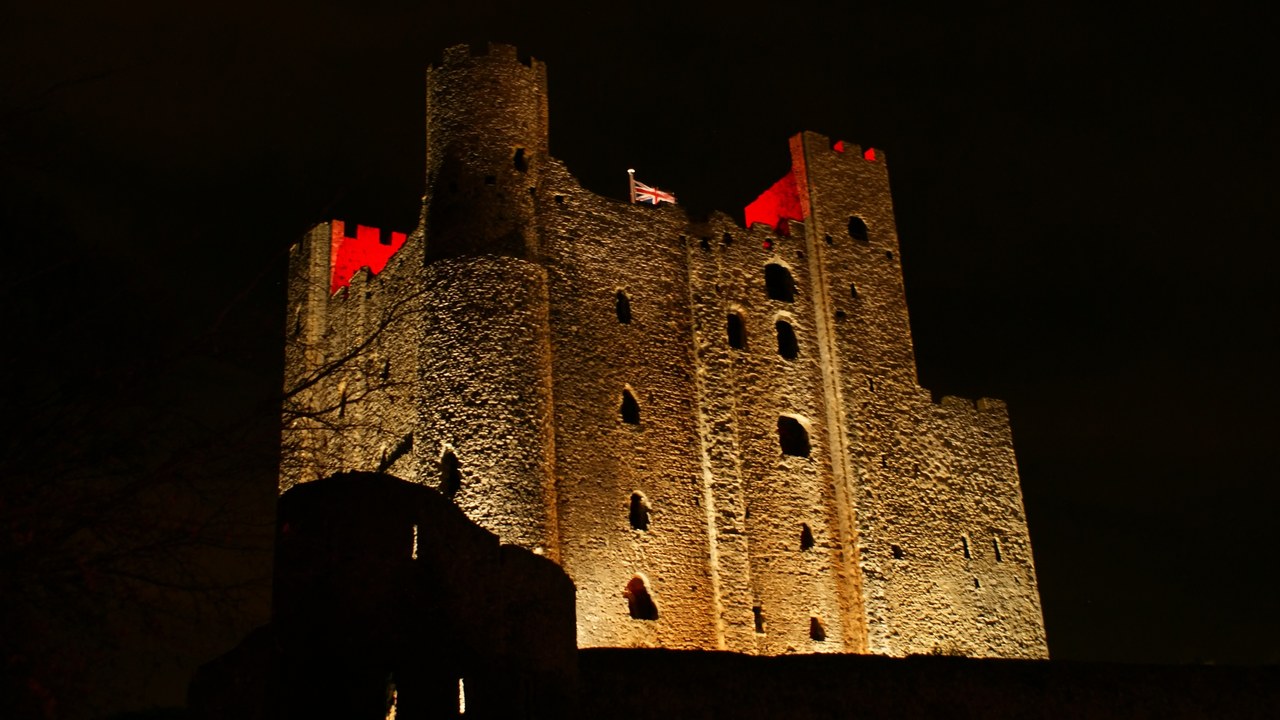
The keep raised at Rochester around 1127 remains one of the best-preserved Norman keeps standing in either England or France, a tall square block of Kentish ragstone above the river Medway.
King John besieged it in 1215, undermined a corner tower and brought it down by firing the props with the fat of forty pigs. The rebuilt corner is round rather than square, and the join is still plainly visible.
5. Krak des Chevaliers: The Crusader Castle That Set the Pattern
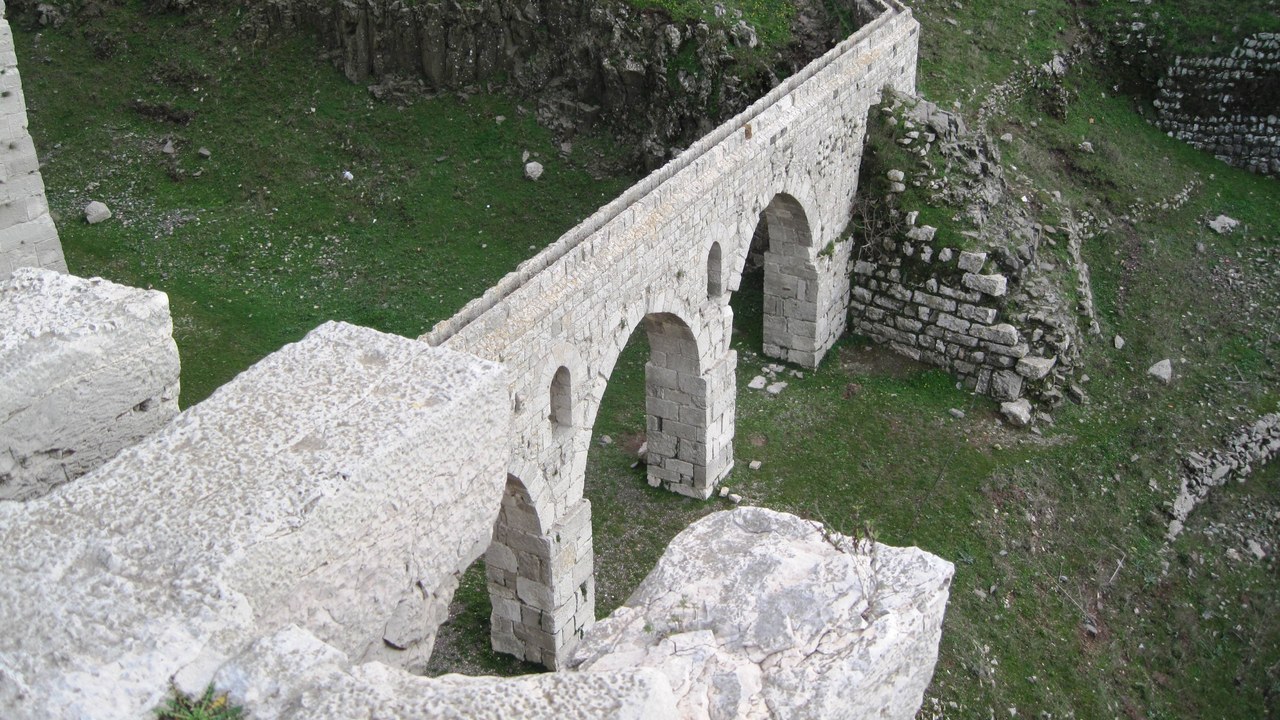
Held and enlarged by the Knights Hospitaller through the twelfth and thirteenth centuries, Krak des Chevaliers in Syria is one of the most important preserved medieval castles anywhere, and its concentric plan shifted defensive thinking away from a single central strongpoint.
The idea of defending the curtain walls themselves, rather than falling back on a keep, spread across Europe from castles like this one. It survived siege after siege before finally surrendering in 1271.
6. Château de Falaise: Where the Conqueror Was Born
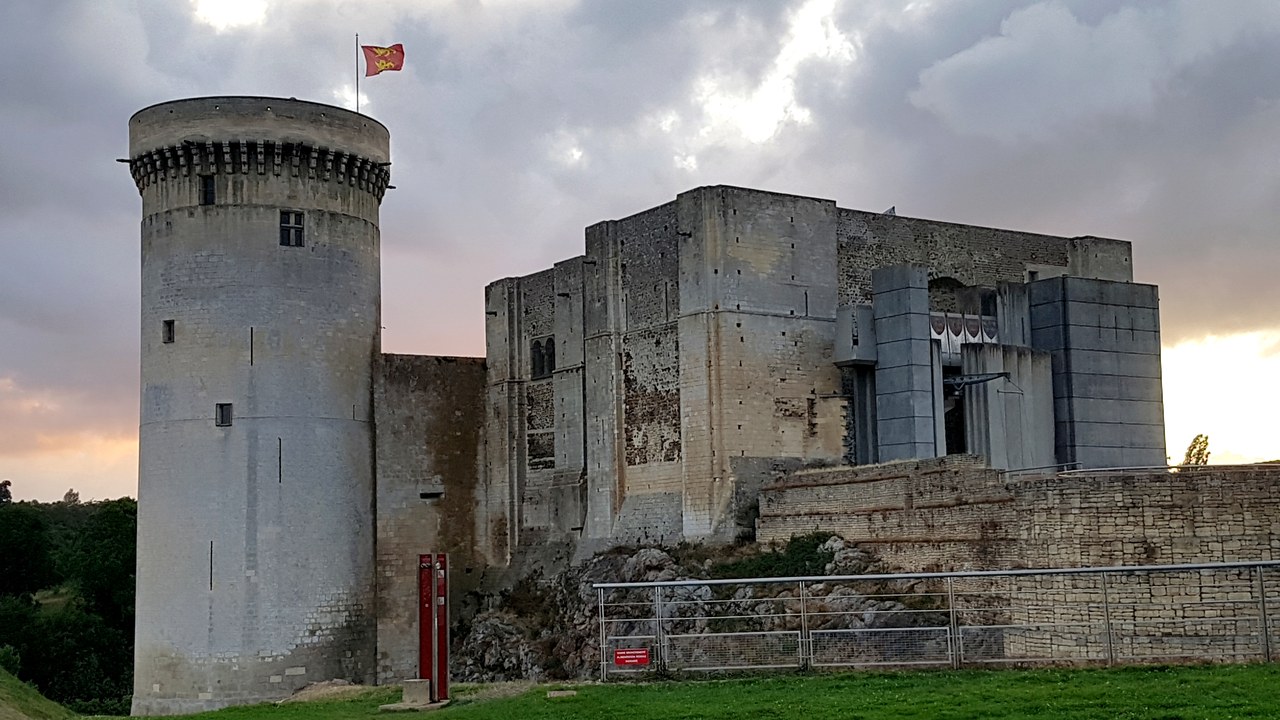
Built up through the twelfth and thirteenth centuries on the spot where William the Conqueror was born around 1028, Falaise keeps a great stone keep dating to about 1123. The name means cliff, which describes the site more usefully than any plan does.
A modern restoration deliberately rebuilt missing sections in raw concrete and steel rather than imitation stone, so visitors can see exactly what is medieval and what is not. The approach remains controversial locally.
7. Château de Loches: A Keep Fought Over for Three Centuries
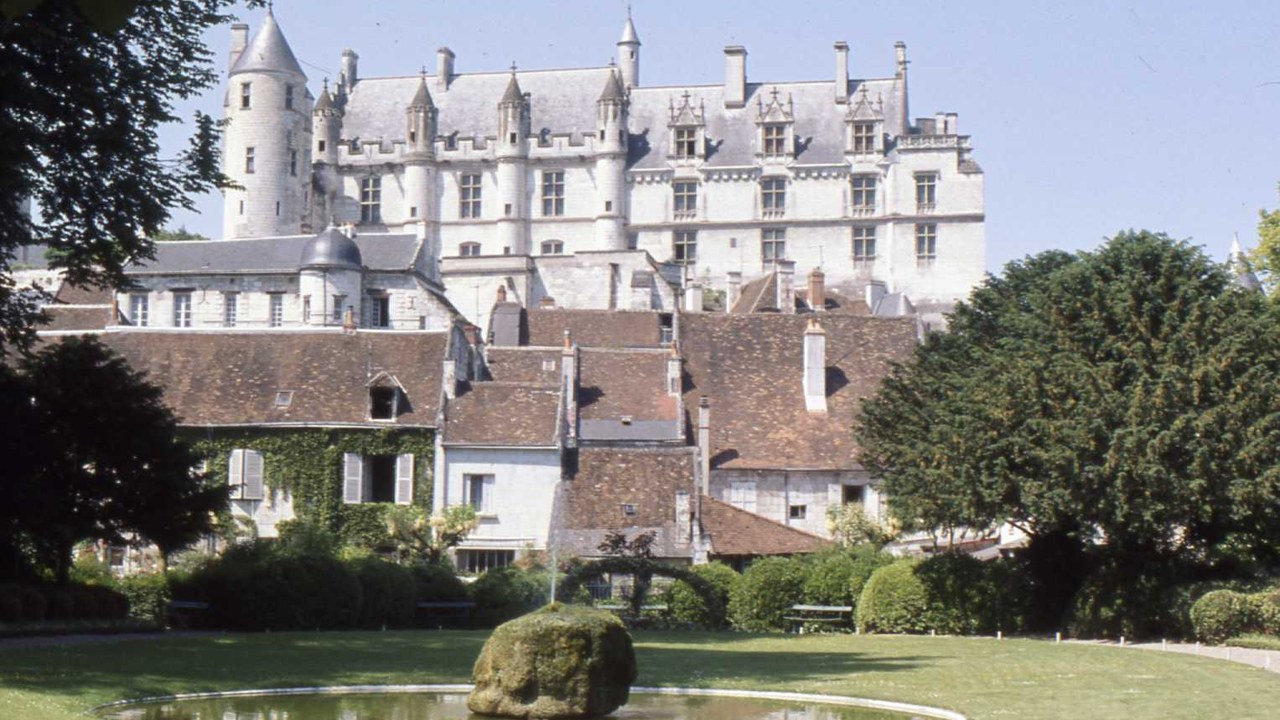
The massive square keep at Loches went up in the early eleventh century, and the castle was still worth fighting over three hundred years later, when Philip II of France took it from the English in 1204.
Later kings turned it into a prison notorious for its suspended iron cages. The keep, the royal lodgings and the collegiate church all survive together, which makes the site unusually complete for a fortress of that age.
8. Château de Beynac: A Cliff Above the Dordogne
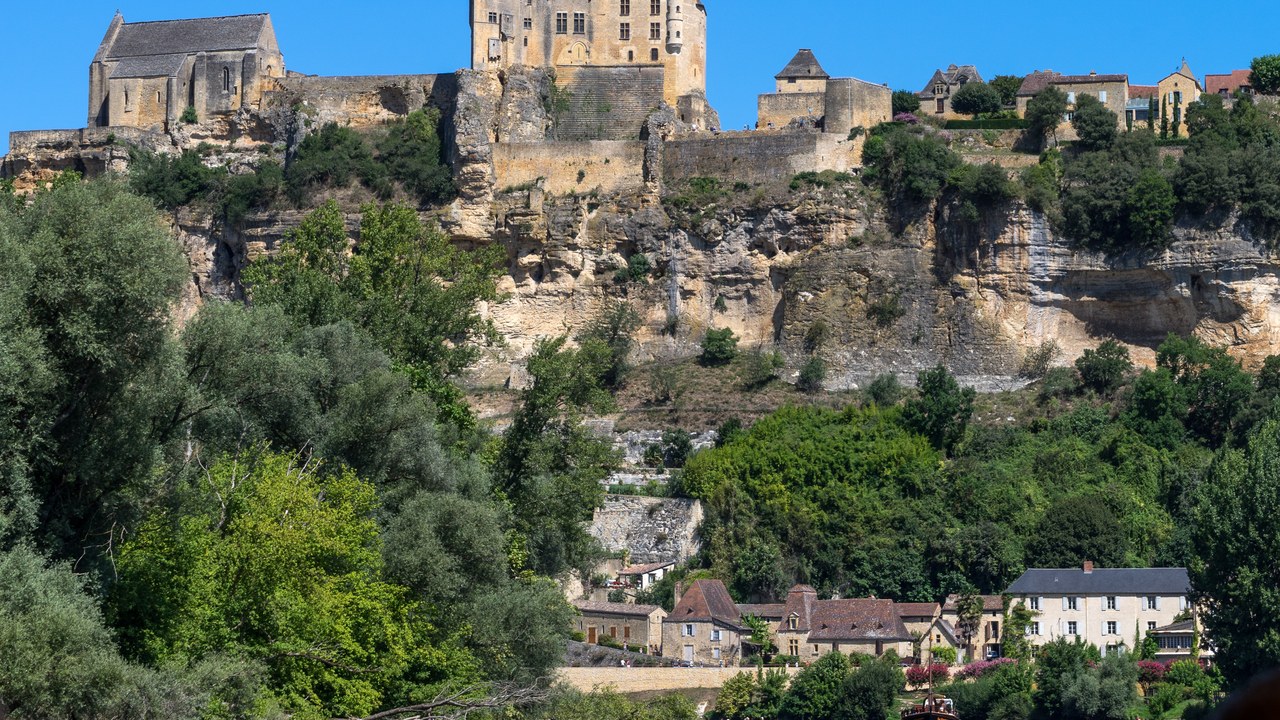
The barons of Beynac built here in the twelfth century, on a limestone cliff high above the Dordogne, and it remains one of the best-preserved fortresses in the region. Height did most of the defensive work; the walls simply finished what the rock had started.
The river below was a frontier during the Hundred Years’ War, with rival castles in sight of one another on opposite banks. Its strength came almost entirely from the geology rather than from the masonry.
9. Château de Gisors: The Model Other Castles Copied
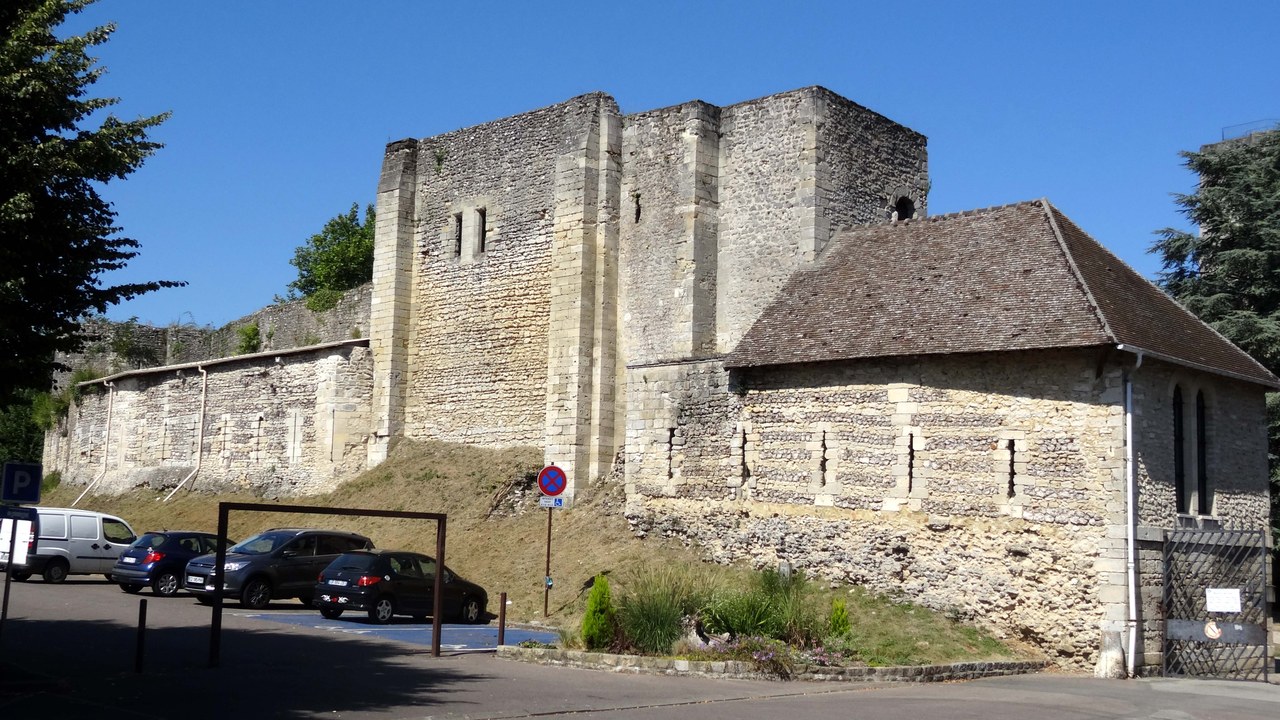
Gisors was built as a key Norman ducal fortress across the eleventh and twelfth centuries, guarding the frontier of the duchy, and its design influenced the towers later raised at Falaise and at the medieval Louvre.
The motte carries a shell keep with an octagonal tower added later, an arrangement that let a garrison hold the high point even after the outer bailey had fallen. Much of the circuit wall still survives.
10. Cité de Carcassonne: Walls Rebuilt, Then Rebuilt Again
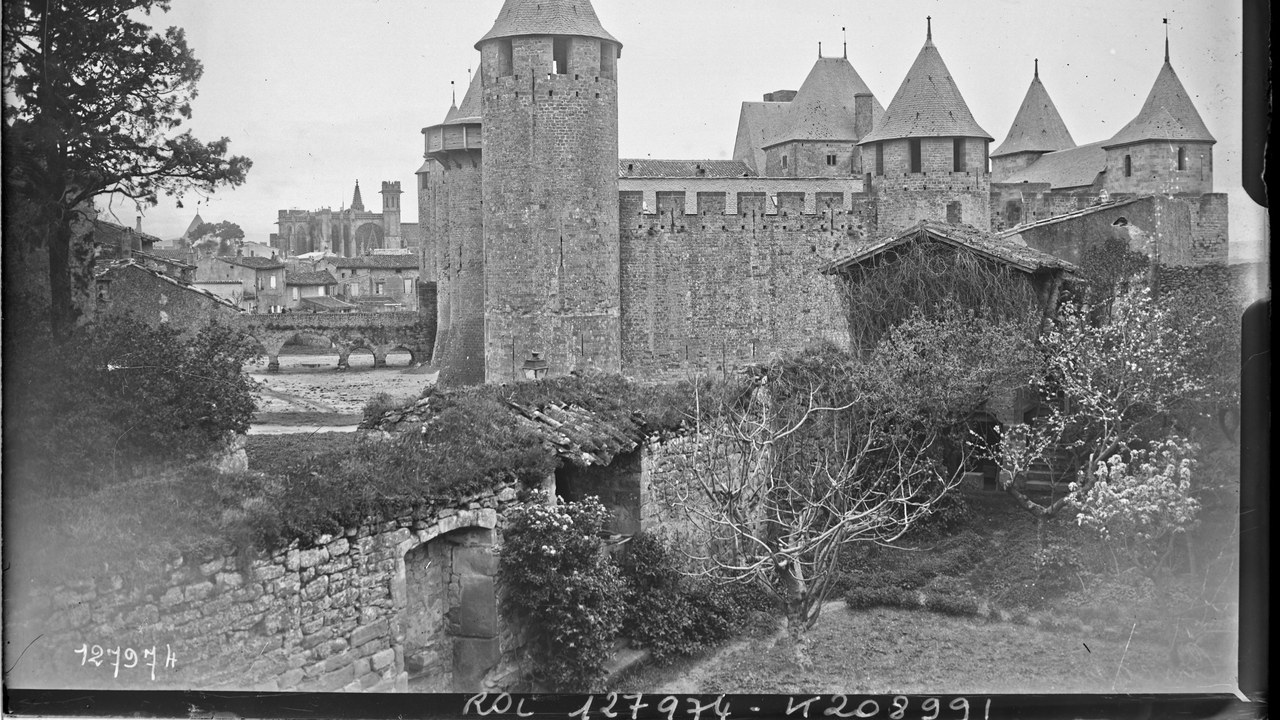
Substantial parts of the fortifications date from the twelfth-century Cathar period, and the French crown reinforced the walls again after 1240, producing the double circuit that rings the city today. Fifty-two towers stand along the two lines of wall.
A nineteenth-century restoration under Viollet-le-Duc added pointed slate roofs that local builders would never have used, so the silhouette is partly a Victorian idea of the Middle Ages laid over genuinely medieval stone.
11. Castle Rising Castle: A Keep Still at Full Height
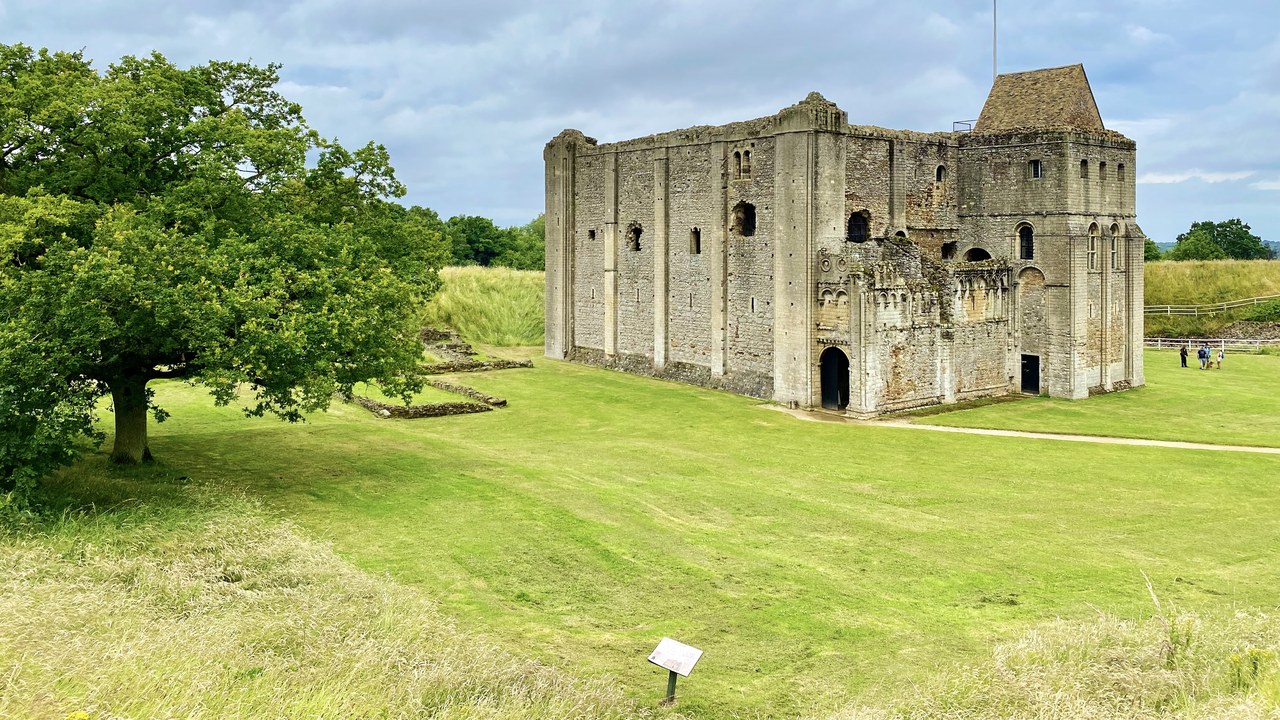
William d’Aubigny II began building at Castle Rising from 1138, and its great keep still stands to nearly its full height, among the best-preserved Norman keeps anywhere in England.
The earthworks around it are enormous out of all proportion to the building, which suggests the whole thing was as much a display of rank as a defensive position. Isabella, mother of Edward III, lived here for decades. The village around it grew up in the castle’s shadow and still carries its name.
12. Conisbrough Castle: The Cylindrical Keep
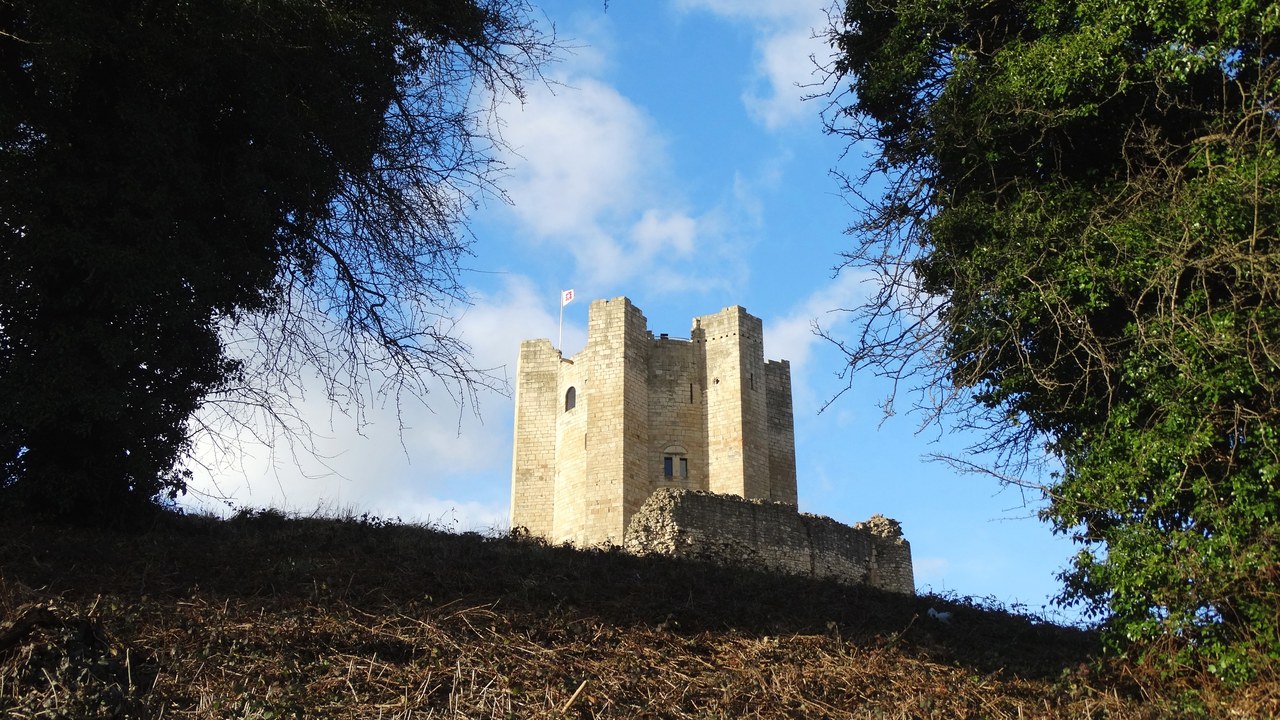
Founded in the eleventh century after the Norman Conquest, Conisbrough is known for the cylindrical stone keep added late in the twelfth century, which still stands very nearly complete. A round tower gives a besieger no corner to undermine, which was precisely the point.
Six massive buttresses brace the drum, a design with no close parallel in England. Walter Scott used the castle in Ivanhoe, which rescued it from obscurity and, in the end, from demolition.
More from Morning Overview
- The NSA warns one messaging setting can clone your texts to a stranger
- Security experts still urge phone owners to switch off one location-tracking setting
- Automakers are quietly dropping the stop-start feature many drivers love to hate
- A granite sarcophagus surfaced in Egypt with its original lid still sealed
