
Ranking snakes by danger depends entirely on which measure is used. Venom toxicity is tested on mice in a laboratory, while body counts come from hospital records in farming regions where people and snakes share the same ground, and the two lists barely overlap. Gathered here are eight species that top one measure or the other.
1. Inland taipan: The Laboratory Toxicity Record
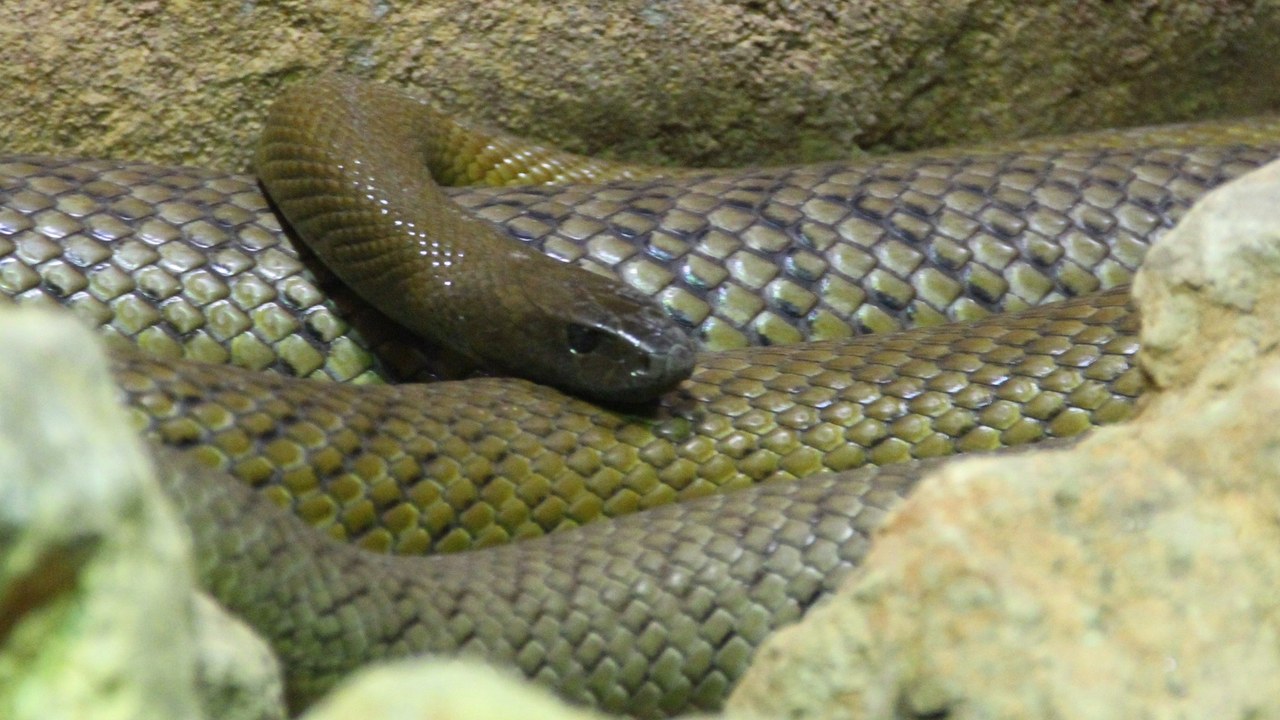
Australia’s inland taipan holds its title in a laboratory rather than a hospital ward. No other land snake records a lower murine LD50 value, the standard test of how small a dose kills a mouse, and a single bite yields roughly 44 milligrams of venom on average, with the largest measured yields near 110 milligrams.
Potency of that kind says almost nothing about human mortality. The species keeps to remote cracked black-soil plains near the Queensland and South Australia border, hunting rats down their own burrows and meeting almost nobody, so recorded bites are few and treated cases have been survived with antivenom.
2. Coastal taipan: The One People Actually Meet
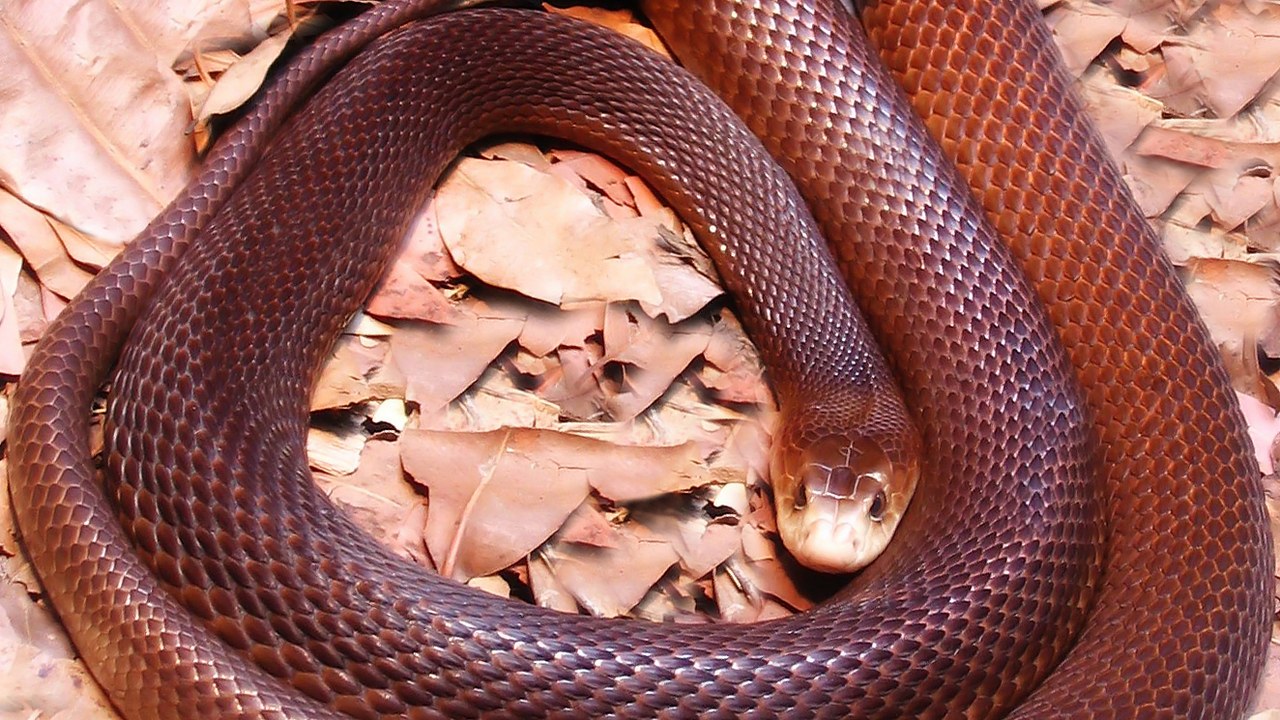
Far more often encountered than its inland relative, the coastal taipan is Australia’s longest venomous snake and ranks near the top of the same mouse-based toxicity scale. It also carries a much heavier venom load, averaging around 120 milligrams, and a defensive animal tends to deliver several fast bites rather than one.
Before a specific antivenom became available in 1955, a serious bite in the cane country of northern Queensland was very often fatal. Treatment has changed that outcome, though envenomation still brings paralysis and clotting failure that can hold a patient in intensive care for days.
3. King cobra: Longest, Not Most Toxic
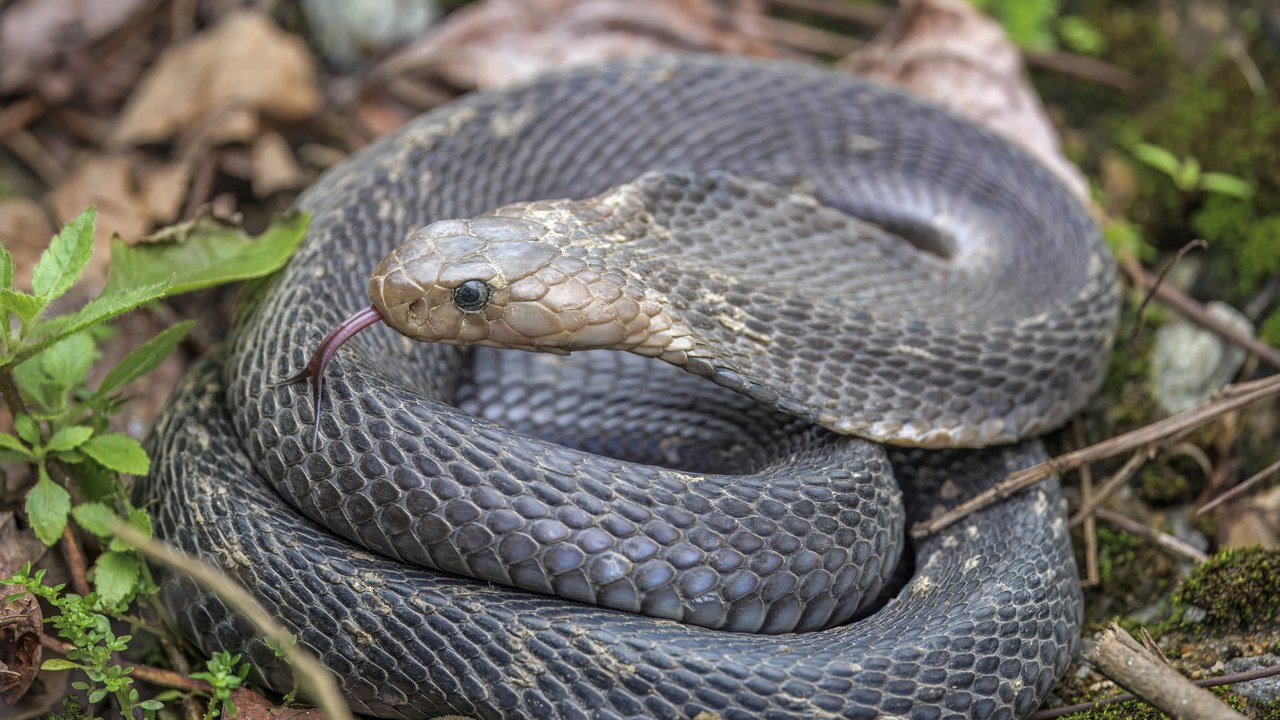
Size rather than chemistry puts this species on the list. The king cobra is the world’s longest venomous snake, with the largest measured individuals approaching 18 feet, and the volume of neurotoxic venom it can inject in one defensive strike runs to several hundred milligrams, far beyond what a smaller elapid manages.
Drop for drop the venom sits well below either taipan, but dose compensates, and untreated respiratory paralysis can follow within hours. The snake is a specialist predator of other snakes and stays largely in forest across South and Southeast Asia, away from the dense farmland where bite numbers climb.
4. Black mamba: Speed, Reach, and Reputation
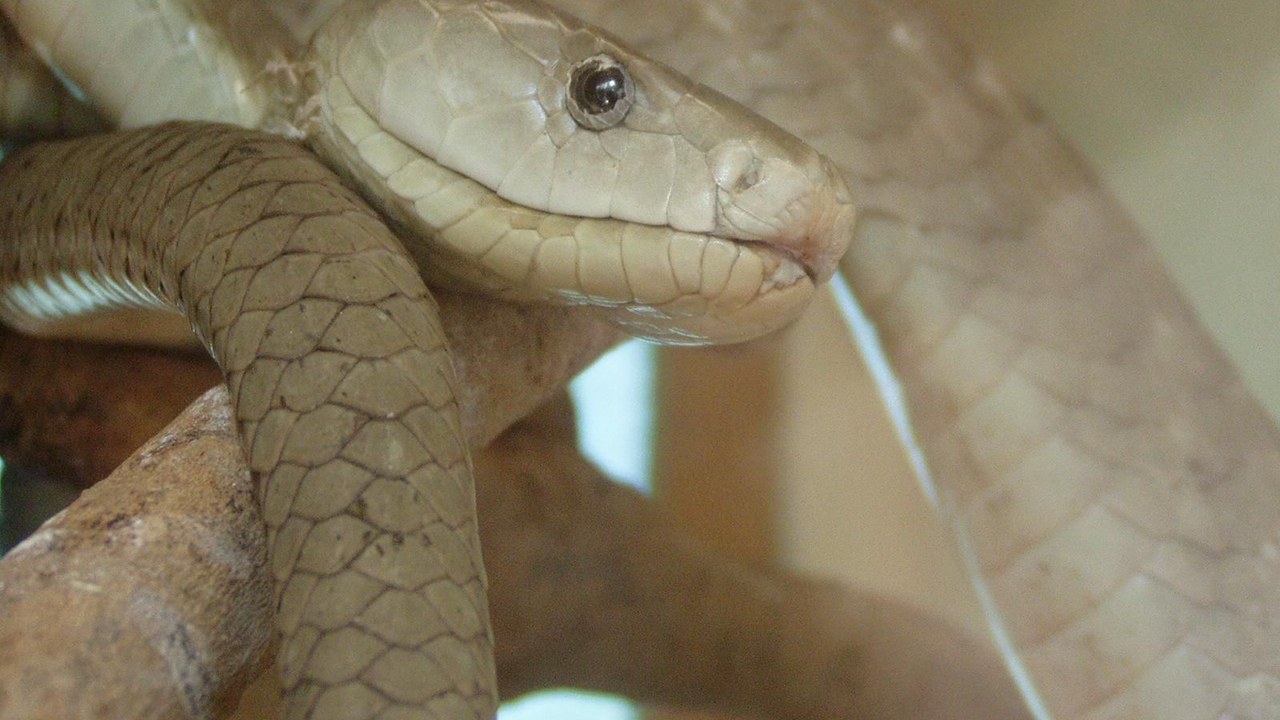
Africa’s black mamba built its reputation on movement as much as venom. Clocked at about ten miles per hour in short bursts, it is generally described as the fastest snake in the world, and at lengths past 14 feet it is the longest venomous snake on the continent. The name refers to the ink-black lining of its mouth, not the gray-brown skin.
Its venom is a fast-acting neurotoxin, and bites left untreated were historically close to uniformly fatal. Antivenom works when it arrives in time, which across much of the rural range this snake occupies is the variable that decides outcomes, rather than anything about the chemistry itself.
5. Saw-scaled viper: The Highest Human Death Toll
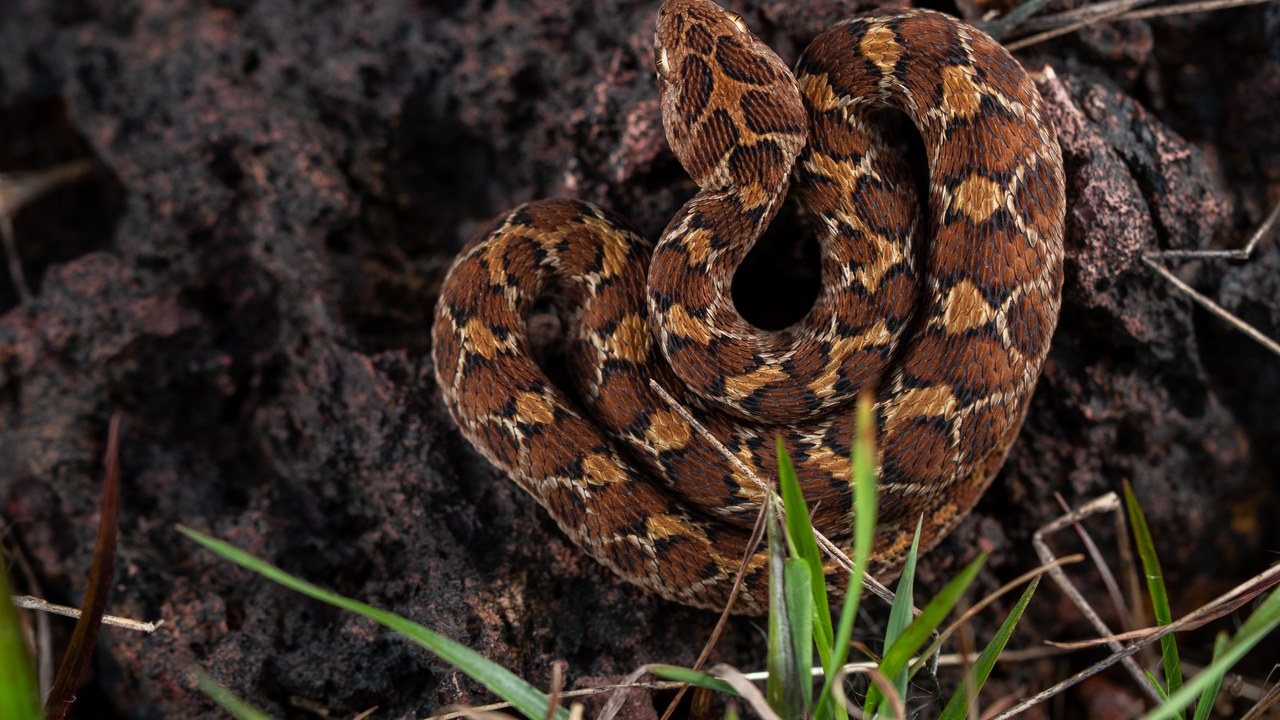
Rarely much over two feet long, the saw-scaled viper is credited with more human deaths than any other snake, and by some estimates more than all other species combined. That ranking measures body count, not potency: the genus blankets rural South Asia, the Middle East and swathes of Africa, precisely where people work fields and walk unshod after dark.
Threatened animals rub their serrated flank scales together to produce a dry rasping sound, then strike readily rather than retreat. Estimates put untreated mortality near 20 percent, a moderate figure that turns catastrophic when multiplied by the sheer number of encounters recorded every year.
6. Russell’s viper: Kidney Failure and a Long Aftermath
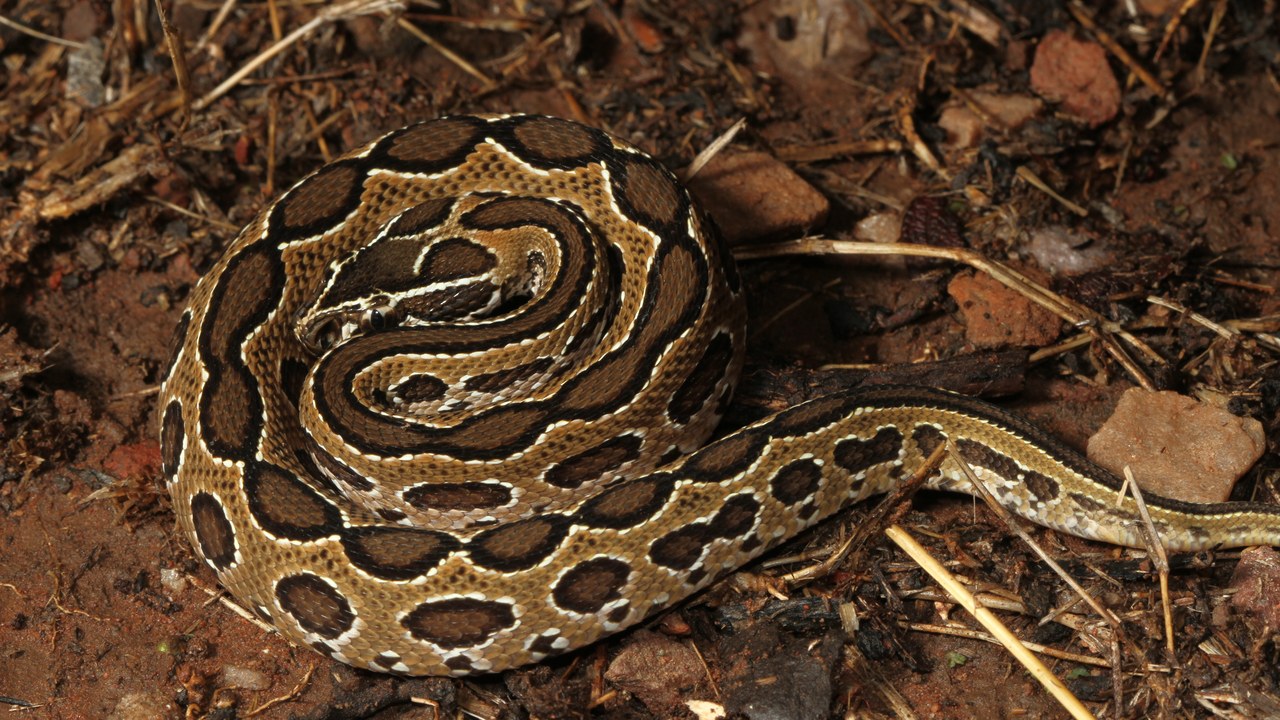
A member of India’s so-called big four, Russell’s viper delivers between 130 and 250 milligrams of venom in a bite, against an estimated lethal human dose of roughly 40 to 70 milligrams. Survivors frequently face the harder problem, because the venom attacks the kidneys and can damage the pituitary gland, leaving lasting hormonal deficits.
Habitat explains the toll. The species thrives in cultivated fields, grassland and village margins wherever rodents concentrate, which is exactly where agricultural work happens, and that overlap rather than any laboratory ranking makes it one of the largest single contributors to snakebite mortality across South Asia.
7. Indian cobra: The Big Four’s Icon
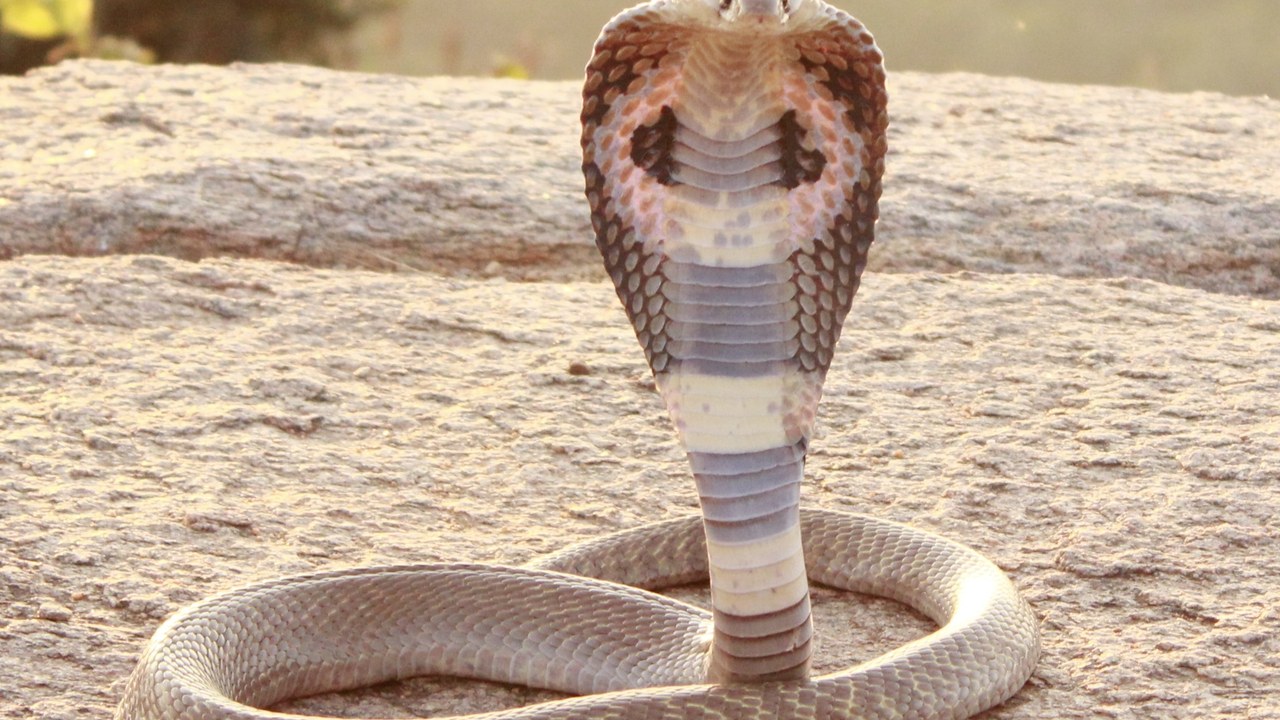
Recognizable anywhere by the spectacle mark across its spread hood, the Indian cobra is the snake of temple carving and street performance, and also one of the big four blamed for the bulk of Indian snakebite cases. Its venom pairs postsynaptic neurotoxins with cardiotoxins, and reported yields run to a few hundred milligrams of dried venom.
Untreated mortality has been placed somewhere between 20 and 30 percent, nowhere near the taipan laboratory scores yet devastating at national scale. Cultural reverence has done little to reduce contact either, since the species lives close to settlement, drawn steadily inward by the rats that live alongside people.
8. Tiger snake: Protected but Potent
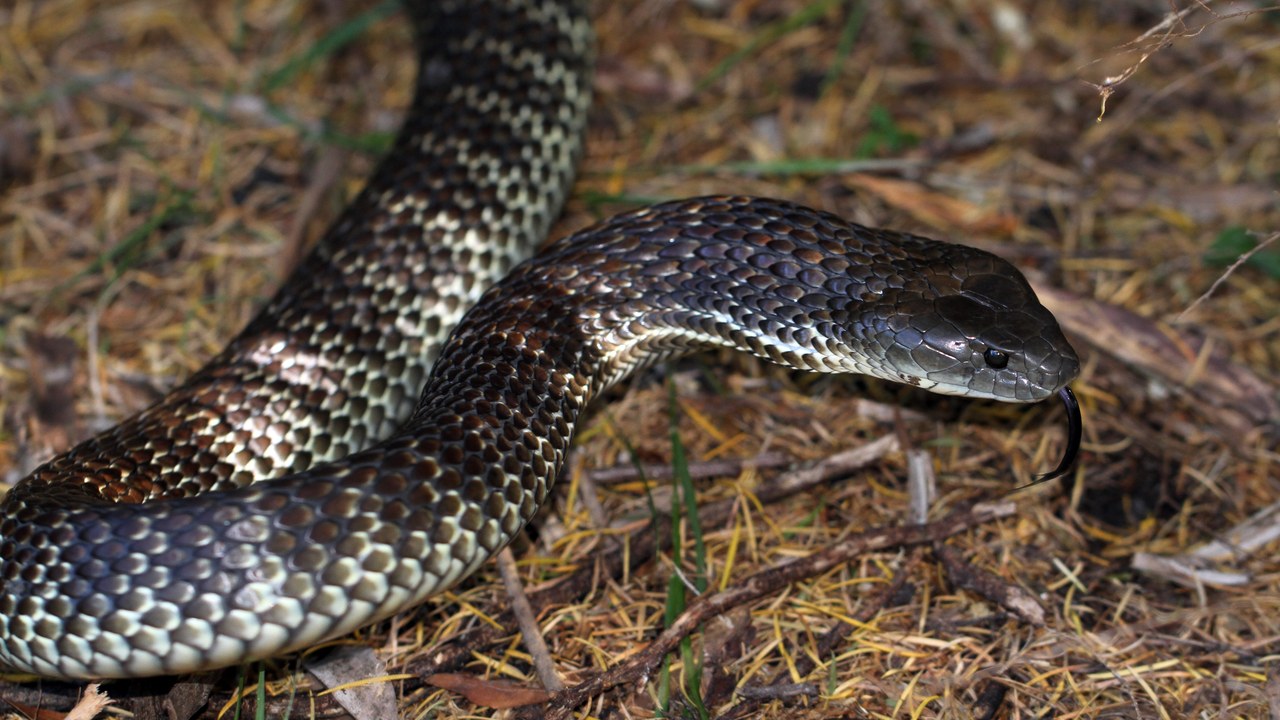
Named for the pale crossbands many individuals wear, the tiger snake carries venom that is neurotoxic, coagulant, hemolytic and myotoxic at once. Before antivenom, untreated bite mortality for the species was estimated at somewhere between 40 and 60 percent, among the highest figures on record for any Australian snake.
It occupies the southern coastal fringe and Tasmania, favoring wetlands and watercourses that often run close to towns. Killing one is illegal across Australia, where native snakes are protected and penalties reach into the thousands of dollars, so removal by a licensed handler is the standard response to a garden visitor.
This article was produced with the assistance of AI and reviewed by Morning Overview editors prior to publication.
More from Morning Overview
- A Colorado wildfire has exploded past 87,000 acres with no containment
- A wildfire near Ouray swelled past 18,000 acres, putting Colorado towns on alert
- The Pentagon’s newest UFO files describe a fish-scaled, potato-shaped object on camera
- Scientists spotted a rare tusked whale alive at sea for the first time, then fired a crossbow at it.
