
American dams are built to hold back rivers indefinitely, but a design flaw, a freak storm or a few feet of neglected maintenance can turn that promise into a catastrophe within minutes. These failures span more than a century and killed anywhere from a few people to well over two thousand. Here are eleven US dam disasters and near-disasters that show how quickly a broken dam can reshape a landscape.
1. South Fork Dam (Johnstown Flood, 1889): America’s Deadliest Dam Failure
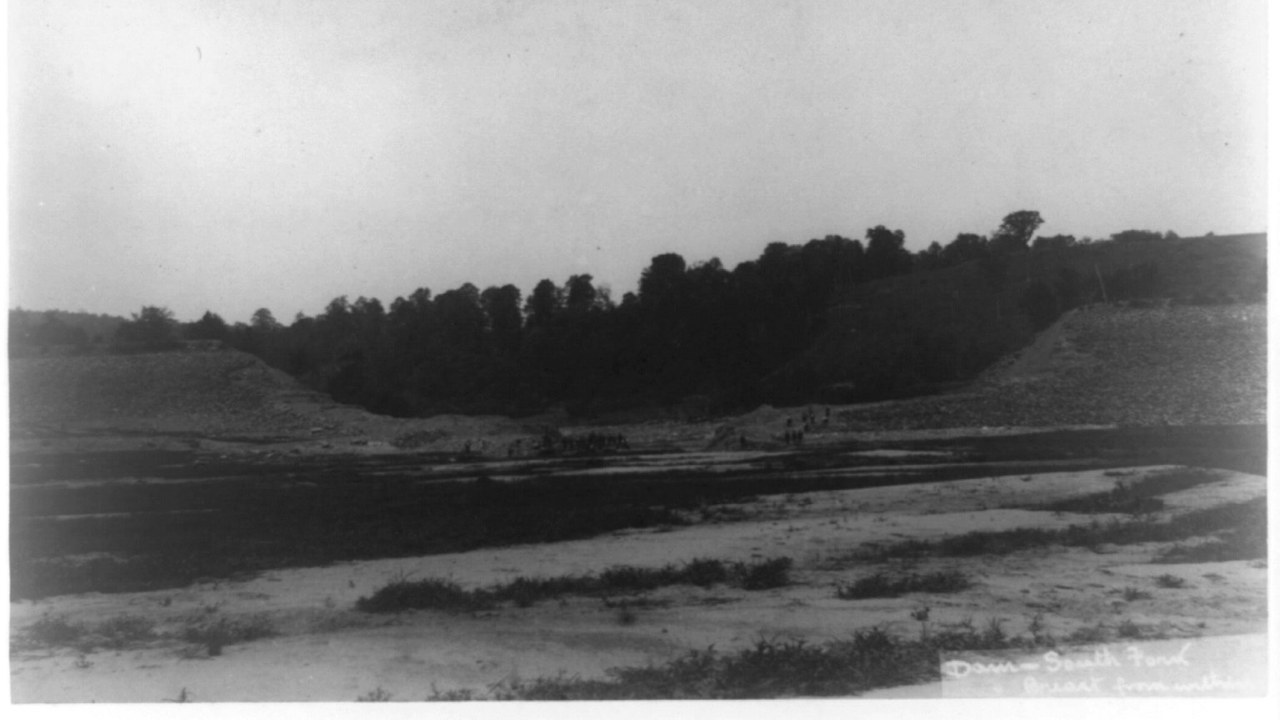
The South Fork Dam gave way on May 31, 1889, sending 20 million tons of water down the Conemaugh Valley toward the city of Johnstown, Pennsylvania.
The National Park Service now honors 2,209 flood victims, making it the deadliest dam failure in American history by a wide margin over every other disaster on this list. Few disasters anywhere in American history compare to a single dam failure erasing a functioning town in a matter of minutes.
2. St. Francis Dam (California, 1928): Midnight Collapse In California
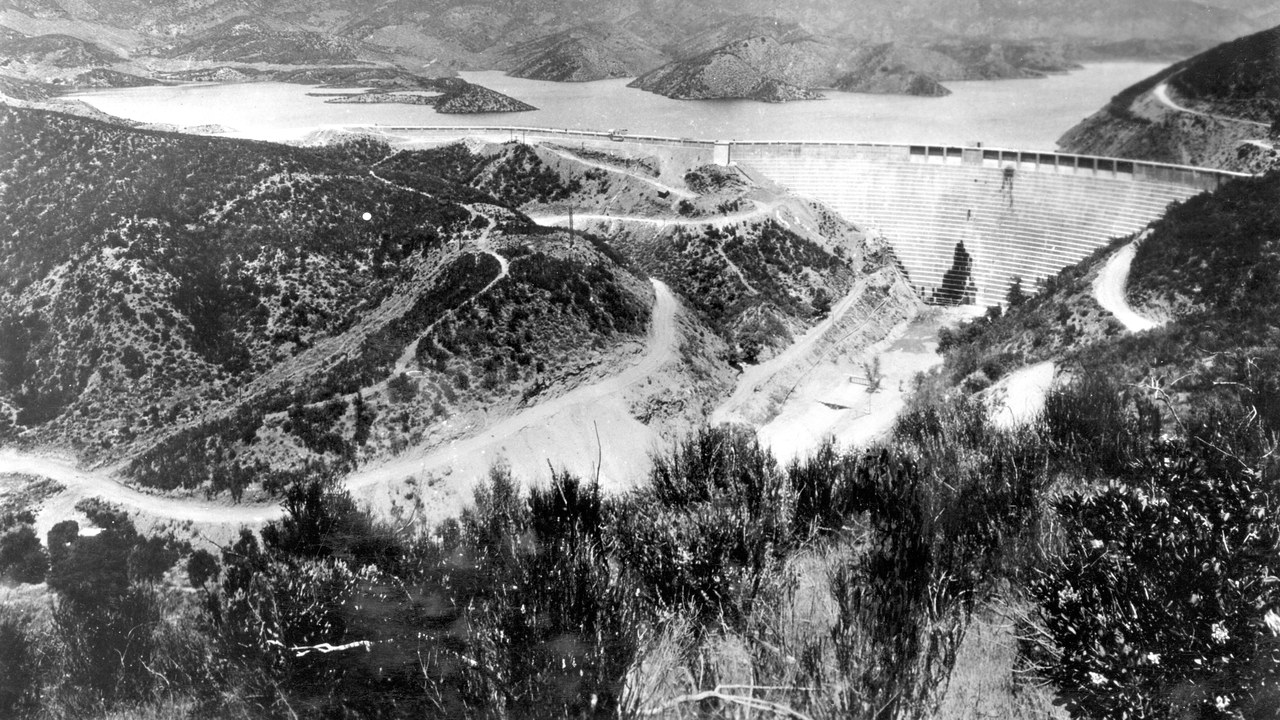
The St. Francis Dam failed just before midnight on March 12, 1928, releasing 12.5 billion gallons of water into the San Francisquito Valley below.
Roughly 425 people died in the flood that followed, a toll that ranks the disaster among the deadliest civil-engineering failures in American history, second on this list only to Johnstown. That toll makes St. Francis the second-deadliest dam failure in American history, trailing only Johnstown by a wide margin, even though the collapse happened decades later.
3. Taum Sauk Upper Reservoir (Missouri, 2005): Missouri Reservoir Emptied Fast
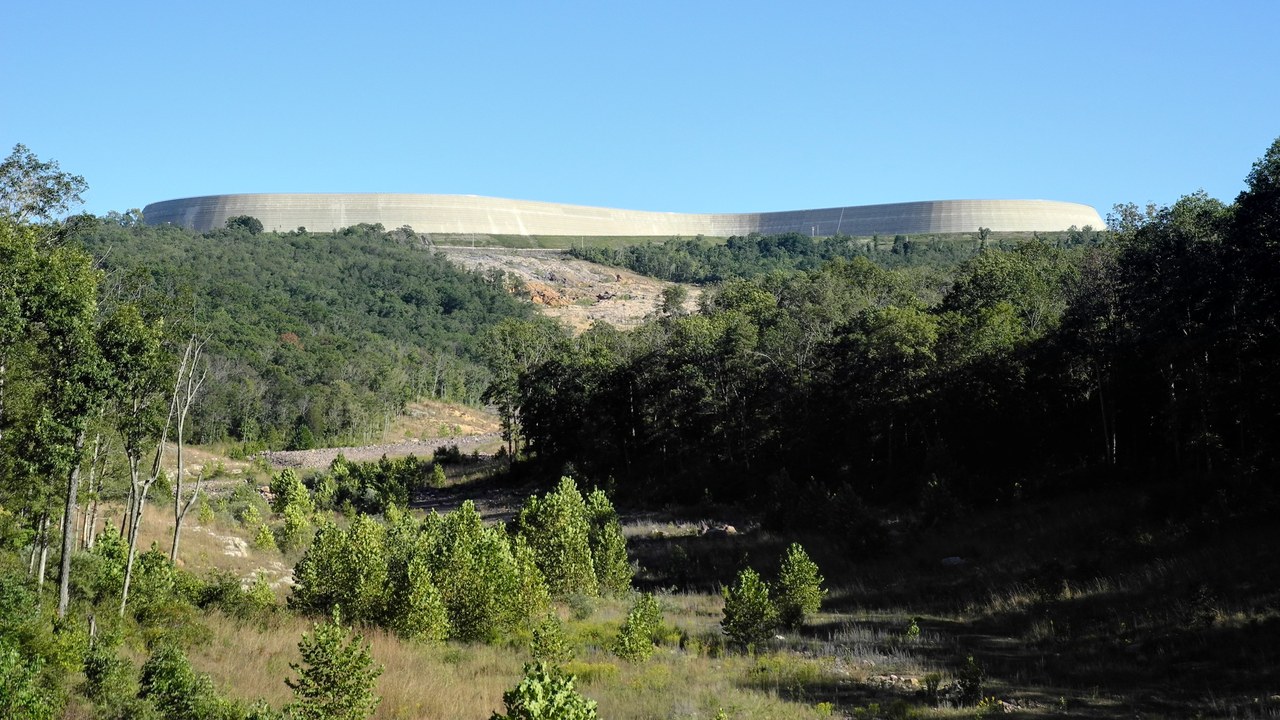
The Taum Sauk upper reservoir failed on December 14, 2005, when its 4,300 acre-feet of water burst through a 656-foot-wide breach in just 25 minutes.
The resulting flood, discharging at a peak of 273,000 cubic feet per second, destroyed 281 acres of Johnson’s Shut-Ins State Park and caused roughly $1 billion in property damage, though only four people were injured and no one died. That no one died despite a reservoir emptying itself in well under half an hour says as much about lucky timing as it does about any safety margin built into the design.
4. Castlewood Canyon Dam (Colorado, 1933): Denver’s Predawn Flood Wave
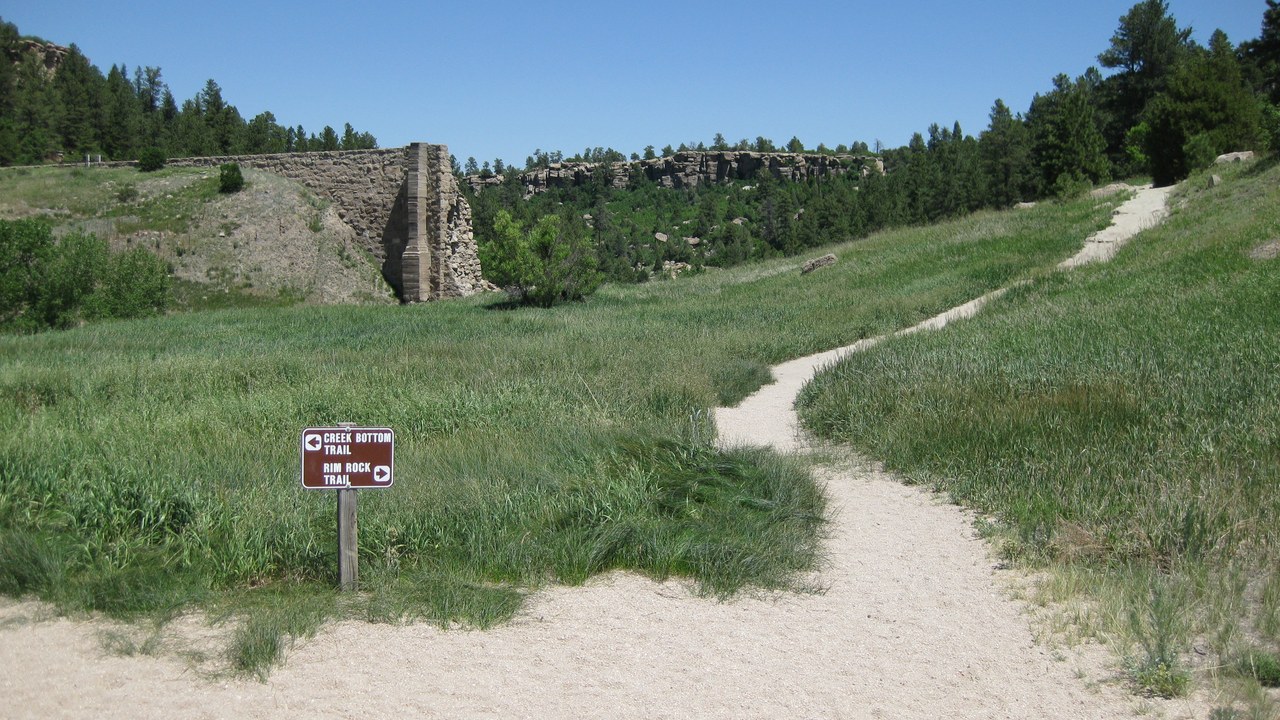
A thunderstorm dropped four to nine inches of rain in about three hours on August 2, 1933, and the runoff overtopped Castlewood Canyon Dam’s crest by roughly a foot, eroding its base until the masonry dam collapsed around 1:20 a.m.
The 600-foot dam released its 5,300 acre-feet of storage at a peak of about 126,000 cubic feet per second, and the flood wave, up to 15 feet high, reached downtown Denver by around 7 a.m.; warnings from dam tender Hugh Pain and telephone operator Nettie Driskill helped some 5,000 people evacuate, holding the toll to 2 deaths and about $1 million in 1933 dollars.
5. Austin (Bayless) Dam (Pennsylvania, 1911): Ignored Warning Signs
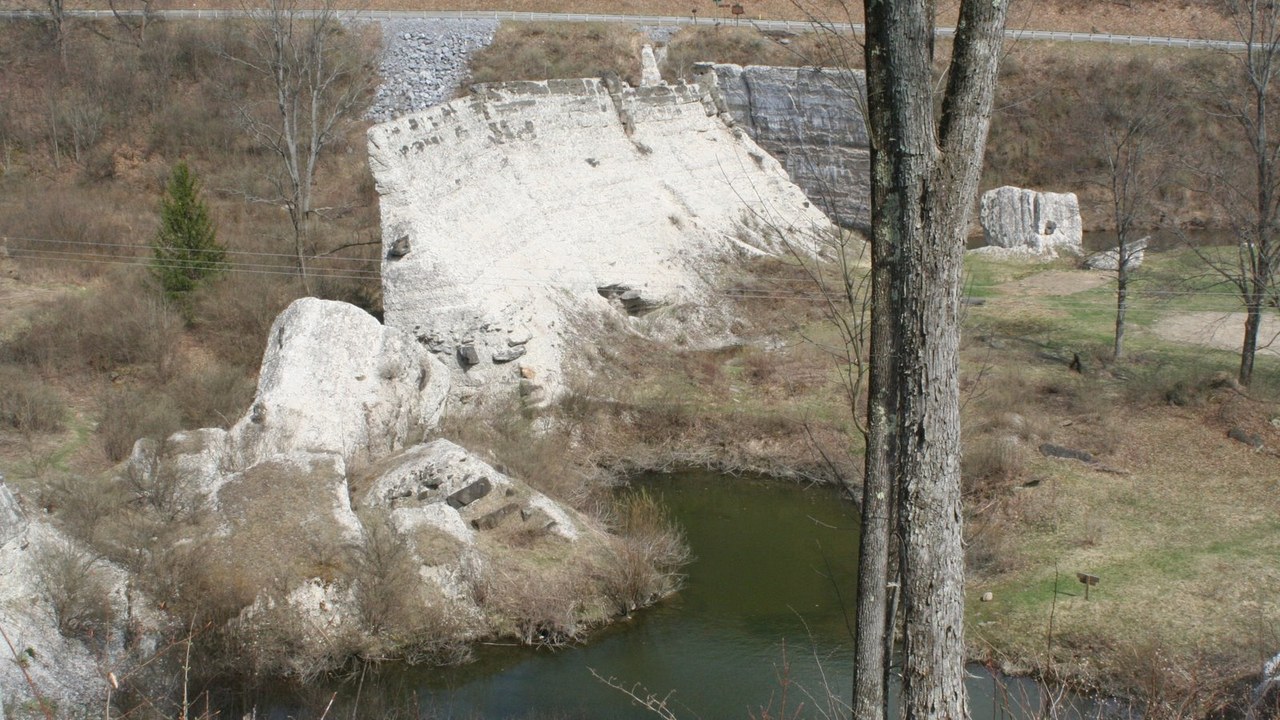
The two-year-old concrete Austin (Bayless) Dam collapsed on September 30, 1911, wiping out the towns of Austin and Costello, Pennsylvania.
Seventy-eight people died even though warning signs of trouble had appeared before the collapse, a pattern of ignored risk that recurs across several of the failures on this list. Investigators later found the ignored warnings especially damning given how young the dam was, barely two years removed from its own construction when it gave way.
6. Fort Peck Dam (Montana, 1938): Construction-Site Collapse
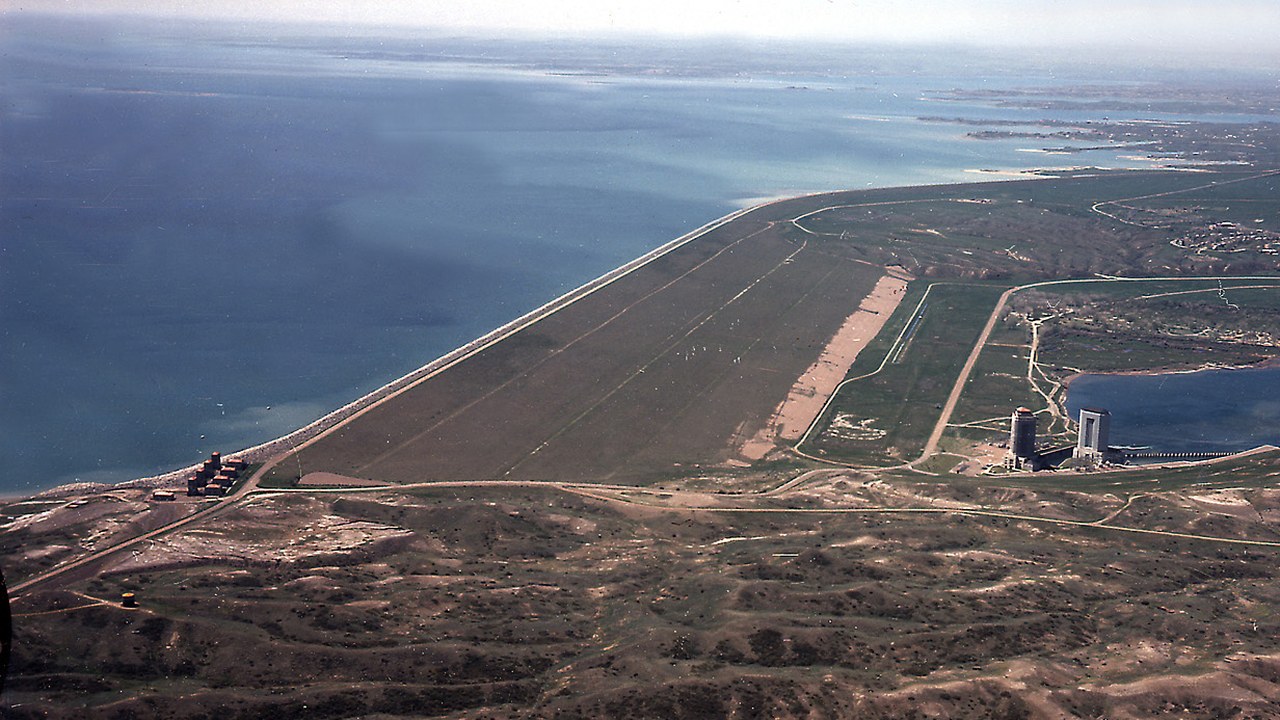
Fort Peck Dam was still under construction on September 22, 1938, when the upstream slope near its right abutment slid, and more than 5 million cubic yards of material failed, about 5 percent of the entire dam.
Eight of the roughly 180 workers on site that day died, six of whom were never recovered and are presumed buried inside the dam itself, and 34 more were injured; the accident led builders across the country to largely abandon hydraulic-fill construction for embankment dams afterward.
7. Lower San Fernando Dam (California, 1971): Five Feet From Catastrophe
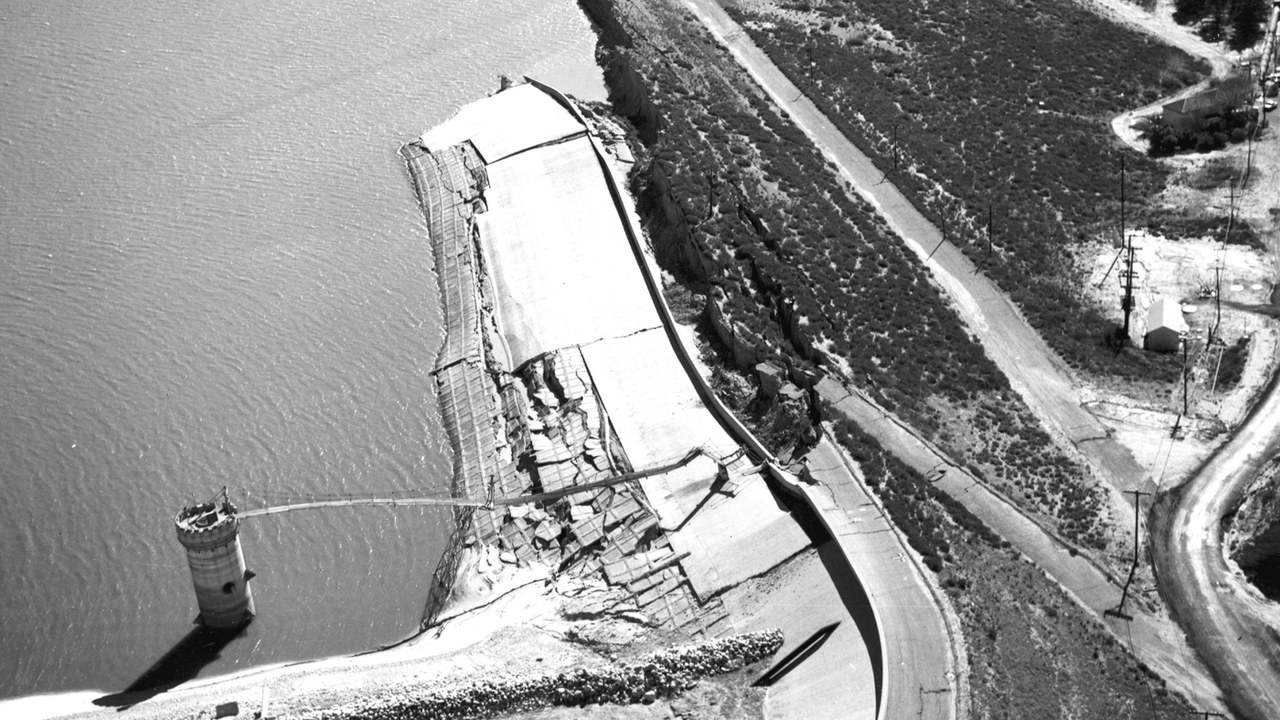
The magnitude 6.6 Sylmar earthquake of February 9, 1971 liquefied the hydraulic fill inside the Lower San Fernando Dam, and its upstream slope slid into the reservoir. When the shaking stopped, only about five feet of freeboard held back 10,000 acre-feet of water.
Authorities evacuated 80,000 residents from a two-by-twelve-mile zone below the dam and kept them out for four days while pumps lowered the reservoir. No one died because of the dam, though the earthquake itself killed 50 people.
8. Teton Dam (Idaho, 1976): Failed During First Filling
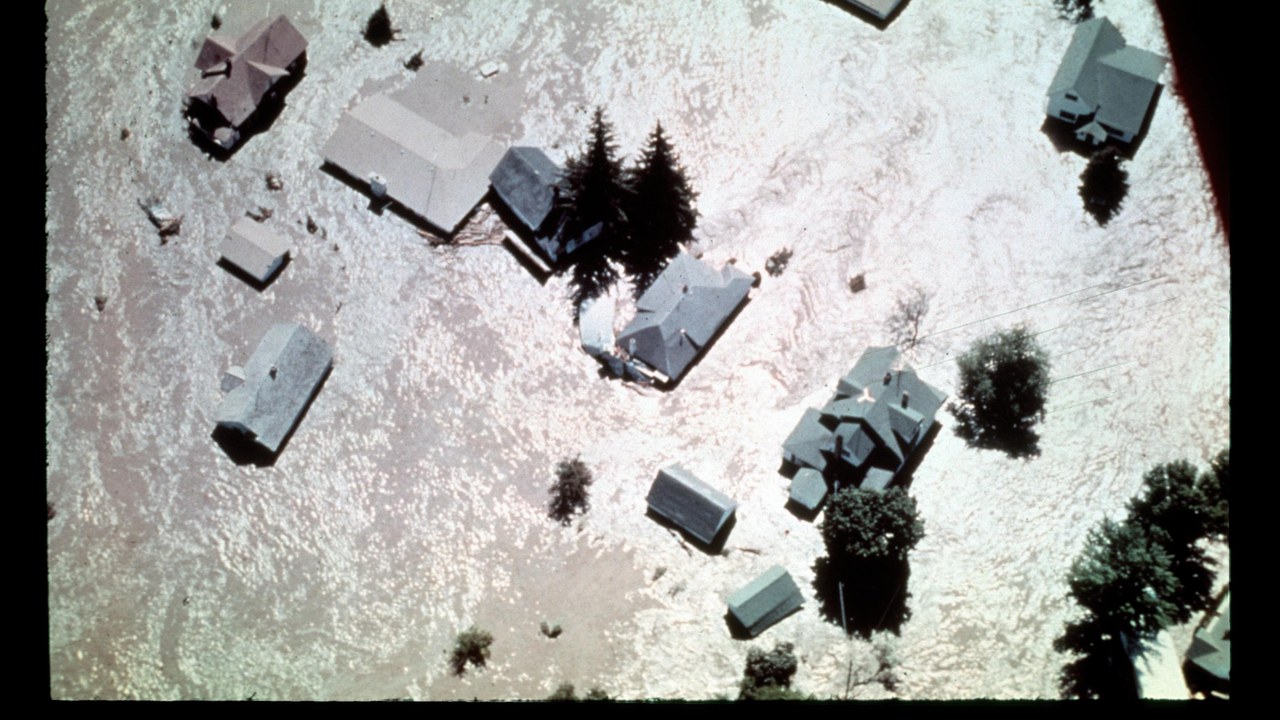
Teton Dam failed on June 5, 1976, during the very first filling of its reservoir, flooding five counties and more than 300 square miles of southeastern Idaho.
Eleven people died and damage reached about $400 million, a bill that made the failure one of the costliest dam disasters in American history even without a Johnstown-scale death toll. Federal reviews afterward focused heavily on the risks of filling a brand-new earthen dam for the first time, a lesson regulators still cite when evaluating new dam projects today.
9. Spencer Dam (Nebraska, 2019): Crushed By A River Of Ice
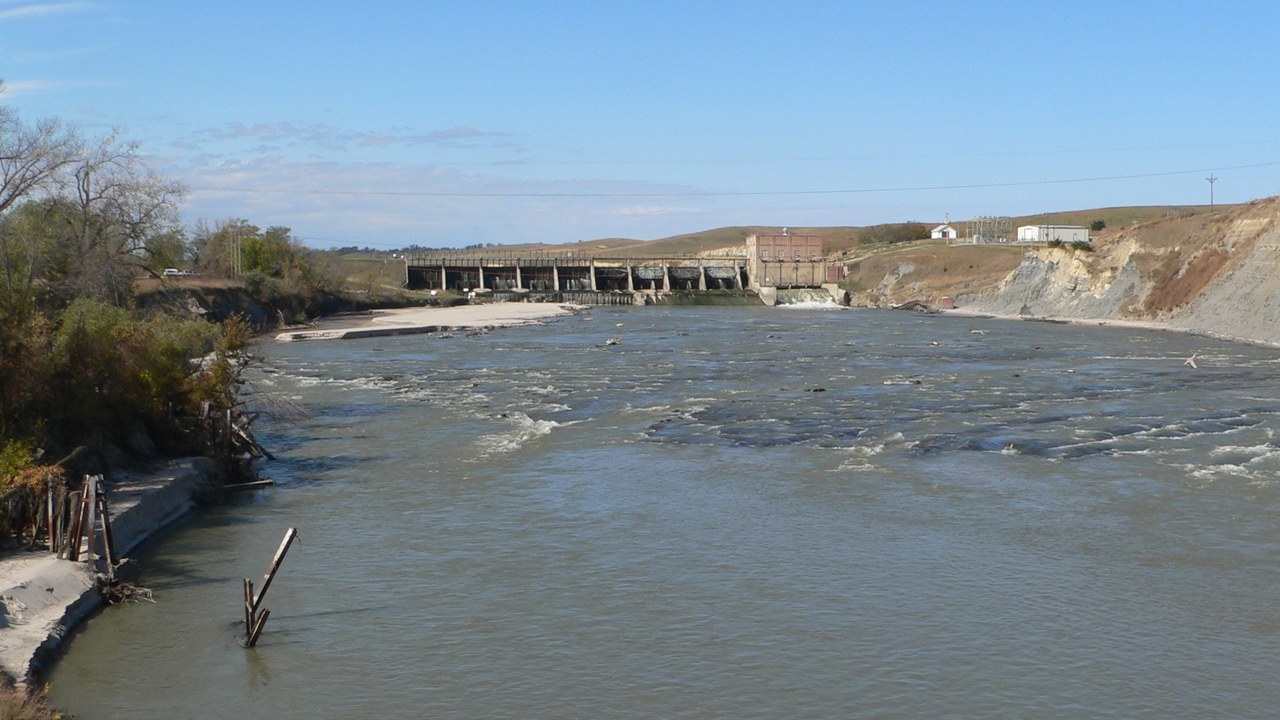
Early on March 14, 2019, after a bomb cyclone dropped two inches of rain on melting snow, a massive ice run slammed into Nebraska’s Spencer Dam on the Niobrara River and overwhelmed it. A broken lifting chain on one gate and ice-choked stoplog bays left operators unable to release enough water.
A home, a music stage, an RV park and a saloon a third of a mile downstream were swept away, one homeowner died, and four bridges were damaged. Investigators put property losses at about $2 million.
10. Lake Delhi Dam (Iowa, 2010): Ninety Years, Then Collapse
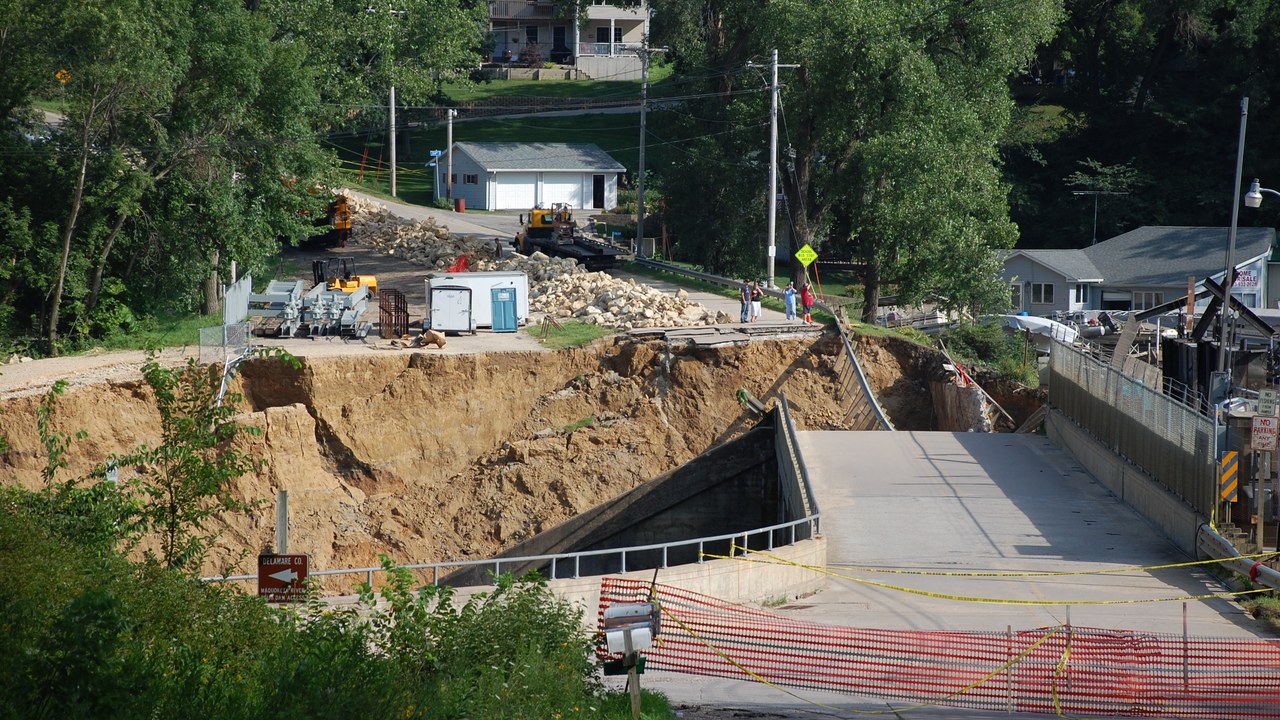
About ten inches of rain in twelve hours pushed the 59-foot Lake Delhi Dam in Iowa past its limit on July 24, 2010. One of its three spillway gates had stayed inoperable despite recommended repairs, and its concrete core wall never reached the top of the embankment.
Water eroded through the embankment and breached it, draining the lake into the Maquoketa River. Residents downstream were evacuated in time and no one died, but property damage topped $1 million after more than 90 years of trouble-free service.
11. Oroville Dam spillway (California, 2017): No Deaths Mass Evacuation
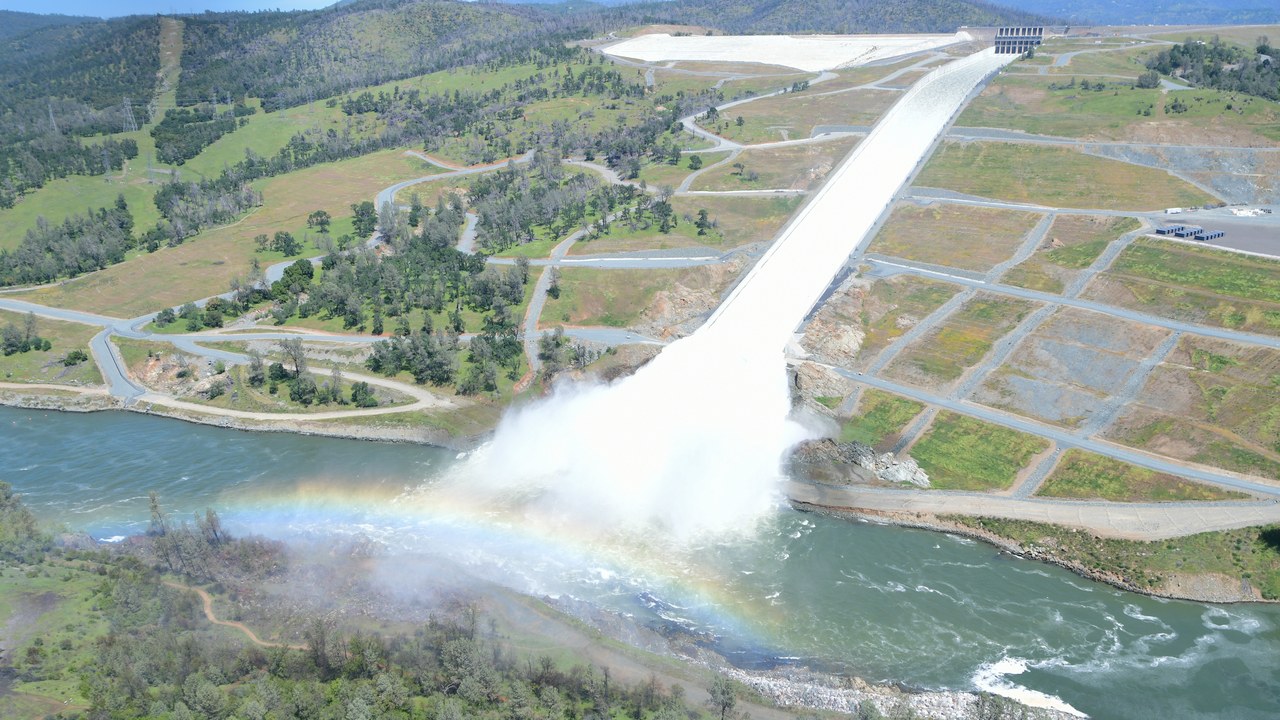
Damage to Oroville Dam’s main spillway in February 2017 forced California to use its emergency spillway for the first time ever, and officials ordered an estimated 188,000 people to evacuate the Feather River Basin.
No one died, making Oroville the rare entry on this list remembered for a mass evacuation rather than a body count, even though the scale of that evacuation dwarfs most dam failures in US history. That evacuation displaced more people than any actual dam collapse on this list managed, a reminder that a near-miss can upend nearly as many lives as an outright failure.
More from Morning Overview
- A geomagnetic storm is forecast to hit Earth today, pushing the northern lights unusually far south
- A recalled pill hid a stimulant dose linked to heart attacks and death
- Four U.S. startups fired up their first small nuclear reactors, aiming to power AI data centers on-site
- Card skimmers hidden on gas pumps and ATMs are draining accounts, and here’s the tell
