
Luxury SUVs command enormous sticker prices when new, and the used market rarely agrees with those numbers a few years later. Depreciation research keeps landing on the same badges, where high repair costs, aggressive lease returns and fast-moving technology grind away resale value. Here are eight luxury SUVs that lose value faster than almost anything else on the road.
1. Land Rover Range Rover: The Steepest Fall
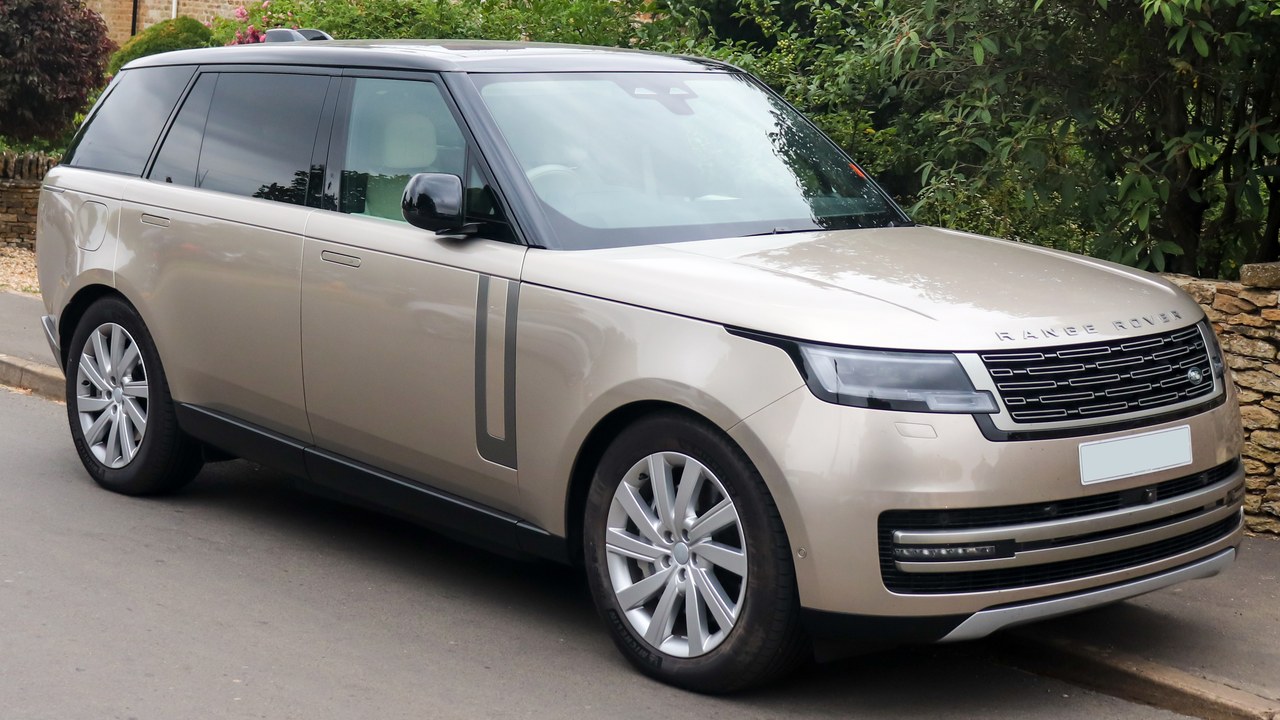
No SUV on this list falls harder. Depreciation figures compiled in the iSeeCars resale value study put the Range Rover at 61.7 percent of its value lost over five years, close to $70,000 gone from a single vehicle. That is not a rounding error on a lease residual; it is the price of a well-equipped new SUV evaporating while the original owner still holds the keys.
The flip side belongs to the second owner. A five-year-old Range Rover trades at a fraction of its original window sticker, which puts an intimidating badge within reach of a mainstream budget. Maintenance and repair bills, however, stay priced for the original buyer, and that mismatch drives much of the decline.
2. BMW iX: Electric Premium, Gone Fast
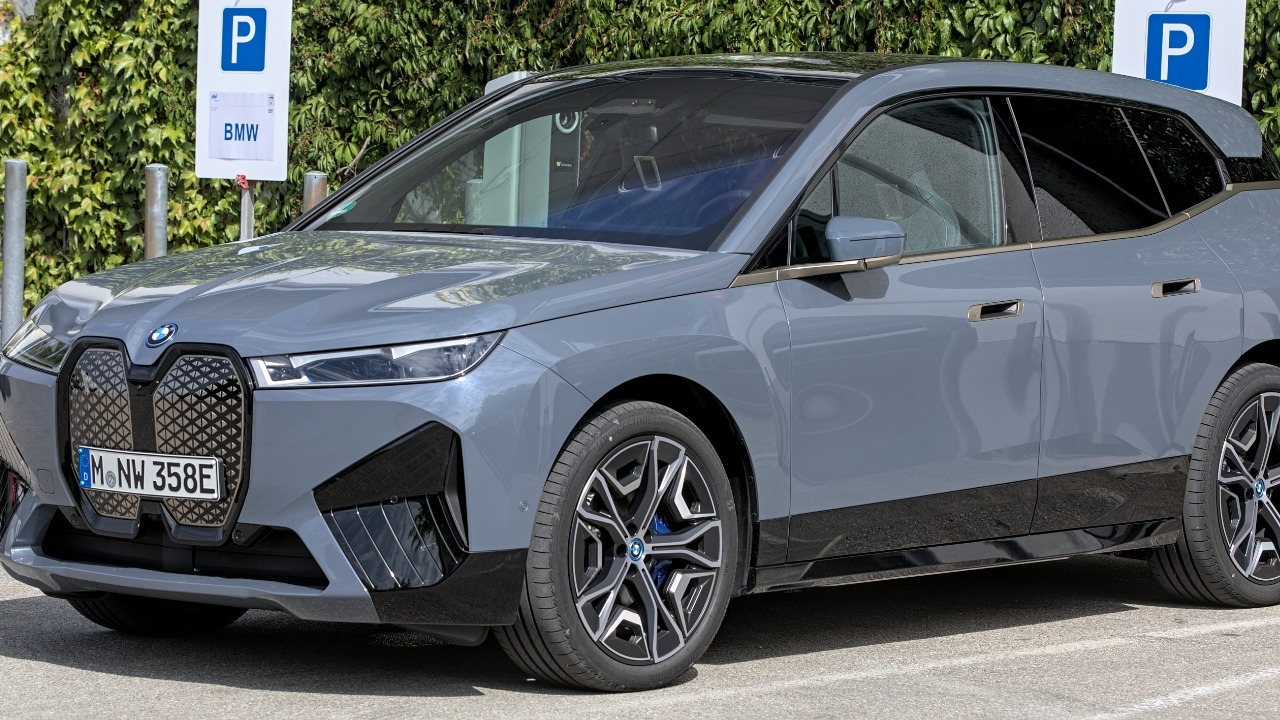
BMW’s flagship electric SUV lands among the worst performers in the same depreciation rankings, a harsh verdict for a vehicle that arrived as a technology showcase. Electric luxury models sit at the intersection of two forces that punish resale: rapid battery and software improvement in each new model, and buyer incentives that reset what a comparable new car costs. The iX absorbs both at once.
Used-car shoppers inherit the upside, since a low-mileage iX can be had well below its original transaction price. The caution is that out-of-warranty repairs on a large battery pack carry costs unlike anything in a conventional SUV, so a bargain purchase price is only the first line of the ledger.
3. Audi e-tron: First-Wave EV Problem
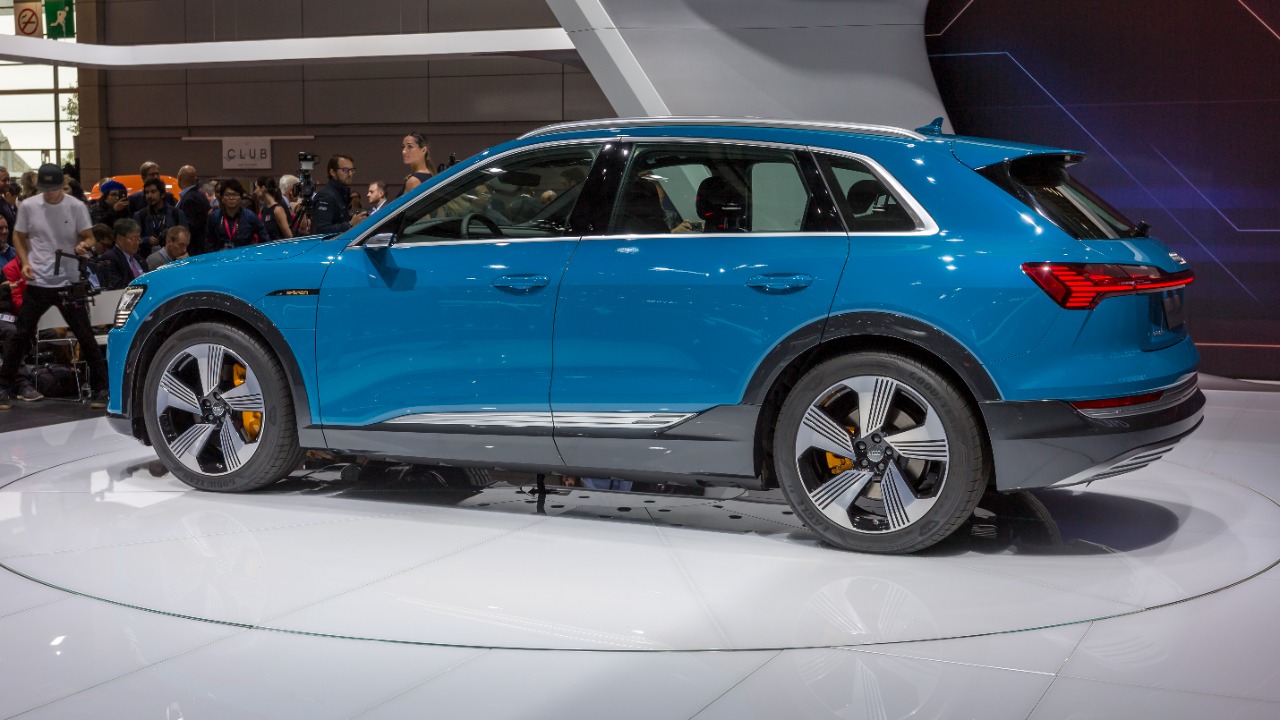
Audi’s first mass-market battery SUV carries the depreciation penalty that attaches to early electric luxury cars. The e-tron line launched into a market where range figures, charging speeds and software all improved on a yearly cycle, and each improvement quietly marked down every car already on the road. The result is a used market that discounts the badge heavily despite the original sticker.
Buyers shopping used find one of the cheapest routes into a premium electric SUV, provided the battery’s remaining warranty coverage is checked before signing. Owners on the other side of that trade see the opposite: an expensive purchase whose value fell while the technology inside it stayed where it was on delivery day.
4. Maserati Levante: The Trident Tax
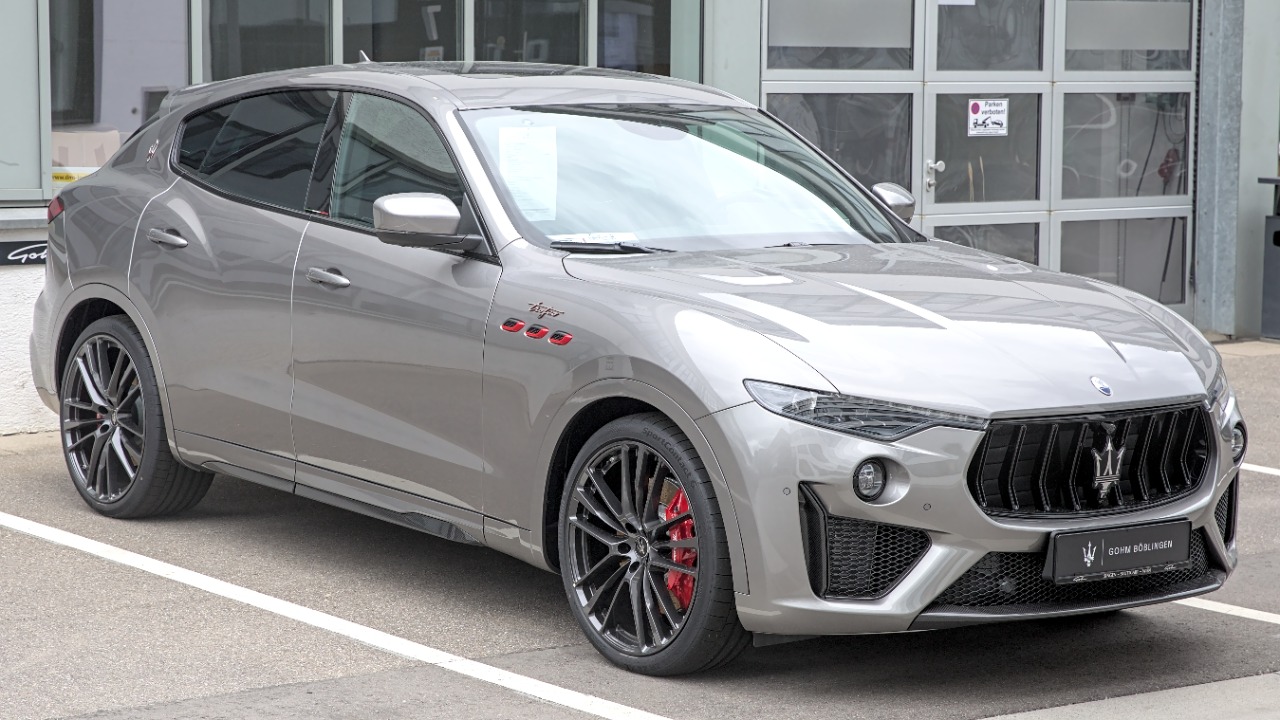
Depreciation on Italian exotica is rarely gentle, and Maserati’s first SUV proved no exception. The Levante paired boutique appeal with a dealer and service network far smaller than the German brands it was priced against, which thins the pool of secondhand buyers willing to take one on. Thin resale demand is what turns a high sticker price into a brutal five-year loss.
Cheap entry does not mean cheap ownership. Parts and specialist labor still price as Maserati parts and Maserati labor, and a single major repair can exceed what the vehicle is worth on the open market. That arithmetic keeps used values suppressed, which in turn keeps the original owner’s loss locked in.
5. Land Rover Discovery: Family Hauler, Falling Fast
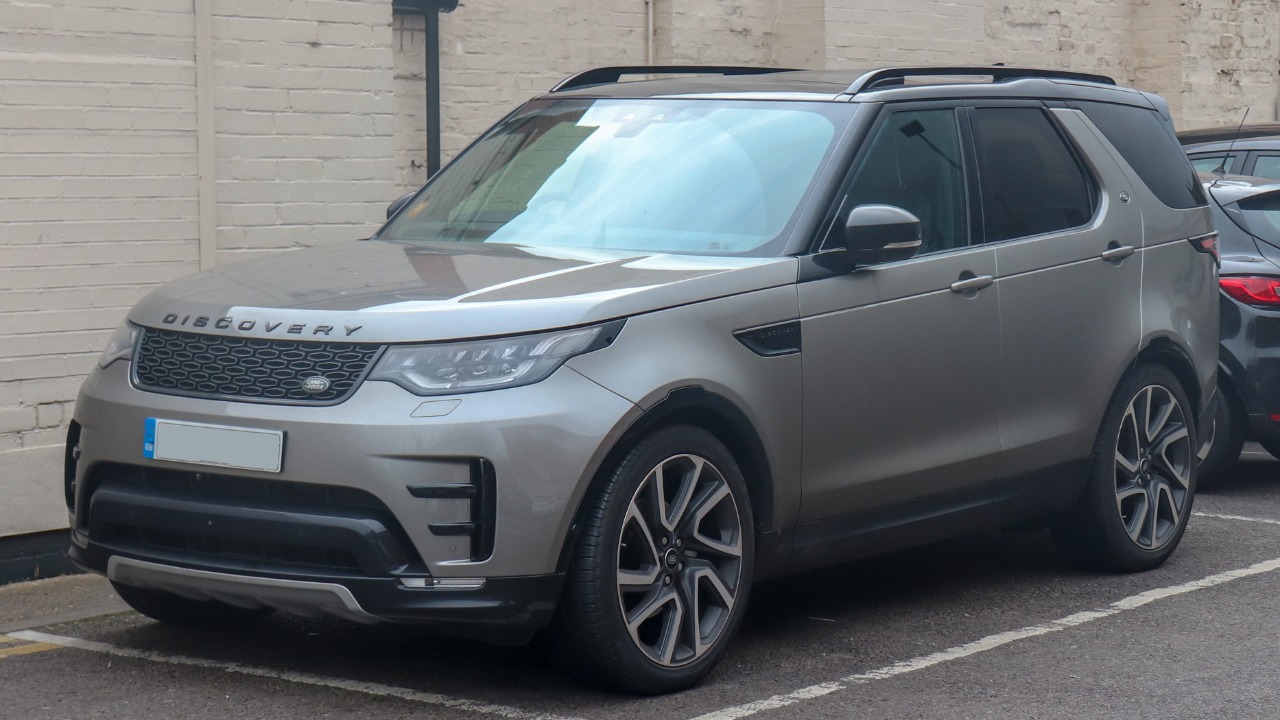
The Range Rover is not the only Land Rover with a resale problem. Land Rover’s three-row SUV loses a large share of its value in step with an ambitious opening price, and the two facts are connected: the further a sticker climbs above the mainstream seven-seat competition, the further it has to fall to meet what used buyers will actually pay for a family hauler.
Expectations about repair costs compound the discount. A large, complex luxury SUV out of warranty carries a maintenance bill that a private buyer prices in before making an offer, and that subtraction happens before the test drive. The result is an SUV that is unusually cheap to buy secondhand and rarely cheap to keep.
6. Jaguar F-Pace: Badge Without The Backing
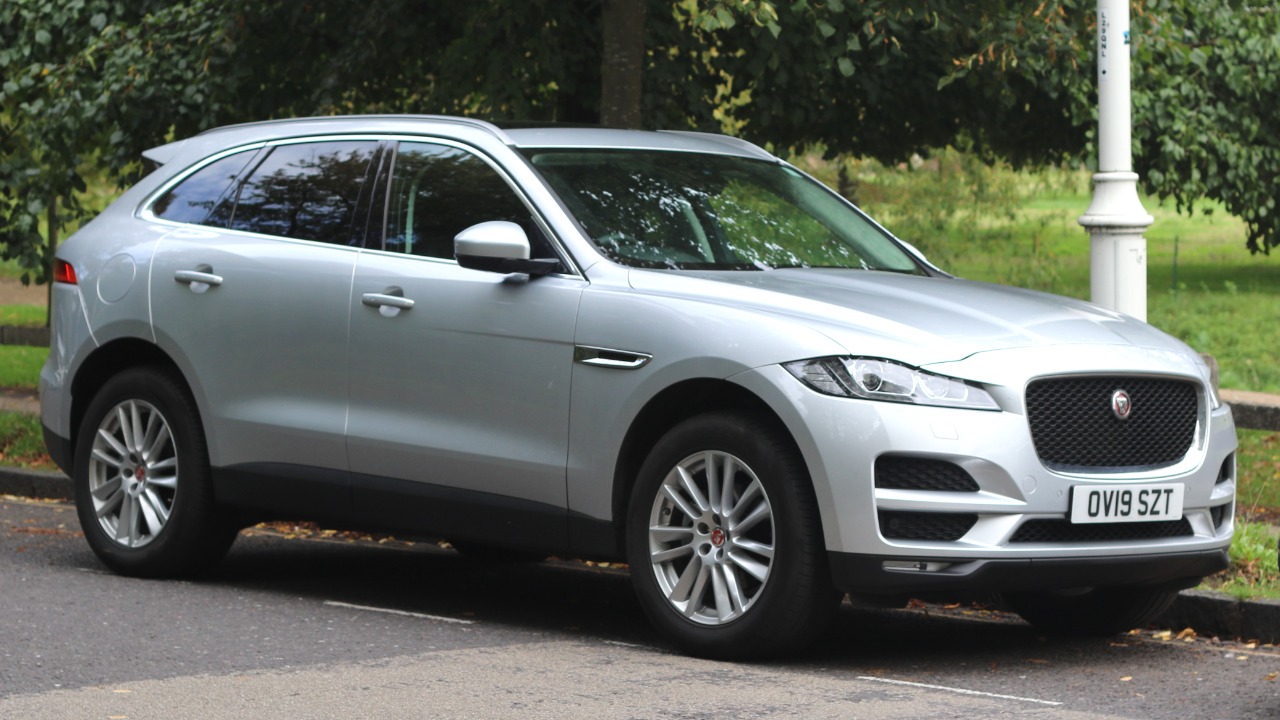
Jaguar sells prestige, and the used market has been slow to pay for it. Jaguar’s F-Pace crossover competes directly against German rivals with deeper brand equity and denser dealer networks, and secondhand pricing reflects that gap rather than the car’s own dynamics. A luxury SUV that reviews well can still slide hard once the warranty and lease term run out and the vehicle has to find its own buyer.
The discount is real money for a second owner willing to accept a smaller service network. What it does not buy is immunity from the same expense curve, since parts pricing and specialist labor follow the badge regardless of what the car cost at auction.
7. Cadillac Escalade: Big Name, Bigger Drop
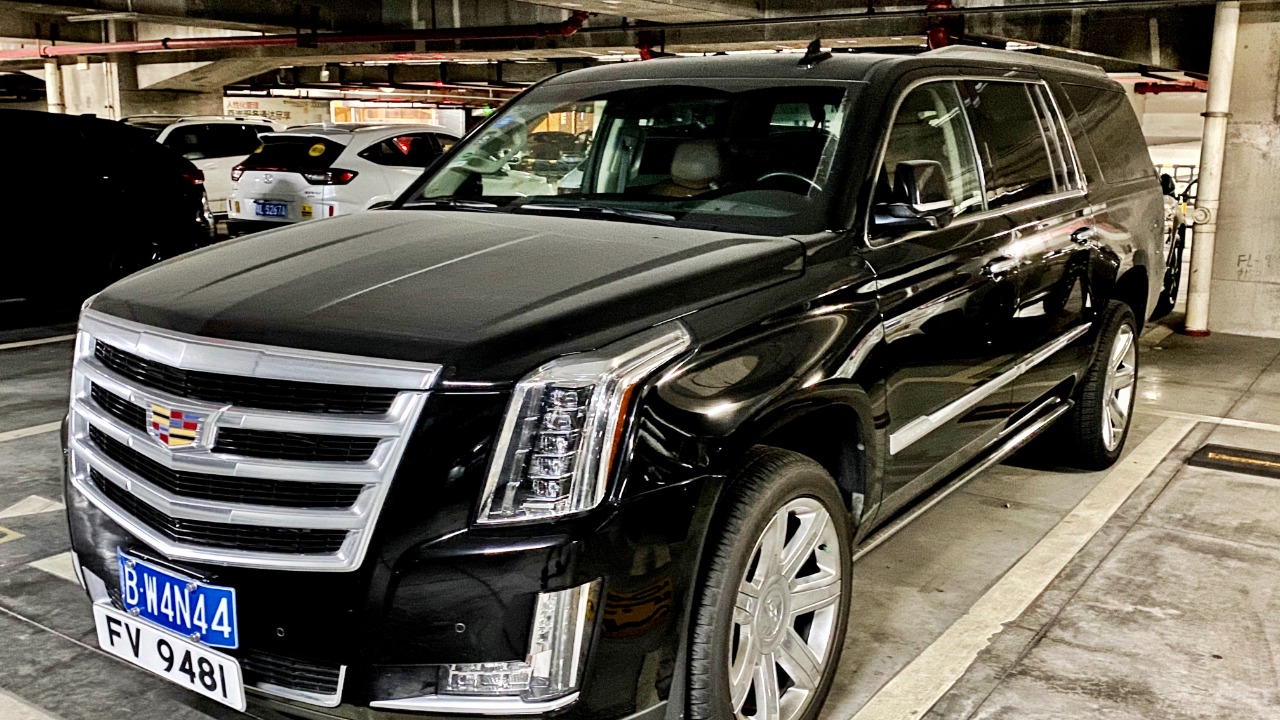
Popularity does not protect resale value when supply is plentiful. Cadillac’s full-size flagship sells in volume, is a staple of livery fleets, and moves through lease cycles in large batches, all of which put a steady stream of used examples in front of the same pool of buyers. Demand for the nameplate stays strong; the price a five-year-old example commands does not keep pace with what it cost new.
Fuel and tire bills scale with the vehicle. A body-on-frame SUV of this size asks for premium-priced consumables and drinks accordingly, so the savings on the purchase price get chipped away over a long ownership period. Buying one used still beats buying one new, at least on the depreciation line.
8. Lincoln Navigator: Luxury Barge, Bargain Later
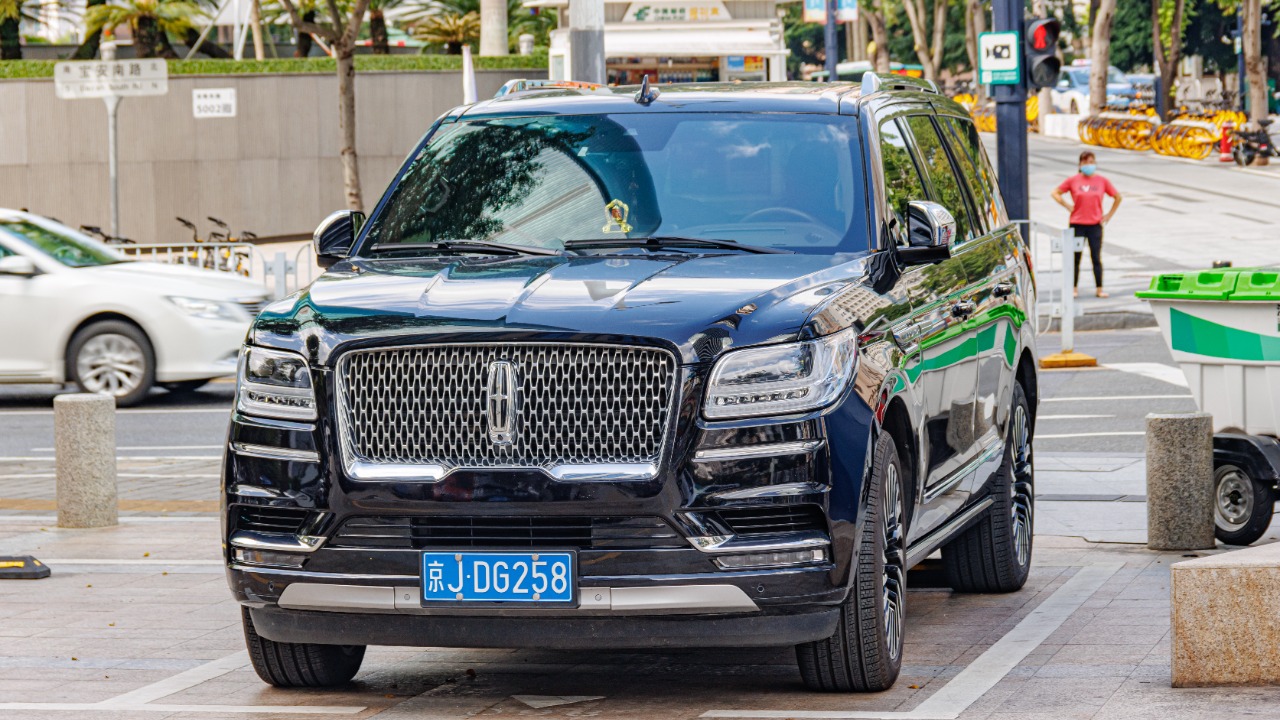
The Navigator carries most of the Escalade’s problems without the Escalade’s cultural pull. Lincoln’s full-size SUV lists at a price that competes with the German and Japanese establishment, then hands back a large share of it as the vehicle ages and the badge’s softer secondhand reputation asserts itself. Depreciation on a heavily optioned example is steeper still, because the used market rarely pays for options twice.
That makes the Navigator a strong value on the used lot: three rows, a quiet cabin and a long options list for a fraction of the original outlay. Whoever buys it new absorbs the entire fall, and whoever buys it used inherits a thirsty vehicle whose maintenance schedule was written for a luxury budget.
More from Morning Overview
