
Beneath streets, deserts and farmland, people have carved or built whole networks of rooms, tunnels and passages. This gallery collects real examples from Turkey, France, Italy, Poland, Australia, Vietnam, the United States and Ethiopia, drawing on History.com, UNESCO, Britannica and Wikipedia. Ten underground places follow, each with the specific figures its source gives.
Read next on Morning Overview: A handful of car transmissions are so tough that mechanics say they almost never die
1. Derinkuyu: An Eighteen-Story Refuge
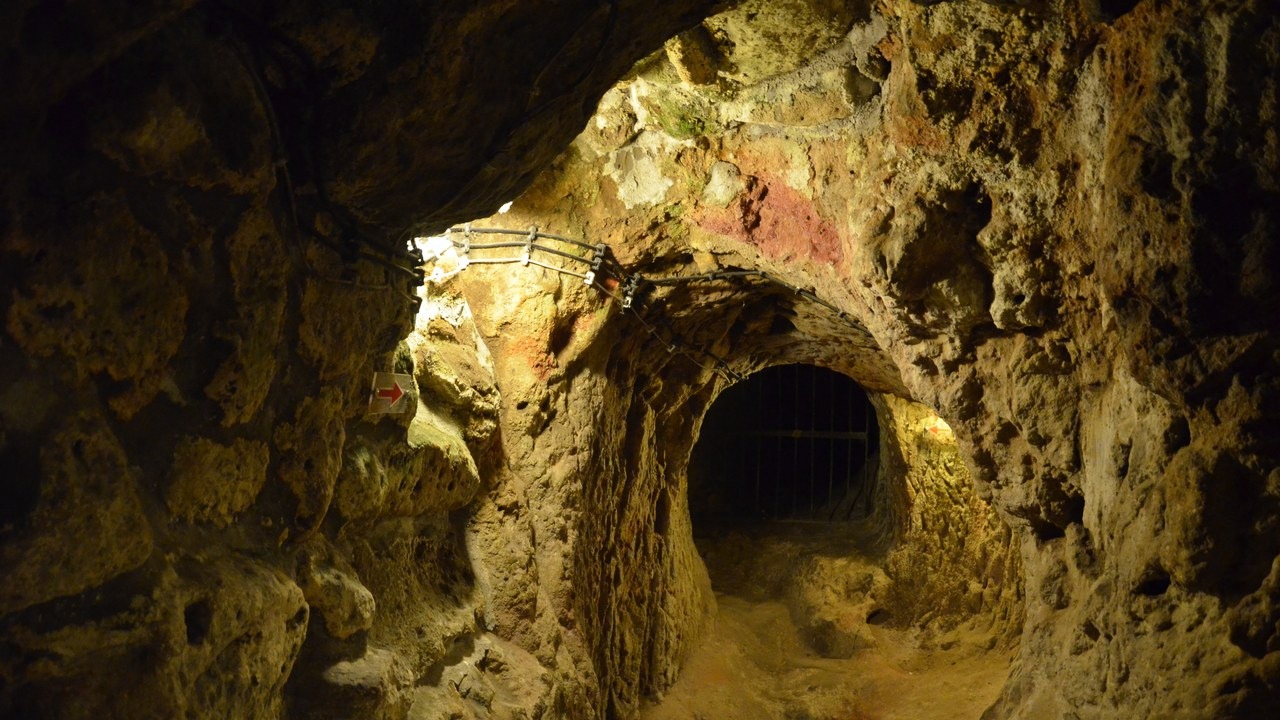
History.com says Derinkuyu’s 18-story interior was a self-contained metropolis, holding some 20,000 people, and dates it to around the 8th century B.C. The account appears in History.com’s underground cities list.
Those numbers are as stated by the source, which gives them without hedging in the excerpt used here. The same article treats Derinkuyu among its mysterious underground cities, so questions about its origins are not fully closed. Readers should treat the population figure as an estimate. The source gives no breakdown of how long residents could stay below, so the capacity says little about daily life underground.
2. Naours Underground City: Two Miles Of Tunnels

Naours in northern France has two miles of tunnels and more than 300 man-made rooms, according to the Naours entry. The network was used as a hiding place during medieval wars.
The source describes the use as shelter, not as a permanent town. It does not say how many people sheltered there at once, so that detail is left unstated. The tunnels themselves are the main evidence for that use. Which wars or which period of the Middle Ages are meant is not specified in the excerpt, so the timing stays broad.
3. Orvieto Underground: Carved Beneath The Hill Town
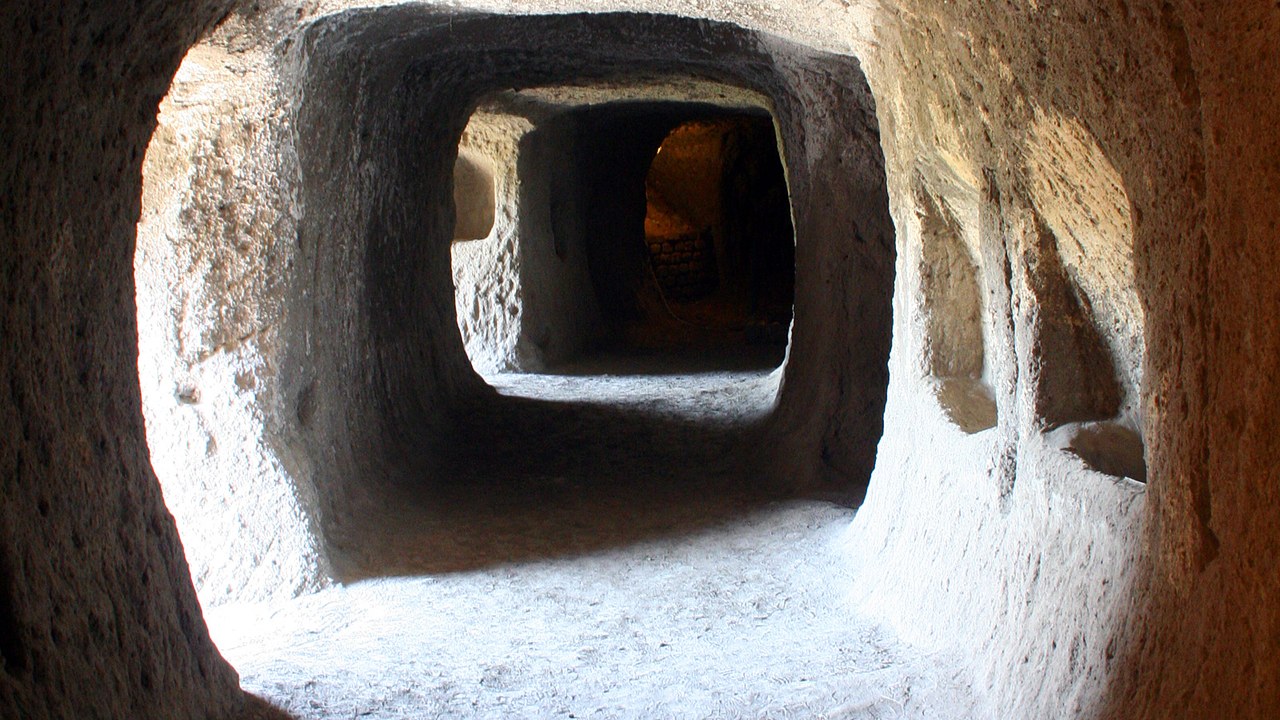
Beneath the Italian city of Orvieto lie more than 1,200 interlocking tunnels, grottoes and galleries, which History.com on Orvieto says began with the Etruscans.
The count describes the whole complex, not a single route a visitor could walk. The excerpt gives no individual dates for each passage, so the Etruscan start is a beginning, not a full timeline. The Etruscan link is the earliest period the excerpt names. Later uses of the passages, and who dug each section, are not itemized, leaving the history as a broad sweep.
4. Wieliczka Salt Mine: Chapels Made Of Salt
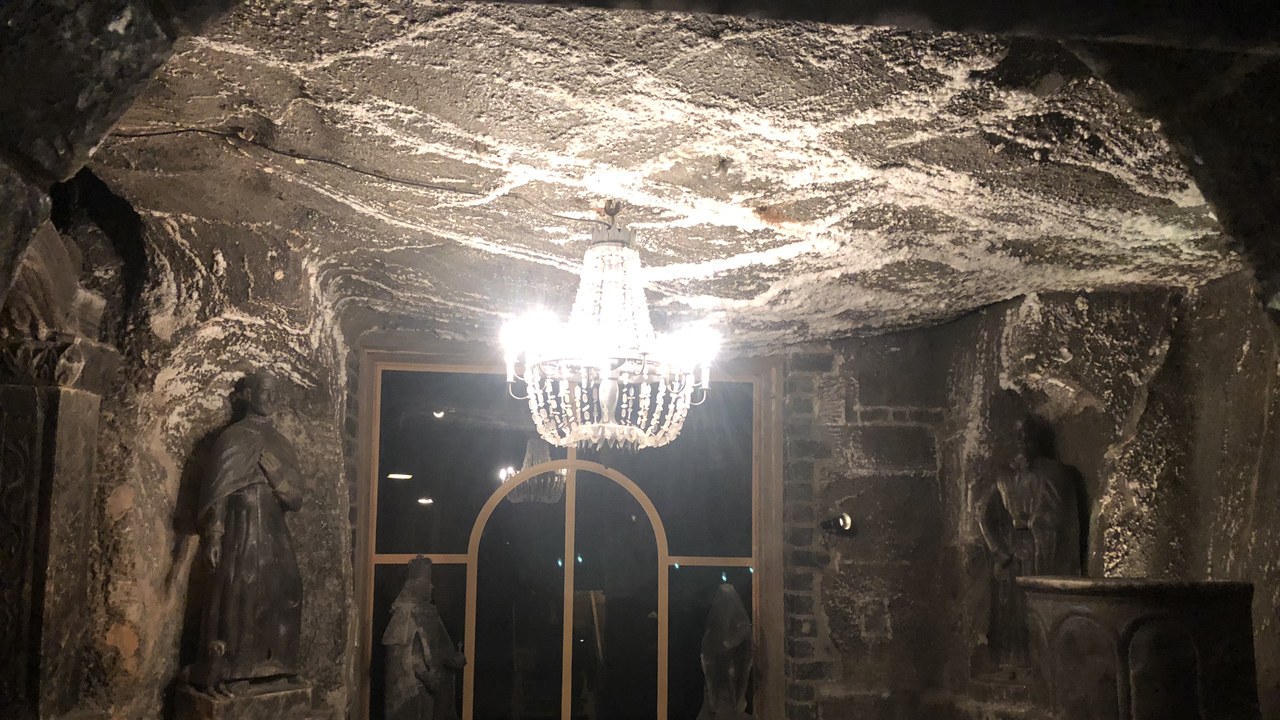
Workers at Wieliczka’s salt-mining complex carved chapels, chandeliers and statues from salt, extending more than 1,000 feet underground, says the Wieliczka description.
The figure is a depth the workings reached, not the length of its galleries. The excerpt does not say how long the carving took or how many workers were involved. Nothing in the excerpt suggests a hidden or lost site, since the carvings are described as work done by people. The source treats it as a place of craft rather than a mystery.
5. Kaymakli Underground City: Towns Of Refuge
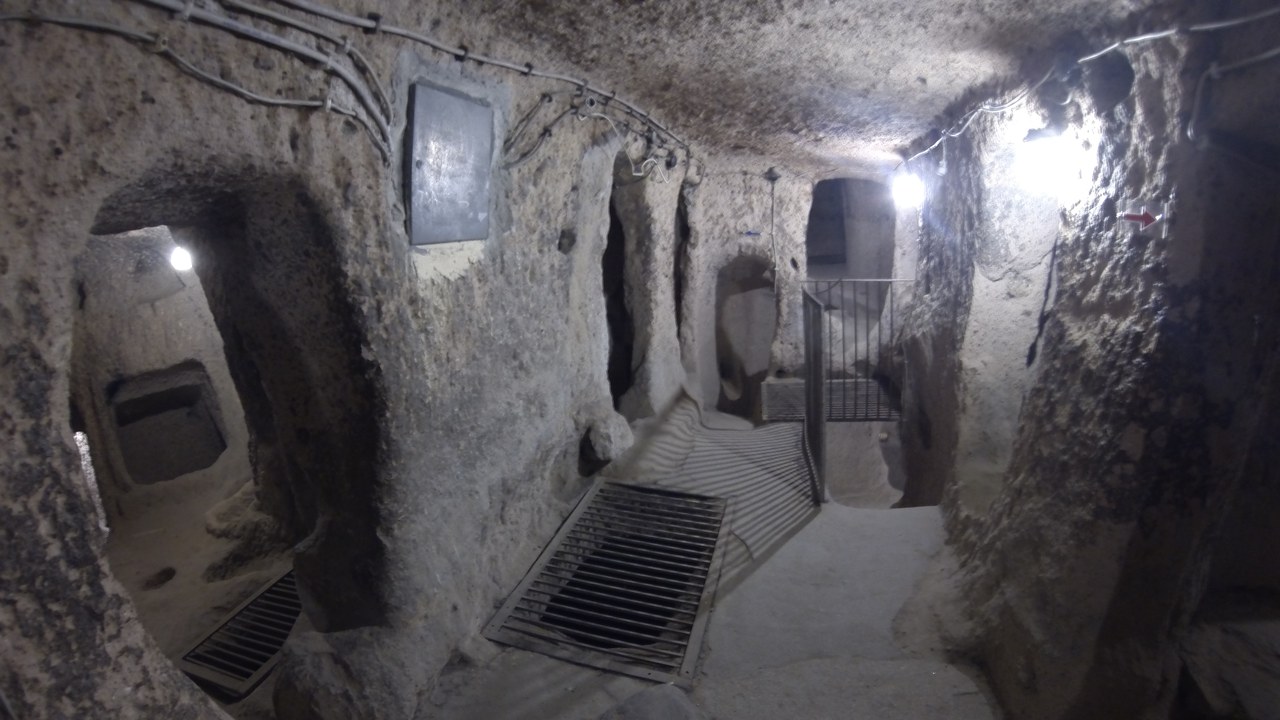
UNESCO names the subterranean towns of Kaymakli and Derinkuyu in its Cappadocia entry, and says residents gathered there as places of refuge. See UNESCO’s Cappadocia listing.
The listing does not give Kaymakli’s own size in the passage cited. The entry is useful mainly as an independent confirmation that these towns were used for shelter. Details such as construction dates and population are not given in the quoted lines, so the entry stands mainly as a second, independent source for the refuge function described elsewhere.
6. Coober Pedy: Homes Built Below The Heat
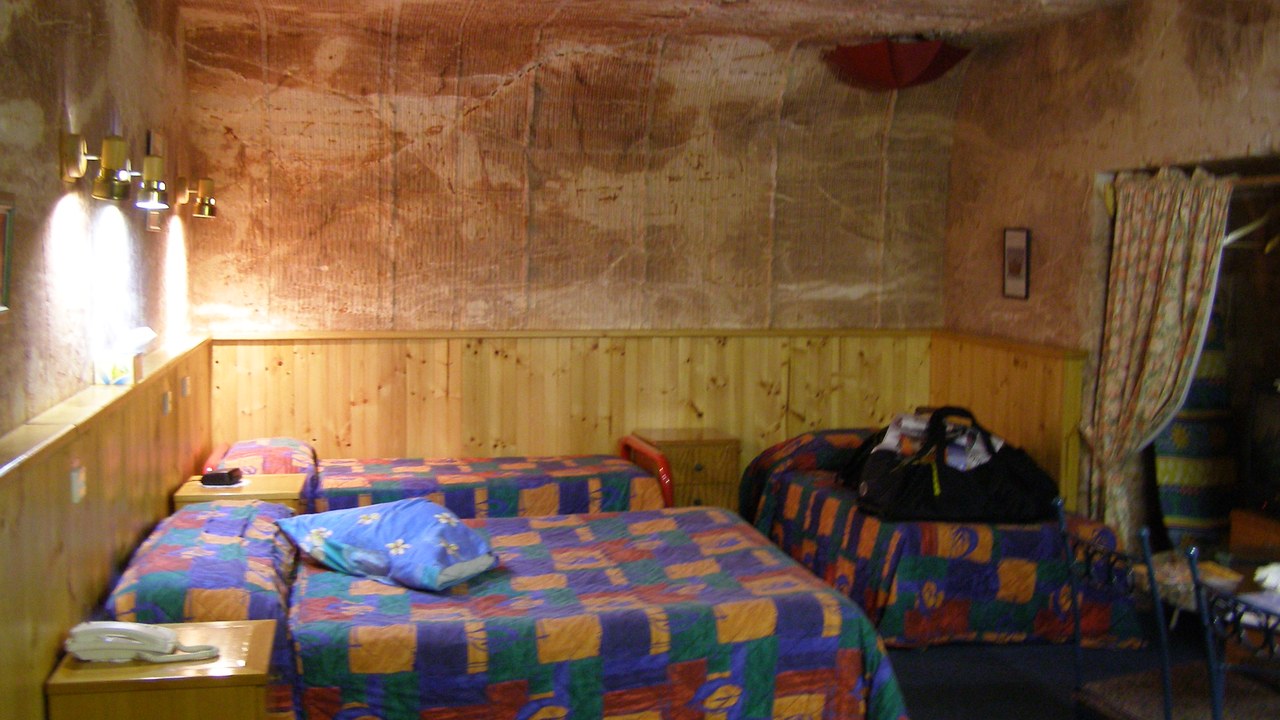
In the Australian opal town of Coober Pedy, heat that can reach 125 F leads residents to build their dwellings belowground, according to Britannica’s Coober Pedy page. Opal was found there in 1915.
The climate reason comes straight from the source. It does not say what share of residents live underground today, so the extent of the practice is not quantified here. The 1915 date refers to the opal discovery, not to the first underground home. The source does not say when residents began building belowground or how many homes now exist there.
7. Cu Chi tunnels: Seventy-Five Miles Of Tunnel
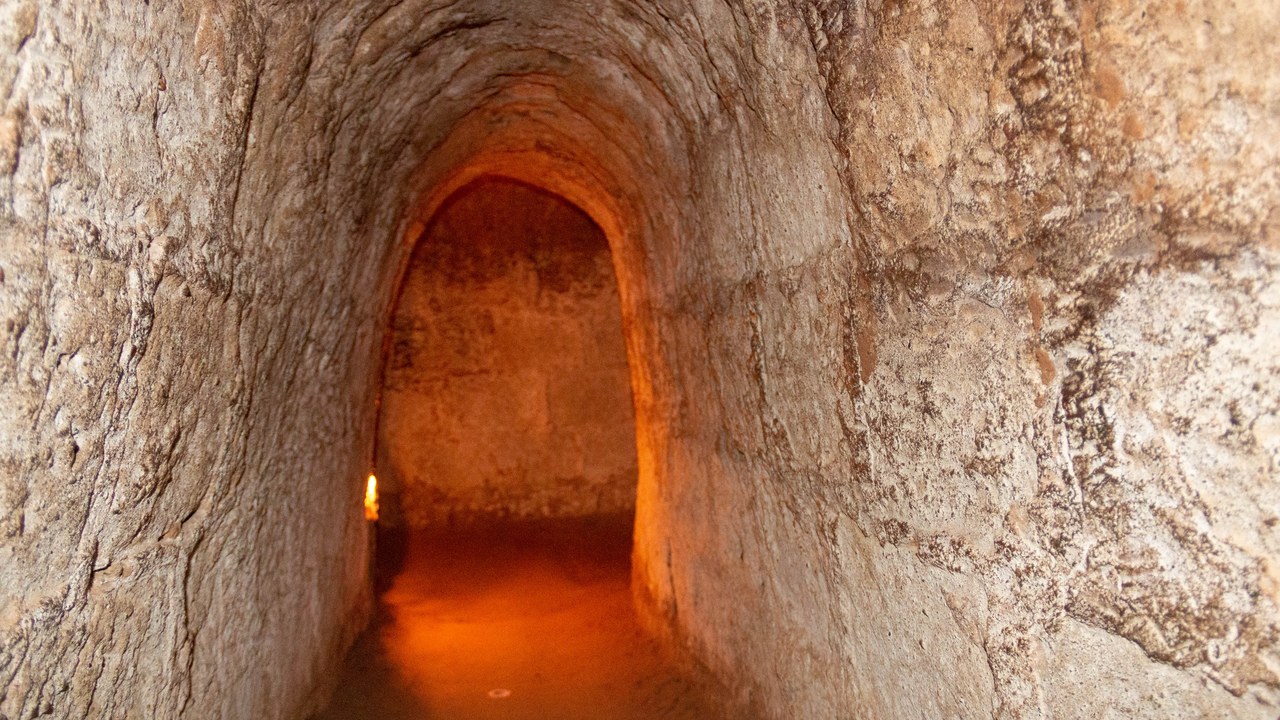
The tunnel complex at Cu Chi runs 75 miles, or 121 km, and served as communication routes, hospitals and living quarters, as described by Wikipedia on the Cu Chi tunnels.
Wikipedia is the source for these figures, so they are best read as a general summary. The excerpt does not break down how the length divides among individual branches. Its uses are stated as three roles, without ranking them by importance. The excerpt gives the overall length but not the depth, the number of levels or how many people used the system.
8. Catacombs of Paris: Six Million Remains
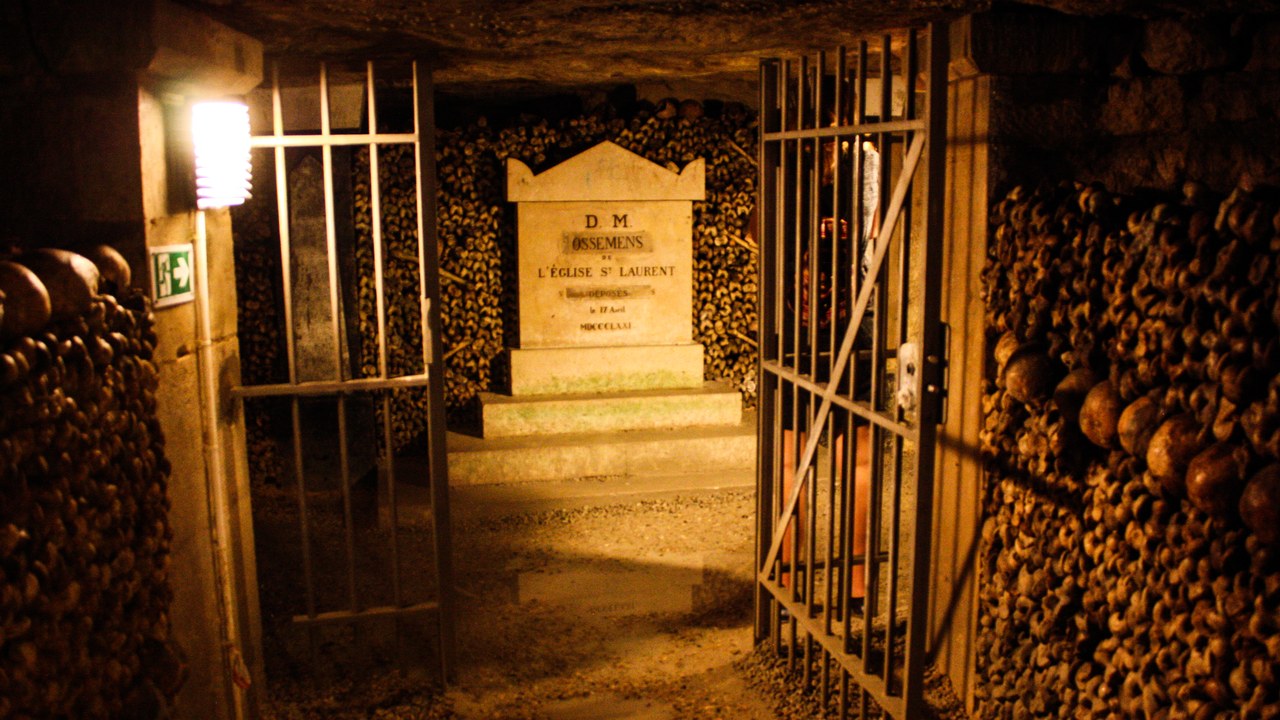
Old stone quarries beneath Paris hold the remains of more than six million people, according to the Catacombs article. The ossuary reuses space originally dug for stone.
The source gives the number as a minimum, saying more than six million. It does not describe how the remains were moved there in the passage used here. The quarry setting is the reason the space existed before the remains arrived. The source gives the figure as a floor, so the true total could be higher than six million.
9. Seattle Underground: Streets Raised Twelve Feet
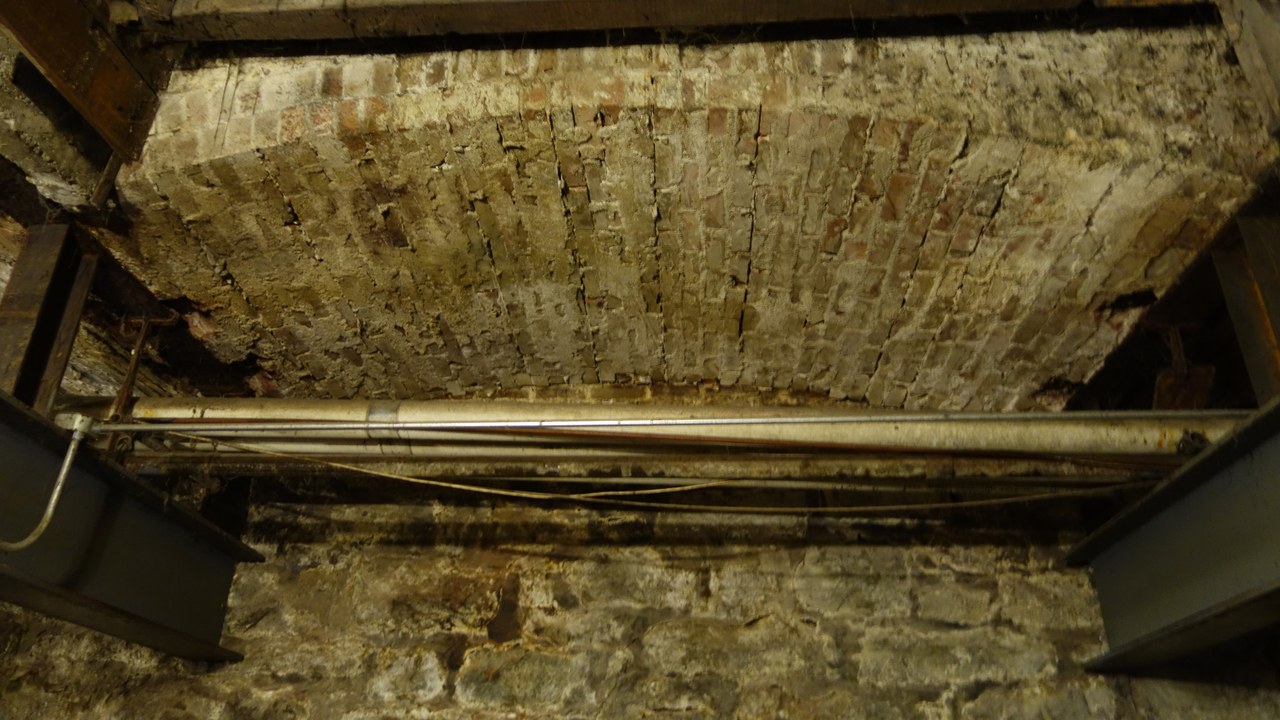
After the 1889 fire, Seattle raised its streets generally about 12 feet higher than before, leaving old ground floors underground, per Wikipedia on Seattle’s Underground.
Unlike many entries here, this underground space came from rebuilding rather than excavation. The passage used does not state how much of the old level survives today. Only the height change and the fire date are given as specifics. The source does not say how much of the original street level can still be reached, so the extent of the remaining space is unknown here.
10. Lalibela rock-hewn churches: Churches Cut From Rock
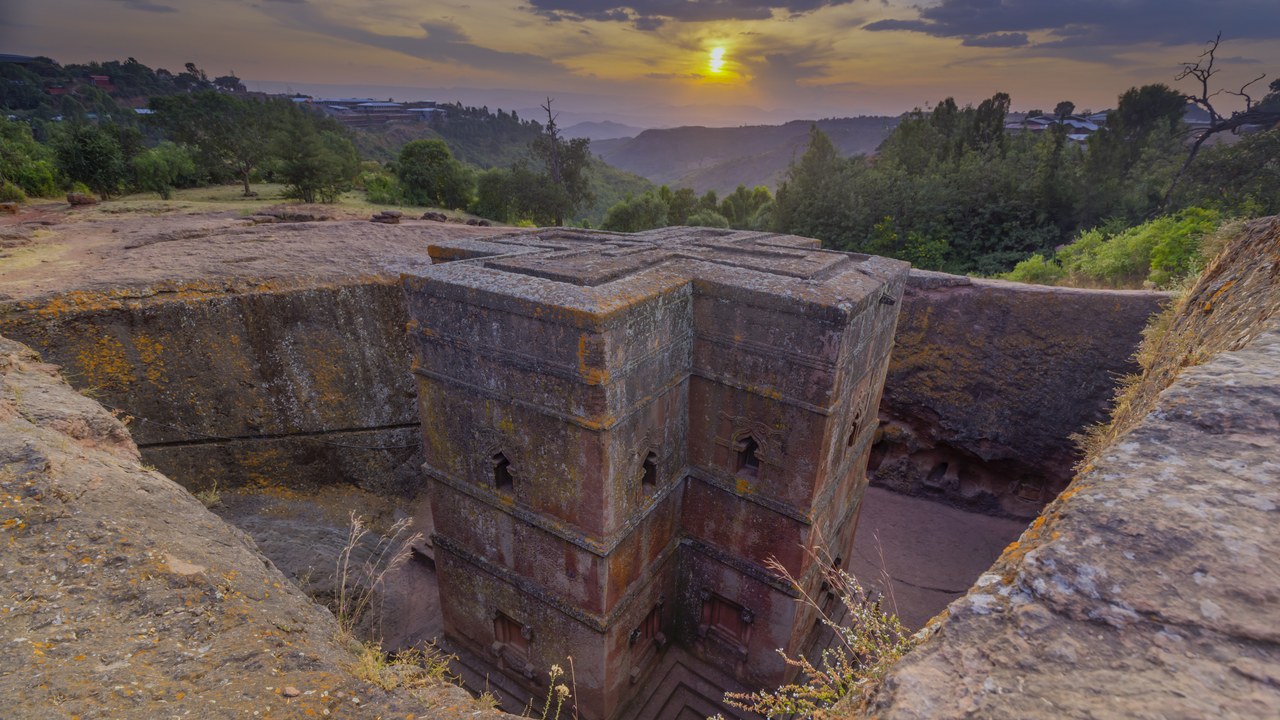
Lalibela has eleven medieval churches that were hewn from the living rock of monolithic blocks, according to UNESCO’s Lalibela listing.
History.com counts Lalibela among its mysterious underground cities, though the UNESCO excerpt describes churches carved from rock rather than a buried town. The two sources frame it differently. That difference in framing is worth keeping in mind. The excerpt supports the claim that the churches were carved from rock, while the underground-city label rests on History.com alone, which is a difference of definition.
More from Morning Overview
- The Justice Department asked courts to undo approvals for three offshore wind farms, one already making power
- Over 20 trillion gallons of rain fell on the Four Corners states and Nevada in two weeks
- 11 engines built to run well past 200,000 miles
- Two Kentucky residents died when a small plane crashed at Missouri’s Lake of the Ozarks, and the NTSB is investigating
