
Some of the world’s best-known ancient monuments still lack a settled explanation for who used them, why they were built, or how the work was done. This list sticks to what UNESCO, History.com and the Smithsonian actually say, including where scholars disagree. Twelve sites follow, from hunter-gatherer pillars in Turkey to carved stone blocks in Lebanon.
Read next on Morning Overview: Two Kentucky residents died when a small plane crashed at Missouri’s Lake of the Ozarks, and the NTSB is investigating
1. Göbekli Tepe: Pillars Before Farming
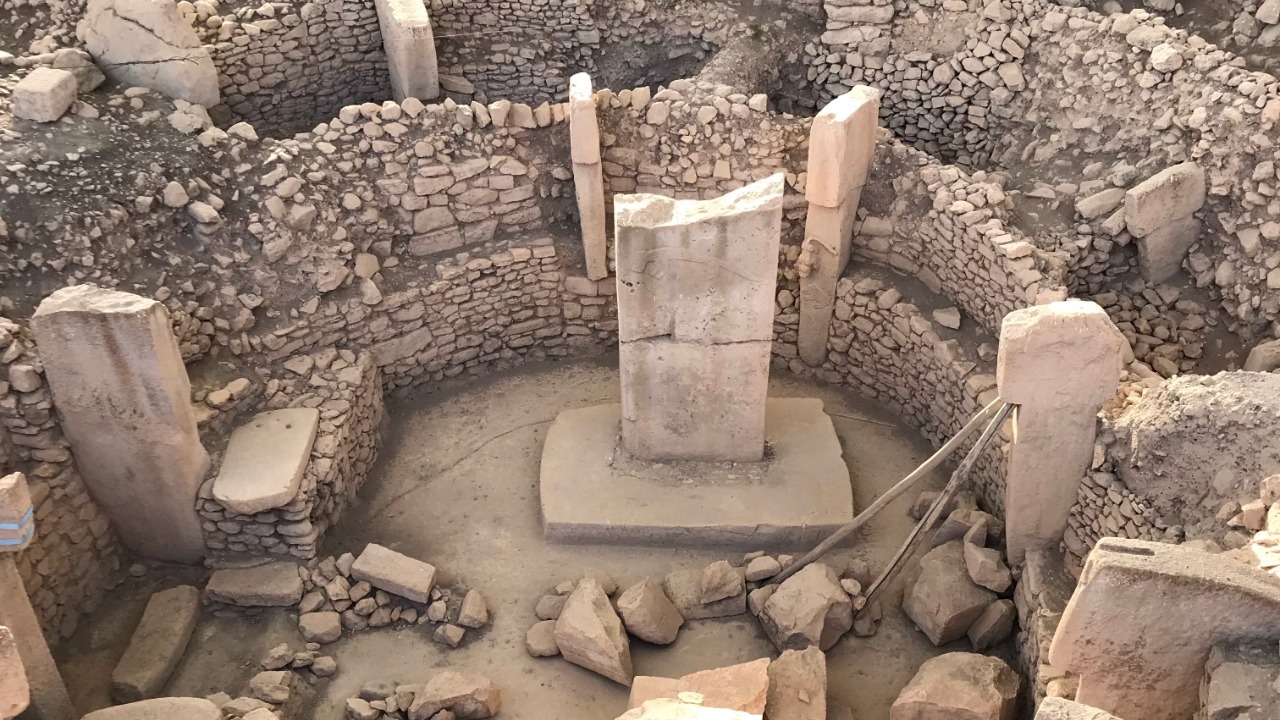
UNESCO dates the monumental structures at UNESCO’s Gobekli Tepe listing to about 9,600 to 8,200 BCE and says hunter-gatherers built them. The site is known for limestone T-shaped pillars, some up to 5.50 meters tall.
UNESCO describes their use as only probably ritual and most likely funerary. That wording leaves the purpose open, and the listing does not claim a firm answer about what the enclosures were for. Readers should note that the dating and the builders are stated more firmly than the purpose.
2. Stonehenge: Purpose Still Unclear
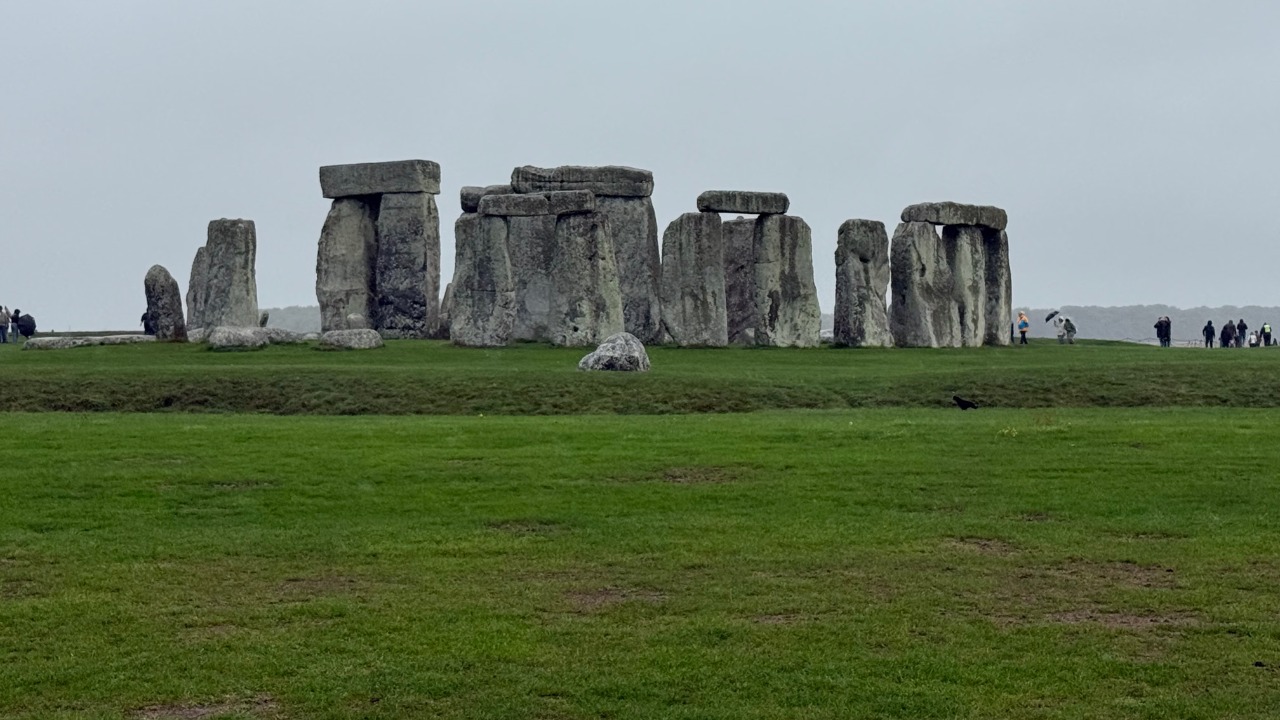
History.com says Stonehenge’s religious, ceremonial and astronomical roles are still unclear, noting that its other secrets remain stubbornly elusive. The claim is about function, not about whether the monument was built by people, according to History.com’s unsolved mysteries feature.
No single use can be presented as established. Competing explanations remain open, and the source does not rank them or name a leading one. The uncertainty covers the monument’s use over time, not just a single period.
3. Nazca Lines: Lines Without A Reason
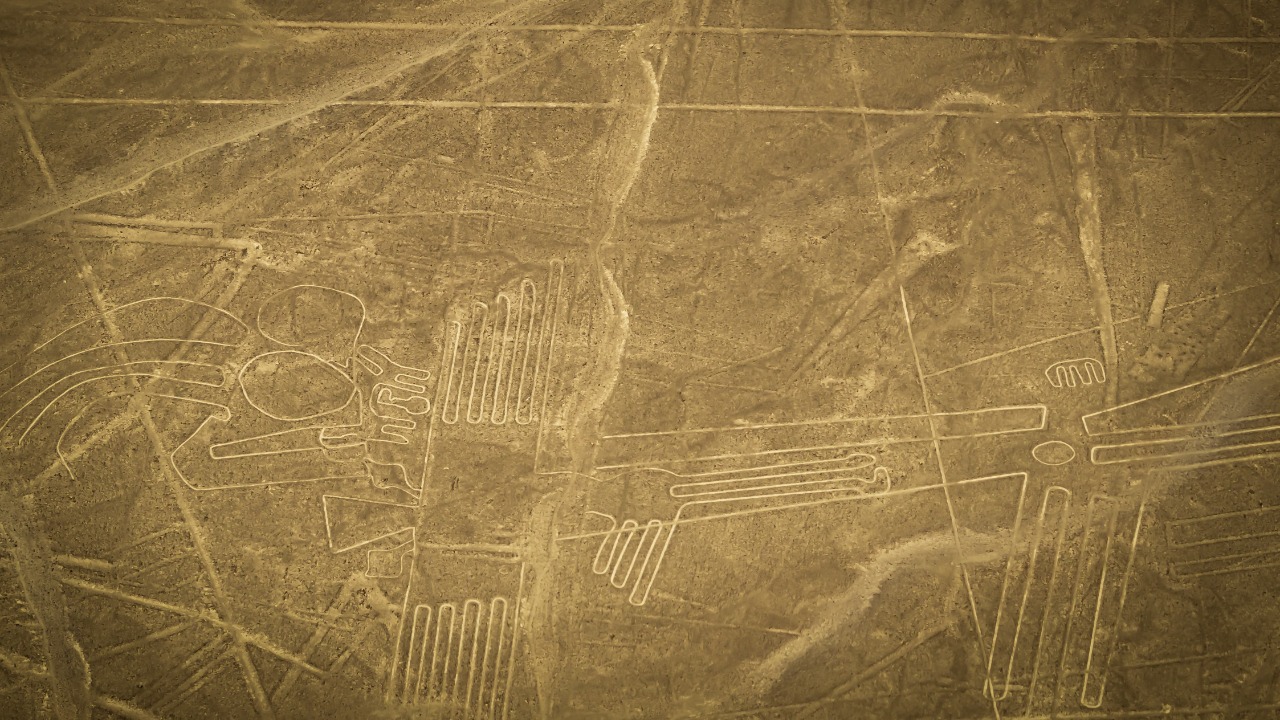
The giant geoglyphs in Peru are a standing puzzle. According to the Nazca Lines overview, researchers still do not understand their purpose, despite the figures being visible and well documented.
The source stops at that admission. It offers no confirmed explanation for why the designs were made, so any single account of their meaning should be treated as a proposal rather than a finding. The designs themselves are not in doubt, only the reason they were made.
4. Sacsayhuamán: Stones Moved Somehow
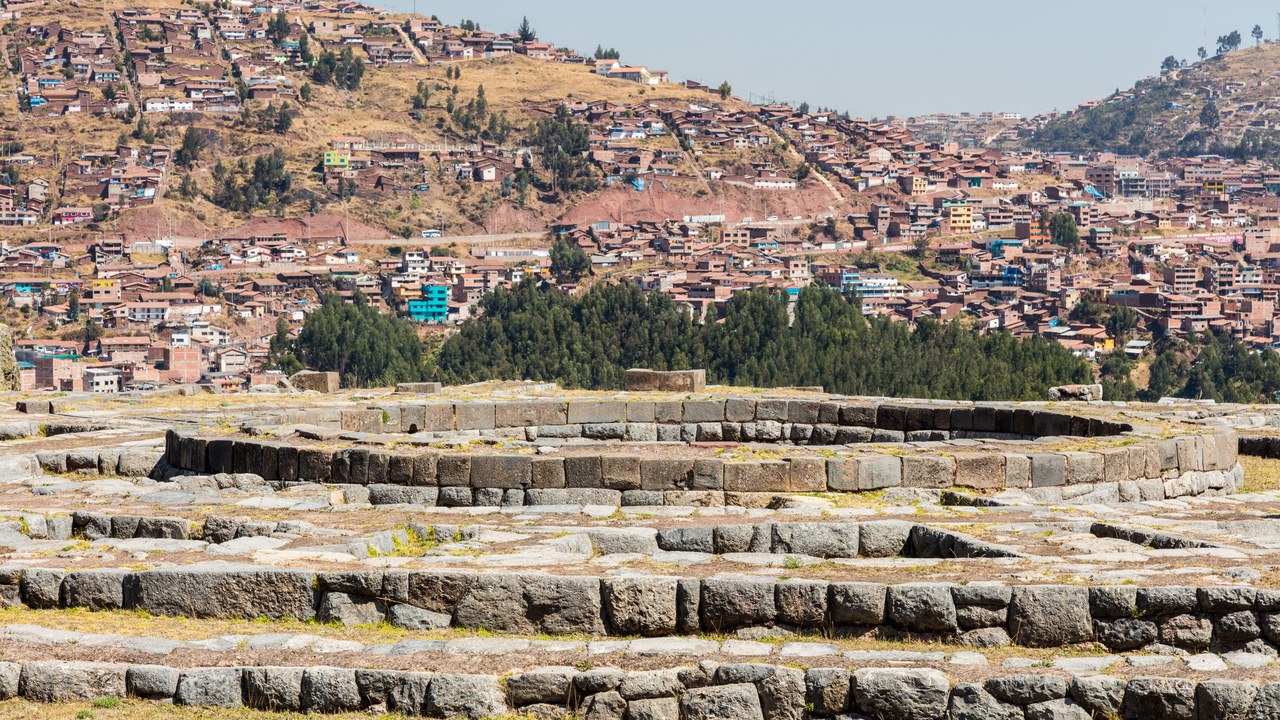
At Sacsayhuaman, the the History.com mysteries page says Inca laborers somehow moved enormous rocks into place. The wording points to the construction methods as the unexplained part.
How the stones were transported and fitted is not fully explained, according to that account. The source does not credit anyone but the Inca builders, and the gap concerns technique, not authorship. Specific techniques are not named in the passage, which is why the question stays open.
5. Yonaguni Monument: Ruins Or Rock
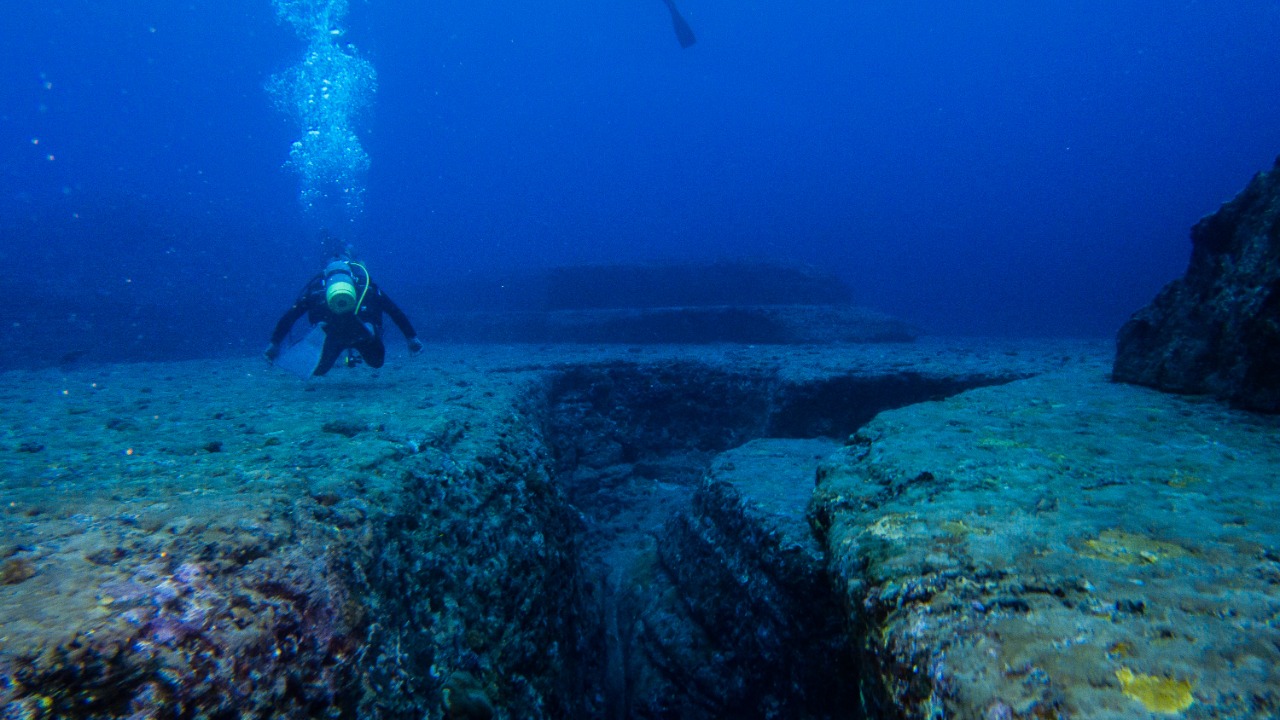
Off Japan, the Yonaguni Monument divides opinion. Scholars disagree on whether the underwater formation is ancient ruins, and History.com’s Yonaguni coverage notes that some contend it is a curious natural phenomenon.
That disagreement is the whole story so far. The source does not settle whether people shaped the rock, so describing it as a confirmed ancient structure would go further than the evidence cited. Until that is resolved, the formation sits in a category of its own as a contested site.
6. Pumapunku: Millimeter Precision, Unknown Method
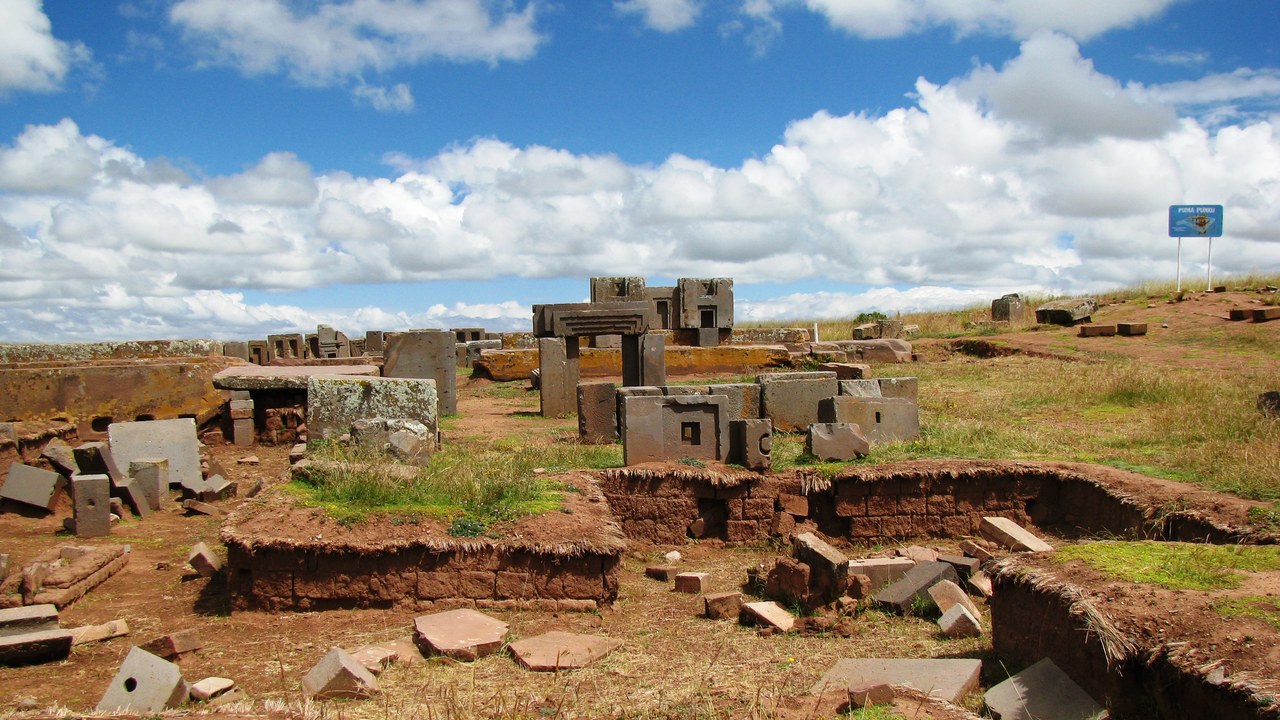
The H-shaped blocks at Pumapunku are finished to about 0.04 inches in places, and the largest is 24.6 feet long, per History.com on Pumapunku.
The source says the uncertainty is not whether people could do it but the exact combination of labor, road preparation and equipment used. It frames the open question as one of method, not capability. The dimensions themselves are reported as measurements, which keeps the unknown narrowly defined.
7. Baalbek: The Block Too Big To Move
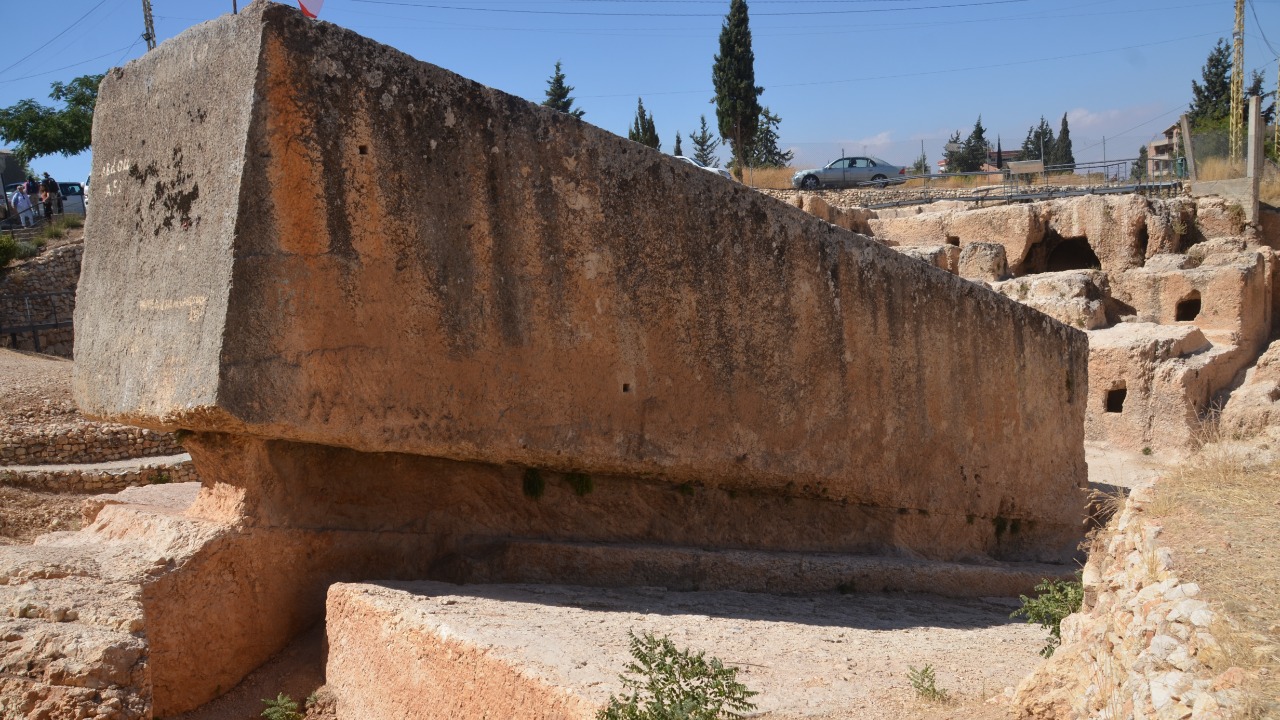
An unfinished quarry block at Baalbek measures 64 by 19.6 by 18 feet and weighs an estimated 1,650 tons, according to Smithsonian on Baalbek. The report calls it much too massive to transport.
The block was left in the quarry, so it shows the scale of the ambition rather than how finished stones were moved. The source does not explain how comparable blocks elsewhere at the site were handled. The size figure is an estimate, and the source presents it as such rather than as a weighed result.
8. Easter Island moai: Hundreds Of Statues
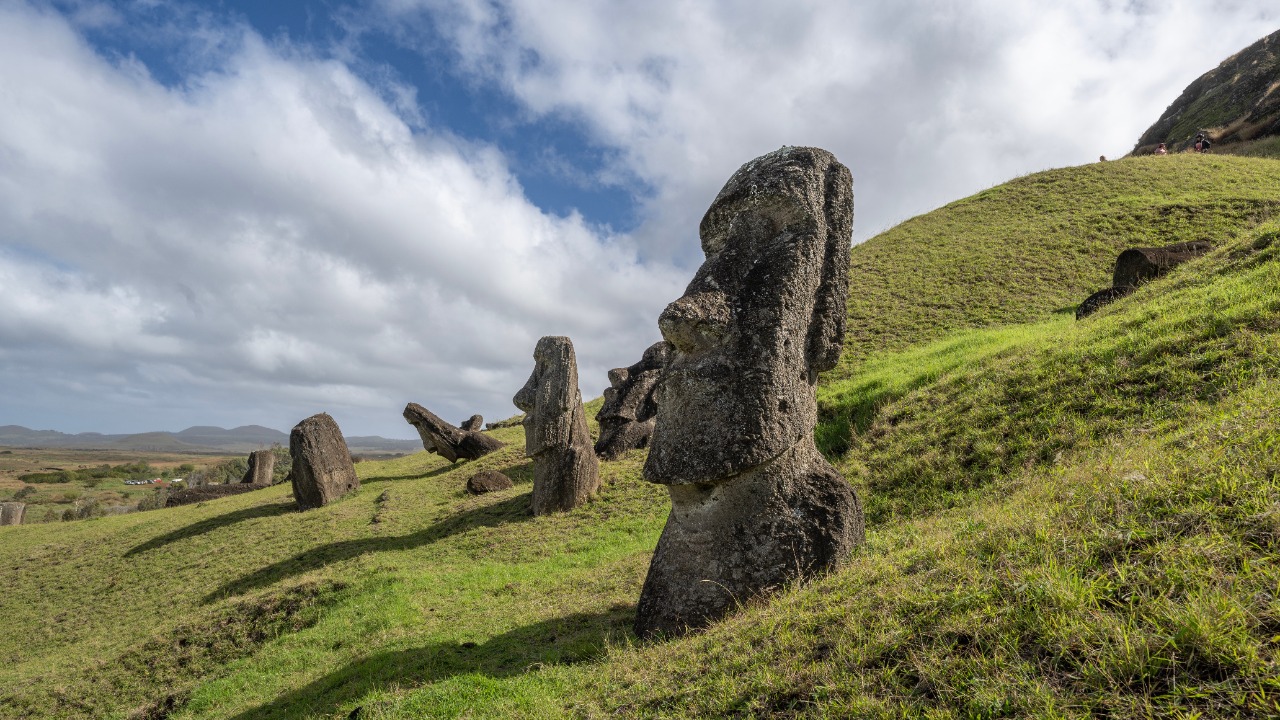
UNESCO estimates about 900 statues on Easter Island, ranging from 2 m to 20 m tall and carved with basalt picks. The statement appears in the UNESCO’s Rapa Nui listing.
UNESCO also calls the island a repository of answers far from being revealed. That phrasing signals that major questions remain open, though the listing summary does not spell out which ones. Both the figures and the quoted phrase come from the same UNESCO listing.
9. Teotihuacan: A City Burned And Left
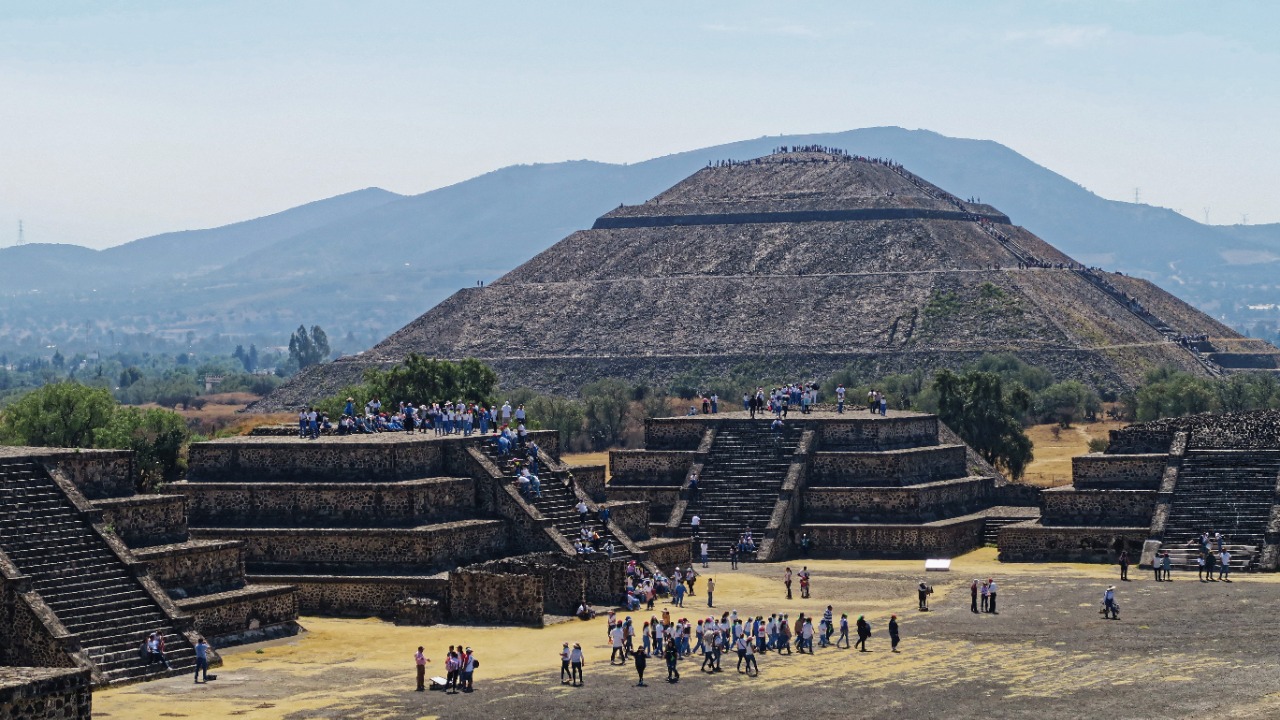
Teotihuacan covered about 36 km2 and held at least 25,000 people, UNESCO states. The Pyramid of the Sun stands about 75 meters high. The city was razed by fire and abandoned in the 7th century, per the UNESCO’s Teotihuacan listing.
The listing records the destruction and abandonment but, in the passage used here, gives no cause. Who set the fire or why people left is not answered by that summary. The size and population figures describe the city at its height, not its final years.
10. Great Zimbabwe: Abandoned Around 1450
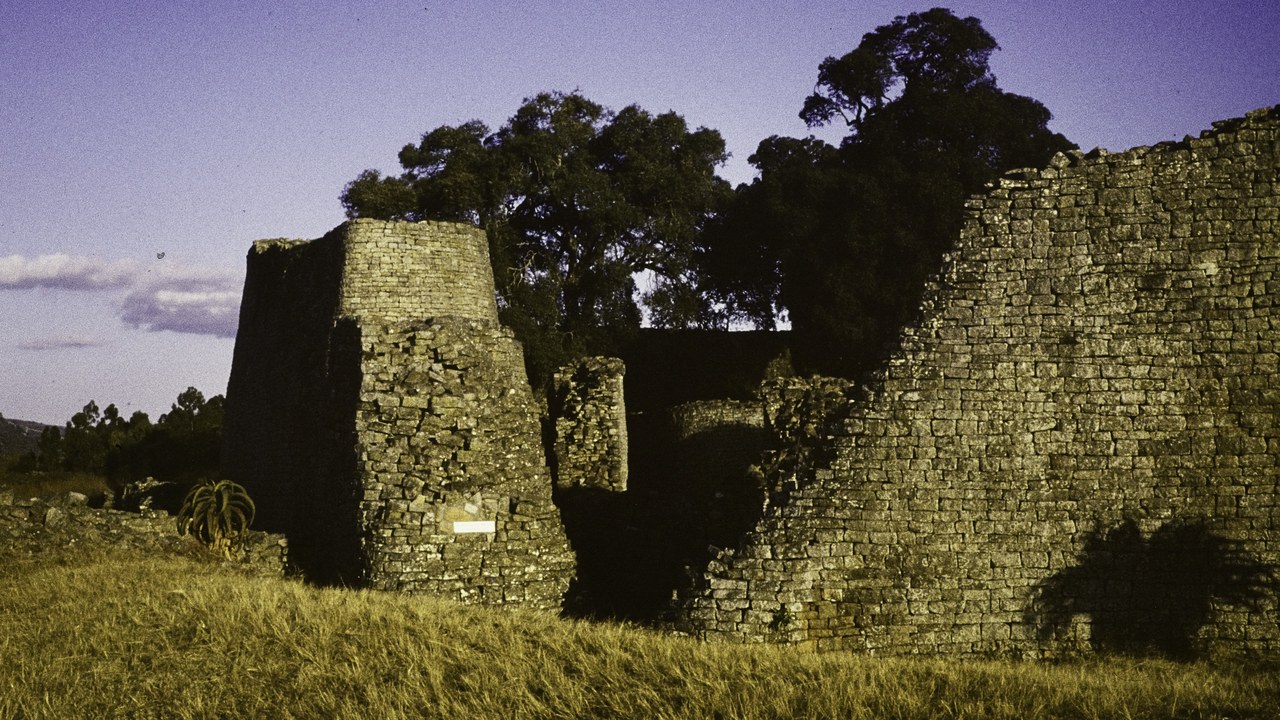
UNESCO says the capital was abandoned about 1450 because the hinterland could no longer feed the overpopulated city. Its Great Enclosure is cut granite laid in regular courses, as described in the UNESCO on Great Zimbabwe.
The same listing notes persistent legends of a Biblical origin. Those legends are presented as stories attached to the site, not as an alternative account of who built it, and the source does not endorse them. Both the abandonment date and the legends come from the same UNESCO listing.
11. Newgrange: Europe’s Megalithic Art
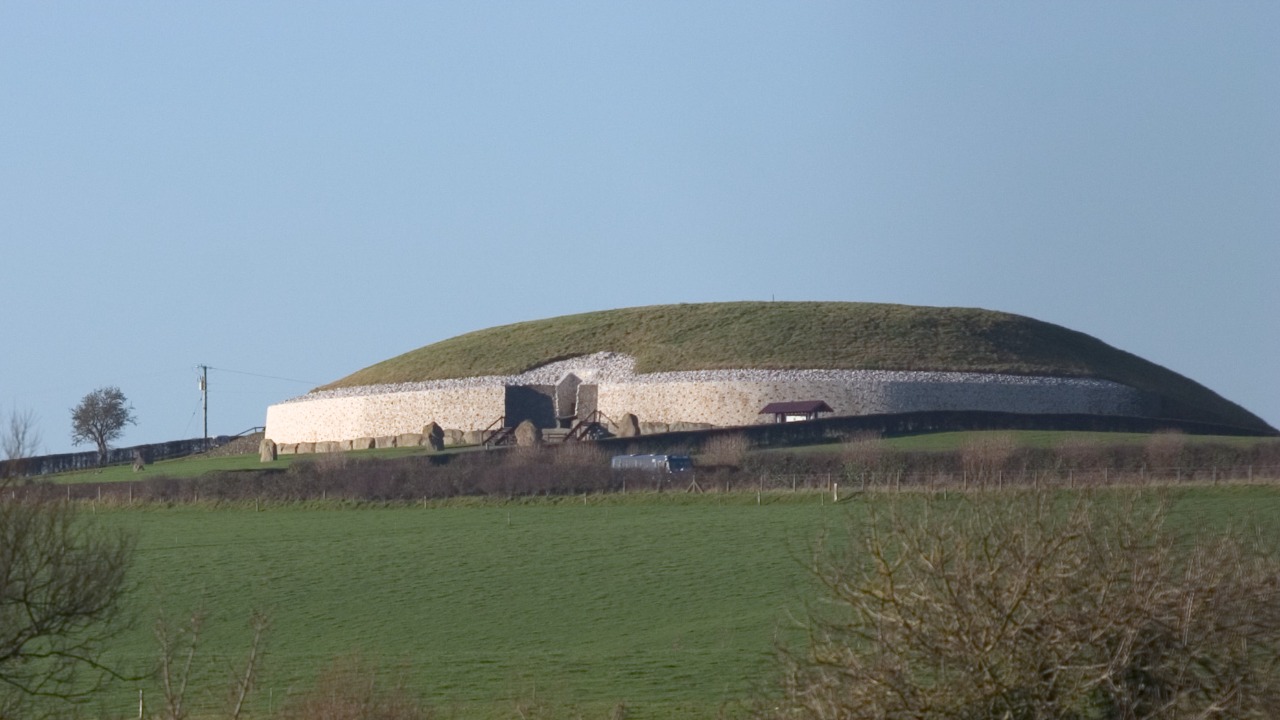
UNESCO calls the Bru na Boinne complex Europe’s largest and most important concentration of prehistoric megalithic art in its UNESCO’s Newgrange entry.
That is a statement about scale and significance, not an unsolved puzzle in the source itself. The listing summary used here does not say what the carvings mean, so their purpose remains unaddressed. The claim is a ranking of concentration, and no other site is compared in that wording.
12. Derinkuyu underground city: Towns Under The Ground
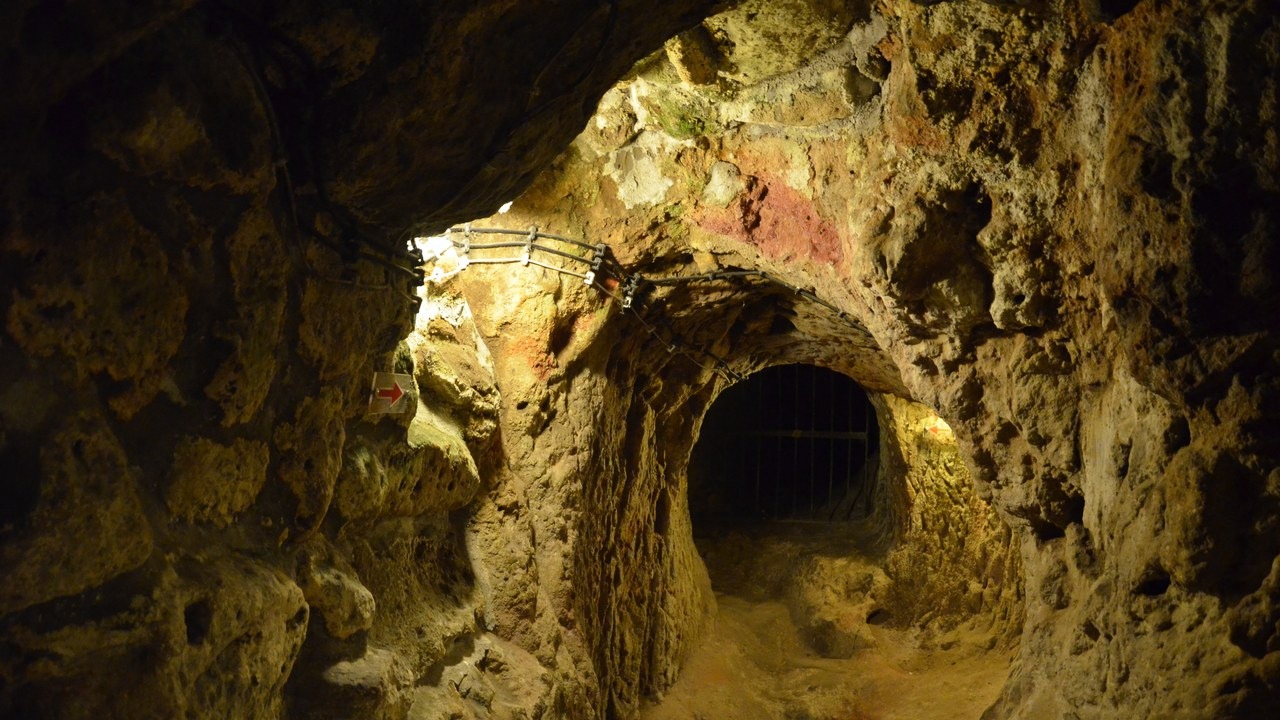
UNESCO’s Cappadocia entry names dwellings, troglodyte villages and underground towns, including Kaymakli and Derinkuyu, that served as places of refuge. The wording appears in the UNESCO’s Cappadocia listing.
The listing describes their use as refuge but gives no detail here on exactly who dug them or when. Those specifics are not in the passage cited, so they are left unstated. That keeps the claim modest, since refuge is a use and not a date or a builder.
More from Morning Overview
- Shaq spent $1.3 million on three Rolls-Royce Phantoms to prove a point to a salesman
- The Justice Department asked courts to undo approvals for three offshore wind farms, one already making power
- Over 20 trillion gallons of rain fell on the Four Corners states and Nevada in two weeks
- 11 engines built to run well past 200,000 miles
