
Invasive species have quietly reshaped forests, wetlands, and waterways across the United States, arriving through shipping routes, the pet trade, and ballast water long before most residents noticed. Federal and state agencies now track dozens of non-native organisms that outcompete, prey on, or simply overwhelm the ecosystems they invade. Here are eight invasive species that have become established in American landscapes and continue to spread.
1. Spotted lanternfly: A Hitchhiking Vineyard Threat
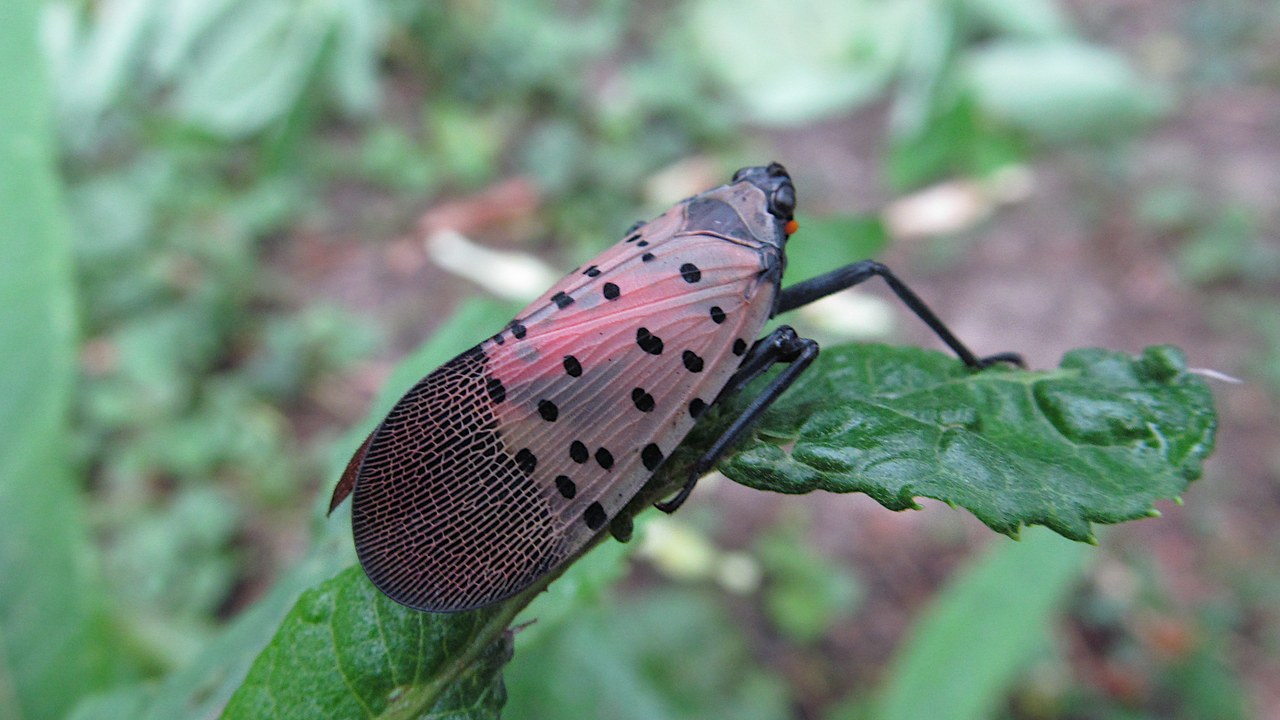
The spotted lanternfly, a plant-hopping insect native to East Asia, spreads mainly by laying egg masses on vehicles, pallets, and outdoor furniture, letting clutches travel hundreds of miles before hatching. Once established, it feeds on sap from grapevines, maples, and other hardwoods, weakening plants through repeated feeding and leaving a sticky residue that promotes mold. Federal agriculture officials have tracked it swarming across eastern states, coating trunks, vineyard rows, and porches in dense clusters.
Vineyard and orchard owners bear much of the economic burden, since heavy infestations can stunt fruit production and force costly removal of host trees. Agriculture agencies run reporting and monitoring programs to track its spread, since new populations often start small and go unnoticed until numbers swell.
2. Burmese python: The Everglades’ Apex Invader
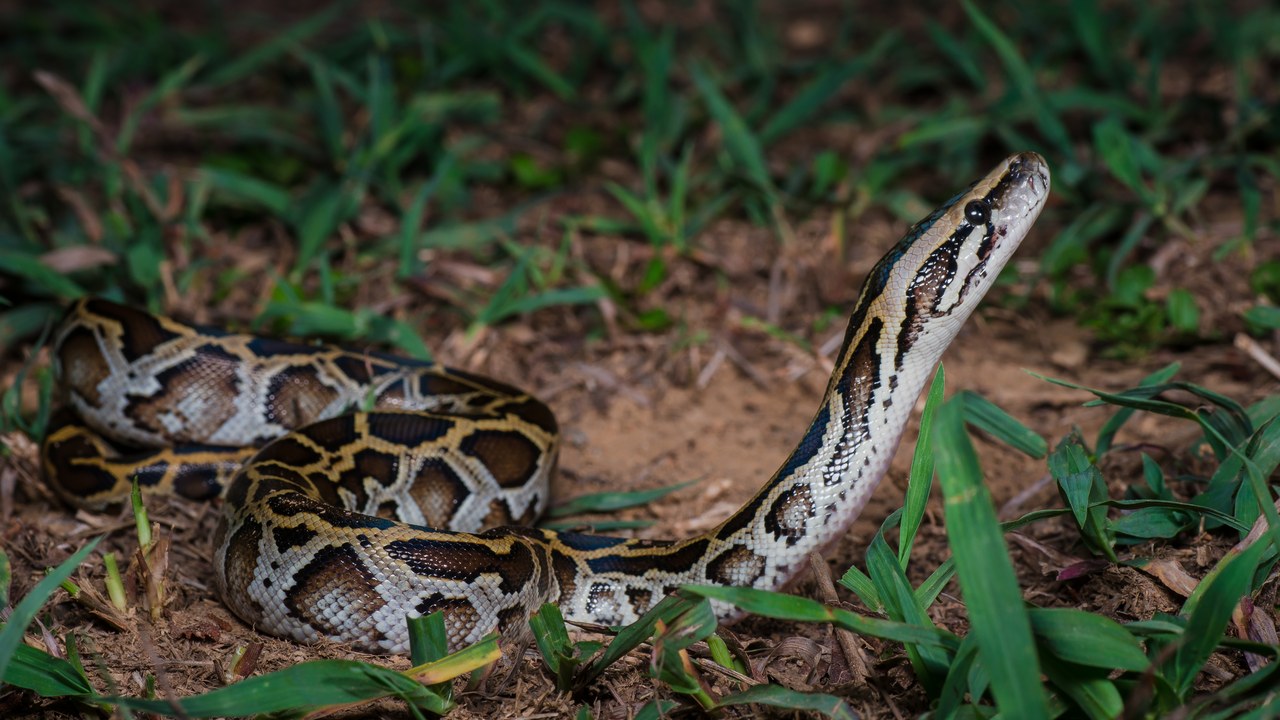
The Burmese python, originally from Southeast Asia, established itself in South Florida after escaped and released pets bred successfully in the warm, swampy terrain of the Everglades. Adult constrictors grow long enough to overpower raccoons, deer, and even alligators, and their diet has pushed several native mammal populations into steep decline across the wetlands they occupy. Wildlife researchers consider the snake one of the most difficult invasive predators to manage anywhere in the country.
Dense saw grass and mangrove cover make the snakes difficult to spot even when they grow to imposing lengths, complicating any effort to slow their advance. State wildlife agencies run permitted removal and reporting programs aimed at limiting further spread through the wetland ecosystem.
3. Lionfish: A Venomous Reef Invader
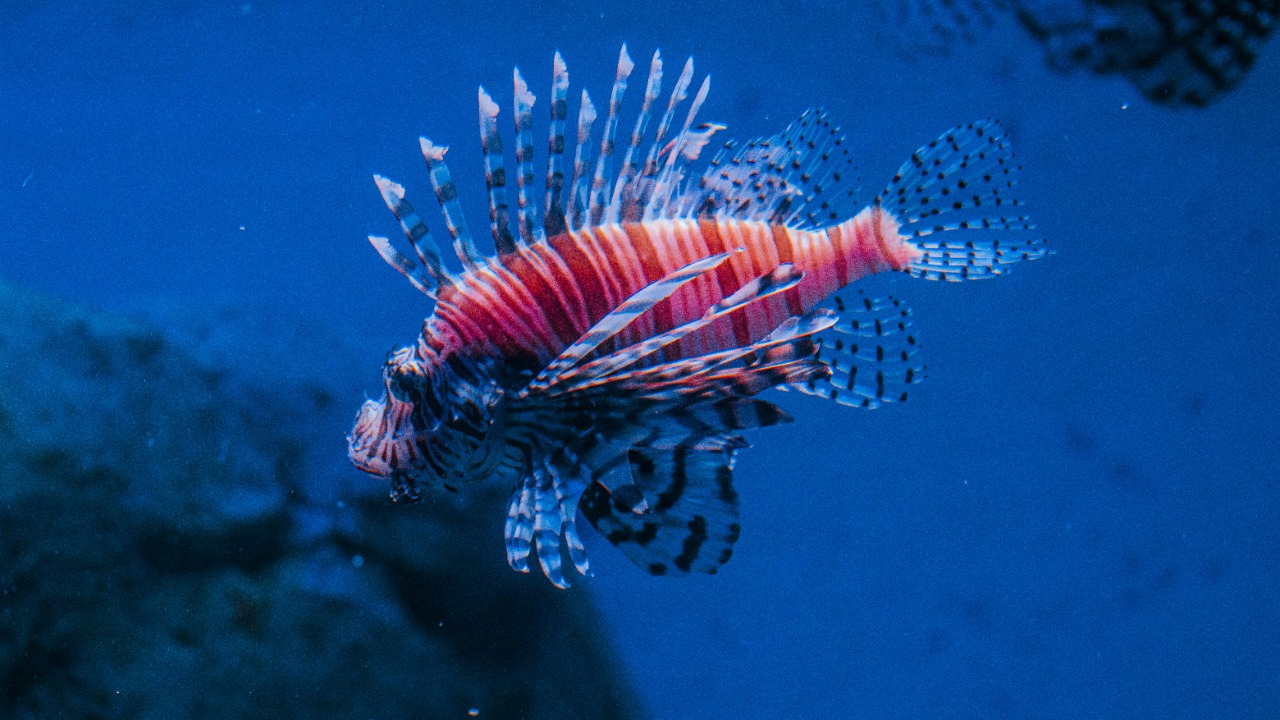
The lionfish, a venomous reef species native to the Indo-Pacific, is believed to have entered Atlantic waters through aquarium releases before establishing itself along reefs from the Southeast coast through the Caribbean. It has no natural predators in these waters and reproduces year-round, allowing populations to expand quickly across reef systems already under pressure. Marine biologists have documented the fish consuming juvenile snapper, grouper, and other commercially important species in large quantities.
That appetite has reshaped reef food webs, since lionfish outcompete native predators for the same small fish and crustaceans that anchor the ecosystem. Its venomous spines also complicate control efforts, since handling live specimens carries real risk to divers and researchers alike.
4. Silver carp: The Leaping River Invader
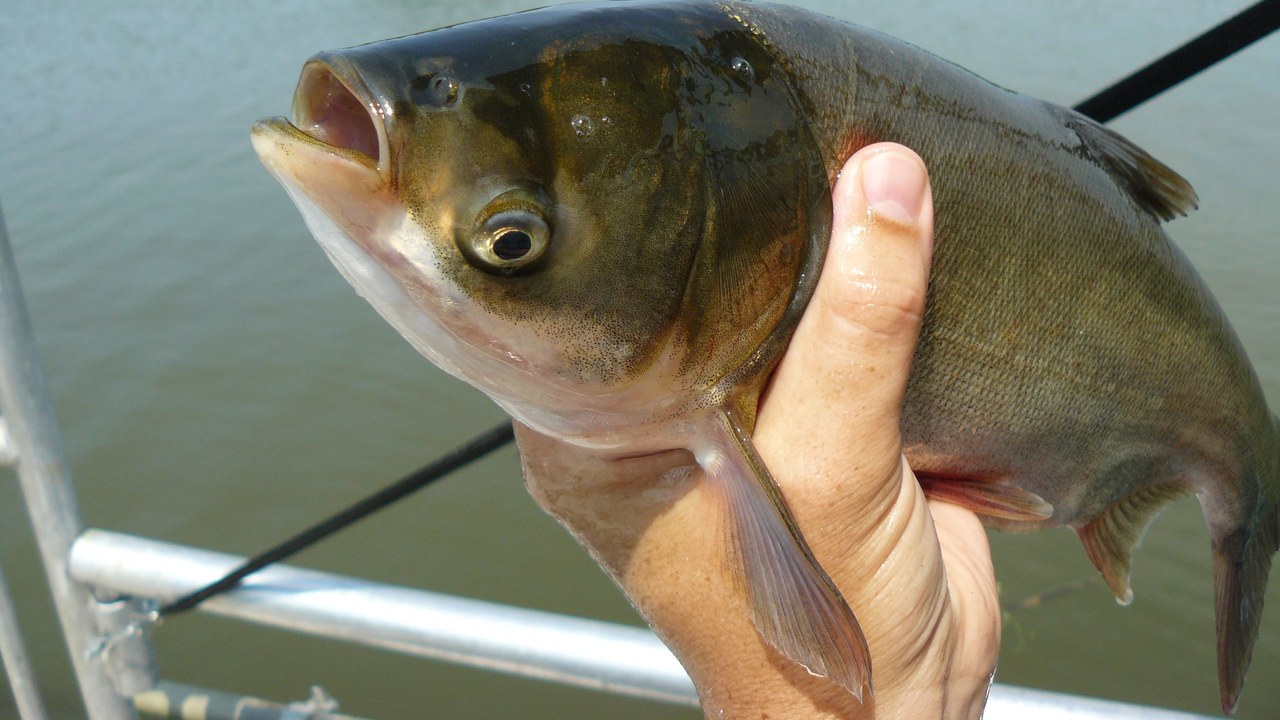
The silver carp, a filter-feeding fish native to East Asia, escaped and spread from Southern aquaculture ponds into the Mississippi River system, where connected waterways let it migrate upstream over decades. The species is known for leaping several feet out of the water when startled by boat motors, a behavior that has injured boaters on heavily infested stretches of river. Fisheries biologists have watched it push steadily toward the Great Lakes basin.
Because it filters enormous volumes of plankton from the water, the carp competes directly with native fish larvae and mussels that depend on the same food source. Federal and state agencies have built underwater barriers and run monitoring programs to slow its advance toward the Great Lakes.
5. Emerald ash borer: The Beetle Killing Ash Trees
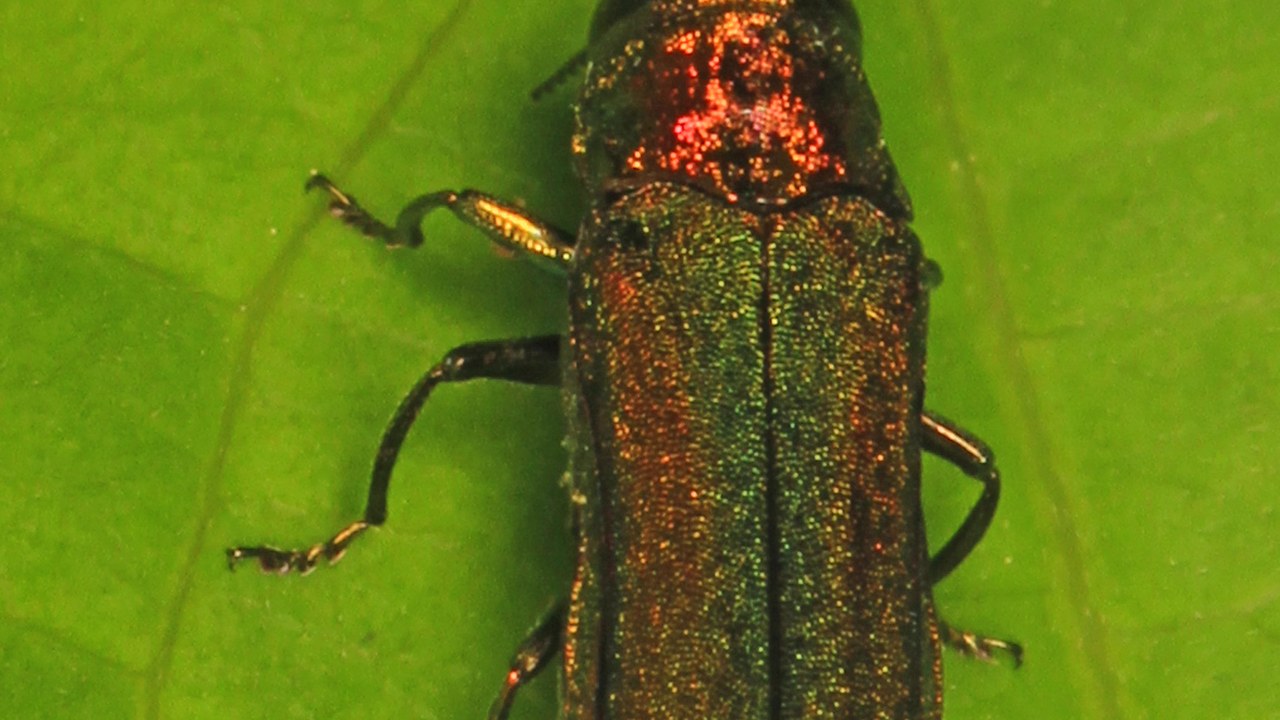
The emerald ash borer, a metallic green beetle native to Asia, most often spreads when people move infested firewood or nursery stock between states, carrying larvae hidden beneath the bark. Once inside a tree, larvae tunnel through the wood in winding galleries that cut off the flow of water and nutrients, killing healthy ash trees within a few years of infestation. Forestry researchers attribute the deaths of millions of ash trees to the beetle since its arrival.
The die-off has reshaped forests and urban tree canopies alike, forcing municipalities to remove dead ash trees before they become safety hazards along streets and trails. State agriculture departments restrict firewood movement in an effort to slow the beetle’s spread into new forests.
6. Nutria: A Wetland-Chewing Rodent On The Move
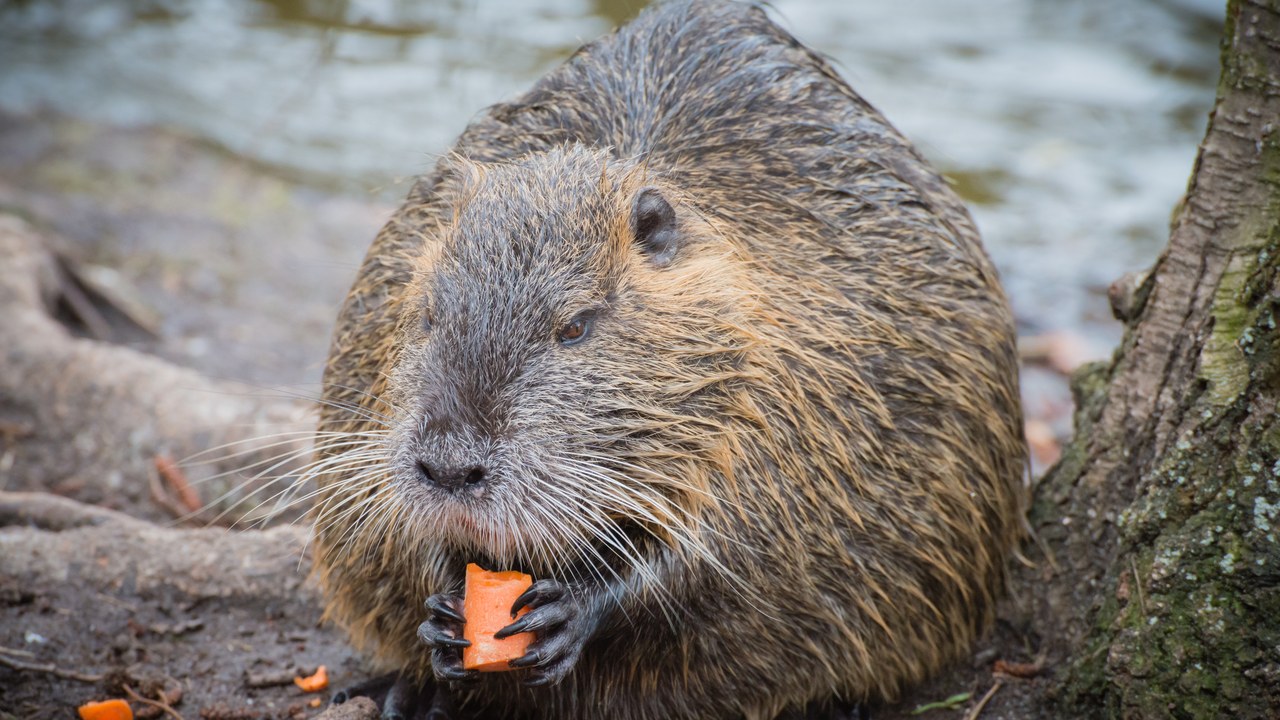
The nutria, a large semi-aquatic rodent native to South America, arrived in the United States through fur farms, and animals that escaped or were released established wild populations across southern wetlands. Colonies feed heavily on marsh grasses and root systems, stripping vegetation down to bare mud and accelerating erosion in coastal wetlands already stressed by rising water. Wildlife agencies have linked extensive marsh loss along the Gulf Coast to sustained nutria feeding.
That vegetation loss leaves fewer natural buffers against storm surge and saltwater intrusion, compounding damage in areas that already face significant land loss. State and federal programs now monitor nutria populations and run control efforts in the hardest-hit wetlands.
7. Zebra mussel: Tiny Mollusk, Massive Clog
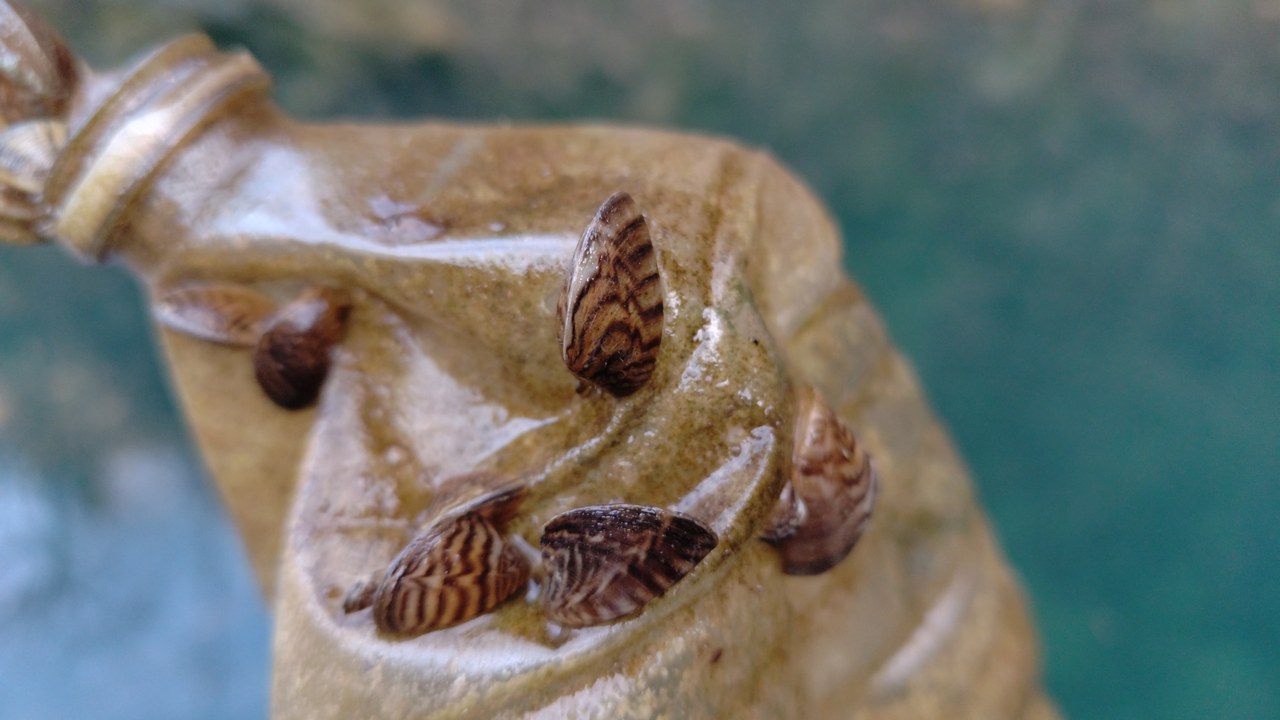
The zebra mussel, a small striped mollusk native to Eastern Europe, arrived in ballast water discharged from cargo ships and spread rapidly once its free-floating larvae drifted through connected waterways. Dense colonies attach to any hard surface, including water intake pipes, boat hulls, and docks, and heavy encrustation can restrict water flow enough to shut down municipal and industrial systems. Great Lakes researchers have tracked its spread through the region’s rivers and canals.
The mussels also filter enormous amounts of plankton from the water, removing a food source that native fish and mussels rely on to survive. Water utilities and shipping operators run ongoing monitoring and cleaning programs to keep pipes and hulls clear.
8. Joro spider: A Golden Web Spinner Spreading North

The Joro spider, a large golden orb-weaver native to East Asia, is believed to have arrived in shipping containers before spreading on its own through a behavior called ballooning, in which spiderlings drift on silk threads carried by wind. The species builds dense, layered webs across yards, power lines, and porches, and its size and bright coloring make it a conspicuous presence wherever it settles. Entomologists have watched its range expand steadily through the Southeast.
Researchers are still studying how the spider affects native web-builders that compete for the same insect prey and nesting sites. State agriculture extensions field frequent public questions about the species as its webs become a more common sight each season.
More from Morning Overview
- The NSA warns one messaging setting can clone your texts to a stranger
- Security experts still urge phone owners to switch off one location-tracking setting
- Automakers are quietly dropping the stop-start feature many drivers love to hate
- A granite sarcophagus surfaced in Egypt with its original lid still sealed
