
Astronomers have spent decades building ever-larger instruments to capture more light and probe farther into the cosmos. Some of these instruments sit atop remote mountains, others orbit far above the atmosphere, and one giant dish met a dramatic end after decades of service. Here are nine telescopes that expanded the boundaries of what astronomers can observe.
1. James Webb Space Telescope: Peers Into Cosmic Dawn
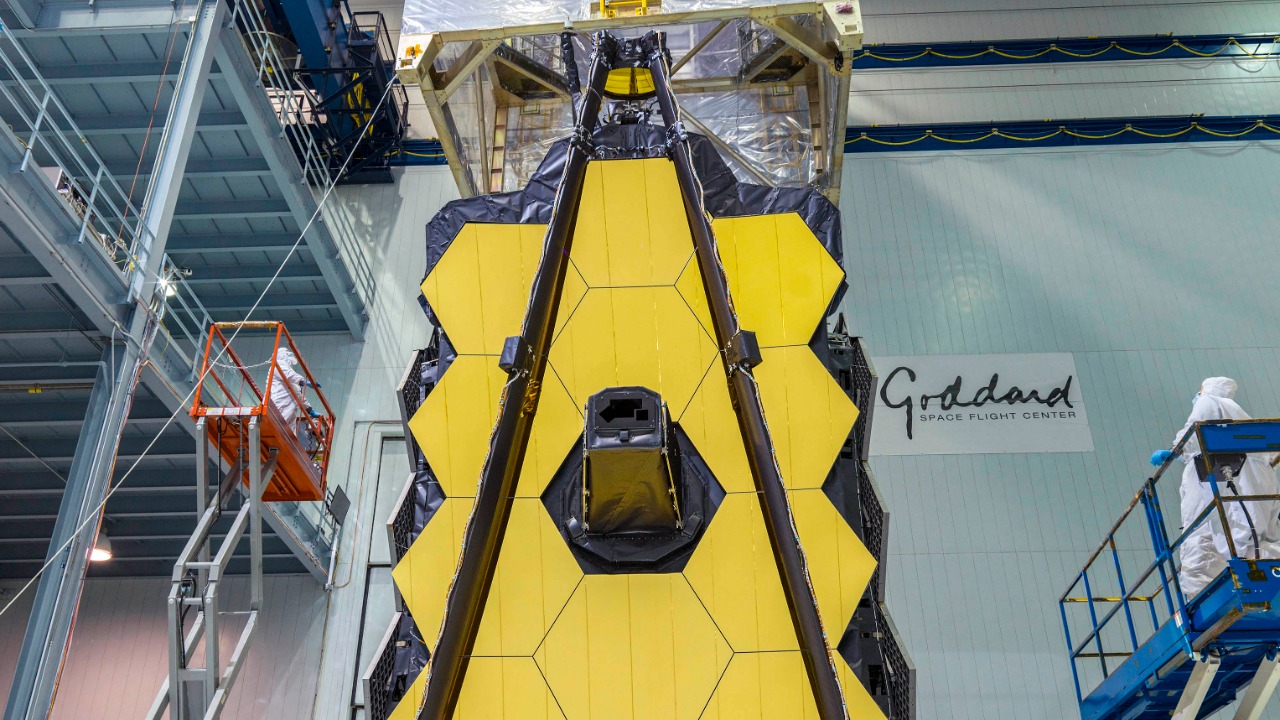
The James Webb Space Telescope carries a 6.5-meter segmented mirror built from eighteen hexagonal gold-coated panels, the largest mirror ever launched into space. Positioned roughly a million miles from Earth at the second Lagrange point, it observes primarily in infrared light, letting it peer through dust clouds and detect galaxies whose light has traveled billions of years to reach it.
The observatory has already found some of the earliest known galaxies, reshaping timelines for how quickly structure formed after the Big Bang. Astronomers also use it to study the atmospheres of distant exoplanets in far greater detail than earlier instruments allowed.
2. Hubble Space Telescope: Three Decades of Discovery
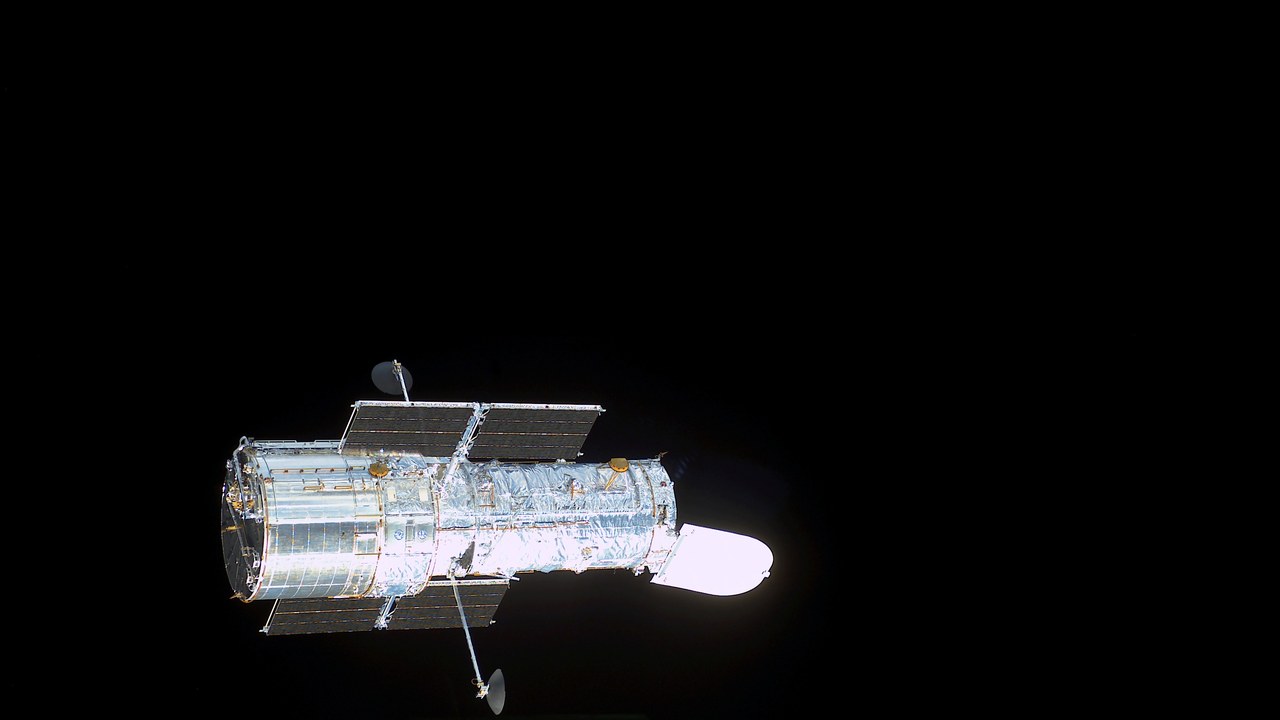
The Hubble Space Telescope launched in 1990 and has orbited roughly 340 miles above Earth ever since, carrying a 2.4-meter primary mirror free from atmospheric blur. Five servicing missions by space shuttle astronauts replaced its instruments and corrected an early flaw in its optics, keeping the observatory sharp well beyond its original planned lifespan.
Its images redefined estimates of the universe’s age and expansion rate and captured some of the most recognizable pictures in astronomy, including deep views packed with thousands of galaxies. Decades later it still operates alongside newer instruments, filling gaps in visible and ultraviolet light that infrared telescopes cannot cover.
3. Very Large Telescope: Four Mirrors, One Powerful Eye
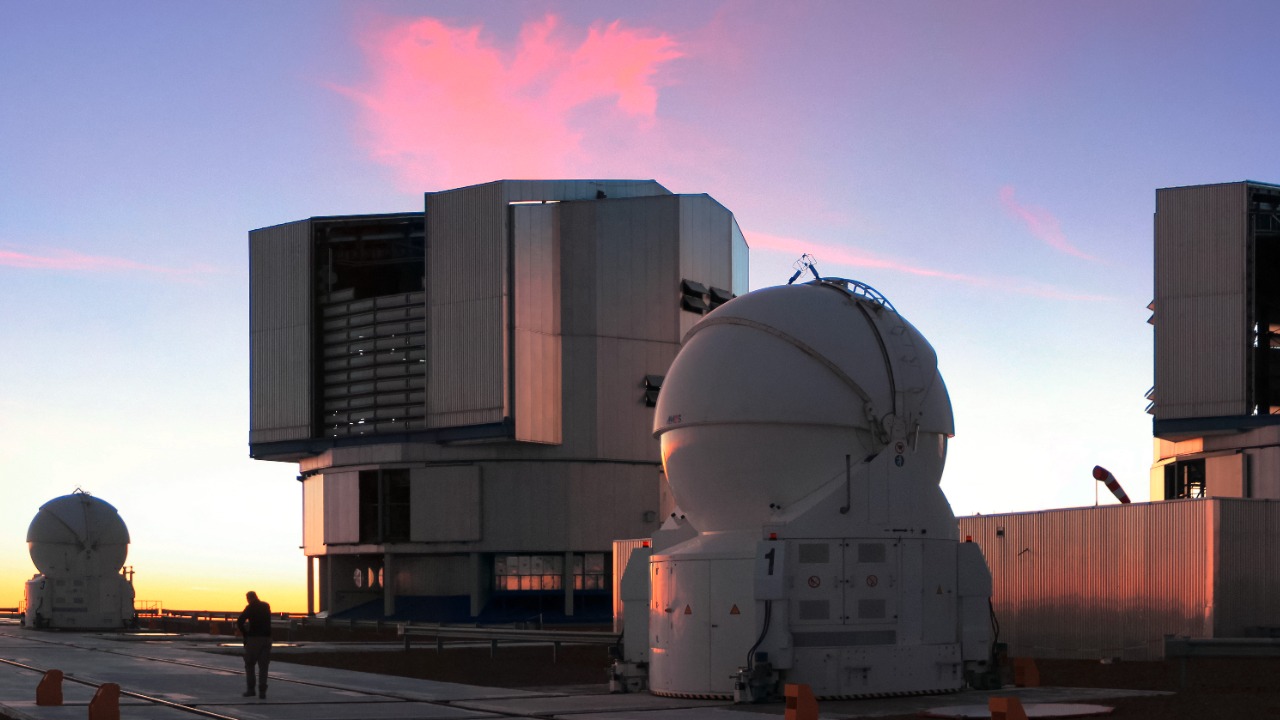
The European Southern Observatory’s Very Large Telescope sits atop Cerro Paranal in Chile’s Atacama Desert, where four separate 8.2-meter Unit Telescopes can operate individually or combine their light through interferometry. The extreme altitude and dry air there give it some of the clearest, most stable skies used for ground-based astronomy anywhere on Earth.
Combining the light from all four units lets astronomers resolve details finer than any single mirror could manage on its own, an approach that has captured direct images of planets orbiting other stars. The same technique has tracked individual stars swinging around the supermassive black hole at the center of the Milky Way.
4. Extremely Large Telescope: The Next Giant, Still Rising
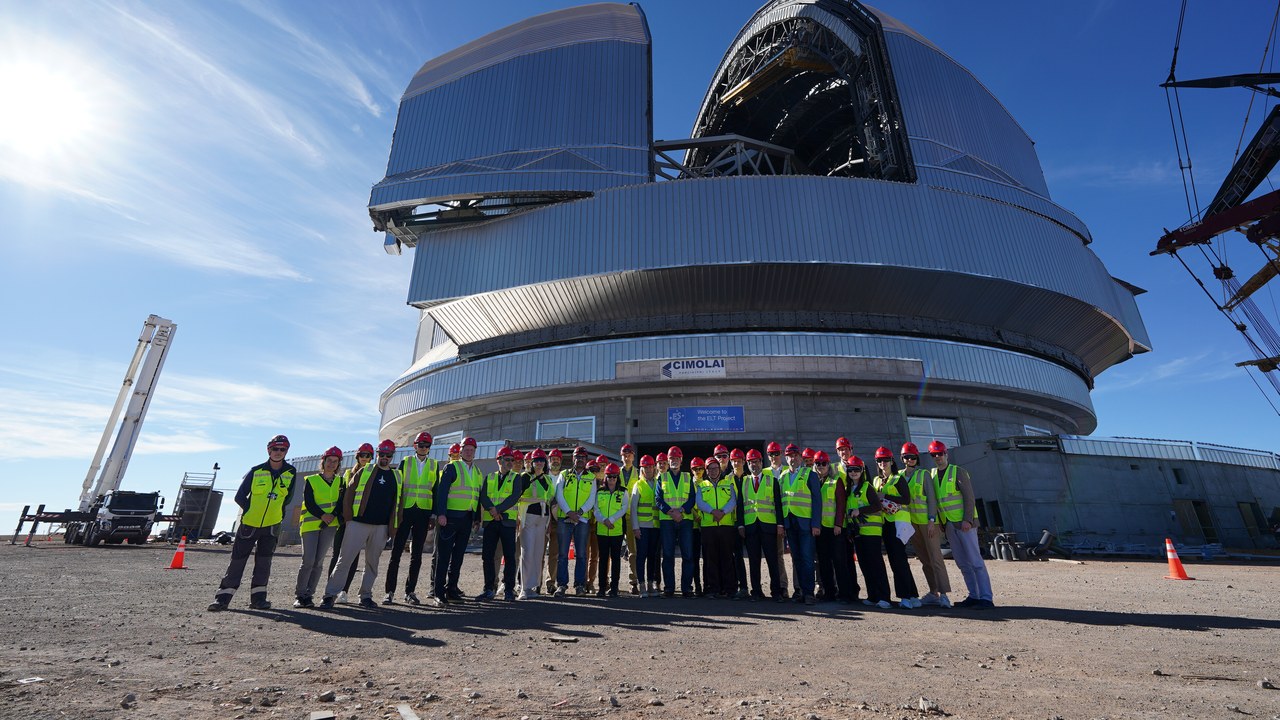
The European Southern Observatory’s Extremely Large Telescope is under construction atop Cerro Armazones in Chile, where crews are assembling a segmented primary mirror roughly 39 meters across from hundreds of individual hexagonal panels. When completed, it is designed to be the largest optical and infrared telescope on the planet.
Once operational, its enormous light-gathering surface is expected to resolve details of exoplanet atmospheres and distant galaxies far beyond the reach of current ground-based observatories. The project has faced years of delays and rising costs, and first light is still some years away.
5. Gran Telescopio Canarias: One of the Largest Single Mirrors
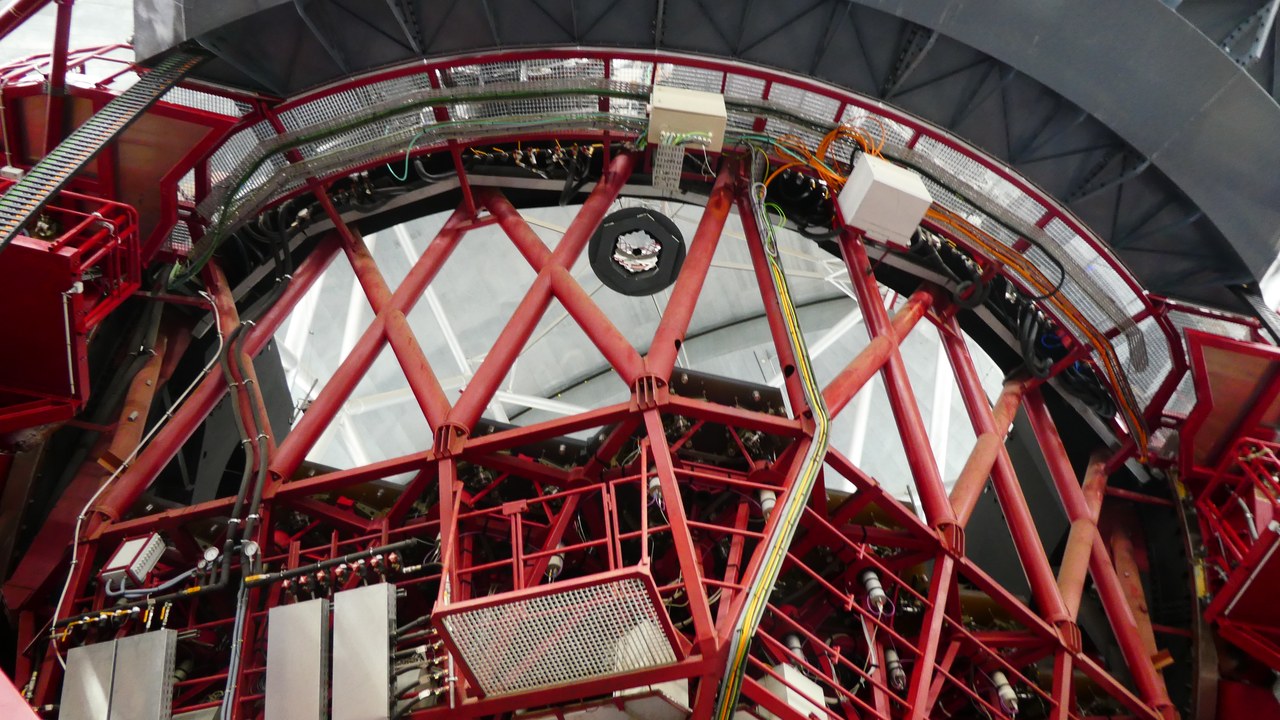
The Gran Telescopio Canarias sits atop a volcanic peak on La Palma in Spain’s Canary Islands, where it opened in 2009 with a segmented primary mirror spanning roughly 10.4 meters. That makes it one of the largest single optical telescopes in the world, assembled from dozens of hexagonal segments acting as one surface.
Its high, dry perch above most of the atmosphere gives it a clear view for spotting faint, distant galaxies and studying exploding stars. The site’s isolation and dark skies have made it a favored location for European astronomers for decades.
6. Keck Observatory: Twin Eyes on Mauna Kea
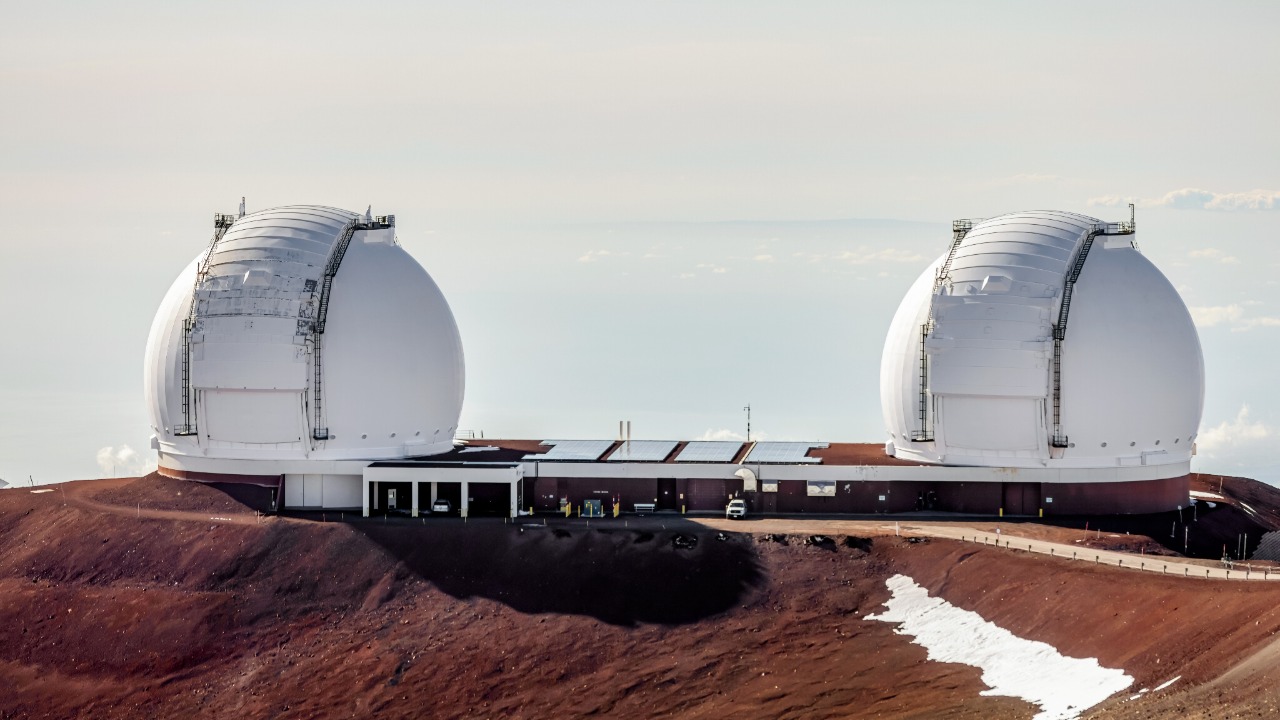
The Keck Observatory houses twin ten-meter telescopes atop Mauna Kea in Hawaii, each fitted with a segmented mirror and adaptive optics that correct for the blurring effects of Earth’s atmosphere in real time. The pair opened in the early 1990s and can work together to sharpen the fine detail each single dish can capture alone.
Its sharp images have helped researchers resolve individual stars swirling close to the Milky Way’s crowded core and track faint, fast-moving objects such as comets and asteroids passing near Earth. Astronomers still book time on both telescopes for projects ranging from exoplanet searches to distant supernova studies.
7. Atacama Large Millimeter Array: Dozens of Dishes, One Cosmic Ear
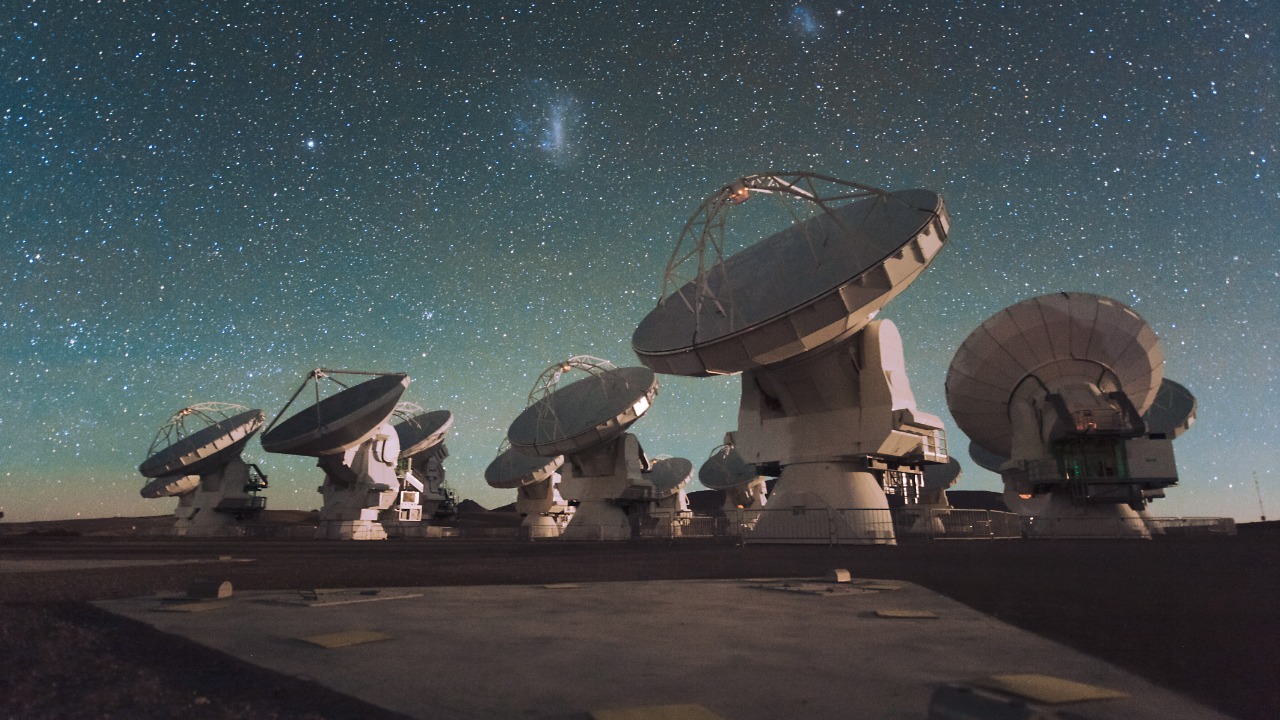
The Atacama Large Millimeter Array spreads 66 linked antenna dishes across the high, dry Chajnantor plateau in northern Chile, more than 16,000 feet above sea level. Rather than visible light, it detects millimeter and submillimeter wavelengths given off by cold gas and dust, radiation invisible to ordinary optical telescopes.
Its dishes can spread across distances up to several miles and combine signals to reveal the faint glow of planet-forming disks swirling around young stars. That sensitivity has let astronomers trace the earliest steps of star and planet formation in clouds too cold and dark to see any other way.
8. Arecibo Telescope: A Legendary Dish, Silenced

The Arecibo Telescope was built into a natural limestone sinkhole in Puerto Rico and opened in 1963 with a fixed 305-meter dish, making it one of the largest radio telescopes ever built. For decades it tracked near-Earth asteroids, mapped planetary surfaces with radar, and searched the sky for signals as part of early efforts in radio astronomy.
Years of deferred maintenance and hurricane damage weakened its support cables, and in December 2020 the platform suspended above the dish crashed down, destroying the telescope beyond repair. The collapse ended one of radio astronomy’s longest-running instruments and left a permanent gap in the network of dishes able to track hazardous asteroids.
9. Vera C. Rubin Observatory: Ready to Scan the Whole Sky
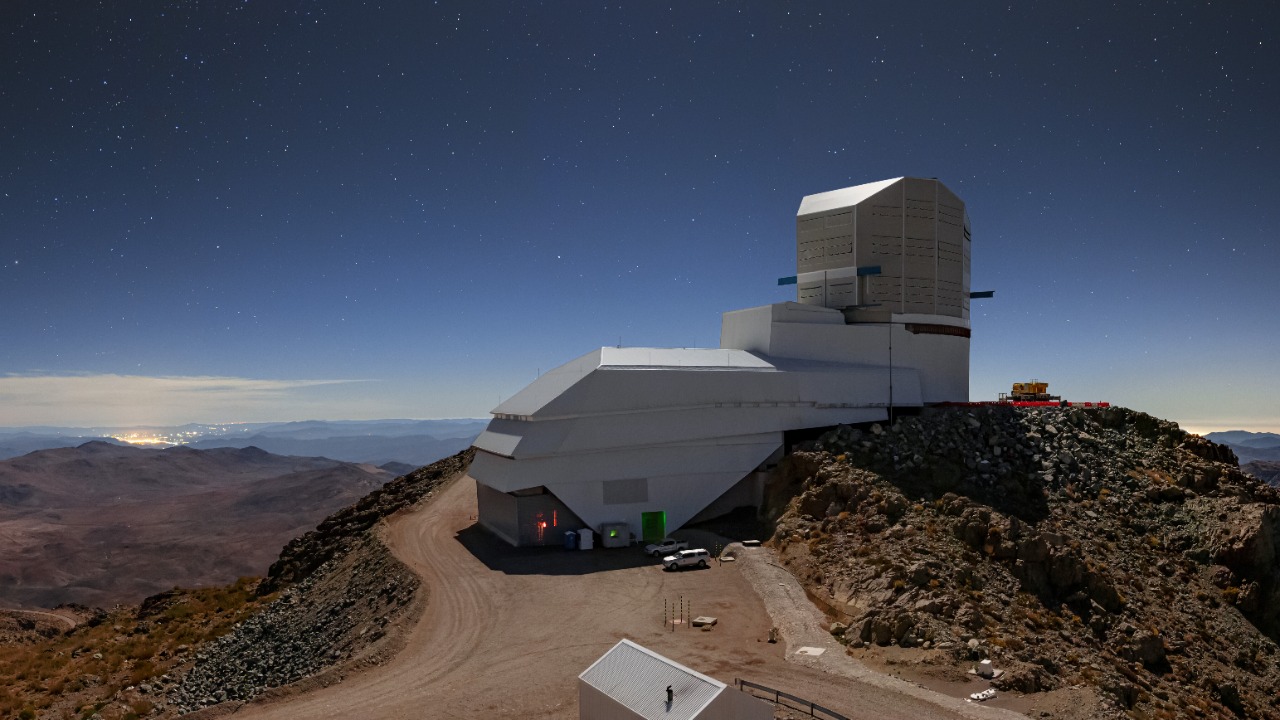
The Vera C. Rubin Observatory sits atop Cerro Pachón in Chile and centers on the Simonyi Survey Telescope, built around an 8.4-meter mirror paired with the largest digital camera ever constructed for astronomy. Rather than studying one target at a time, it is designed to photograph the entire visible southern sky repeatedly over a period of years.
That repeated scanning is expected to catalog billions of galaxies and stars while flagging anything that changes or moves between exposures, from exploding supernovae to passing asteroids. Astronomers expect the resulting flood of data to reshape how quickly the field can spot rare or fleeting events across the sky.
More from Morning Overview
- Card skimmers hidden on gas pumps are draining accounts, and there’s a quick way to spot them
- The NSA warns one messaging setting can clone your texts to a stranger
- Security experts still urge phone owners to switch off one location-tracking setting
- Automakers are quietly dropping the stop-start feature many drivers love to hate
