
The United States is home to a range of venomous animals, from rattlesnakes coiled in desert scrub to spiders tucked into woodpiles and garages. Most bites and stings cause pain and swelling rather than death, since antivenom and emergency care are widely available across the country. Here are eight venomous animals whose bites or stings carry the greatest medical risk when left untreated.
1. Eastern diamondback rattlesnake: North America’s Largest Viper
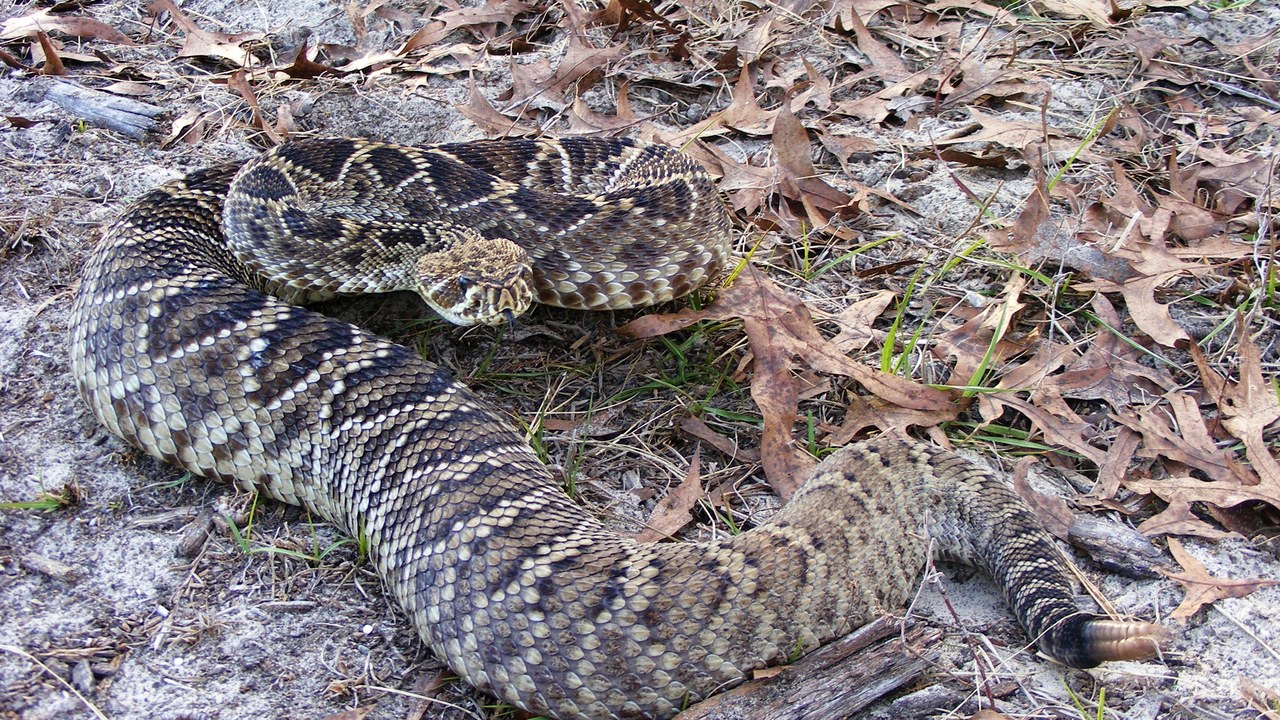
Found across the pine forests and coastal plains of the southeastern United States, the Eastern diamondback rattlesnake is the largest venomous snake on the continent, with adults regularly exceeding five feet in length. Its venom breaks down tissue and disrupts normal blood clotting, and a bite from a large adult delivers a substantial dose.
Fatal bites are rare in the United States because antivenom is widely stocked in hospitals near its range, though treatment can require days in intensive care and large volumes of antivenom to reverse the swelling and clotting problems the venom causes.
2. Mojave rattlesnake: A Neurotoxic Desert Threat
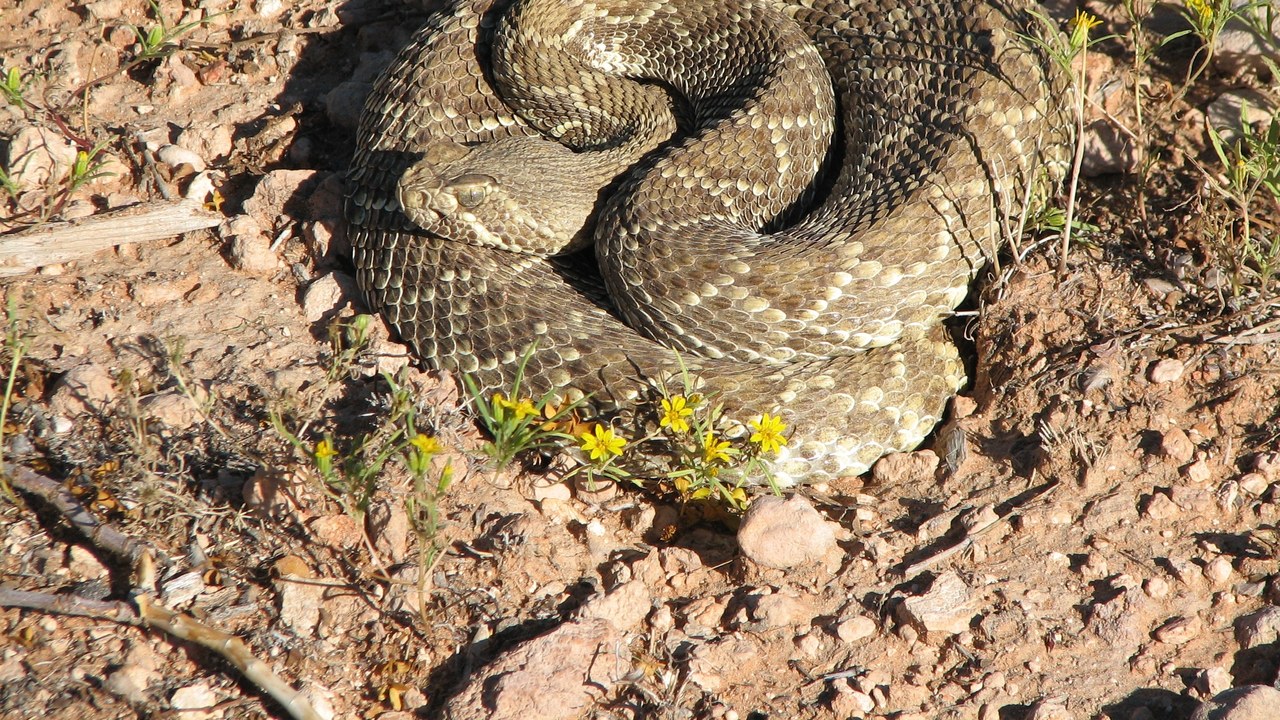
Ranging through the deserts of the American Southwest, the Mojave rattlesnake carries an unusually potent neurotoxic venom that can impair breathing and muscle control in addition to the tissue damage typical of rattlesnake bites. Some populations produce venom with components more commonly seen in coral snakes than other rattlesnakes, which is part of why researchers consider it exceptionally dangerous.
Bites are uncommon because the species tends to avoid humans, and prompt hospital treatment with antivenom manages most cases successfully. Without timely care, however, the combination of nerve and tissue effects makes it one of the more medically serious snakebites in the country.
3. Arizona bark scorpion: Tiny Body, Painful Sting
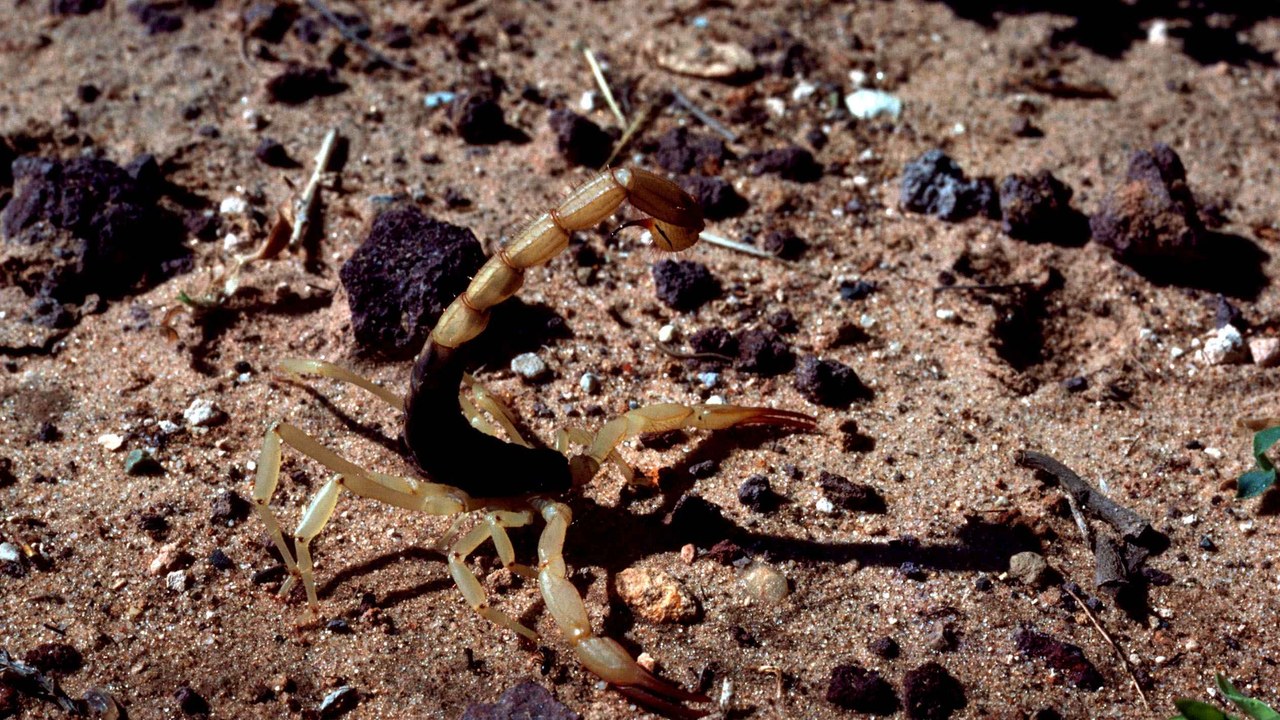
Common across the Sonoran Desert and often found in homes and woodpiles, the Arizona bark scorpion is the most venomous scorpion in the country, with a sting that produces immediate, intense pain along with numbness or tingling that can spread from the sting site. Children and older adults are more likely to experience severe symptoms such as difficulty breathing or uncoordinated muscle movements.
Deaths are exceedingly rare where antivenom and emergency care are available, and most stings resolve within a day or two. The sting is still considered a medical emergency for young children, since severe reactions can progress quickly without treatment.
4. Western black widow: A Small Spider’s Painful Bite
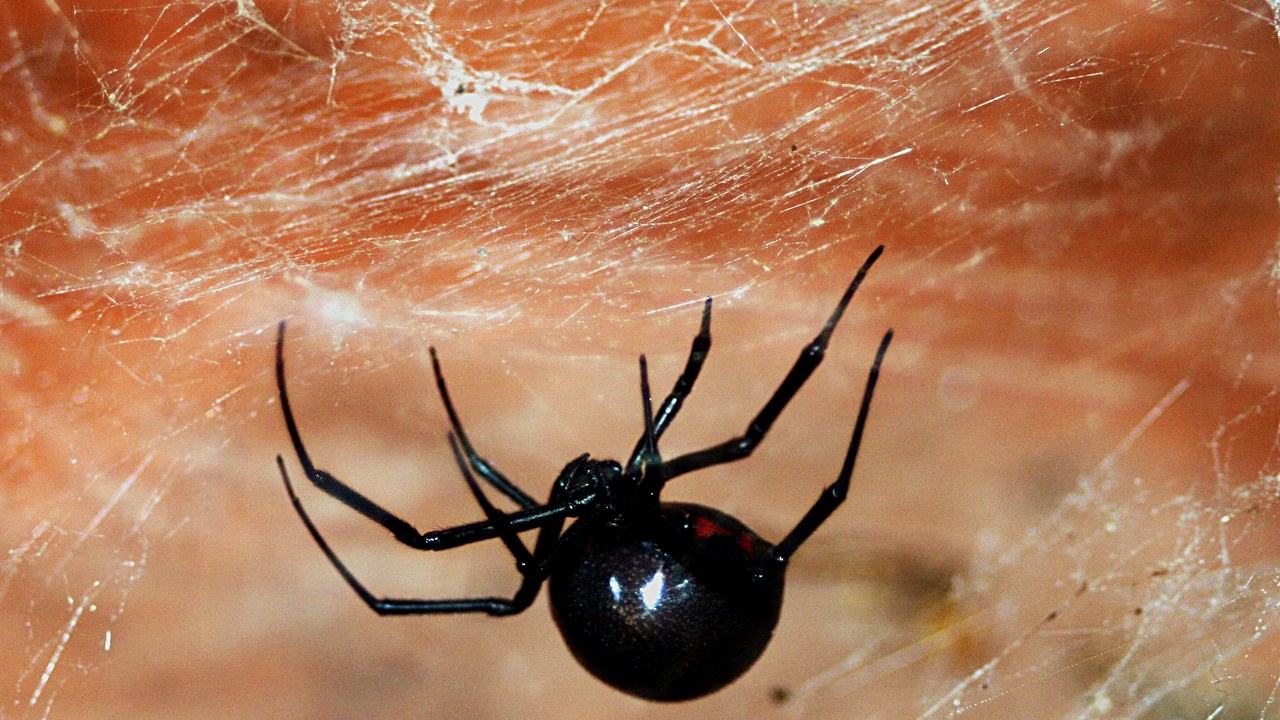
Recognizable by the shiny black body and red hourglass marking on its underside, the Western black widow produces a bite that can cause severe muscle pain and cramping, along with sweating and nausea, as its venom overstimulates nerve endings. Symptoms typically peak within several hours and can affect the abdomen and back as well as the bite site.
Deaths from black widow bites are rare in the United States, and antivenom or supportive pain treatment resolves most cases within a few days. The species tends to bite defensively when disturbed, most often in sheds, garages, or woodpiles.
5. Brown recluse spider: A Bite That Destroys Tissue
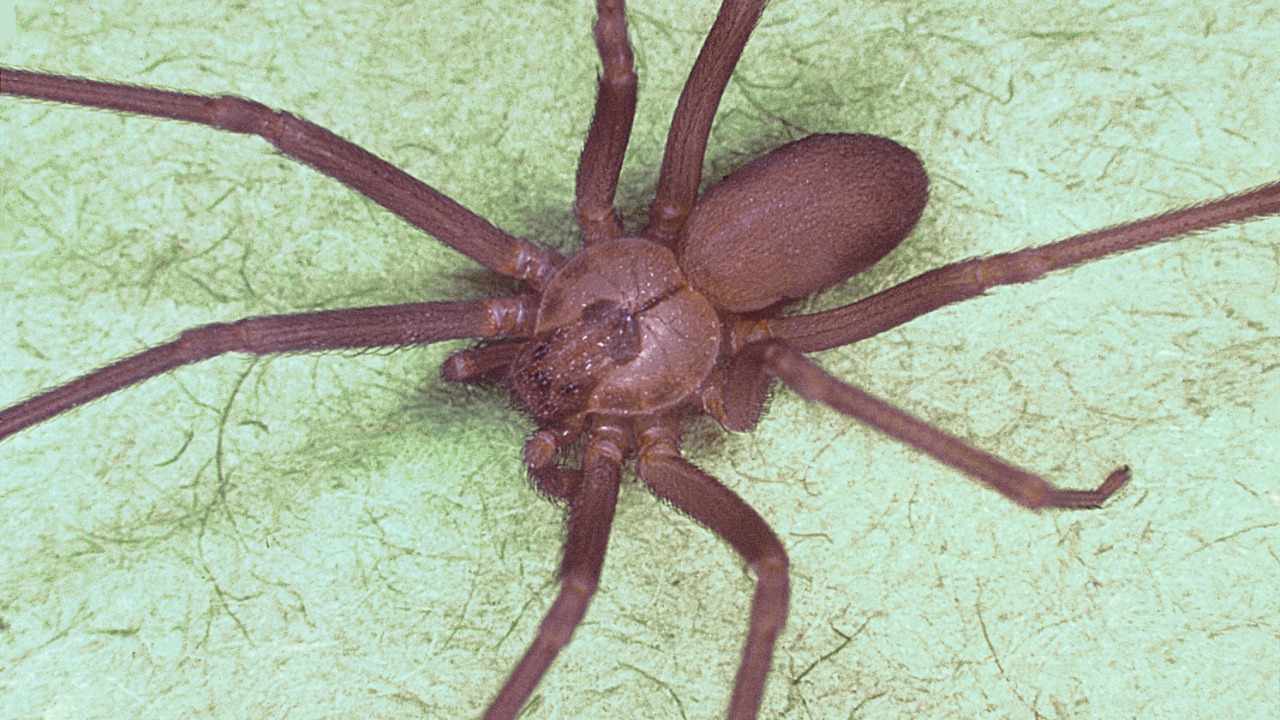
Native to the central and southern United States and typically found in dark, undisturbed spaces like closets and basements, the brown recluse spider has venom that can cause tissue-destroying wounds in a small percentage of bites. Most bites cause only local redness and mild irritation, but a minority progress to an open sore that heals slowly over weeks.
Confirmed bites are far less common than often assumed, since the spider is shy and many skin lesions blamed on it have other causes. Severe cases are treated by wound care rather than antivenom, and fatalities are extremely rare.
6. Gila monster: A Rare Venomous Lizard
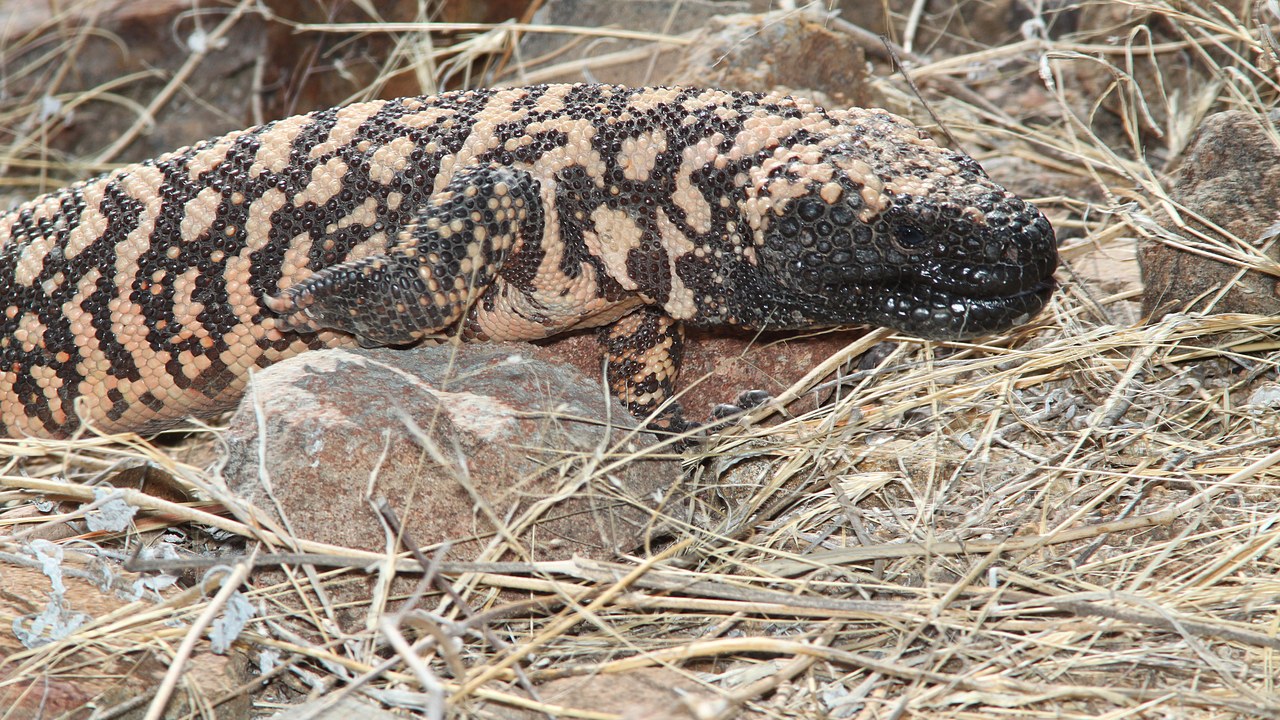
Found in the deserts of the American Southwest and Mexico, the Gila monster is one of the few venomous lizards in the world, delivering venom through grooved teeth during a prolonged, chewing bite rather than a quick strike. The bite causes intense pain, swelling, and sometimes a drop in blood pressure.
No confirmed human deaths from a Gila monster bite have been recorded in decades, and the animal is protected in several states, making bites uncommon. Its slow, deliberate movements mean most encounters end without any bite at all, and it typically reserves its defense for direct contact or provocation.
7. Eastern coral snake: Bright Bands, Paralyzing Venom
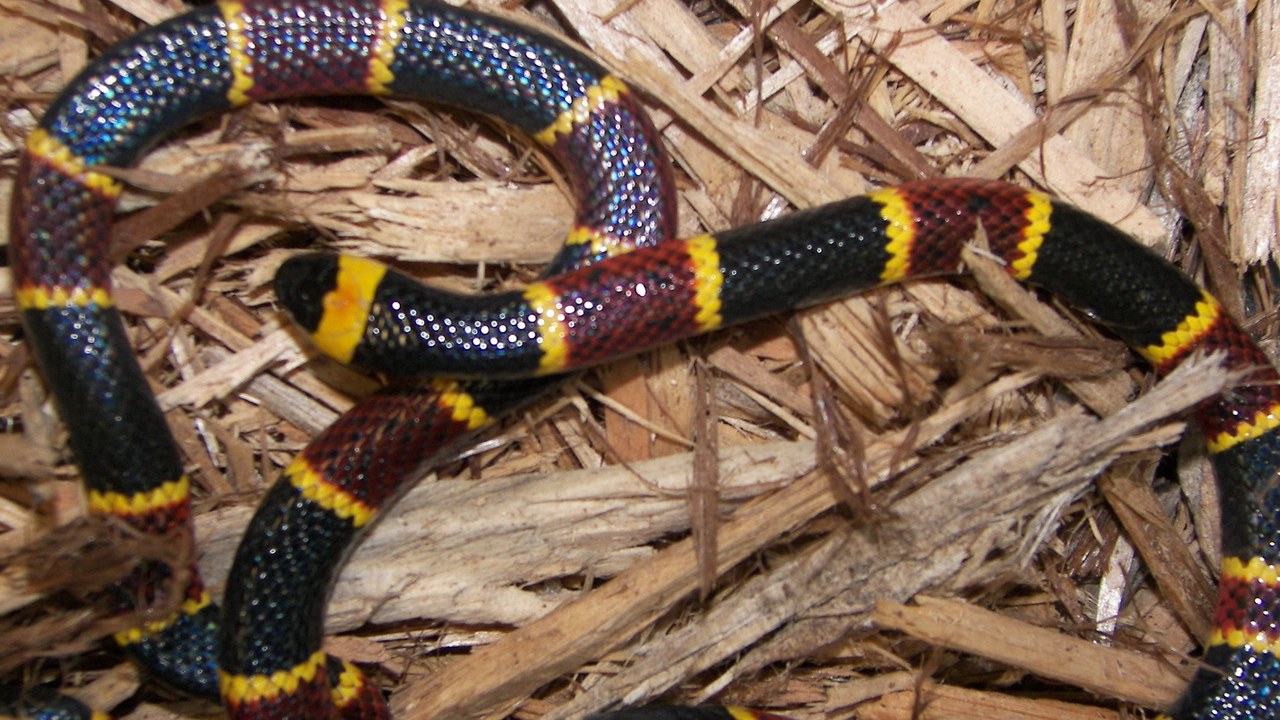
Identified by its red, yellow, and black banding across the southeastern United States, the Eastern coral snake is a brightly banded snake with paralyzing venom that blocks nerve signals to muscles, including those used for breathing. Its bite often leaves minimal pain or swelling at first, which can delay recognition of a serious envenomation.
Bites are rare because the species is shy and spends much of its time underground or under leaf litter, and antivenom is stocked for the cases that do occur. Anyone bitten needs prompt medical evaluation even if early symptoms seem mild.
8. Cottonmouth: A Painful Aquatic Viper
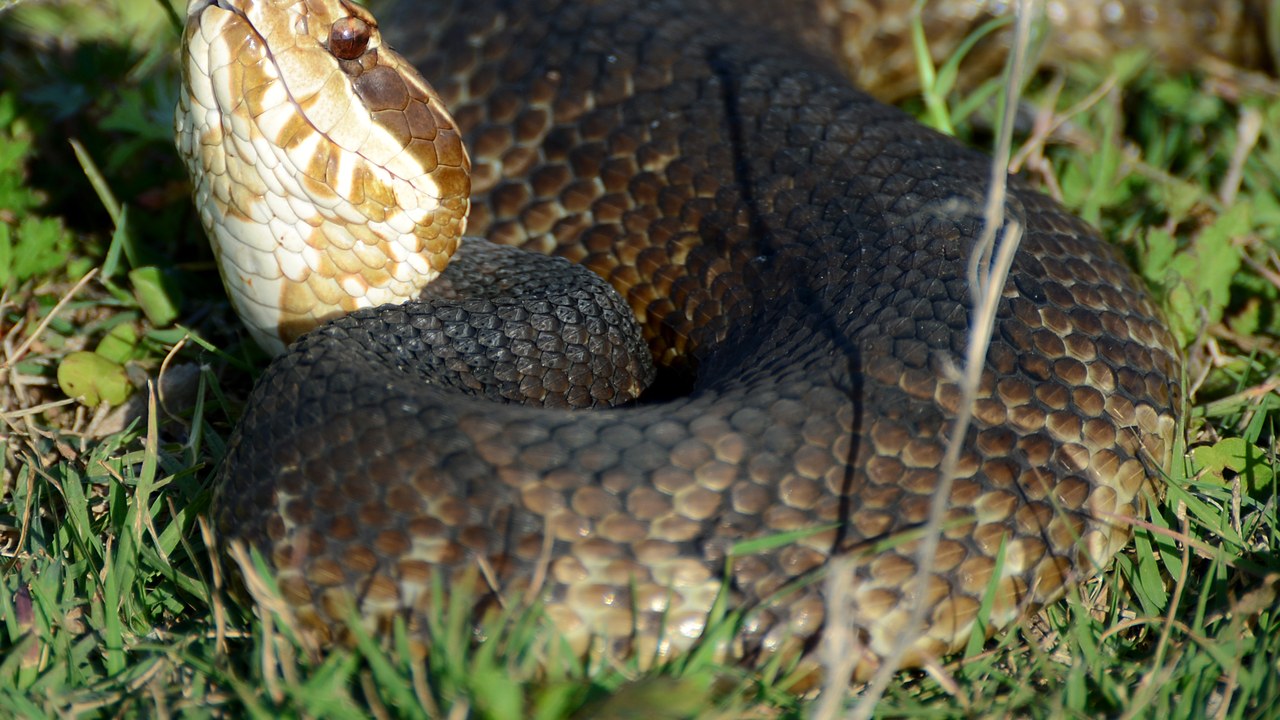
Living in swamps, rivers, and wetlands across the southeastern United States, the cottonmouth is a semi-aquatic pit viper with a painful bite that causes swelling, bruising, and tissue damage similar to other pit vipers. It is often confused with harmless water snakes, which contributes to unnecessary encounters.
Fatal bites are rare in the United States given ready access to antivenom, though the tissue damage can require extended wound care and, occasionally, surgery. The species will often stand its ground and display its white mouth as a warning before striking, a behavior that gives the snake its common name.
More from Morning Overview
- Four U.S. startups fired up their first small nuclear reactors, aiming to power AI data centers on-site
- 11 engines built to run well past 200,000 miles
- A handful of car transmissions are so tough that mechanics say they almost never die
- Card skimmers hidden on gas pumps are draining accounts, and there’s a quick way to spot them
