
Across ridgelines, mountain passes, and open farmland, the United States has built some of the world’s most expansive wind-power complexes. These sprawling installations turn steady regional winds into electricity for millions of homes, reshaping rural skylines from California to the Pacific Northwest. The following roundup gathers eight giant wind farms generating power across America.
1. Alta Wind Energy Center: Winds Of The Tehachapi Pass
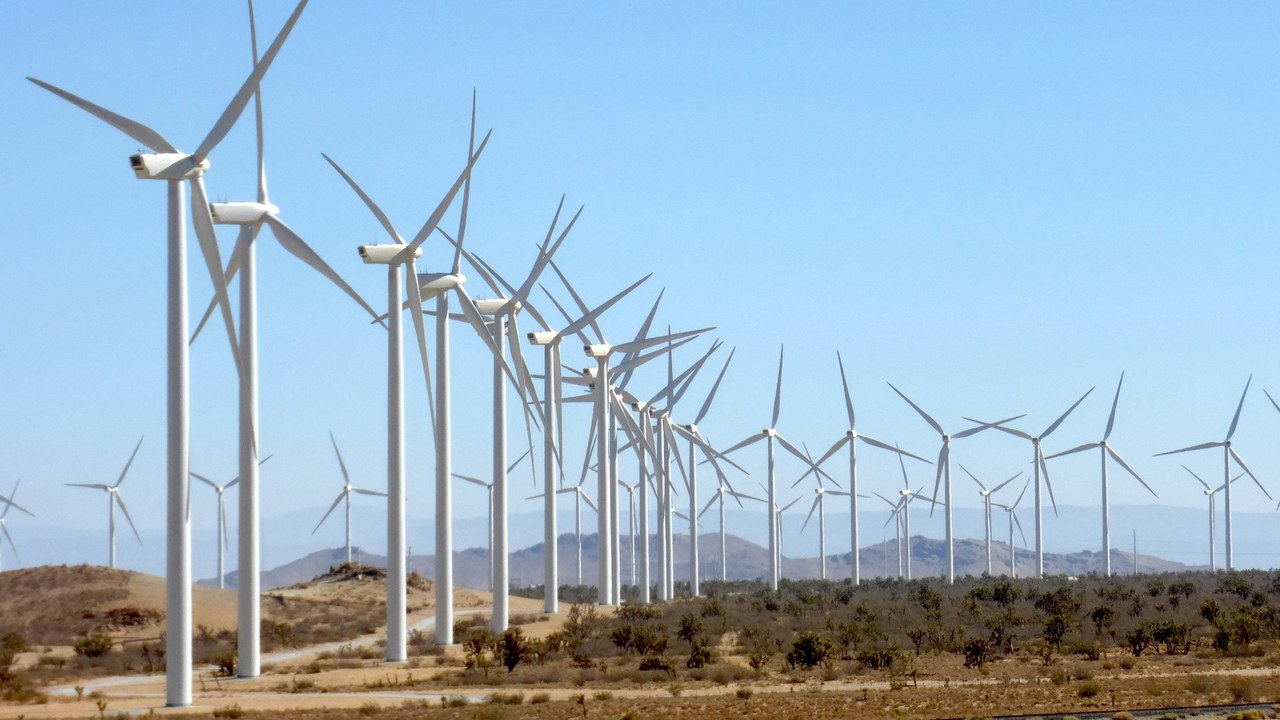
The Alta Wind Energy Center rises from the Tehachapi Pass region of Kern County, California, where powerful mountain winds funnel through a natural gap in the terrain. Developed in multiple phases, it grew into one of the largest onshore wind complexes in the country. Hundreds of turbines line the arid ridges here.
Its location was chosen for the reliable, high-velocity air currents that sweep down toward the Mojave Desert. Power generated at the site flows into the California grid, helping the state meet aggressive renewable-energy targets. For travelers driving through the pass, the endless rows of spinning blades have become a defining feature of the landscape.
2. San Gorgonio Pass Wind Farm: A Desert Wind Pioneer
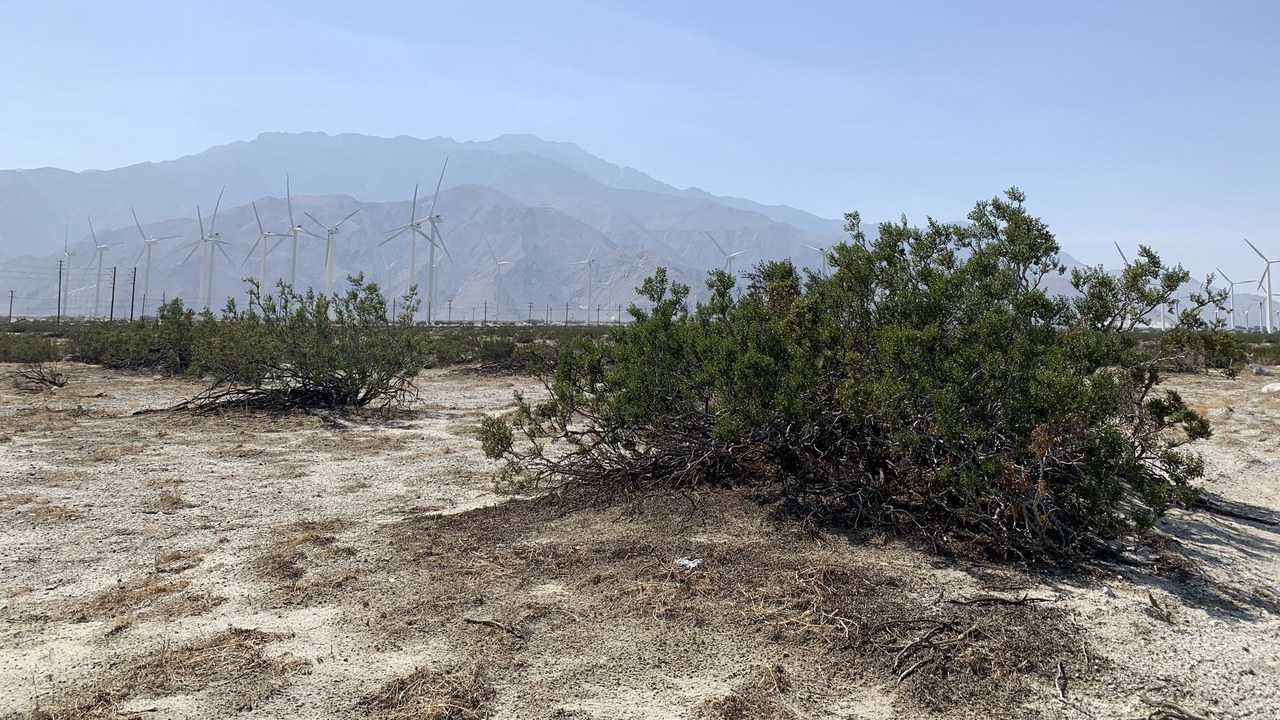
East of Los Angeles, the San Gorgonio Pass Wind Farm occupies a broad, windy corridor near Palm Springs, California. Ranking among the oldest and largest wind developments in the United States, it spreads thousands of turbines across the desert floor. The pass channels strong, consistent breezes between mountain ranges.
This gap sits between the San Bernardino and San Jacinto mountains, creating ideal conditions for continuous power generation. Many of the turbines date back decades, and newer units have gradually replaced aging equipment over time. The dense forest of spinning machines has become an iconic sight for drivers heading into the Coachella Valley.
3. Tehachapi Pass Wind Farm: Where California Wind Began
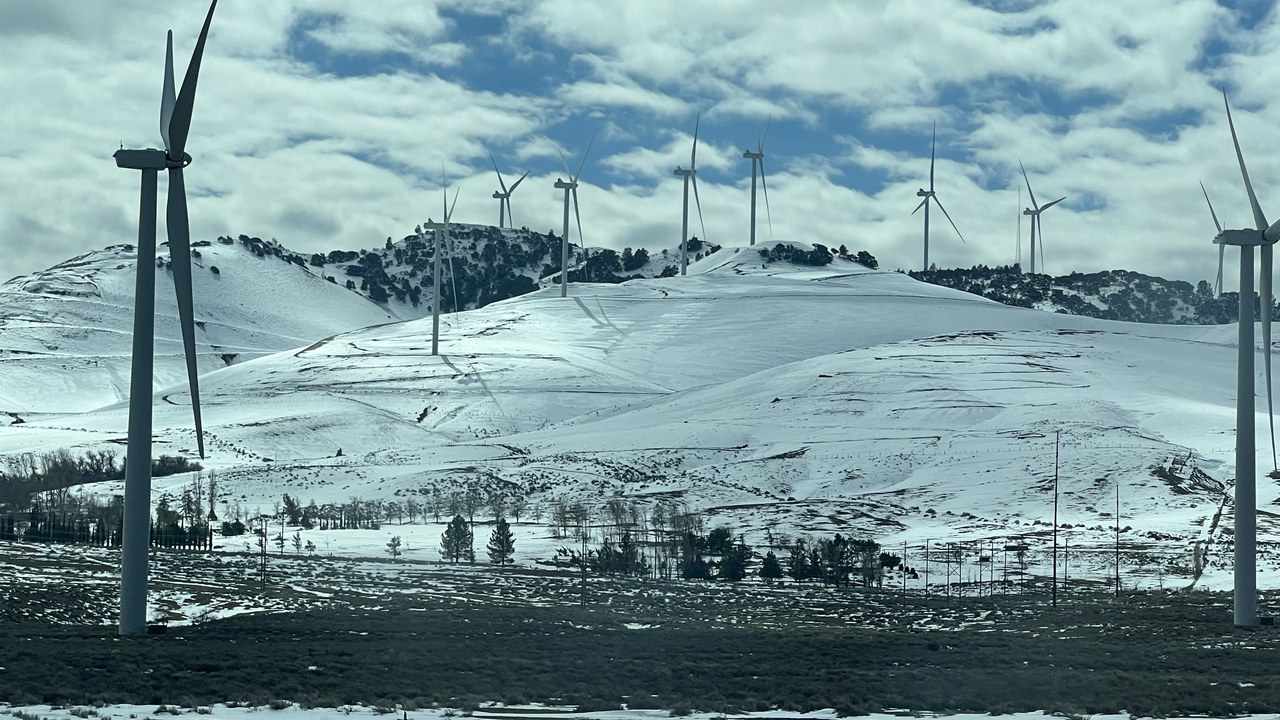
In the Tehachapi Mountains of Southern California, the Tehachapi Pass Wind Farm stands as one of the region’s pioneering wind resource areas. It became an early proving ground for large-scale wind technology in the United States. Turbines of many generations climb the surrounding brown slopes.
Steady winds pour through the pass as air moves between the San Joaquin Valley and the Mojave Desert. Over the years, older lattice-tower machines have given way to taller, more efficient designs. The area remains a heavily developed wind corridor, feeding clean electricity into California’s expansive power network throughout much of the year.
4. Klondike Wind Farm: Turbines Over Oregon Wheat
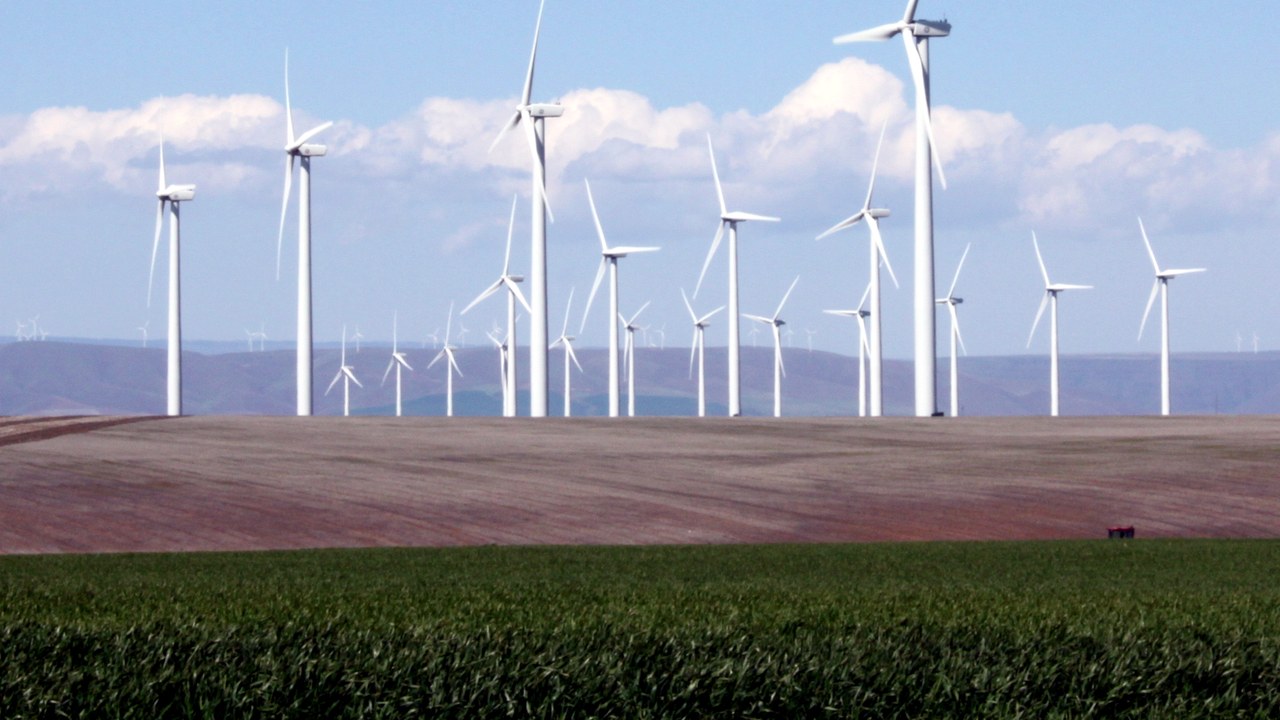
Set amid the rolling wheat country of Sherman County, Oregon, the Klondike Wind Farm developed across several distinct phases. It became a large multi-phase project harnessing the strong winds of the Columbia River Plateau. Turbines rise from cultivated farmland and open range alike.
The dry, elevated terrain of north-central Oregon draws reliable winds funneling along the Columbia River corridor. Farmers continued working the land around the towers, blending agriculture with energy production across the same acreage. Electricity produced here contributes to the Pacific Northwest grid, part of Oregon’s broader push toward renewable generation and reduced fossil-fuel reliance.
5. Shepherds Flat Wind Farm: Sprawling Across The Plains
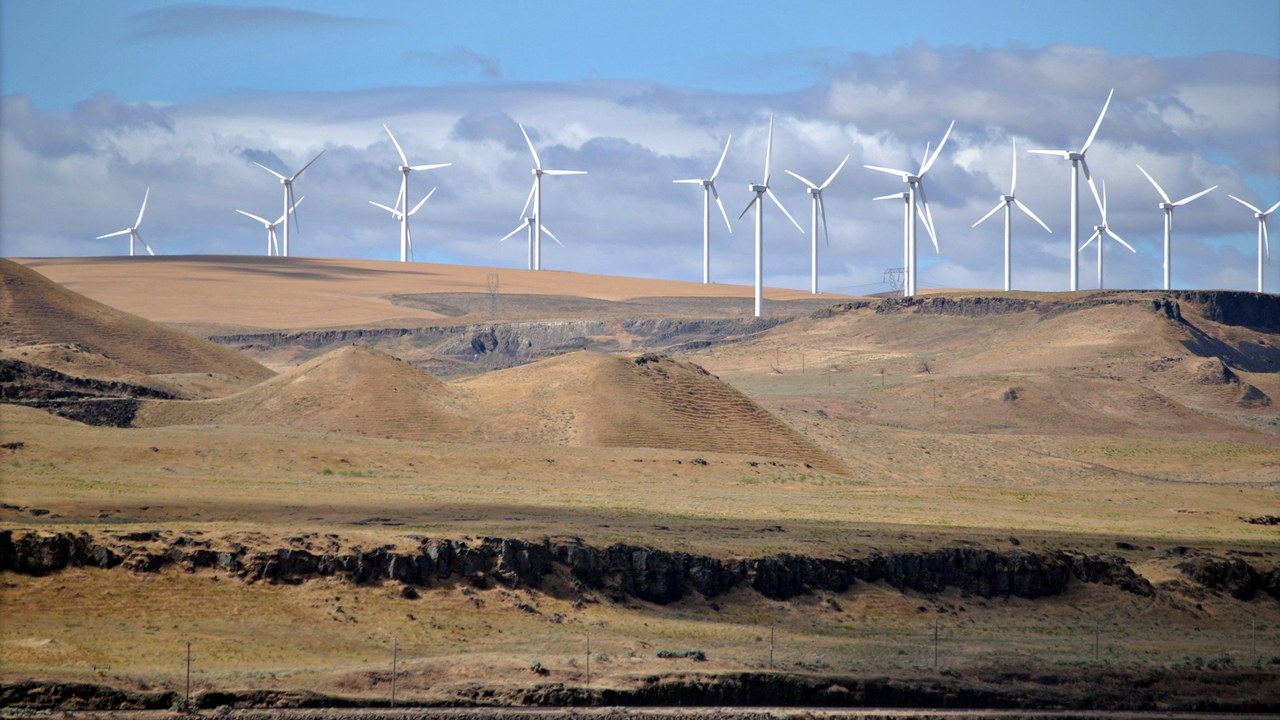
The Shepherds Flat Wind Farm sprawls across the plains of Gilliam and Morrow counties in north-central Oregon. When completed, it ranked as a major Oregon project, among the largest wind developments in the state. Rows of tall turbines stretch toward the horizon across gently rolling grassland.
The site benefits from the persistent winds that sweep across the Columbia River Basin throughout the year. Its output was contracted to help supply electricity to customers well beyond Oregon’s borders, including California utilities. The wide-open, sparsely populated landscape allowed developers to install a dense array of large-capacity machines with room to spare.
6. Fowler Ridge Wind Farm: Indiana’s Windswept Farmland
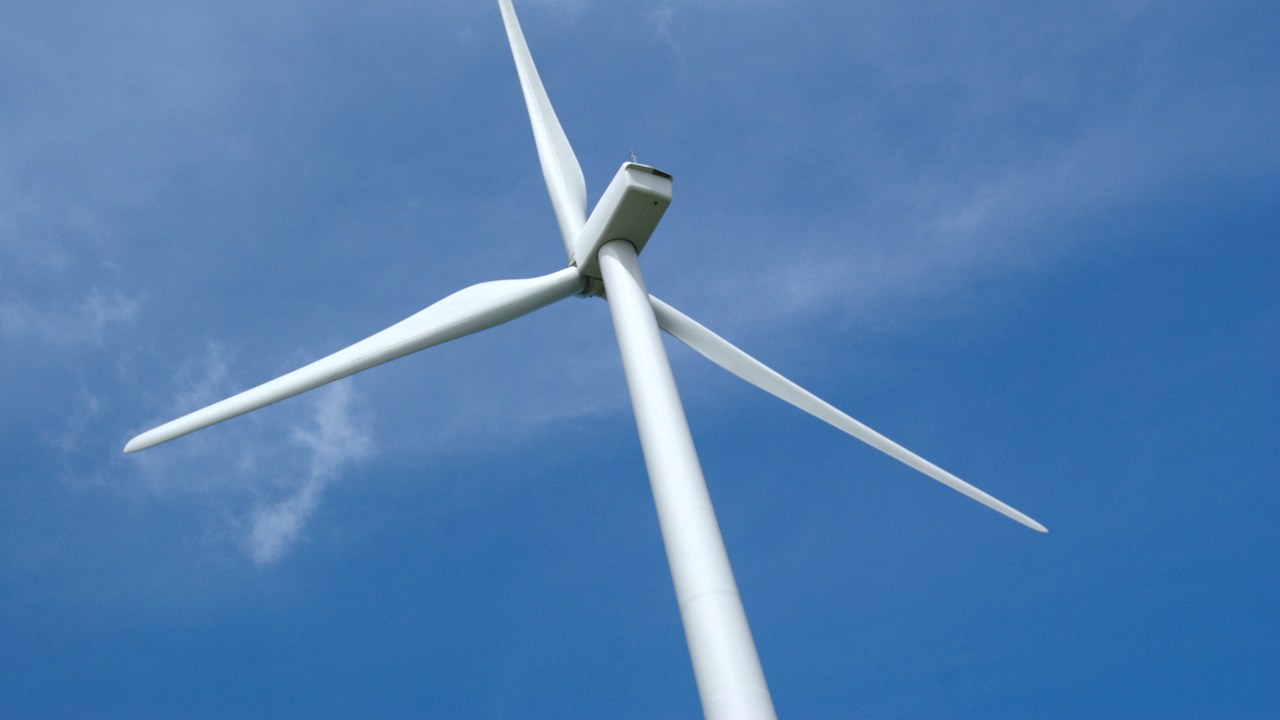
Rising from the flat farmland of Benton County in northwestern Indiana, the Fowler Ridge Wind Farm became a large Indiana development. Its turbines occupy a broad agricultural plateau known for dependable Midwestern winds. Corn and soybean fields surround the towers on nearly every side.
The gently sloping terrain here catches steady breezes moving across the open interior of the country. Local landowners lease portions of their fields for turbine sites, earning income while continuing to farm. Power generated at the location feeds into the regional grid serving Indiana and neighboring Midwestern states throughout the year.
7. Stateline Wind Project: Straddling Two States
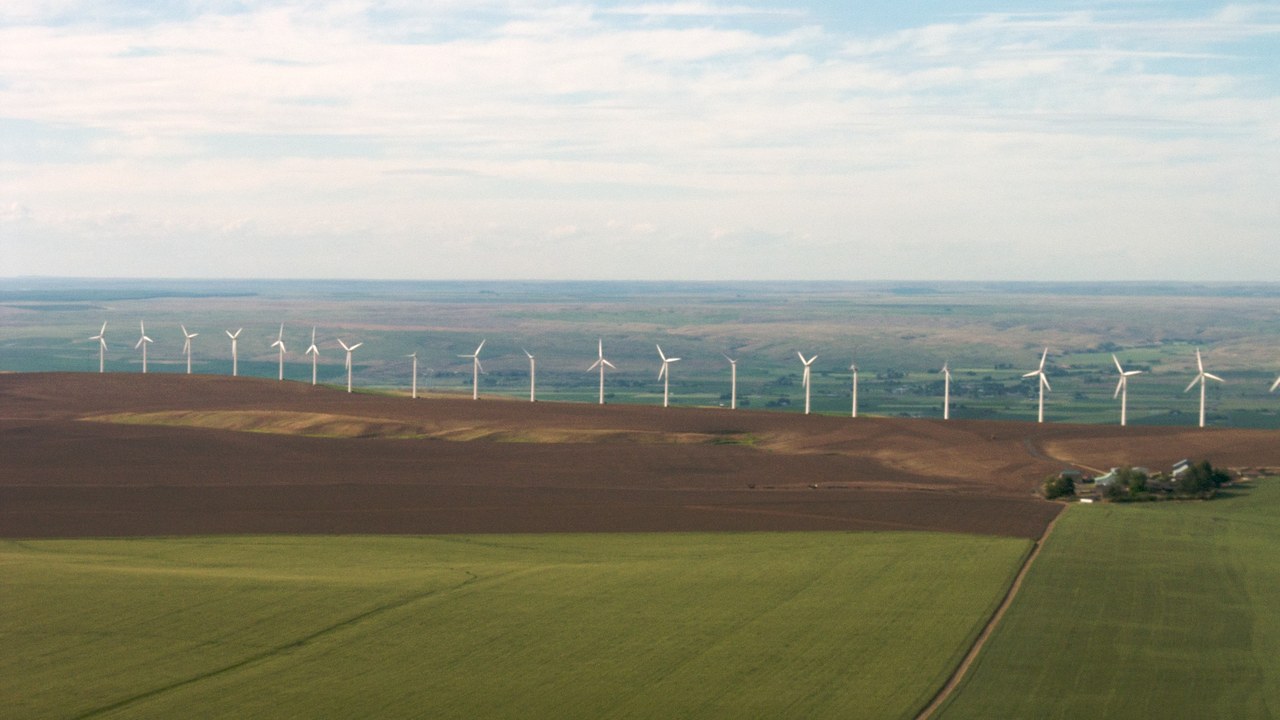
Straddling the border between Oregon and Washington, the Stateline Wind Project spreads across the rolling hills of the Columbia Plateau. It grew into a large wind farm spanning two states along the state line. Turbines crown the cultivated ridges above the surrounding dry-land wheat fields.
The elevated, wind-swept terrain here captures powerful gusts that flow through the Columbia River region. Wheat farming continues across the same hills where the towers stand, sharing the land between crops and energy. Electricity generated at the project supplies the Pacific Northwest grid, reinforcing the area’s reputation as a wind-energy stronghold.
8. Biglow Canyon Wind Farm: Power From The Plateau
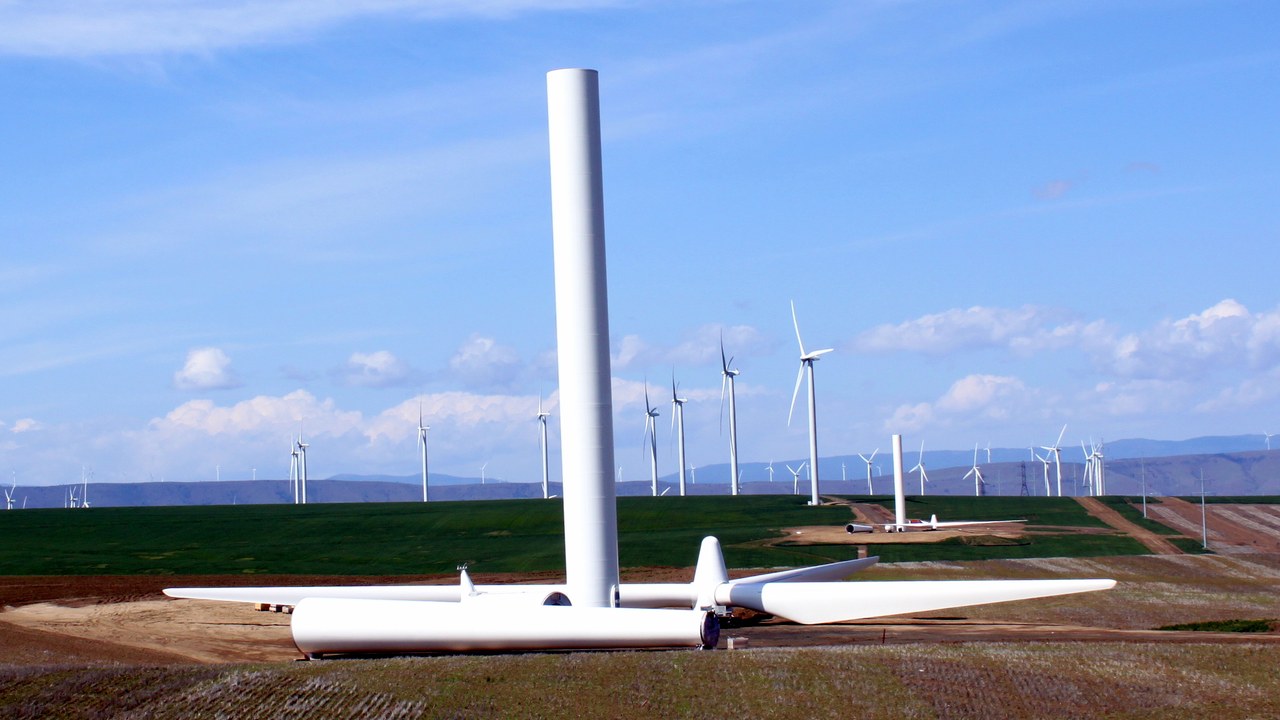
In Sherman County, Oregon, the Biglow Canyon Wind Farm occupies the wheat-growing hills north of the small community of Wasco. It stands as an Oregon wind farm feeding power into the Northwest grid. Built in successive phases, its turbines dot the dry, rolling farmland.
The Columbia River Plateau delivers consistent winds that make this stretch of north-central Oregon attractive for generation. Agricultural activity carries on around the towers, with wheat cultivation continuing between and beneath the machines. The completed project became one of Oregon’s larger wind installations, supplying utility customers across the Pacific Northwest region.
More from Morning Overview
