
Electricity systems depend on a small number of very large generating stations, and federal statisticians keep ranking them in different ways. Some lists sort by capacity, others by how much electricity a plant actually delivered over a year. Here are eight American plants that appear in those rankings, spanning dams, a pumped-storage station and several nuclear sites.
Read next on Morning Overview: Winter weather advisories cover I-80, I-70 and the Bighorns with up to 15 inches of snow
1. Grand Coulee Dam: The Capacity Champion
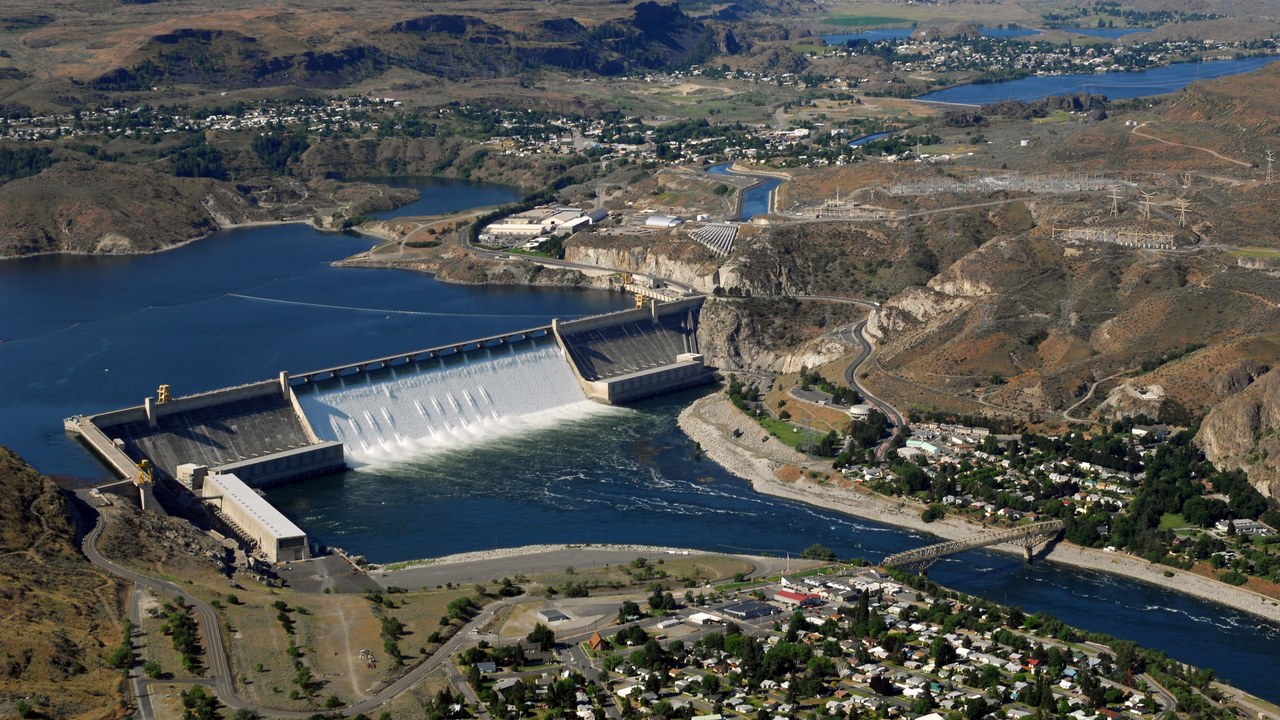
The Energy Information Administration’s 2022 table ranks Grand Coulee in Washington first among American generating facilities by summer capacity, at 7,079 MW. A hydroelectric dam sits at the top of a list that also includes gas, coal and nuclear stations, which shows how much capacity a single river site can hold.
Capacity is a ceiling, not a delivery figure. A plant’s summer rating says how much it can produce at peak, not how much it produced across the year, so a separate ranking by generation tells a different story. The figure also reflects 2022 data, and later ratings may differ.
2. Susquehanna Steam Electric Station: Tenth by Output
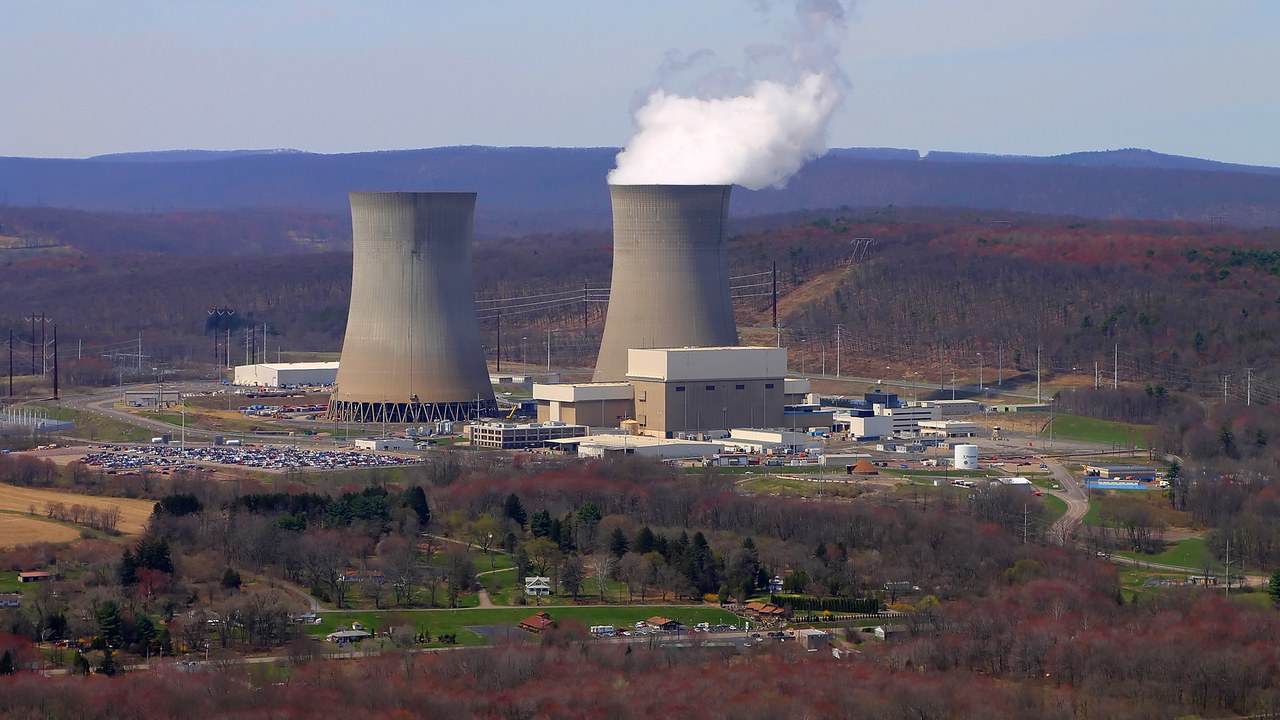
Talen Energy’s Susquehanna nuclear plant in Pennsylvania ranks tenth in EIA’s top generating plants for 2022, at 20,065,031 megawatthours of net generation. Unlike a capacity list, this one measures what was actually sent out during the year.
Tenth place on a generation list is still a strong showing, but it is one year of final data and one plant operator’s name in the table. No capacity figure accompanies this ranking, so it cannot be compared directly with the capacity list. Output can shift with outages, refueling schedules and demand, so a ranking from 2022 should be read as a snapshot rather than a permanent order.
3. Bath County Pumped Storage Station: Storage, Not Just Supply
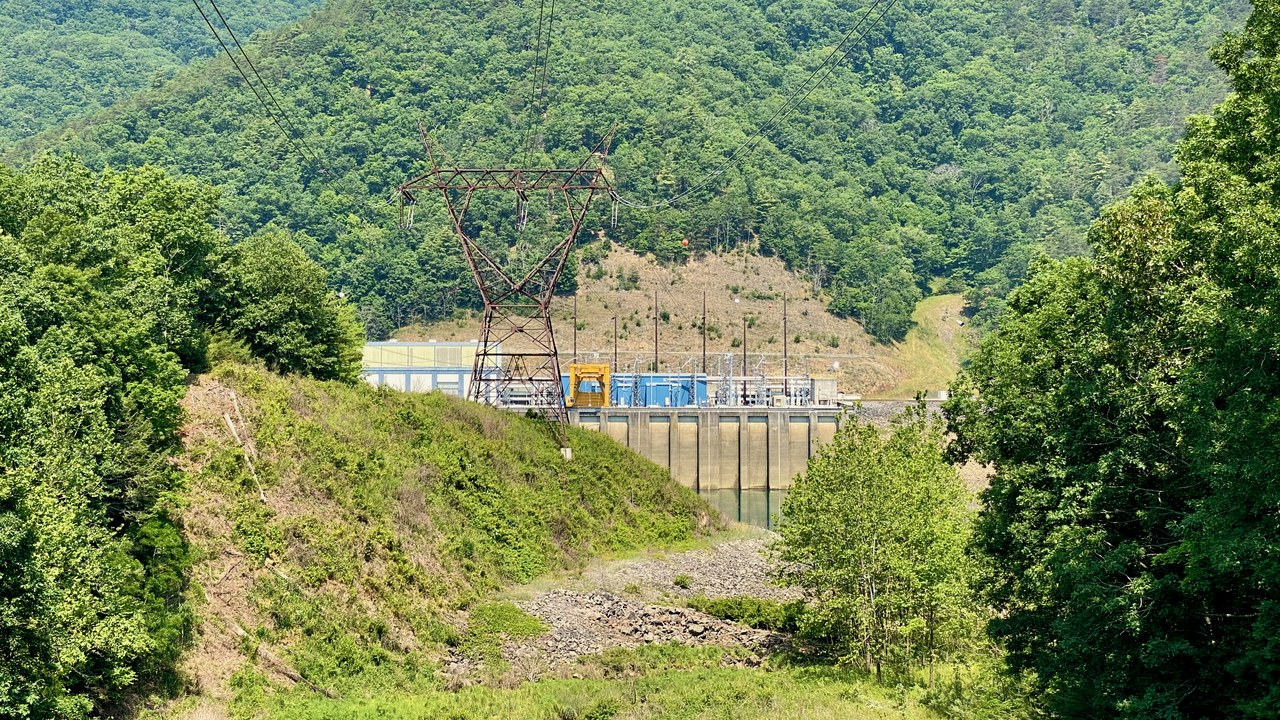
Virginia’s Bath County Pumped Storage Station is a hydro plant, and Bath County’s capacity listing puts it tenth in EIA’s 2022 capacity table at 3,003 MW. It is the list’s reminder that a large facility need not be a conventional dam or a fuel-burning station.
The table groups it under hydro and reports capacity only. Nothing in the row describes how often it runs or how much electricity it delivers, so the ranking says what the plant can do at its limit rather than how much it contributes across a year. As with Grand Coulee, the data year is 2022.
4. Plant Vogtle: The Biggest Nuclear Site
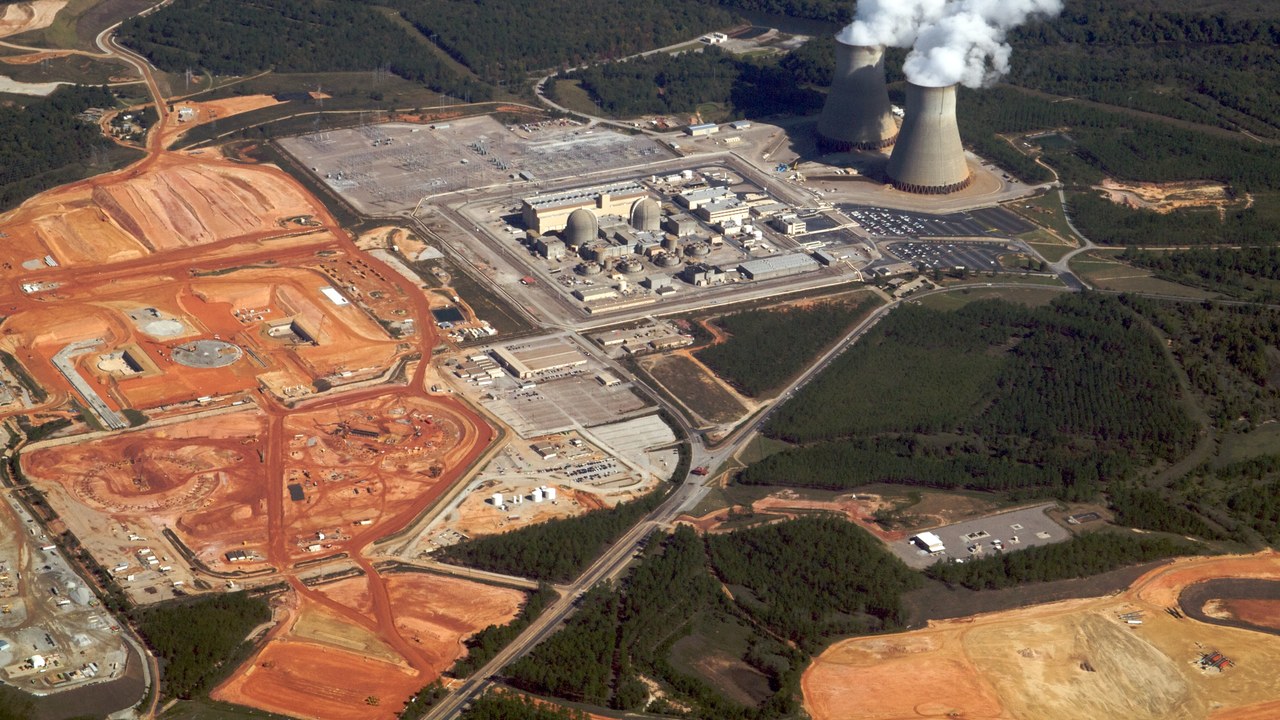
EIA says Plant Vogtle in Georgia, after its units 3 and 4, has a total generating capacity of around 4.5 GW, making it the largest nuclear plant in the United States. The addition of those two units is what moved it to the head of the nuclear group.
The figure is a rounded capacity, not a measured output, and the source describes it as approximate. The ranking is also limited to nuclear plants, so it does not compare Vogtle with dams or fossil stations. Its place at the top depends on the two newer units being counted.
5. Palo Verde Nuclear Generating Station: The Previous Nuclear Leader
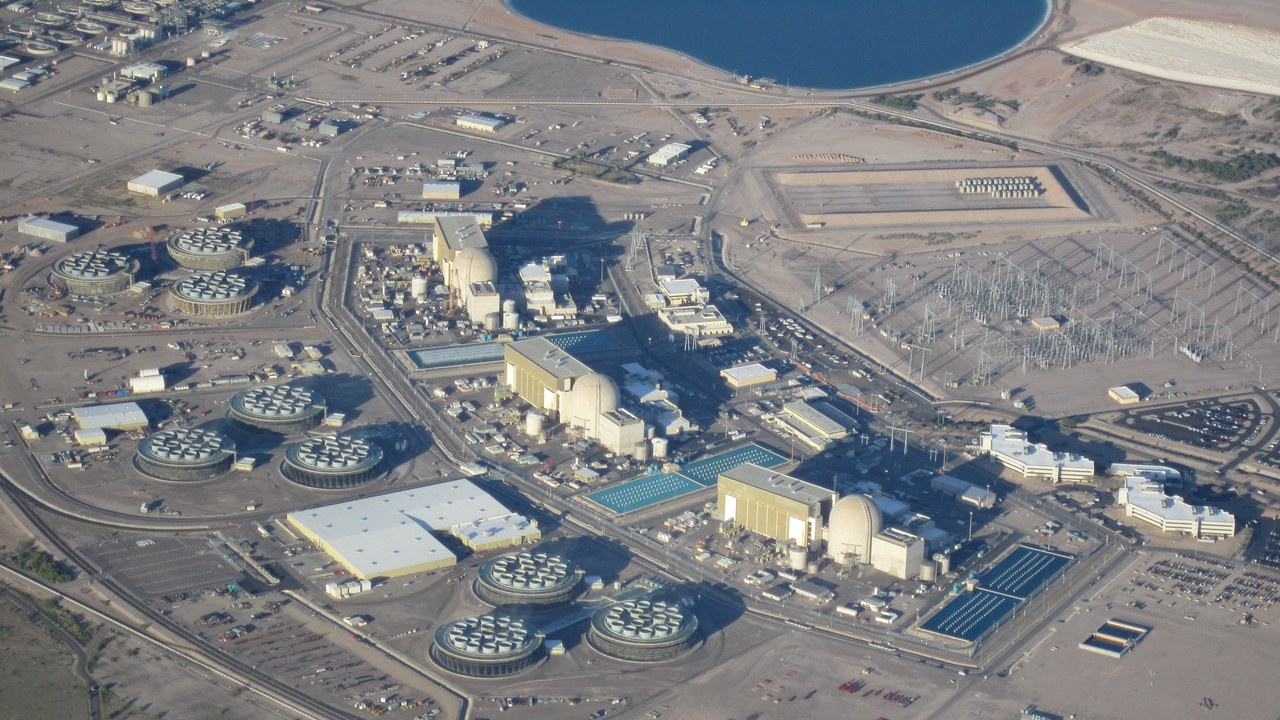
Before Vogtle added new units, 3.9 GW Palo Verde plant in Arizona was the largest nuclear facility in the United States, and EIA lists it at 3,937 MW. It remains a benchmark for what a single nuclear site delivered before the Georgia expansion.
The title of largest nuclear plant has therefore changed hands, which is a reminder that these rankings move as units are built. The 3,937 MW figure appears in EIA’s 2019 comparison of top-generating plants, where it marked the upper end of that group’s capacities, so it should not be read as a current ranking.
6. Browns Ferry Nuclear Plant: Steady, Not Spectacular
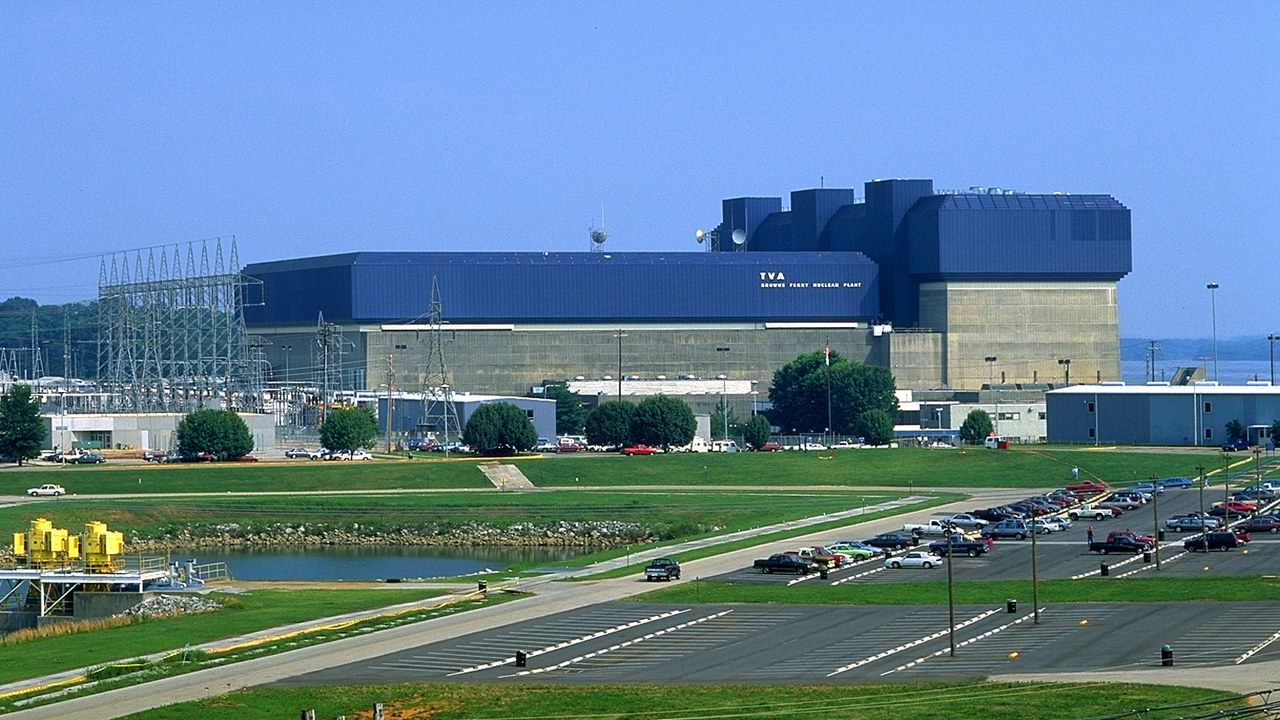
Browns Ferry was among the 10 U.S. plants that generated the most electricity in 2019, running at 89% capacity factor, according to EIA. That was the lowest figure in the range EIA reported for that group, which stretched up to 99%.
An 89% factor is still high by any ordinary standard, so the low end of this group is not a weak result. The caveat is the year, since the data describe 2019 and a capacity factor is a single-year average that depends on outages and refueling. It says how consistently the plant ran, not how large it is.
7. Peach Bottom Nuclear Generating Station: Running Nearly Flat Out
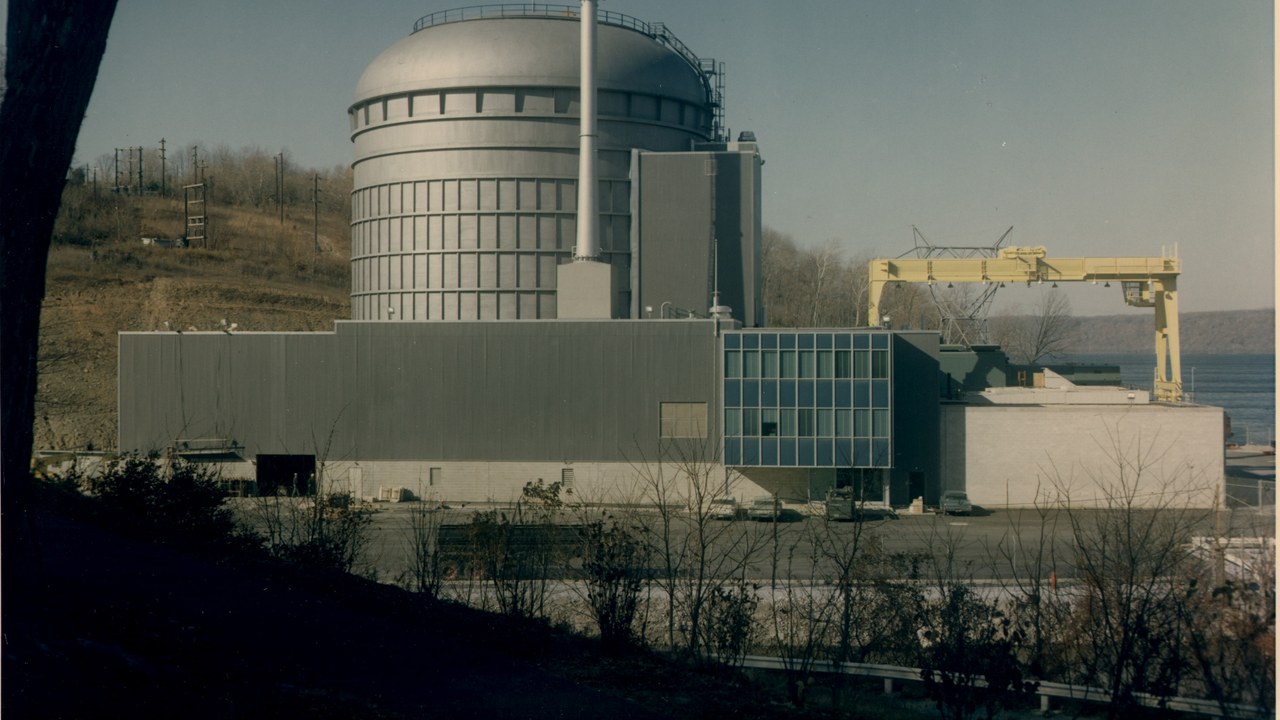
Peach Bottom was among the 10 U.S. plants that generated the most electricity in 2019, with 99% capacity factor according to EIA. That put it at the top of the range for the group, tied with Byron, and meant it produced close to its full potential for the year.
The ranking is for 2019 only and covers a capacity factor, not the plant’s size. A plant can post a near-perfect factor while being smaller than rivals that generate more in total. The tie with another site at 99% also means the figure alone does not separate them.
8. Byron Nuclear Generating Station: The Smallest of the Group
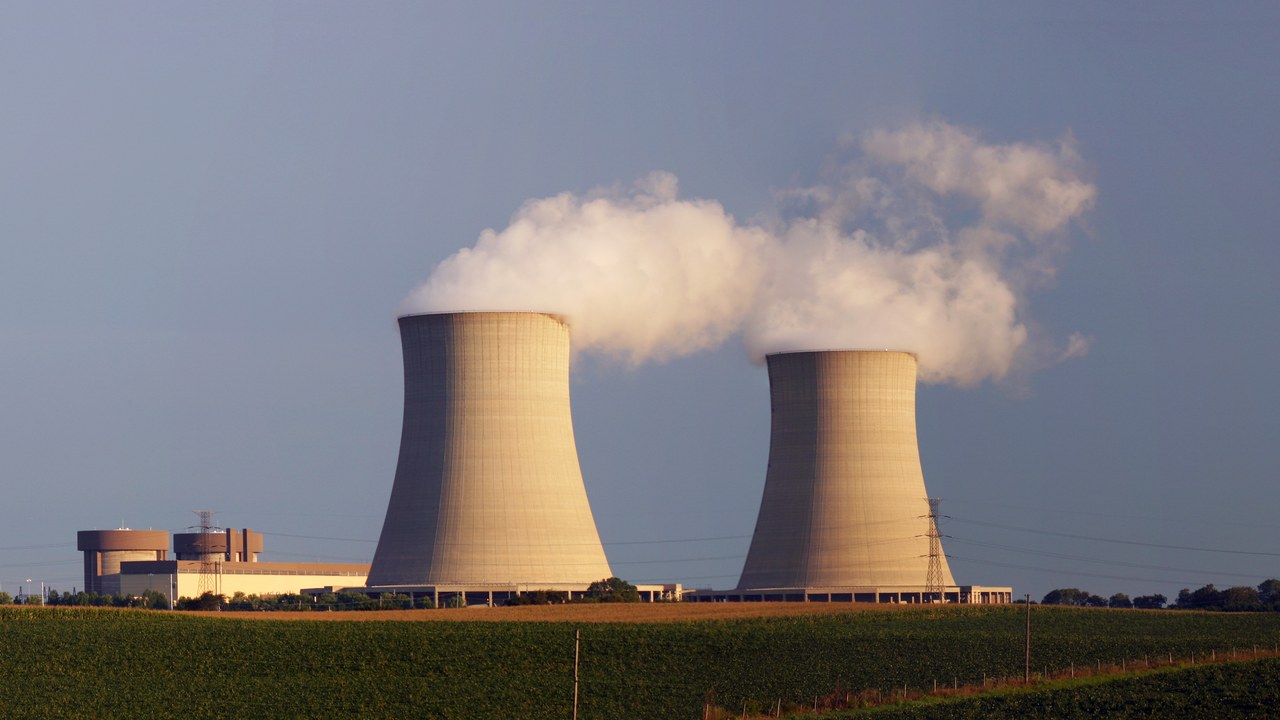
Byron in Illinois was among the 10 U.S. plants that generated the most electricity in 2019, and EIA gives that group’s capacities as running from 2,300 megawatts at Byron to 3,937 MW at Palo Verde. It was the smallest by capacity yet still made the list.
The lesson is that high generation depends on running reliably, not only on size. Byron shares a 99% capacity factor with Peach Bottom, according to the same EIA item. The ranking is a 2019 snapshot, and the capacity range describes the group, not a ranking of Byron alone.
More from Morning Overview
- Two Kentucky residents died when a small plane crashed at Missouri’s Lake of the Ozarks, and the NTSB is investigating
- A handful of car transmissions are so tough that mechanics say they almost never die
- Melting permafrost is setting off a newly identified kind of catastrophic landslide, scientists say
- Cadillac cut the price of its cheapest EV, which goes up to 317 miles on a charge
