
Engine failures that trigger federal investigations or class-action settlements are different from routine wear, since they point to a defect built into the parts themselves. Automakers have opened formal recalls or settlements covering millions of vehicles after connecting rods, pistons, and fuel injectors failed well before a normal engine’s expected lifespan. Here are ten cars and SUVs whose engines drew major failure recalls.
1. Honda Pilot (2016-2020): The J35 Connecting-Rod Probe
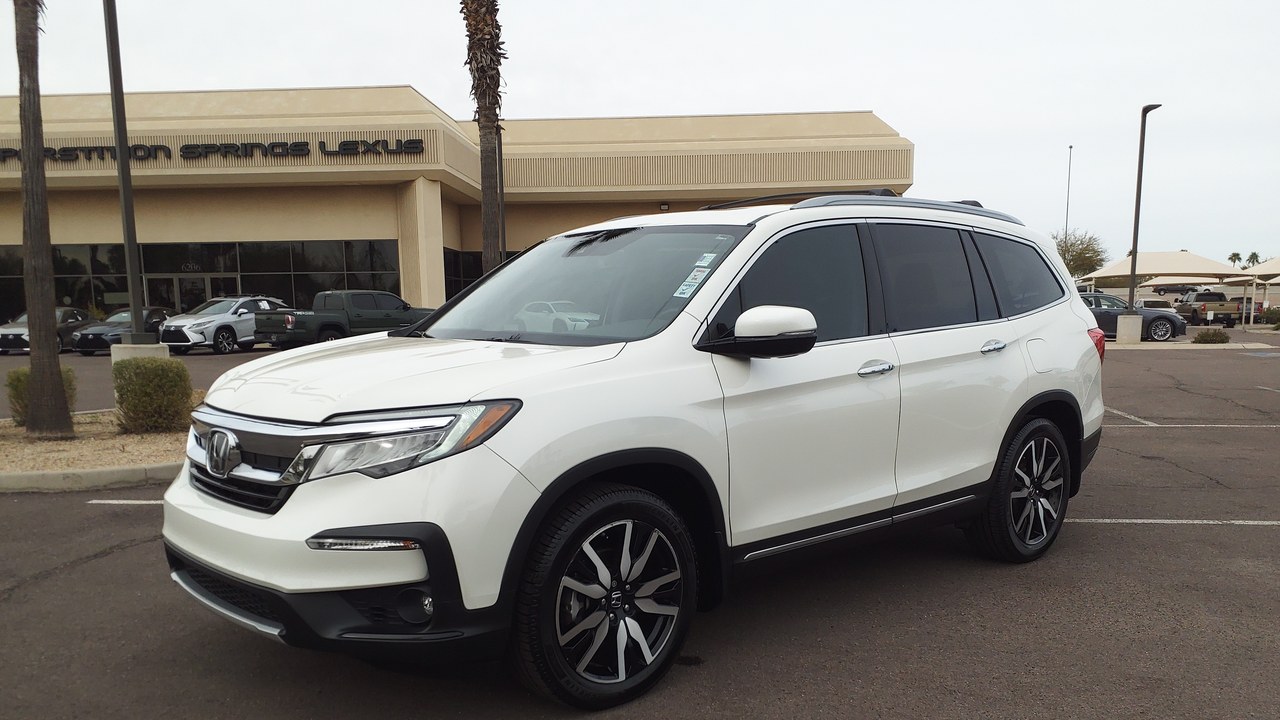
NHTSA opened an escalated investigation into connecting-rod and bearing failures in the J35 3.5-liter V6 that powers the 2016-2020 Honda Pilot, a formal probe already spanning as many as 1,410,806 Honda and Acura vehicles nationwide and one step closer to a full recall.
Owners of the third-generation Pilot describe sudden oil-pressure loss and rod knock at highway speed, a failure that can leave a three-row family SUV stranded without warning well before the engine’s expected service life, with a full engine replacement often the only real fix rather than a simple repair a dealer can complete in an afternoon.
2. Honda Odyssey (2018-2020): Minivan Caught In The Same Probe
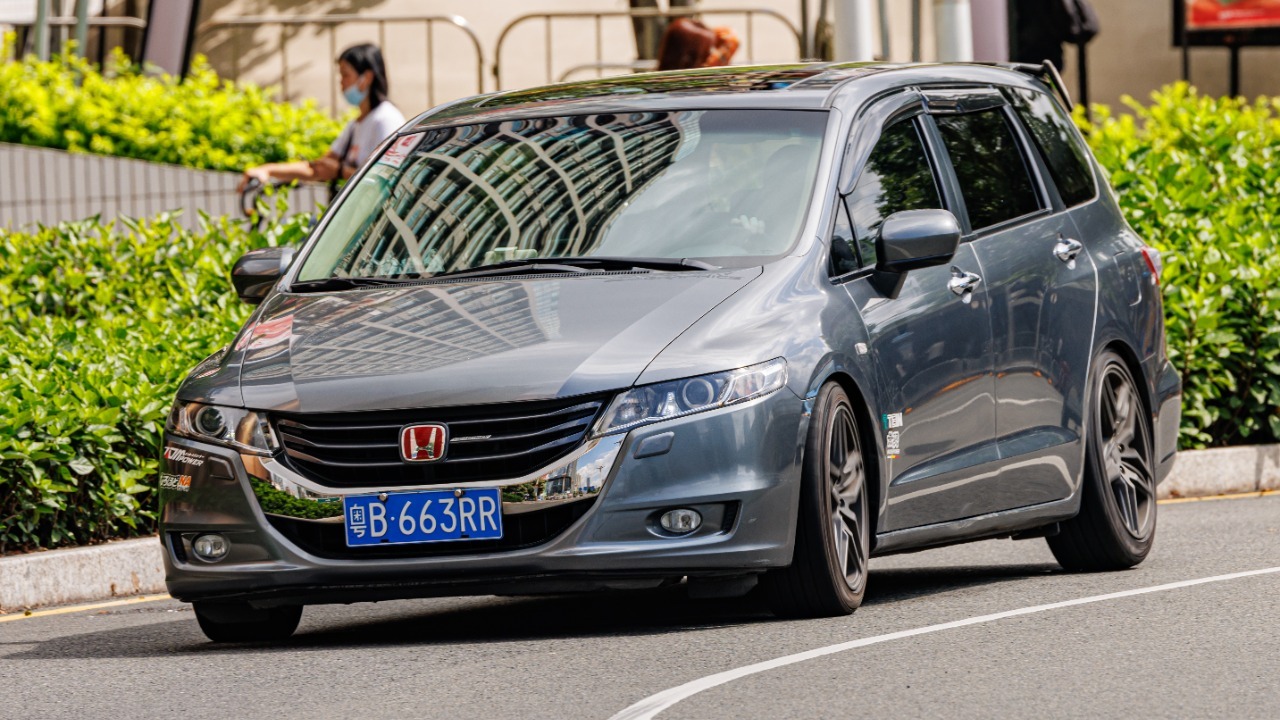
The 2018-2020 Honda Odyssey shares the same J35 3.5-liter V6 at the center of NHTSA’s expanded engine-failure investigation, putting the minivan squarely inside the same connecting-rod and bearing scrutiny as its Pilot and Acura siblings, part of a single probe that already spans as many as 1,410,806 vehicles across both brands.
A minivan built around ferrying kids, car seats and cargo is a worse place than most for a sudden engine seizure on the highway, and Odyssey owners have logged the same knocking, oil-pressure and stalling complaints seen across the wider J35 engine family, complaints NHTSA is now weighing toward a possible recall rather than a closed investigation.
3. Acura MDX (2016-2020): Acura’s Flagship SUV Named Too
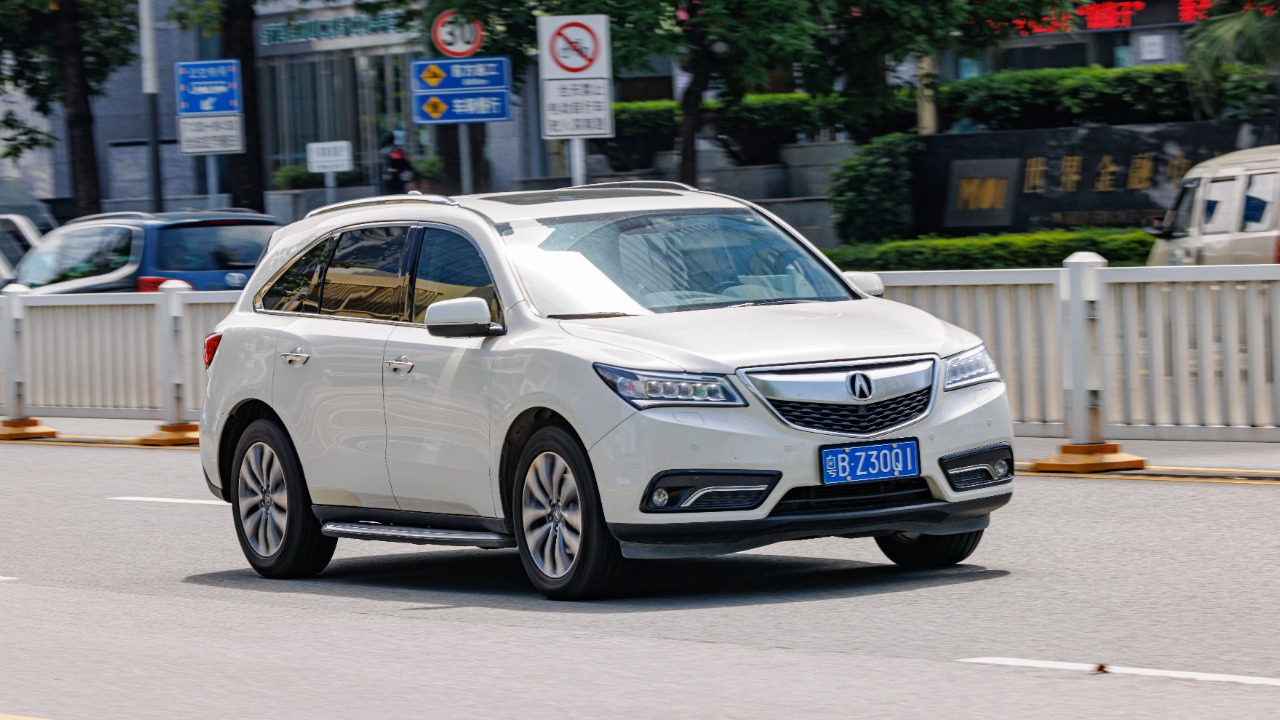
NHTSA’s escalated probe into J35 V6 connecting-rod failures names the 2016-2020 Acura MDX right alongside its Honda cousins, tying Honda’s luxury division to the identical bearing defect rather than treating it as a Honda-only problem confined to cheaper, mainstream-brand models.
The MDX carries a noticeably higher price tag than the Pilot it shares an engine with, so an owner facing the same rod-knock and stalling risk is effectively paying a luxury premium for a defect rather than protection from one, and a used MDX shopper now has one more reason to ask about connecting-rod and oil-pressure history before signing.
4. Acura TLX (2018-2020): A Sedan Swept Into An SUV Recall Story
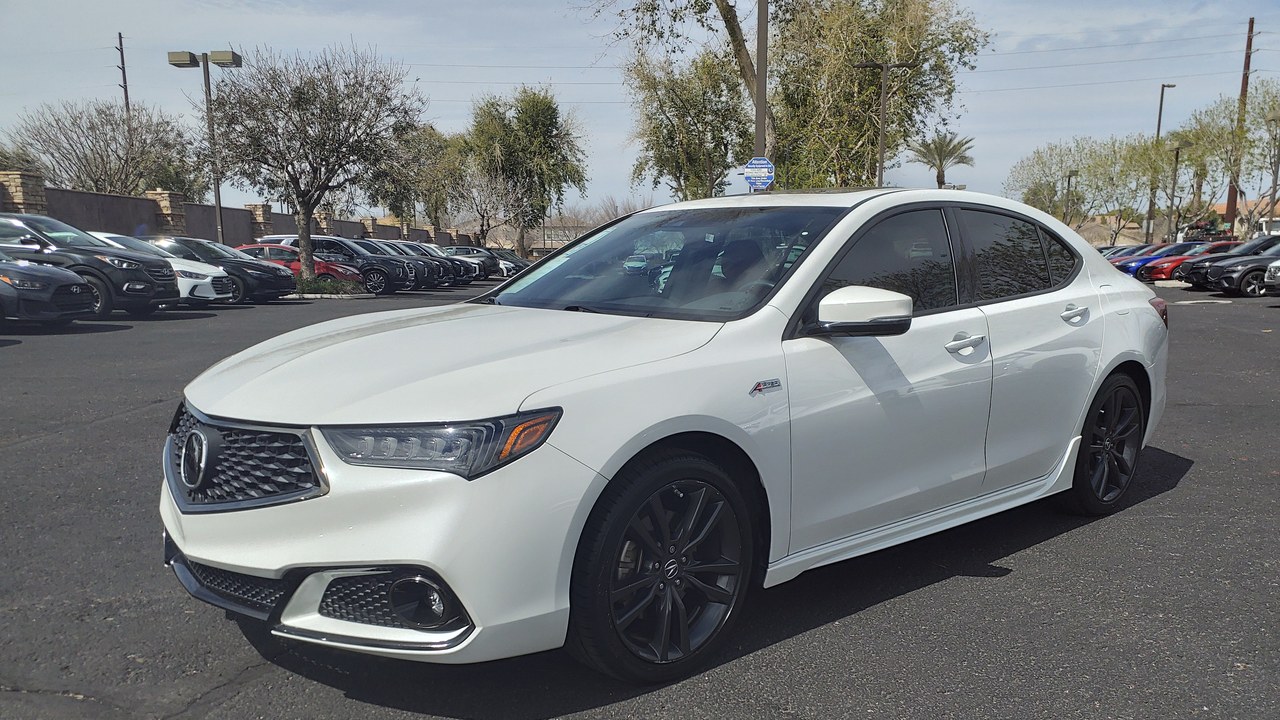
The 2018-2020 Acura TLX sedan is also named in NHTSA’s J35 engine-failure investigation, confirming that the connecting-rod defect isn’t confined to Honda and Acura’s three-row SUVs and minivans built on the same V6, but follows the engine into a completely different body style.
A sedan buyer who assumed the trouble was limited to bulkier three-row models inherits the identical bearing wear and rod-knock risk, since the TLX runs the same 3.5-liter V6 under a lower, sportier body, and neither its size nor its price point offers any real protection from the underlying defect NHTSA is investigating.
5. Kia Optima (2011-2018/19): Theta II’s Original Sedan
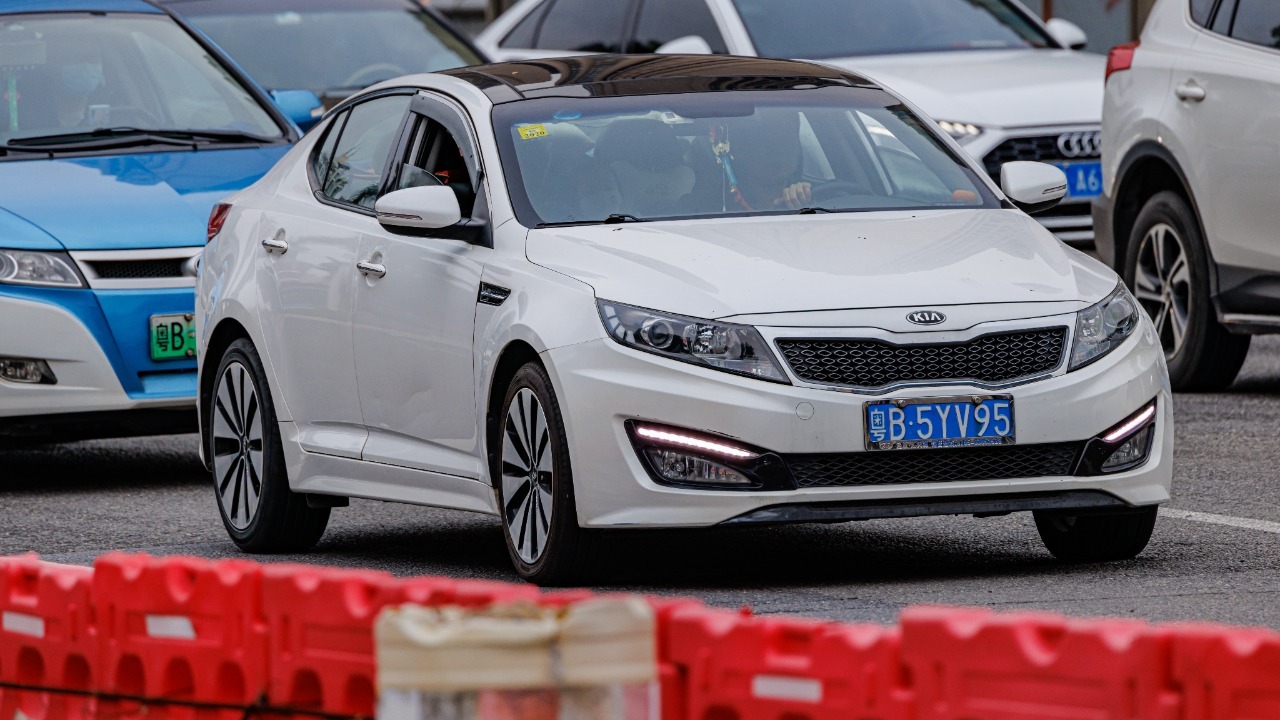
The 2011-2018 (and some 2019) Kia Optima built with the 2.0L or 2.4L Theta II gasoline direct-injection engine is one of the sedans covered by Hyundai and Kia’s engine-failure class-action settlements, alongside sibling models from both brands that share the same engine family.
Theta II engines were prone to manufacturing debris left inside the crankshaft, which could starve rod bearings of oil over time and trigger a sudden stall, a knocking noise, or in rarer cases an underhood fire years into ownership, long after the original factory warranty on the Optima had already expired.
6. Kia Sorento (2012-2019): The SUV Version Of The Same Defect
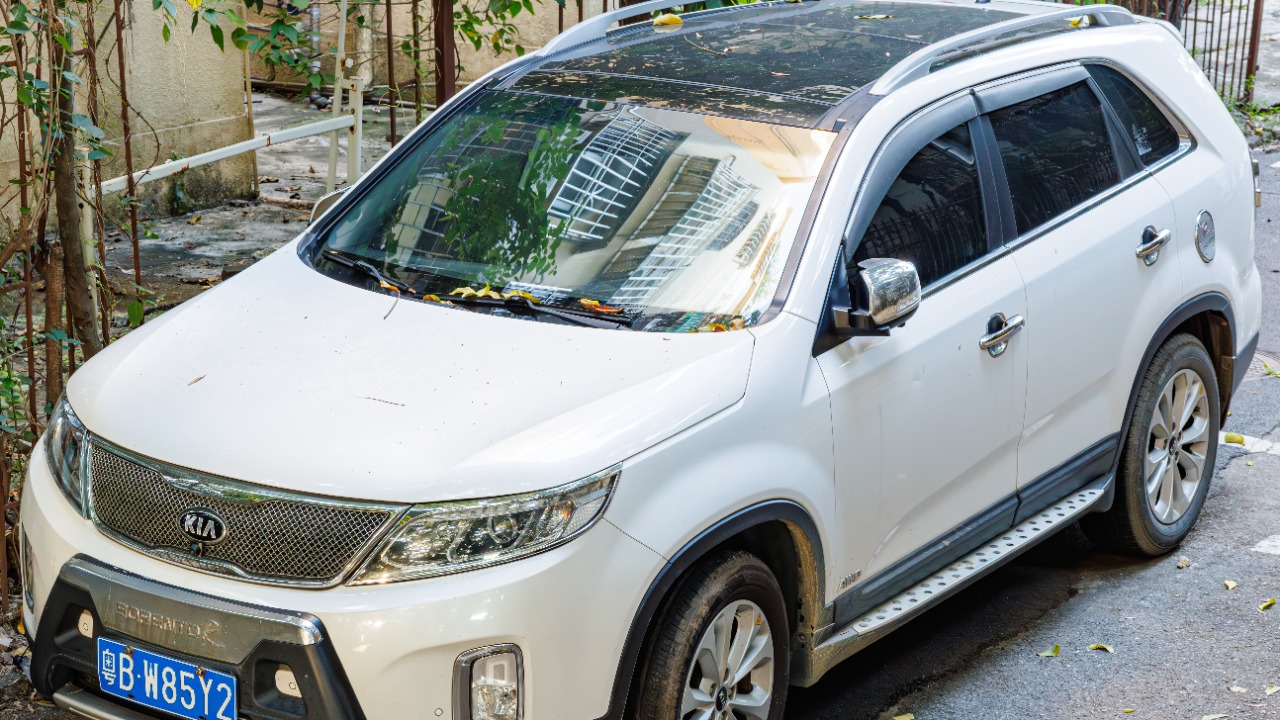
The 2012-2019 Kia Sorento built with the 2.0L or 2.4L Theta II engine falls under the same Hyundai/Kia settlement that covers the Optima’s connecting-rod wear and oil-starvation defect, extending the same engine-failure coverage to Kia’s three-row family SUV.
A three-row SUV stalling in traffic carries higher stakes than a sedan doing the same, and the settlement’s extended engine coverage and lifetime warranty option exist precisely because the failure can strike a Sorento with no driver error involved, sometimes while it is fully loaded with passengers on a highway.
7. Hyundai Sonata (2011-2019): Hyundai’s Side Of The Theta II Settlement
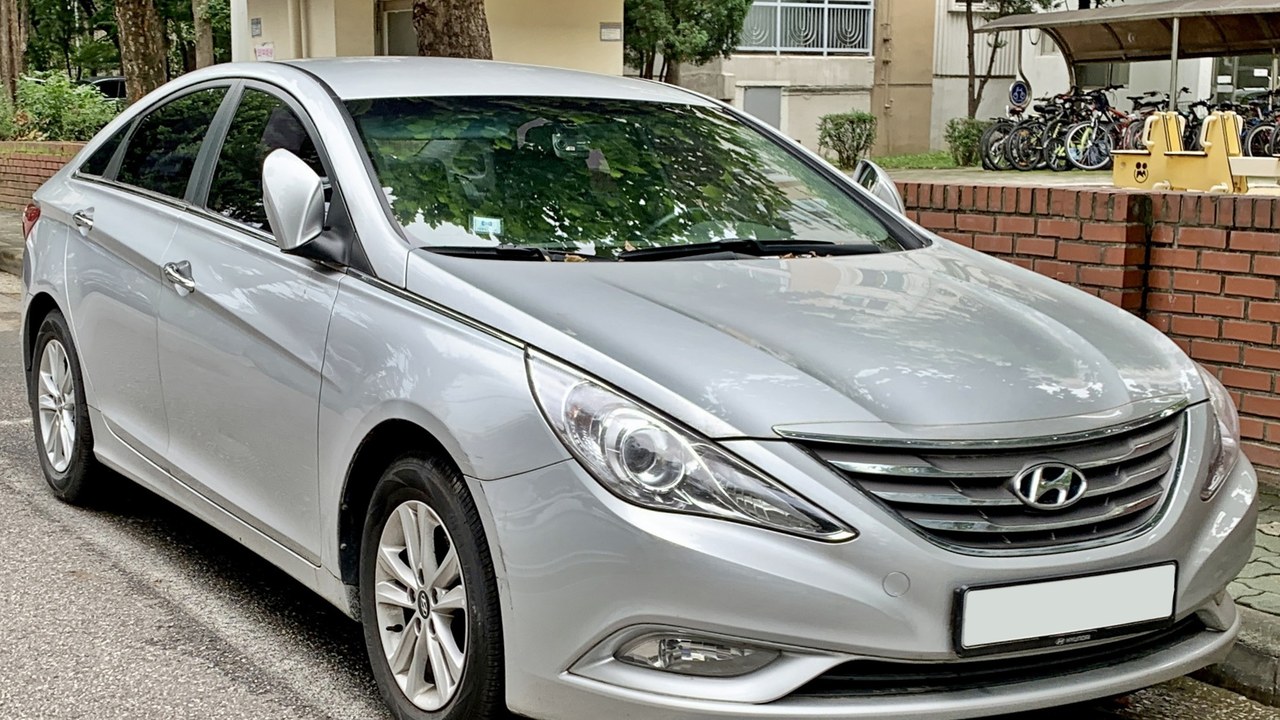
The 2011-2019 Hyundai Sonata built with a Theta II gasoline direct-injection engine is named in the same class-action settlement covering Kia’s identical 2.0L and 2.4L engine family, since Hyundai and Kia jointly engineered and manufactured the Theta II line.
Hyundai and Kia share engine architecture across both brands, so a Sonata owner faces the same debris-driven bearing wear, knocking, and stall risk that eventually pushed both companies into a joint, multi-model settlement rather than isolated recalls handled one nameplate at a time.
8. Hyundai Santa Fe Sport (2013-2019): Hyundai’s SUV In The Theta II Settlement
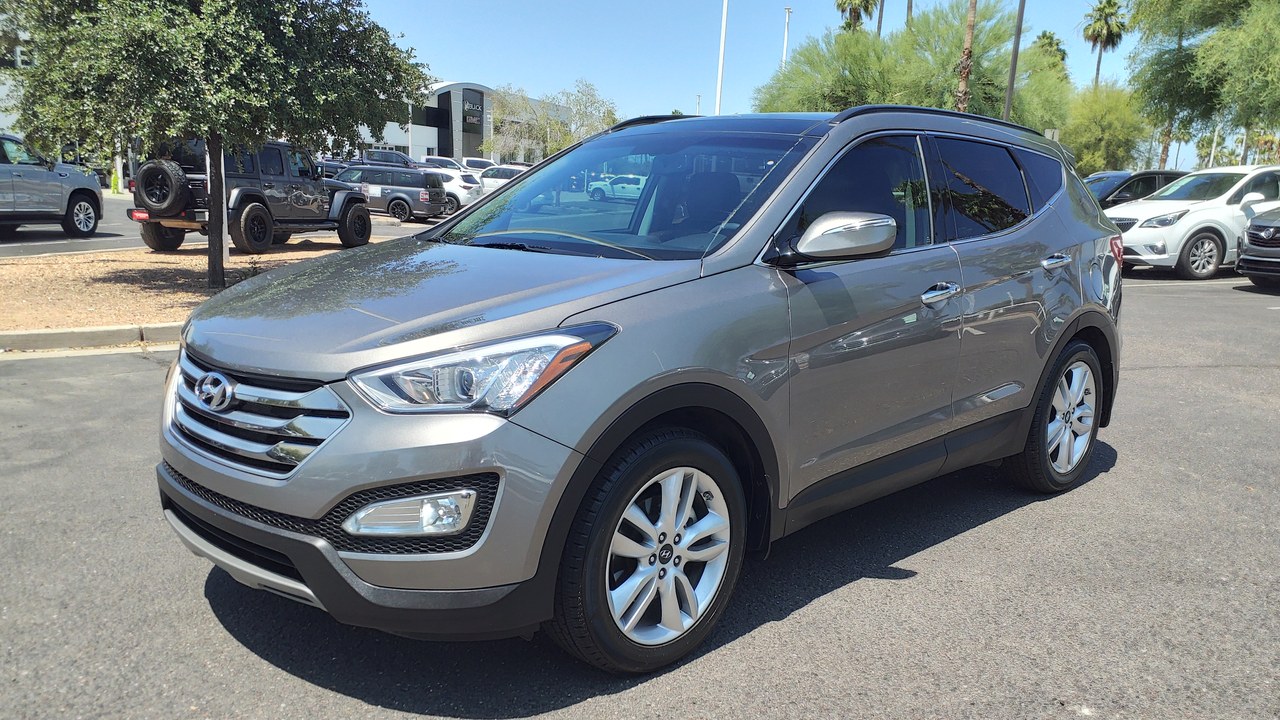
The 2013-2019 Hyundai Santa Fe Sport built with the 2.0L or 2.4L Theta II engine is covered by the same engine-failure settlement as its Sonata sedan sibling and the related Kia Optima and Sorento, rounding out the settlement’s four core nameplates.
The settlement extended engine warranties and offered buybacks or reimbursement for owners whose Santa Fe Sport had already stalled, an acknowledgment that the defect could disable the SUV suddenly with no warning light or driver error involved, often well short of the mileage a buyer would expect trouble-free.
9. Ford Escape (2020-2022): Ford’s Fuel-Injector Fire Recall
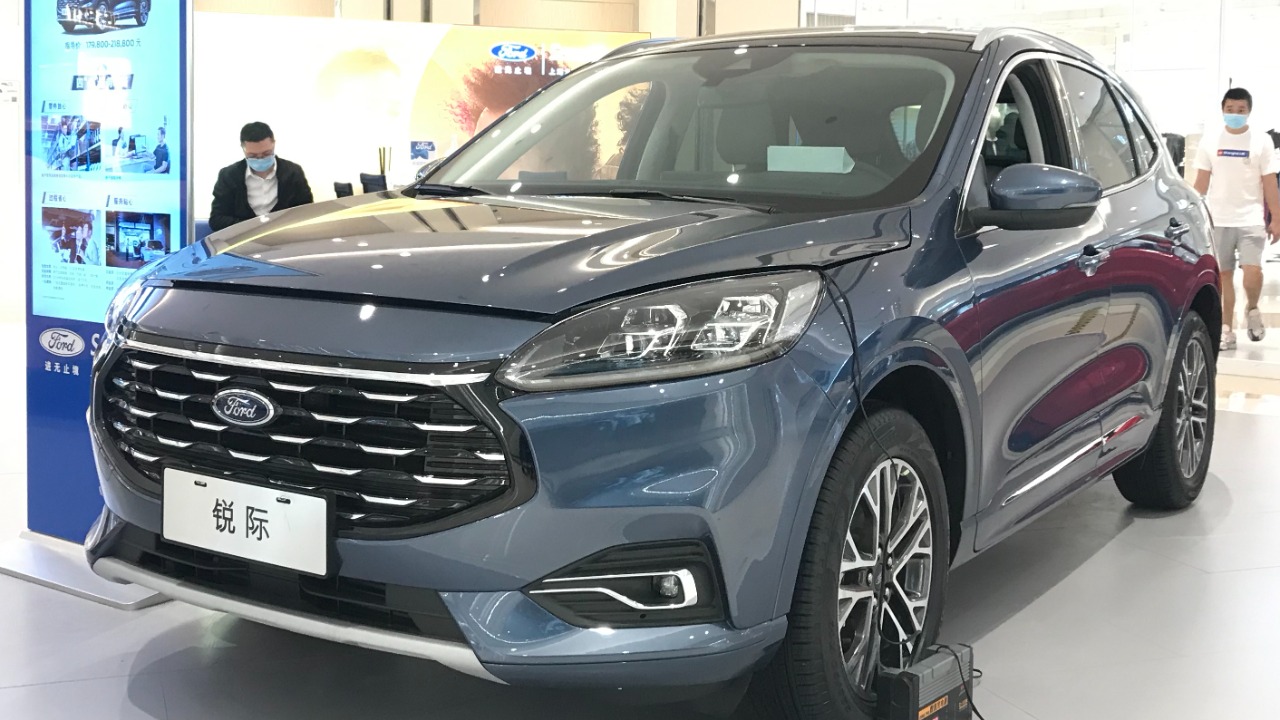
The 2020-2022 Ford Escape built with the 1.5-liter EcoBoost engine is named in Ford’s official recall 25S76 for a cracked fuel injector and underhood fire risk that also covers the related Bronco Sport crossover.
A cracked injector can leak fuel directly onto a hot engine block, and Ford’s own recall notice treats that as a fire hazard serious enough to warrant a dealer inspection and, where needed, injector replacement rather than a routine service bulletin an owner could reasonably ignore.
10. Ford Bronco Sport (2021-2024): Bronco Sport Shares The Escape’s Engine
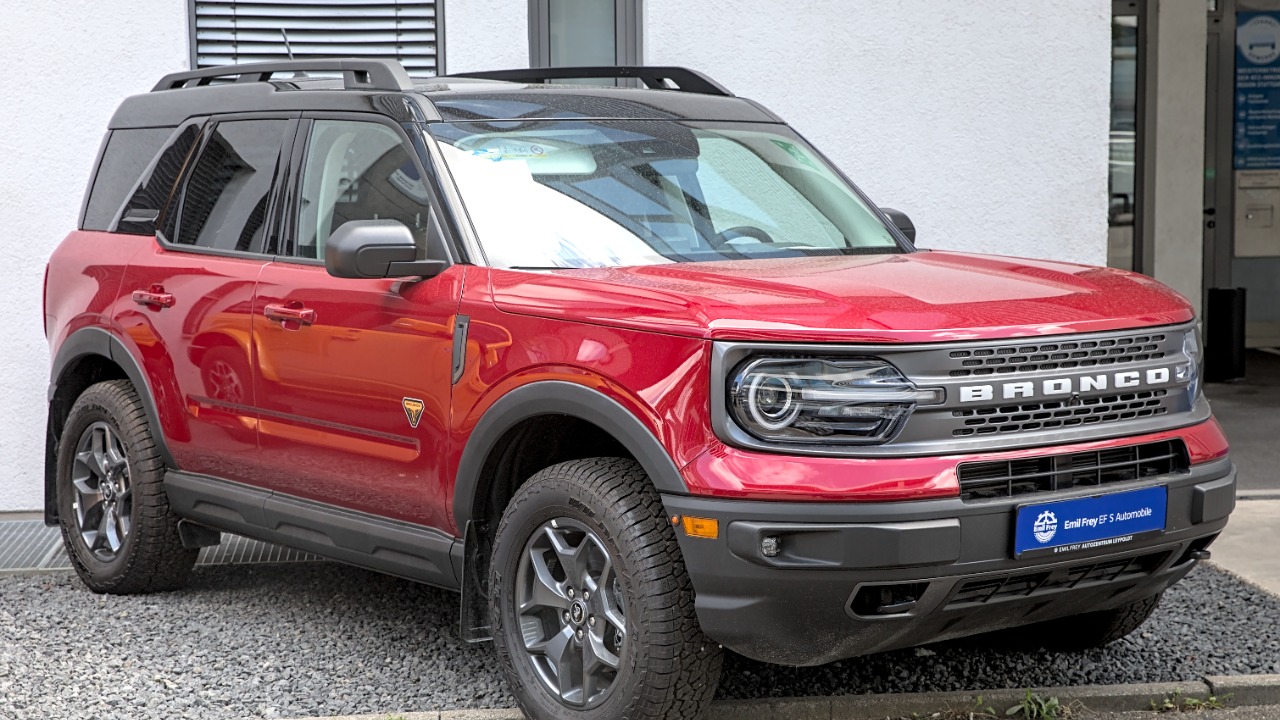
The 2021-2024 Ford Bronco Sport uses the same 1.5-liter EcoBoost engine as the Escape and is named alongside it in Ford’s cracked-injector fire-risk recall 25S76, which covers both nameplates under one recall number.
Because the Bronco Sport and Escape share a platform and engine, the underlying fix applies equally to both, and Ford’s fire-risk warning holds regardless of which of the two closely related crossovers an owner actually drives day to day, from the school run to a longer highway trip.
More from Morning Overview
- A geomagnetic storm is forecast to hit Earth today, pushing the northern lights unusually far south
- A recalled pill hid a stimulant dose linked to heart attacks and death
- Four U.S. startups fired up their first small nuclear reactors, aiming to power AI data centers on-site
- Card skimmers hidden on gas pumps and ATMs are draining accounts, and here’s the tell
