
Cold weather is a genuine stress test for electric vehicles, since batteries deliver less usable energy and cabin heating draws directly from the pack instead of engine waste heat. Independent winter testing from InsideEVs, NAF and El Prix in Norway, and Recurrent’s own range study has quantified just how much some models give up once temperatures drop. Here are ten EVs that lose the most range when winter hits.
1. Volkswagen ID.4: The Steepest Winter Drop
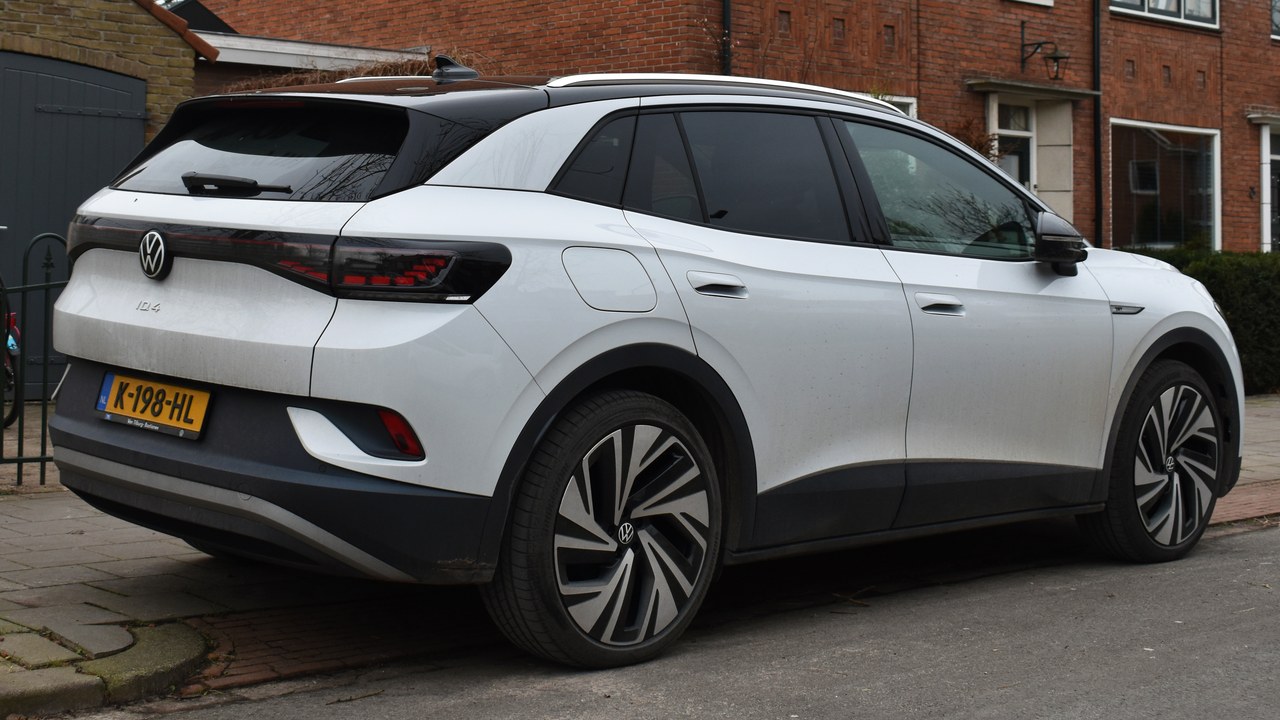
Cold-weather testing that tracked dozens of EVs found the Volkswagen ID.4 retained just 63% of its range once temperatures dropped, the steepest decline of any model in the data set. The ID.4 ships without a heat pump, so its cabin heater and battery-conditioning system pull power straight from the drive battery instead of recycling waste heat.
For an owner in a cold climate, that shortfall can turn a rated 250-mile battery into closer to 160 miles on a winter commute, meaning more frequent charging stops through the season.
2. Ford Mustang Mach-E: Resistive Heat, Real Cost
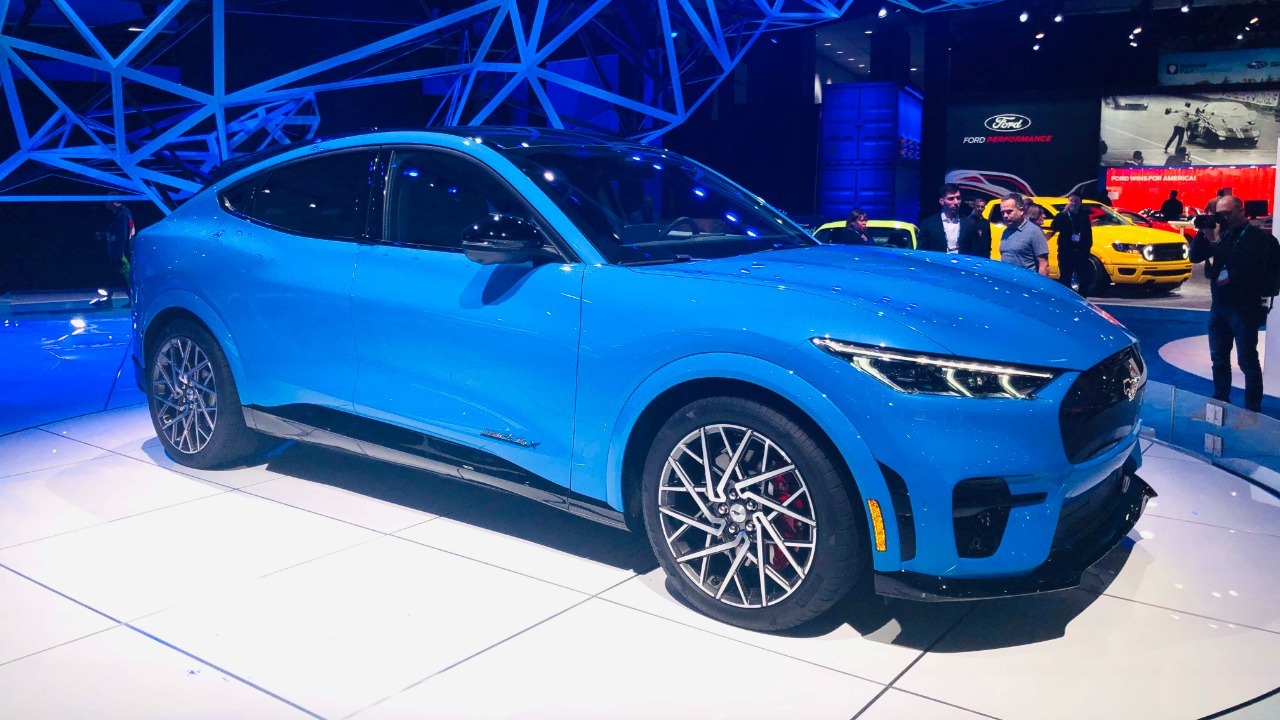
The Ford Mustang Mach-E fared only slightly better, retaining 66% of its range in the same cold-weather comparison. Like the ID.4, the version tested lacks a heat pump, leaving resistive heating as the only way to warm the cabin and battery.
That gap matters most for drivers who rely on the advertised range for longer trips, since a winter forecast can quietly erase a third of what the window sticker promises. Ford does sell Mach-E trims with an optional heat pump, so a shopper cross-referencing the spec sheet before a cold-climate purchase can avoid landing in the non-heat-pump group this test measured.
3. Chevrolet Bolt: A Small Pack’s Slim Buffer
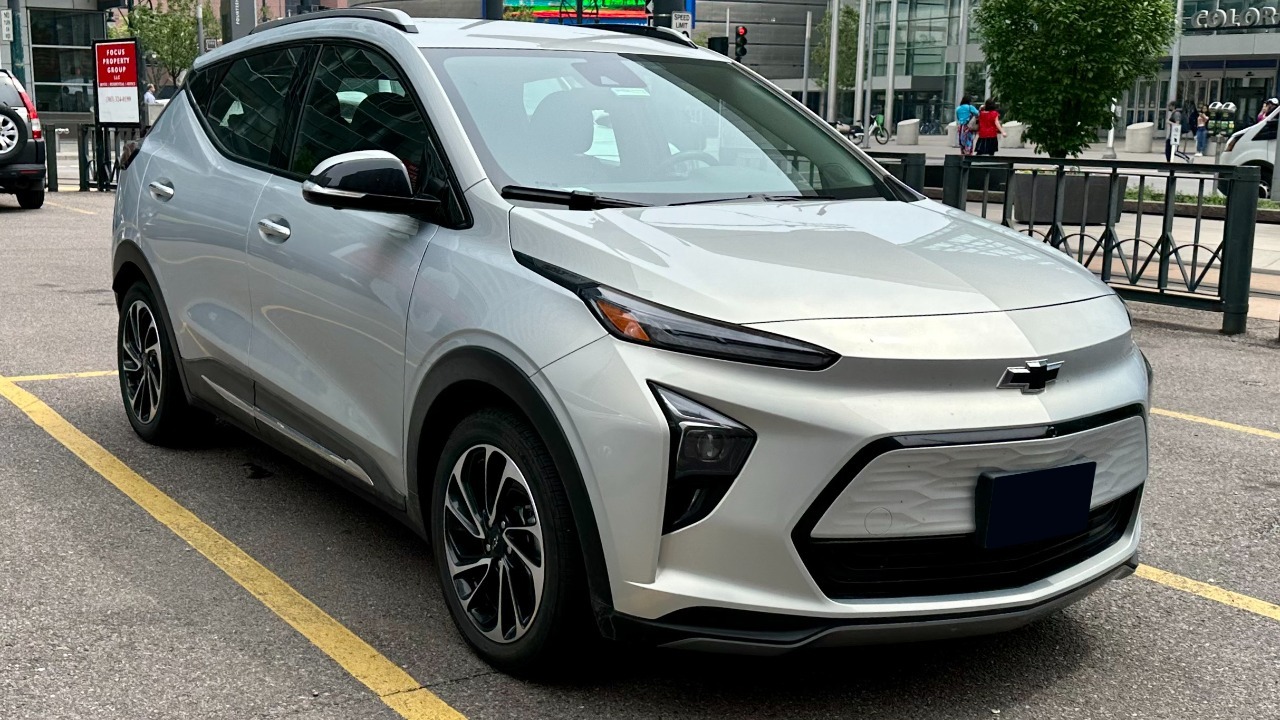
The Chevrolet Bolt held onto 69% of its range in cold testing, one of the better showings among heat-pump-less models but still a meaningful loss. Its smaller, budget-focused battery pack leaves less buffer to absorb the extra draw from cabin heating.
Bolt owners commuting in freezing conditions should expect a noticeably shorter range than the EPA-rated figure and plan charging stops accordingly. Preconditioning the cabin and battery while the car is still plugged in, rather than after unplugging for the day, is one of the few ways to claw back some of that lost range without changing the underlying hardware.
4. Cadillac Lyriq: A Heat Pump Isn’t Enough
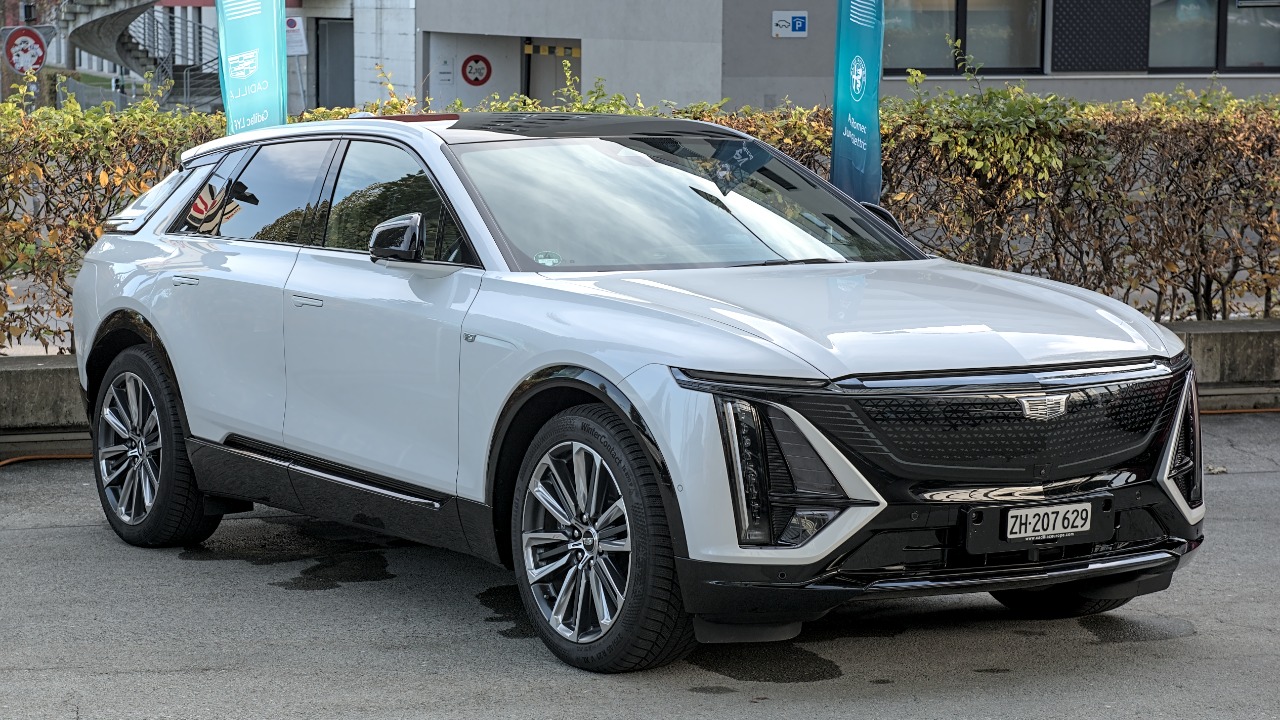
The Cadillac Lyriq does have a heat pump, yet it still retained only 72% of its range in cold-weather testing. That puts it well below what a heat pump alone would suggest, since battery chemistry itself slows down in low temperatures regardless of how the cabin is heated.
The result is a reminder that a heat pump reduces winter range loss rather than eliminating it, so even Cadillac’s flagship EV needs extra buffer on cold days. Shoppers weighing a heat pump as a winter cure-all should read it instead as one mitigation among several a cold-climate EV still needs.
5. Peugeot E-3008: Norway’s Worst Performer
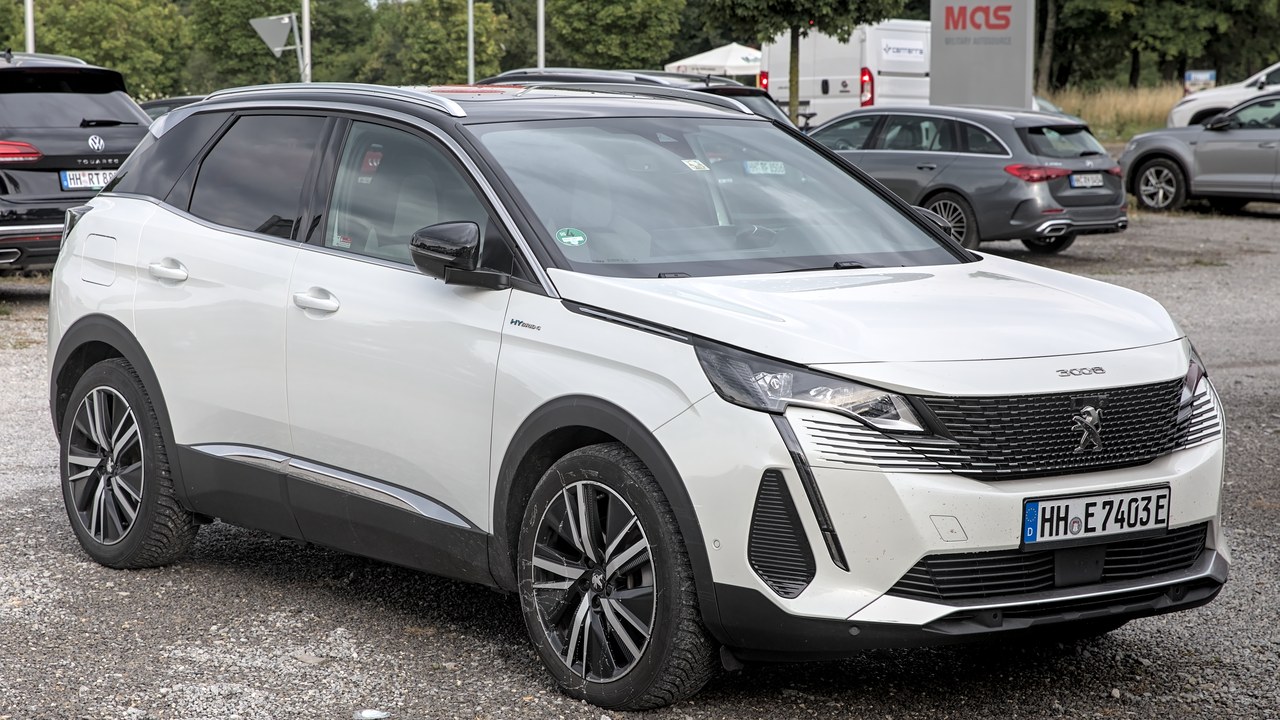
In NAF and El Prix’s 2025 Norway winter test, the Peugeot E-3008 covered only 216 of its claimed 317 miles, a 32% shortfall that was the worst result in the entire field of tested vehicles.
That kind of gap can leave a driver recalculating a route mid-trip, since the E-3008’s window-sticker range assumes conditions far milder than a Nordic winter. Norway’s climate makes it one of the toughest real-world proving grounds in Europe, so a result at the bottom of that specific field carries more weight than a loss measured on a milder test track.
6. Voyah Dream: A Newcomer’s Rough Debut
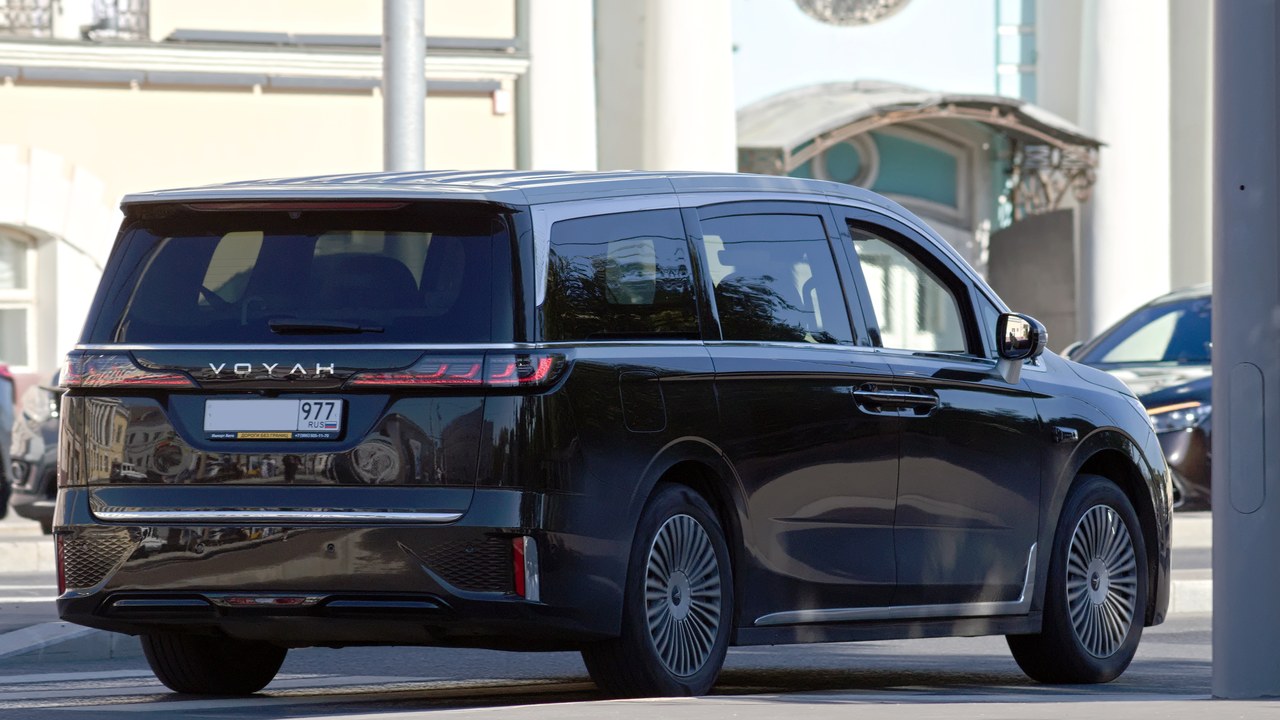
The Voyah Dream, a newer entrant to the European EV market, managed just 214 of its 299-mile claimed range in the same Norway winter test, a 29% shortfall.
For a brand still building a reputation outside China, that kind of result undercuts the range claims buyers are being asked to trust before years of ownership data exist to check them against. A near-30% swing between claimed and tested range is large enough to turn a planned winter road trip into one with an unplanned charging stop.
7. Peugeot E-5008: A Family SUV’s Cold Shortfall
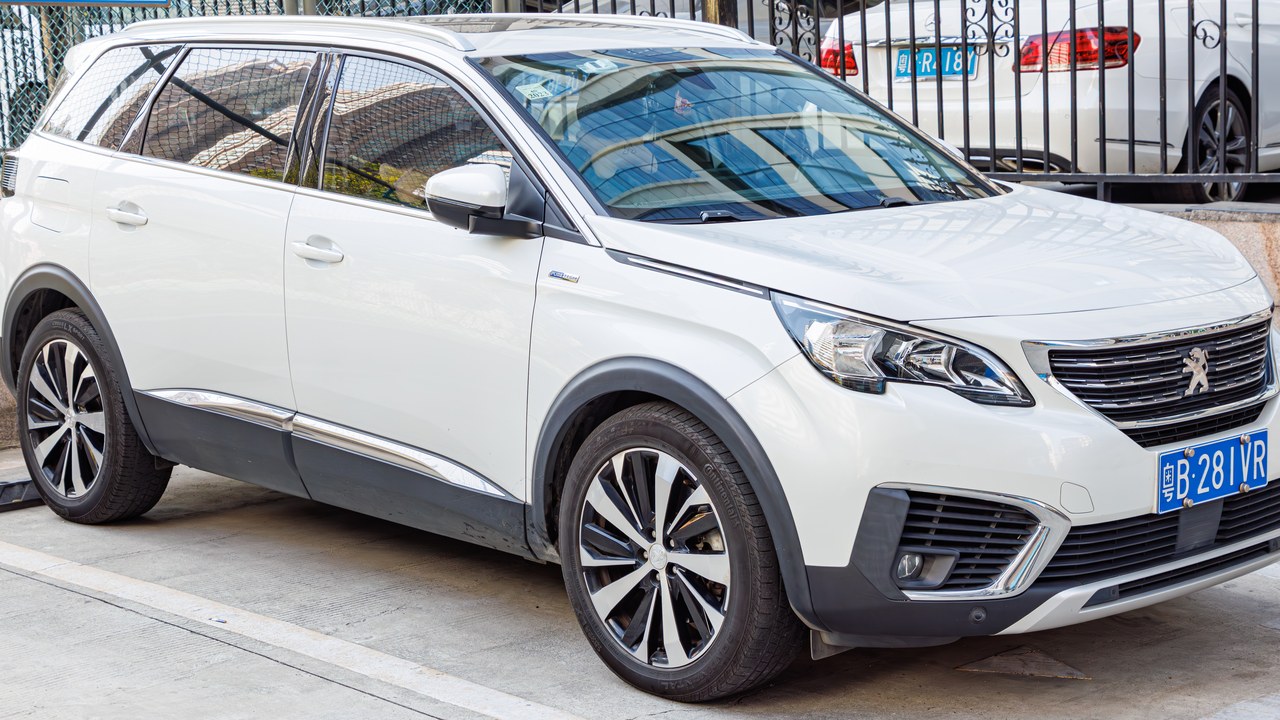
The Peugeot E-5008, a larger seven-seat sibling to the E-3008, came up 26% short of its claimed range in the same Norway winter test. The two Peugeot SUVs share a platform, and both fell well short of their claimed figures once temperatures dropped.
Families relying on the E-5008 for longer winter trips would need to budget an extra charging stop that the manufacturer’s range figure doesn’t account for, particularly with a full load of passengers and luggage adding further draw on the battery.
8. Hyundai Ioniq 5: A Best-Seller’s Cold Weakness

The Hyundai Ioniq 5, one of the best-selling EVs in the test, still fell 20% short of its claimed range, reaching only 271 of a claimed 339 miles.
That the shortfall touched even a mainstream, heavily reviewed model underscores how broadly cold weather cuts into EV range, not just for niche or budget vehicles. The Ioniq 5’s popularity means its winter numbers get cross-checked by more owners than almost any other EV on this list, reinforcing that the test result was not simply a quirk of one test unit.
9. Chevrolet Blazer EV: Ranked Among the Weaker Retainers
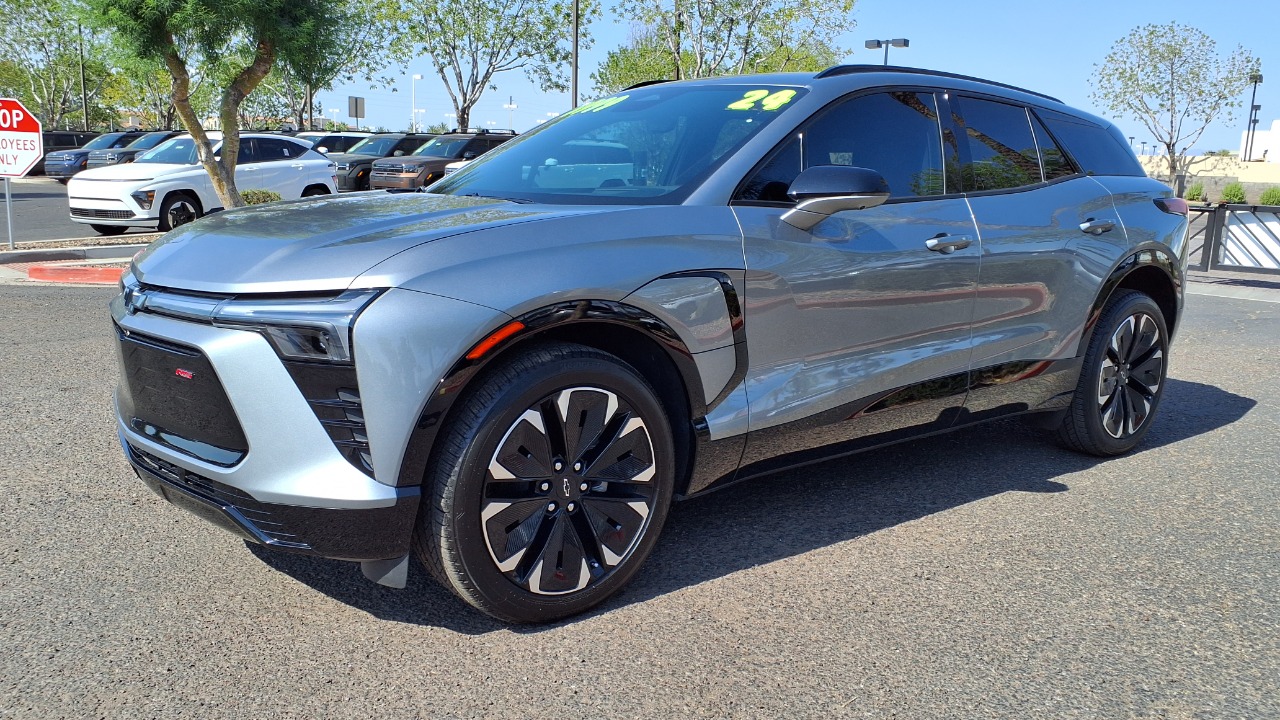
Recurrent’s ranked study of 34 EV models, published in November 2025, places the Chevrolet Blazer EV among the lower performers for cold-weather range retention, a category that spans multiple GM electric platforms.
Cold temperatures slow the chemical reactions inside every lithium-ion battery and force the cabin heater to draw from the same pack, so a ranking near the bottom signals a driver should expect real-world range noticeably below the EPA estimate in winter. Owners can offset some of that loss by preheating the cabin while still plugged in and by using seat heaters instead of the climate system whenever possible.
10. BMW i3: A Small Battery’s Winter Penalty

The same Recurrent study also lists the BMW i3 among the lower performers for cold-weather range retention, despite the i3’s reputation as an efficient city car.
Its small battery pack leaves little cushion once winter demands compete with everyday driving for the same limited store of energy, a tradeoff worth weighing by anyone shopping the used i3 market for cold-climate use. The i3 was never sold with a large-capacity battery option, so there is no bigger-pack variant to offset the seasonal loss.
More from Morning Overview
- General Motors is switching on cameras that record inside your vehicle by update
- A geomagnetic storm is forecast to hit Earth today, pushing the northern lights unusually far south
- A recalled pill hid a stimulant dose linked to heart attacks and death
- Four U.S. startups fired up their first small nuclear reactors, aiming to power AI data centers on-site
