
Every tornado rated EF5 on the Enhanced Fujita Scale is a rare, devastating event, and the National Weather Service has surveyed each one. The list runs from Greensburg in 2007 to Enderlin in 2025, with the 132-mile Hackleburg track standing out for its length and its 72 deaths. Here are eight EF5 tornadoes, each drawn from an official survey page.
Save more, waste less: The Cool Down’s newsletter sends smart, simple changes that help you and the planet in your everyday life.
We may earn a commission if you sign up.
1. Greensburg, Kansas tornado (2007): First of Its Kind

According to NWS Wichita’s top-ten storms page, the Greensburg tornado of 2007 went down in history as the first tornado to be rated EF5 on the new Enhanced Fujita Scale. It carved a 26-mile path that reached up to 1.75 miles wide, with winds near 205 mph.
Eleven people were killed. Because the rating was brand new, the storm set the starting point for every EF5 that followed, and its place at the head of the list rests on that distinction rather than on a count of lives lost or miles covered alone, which later storms exceeded.
2. Parkersburg-New Hartford, Iowa tornado (2008): Iowa’s Long Wait
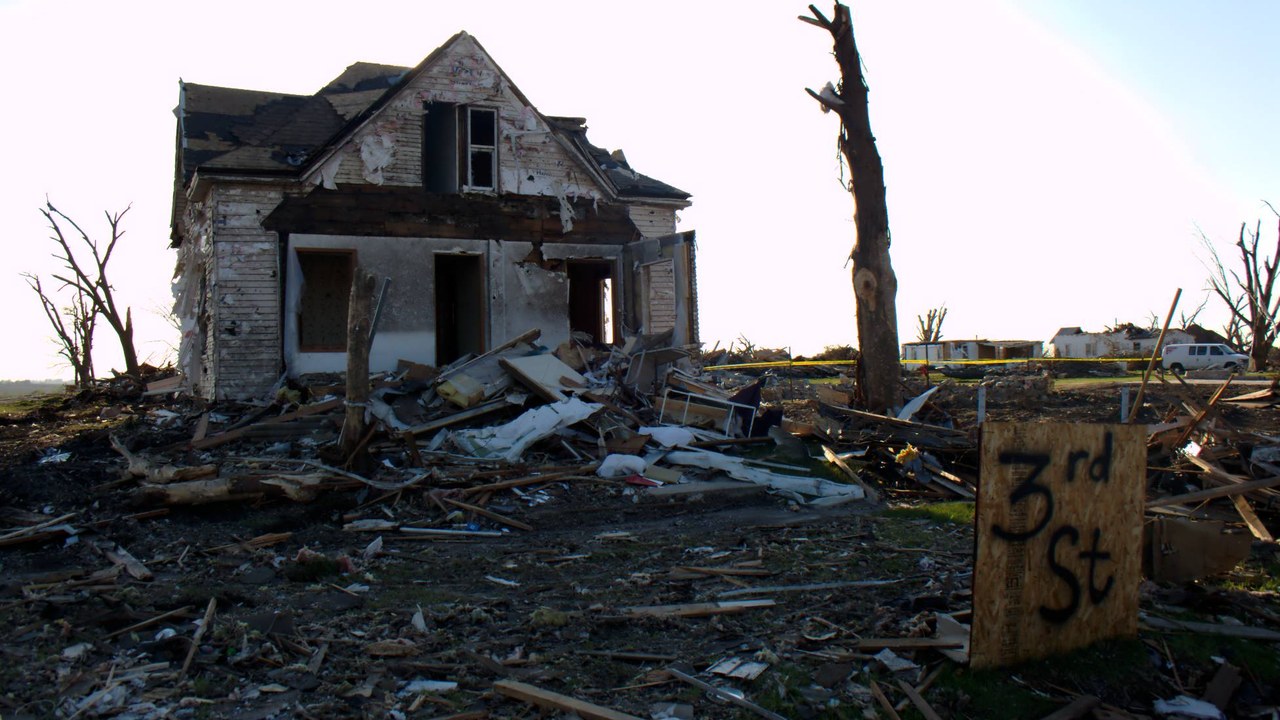
The Parkersburg-New Hartford tornado of 2008 was only the second EF5 on the new scale, and NWS La Crosse’s EF5 summary describes it as a low end EF5 correlated to wind speeds up to 205 mph. It was also Iowa’s first F5 or EF5 since June 1976.
That gap of more than three decades shows how rare the top rating remains, even in a state well inside tornado country. The survey wording is careful, labeling the storm low end, so the rating marks the threshold of the category rather than the extreme.
3. Smithville, Mississippi tornado (2011): Mississippi’s 35 Miles
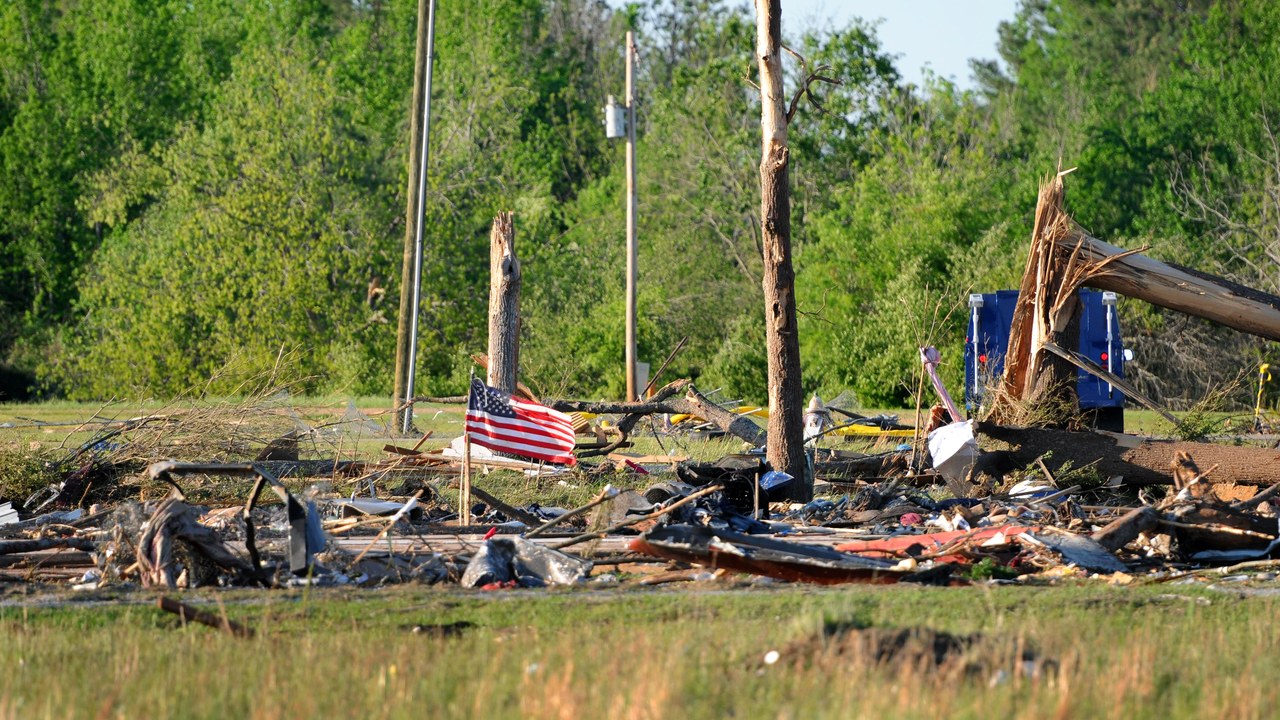
The Smithville tornado in Mississippi, covered on NWS Memphis survey page, was rated EF-5 with estimated winds of 205 mph. Its damage path stretched 35.1 miles across the countryside.
Fifteen people died and 40 were injured. The storm belonged to the April 2011 outbreak, a stretch of days when several of the strongest tornadoes on this list struck within weeks of one another, which is why 2011 supplies four of the eight entries. Survey pages like this one record the rating, the wind estimate and the path length in a compact table, which makes the storm easy to compare with its peers.
4. Hackleburg-Phil Campbell, Alabama tornado (2011): The 132-Mile Track

The Hackleburg-Phil Campbell tornado of April 27, 2011, is documented on NWS Birmingham’s event page as an EF-5 with 210-mph winds. Its track ran 132 miles, reached up to 2,200 yards wide and killed 72 people.
That combination of distance and death toll earns the storm its place in the headline of this gallery. Its 210-mph estimate sits above the 205-mph ratings given to several other storms on this list. The wide swath and long path make it an outlier in the group, and the survey page documents it as one of the most destructive storms of that April outbreak.
5. Joplin, Missouri tornado (2011): Deadliest in Decades

The Joplin, Missouri tornado was an EF-5 that killed 158 people, and NWS Springfield’s Joplin retrospective calls it the deadliest tornado since modern record keeping began in 1950. No other entry in this gallery approaches that toll.
The figure also dwarfs the 72 deaths from the Hackleburg track, even though that storm traveled far farther. Joplin shows that path length and wind speed are only part of the story, because a violent tornado crossing a populated city can change the casualty count dramatically. The survey retrospective frames the storm by its human cost, a fitting emphasis given that it remains the benchmark against which other modern tornadoes are measured.
6. El Reno-Piedmont, Oklahoma tornado (2011): Above 210 mph
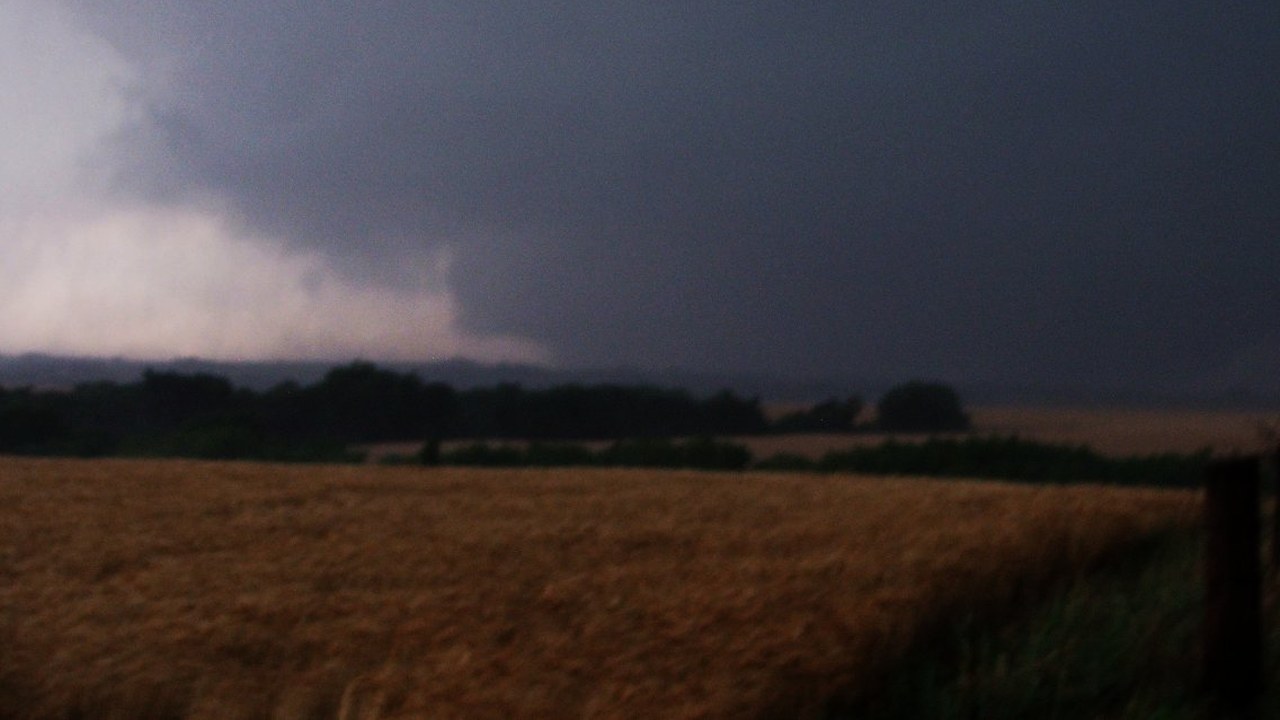
On May 24, 2011, the El Reno-Piedmont tornado earned an EF5 rating with estimated peak winds greater than 210 mph, according to NWS Norman’s May 24 event page. It tracked 63 miles across central Oklahoma.
The toll was 9 killed and 181 injured, a far higher ratio of injured to dead than most storms on this list. The survey lists the wind estimate as a floor rather than a precise figure, so the true peak could have been stronger than 210 mph. Its place on the list rests on that wind estimate, and the page records the storm in the same event-summary format used for the other Oklahoma entries.
7. Moore, Oklahoma tornado (2013): Forty Minutes on the Ground

The Moore, Oklahoma tornado of 2013 had a path length of approximately 14 miles and a width of 1.1 miles, as NWS Norman’s May 20 event page records. It stayed on the ground for about 40 minutes.
Twenty-four people were killed and 212 were injured. The storm was shorter in distance than several others in the gallery, but its width and duration through a densely built area explain the scale of the damage and the large number of injuries. That mix of a modest path length and a heavy toll helps explain why the storm drew such lasting attention from forecasters and survey teams after the event.
8. Enderlin, North Dakota tornado (2025): The Late Upgrade
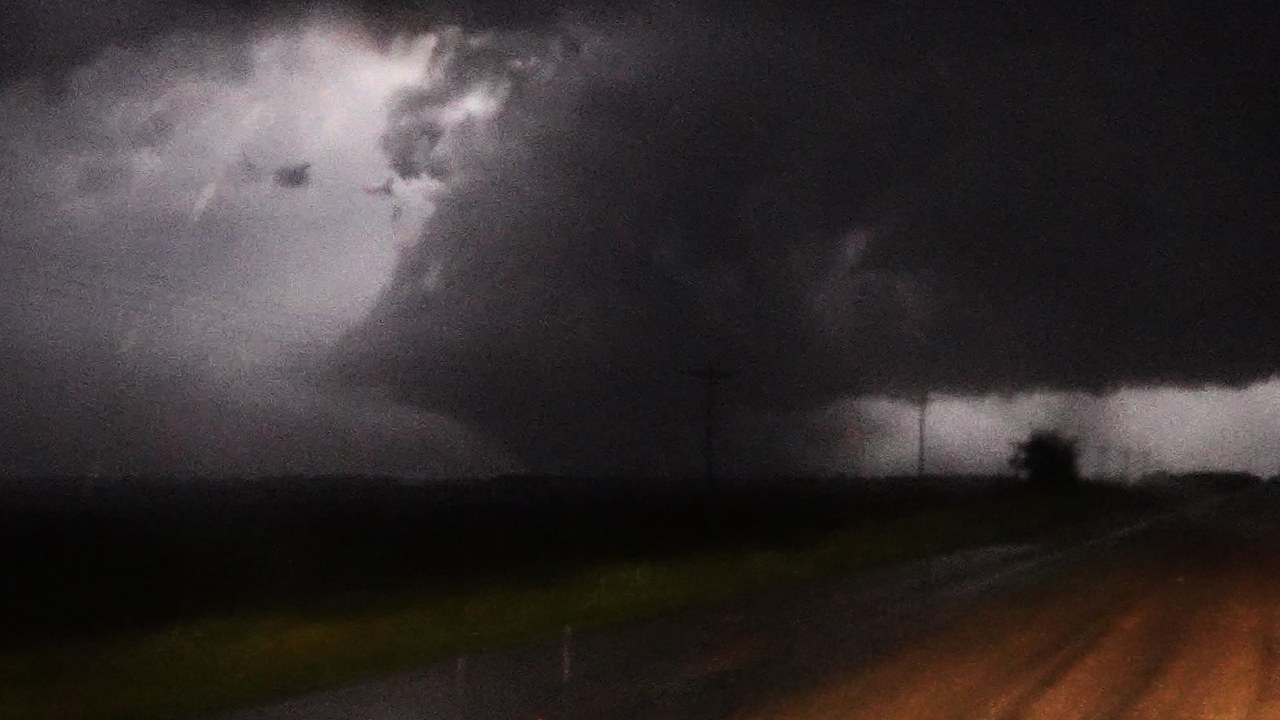
The Enderlin, North Dakota tornado was upgraded to EF5 on Oct. 6, 2025, after a tanker car was tossed about 476 feet. The NWS Grand Forks’ Enderlin survey lists an estimated maximum wind speed greater than 210 mph on a 12.1-mile path.
Three people were killed. As the newest entry, it arrives more than a decade after the 2013 Moore storm, and its upgrade is a reminder that final ratings can change once surveyors finish studying the evidence. The survey document, published as a PDF, gives the wind estimate and path figures that anchor the rating and bring the list up to date.
Save more, waste less: Subscribe to The Cool Down →
We may earn a commission if you sign up.
More from Morning Overview
- Ford is recalling 223,472 F-150 pickups because the fuel tank can leak or detach
- Hybrids have 15% fewer problems than gas cars, while EVs and plug-in hybrids have about 80% more, Consumer Reports finds
- Regulators cleared the first U.S. small modular reactor, 4 months early
- Lake Powell sank to a record 3,517 feet, nearing the level that stops Glen Canyon Dam’s turbines
