
Reliability rankings reward boring engineering, and the crossovers that fall to the bottom usually get there the same way: an unproven powertrain, half-finished software, or a transmission owners never stop complaining about. The models below span brand-new electric platforms and aging bestsellers, and the pattern running through them is remarkably consistent. Here are eight crossovers whose trouble records earned them a place on the 2026 worst list.
1. Chevrolet Blazer EV: Software Woes Stalled Its Launch
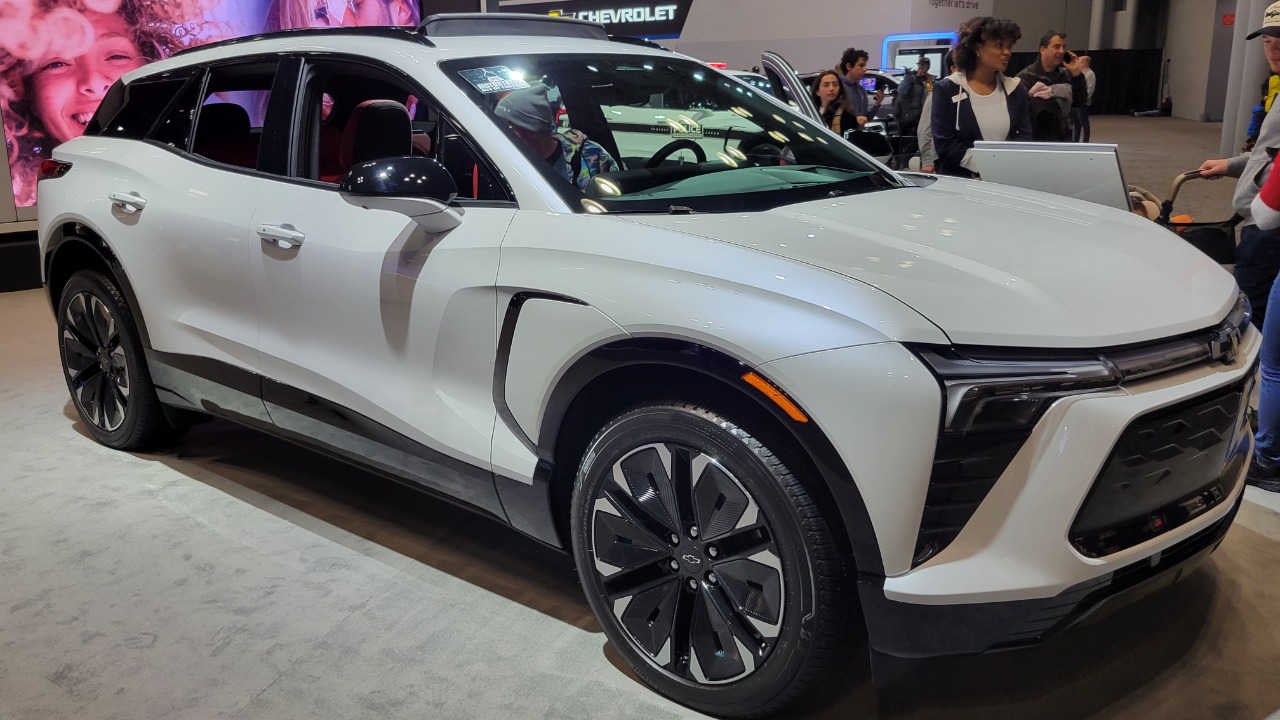
General Motors halted sales of the Chevrolet Blazer EV in December 2023, only weeks after the first deliveries, when owners reported infotainment blackouts, charging sessions that would not start and dashboard warnings that left cars stranded. A software remedy and a steep price cut followed, but the launch set the tone for how the model is judged.
Anyone shopping an early-build car inherits that history, because the faults were addressed through dealer and over-the-air updates rather than hardware changes, which makes service records more revealing than odometer readings. Later production has been calmer, yet the Blazer EV still carries more electronic trouble reports than the gasoline crossovers it was meant to replace.
2. Volkswagen ID.4: Charging Faults And Frozen Screens

Complaints about the Volkswagen ID.4 cluster around its electrical architecture rather than its motors: fast-charging sessions that refuse to begin, twelve-volt systems that leave the car unresponsive in a driveway, and touchscreens that freeze or reboot while driving. Volkswagen has answered with successive software releases, and later builds behave better than the first ones.
The mechanical side is comparatively sound, so the penalty tends to be downtime and irritation instead of catastrophic repair bills. Confirming that a specific car has received the latest software is the single most useful check available, since an un-updated example can behave nothing like a current one parked beside it on the same lot.
3. Jeep Compass: Two Generations, One Complaint List
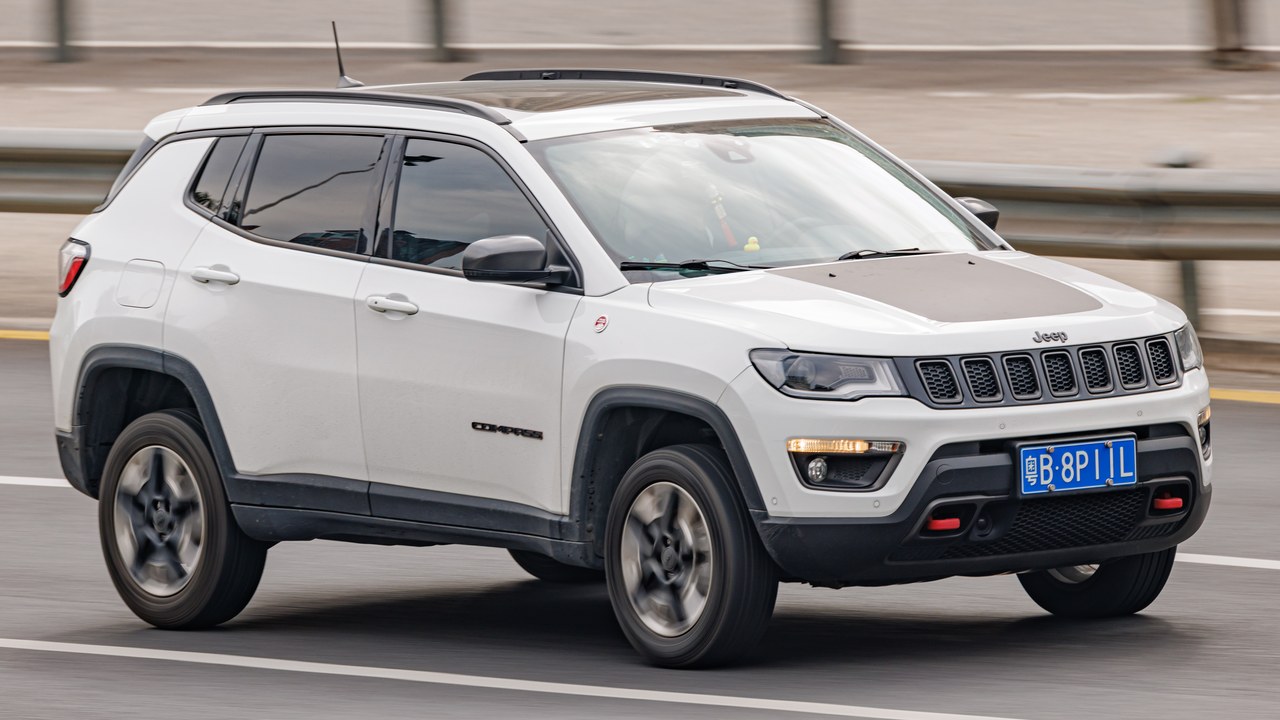
Two full generations of the Jeep Compass have collected the same kind of criticism. Early cars mated a modest four-cylinder to a continuously variable transmission that owners faulted for noise and durability, while later ones ran a 2.4-liter Tigershark engine and a nine-speed automatic blamed for hesitation, abrupt downshifts and oil consumption.
Generation matters more than trim for anyone shopping used, because the complaint history splits cleanly along that line and the newer turbocharged 2.0-liter engine is still thin on the resale market. Uconnect glitches and interior electrical faults recur often enough that a long test drive exercising every screen and camera is time well spent.
4. Cadillac Lyriq: New Platform, Early Growing Pains
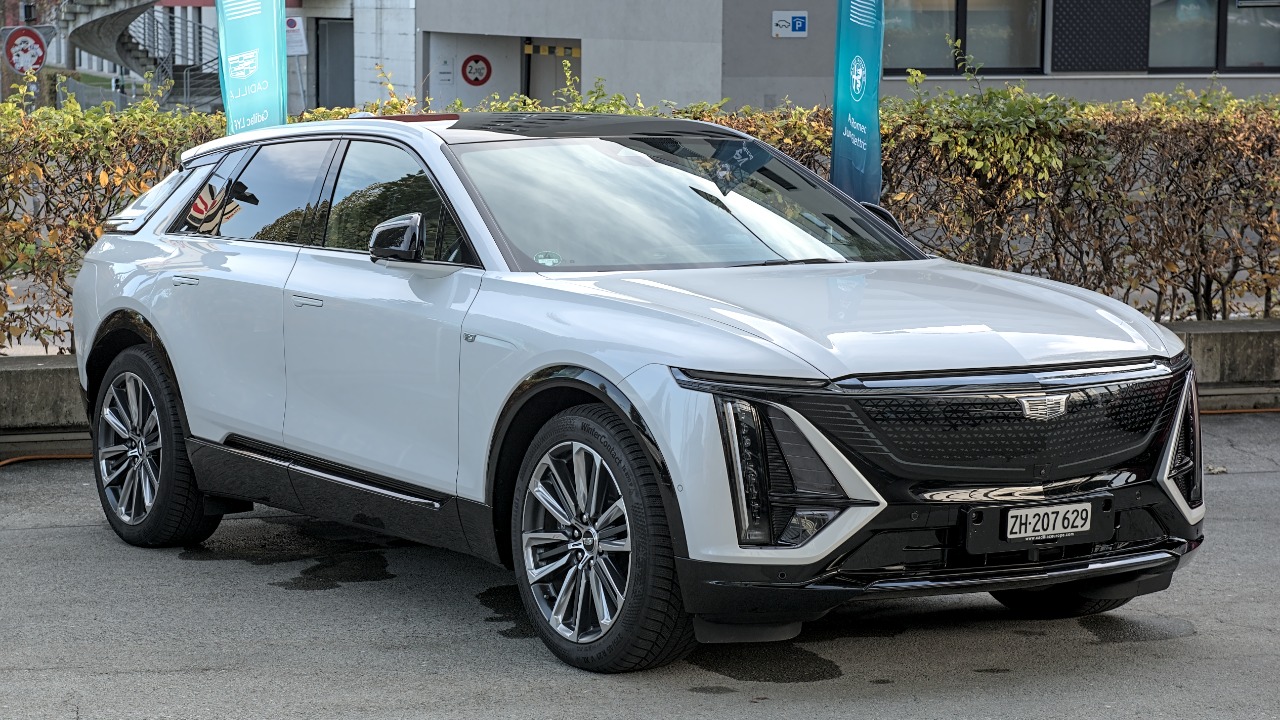
As the first Cadillac built on General Motors’ Ultium architecture, the Cadillac Lyriq introduced a new battery, new motors and a new software stack simultaneously, and early cars reached customers before parts of the feature set were finished. Reduced-propulsion-power warnings, interrupted charging and faults in the curved 33-inch display are the recurring themes.
None of this is unusual for a first-year electric vehicle, and General Motors has issued remedies through dealers as the problems surfaced. A luxury crossover priced against German rivals is judged harshly for time spent waiting on a service bay, though, and that early record is what keeps the Lyriq on lists of this kind.
5. Nissan Rogue: The CVT Question Never Goes Away
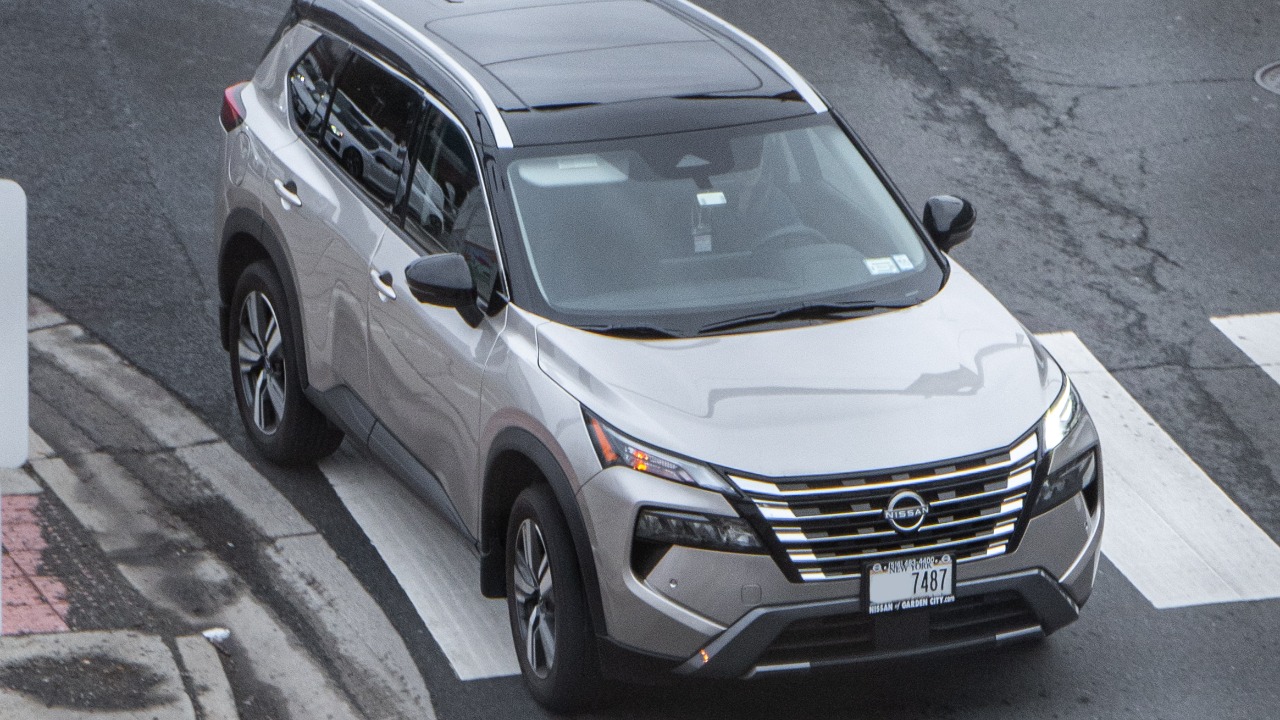
Nissan’s Xtronic continuously variable transmission is why the Nissan Rogue keeps surfacing in reliability conversations. Earlier generations produced enough overheating, shuddering and outright failure complaints that Nissan extended warranty coverage on affected vehicles, and the reputation has outlived the hardware that caused it.
Current cars use a variable-compression turbocharged three-cylinder with a redesigned gearbox, and they are measurably better. The transmission still represents a single expensive point of failure once coverage lapses, so the case for any given Rogue rests on remaining warranty and documented fluid services rather than on mileage alone.
6. Jeep Cherokee: An Old Design Left To Age Out
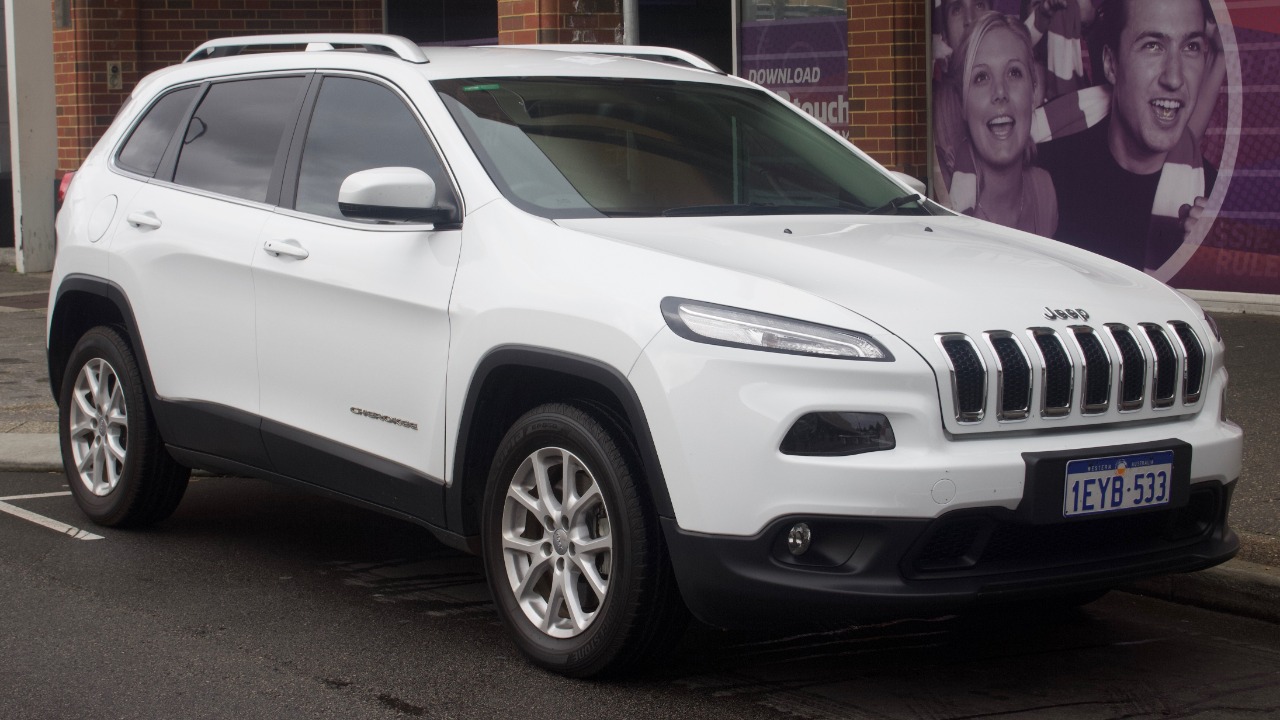
Built from 2014 until Stellantis ended production in 2023, the KL-generation Jeep Cherokee never escaped the reputation its early nine-speed automatic earned, with owners describing harsh engagement, gear hunting and a long series of recalibrations. Electrical and cooling complaints accumulated across the run.
Because the line was retired rather than redesigned, every example now sits several model years old with a well-catalogued trouble list attached. Parts availability and dealer coverage remain broad, which softens the cost of repairs, but shoppers are buying into a platform that was already dated on the day it stopped being built.
7. Volvo XC40: Great Seats, Difficult Software
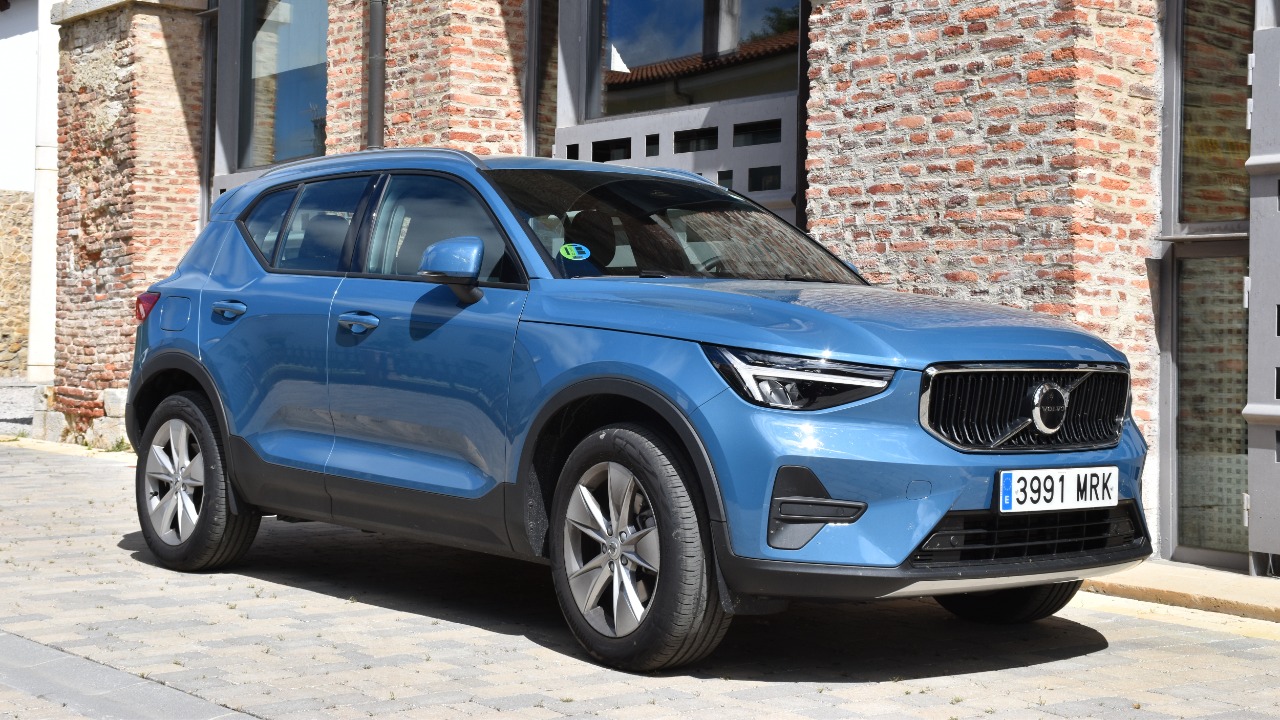
Volvo moved the compact Volvo XC40 onto a Google-based Android Automotive system, and the transition brought a steady stream of owner reports about blank center screens, over-the-air updates that fail partway through, unresponsive climate controls and phone pairing that drops without warning.
Mechanically the car is conventional and its safety record is strong, so the frustration concentrates in the cabin rather than under the hood. That distinction offers limited comfort when heating, defrost and drive modes all live inside the touchscreen, and it is the main gap between this Volvo and the reputation its badge implies.
8. Ford Escape: Recalls Keep Piling Up
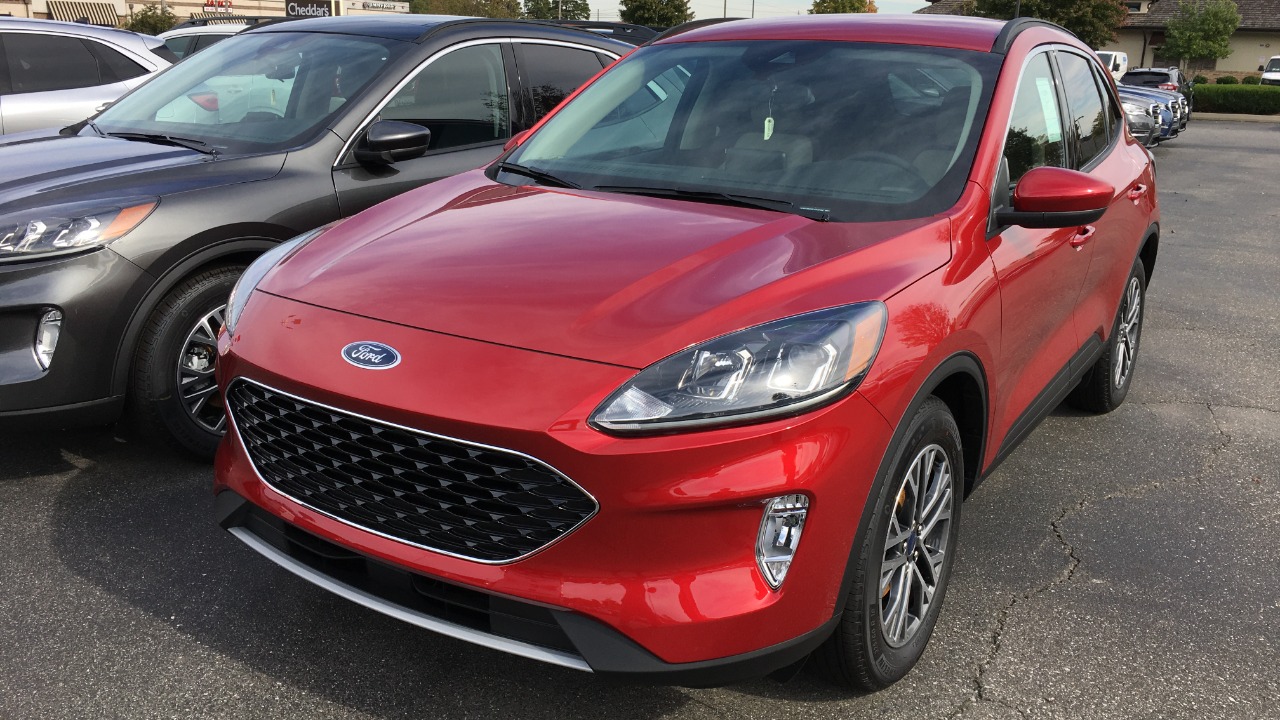
The 1.5-liter EcoBoost three-cylinder has been the persistent weak point in the current Ford Escape, where cracked fuel injectors can leak gasoline onto hot engine components. Ford’s fix routed fuel away through a drain tube and added software to warn the driver instead of replacing the injectors, an approach that drew regulatory scrutiny.
Transmission shudder and electrical faults appear often enough alongside it to keep the model near the bottom of owner surveys. The Escape stays cheap to buy and simple for independent shops to service, which cushions the downside, but the volume of open complaints is why it closes out this list.
More from Morning Overview
