
Air suspension swaps a smooth ride for a single failure mode: a torn rubber bladder that drops one corner of the car. Luxury brands from Mercedes-Benz to Cadillac lean on the same air-spring hardware, and a single-corner shop quote often runs into the thousands. Here are eight cars whose air suspension turns a routine repair into a repair-bill nightmare.
1. Mercedes-Benz S550: A Six-Thousand-Dollar Corner
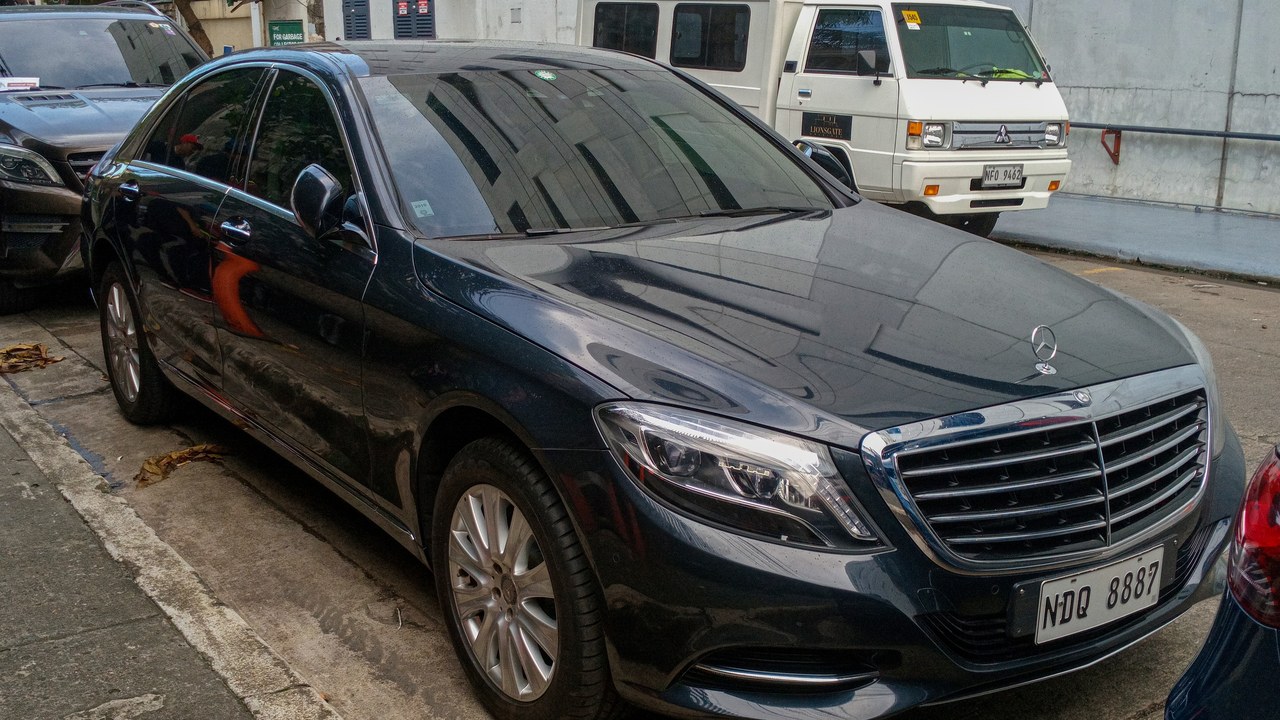
A single rear air spring replacement on a 2016 S550 quotes between $4,157 and $6,031 at independent shops and dealers, repair-estimate data shows. The air-spring assembly stands in for a steel coil spring, pairing an onboard compressor with height sensors to keep the rear end level under any load.
The convenience fades once a rubber bladder starts to crack, since the compressor runs constantly trying to hold ride height before the corner eventually sags to the ground. A full conversion to steel coil springs is the workaround many long-term owners of the flagship sedan choose instead of repeating the factory repair.
2. Porsche Cayenne: Turbo Trim, Turbo Bill
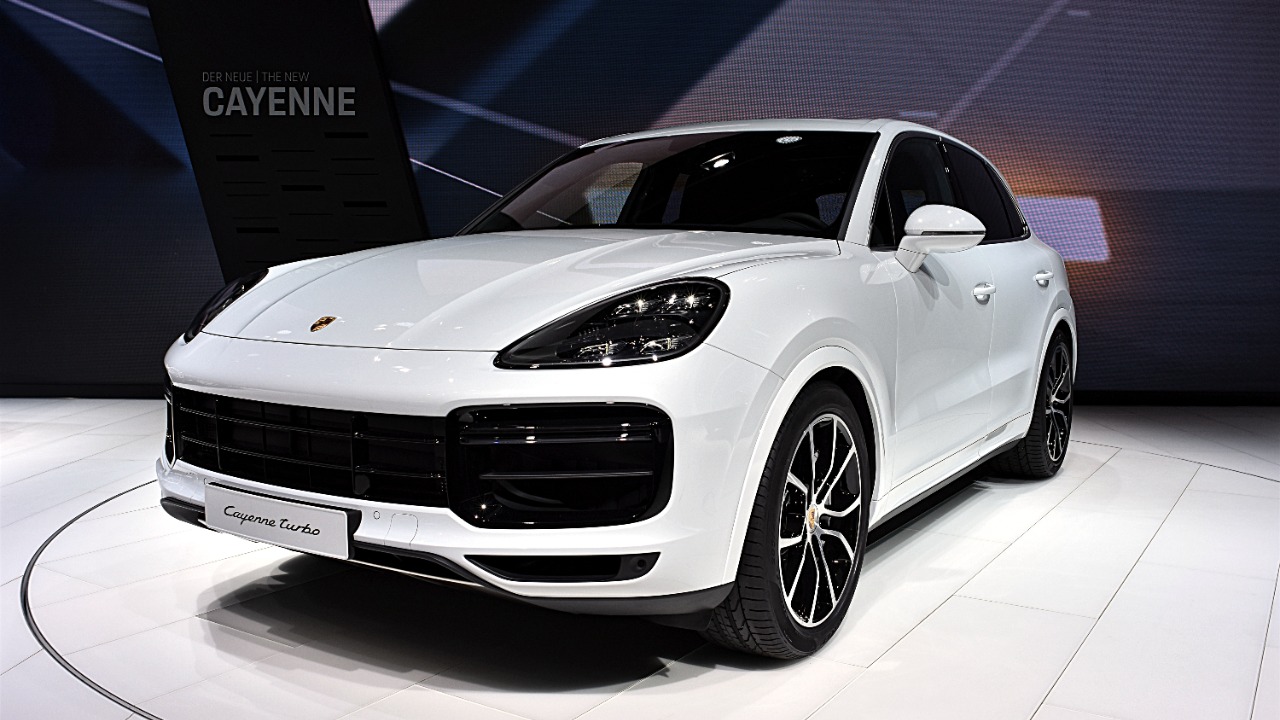
A rear air spring on a 2009 Cayenne Turbo quotes between $4,295 and $6,272 at shops and dealers. The Cayenne shares its air-suspension hardware with sibling Volkswagen and Audi SUVs from the same era, and the Turbo trim adds a firmer factory tune that keeps the springs working harder.
Age compounds the risk, since rubber bladders on early Cayennes are now well past a decade old and prone to dry, cracked seams. A leaking spring on one corner often signals the other three are close behind, turning a single repair into a four-corner project.
3. Audi A8 Quattro: Flagship Ride, Flagship Repair
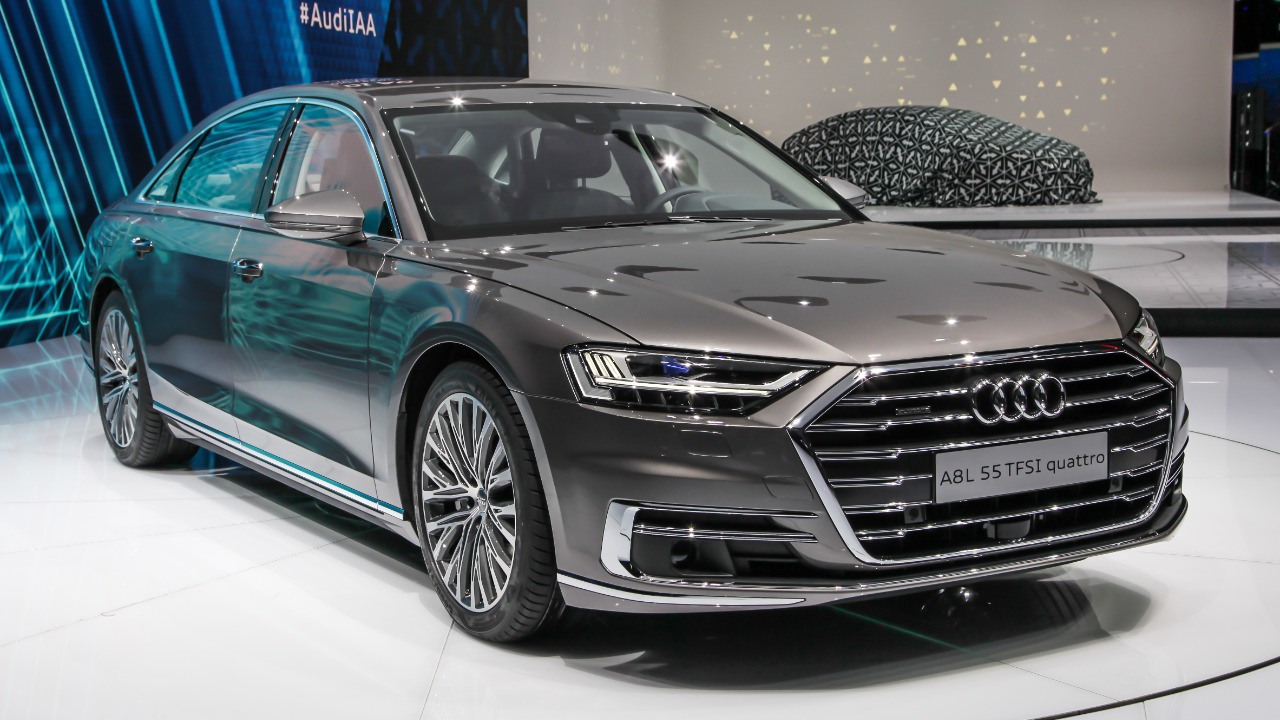
A rear air spring on a 2011 A8 Quattro quotes between $4,043 and $5,968 at shops and dealers. Audi built the full-size flagship around adaptive air suspension as a signature comfort feature, tying the springs into a computer-controlled system that also manages ride height and body leveling.
That integration is the catch, since a failing spring can trip warning lights tied to the whole system rather than just one corner. Independent shops that stock the parts still charge dealer-level labor for the multi-step calibration the repair requires. Owners who skip the recalibration step often find the ride height remains uneven even after the new spring goes in, forcing a return trip.
4. Volkswagen Touareg: Off-Road Looks, Luxury Bill
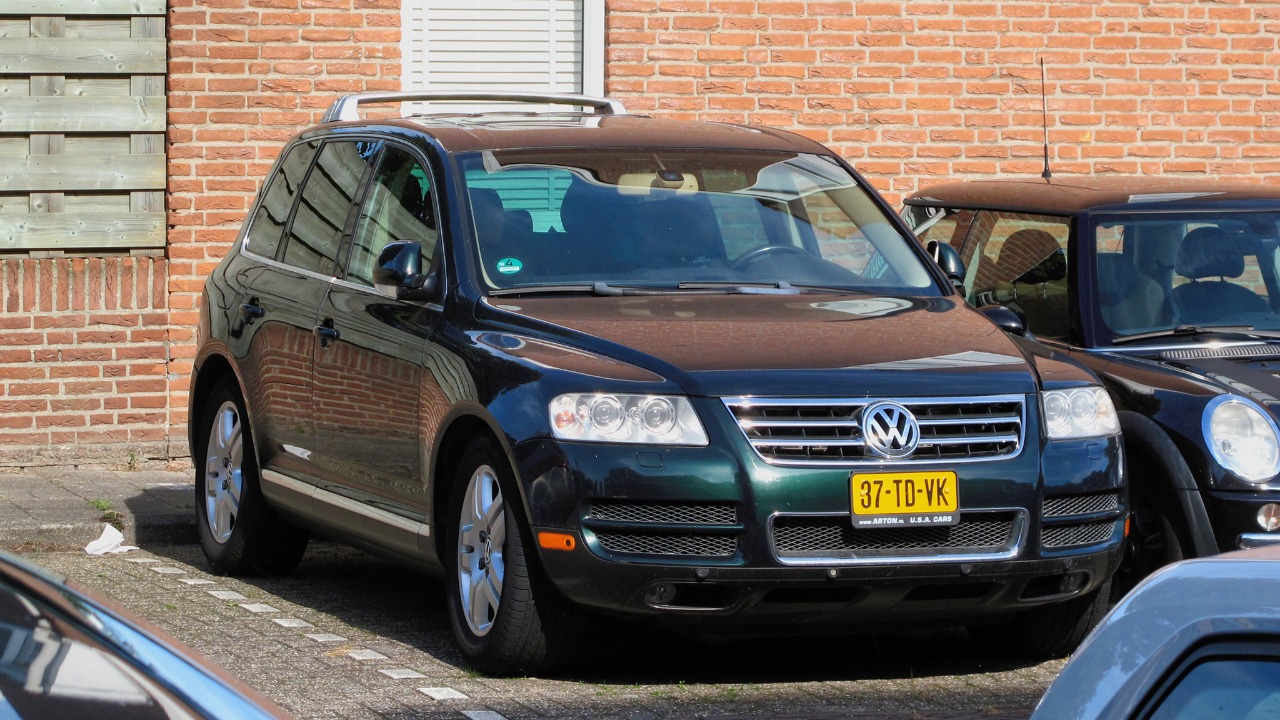
A rear air spring on a 2008 Touareg V8 quotes between $4,157 and $6,031 at shops and dealers. Volkswagen marketed the Touareg as a rugged crossover, but the V8 trim carried the same air-spring hardware as its Porsche and Audi cousins, built for comfort rather than trail abuse.
Owners drawn to the badge’s mainstream price tag are often surprised the underlying repair costs match a Porsche’s, since the parts and labor come from the same supplier chain. A cracked bladder shows up first as a lean when the truck sits overnight.
5. Land Rover Range Rover: The Sag Every Owner Knows
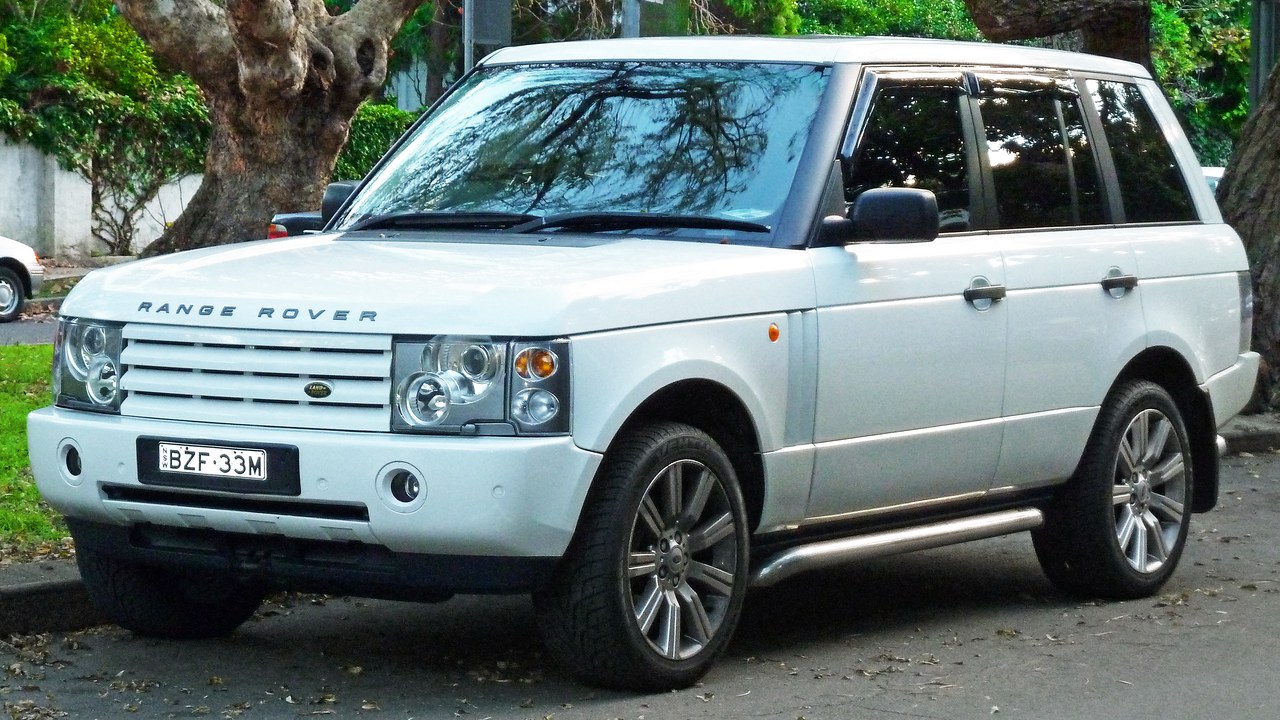
A rear air spring on a 2012 Range Rover quotes between $3,128 and $4,951 at shops and dealers. Land Rover has leaned on air suspension across the model line for decades, and the L322-generation Range Rover is known among mechanics for springs and compressors that fail well before the vehicle otherwise ages out.
A sagging rear corner overnight is the classic early sign, followed by a compressor that runs longer each time it tries to catch up. Some owners eventually swap in aftermarket coil-spring kits specifically to avoid repeating the factory repair.
6. Mercedes-Benz GL450: Three Rows, One Weak Point
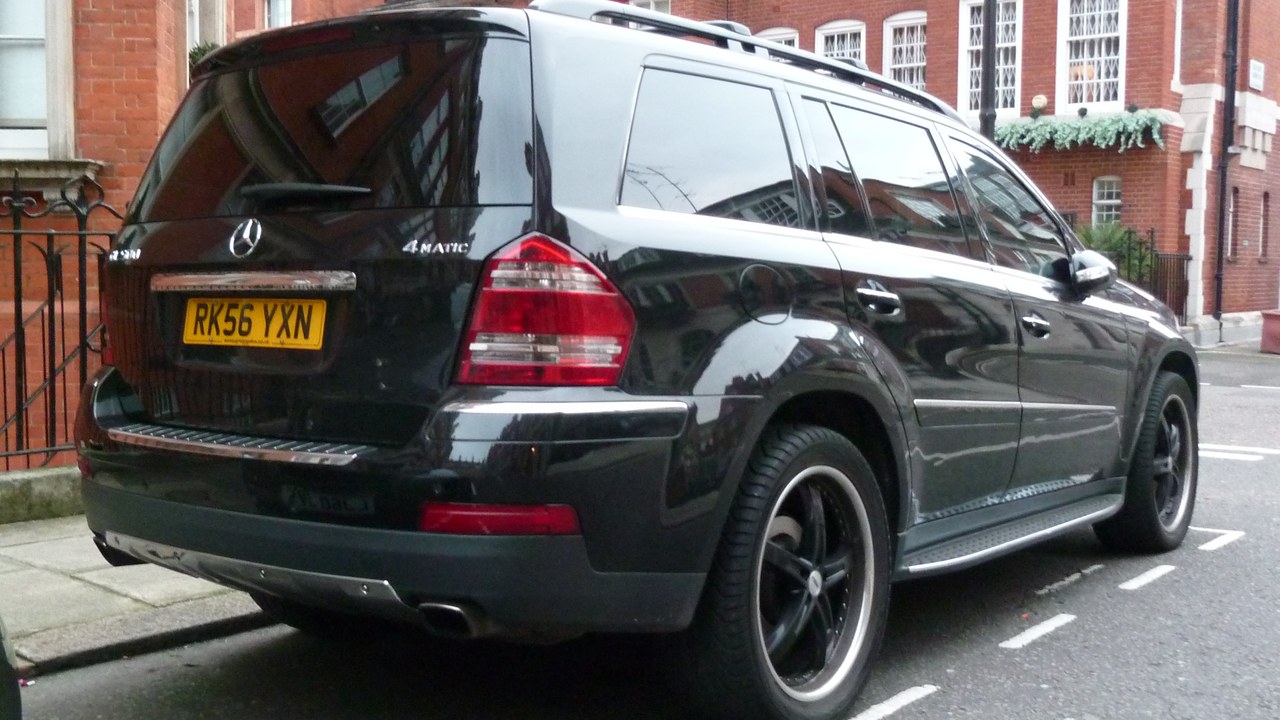
A rear air spring on a 2011 GL450 quotes between $2,745 and $3,772 at shops and dealers. The three-row SUV carries extra weight over the rear axle when loaded with passengers and cargo, work that falls squarely on the same air-spring corners prone to cracking.
The bill runs lower than on Mercedes-Benz’s own S-Class, but the failure pattern is identical: a slow leak, a compressor working overtime, and eventually a corner that will not hold height at all. Regular use as a family hauler tends to accelerate the wear. Independent shops report the GL450 as one of the more frequent air-suspension jobs on their lift, since the model sold in high numbers as a family SUV throughout its run.
7. BMW 750Li: Smooth Ride, Steep Fix
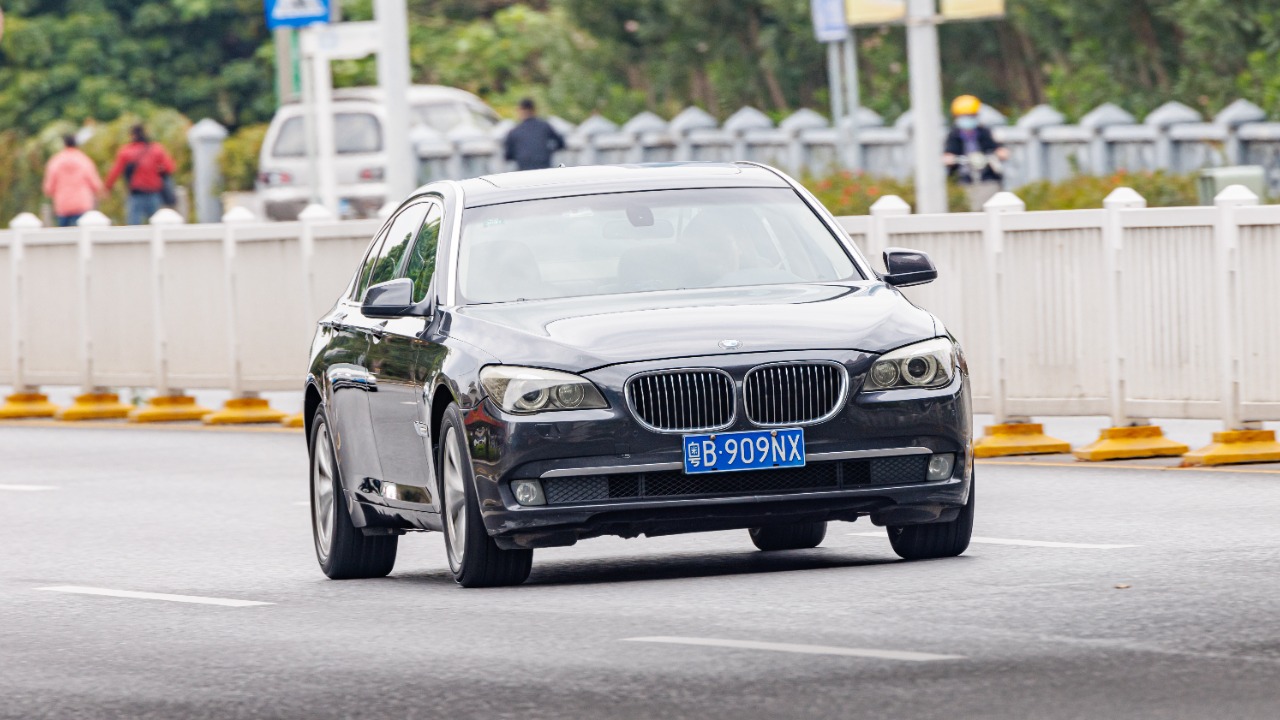
A rear air spring on a 2012 750Li quotes between $2,460 and $3,714 at shops and dealers. BMW’s long-wheelbase flagship uses air springs at all four corners to smooth out the extra length, and the turbocharged V8 trim adds weight the springs must constantly support.
Mechanics note the F01-generation 7 Series as one of the more affordable air-suspension repairs among its German rivals, though still a steep bill next to a conventional coil-spring sedan. A worn spring often pairs with an aging compressor that needs replacement around the same mileage.
8. Cadillac Escalade: Old Truck, Same Old Bill
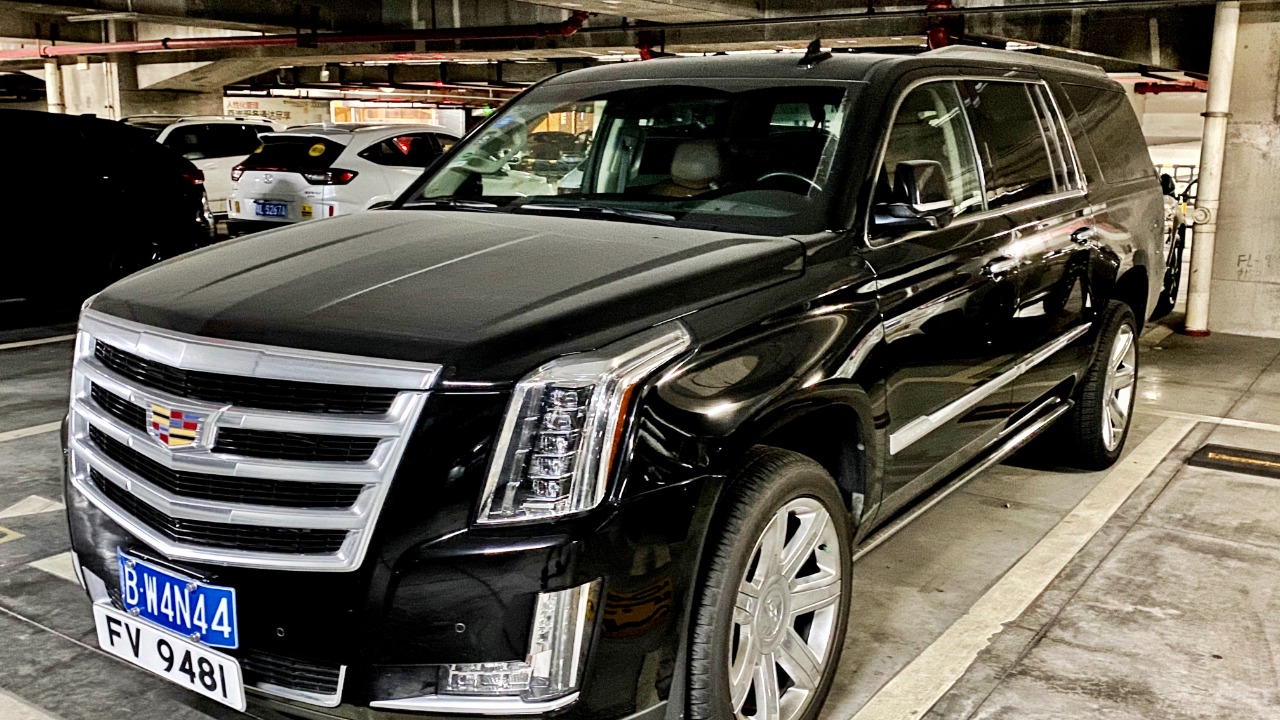
A rear air spring on a 2005 Escalade still quotes between $1,800 and $2,270 at shops and dealers. The full-size SUV carried factory air suspension even two decades ago, and surviving examples are now old enough that original rubber bladders have typically hardened or split.
The price sits well below its German rivals, but it lands on a much older vehicle already facing other age-related repairs. Many high-mileage Escalades of this generation end up converted to conventional shocks and coils to avoid repeating the expense. Parts availability has also thinned with age, so shops increasingly source used or aftermarket air-spring assemblies rather than new factory units.
More from Morning Overview
- A California supervolcano has bulged upward about two and a half feet since 1978
- The FTC is warning about a scam quietly draining thousands from victims
- The NSA is again telling phone owners to switch off one location setting
- A handful of car transmissions are so tough mechanics say they almost never fail
