
Car recalls rarely stay confined to a single defect report; some become full-blown scandals that reshape how automakers handle safety. From a fuel tank that could ignite on impact to an ignition switch a company knew was dangerous for years, these failures cost lives, billions of dollars and, in one case, an entire brand’s reputation. Here are eight car models at the center of America’s biggest recall scandals.
1. Ford Pinto (1971-1976): The Rear-Tank Fire Risk
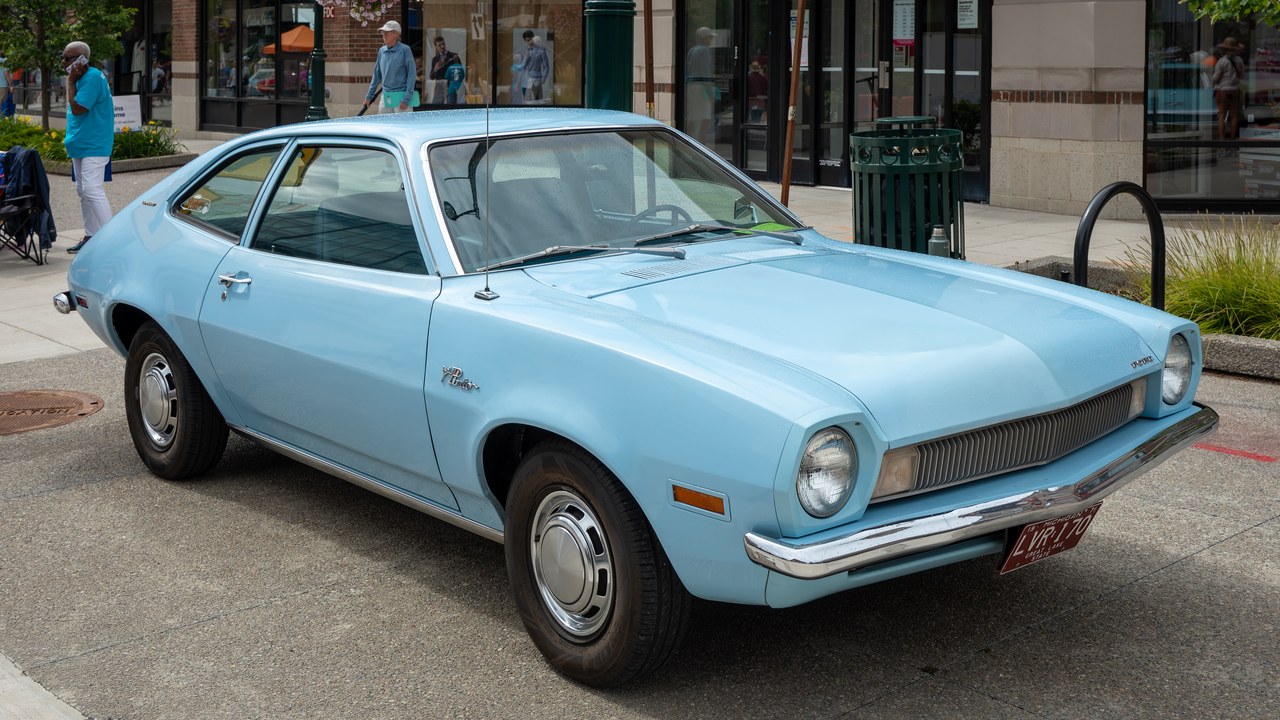
NHTSA forced a 1978 recall covering 1.5 million Pintos after engineers found the subcompact’s rear-mounted fuel tank could rupture and catch fire when struck from behind, even in relatively minor low-speed collisions. The order applied specifically to Pinto sedans and hatchbacks built for the 1971 through 1976 model years, while the Pinto’s station wagon variant was excluded from the campaign entirely.
The case became one of the most cited examples in the history of American product-liability law, illustrating how a manufacturer’s internal calculations around fixing a known defect can collide directly with public safety. Decades later, the Pinto recall is still invoked whenever regulators debate how quickly an automaker should act once a fatal flaw surfaces.
2. Honda Accord (Takata airbag recall): The Shrapnel Inflator Recall

Takata built its airbag inflators around an ammonium-nitrate propellant that degraded with heat and humidity over time, and a ruptured canister could spray metal shrapnel directly into the cabin on deployment. The defect triggered the largest automotive recall in U.S. history, eventually covering 67 million inflators across multiple brands including Honda, at a total cost near $24 billion.
The Accord sat among the highest-volume vehicles caught up in the fix, and owners of affected model years were told to stop driving entirely until a dealer replaced the faulty inflator, since the failure could prove fatal even in what should have been a minor crash.
3. Toyota Camry / Lexus ES 350: The Sudden Acceleration Scare
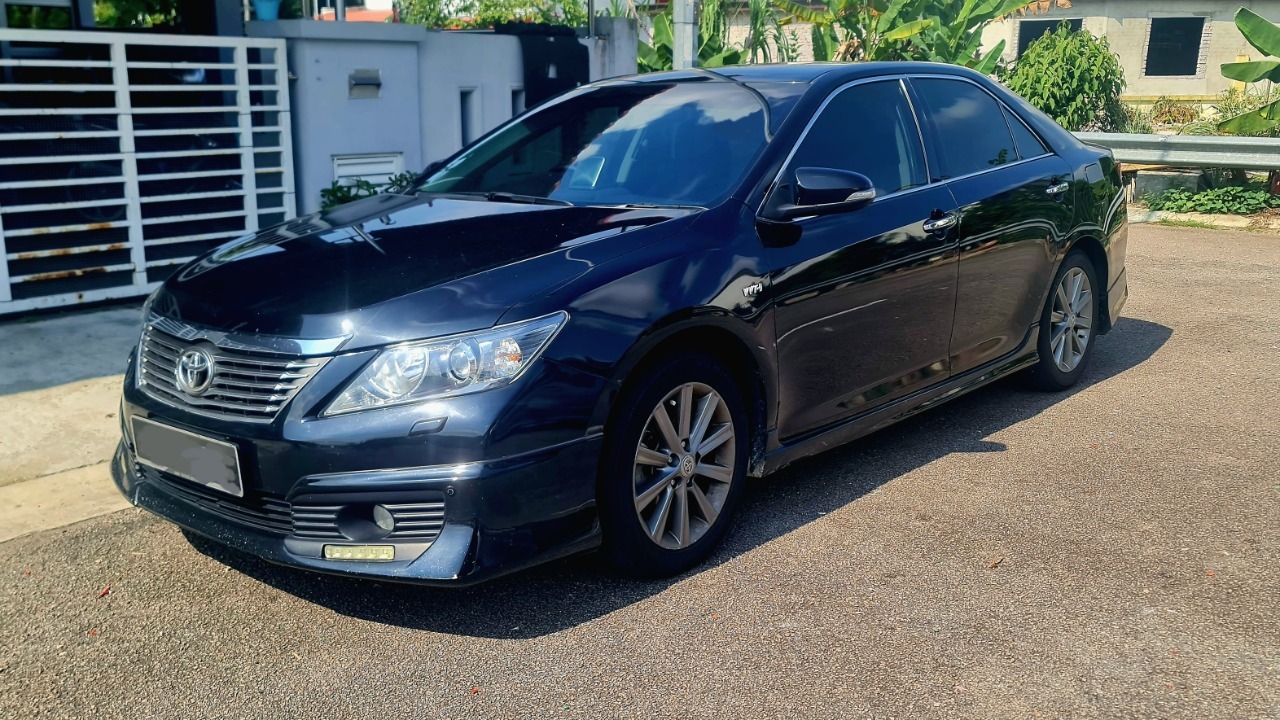
Toyota recalled 20.5 million vehicles worldwide starting in 2009 after reports that ill-fitting floor mats could trap the accelerator pedal and separately, that sticky pedal mechanisms could cause sudden unintended acceleration. The Camry and Lexus ES 350 were named repeatedly in the complaints that triggered the sweeping, multi-year campaign.
Congressional hearings and a criminal probe followed, even though later data put the actual rate of unintended-acceleration reports at roughly one per 100,000 vehicles a year, far below what the public panic at the time suggested. The episode nonetheless reshaped how regulators scrutinize driver complaints against hard evidence of mechanical failure.
4. Chevrolet Cobalt (GM ignition switch): The Concealed Ignition Defect
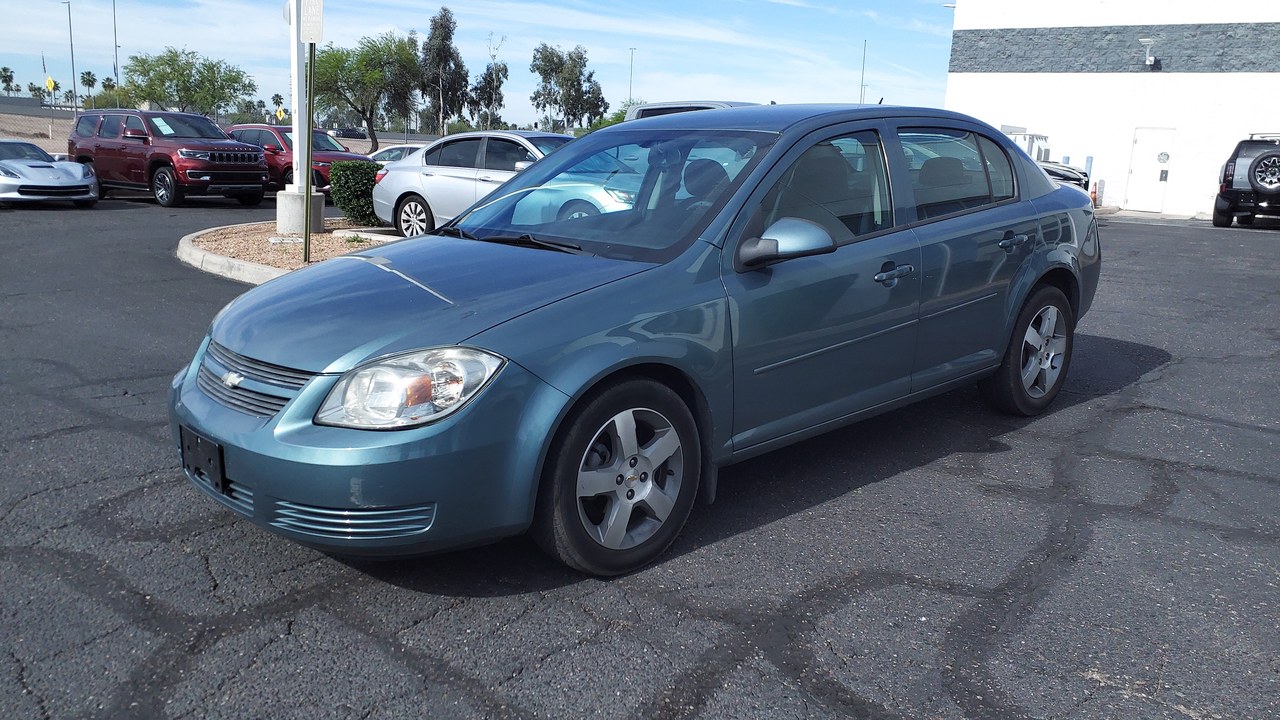
General Motors knew for roughly a decade that the Cobalt’s ignition switch could slip out of the “run” position and cut power to steering, brakes and airbags, yet engineers still failed to inform regulators about the defective ignition switches as complaints from owners steadily mounted.
The scandal was eventually tied to at least 120 deaths and led GM to a $900 million settlement, along with a broader recall of several small-car models built on the same platform as the Cobalt. The delay itself, not just the defect, became the central issue in later congressional testimony.
5. Audi 5000: The Unintended Acceleration Myth
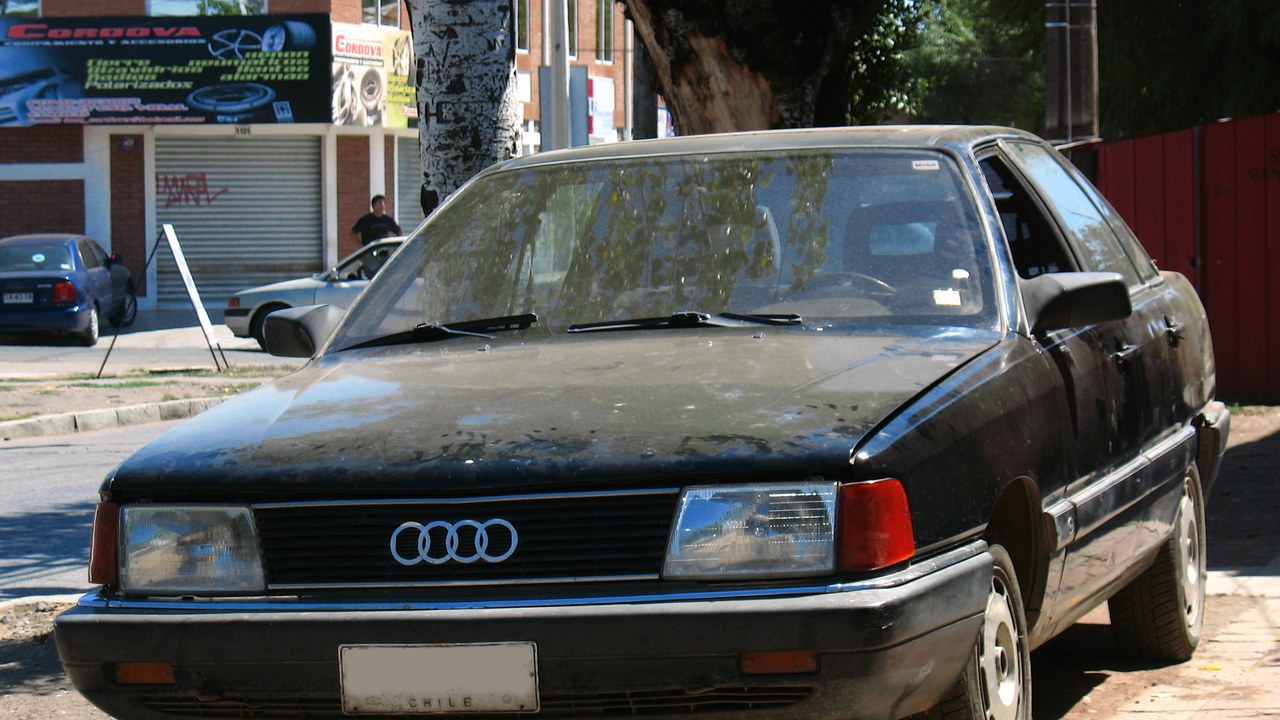
A 1986 60 Minutes segment aired footage of an unoccupied Audi 5000 appearing to accelerate under its own power, feeding a wave of sudden-acceleration complaints against the sedan just as the model was gaining traction in the American market. The broadcast reached millions of households at once.
Investigators later found no mechanical defect behind the reports and pointed instead to driver error, but the damage to the brand was already done: Audi’s U.S. sales collapsed from 75,000 in 1985 to just 12,000 by 1991, a decline the automaker spent years working to reverse.
6. Ford Explorer (Firestone tires): The Tread Separation Crisis
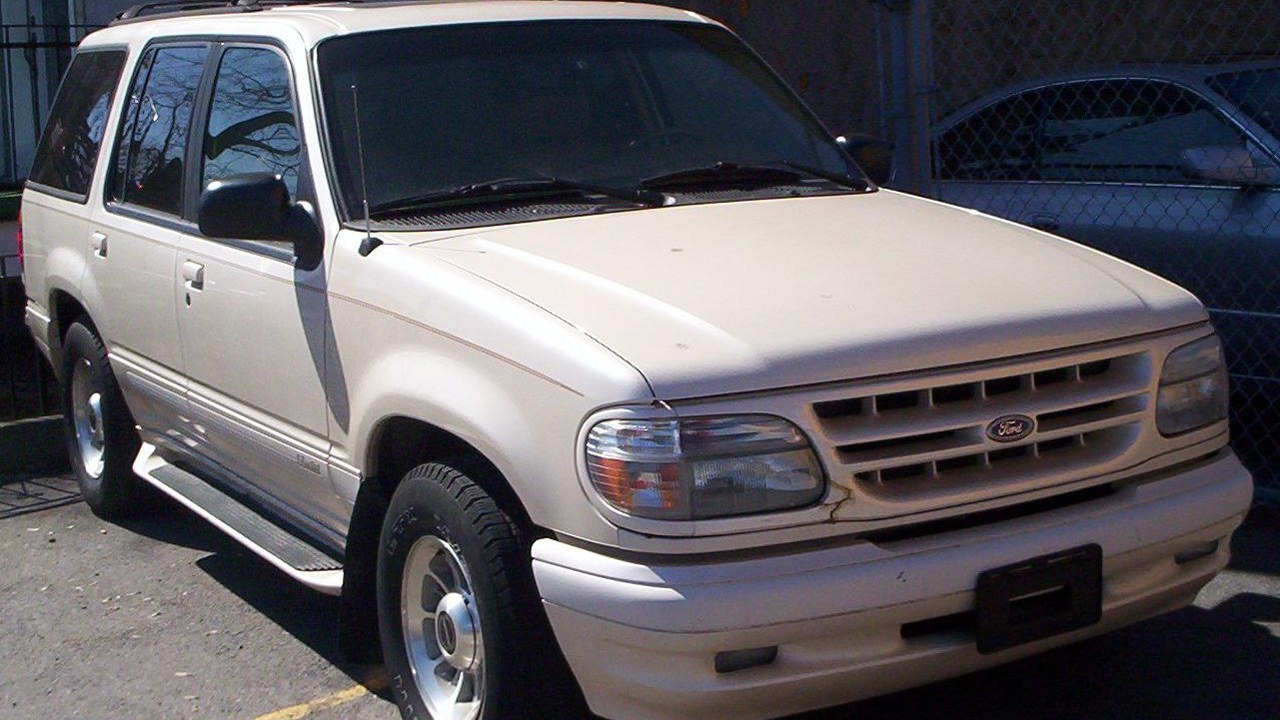
Firestone tires fitted as original equipment on the Ford Explorer suffered tread separation and blowouts at highway speed, a failure pattern that made the top-heavy SUV especially prone to rolling over once a tire failed mid-drive. Firestone and Ford were blamed for over 100 deaths tied to the defect.
The fallout triggered a recall of millions of tires and a round of congressional hearings in 2000, and it permanently strained the century-old supply relationship between the two companies as each side publicly blamed the other for the underlying cause of the failures on the road.
7. Hyundai Sonata (Theta II engine): The Delayed Engine Recall
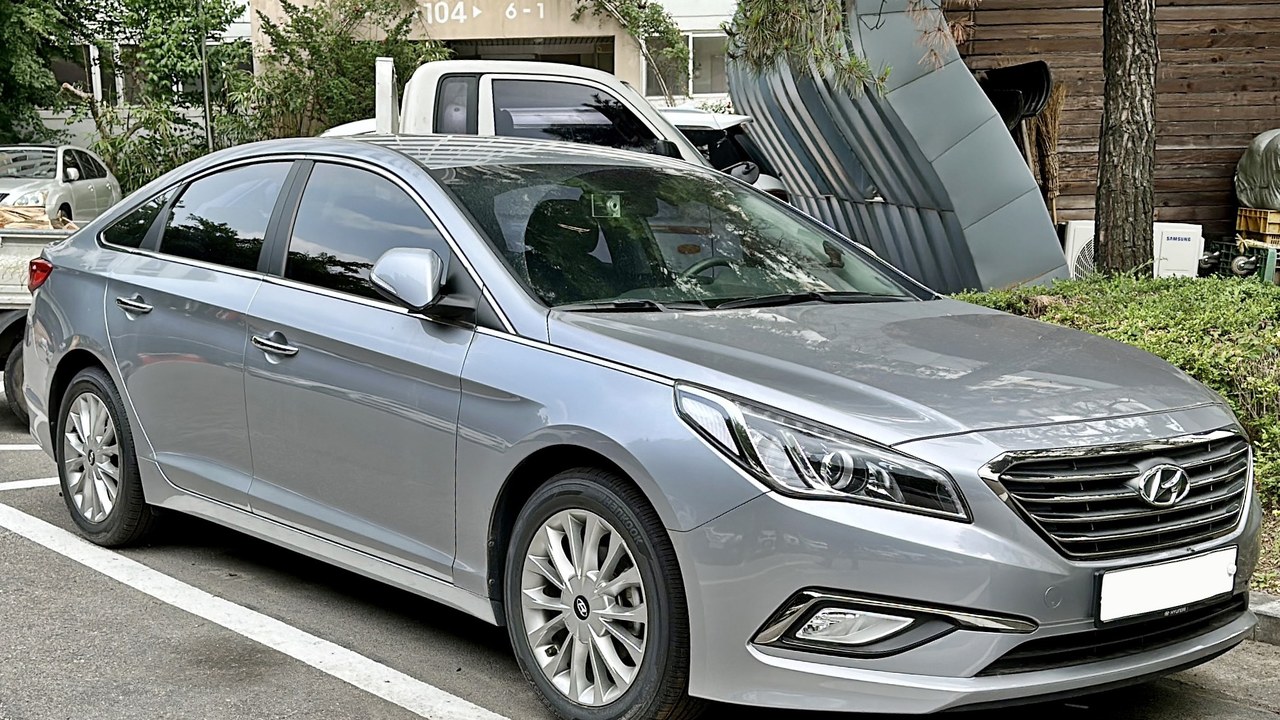
Hyundai and Kia conducted untimely recalls of more than 1.6 million vehicles equipped with Theta II engines, which could suffer bearing wear that led to stalling, seizure or, in some cases, fire. The Sonata sedan was among the highest-volume models caught up in the defect and the recalls that followed it.
Regulators found the companies had inaccurately reported information about the scope of the problem to NHTSA, delaying fixes for owners who kept driving affected cars unaware of the risk. The two automakers ultimately paid $210 million in penalties to settle the case.
8. Chevrolet Bolt EV: The Battery Fire Recall
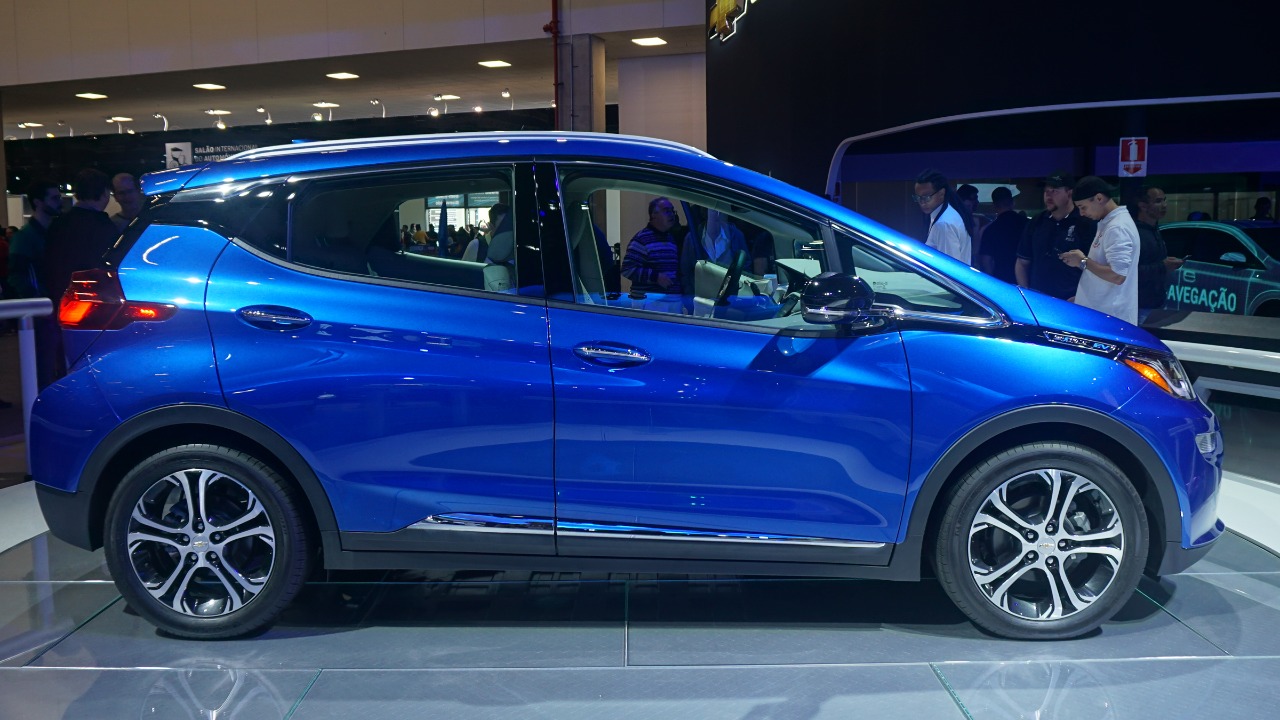
General Motors recalled 68,677 Bolt EVs worldwide after five reported battery fires and two minor injuries linked to the electric hatchback’s high-voltage pack. Investigators traced the risk to manufacturing defects in individual battery cells that could short-circuit and ignite while the vehicle was charging or parked.
The recall forced owners to limit charging habits and parking locations while GM worked out a permanent fix, and it became an early case study in how a single cell-level flaw can ground an entire electric model line at a critical early moment for EV adoption.
More from Morning Overview
