
Animal architecture rarely gets credit as engineering, yet some species raise structures that outlast their builders by decades. Dams that flood valleys, towers that ventilate themselves and cases assembled grain by grain all come from creatures working without blueprints, training or a single measurement. Here are eight animals whose construction work reshapes the ground around them.
1. Beaver: The Watershed Engineers
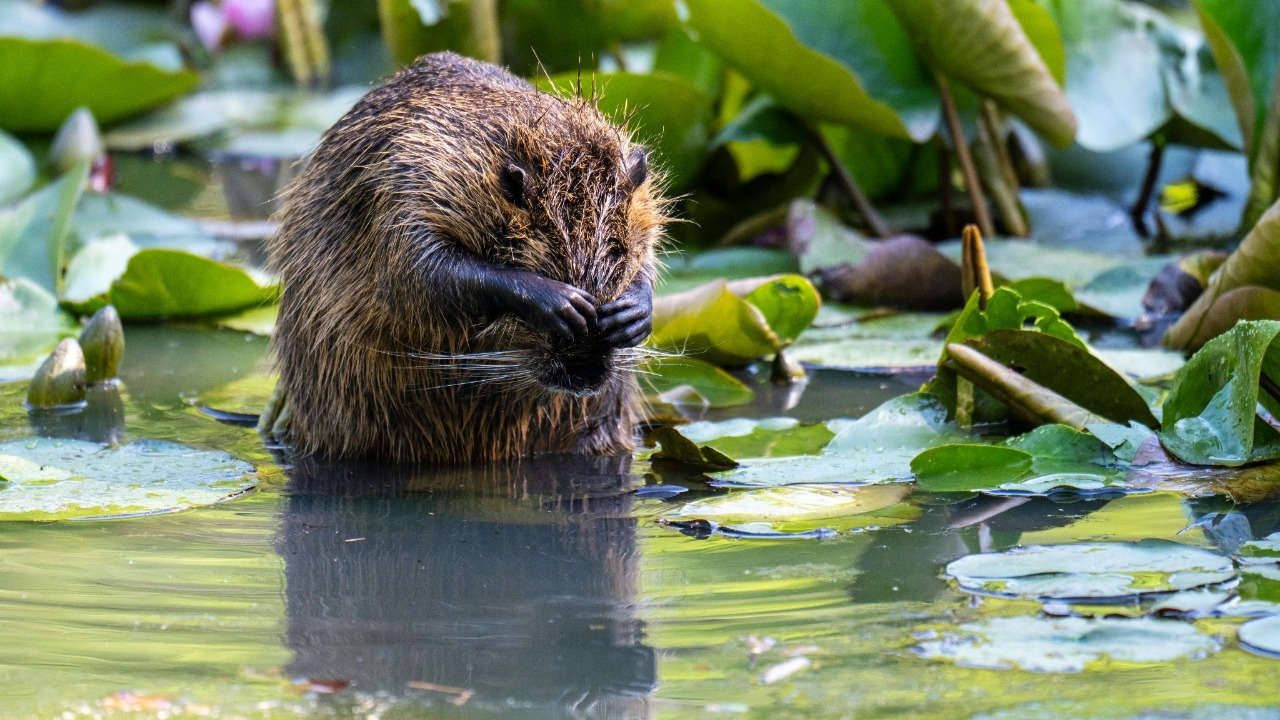
Few animals rearrange a landscape as thoroughly as the beaver. Chisel-edged incisors that never stop growing let it fell streamside trees, then pack the trunks, branches, mud and stones into dams that pond water across an entire valley floor. Inside the pool it has just created, North America’s largest rodent raises a domed lodge of sticks and mud whose entrances sit below the waterline, out of reach of wolves and coyotes.
The flooded ground behind a dam traps sediment, recharges groundwater and creates wetland habitat for fish, amphibians and waterfowl. The same instinct becomes expensive when a colony plugs a highway culvert overnight, which is why the species is courted by restoration projects and trapped as a nuisance in roughly equal measure.
2. Termite: Towers That Breathe
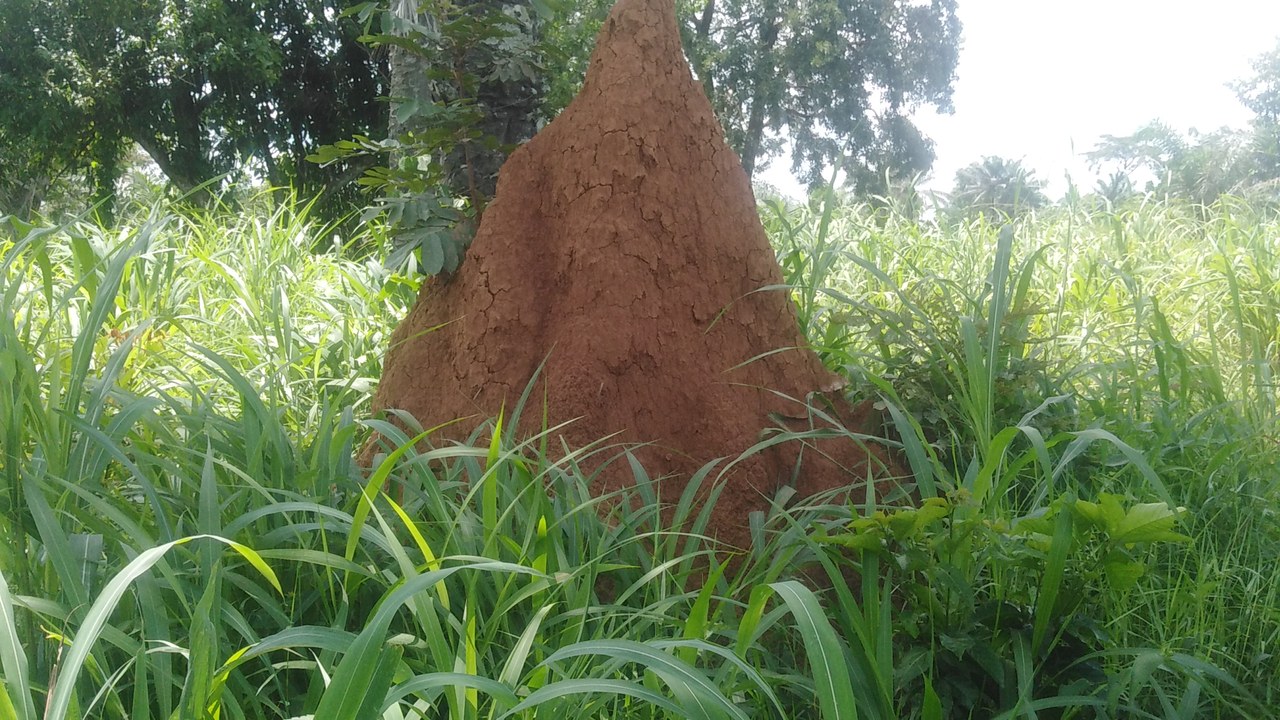
Mound-building species cement soil, saliva and droppings into weather-hardened spires that rise well past 15 feet above the African and Australian savanna. The visible tower is largely empty: it functions as a chimney, where air warmed by the colony’s own metabolism and its fungus gardens rises through a network of channels and draws fresh air in below. The actual nest of a mound-building termite colony sits underground.
That passive ventilation holds temperature and humidity remarkably steady while outside conditions swing, and architects have borrowed the principle for buildings designed to cut air-conditioning loads. Mounds also outlast their builders by a wide margin, with some fields of them standing for centuries after the original colony died.
3. Bowerbird: Architecture Built for an Audience
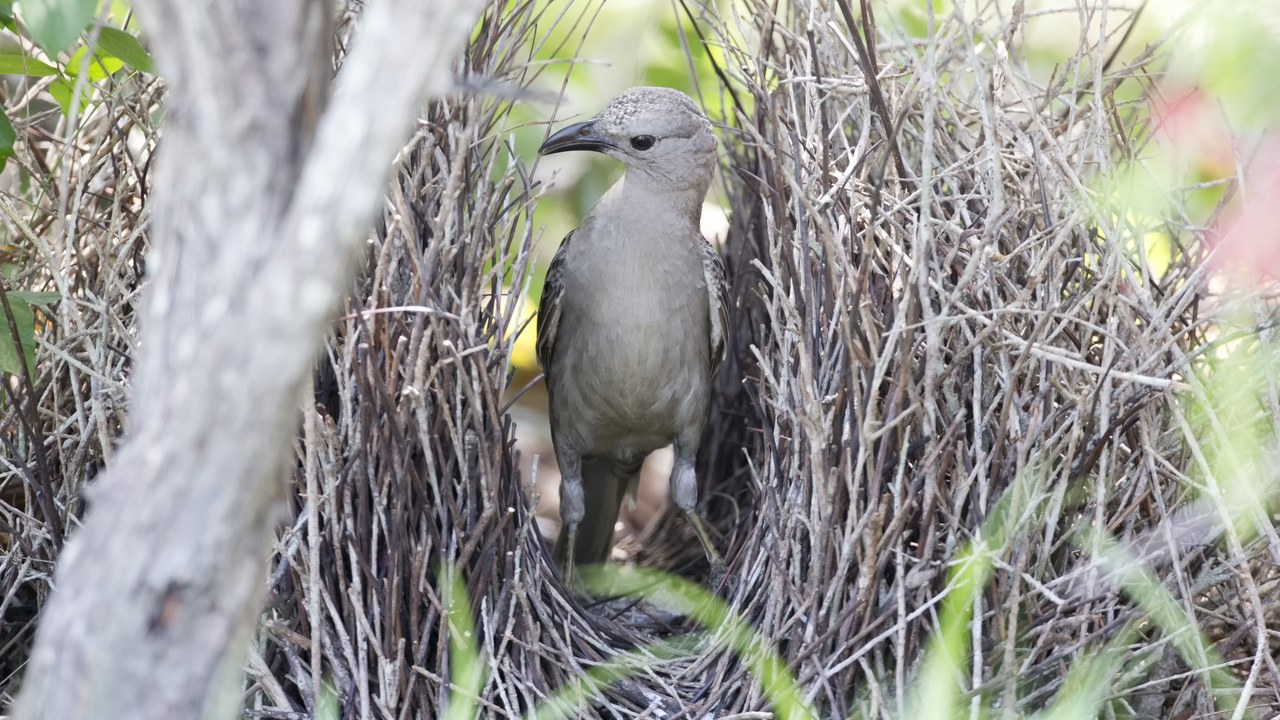
A male bowerbird spends weeks assembling a bower on the forest floor: two parallel walls of upright twigs forming an avenue, or a maypole built around a sapling, swept clean and then decorated with hoarded objects sorted by colour. Some species stock hundreds of berries, shells, beetle wings and stolen bottle caps. One group of Australasian bowerbirds even arranges its display objects by size to distort perspective for a watching female.
The structure is not a nest and never holds eggs; females build a separate cup nest elsewhere and raise the young alone. The bower is pure advertising, and rivals routinely raid a neighbour’s collection or wreck the walls outright while its owner is away foraging.
4. Sociable weaver: The Apartment Block of the Kalahari
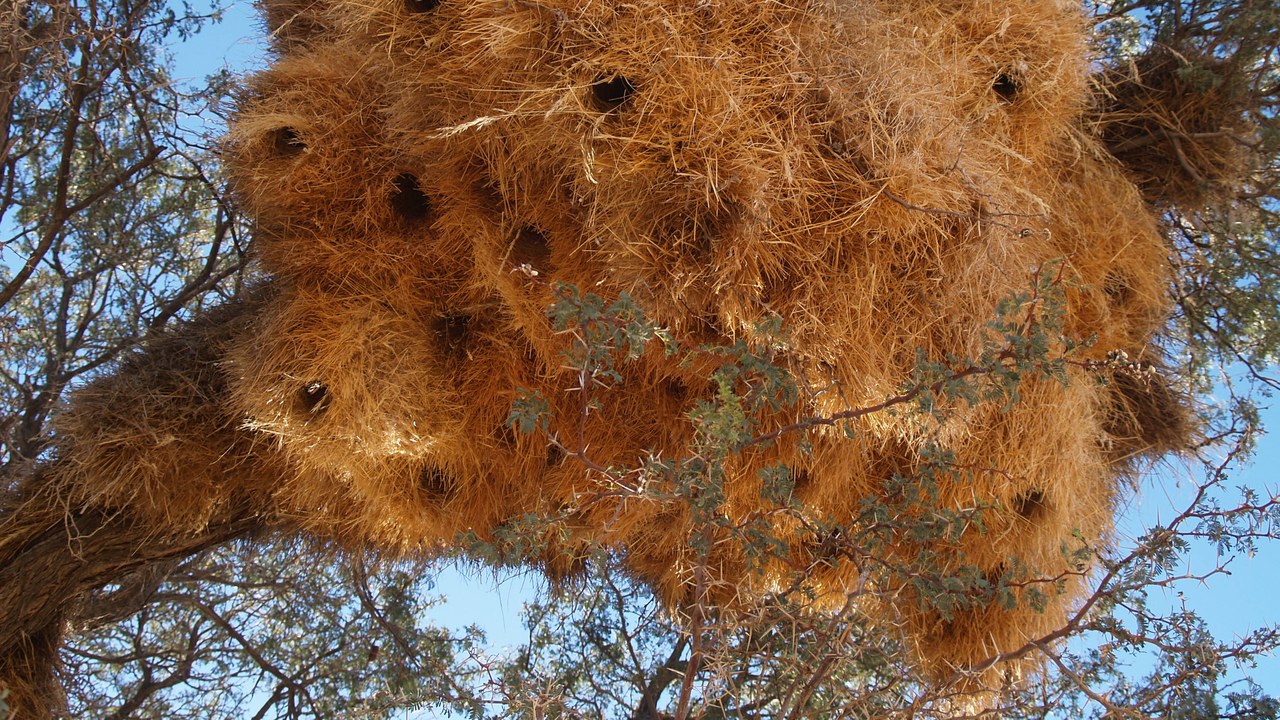
On the dry plains of southern Africa, colonies thatch enormous permanent nests into camelthorn trees and utility poles, layering grass stems into a haystack that can span several metres and shelter over a hundred separate chambers. Generations of this southern African weaver add to the same mass for decades, and the accumulated weight occasionally snaps the branch or the whole tree beneath it.
Interior chambers stay markedly cooler than the desert afternoon and warmer through freezing nights, which is the point in a climate that swings violently between the two. The structure also attracts freeloaders: pygmy falcons, finches and lovebirds occupy spare rooms, and snakes climb it to raid the chambers from within.
5. Coral: A Reef Built One Polyp at a Time
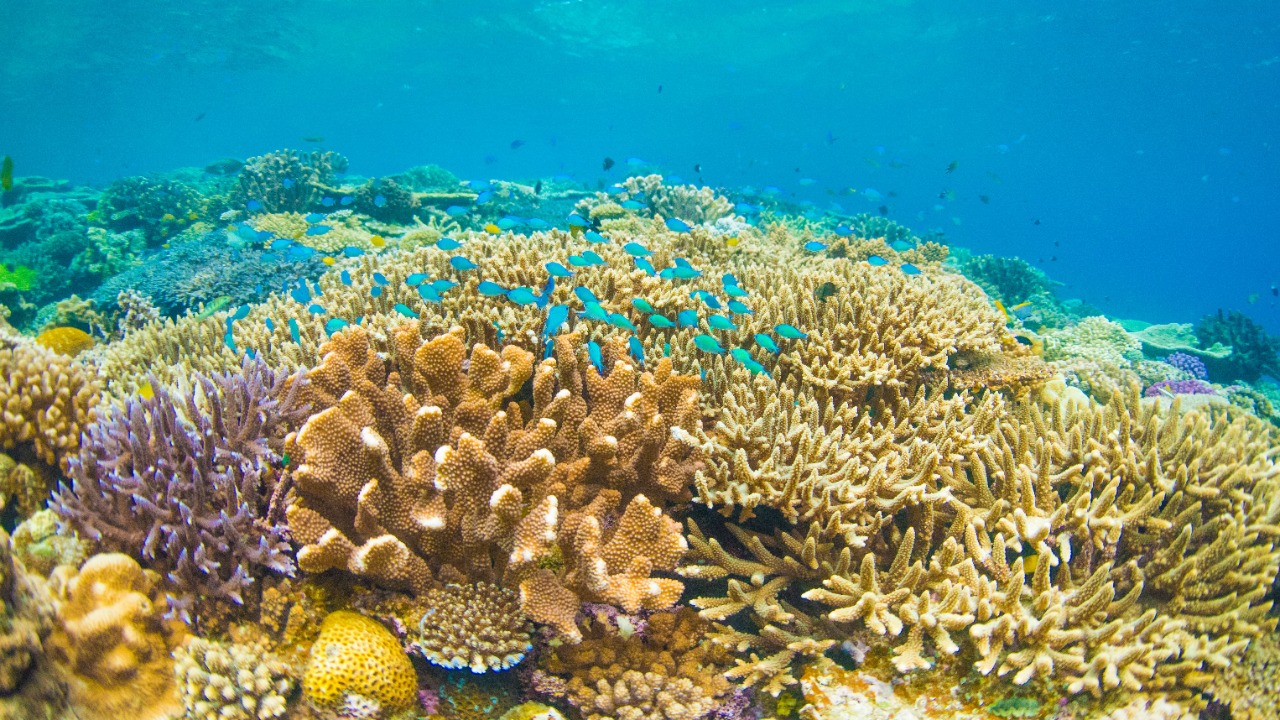
Reef-building corals are colonies of soft polyps, each only millimetres across, that extract calcium and carbonate from seawater and lay it down as a stony cup around themselves. New polyps grow atop the skeletons of the dead, so a reef accumulates over thousands of years. Australia’s Great Barrier Reef, the largest structure on Earth assembled by stony reef-building corals, stretches more than 2,000 kilometres and is visible from orbit.
Those reefs shelter a substantial share of all marine species and absorb wave energy that would otherwise hit coastlines directly. The construction is also fragile: warm water drives out the symbiotic algae the polyps depend on, and more acidic seawater makes the carbonate skeleton harder to build and easier to dissolve.
6. Paper wasp: Pulp Mills With Wings
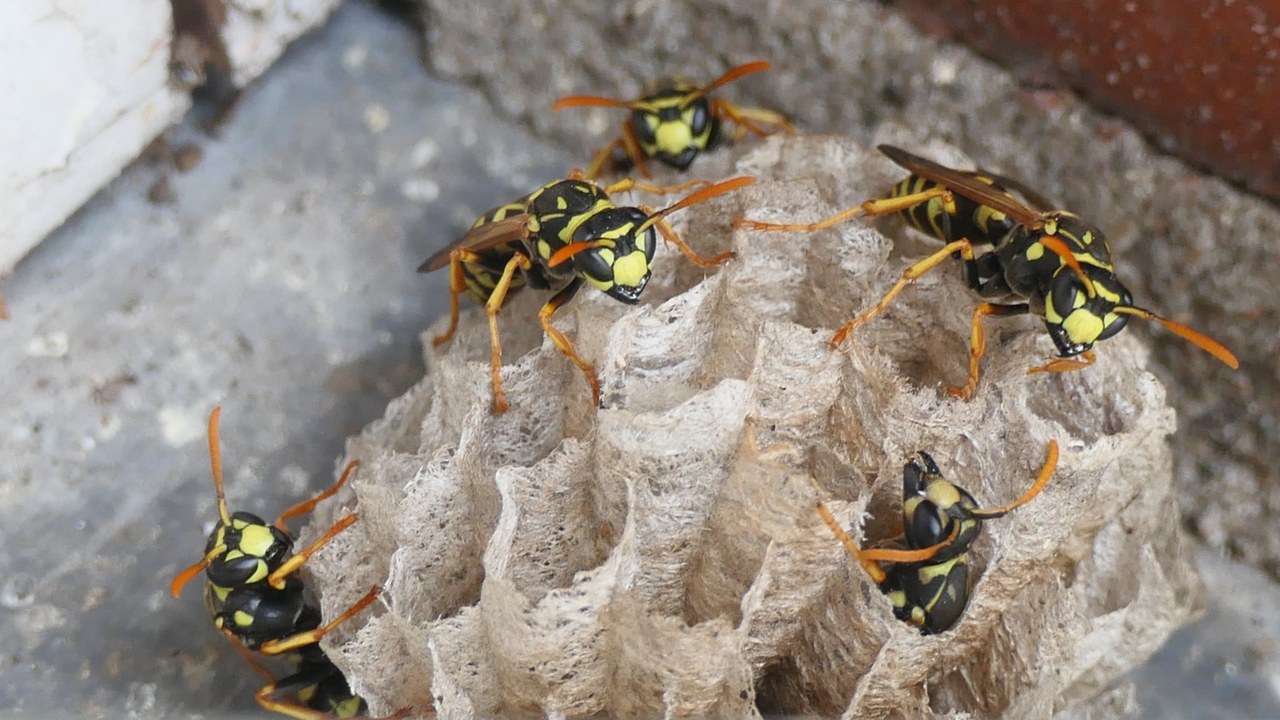
Long before humans made paper from wood, these wasps were doing it. A founding queen scrapes fibres from weathered fence boards and dead branches, chews them with saliva into a grey pulp and shapes it into hexagonal cells arranged in a single open comb. The nest of a common paper wasp hangs from one narrow stalk, a design that leaves a single defensible approach for raiding ants.
Unlike hornets, these species leave the comb uncovered, so the developing brood is visible from below and the colony rarely exceeds a few dozen adults. The whole enterprise is annual: workers die off in autumn, only mated queens overwinter, and the abandoned comb is never reoccupied the following spring.
7. Caddisfly: Portable Armour of Silk and Stone
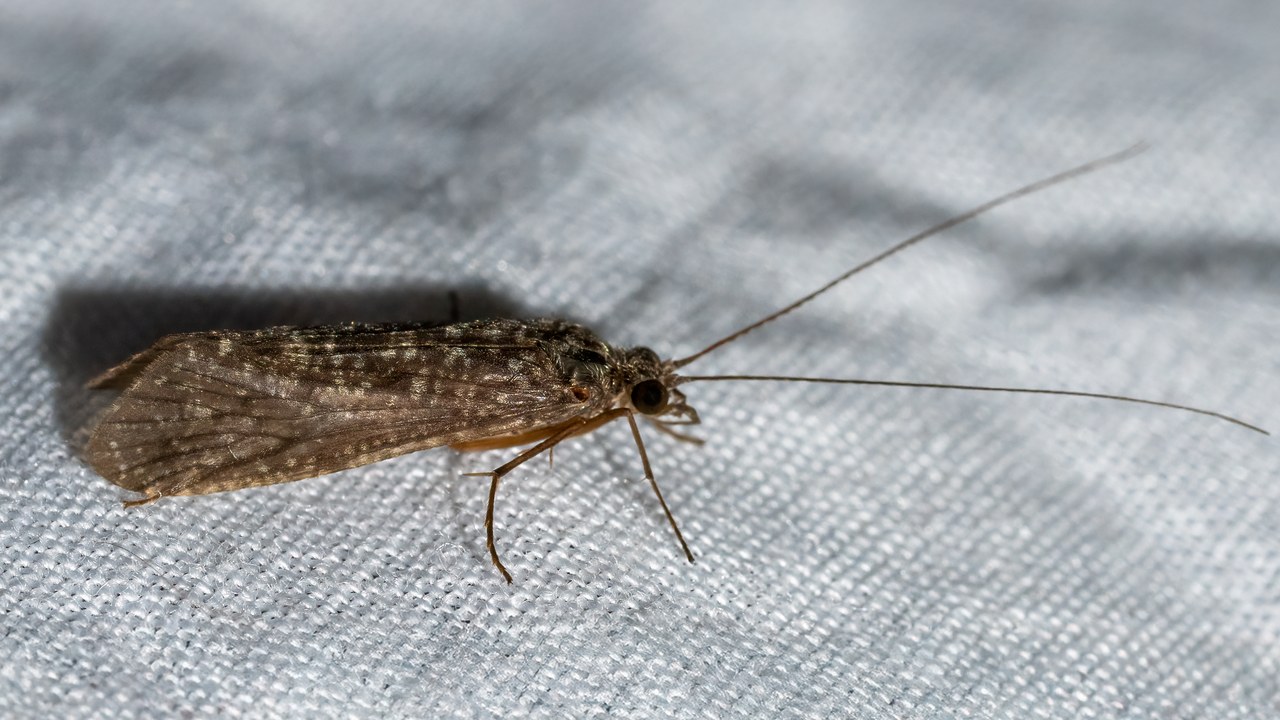
Caddisfly larvae hatch into fast, cold streams with no shell and build one. Each larva spins silk from glands near its mouth and cements sand grains, tiny pebbles, snail shells or cut plant fragments into a tapered tube it drags along the bottom. Species differ so consistently in material and shape that a caddisfly larval case can identify its builder, and some families skip the case to spin silk nets that strain food from the current.
The case is armour against fish and stonefly predators, and the silk itself sets underwater rather than drying, a property that has drawn interest from adhesive researchers. Because the larvae disappear from polluted water quickly, biologists count them as a standard field measure of stream health.
8. Trapdoor spider: A Hinged Door in the Ground
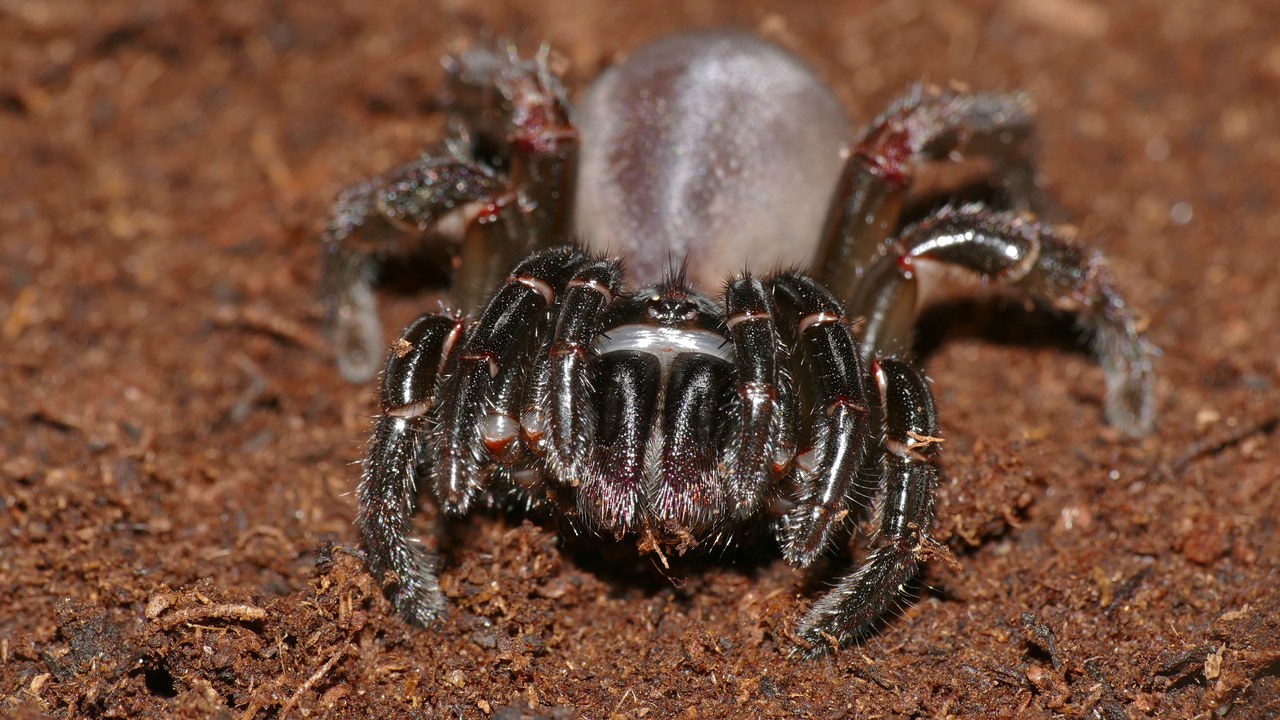
The burrow is the weapon. Using specialised spines on its jaws, the spider excavates a vertical shaft, lines the walls with silk and caps the opening with a lid of soil, silk and vegetation attached by a silk hinge. Camouflaged from above, the door of a cork-lid trapdoor spider sits flush with the ground, and some species radiate silk trip lines outward so passing footsteps register through the closed lid.
When prey crosses a line the door flips open and shuts again in a fraction of a second, with the spider rarely leaving the shaft. That sedentary habit buys extreme longevity by arachnid standards, and females of some species hold the same burrow for decades, enlarging it rather than ever moving out.
More from Morning Overview
