
Summer plans often depend on conditions that can change faster than a picnic, beach trip, hike, or drive can adapt. Heat, moving water, lightning, smoke, and coastal flooding each create danger through a different mechanism, sometimes before the threat looks dramatic. These seven summer hazards show why checking official conditions belongs beside sunscreen, water, and route planning.
1. Outdoor Heat Exposure: Danger Builds Before the Scene Looks Extreme
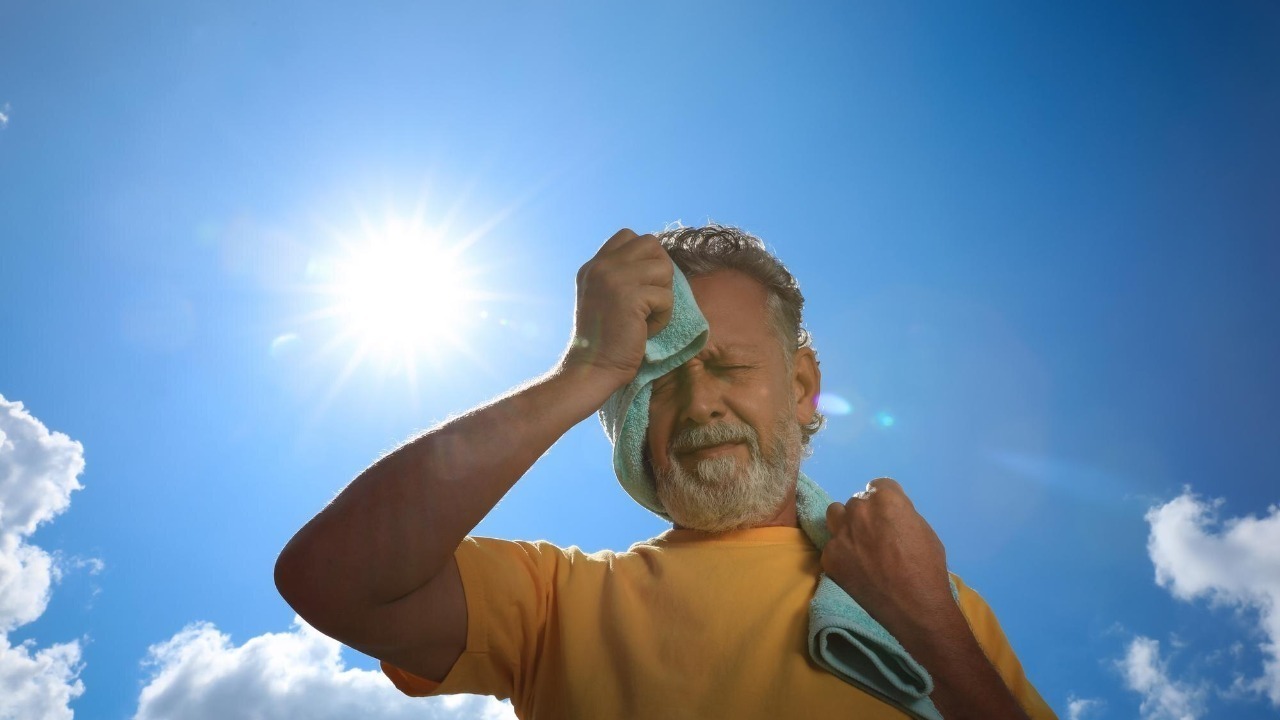
NOAA’s hazards outlooks identify periods with an elevated risk of extreme heat. That advance signal matters because outdoor heat exposure accumulates during a walk, festival, practice, or afternoon in a park. People cooling themselves with water may still be surrounded by conditions that can become dangerous before the setting looks like an emergency.
Sustained heat can keep bodies and buildings from recovering between periods outdoors. Risk also depends on exertion, shade, hydration, health, and access to cooling, so one temperature does not affect every person equally. The outlook works best as a planning trigger, giving organizers and families time to shorten an activity, move it to a cooler hour, or choose a shaded location before symptoms force an urgent response.
2. Flooded Street Crossing: A Familiar Route Can Become Moving Water
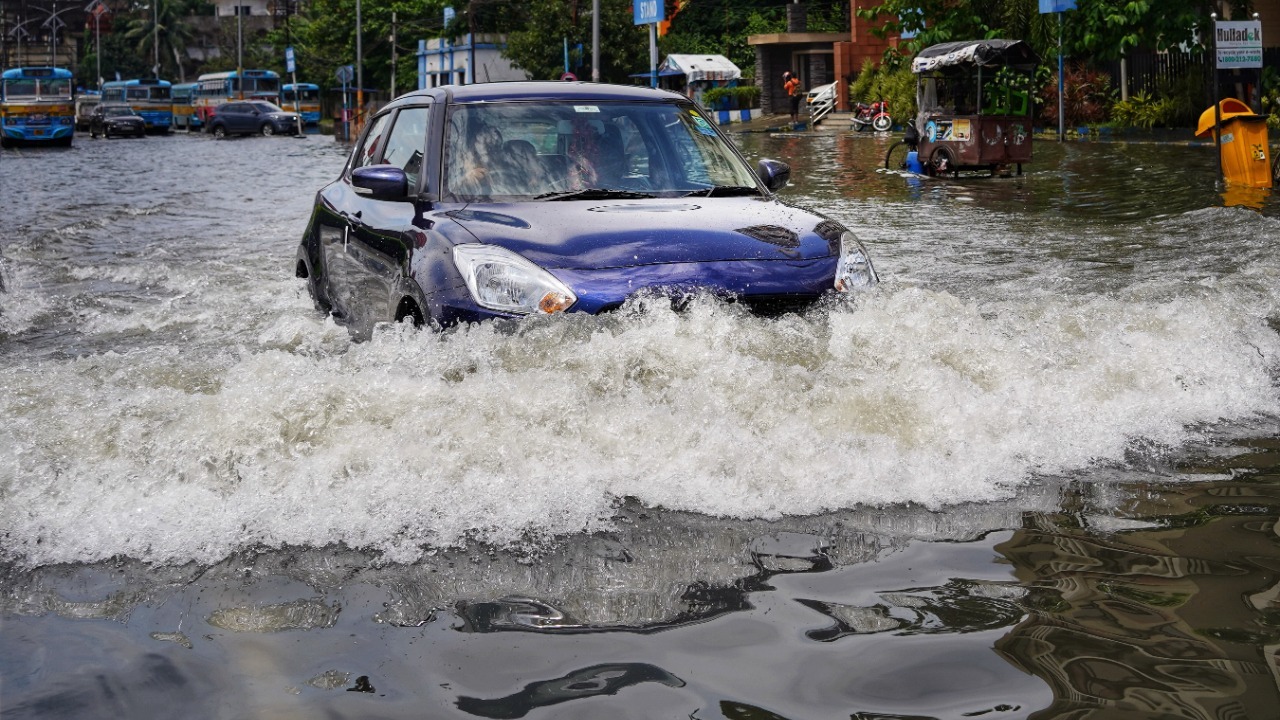
The Weather Prediction Center’s excessive-rainfall outlook maps where heavy rain could produce dangerous flooding. A flooded street crossing can turn a routine drive into an emergency because water may be deeper or faster than it appears. The mapped risk matters precisely because the same route may have looked normal when the outing began.
Water depth is difficult to judge through a windshield, and current adds force that a photograph cannot show. That uncertainty makes pre-trip weather awareness more reliable than testing a submerged road after conditions deteriorate. An outlook does not guarantee that every street will flood, but it identifies the broader area where rapid water rise deserves attention. The danger may begin with rainfall upstream rather than directly over the crossing.
3. Rip current: The Water Can Outrun an Olympic Swimmer
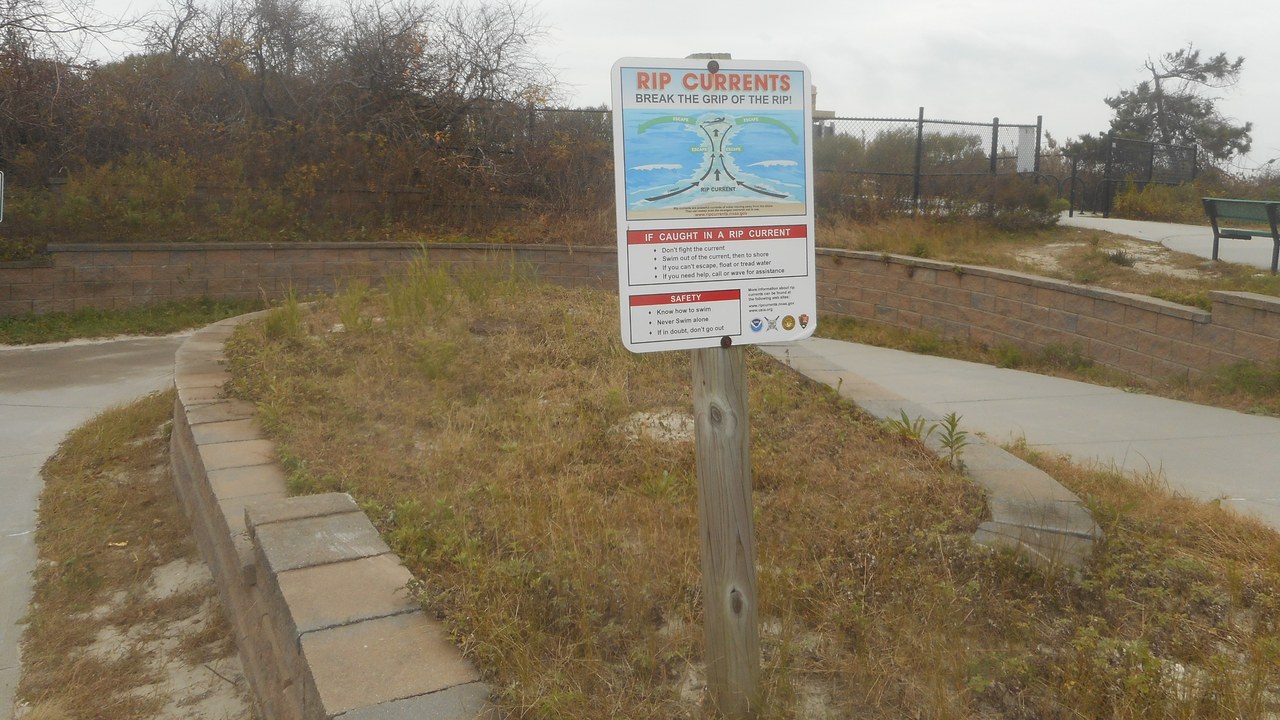
NOAA warns that a rip current can move faster than an Olympic swimmer. The current pulls water away from shore through a concentrated channel, creating a danger that may not resemble a breaking wave or obvious storm. A calm-looking gap in the surf can therefore carry more risk than its appearance suggests.
Strength alone is not a dependable answer to that flow, which is why beach warnings and lifeguard guidance matter even to confident swimmers. Panic and exhaustion can turn the offshore pull into a medical emergency. Conditions also vary along the same beach, so a safe-looking entry point does not describe the entire shoreline. The official warning gives a visible cue for a hazard whose speed and direction are otherwise easy to underestimate.
4. Storm surge: Rising Water Pushes Inland From the Coast
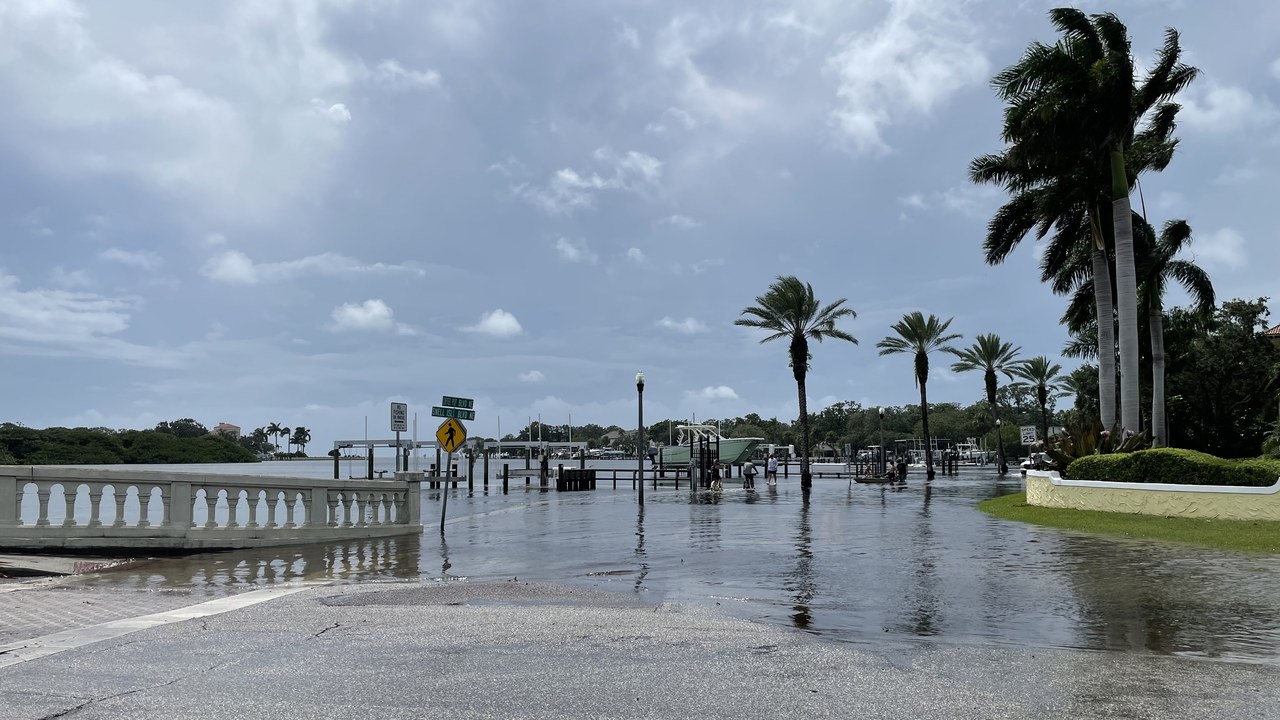
The National Hurricane Center explains why storm surge can become deadly as rising water moves onto normally dry land. The threat is not ordinary high surf. Water can spread inland across roads and neighborhoods, cutting off routes and changing a familiar coastal outing into an evacuation problem.
Surge can arrive with waves, wind, and poor visibility, so the edge of safe movement may disappear faster than expected. A waterfront road that remains passable early in a storm can later sit inside the flood zone. Forecast and evacuation information therefore matters before water reaches the pavement. Once the route is submerged, depth, debris, current, and hidden damage make last-minute travel far more hazardous than leaving during the warning window.
5. Lightning: A Distant Storm Can Reach the Outing
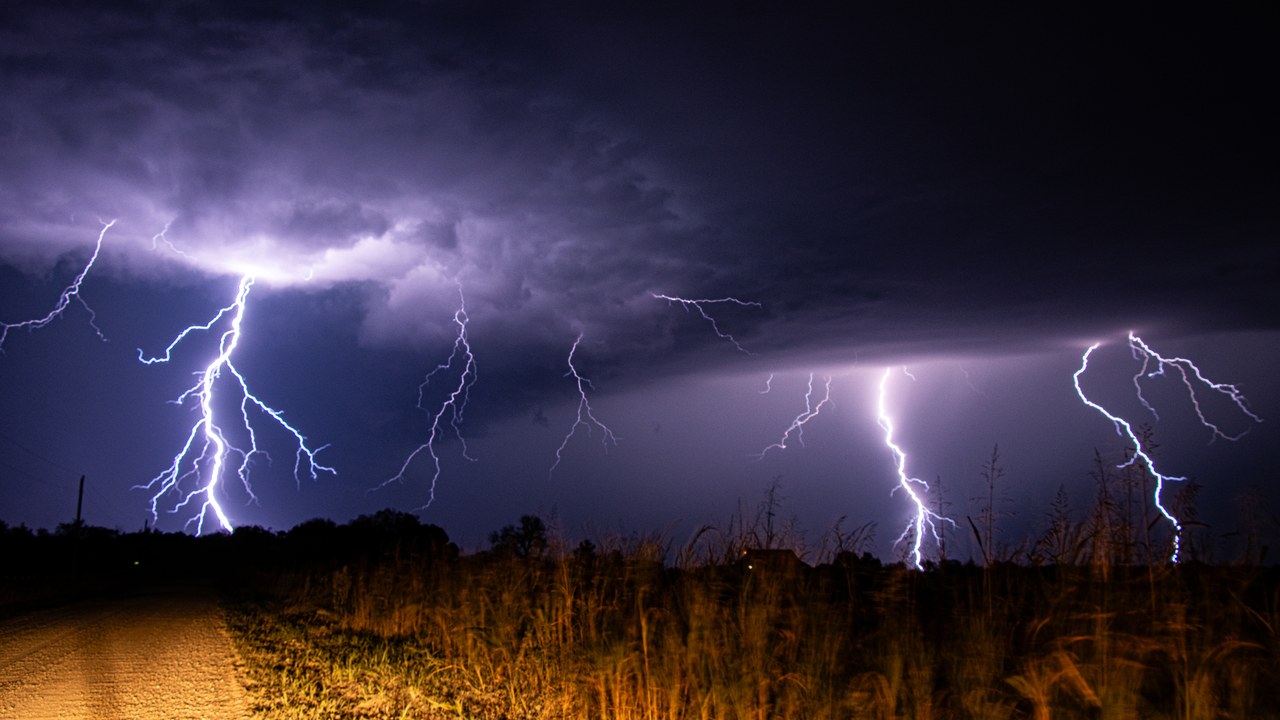
The National Weather Service’s lightning guidance treats thunderstorms as a direct outdoor hazard, not merely a reason to expect rain. A summer outing can remain dry while electrical danger approaches from a nearby storm. Thunder is the practical warning that the atmosphere is already capable of producing a strike within the surrounding area.
Open fields, beaches, water, and exposed high ground offer little protection once a storm is close. Trees and small shelters may feel safer than open space without providing the protection of a substantial building or enclosed vehicle. The safest decision is made before the first nearby strike, while time remains to reach proper shelter. Waiting for heavy rain confuses one visible part of the storm with the electrical threat that may arrive earlier.
6. Smoke-Shrouded Neighborhood: Bad Air Can Arrive Without Visible Flames
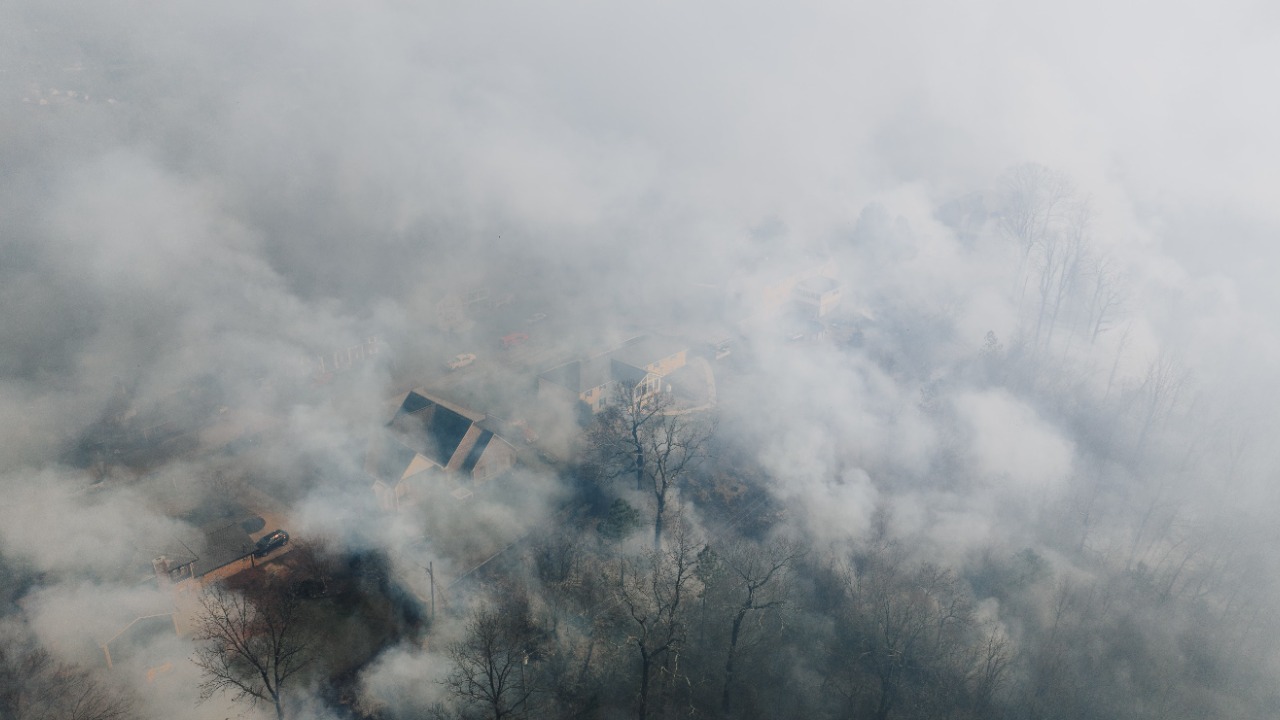
AirNow’s wildfire maps track smoke and related air-quality hazards beyond the places where flames are burning. A smoke-shrouded neighborhood can affect a walk, ballgame, road trip, or gathering even when no wildfire is visible nearby. Wind can carry the exposure into communities that face no direct fire threat.
Smoke conditions can change during the day as weather shifts, making a clear morning a poor guarantee for the afternoon. Air-quality information gives outdoor plans a measurable condition to follow instead of relying on smell or visibility alone. The risk is especially important for people with respiratory or cardiovascular vulnerability, although heavy smoke can affect broader groups as exposure grows. A distant fire can therefore create a local health emergency without entering the neighborhood.
7. Coastal-Neighborhood Flooding: Water Can Cut Off the Exit First
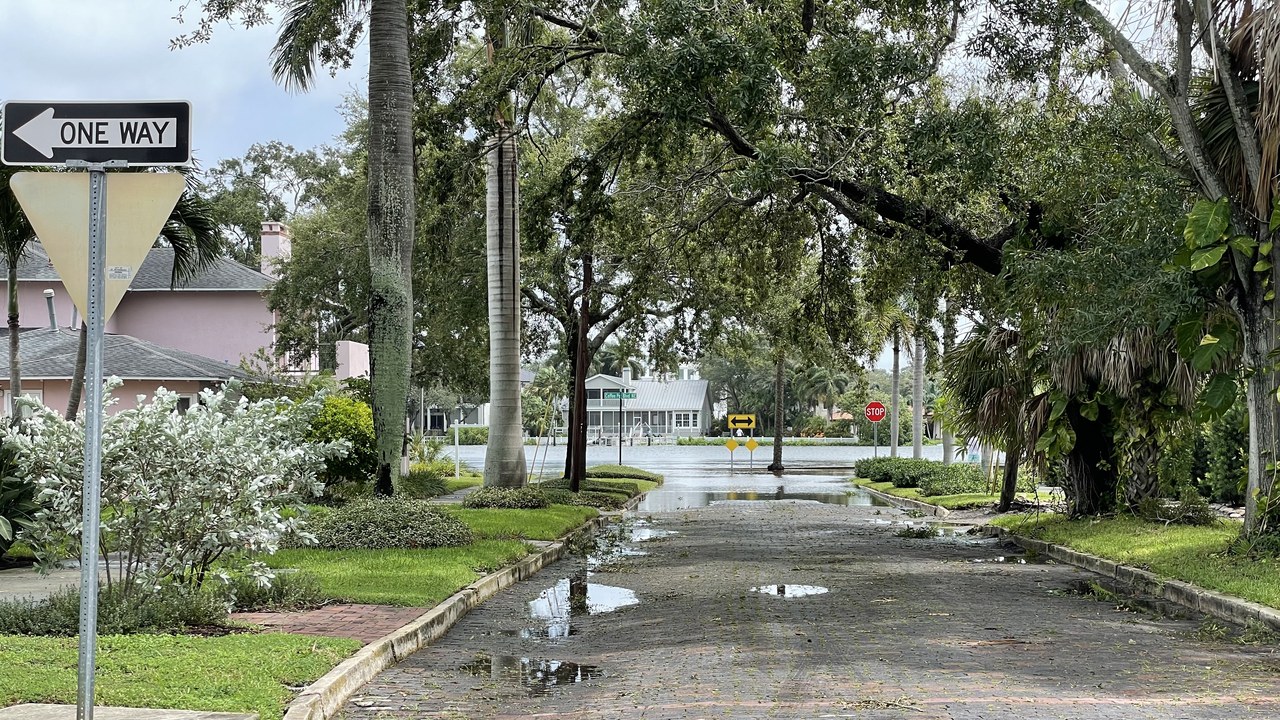
NOAA lists coastal flooding among the natural hazards capable of threatening shoreline communities. In a low coastal neighborhood, rising water may cover an access street before the beach, park, or waterfront destination itself appears dangerous. The route home can become the most urgent part of the outing when water advances across low ground.
Coastal-neighborhood flooding is not limited to a dramatic wall of water during a major storm. Gradual inundation can strand vehicles, conceal pavement edges, and expose people to moving or contaminated water. Tide, wind, waves, and local elevation shape which streets flood first. Coastal alerts therefore matter even without heavy inland rain, because the water may be arriving from the ocean rather than from the sky.
This article was produced with the assistance of AI and reviewed by Morning Overview editors prior to publication.
More from Morning Overview
- A Colorado wildfire has exploded past 87,000 acres with no containment
- A wildfire near Ouray swelled past 18,000 acres, putting Colorado towns on alert
- The Pentagon’s newest UFO files describe a fish-scaled, potato-shaped object on camera
- Scientists spotted a rare tusked whale alive at sea for the first time, then fired a crossbow at it.
