
Conservation success becomes visible when a species moves from disappearance toward a sustained presence in the wild. These recoveries came through legal protection, habitat management, reintroduction, and long-term goals rather than a single dramatic rescue. Here are five wildlife comebacks showing that coordinated protection can still reverse a collapse.
1. Gray wolf: A Predator Returns to Yellowstone
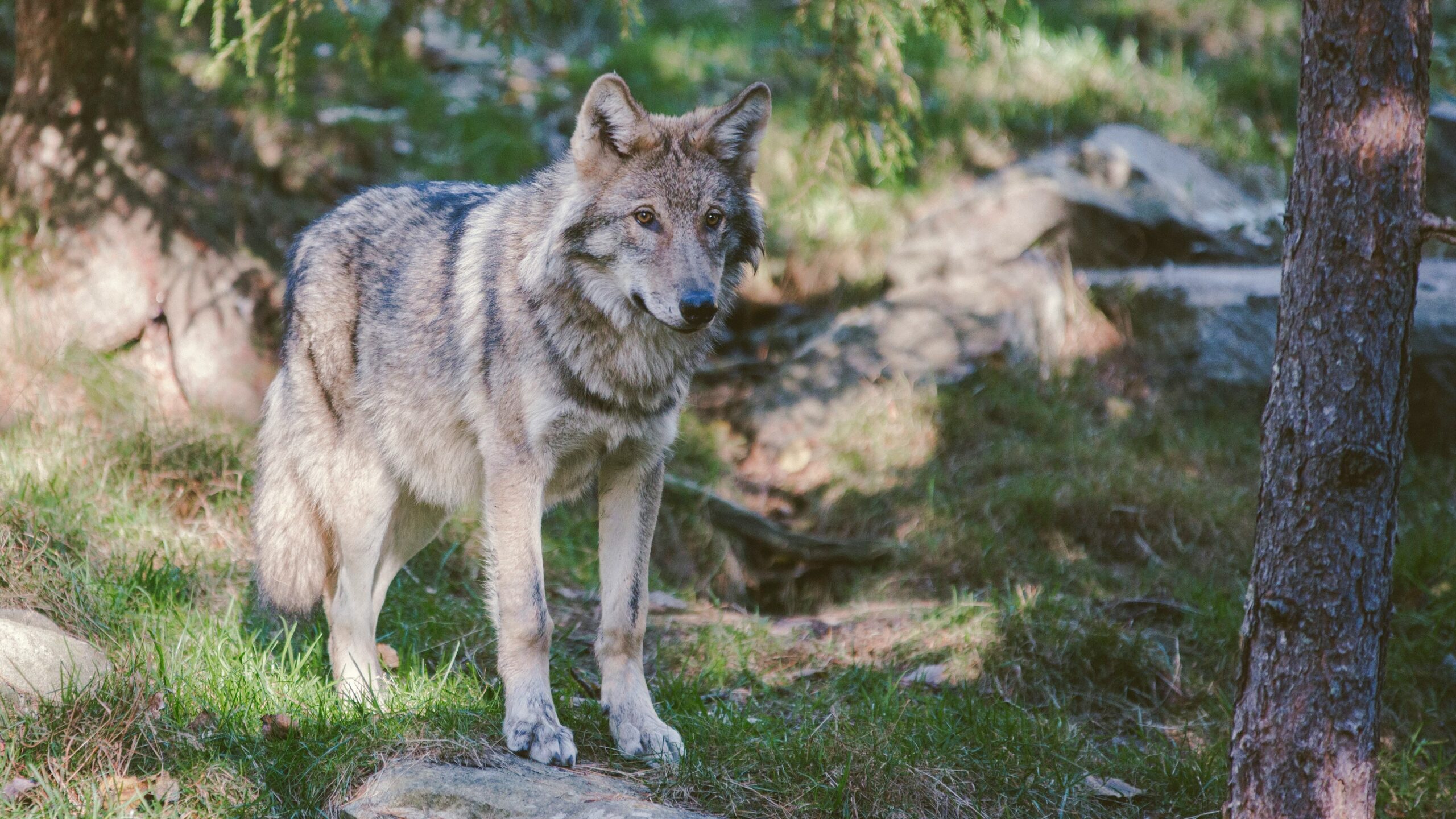
Yellowstone describes the return of gray wolves as a major conservation success on the park’s wolf management page. The comeback restored a native predator that had been absent from the park, making the animals’ renewed presence a visible result of deliberate reintroduction, monitoring, and continued management.
The success is significant without implying that every conflict surrounding wolves has disappeared. A recovered predator still shares landscapes with livestock, hunters, roads, and communities, so management continues after the first population gains. Yellowstone’s account demonstrates what protection can accomplish at an ecosystem scale: it can return a missing species to the landscape and create enough stability for a comeback to become more than a temporary appearance.
2. Humpback whale: Nine Population Segments Cleared a Federal Threshold
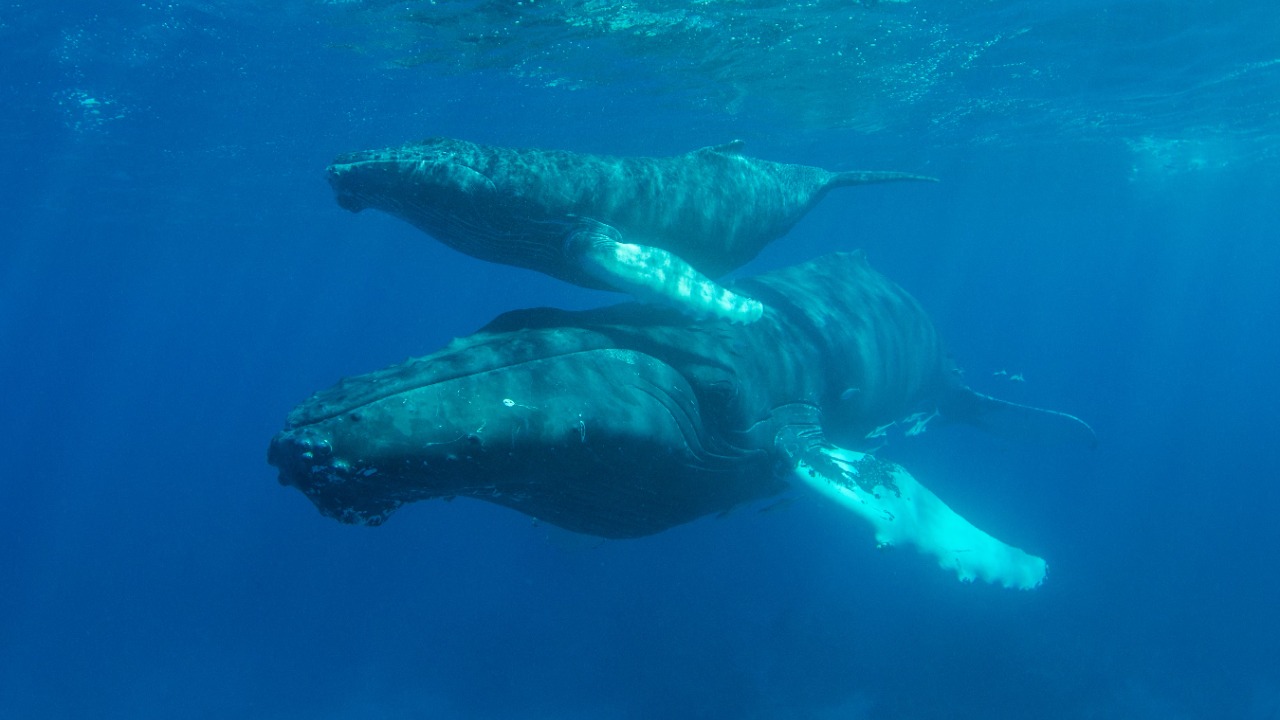
NOAA found that nine humpback whale population segments no longer warranted an endangered listing, according to the agency’s Endangered Species Act review. The finding shows recovery at a scale larger than a few successful births, with multiple distinct populations crossing a federal conservation threshold.
Population segments matter because humpback whales do not form one uniform worldwide group facing identical conditions. Improvement in nine segments does not erase risk elsewhere or remove the need for monitoring, ship-strike prevention, habitat protection, and other safeguards. It does show that sustained protection can produce measurable gains across ocean populations, turning the sight of a living whale into evidence of a broader recovery rather than an isolated encounter.
3. Bald eagle: Federal Protection Rebuilt an American Population
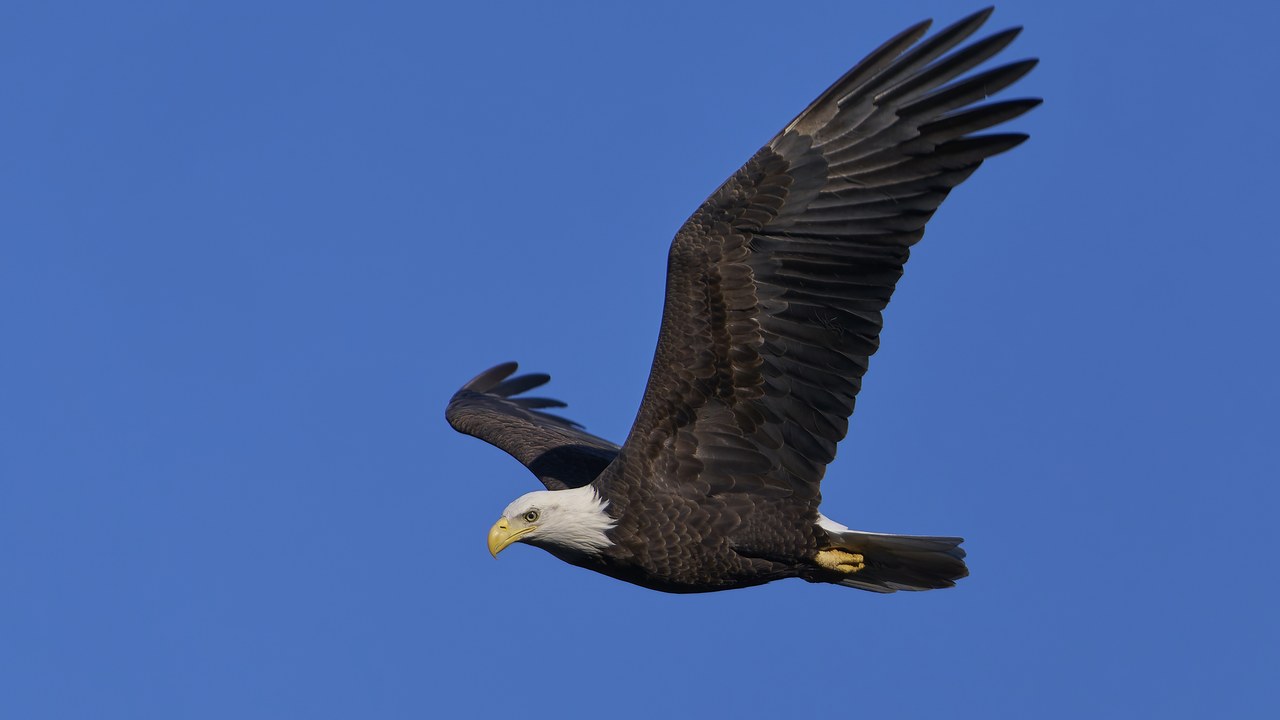
Federal protections helped the bald eagle population in the United States recover from historic declines, as summarized in the species’ conservation history. The turnaround transformed a national symbol from a bird associated with severe population loss into one again seen nesting and flying across much of its range.
That recovery reflects more than public affection for an iconic species. Legal safeguards and the reduction of major pressures gave breeding populations room to rebuild over time. A comeback does not make every nest or habitat secure, and local threats can remain even after national numbers improve. The bald eagle nevertheless provides a clear example of protection reversing a long decline strongly enough to change the species’ status and everyday visibility.
4. Peregrine falcon: Recovery Goals Came Before Delisting
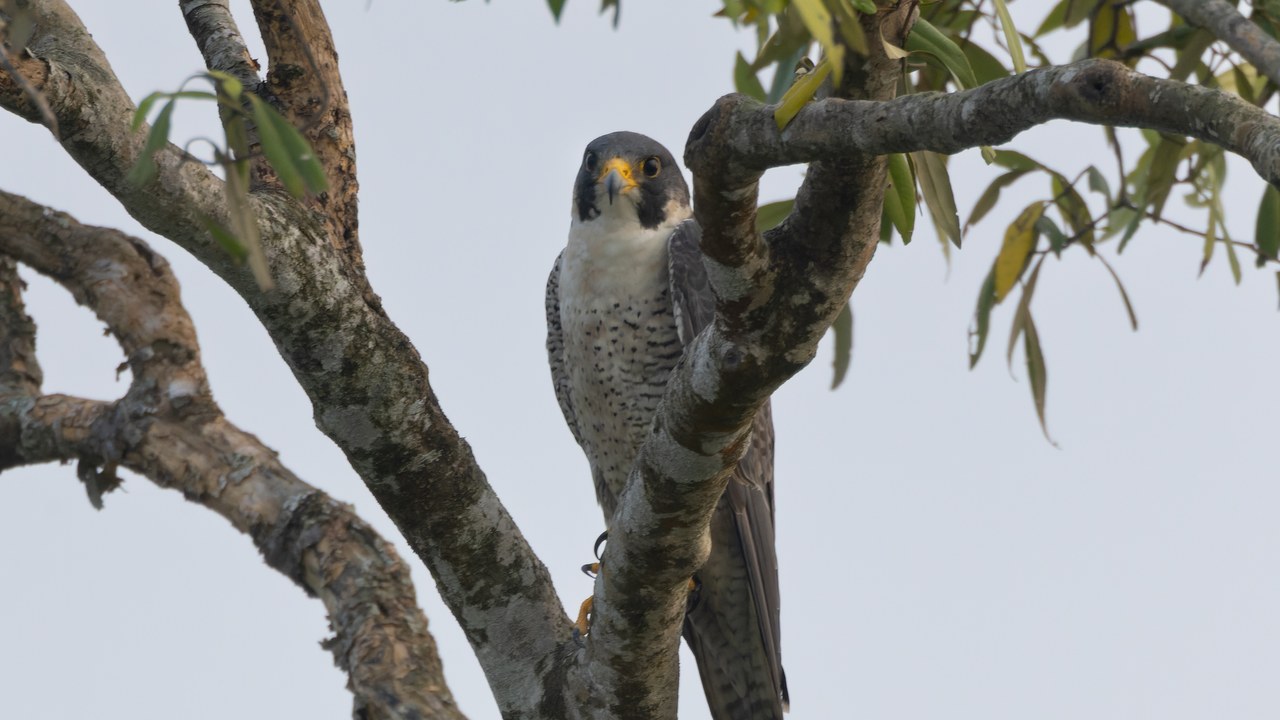
Recovery goals were met before the peregrine falcon was removed from the United States endangered species list, according to the federal delisting rule. The decision tied the bird’s changed legal status to documented recovery criteria rather than to a general impression that peregrines seemed more common.
Meeting recovery goals is an endpoint for one phase of protection, not proof that future oversight becomes unnecessary. Peregrines still depend on successful breeding, adequate prey, and places to nest, including cliffs and built structures. The delisting record matters because it shows a formal conservation process working as intended: decline prompted protection, measurable goals guided recovery, and evidence supported a later change in status.
5. American alligator: Protection and Habitat Management Drove the Rebound
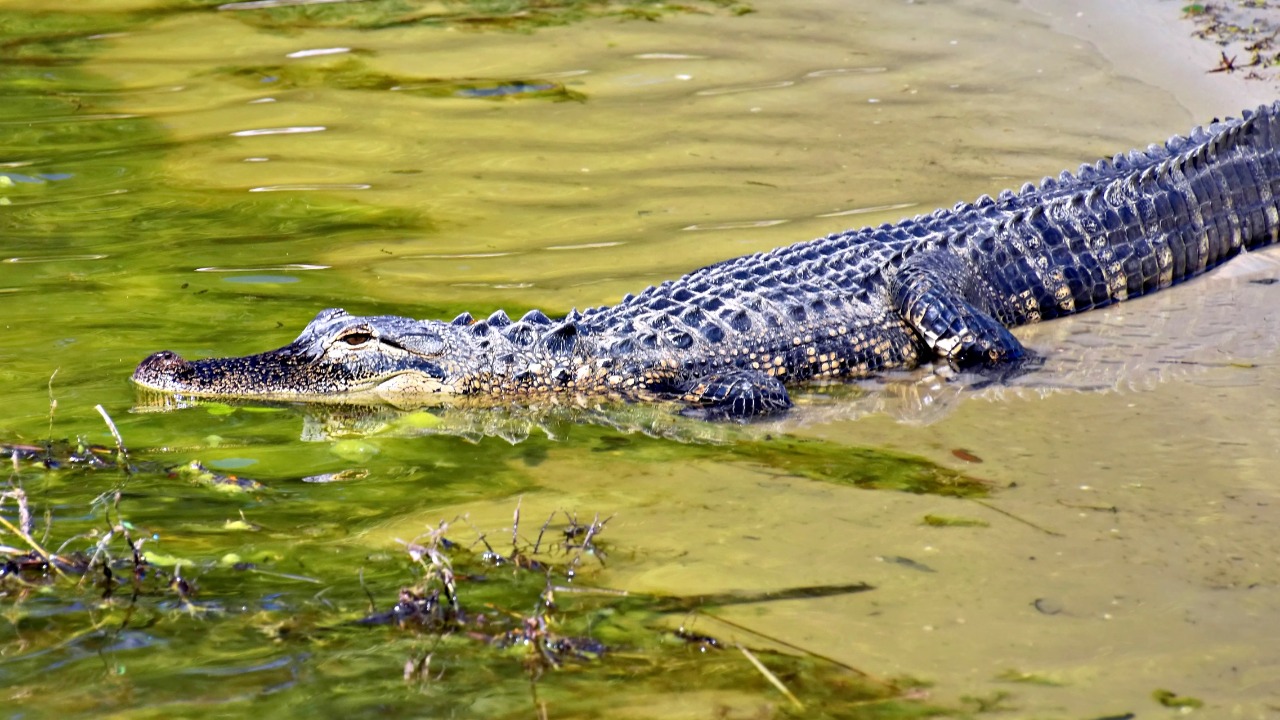
Protection and habitat management helped the American alligator rebound from serious decline, according to the species’ conservation history. The recovery returned a large native predator to wetlands across its range and demonstrated that safeguarding both the animal and the places it occupies can reinforce the same comeback.
A thriving alligator population can create new management challenges because recovery brings people and powerful wildlife into closer contact. That tension does not cancel the conservation achievement; it is partly a consequence of the species becoming common enough to encounter again. The rebound shows that protection can move an animal away from collapse, while habitat stewardship and public-safety rules remain necessary after the population is no longer defined only by scarcity.
This article was produced with the assistance of AI and reviewed by Morning Overview editors prior to publication.
More from Morning Overview
- A Colorado wildfire has exploded past 87,000 acres with no containment
- A wildfire near Ouray swelled past 18,000 acres, putting Colorado towns on alert
- The Pentagon’s newest UFO files describe a fish-scaled, potato-shaped object on camera
- Scientists spotted a rare tusked whale alive at sea for the first time, then fired a crossbow at it.
