
Disasters rarely respect the neat categories used on hazard maps. Shaking can loosen slopes, storm surge can trap rainfall, and wind can damage the systems needed during a flood. Geography determines which chains are most dangerous, and these five regions show how one natural disaster can set off another before the first emergency has finished unfolding.
1. Yellowstone: Shaking Can Unsettle Slopes and Water
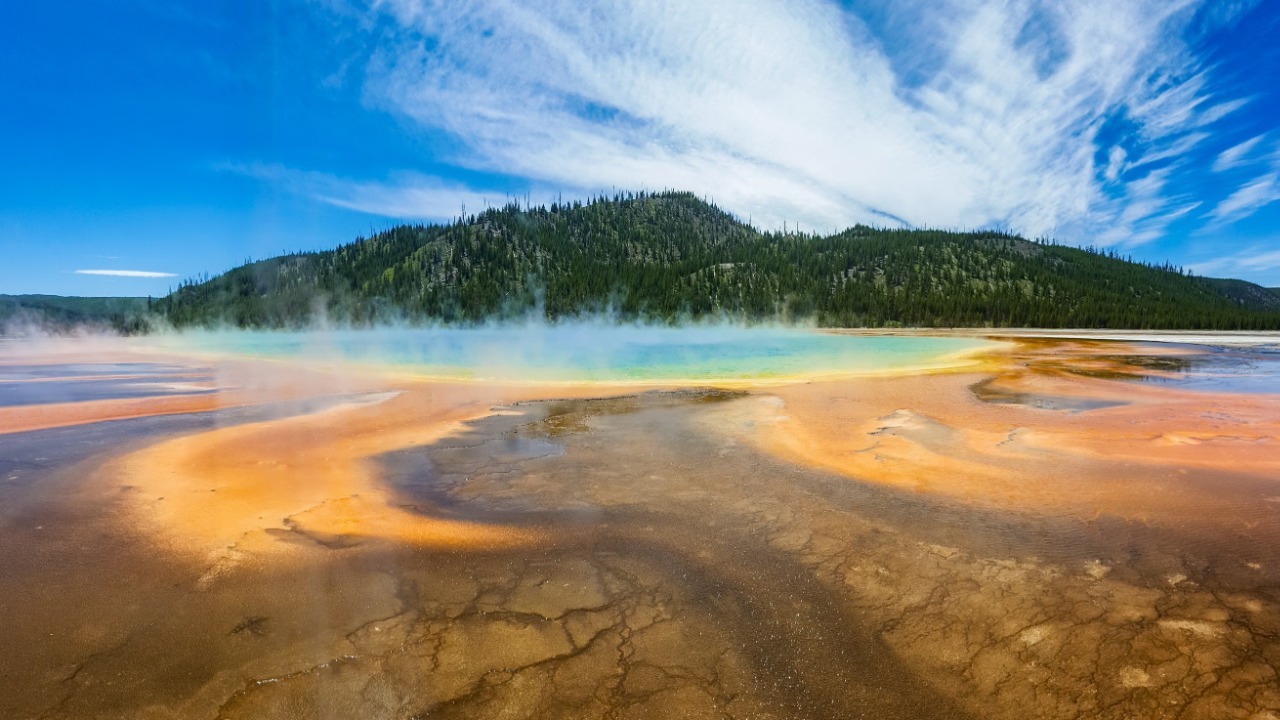
Yellowstone combines an active volcanic system, frequent earthquakes, steep terrain, and an extensive network of hot springs and geysers. The USGS Yellowstone hazards overview addresses volcanic, hydrothermal, and seismic processes in the same region. In a mountainous landscape, ground motion can loosen rock and sediment, trigger falls or slides, and disturb water moving through fractures near the surface, creating secondary hazards after the initial tremor.
The connection does not mean an ordinary earthquake signals an imminent volcanic eruption. Yellowstone’s ground naturally rises and falls as heat, fluids, and the crust interact, and earthquake swarms can occur without a catastrophic outcome. The practical cascade is usually more local: shaking destabilizes a slope, blocks a road, changes a stream channel, or alters a hydrothermal feature. That distinction matters because dramatic supervolcano speculation can distract from the smaller linked hazards that actually threaten visitors and infrastructure.
2. Tampa Bay: Storm Surge Can Trap the Rainfall Behind It
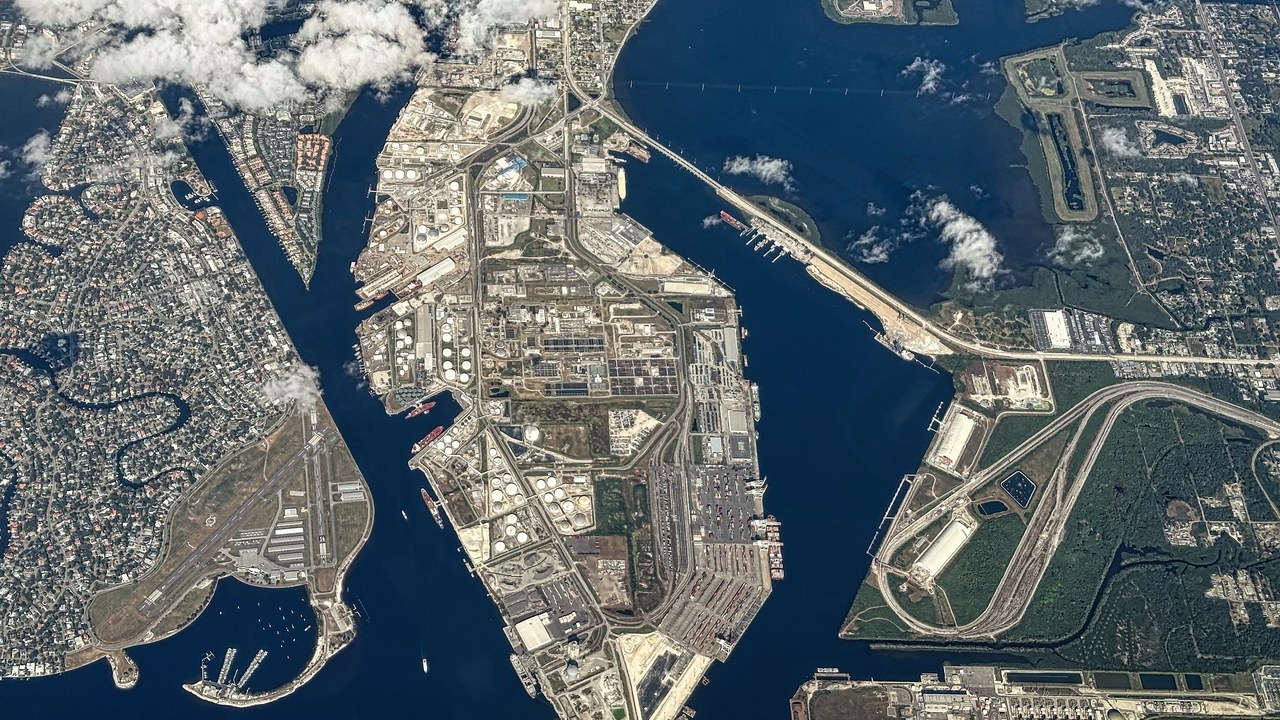
Tampa Bay’s broad, shallow water and low coastal development create several ways for a hurricane to compound its own damage. The National Weather Service regional hurricane guide maps storm surge, wind, and flooding as linked threats around the bay. Wind pushes seawater inland while heavy rain is falling, raising the level against which streets, canals, and drainage systems must empty.
That interaction can turn one storm into a sequence. Surge floods coastal roads and damages power or pumping equipment, then rainfall accumulates because normal drainage has slowed or reversed. Wind-blown debris can block routes needed for rescue and repairs while water is still rising. The exact outcome varies with track, tide, rainfall, and local elevation, but Tampa Bay’s geometry makes simultaneous hazards especially important. Planning for wind alone misses the flood that may follow before conditions improve.
3. Miami: Wind, Surge, and Rain Converge on One Coast
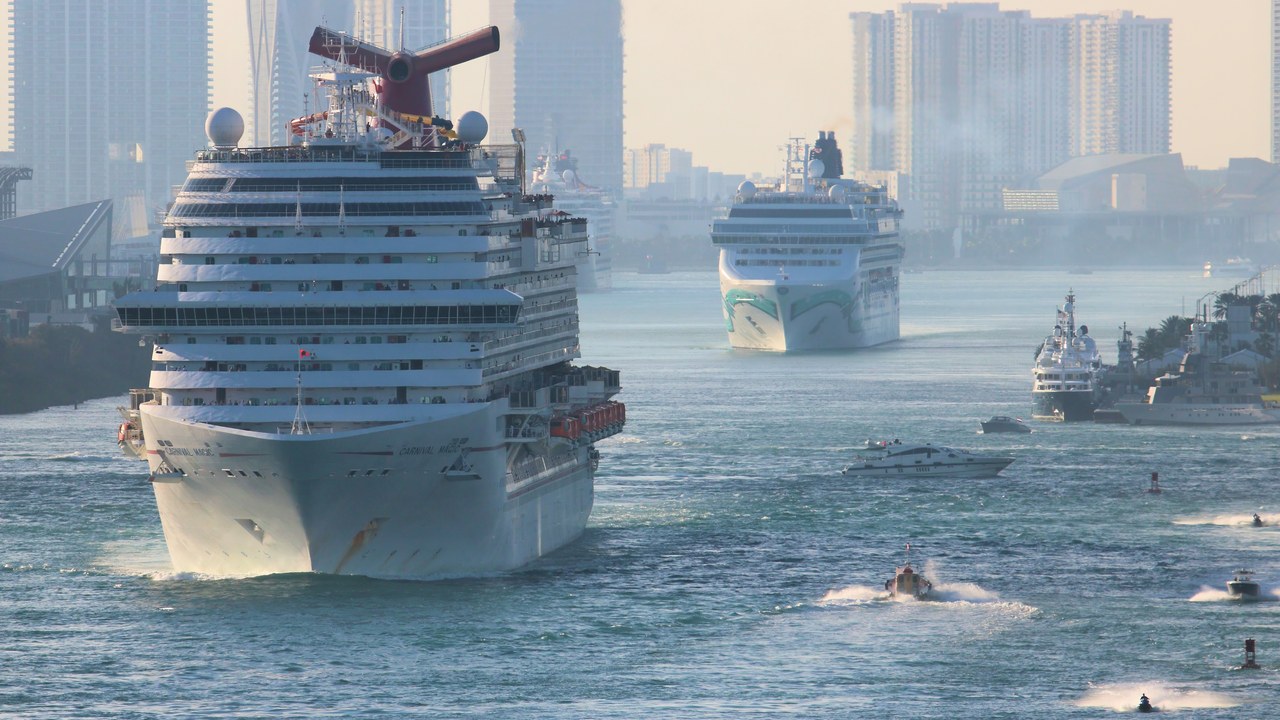
Miami faces hurricane danger from the ocean, the sky, and the built environment at the same time. Miami-Dade County’s hurricane guidance treats storm surge, flooding, and extreme wind as connected threats rather than separate emergencies. Surge can push salt water into low areas while intense rain adds fresh water from above, leaving fewer places for either flow to drain.
Wind damage can then deepen the flood emergency by cutting power, scattering debris, and blocking access to pumps, hospitals, or shelters. Standing water conceals hazards and slows the crews needed to restore those systems. Miami’s dense coastal development means the cascade can move quickly from exposed shoreline to transportation and utility problems inland. A hurricane’s first visible damage may be broken trees or windows, but the secondary crisis can be prolonged water that limits movement long after the strongest winds pass.
4. Charleston: Shaking Can Turn Wet Ground Unstable
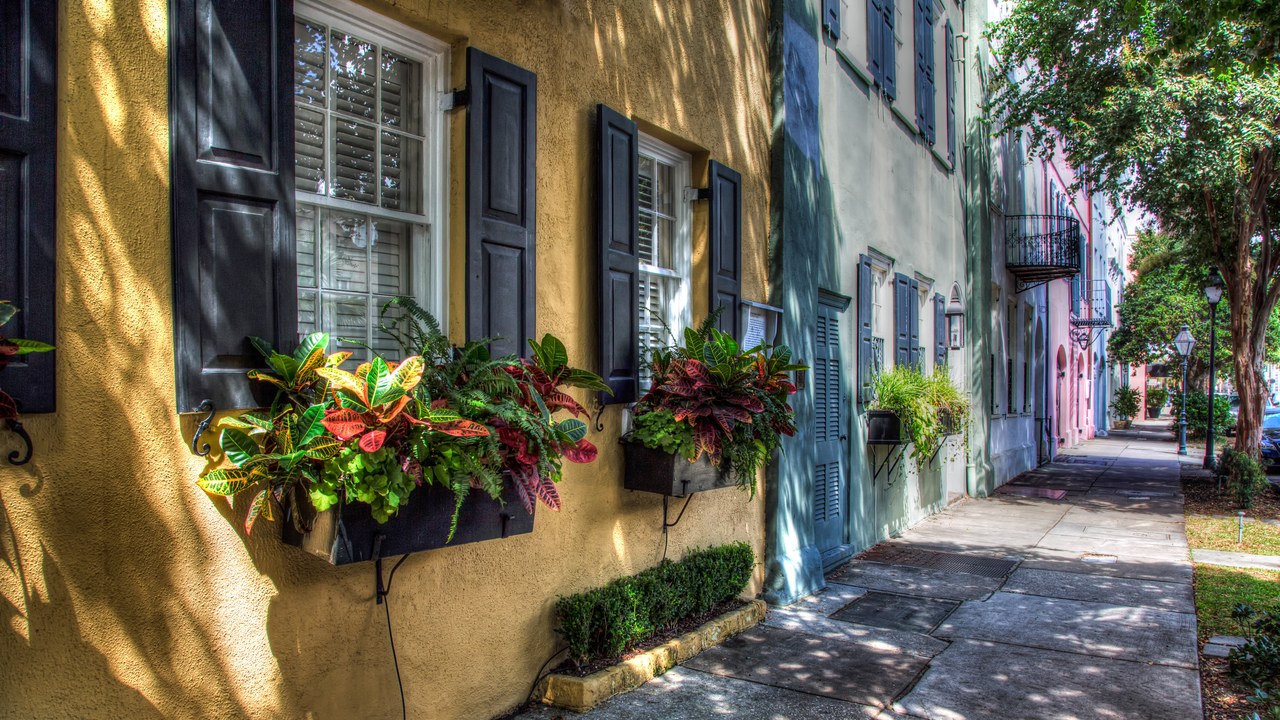
Charleston’s historic earthquake risk sits beneath a low coastal city built around rivers, marshes, and water-saturated sediments. A USGS Charleston report documents earthquake-induced liquefaction and ground failure in the area. Strong shaking can cause loose, wet sediment to lose strength and behave less like firm soil beneath streets, foundations, and buried utilities, extending damage beyond the movement on a fault.
That secondary ground failure can outlast the tremor that started it. Pavement may buckle, foundations can settle unevenly, and water or sewer lines can break just when emergency access is most important. Charleston also has older masonry and historic infrastructure that may be vulnerable to shaking, adding falling debris and blocked roads to the cascade. The danger is therefore not limited to distance from a fault. Local soil and construction determine how one earthquake becomes several overlapping urban emergencies.
5. Salt Lake City: A Valley Quake Can Release Slopes and Sediment
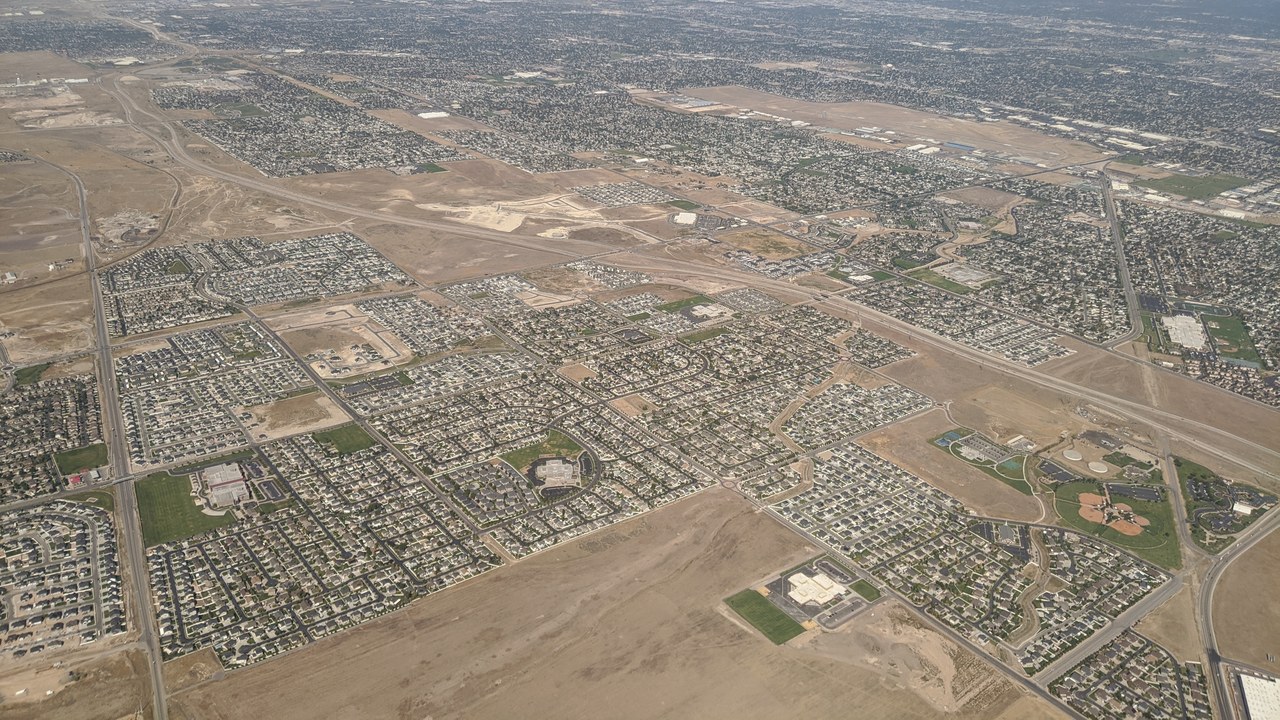
Salt Lake City lies along the Wasatch Front, where an earthquake can spread consequences from the mountains into the developed valley. A USGS Great Salt Lake study explains how lake sediments preserve a long record of major regional earthquakes. That history places modern development beside a fault system capable of strong shaking, the first step in several possible secondary emergencies.
Those processes create different emergencies from the same fault movement. A slope failure can sever a canyon road or damage water infrastructure, while liquefaction can deform foundations and underground lines across flatter neighborhoods. Winter conditions can add snow and ice to unstable mountain terrain, complicating access after the shaking stops. Salt Lake City’s mountain setting is visually protective, but it also concentrates transportation and utilities through narrow corridors where a secondary slide or ground failure can isolate large parts of the valley.
This article was produced with the assistance of AI and reviewed by Morning Overview editors prior to publication.
More from Morning Overview
- A Colorado wildfire has exploded past 87,000 acres with no containment
- A wildfire near Ouray swelled past 18,000 acres, putting Colorado towns on alert
- The Pentagon’s newest UFO files describe a fish-scaled, potato-shaped object on camera
- Scientists spotted a rare tusked whale alive at sea for the first time, then fired a crossbow at it.
More from Morning Overview
