
Some hazards do not end when an eruption pauses or a damaged reactor stops producing power. Volcanoes can change beneath the surface, while nuclear sites carry containment and decommissioning duties long after the event that made them famous. These five danger zones demand continuing observation because the cost of missing a meaningful change remains too high.
1. Kilauea, Hawaii: The Nation’s Highest-Threat Volcano
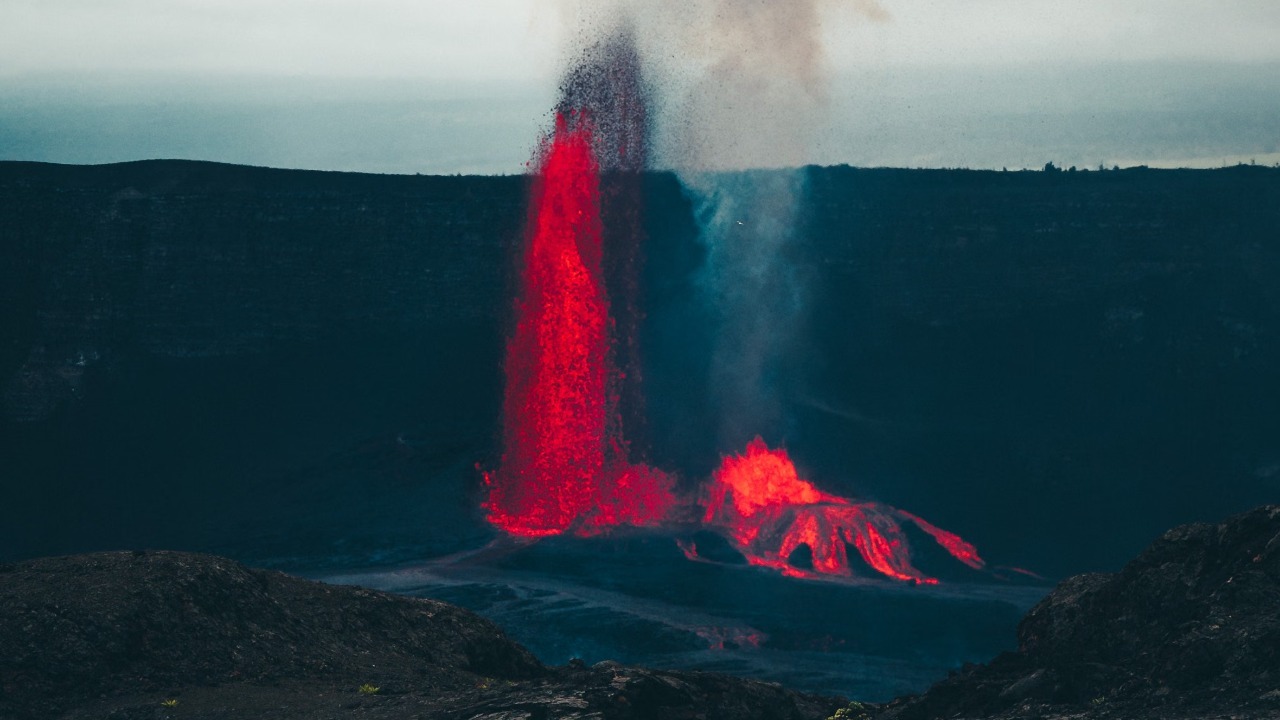
Kilauea occupies the top tier of American volcanic risk. The USGS volcano profile identifies it as the highest-threat volcano in the United States and, at the research package’s cutoff, listed an active eruption. That combination explains why monitoring cannot depend on memory or reputation: the volcano pairs a long-established hazard ranking with activity that required live status information rather than a historical summary.
Continuous observation gives officials and nearby communities a way to distinguish routine changes from developments that demand attention. Kilauea’s status can never be reduced to a single permanent label, because an eruption is an evolving process rather than a completed event. The key lesson is not that every moment brings the same danger, but that a high-threat system must be watched closely enough for changing conditions to be recognized promptly.
2. Mount Rainier, Washington: Mudflows Carry the Greater Threat
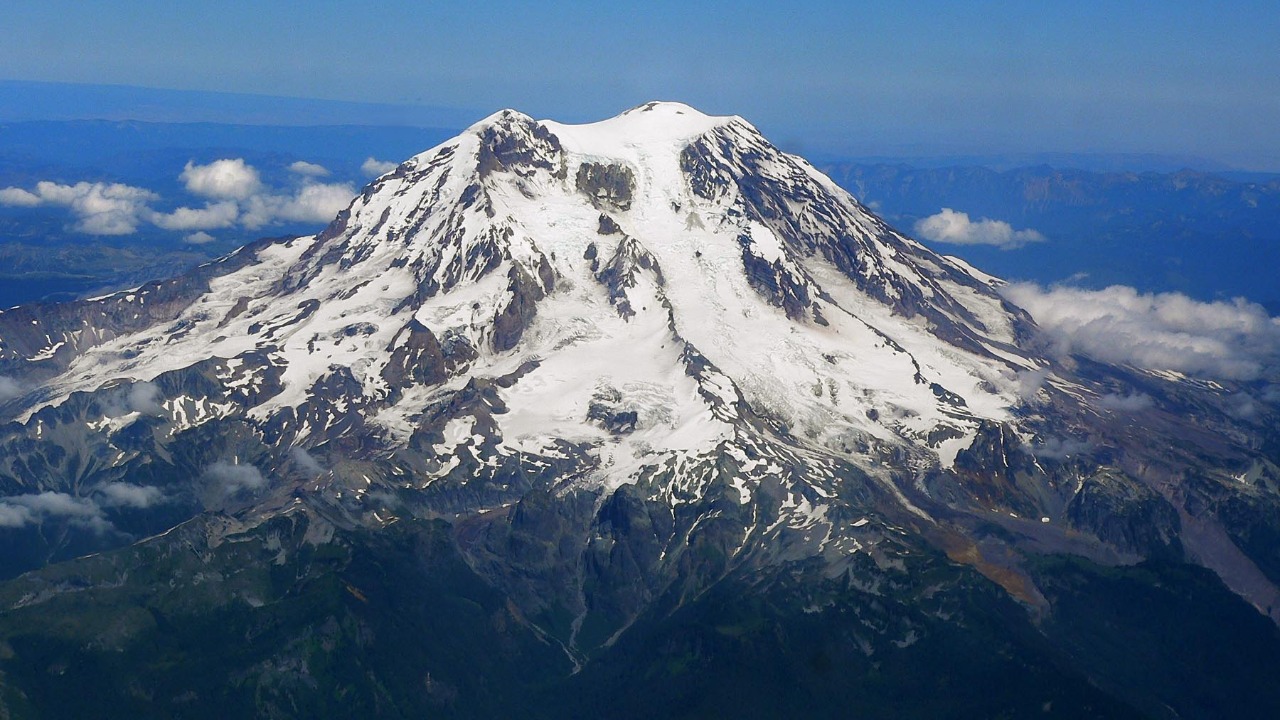
Mount Rainier’s most consequential danger is not the image most people associate with a volcano. Its USGS hazard profile says mudflows pose the larger threat and notes that such flows have already reached the Puget Sound lowlands. The record expands the danger zone far beyond the summit, because moving debris can carry volcanic consequences into lower terrain where communities and infrastructure sit.
That reach is why a quiet-looking mountain still requires constant attention. Monitoring must connect conditions high on Rainier with pathways leading into populated lowlands, not simply watch for visible lava. The past extent of mudflows provides the warning geometry: material released on the volcano can travel well beyond the place where it began. A hazard system that spans elevation and distance cannot afford blind intervals when conditions change.
3. Three Sisters, Oregon: Satellites Found a Slow Swell
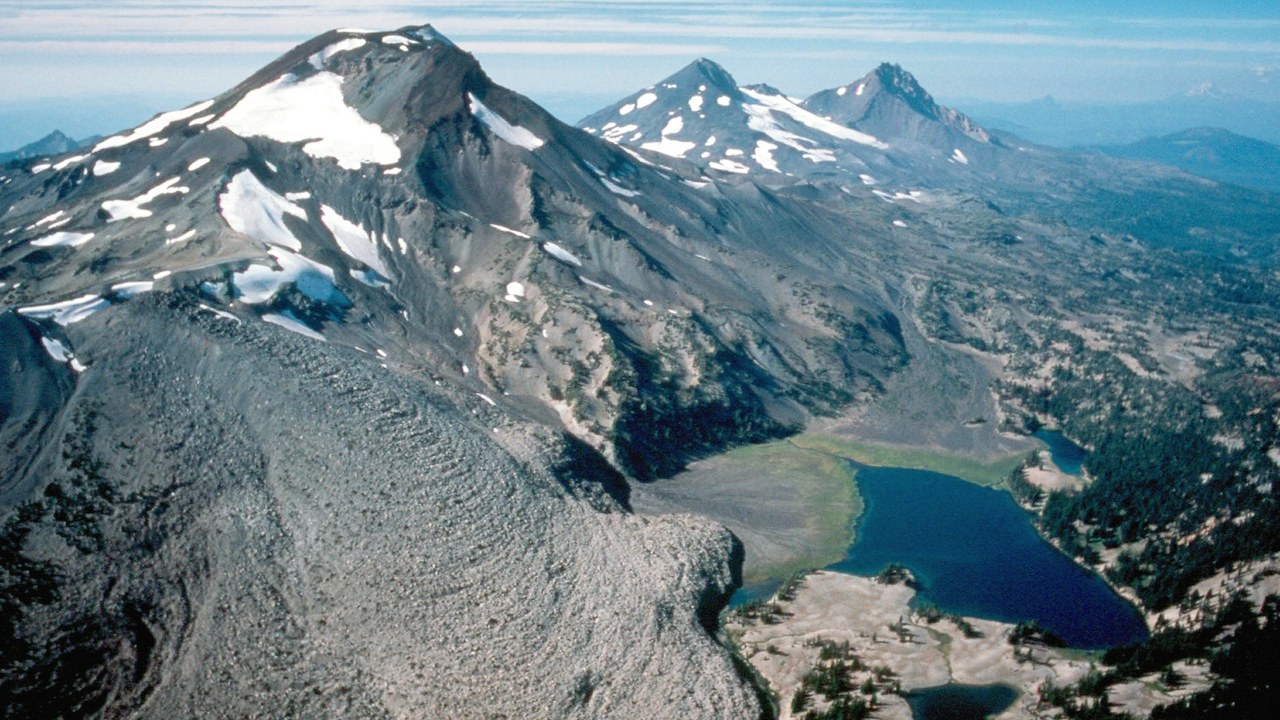
The Three Sisters demonstrate why dangerous change does not need to arrive as a dramatic eruption. The USGS monitoring page says satellites detected ground swelling near South Sister that began in 1997. The signal developed on a timescale measured in years, making repeated measurements essential. Without long observation, gradual deformation could look like background landscape rather than evidence of movement below the surface.
Satellite monitoring adds value precisely because it can compare the same broad area across time. A single image cannot show whether ground has shifted; a sequence can. The 1997 starting point gives the change a history that must be followed rather than treated as one isolated reading. Three Sisters is therefore a reminder that vigilance includes slow trends, not only sudden events visible to people standing nearby.
4. Chernobyl disaster: Containment Is a Long-Term Assignment
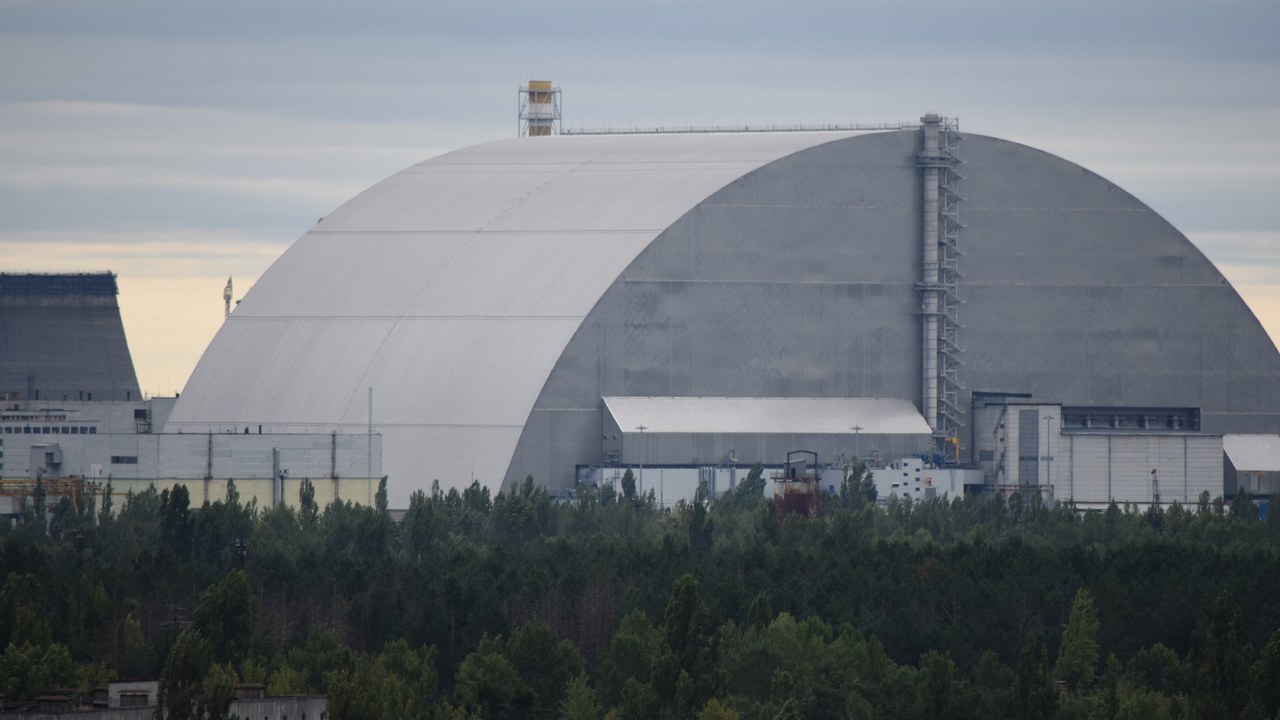
Chernobyl remains a danger zone because the response did not end with the original disaster. The IAEA topic record describes a site still subject to long-term monitoring and containment. Those two duties are linked: containment creates a managed barrier, while monitoring checks whether the broader safety assumptions behind that barrier continue to hold. Neither function can be treated as a one-time repair.
The site’s continued oversight shows how nuclear hazards operate on institutional as well as physical timescales. Equipment, structures and procedures must remain effective beyond the careers of individual workers and officials. That makes continuity part of the safety system. Chernobyl’s lesson is not simply that an accident can have a long aftermath, but that managing the aftermath requires observation and responsibility to pass reliably from one period to the next.
5. Three Mile Island: A Damaged Reactor Under Regulation
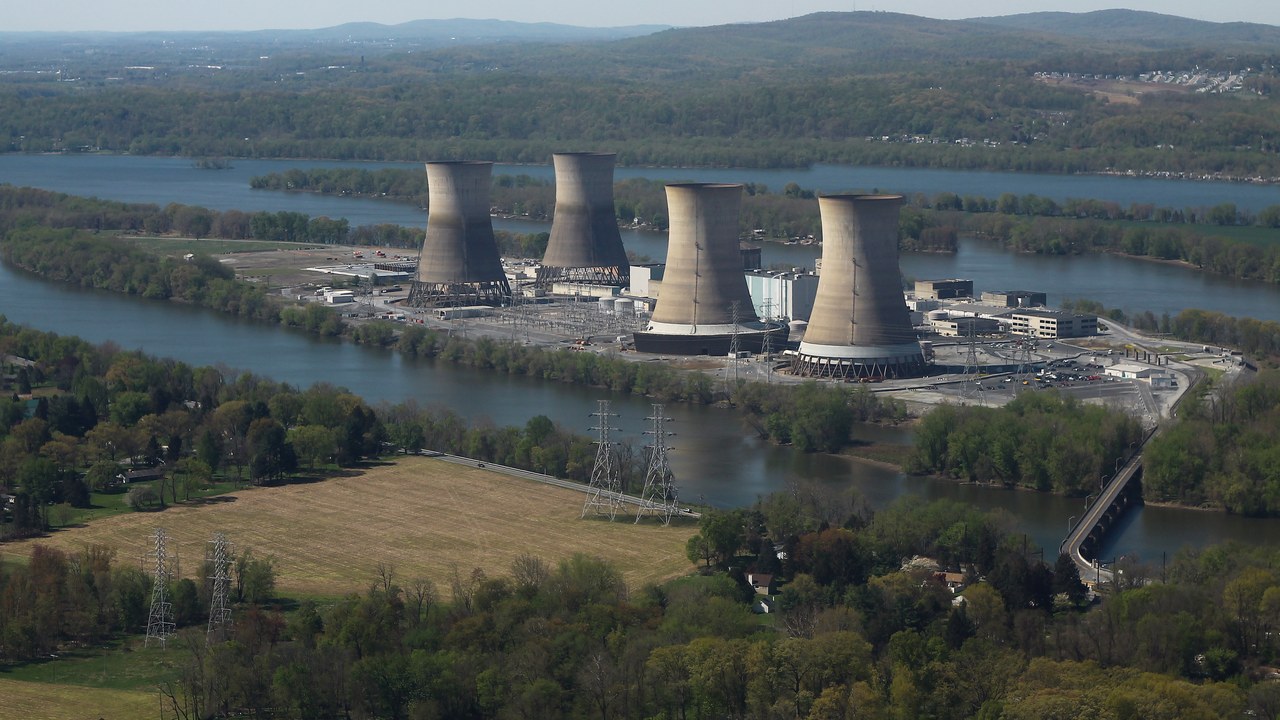
Three Mile Island’s damaged reactor remains an active regulatory responsibility even though the accident belongs to history. The NRC fact sheet places the reactor under regulated decommissioning and monitoring. Decommissioning is therefore not an eraser applied to the past; it is a controlled process whose progress and safety conditions must be documented while the affected facility moves through a long transition.
Monitoring supplies the evidence that each stage remains within the rules governing the site. That requirement matters because a damaged reactor cannot be treated like ordinary retired equipment. The work must account for what happened there and for the condition of the remaining systems and materials. Three Mile Island illustrates how oversight persists after public attention fades, turning a famous emergency into a continuing technical and regulatory obligation.
This article was produced with the assistance of AI and reviewed by Morning Overview editors prior to publication.
More from Morning Overview
- A Colorado wildfire has exploded past 87,000 acres with no containment
- A wildfire near Ouray swelled past 18,000 acres, putting Colorado towns on alert
- The Pentagon’s newest UFO files describe a fish-scaled, potato-shaped object on camera
- Scientists spotted a rare tusked whale alive at sea for the first time, then fired a crossbow at it.
More from Morning Overview
