
Toolmaking once looked like a clean boundary between human intelligence and the rest of the animal world. Field observations have steadily erased that line, revealing creatures that choose, carry, shape, and reuse objects to solve practical problems. These five creatures show how homemade tools can open food, protect bodies, and expose flexible thinking in wildly different habitats.
1. Sea otter: Hard Prey Meets a Portable Workbench
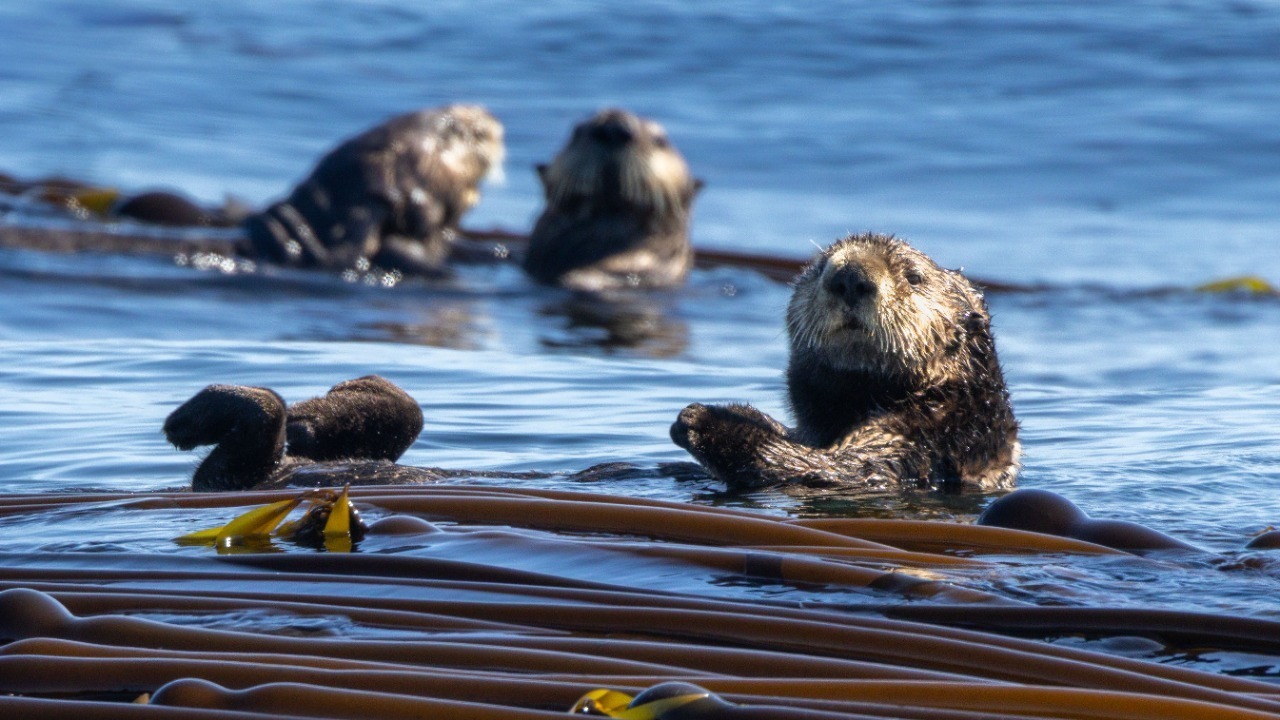
Sea otters use tools to open prey that would otherwise be difficult to crack, and a UC Santa Cruz study found that the behavior also reduced tooth damage. The combination turns tool use into more than a clever feeding trick: it expands access to harder foods while limiting the physical cost of biting and crushing them directly.
That tradeoff reveals a practical form of intelligence shaped by anatomy and diet. An otter that can recruit an outside object gains another way to handle prey when teeth alone are inefficient or risky. The behavior does not need to resemble a human workshop to count as technology; selecting and applying a tool changes what the animal can eat and helps preserve the body part it depends on for future meals.
2. White-faced capuchin: Stone Use Became a Regular Habit
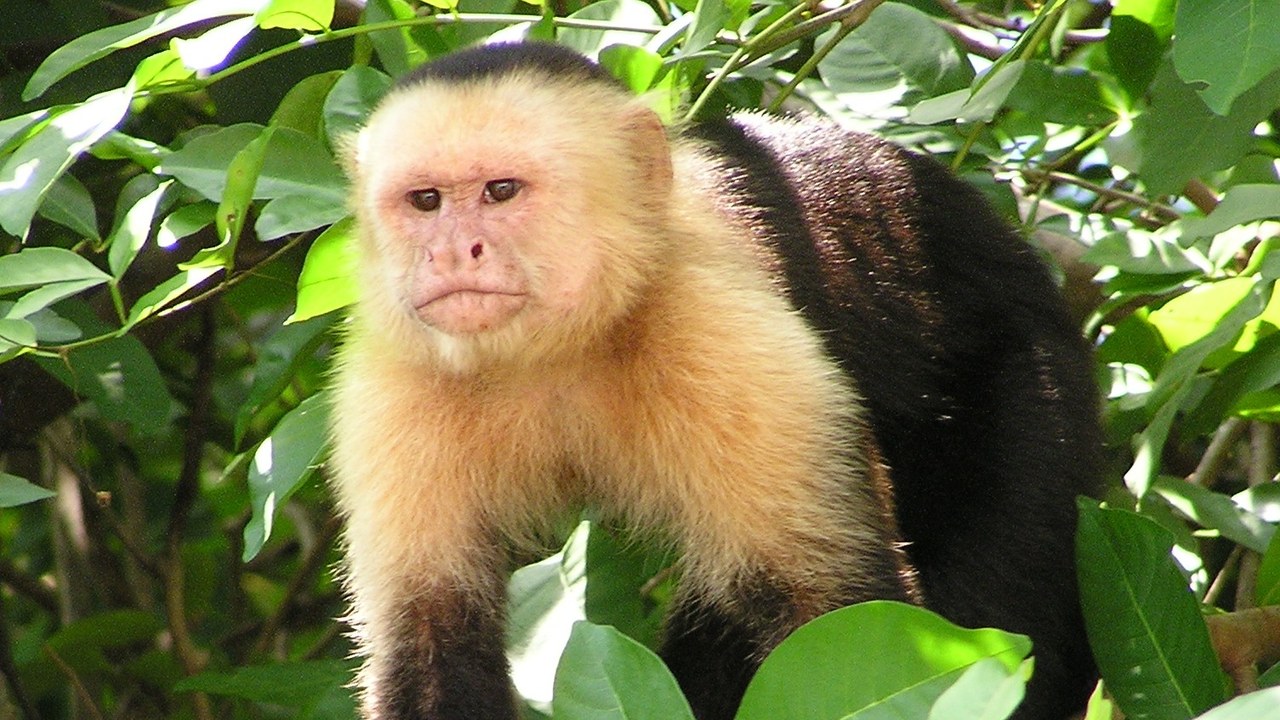
Smithsonian researchers documented habitual stone-tool use in white-faced capuchins, moving the behavior beyond a one-time accident or isolated curiosity. Repeated use matters because it shows that a monkey can incorporate an external object into a dependable method for completing a task rather than merely interacting with whatever happens to lie nearby.
The finding adds another primate branch to the story of animal technology. A stone has no obvious handle or built-in instruction, so making it useful requires the animal to connect an object’s properties with a desired result. Habitual use also raises questions about learning and local behavior: researchers can compare which groups adopt the technique, how consistently it appears, and whether younger animals gain the skill by watching experienced individuals.
3. Chimpanzee: Sticks and Stones Become a Flexible Toolkit
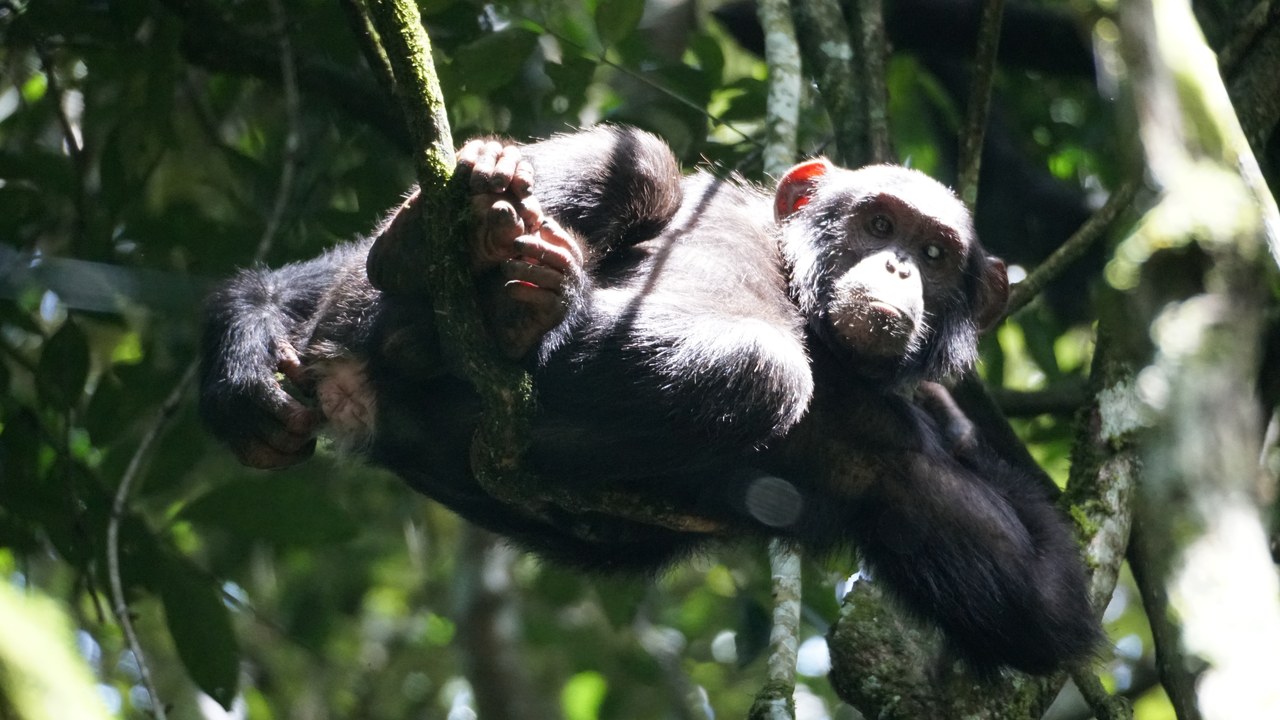
Chimpanzees are documented using sticks and stones for foraging and other tasks. The range is important: a tool is not tied to one rigid response, because different materials can solve different problems. That flexibility helped overturn the old assumption that purposeful object use belonged exclusively to humans.
A stick or stone becomes a tool only through the animal’s choice and action, which makes the behavior more revealing than simple contact with an object. The chimpanzee must recognize a problem, select something with useful properties, and apply it toward a result. Researchers can then examine how those solutions vary among communities, offering a window into learning, persistence, and the possibility that useful techniques spread socially rather than appearing independently every time.
4. New Caledonian crow: Shaped Objects Reach Food a Beak Cannot
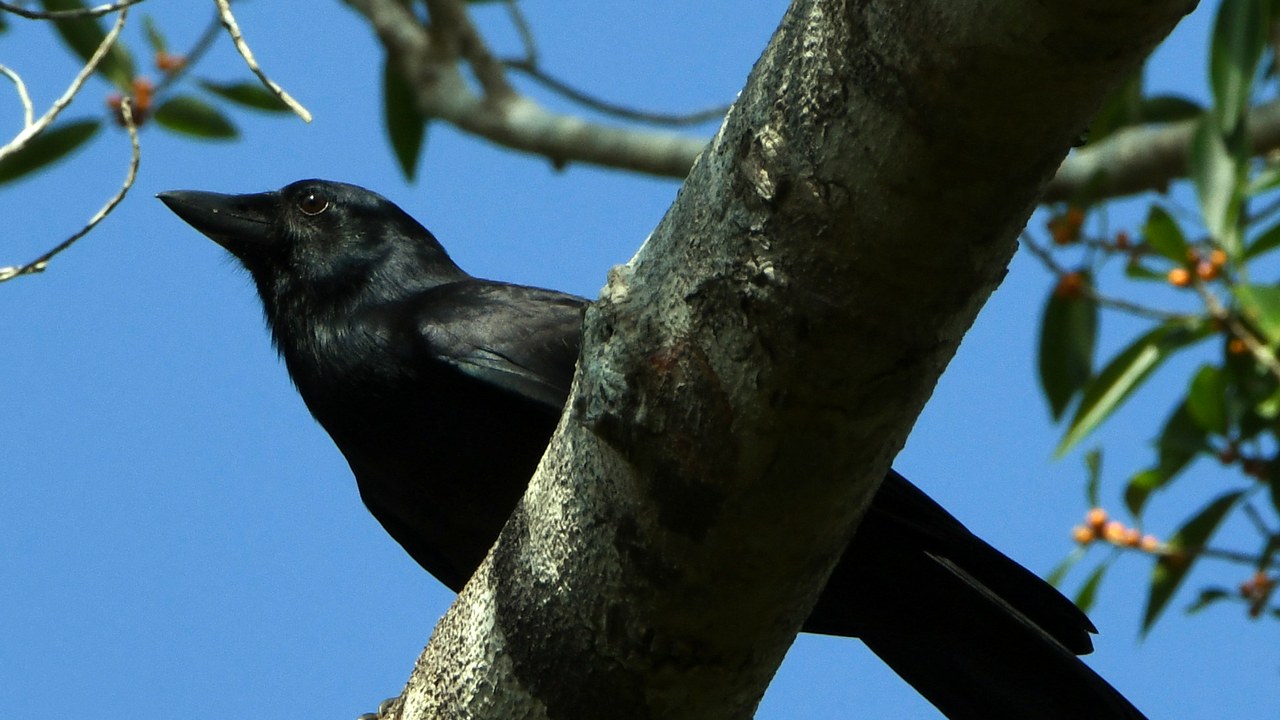
The New Caledonian crow is documented shaping and using tools to reach food. Altering an object before putting it to work is the crucial step: the bird is not simply exploiting a convenient branch, but changing material so it better fits a problem that its beak alone cannot solve.
That sequence compresses several abilities into one small action. The crow must keep the hidden food as a goal, judge the raw material, modify it, and then maneuver the result effectively. Success depends on matching shape to task rather than repeating a blind motion. The behavior is especially striking because it evolved far from the primate line, showing that sophisticated tool solutions can emerge in animals with very different bodies, brains, and evolutionary histories.
5. Common bottlenose dolphin: A Marine Sponge Becomes Seafloor Gear
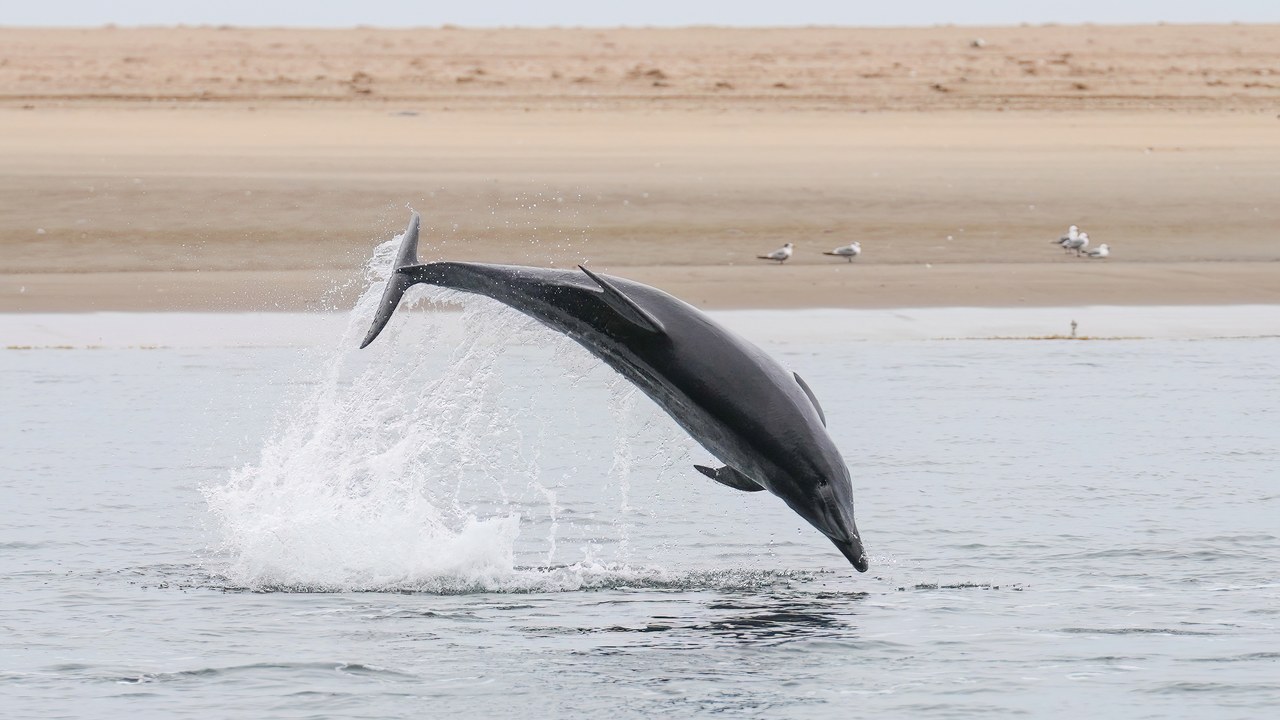
Some common bottlenose dolphins carry marine sponges while searching the seafloor. The sponge functions as portable equipment in an environment where hands, pockets, and solid work surfaces do not exist. Carrying it while foraging shows that tool use can be adapted to underwater movement rather than copied from land-based behavior.
The practice broadens the definition of technology beyond shaped sticks and striking stones. A useful object may be borrowed from another living organism and carried to the place where it solves a problem. The dolphin must maintain control of the sponge while navigating and searching, linking an object chosen earlier to a later task. That delayed, purposeful use makes the behavior evidence of planning and learned technique, not debris accidentally encountered during feeding.
This article was produced with the assistance of AI and reviewed by Morning Overview editors prior to publication.
More from Morning Overview
- A Colorado wildfire has exploded past 87,000 acres with no containment
- A wildfire near Ouray swelled past 18,000 acres, putting Colorado towns on alert
- The Pentagon’s newest UFO files describe a fish-scaled, potato-shaped object on camera
- Scientists spotted a rare tusked whale alive at sea for the first time, then fired a crossbow at it.
