Image Credit: Domenico Convertini from Zurich, Schweiz - CC BY-SA 2.0/Wiki Commons
Extreme heat is forcing large cities to treat temperature as an everyday design problem rather than a rare emergency. Public agencies are changing alerts, buildings, shaded spaces, cooling access, and the way services reach vulnerable residents. These five cities show how dangerous heat is reshaping daily life before the next severe summer arrives.
1. Phoenix, Arizona: Heat Response Became a Permanent City Function
<p>Image by Freepik</p>
Phoenix treats extreme heat as a recurring public-safety problem that requires planning across city departments. Its annual heat response plan coordinates preparation, public information, cooling access, outreach, and emergency work under a standing heat-response operation. That structure keeps responsibility visible throughout the year instead of rebuilding a temporary team after temperatures have already become dangerous.
The approach changes ordinary municipal routines. Libraries, shelters, transit planning, parks, street design, and services for people living outdoors all become parts of heat protection. Data from the previous summer can shape the next plan, while a dedicated office can track where shade, water, and cooling remain hardest to reach. In a desert city where intense heat is predictable, the redesign is administrative as well as physical: heat becomes a condition every department must account for in daily decisions.
2. Miami-Dade County, Florida: A Chief Heat Officer Connected the County
Image Credit: Wilfredor – CC0/Wiki Commons
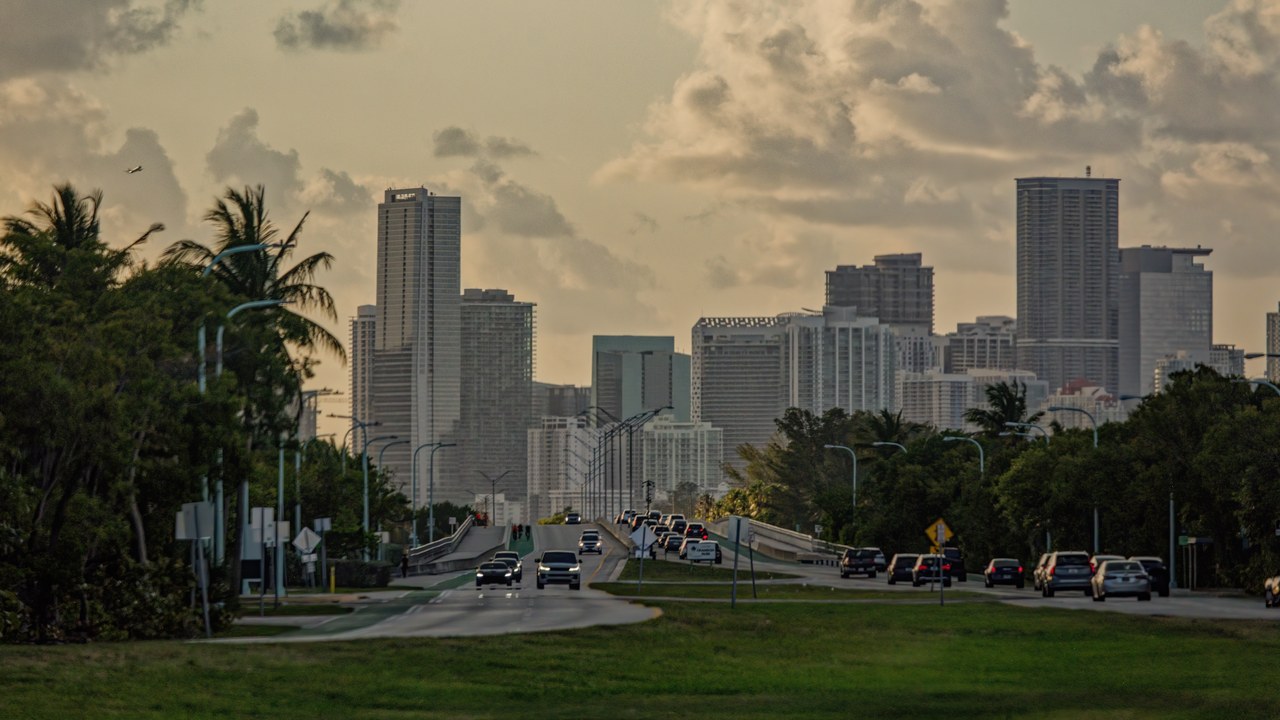
Miami-Dade County paired a dedicated Chief Heat Officer with an action plan built for humid conditions that can make high temperatures especially dangerous. The county’s extreme heat strategy organizes work around public awareness, cooling homes and neighborhoods, and protecting people whose health or jobs increase their exposure. A cross-agency structure gives transit, housing, health, emergency management, and community partners a common framework.
That coordination matters because heat risk is not distributed evenly. Outdoor workers, older residents, households with high energy costs, and neighborhoods with limited tree cover can experience the same forecast very differently. The county can combine alerts and education with longer-term changes such as shade, reflective surfaces, cooling assistance, and stronger workplace practices. Daily life is redesigned through many small systems at once, turning heat policy from a weather message into a question of housing, labor, infrastructure, and access.
3. Los Angeles, California: Public Buildings Become a Cooling Network
Image Credit: Daniil Vishnevskiy/Pexels
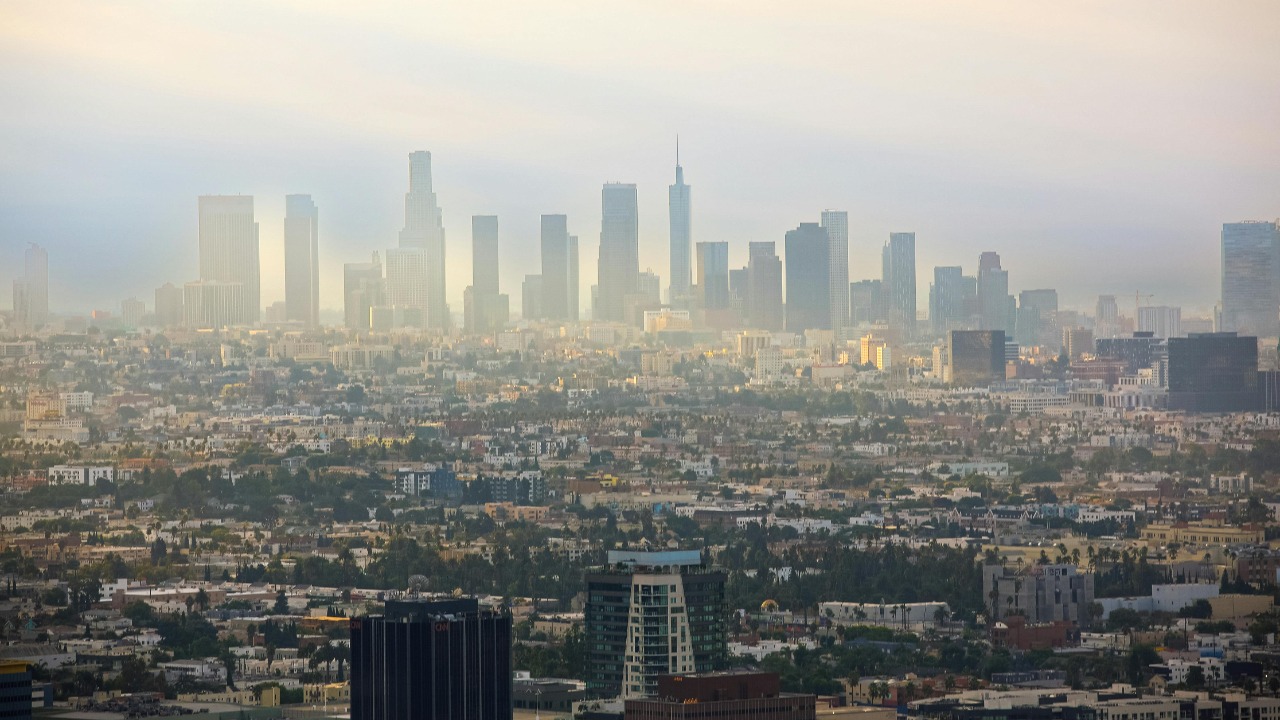
Los Angeles turns familiar public buildings into a distributed refuge when temperatures rise. The city’s heat emergency guidance directs residents toward more than 100 cooling locations and a large network of library branches. Using places that already serve neighborhoods reduces the need to create a separate emergency facility in every district and gives residents recognizable destinations during a heat event.
A network is only useful if people can reach it, know when it is open, and can remain there safely. That makes transportation, operating hours, public communication, disability access, and language services part of climate adaptation. The city’s geography adds another complication: coastal, valley, and inland neighborhoods can face very different temperatures on the same day. Los Angeles therefore redesigns heat response around local access, treating libraries and community facilities as pieces of lifesaving infrastructure rather than simply places for books, meetings, or recreation.
4. Tokyo: A Dense Metropolis Plans for Hotter Summers
Image Credit: Olivier Van Aken – CC BY-SA 3.0/Wiki Commons
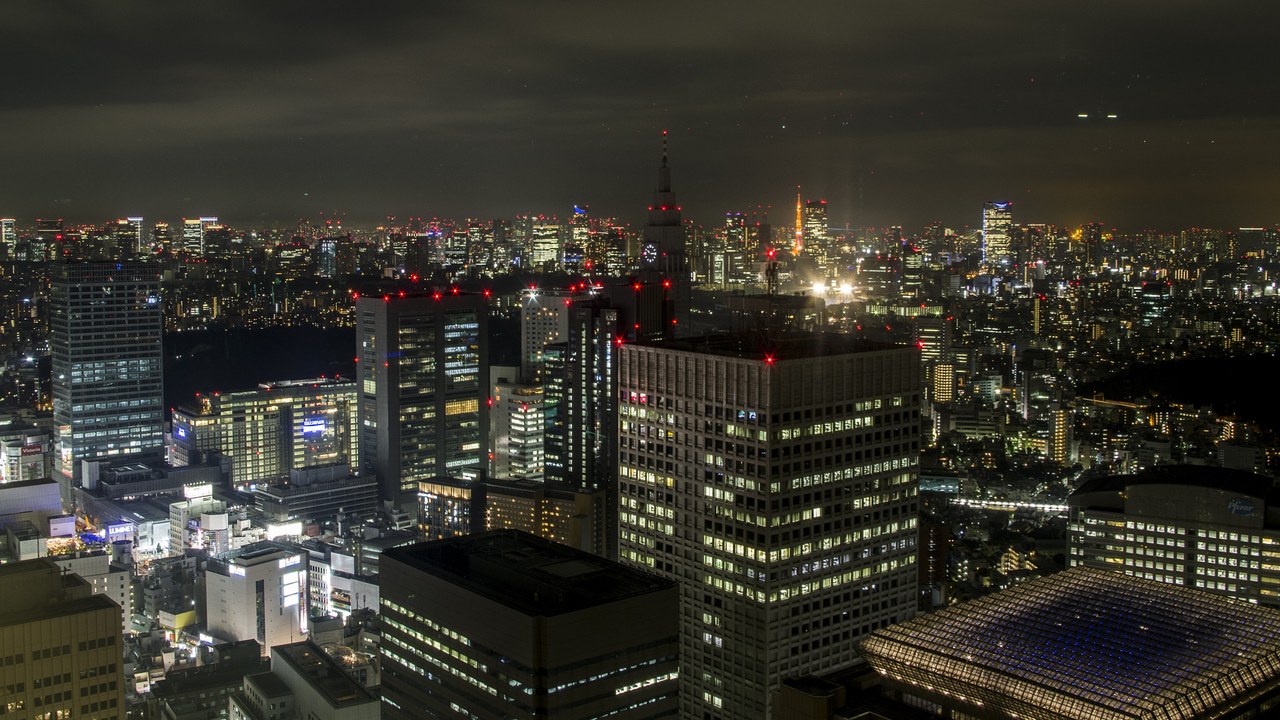
Tokyo faces heat through the combined effects of rising temperatures, dense development, paved surfaces, and millions of daily trips. The metropolitan government’s heat countermeasures frame the danger as both a health problem and an urban-environment challenge. Responses can range from public warnings and heatstroke prevention to cooler surfaces, shade, greenery, and building measures that reduce the amount of heat stored around streets and homes.
Density makes those changes consequential. A shaded walking route, a cooler station approach, or a well-managed indoor refuge can affect thousands of people each day. Measures also need to work for older residents, schoolchildren, commuters, outdoor workers, and visitors who experience the same city differently. Tokyo’s redesign is therefore layered across personal behavior, public space, and construction. The goal is not to stop summer weather, but to prevent ordinary movement through the city from becoming a repeated health hazard.
5. London: Heat Joined the City’s Adaptation Agenda
Image Credit: Ilya Grigorik – CC BY-SA 3.0/Wiki Commons
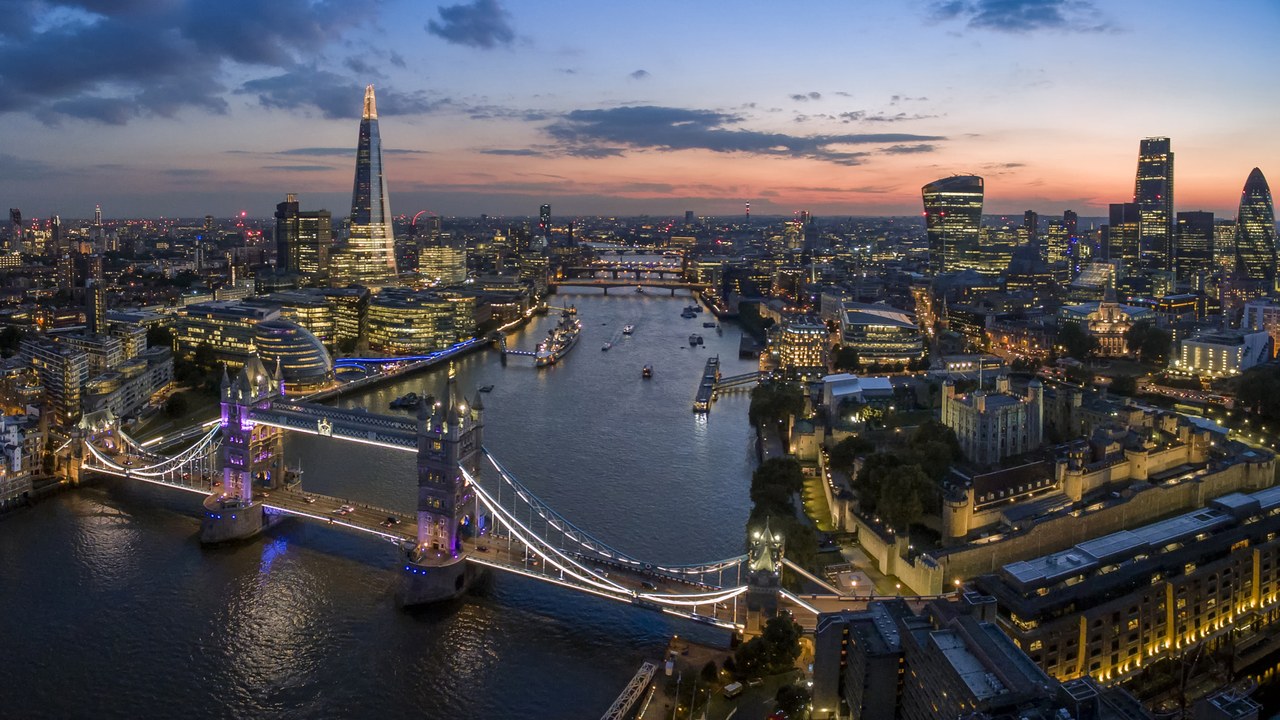
London’s climate adaptation work treats extreme heat as a growing risk alongside flooding, drought, and pressure on infrastructure. The mayor’s adaptation program links resilience to buildings, public space, services, and the protection of vulnerable residents. That broad framing matters in a city where many homes, schools, transport systems, and workplaces were designed for a cooler climate and can retain uncomfortable heat.
Redesign can include trees and shade, cooler public areas, better information, and buildings that limit overheating without increasing energy demand. Health and social-care networks also become part of the response because isolation, age, illness, and poor housing can turn hot weather into a medical emergency. London must adapt without assuming every resident has air conditioning or a private cool space. The resulting strategy changes how the city evaluates development and public services, making summer comfort a question of safety and equity.
This article was produced with the assistance of AI and reviewed by Morning Overview editors prior to publication.More from Morning Overview
Morning Overview is reader-supported. Some links in our articles are affiliate links, and we may earn a commission at no extra cost to you. As an Amazon Associate I earn from qualifying purchases. Full disclosure.