
August’s sky calendar brings the Moon, an annual meteor shower, two bright planets, and the broad river of the Milky Way. Each target offers a different kind of reward, from a fleeting streak to a world or star field that can be found repeatedly. Here are five August sky sights worth tracking now.
1. Moon: Its Changing Phase Reshapes Every August View
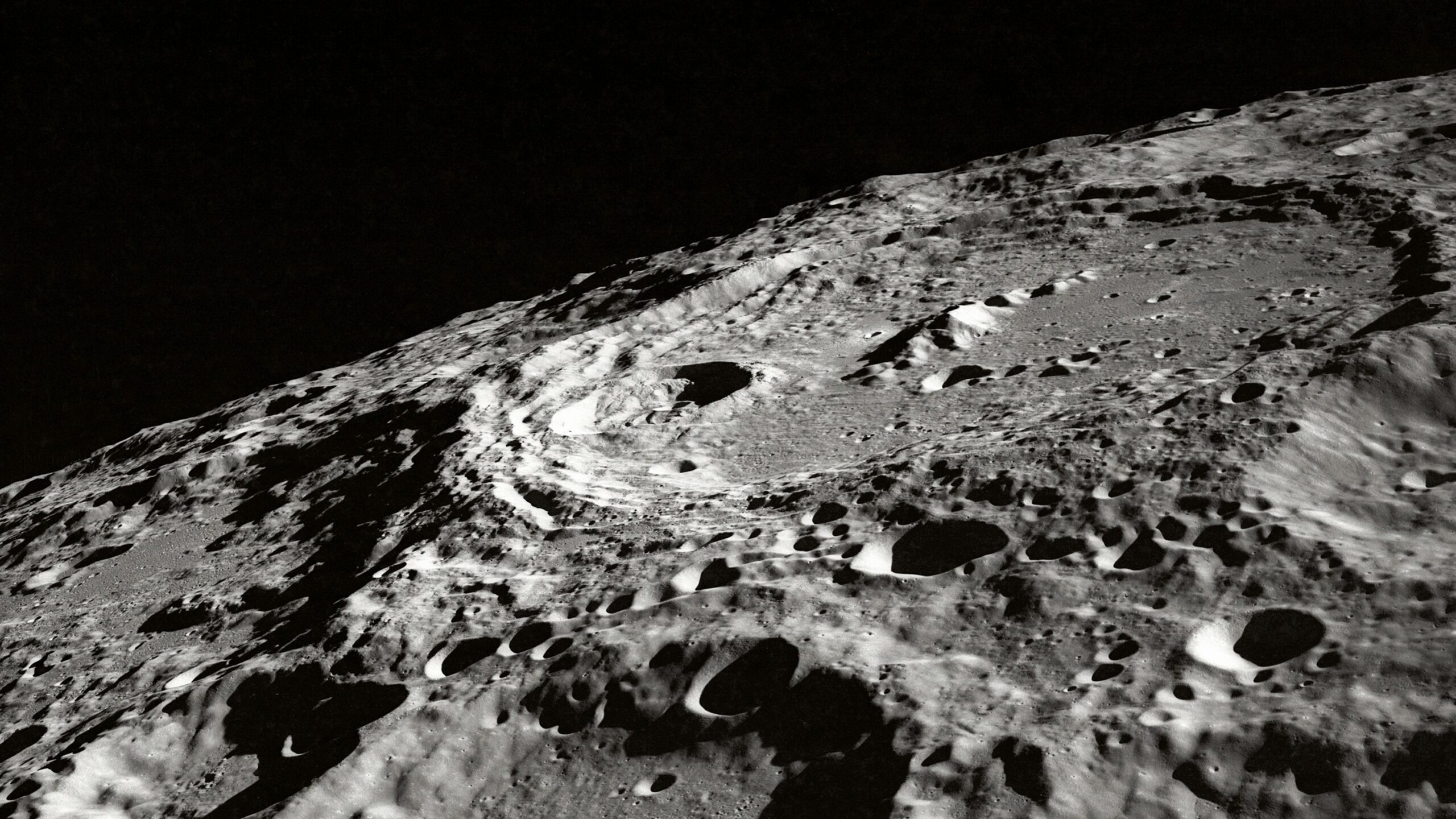
Astronomy’s 2026 sky guide tracks the Moon through the August calendar, when its changing phase alters both the object itself and the darkness around every other target. A slim crescent emphasizes earthshine and surface relief near the terminator, while brighter phases illuminate more of the lunar disk and wash faint stars from the surrounding sky.
That predictable cycle makes the Moon more than a single-night attraction. Binoculars reveal craters, mountain shadows, and dark maria that unaided eyes merge into broad markings, yet the view changes noticeably as sunlight advances across the surface. Lunar glare can hinder meteor or Milky Way observing, so the phase also helps set the best nights for other August sights. Local clouds remain the major variable the calendar cannot control.
2. Perseids: A Dark Moon Gives the Annual Shower Room to Shine
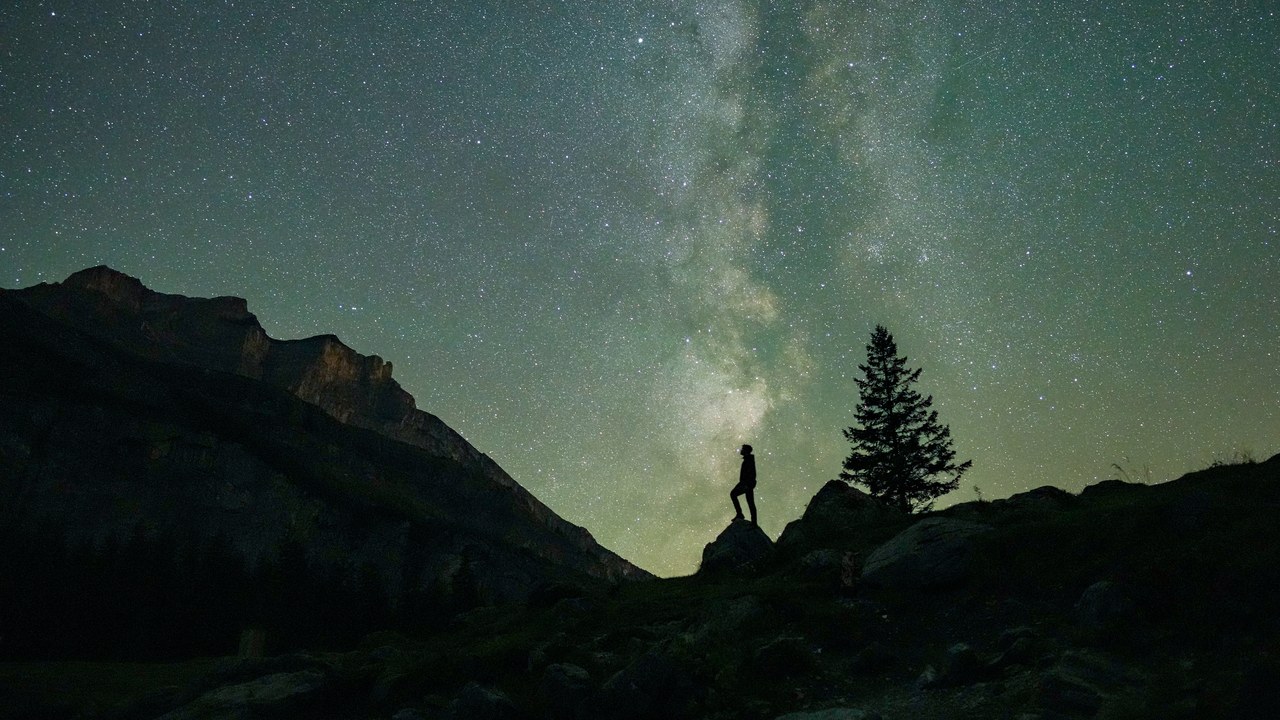
NASA’s August skywatching guide highlights the Perseids as the month’s major meteor shower, with the strongest activity centered on the nights around August 12 and 13. A new moon keeps lunar glare out of the peak viewing window, allowing more of the shower’s faint streaks to stand out when Earth crosses debris left by Comet Swift-Tuttle.
Meteor watching rewards patience rather than magnification because streaks can appear anywhere across a broad area of sky. A dark site, a wide view, and time for night vision to adjust matter more than a telescope, while clouds and urban lighting can sharply reduce the count. Even near the peak, published hourly rates describe ideal conditions rather than a promise for every location or every hour of the night.
3. Saturn: The Ringed Planet Arrives Earlier Each Night
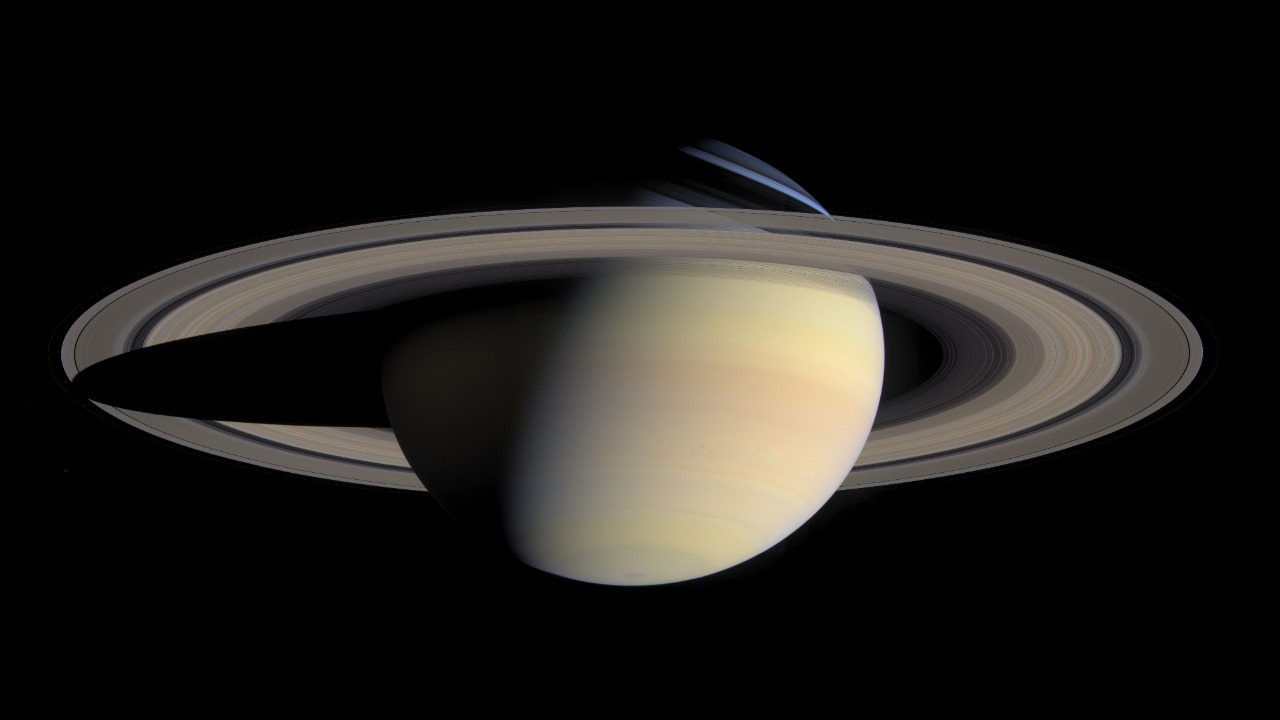
Astronomy’s late-July observing guide puts Saturn in the predawn sky as the calendar turns toward August. The planet rises earlier as the month progresses, extending the time available to find the bright point and then examine it through a telescope. Even modest magnification can separate the ringed world from an ordinary-looking star.
Saturn’s naked-eye appearance is much plainer than the detailed spacecraft portraits associated with the planet. Its steady light provides the first clue, while a telescope reveals the rings at a tiny scale and sometimes the brighter moons nearby. The useful viewing time depends on latitude, horizon, weather, and local darkness, so the published guide establishes the seasonal opportunity rather than guaranteeing an equally clear view from every location.
4. Venus: The Evening Beacon Needs No Telescope
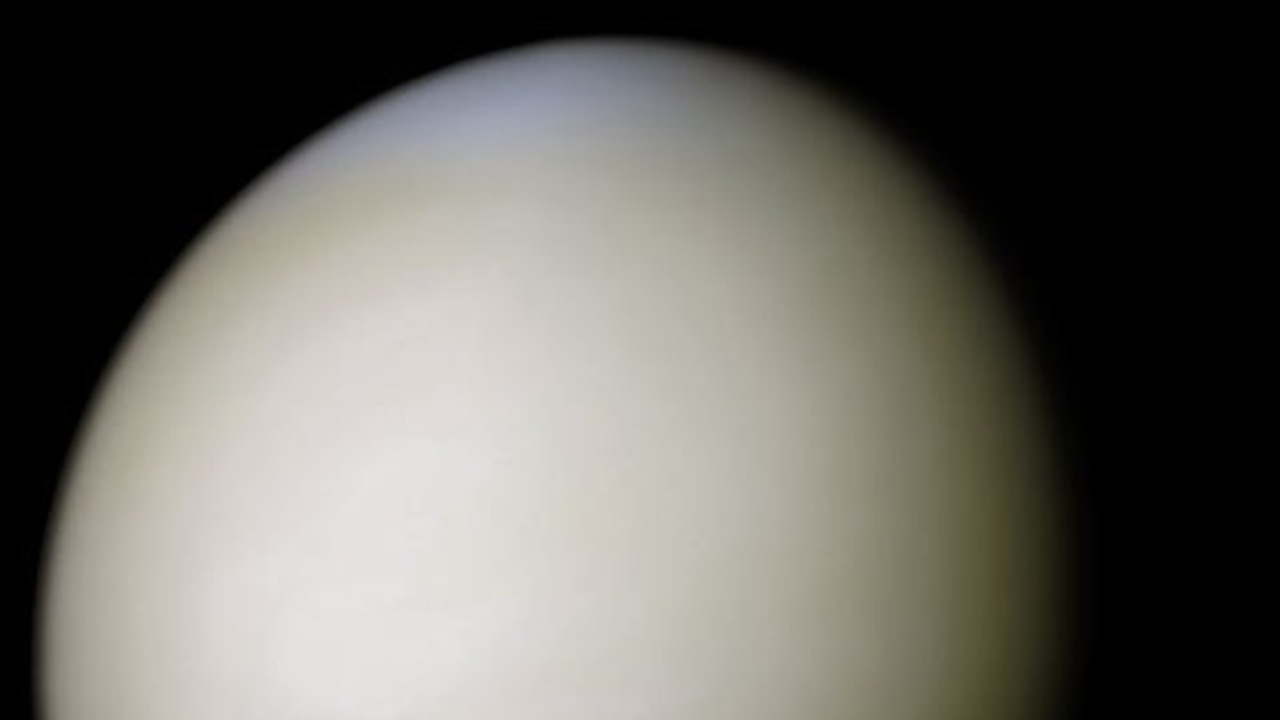
Astronomy’s monthly sky guide follows Venus toward August and makes the brilliant planet one of the easiest targets near the evening horizon. Venus outshines every star, so the bright point can be found without optical equipment when it stands above a clear horizon after sunset, even before the sky becomes fully dark.
The apparent simplicity hides an important distinction between observation and imagery. To unaided eyes Venus remains a point of light, while a telescope shows a phase and spacecraft photographs reveal its cloud-covered globe. Buildings, trees, haze, and the exact viewing time can still obscure a low planet, making a current chart useful despite its brightness. The guide supplies the calendar context; local conditions determine how long the beacon remains visible.
5. Milky Way: August Darkness Reveals the Galaxy’s Bright Band
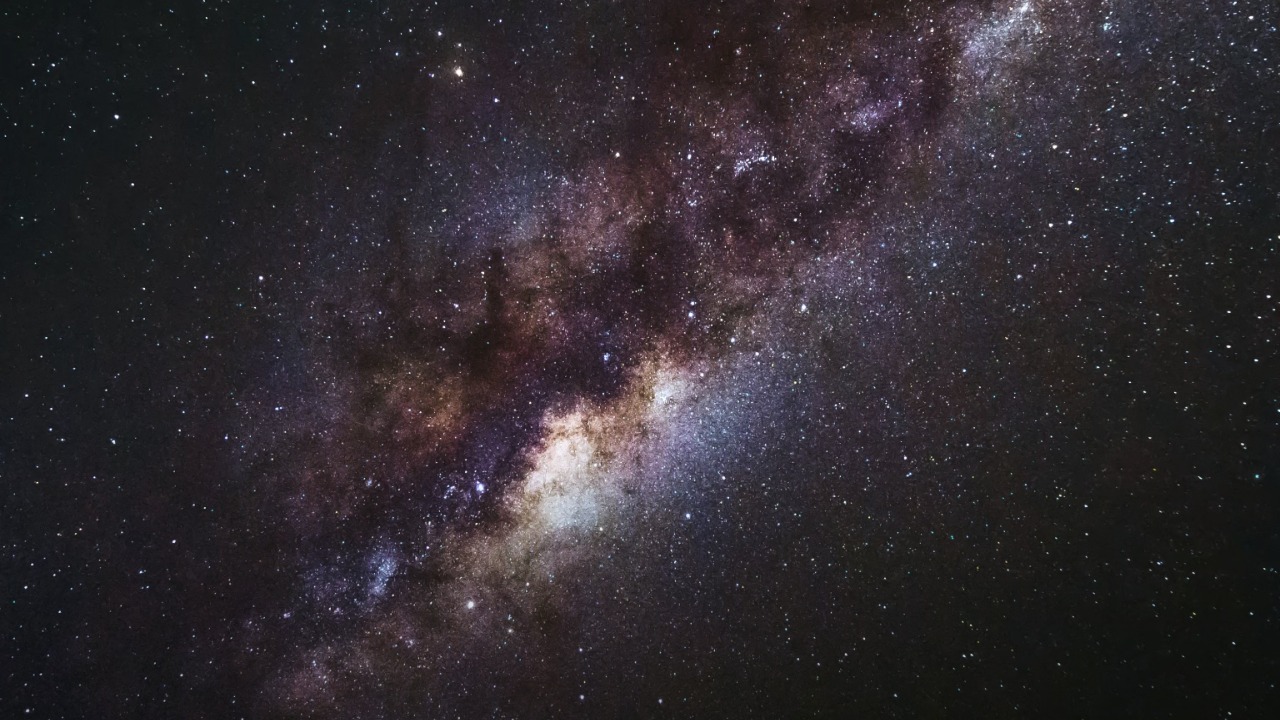
NASA’s August night-sky challenge directs attention toward the Milky Way, the pale band produced by looking through the crowded disk of the home galaxy. Northern Hemisphere summer evenings place some of its richest star fields in view, and a moonless, dark location can turn what looks like a faint haze into a textured lane crossing the sky.
The band is visible without magnification, but binoculars divide the glow into dense sprays of stars and reveal dark dust lanes more clearly. Artificial light is the decisive obstacle: the Milky Way can vanish over a city even while its brighter guide stars remain visible. The photograph shows the real galactic band under favorable conditions, while local transparency, moonlight, and distance from street lighting determine whether the same structure stands out overhead.
This article was produced with the assistance of AI and reviewed by Morning Overview editors prior to publication.
More from Morning Overview
- A Colorado wildfire has exploded past 87,000 acres with no containment
- A wildfire near Ouray swelled past 18,000 acres, putting Colorado towns on alert
- The Pentagon’s newest UFO files describe a fish-scaled, potato-shaped object on camera
- Scientists spotted a rare tusked whale alive at sea for the first time, then fired a crossbow at it.
