
In 1957 Detroit’s designers pushed cars lower, wider and longer, adding quad headlamps and swapping 15-inch wheels for 14-inch ones. The shift marked a bridge from the tall, narrow shapes of 1956 to the horizontal looks of 1958, and it produced new nameplates alongside the last of some old ones. Here are fifteen cars that show how that year played out.
Read next on Morning Overview: Older Teslas mostly keep their batteries, and here’s what wears out instead
1. Ford Thunderbird: The Two-Seater at Its Peak
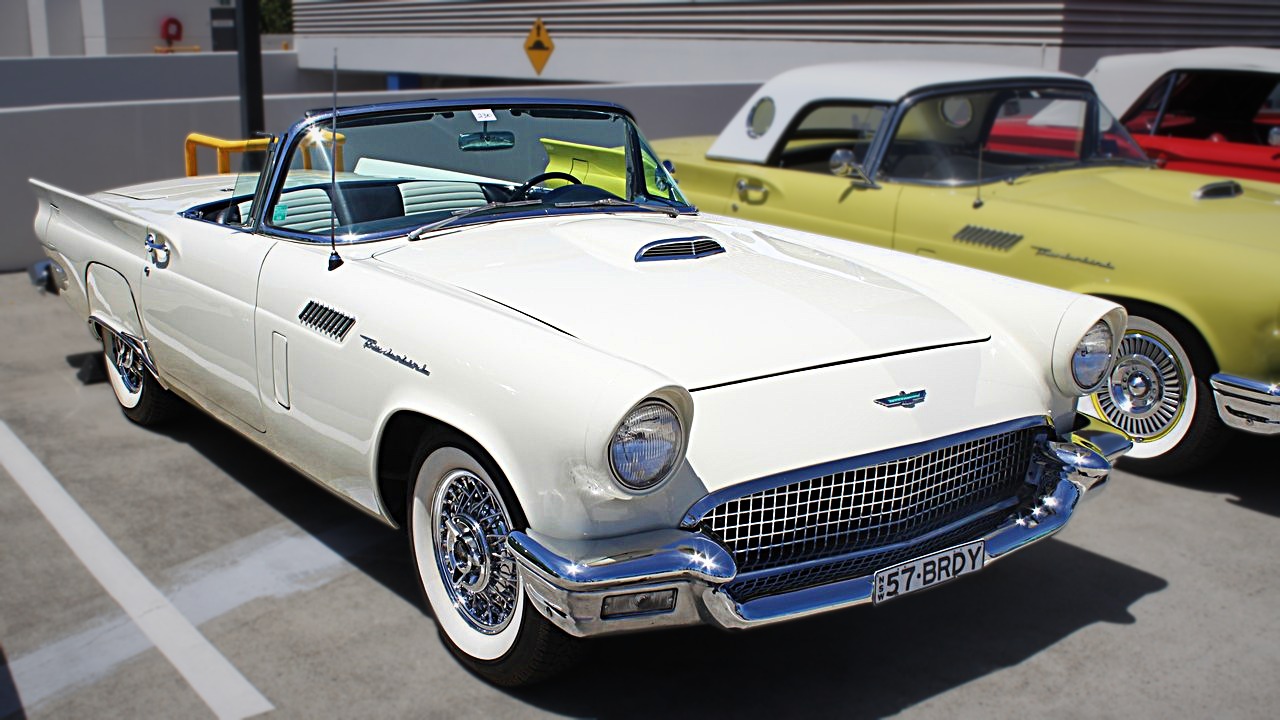
Mac’s Motor City Garage describes the Thunderbird as being at full zenith in 1957, one of several signature cars in a year when Detroit styling turned lower, longer and sleeker. The two-seater rode a 102-inch wheelbase.
An American Car Spotters Guide entry notes a new front bumper and other less eye-catching changes for the model year. Buyers could choose a 292 or 312 cubic-inch V8, rated at 212 and 245 horsepower respectively.
2. Plymouth Fury: Quad Lamps and a 290-Horsepower V8
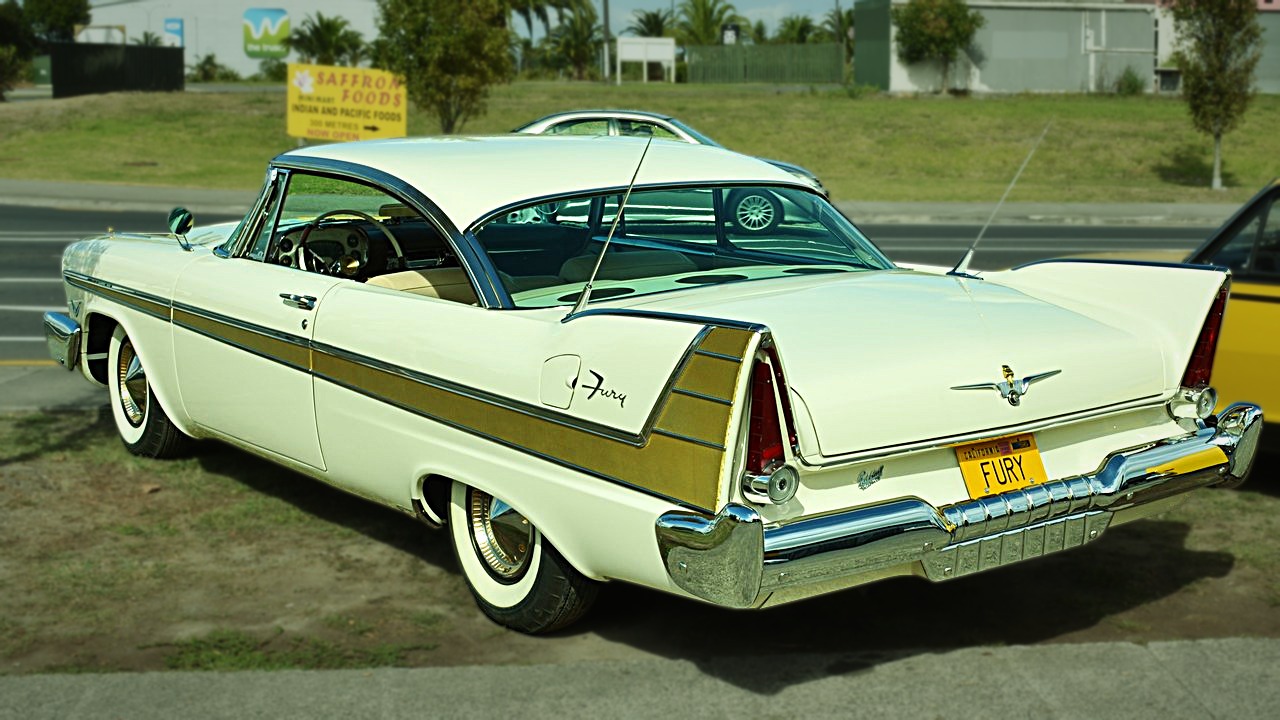
Plymouth’s Fury arrived in a year when, according to Mac’s Motor City Garage, styling went lower, longer and sleeker as quad headlamps and 14-inch wheels made their first appearances. The quad lamps broadened the frontal aspect, while the smaller wheels lowered the stance.
The American Car Spotters Guide lists the Fury with a 318 cubic-inch V8 developing 290 horsepower, and says every 1957 Plymouth used torsion bar front suspension. Plymouth also delivered its ten-millionth car that year.
3. DeSoto Adventurer: Chrysler’s Top DeSoto
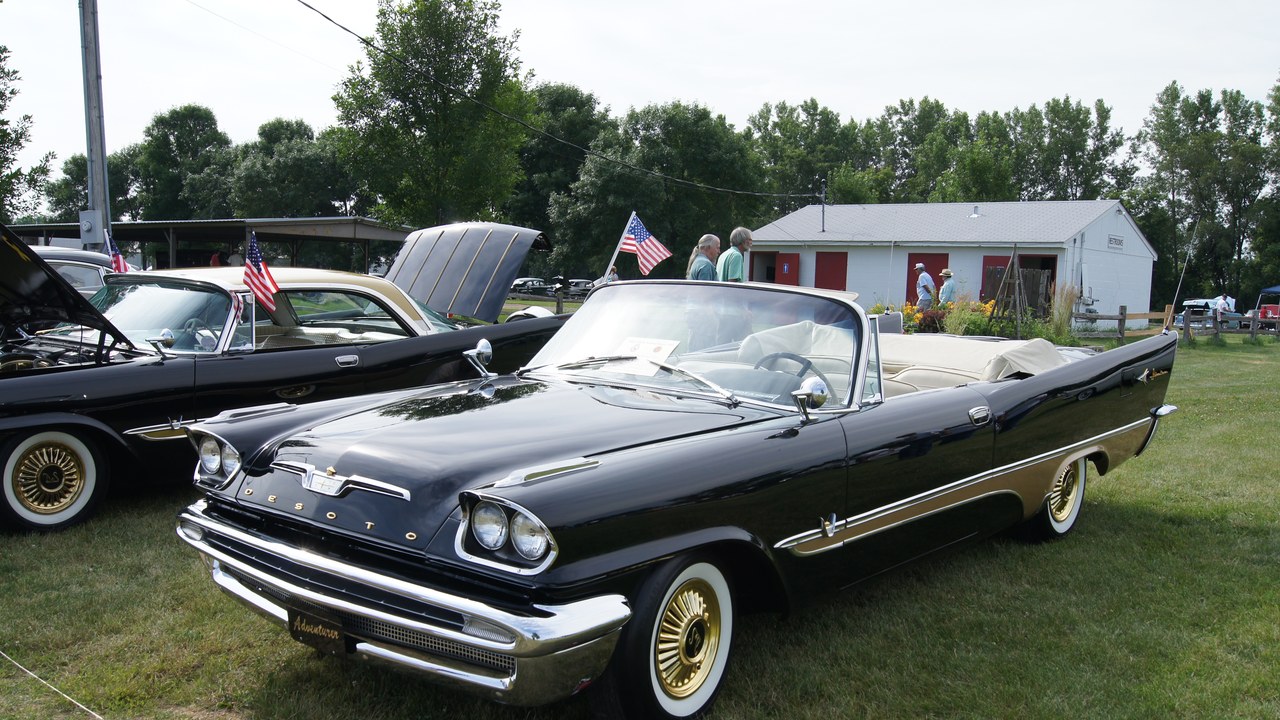
The Adventurer was named by Mac’s Motor City Garage as one of the headliners of 1957, alongside the Thunderbird, the Chrysler 300C and the Plymouth Fury. It arrived in the same year that quad lamps and 14-inch wheels made their first appearances, helping push styling toward the low, wide look of 1958.
The American Car Spotters Guide gives the Adventurer 345 horsepower and a 126-inch wheelbase, the same wheelbase as the Firedome and the Fireflite Sportsman. Like other Chrysler Corporation cars that year, it used torsion bar front suspension.
4. Pontiac Bonneville: A Name Debuts
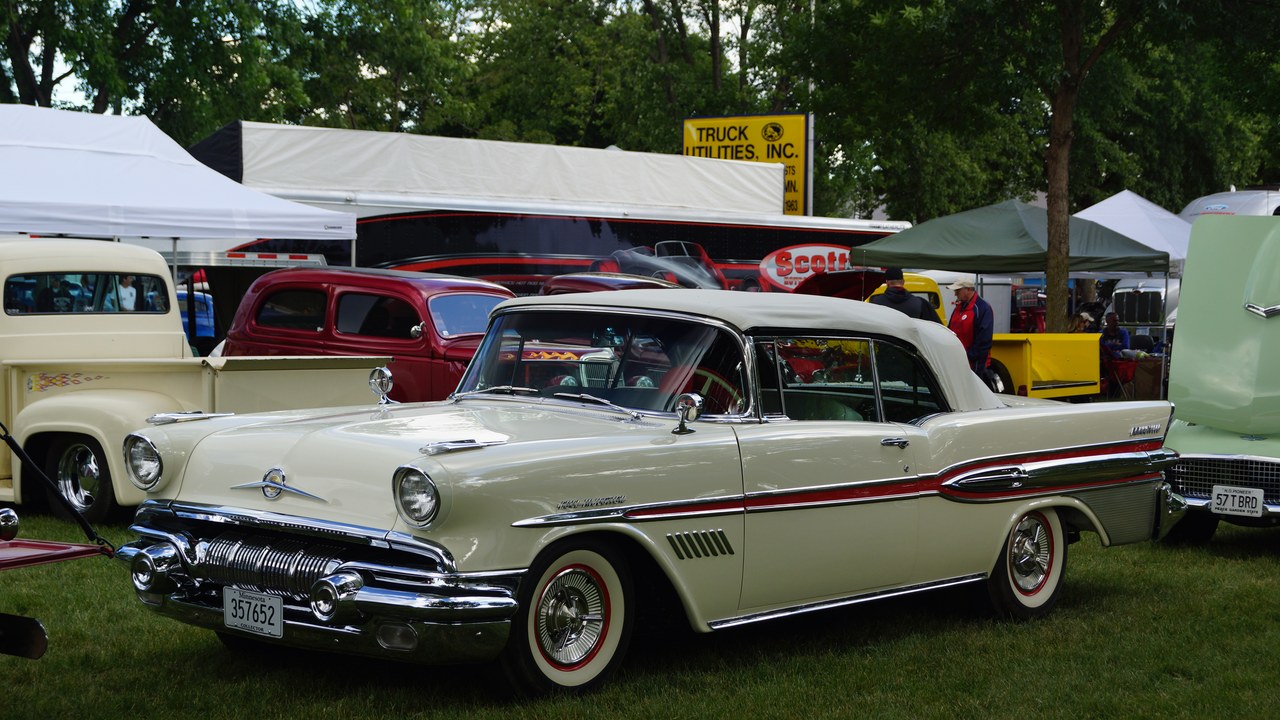
The Bonneville was one of three cars that Mac’s Motor City Garage says were unveiled in 1957, together with the Rambler Rebel and the Studebaker Silver Hawk.
The American Car Spotters Guide adds that fuel injection engines were available from both Chevrolet and Pontiac that year, and that most cars had moved to 14-inch wheels from the 15-inch size customary since the 1940s. Pontiac’s Star Flight styling was offered in 68 color combinations.
5. Studebaker Silver Hawk: The Hawk Without Fins
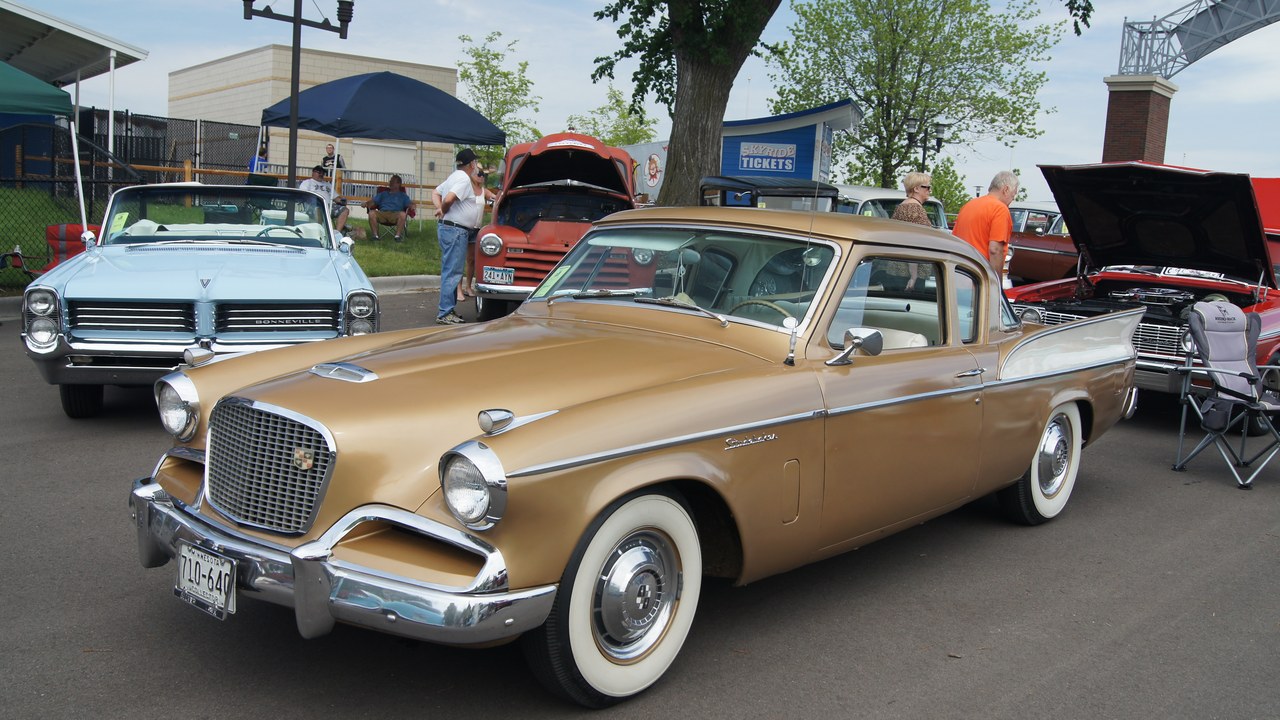
The Silver Hawk is listed by Mac’s Motor City Garage among the cars unveiled for 1957, in a year when the site says styling moved from the tall, narrow designs of 1956 toward the low, wide designs of 1958. The model year, it adds, negotiates the transition between the two eras.
Studebaker was also feeding other brands that year. The American Car Spotters Guide says Packard had become a Packardized Studebaker, with only two models and a 275-horsepower, 289 cubic-inch V8, and most cars used Studebaker’s Flightomatic transmission.
6. Cadillac Eldorado Brougham: Air Suspension as Standard
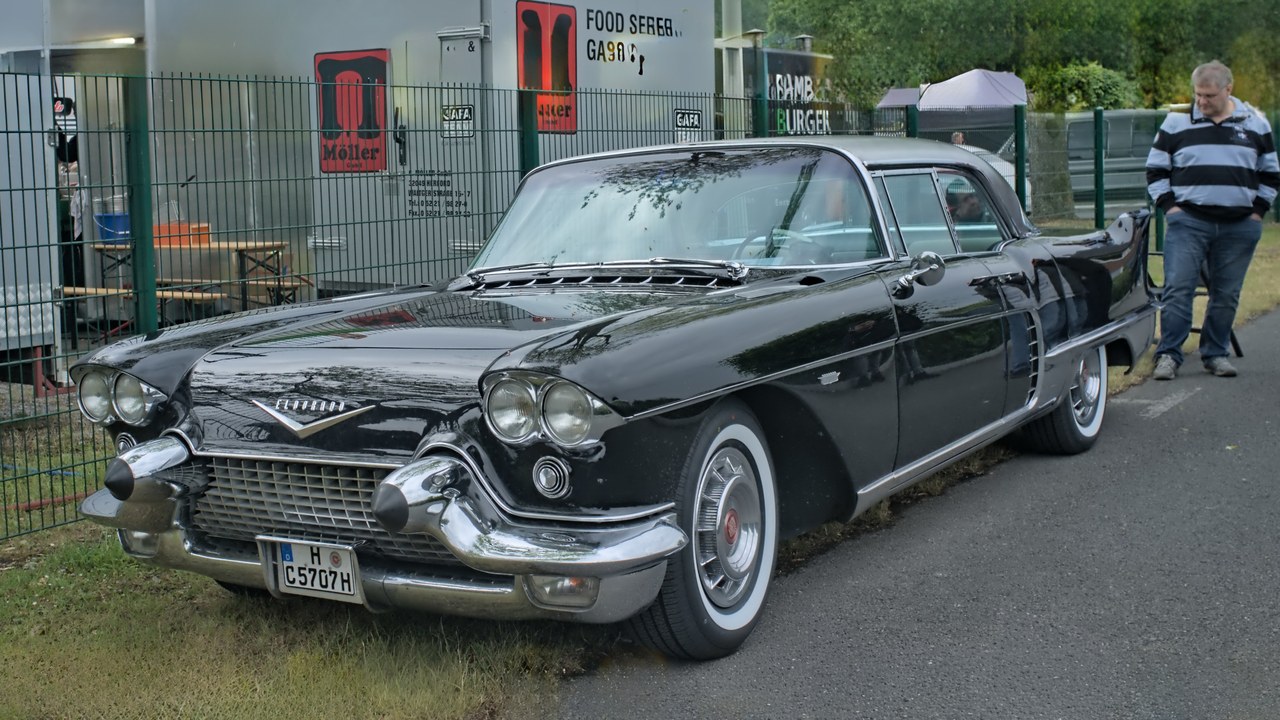
Cadillac introduced the limited-production, luxurious Eldorado Brougham, with air suspension as standard equipment, according to the American Car Spotters Guide. The four-headlight car stood 55½ inches high and measured 216 inches long.
Its 325-horsepower engine used dual four-barrel carburetors and a 10:1 compression ratio. The roof moldings and fender skirts were made from stainless steel, materials that reflected the car’s limited-production, luxury positioning.
7. Ford Fairlane 500 Skyliner: The Roof That Disappeared
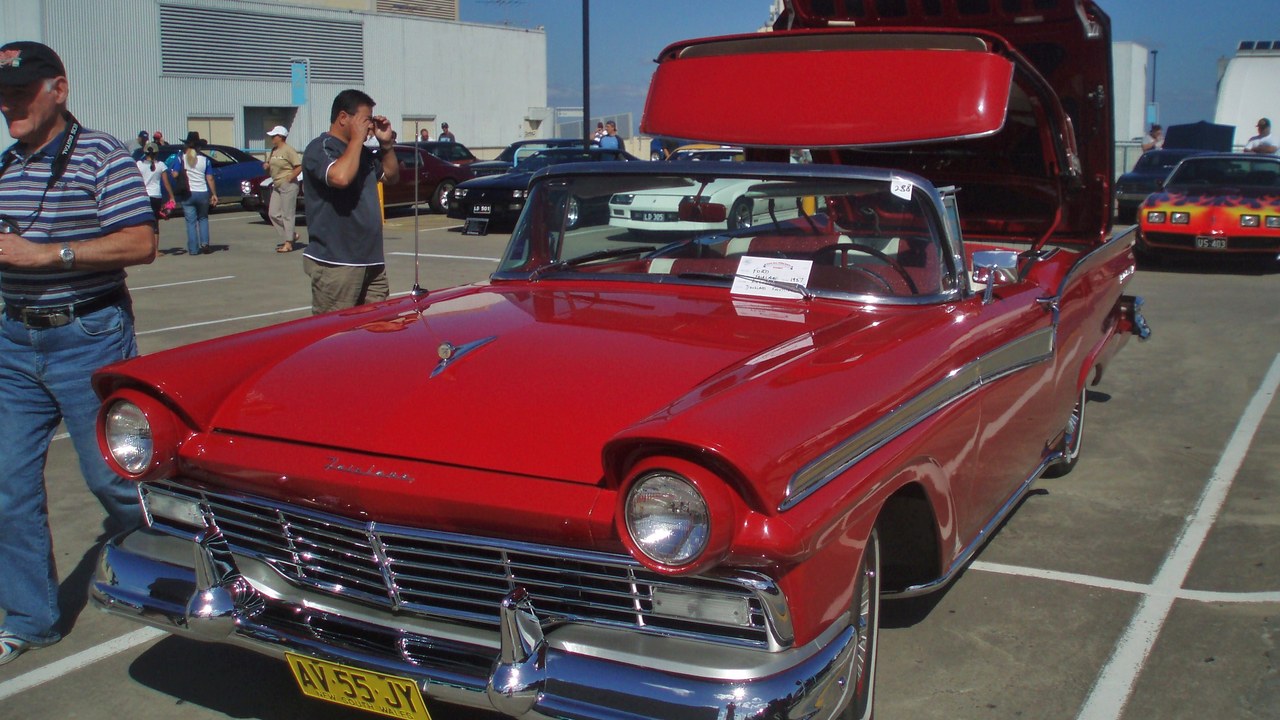
The Fairlane 500 Skyliner retractable hardtop, Model 51A, was new for 1957 and cost almost $3,000, according to the American Car Spotters Guide. The metal top retracted automatically into the luggage compartment, and the trunk lid was rear-hinged for the purpose.
Wikipedia’s entry on the 1957 Ford says the retracting-roof Skyliner replaced the acrylic-roofed Crown Victoria Skyliner. The Fairlane 500 sat at the top of a line that also included Custom, Custom 300 and Fairlane trims, all riding on 14-inch wheels.
8. Chrysler Imperial Crown: Compound Curves
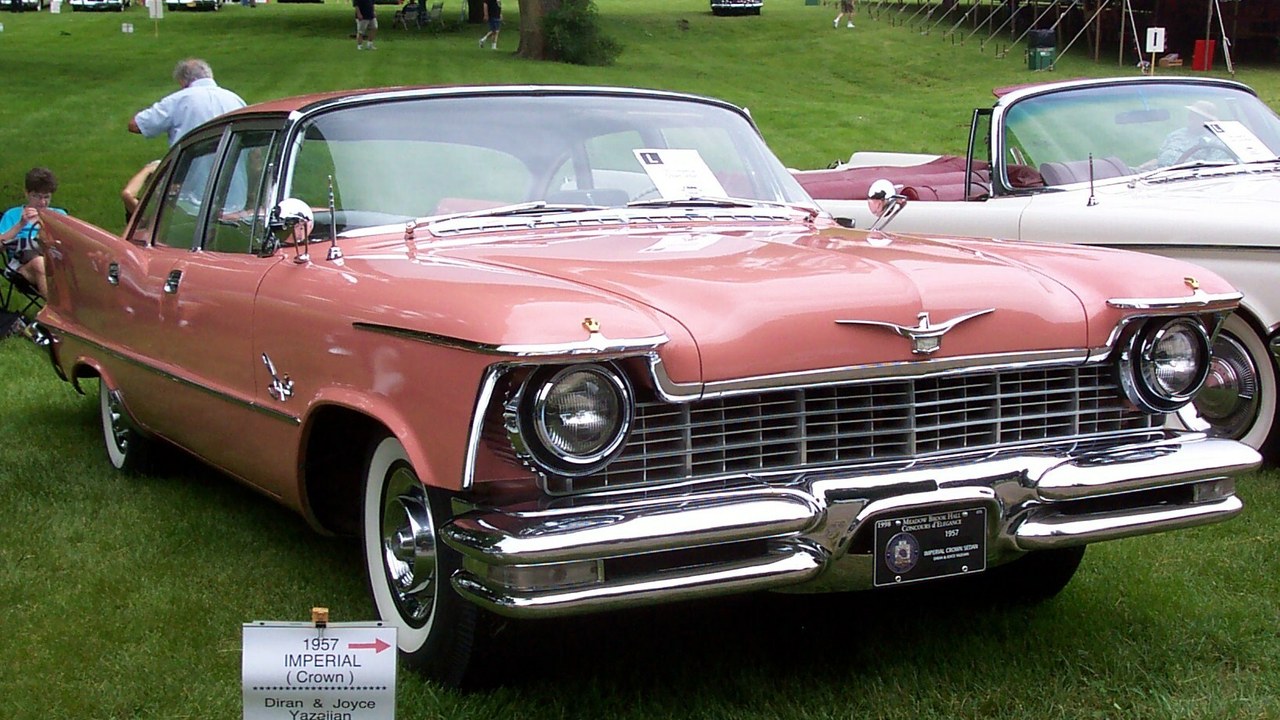
The American Car Spotters Guide says 1957 Imperial models had new bodywork with a compound curved windscreen and curved side windows. Single or dual headlights could be fitted, and there were three series: Imperial, Imperial Crown and Imperial LeBaron.
All three shared a 129-inch wheelbase, a 325-horsepower, 329 cubic-inch V8, TorqueFlite transmission, power brakes and power steering. Imperial was one of five Chrysler Corporation makes, all of which adopted torsion bar front suspension for 1957.
9. Lincoln Premiere: Landau, Hardtop or Convertible
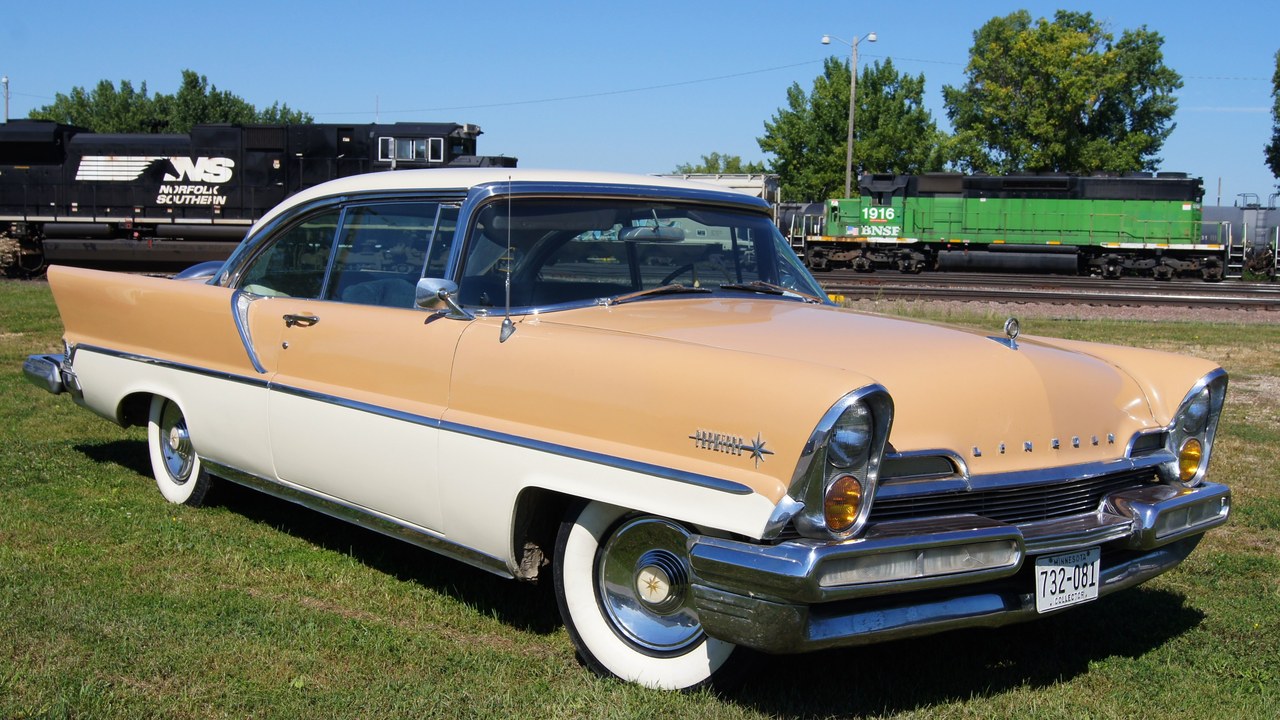
The American Car Spotters Guide pictures the Lincoln Premiere as the LD-57B Landau pillarless sedan. The Premiere was also built as a 58B sedan, a 60B hardtop and a 76B convertible coupe, while the lower Capri range offered a sedan, a pillarless sedan and a hardtop coupe.
All Lincolns that year had 300-horsepower V8s and Turbo Drive transmissions. The same guide notes that Lincoln also produced the ultra-luxurious Continental, which after 1957 became the top model of the Lincoln line instead of a separate marque.
10. Mercury Monterey: Mercury Goes Its Own Way
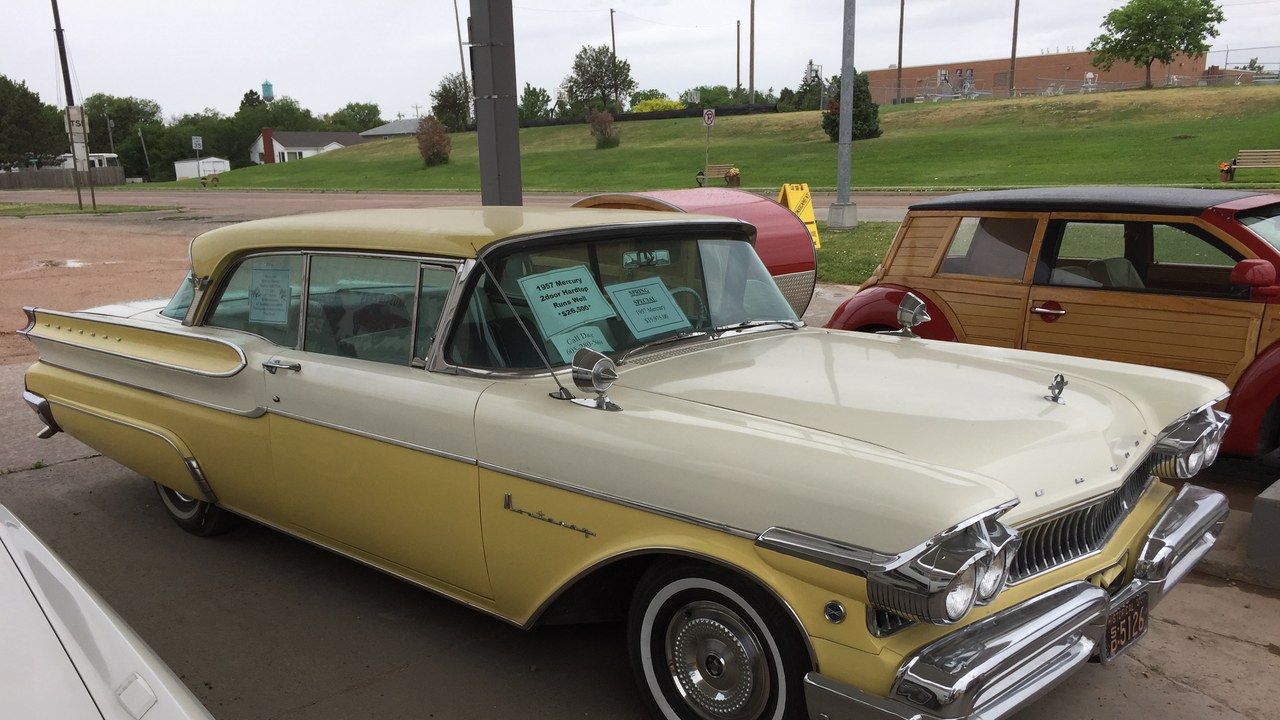
Mercury offered three entirely new series for 1957, the Monterey, the Montclair and the station wagons, according to the American Car Spotters Guide. Bodywork was exclusive to Mercury for the first time, rather than based on other Ford bodyshells.
Engines included a 255-horsepower, 5.1-liter Safety Surge V8 and a 290-horsepower, 6-liter Turnpike Cruiser V8 from Lincoln. The same guide records that Ford built its three-millionth Mercury during the year, a milestone for the division.
11. Chrysler 300C: America’s Fastest Production Car
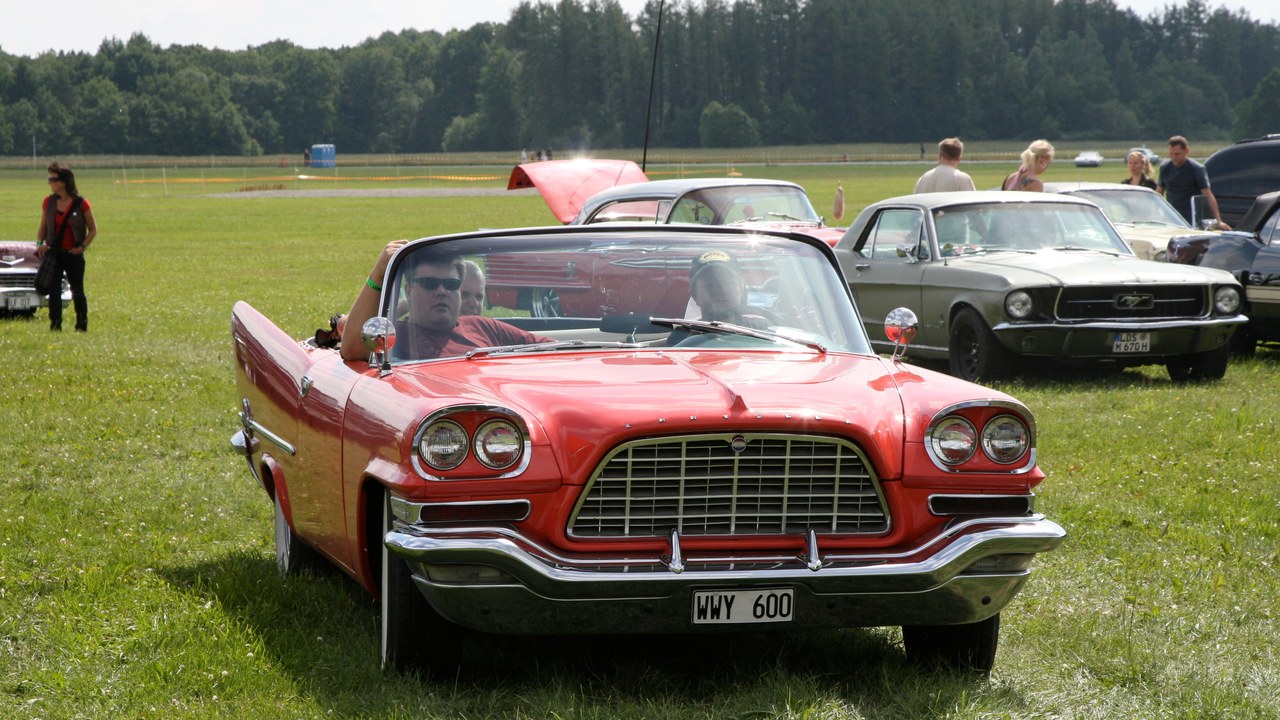
The 300C was considered America’s highest-performing automobile of its time, outfitted with a 375-horsepower engine, according to a MotorCities history. The low, sleek body stood only 54.7 inches tall, with high-swept fins. The car was shown publicly at the New York Automobile Show on December 8, 1956.
Only 484 convertibles were built, priced at $5,359. The American Car Spotters Guide adds that the 300C repeated as Daytona champion and could be ordered with a 390-horsepower FirePower V8 in place of the standard engine.
12. Rambler Rebel: A Sedan That Raced Corvettes
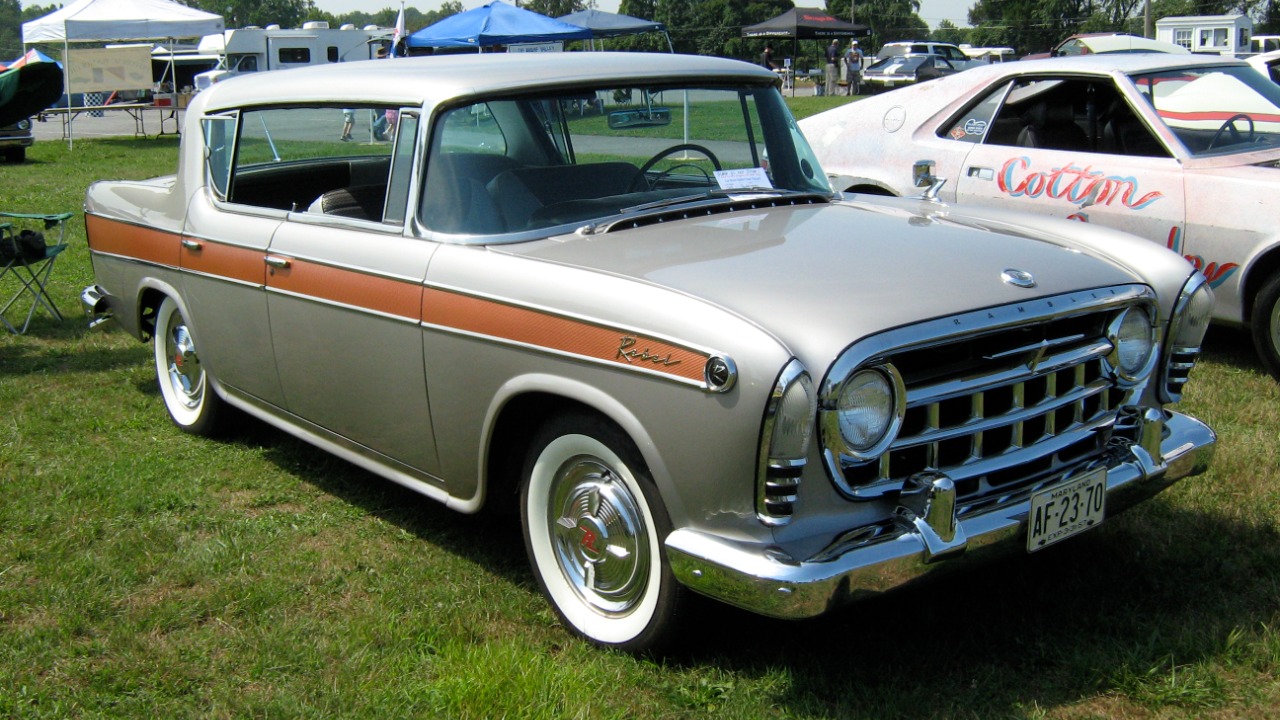
The Rebel was a mid-year introduction, a top-line Rambler four-door hardtop with a 327 cubic-inch AMC V8 making 255 horsepower, according to Curbside Classic. At the 1957 Daytona Speed Week trials a Rebel reached 60 miles per hour in 7.5 seconds, against 7.0 for the top-rated Corvette.
The 3,355-pound car came with uprated suspension, special Gabriel shocks, a front anti-roll bar, and power brakes and steering. It was a sales flop, with just 1,500 sold, partly because the fully equipped car was priced at $2,786, squarely in Buick territory.
13. Lincoln Continental Mark II: The Brand That Lasted Two Years
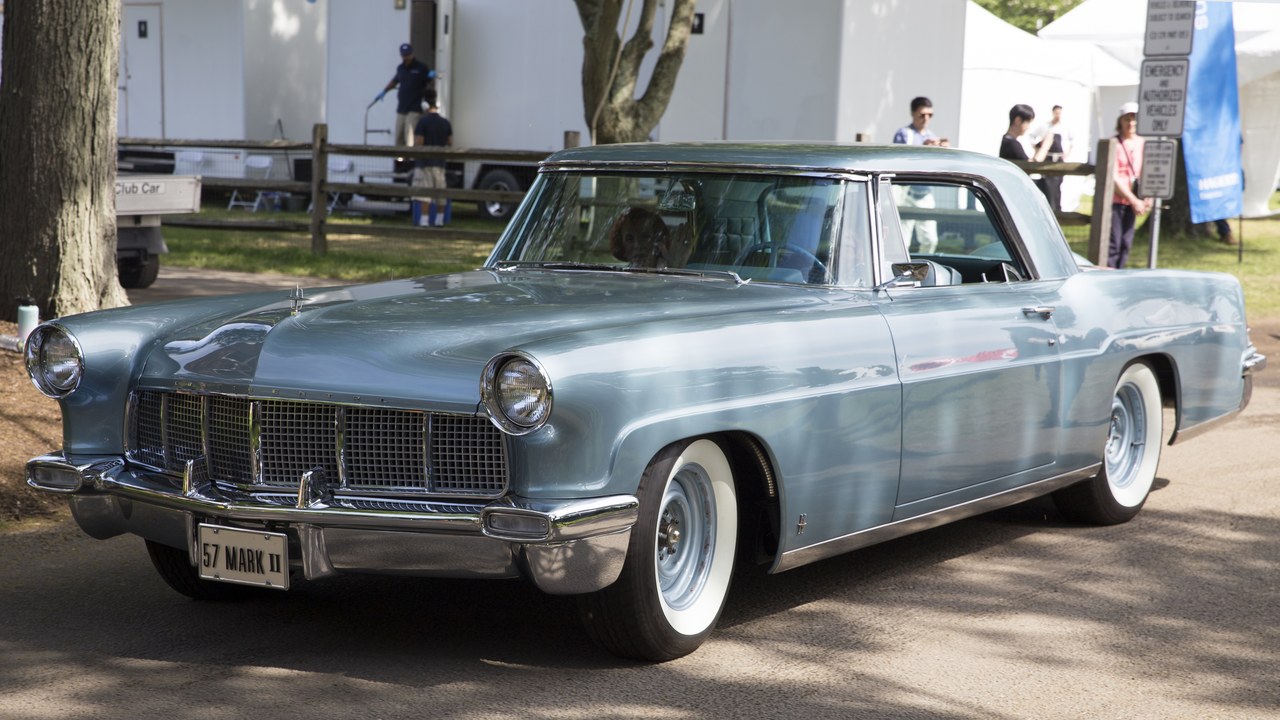
Ford tried in 1956 to revive Continental as a standalone line of ultra-luxury automobiles, but abandoned the attempt after the 1957 model year, according to a Wikipedia history. By then around 3,000 Mark II cars had been built, and the price tag of $9,695 was an extraordinary sum at the time.
The American Car Spotters Guide says the 1957 Continental was not much different from the 1956 car. After 1957 the Continental became the top model of the Lincoln line rather than a separate marque, a name that later proved successful under Lincoln.
14. Hudson Hornet: The Last of Hudson
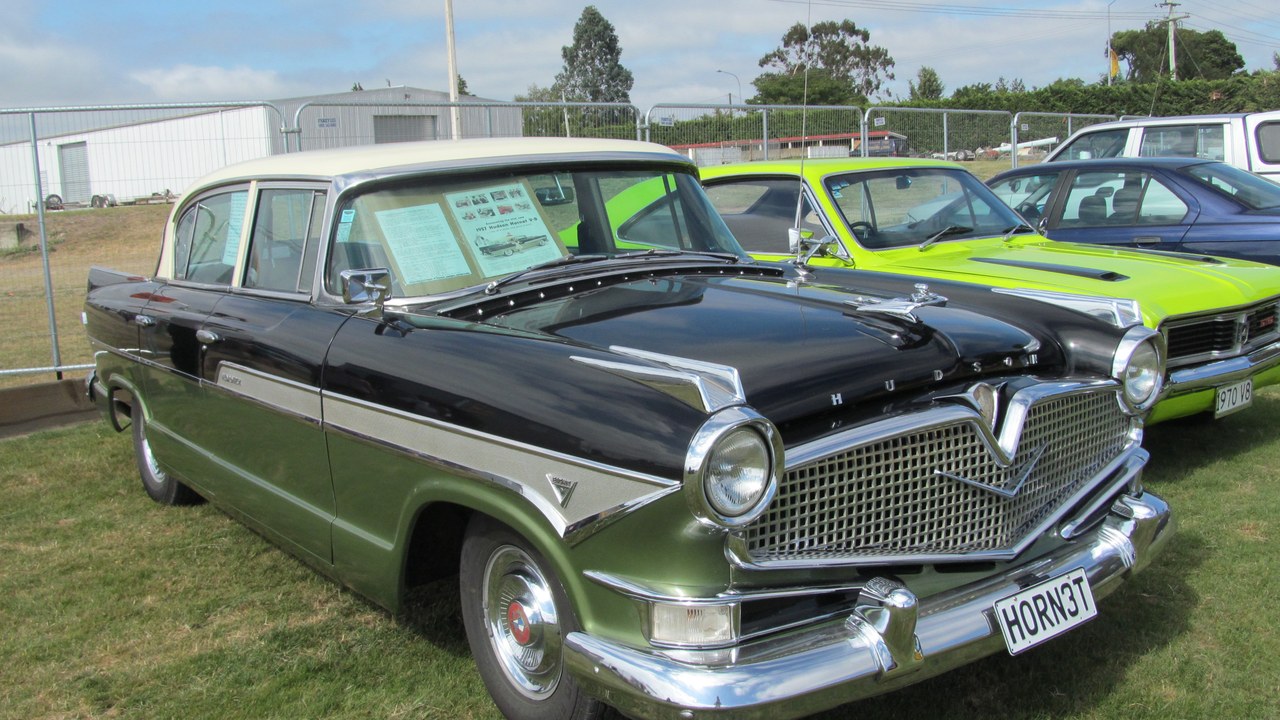
Hudson produced automobiles for 49 years, until 1957, and its cars were very popular in NASCAR in the early 1950s, in particular the Hornet, according to a Wikipedia history. Early popularity came from a sleek design, low center of gravity and excellent handling.
The 1955 Hudson was actually a rebadged Nash with different trim, and a V8 offered that year was too little to save the brand. The American Car Spotters Guide describes the 1957 Hornet four-door sedan as powered by American Motors’ new 255-horsepower, 327 cubic-inch V8, one of the last Hudsons built.
15. Ford Ranchero: A Car and a Pickup in One
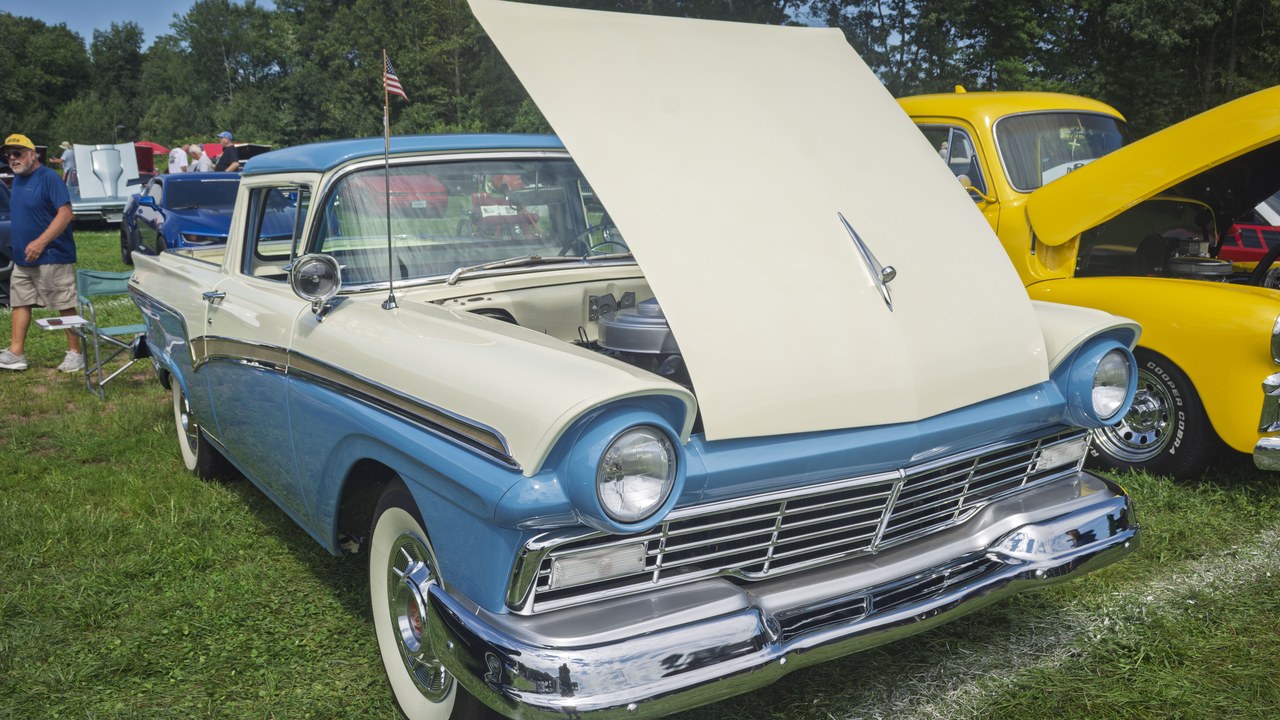
The mainstream Ford line grew substantially larger for 1957, according to Wikipedia’s 1957 Ford entry, with long flanks and tailfins and a single-headlight front end. A new car and pickup hybrid, the Ranchero, was introduced on the short-wheelbase chassis.
It was listed as a two-door coupe utility. The American Car Spotters Guide places the Custom Ranchero Pickup among Ford’s 1957 offerings, with engine choices that ranged from a 223 cubic-inch six to a 312 V8 making up to 245 horsepower, all on 14-inch wheels.
More from Morning Overview
- The FCC cut eight phone companies off the network for ignoring robocall traces
- Three atmospheric rivers are lining up to drench the Pacific Northwest this week
- Thousands of bottles of a combination blood pressure pill are recalled nationwide
- The Honda Pilot has quietly overtaken every model in blown-engine complaints
