
When General Motors closed Pontiac, with the final car built in January 2010 and dealer franchises ending on October 31, 2010, it ended a brand that had run since 1926. Its lineup stretched from postwar family cars and the original muscle car to a Toyota-built wagon and a Holden-based sedan. Here are twenty Pontiacs that disappeared with the brand.
Read next on Morning Overview: The FCC cut eight phone companies off the network for ignoring robocall traces
1. Pontiac GTO: The Original Muscle Car
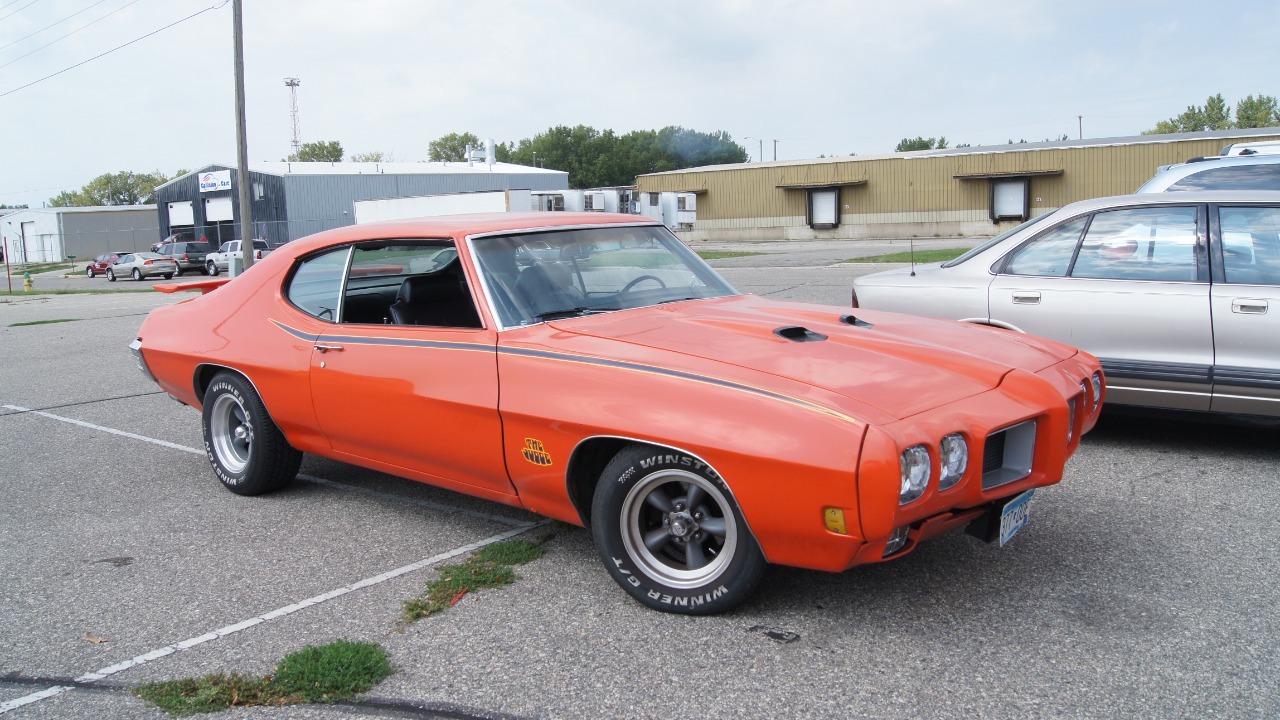
First introduced in 1964, the Pontiac GTO is often considered America’s first muscle car, and a Hagerty Pontiac guide says its influence is still felt in today’s high-performance vehicles. The insurer ranks it as its second-most popular Pontiac, behind the Firebird.
Rivals were slow to arrive. Other makers did not offer competing muscle cars, such as the Chevelle SS, until 1967. The GTO’s best year was 1966, with 96,946 units sold, and sales fell to 81,722 in 1967 once that competition appeared.
2. Pontiac Firebird Trans Am: A Movie Star’s Ride
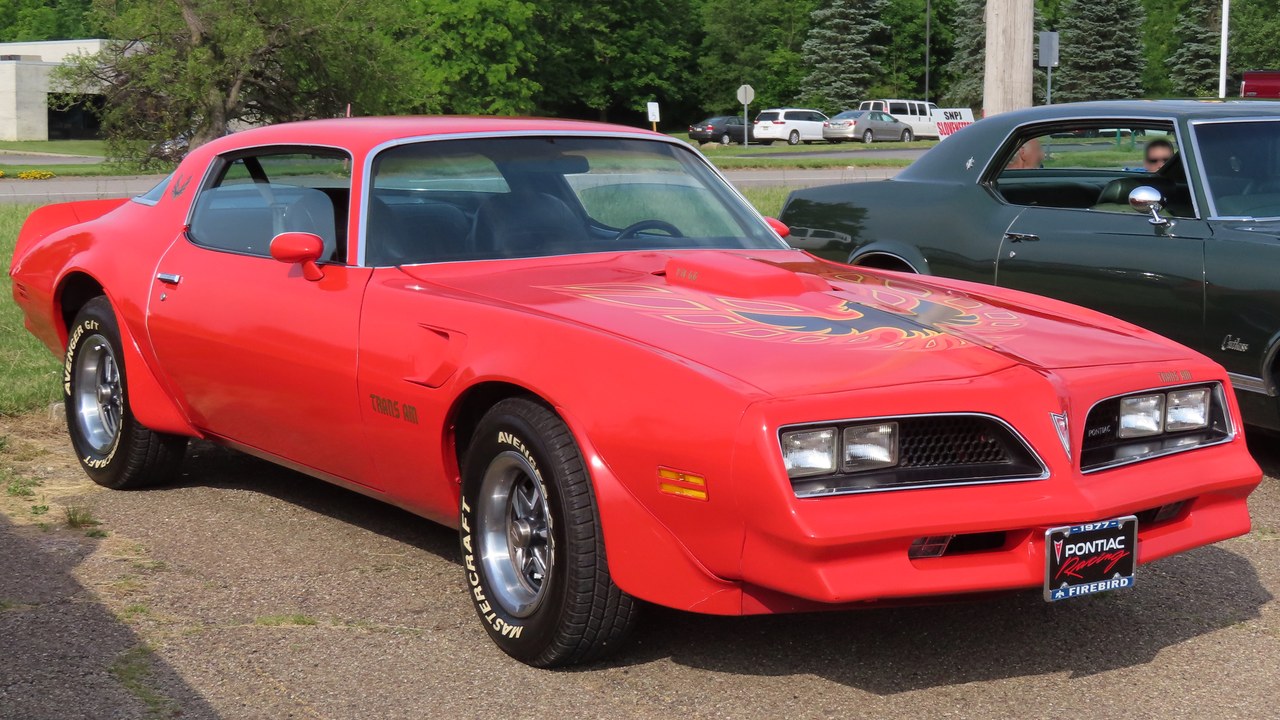
The Firebird came out in 1967 and the Trans Am package followed in 1969, according to a Hagerty overview. The 1969 cars are distinct for their white paint and blue racing stripes, though most people picture the screaming chicken hood graphic.
Fame peaked in 1977, when a Firebird Trans Am served as Burt Reynolds’ wheels in Smokey and the Bandit. Some 25,000 Trans Ams were sold the year after the film came out. Hagerty names the Firebird as the most popular Pontiac among the cars it insures.
3. Pontiac Grand Prix: The Long-Running Luxury Coupe
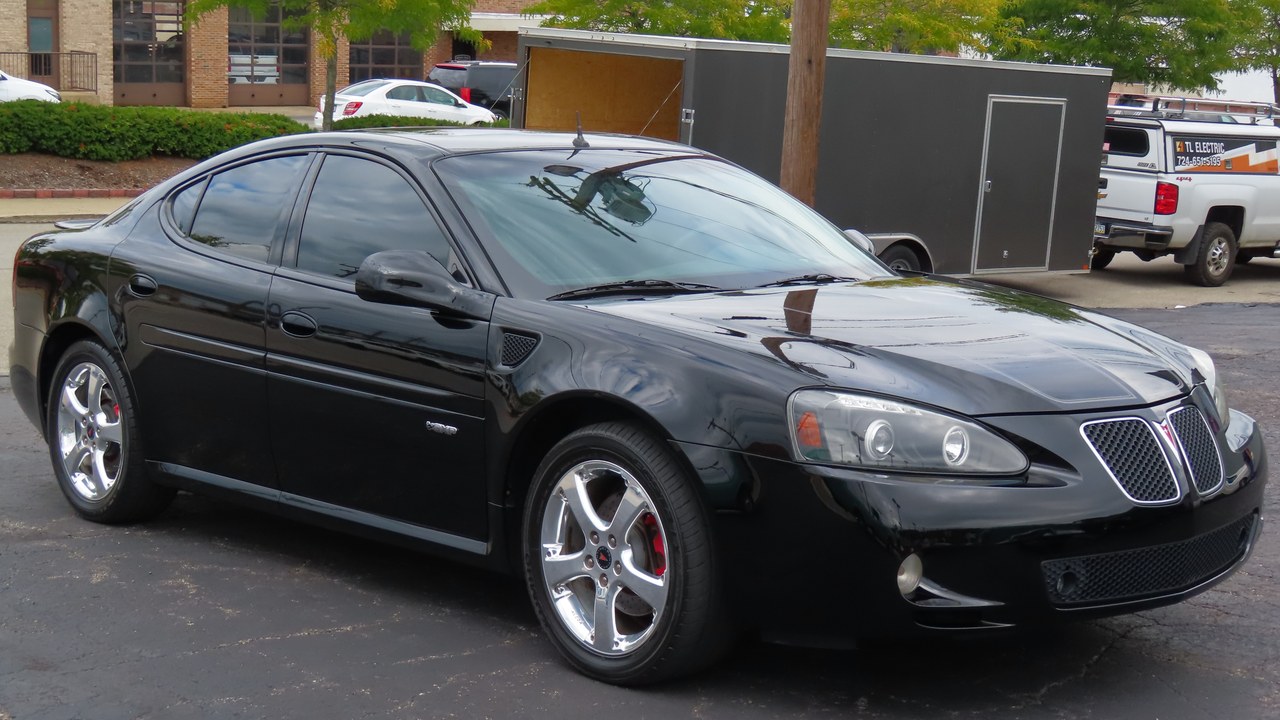
Pontiac introduced the Grand Prix in 1962 as a performance luxury car, and it stayed in production through 2008, a run Hagerty calls impressively long. A standout year was 1969, when Pontiac introduced the long hood and short decklid design that John DeLorean is credited with.
That proportion became a hallmark widely copied across manufacturers through the late 1970s. The car was revamped in front-wheel-drive form for the 1988 model year, and that sixth-generation version is a favorite at RADwood, though the first couple of generations are most popular with Hagerty policyholders.
4. Pontiac Solstice: The Miata Fighter
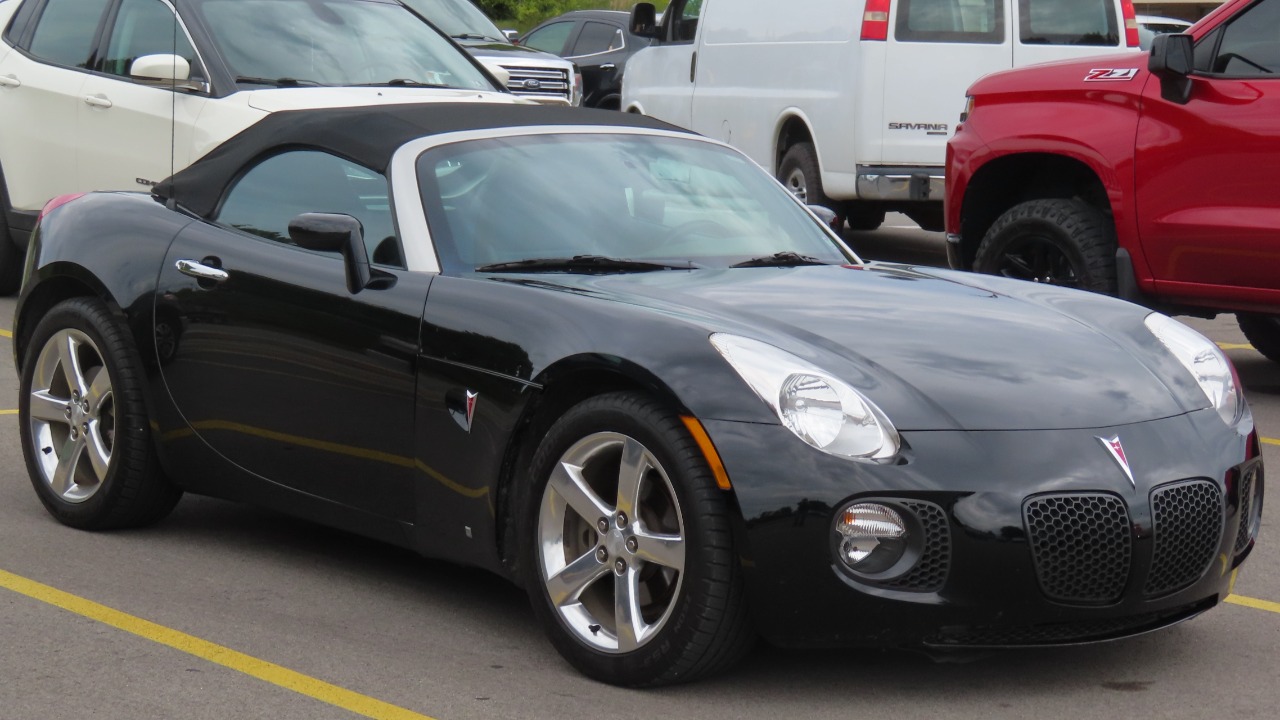
Pontiac was long known as the performance division of General Motors, and Hagerty lists the Solstice as a forgotten classic of that tradition. The two-seat, drop-top sports car was introduced in 2006 as an affordable alternative to the Mazda Miata.
In its first year the Solstice sold 21,000 units, more than the Miata managed that same year. It was available from 2006 to 2010, then went out of production along with every other Pontiac model when the brand shut its doors for good.
5. Pontiac Tempest: The Hay Baler Compact
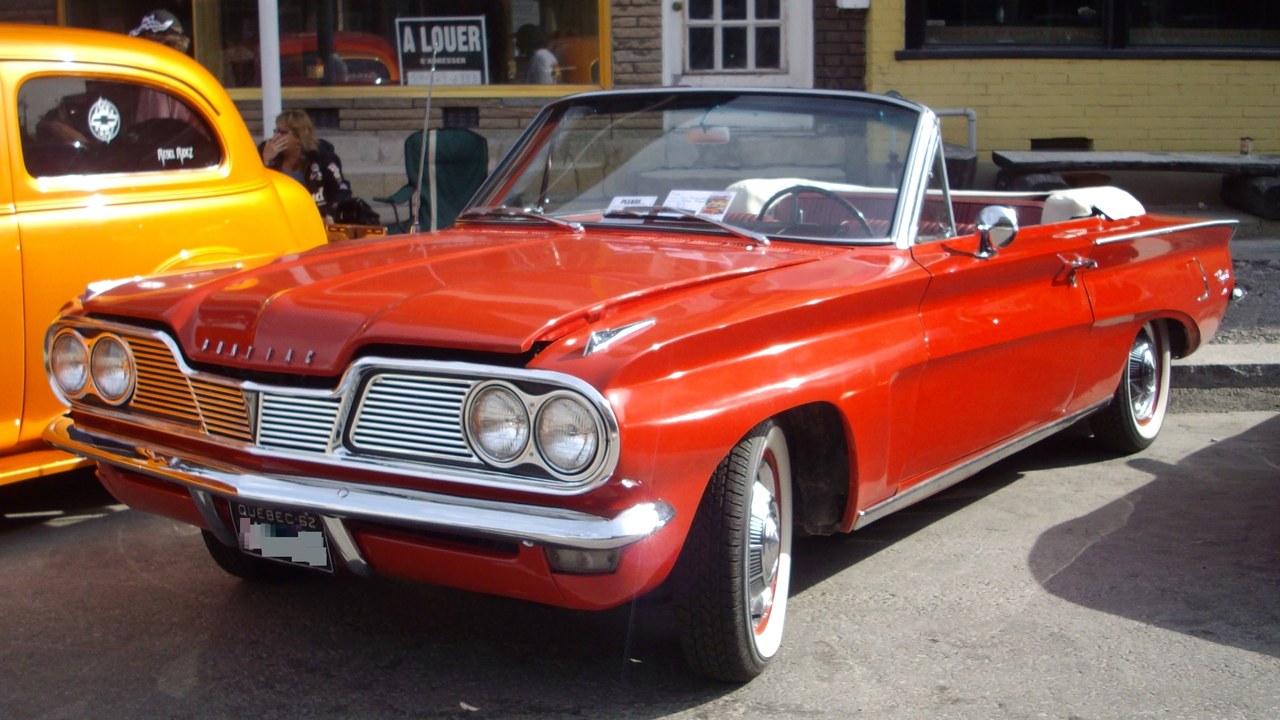
For the 1961 model year Pontiac introduced a compact Tempest, one of three Buick-Olds-Pontiac cars that year, sharing a platform with the Buick Special and Oldsmobile F-85, as Wikipedia recounts. The Tempest won the Motor Trend Car of the Year award in 1961.
Its 194.5-cubic-inch slant-four was derived from the right bank of Pontiac’s 389 V8, which let it run down the same production line. A crankshaft built for four cylinders did not fully fix its balance problems, and the engine earned the nickname Hay Baler for kicking violently.
6. Pontiac Star Chief: The Stretched Flagship
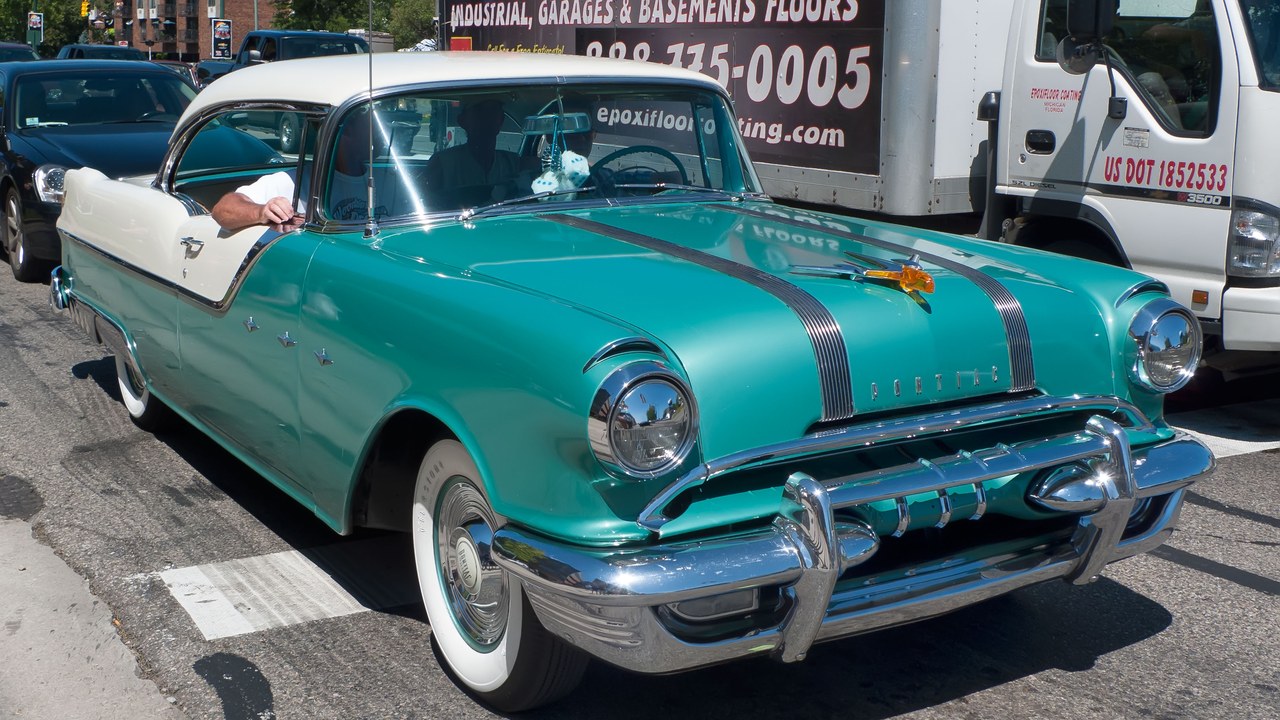
Pontiac’s Chieftain line ran as a single model line until 1954, when the Star Chief was added. The new car carried an 11-inch stretch of the GM A-body platform, giving it a 124-inch wheelbase.
The name carried on through the decade. For 1959 Pontiac introduced its Arrowhead emblem, and on Star Chief models eight chrome stars ran down the body sides. Wikipedia’s model list gives the Star Chief a run from 1954 to 1966, well past the point where the Bonneville became the top of the line.
7. Pontiac Chieftain: Pontiac’s First Postwar Redesign
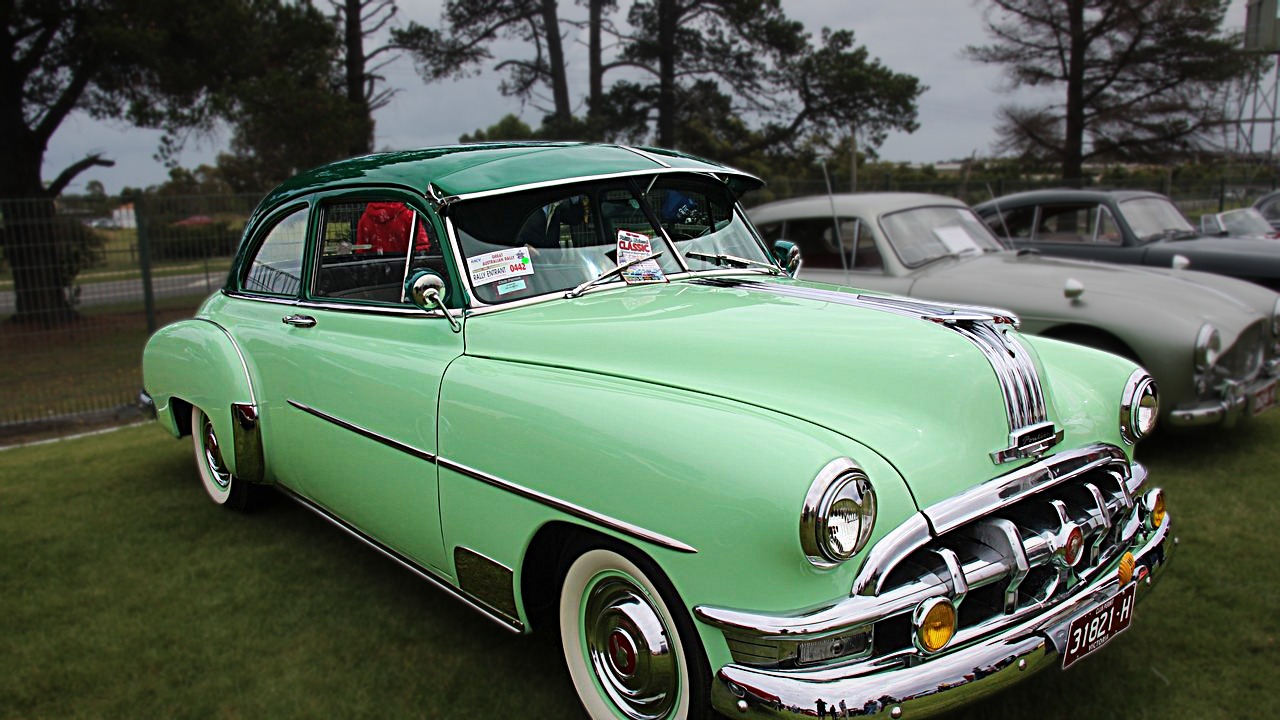
The first all-new Pontiac models appeared in 1949, with lower body lines and rear fenders integrated into the rear-end styling, according to Wikipedia. The Chieftain line was introduced to replace the Torpedo and was built on the GM B-body platform.
Its styling differed from the Streamliner. In 1952 Pontiac discontinued the Streamliner and filled out the Chieftain line with additional models on the A-body platform. The Chieftain name is listed as running from 1949 to 1958, before the line was renamed Catalina.
8. Pontiac Catalina: From Halo Coupe to Workhorse
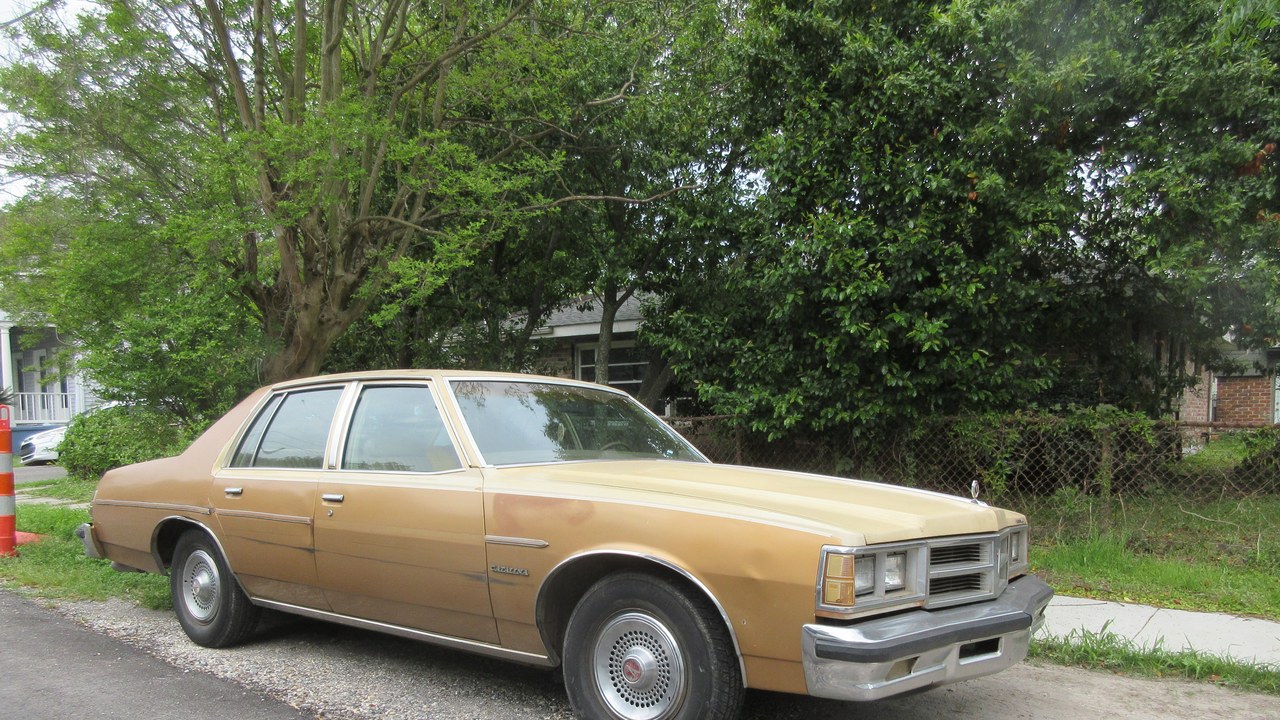
In 1950 Pontiac introduced the Catalina pillarless hardtop coupe as a halo model, similar to the Chevrolet Bel Air of the same year, according to the Pontiac history. For 1959 the Chieftain line was renamed Catalina.
By the late 1970s the name sat on Pontiac’s full-size cars. When GM downsized its B-body cars for the 1977 model year, the new Bonnevilles and Catalinas continued to be best-sellers, even though their styling shared more with the Chevrolet Caprice than ever before.
9. Pontiac Fiero: The Mid-Engine Gamble
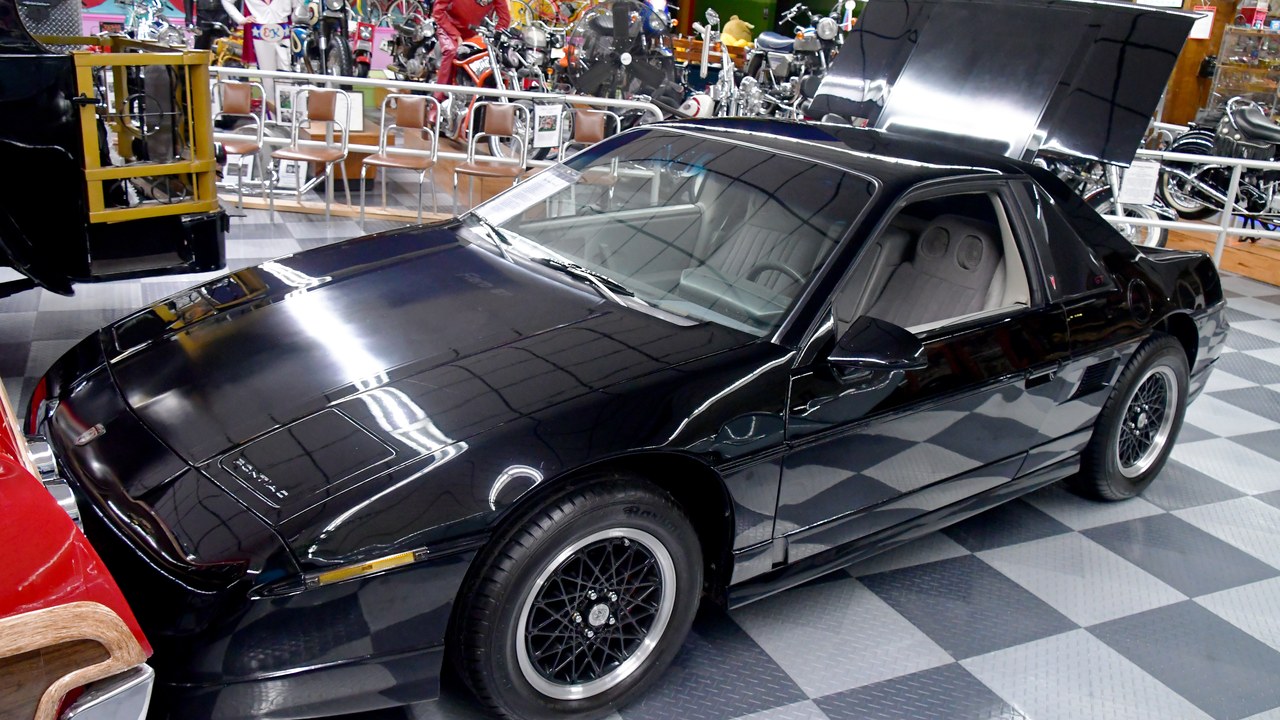
The 1984 Fiero was a major departure from anything Pontiac had produced, a two-seat, mid-engined coupe, as Wikipedia describes it. It was partially responsible for Pontiac seeing its first increase in sales in four years.
The Fiero was also an exception to a broader shift. From 1988 nearly every Pontiac moved to front-wheel-drive platforms, with the Firebird, the Parisienne Safari and the Fiero as the exceptions. The model list shows the Fiero in production from 1984 to 1988, a short but memorable run.
10. Pontiac Aztek: The Divisive SUV
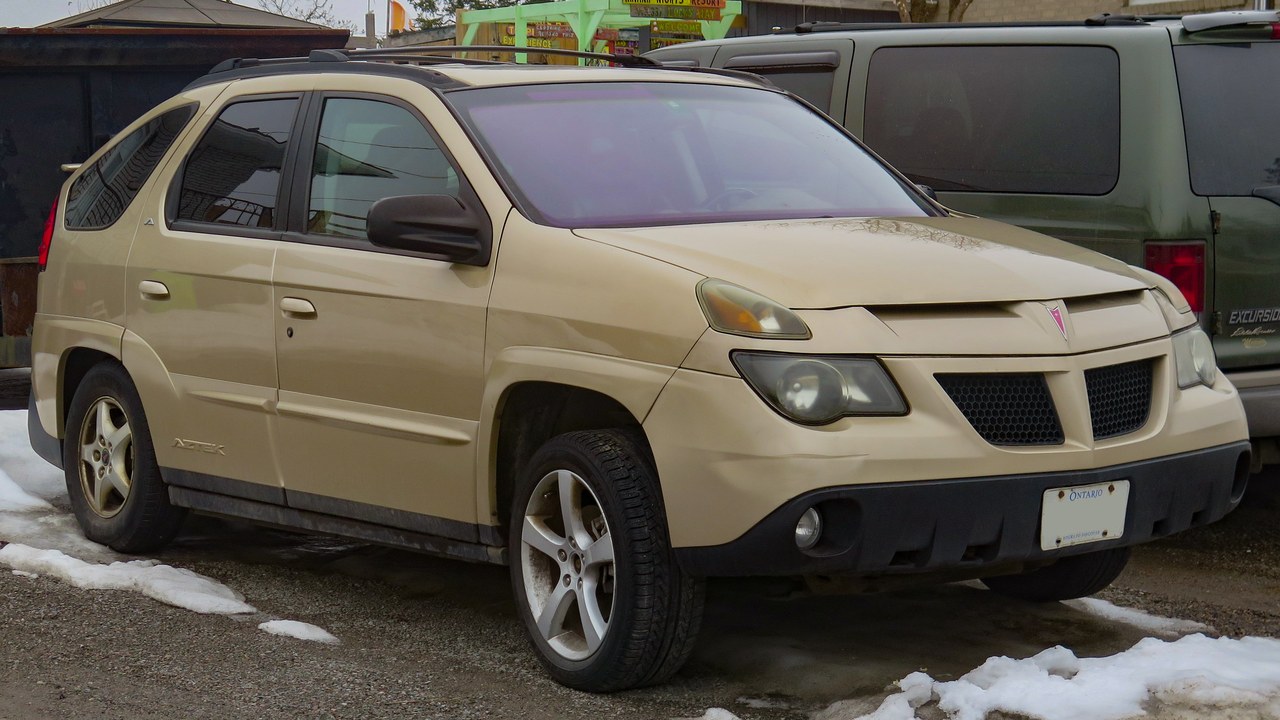
In 2001 Pontiac introduced the Aztek into the emerging SUV market segment, a move Wikipedia records among the brand’s early-2000s product changes. The model list gives it a run from 2001 to 2005.
The Aztek arrived with only nine model years left for the brand. Around it, Pontiac was reshuffling: in 2002 the Firebird and Trans Am were discontinued along with the Camaro, citing declining sales and a saturated sports market, while the Bonneville had received its first major redesign since 1992 in 2000.
11. Pontiac Vibe: The Toyota-Built Wagon
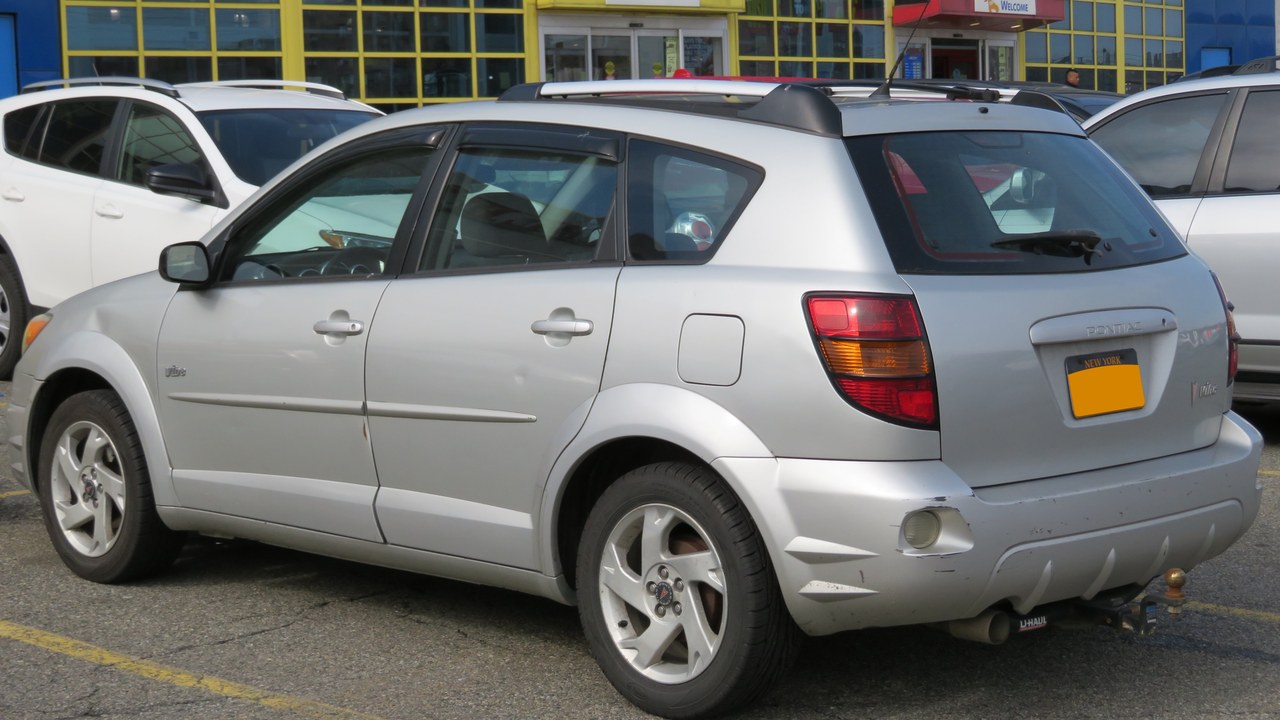
The 2003 Vibe arrived in spring 2002 as a Toyota-based compact wagon built at the NUMMI joint-venture plant, according to Wikipedia. It reached showrooms the same year Pontiac dropped the Firebird and Trans Am.
That year Pontiac also ended the coupe version of the Grand Prix and announced that 2003 would be the final year of that car’s generation. The Vibe arrived in the middle of that reshuffle, an import-engineered compact in a lineup that had long been associated with big V8s.
12. Pontiac Sunbird: A Muscle Brand Goes Small
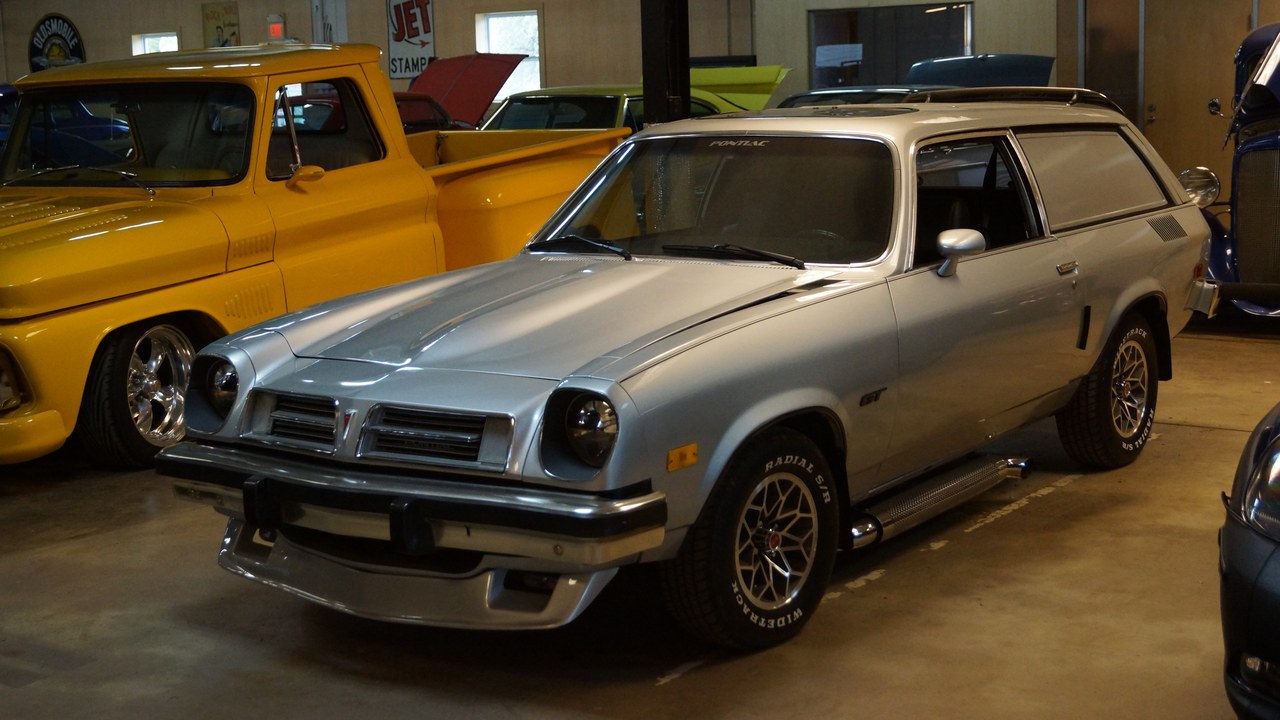
The 1976 Sunbird, based on the Chevrolet Vega and Monza’s equivalent, joined the Pontiac line, Wikipedia notes. It was first offered as a notchback, with a hatchback body style added in 1977.
The Vega wagon body followed in 1978 as the Sunbird Safari Wagon, replacing the Astre Safari Wagon. The Sunbird kept rear-wheel drive through the 1980 model year, and the Safari wagon ended after 1979. The 1976 models were also the last of the traditional large American cars powered mostly by big-block V8s.
13. Pontiac Bonneville: Nearly Five Decades at the Top
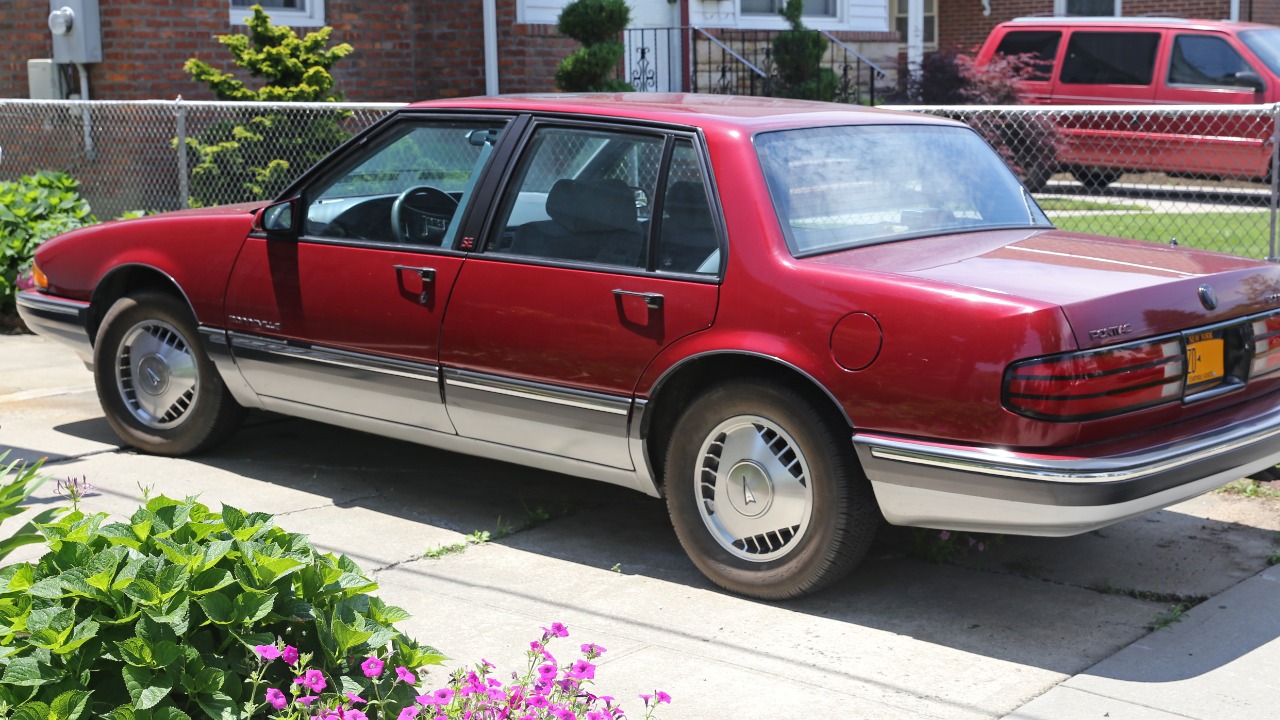
The Bonneville nameplate ran from 1958 to 2005, according to the Supercars.net list. Hagerty counts it among the well-known models that came into their own when Pontiac hit its stride in the 1950s and 1960s.
For 1959 the Bonneville was the top of the line, offered in a two-door hardtop and other body styles. In 2000 it received its first major redesign since 1992, built on the G-body shared with the Oldsmobile Aurora and Buick LeSabre. Production officially ended in 2005 after nearly fifty years.
14. Pontiac LeMans: The Name Behind the GTO
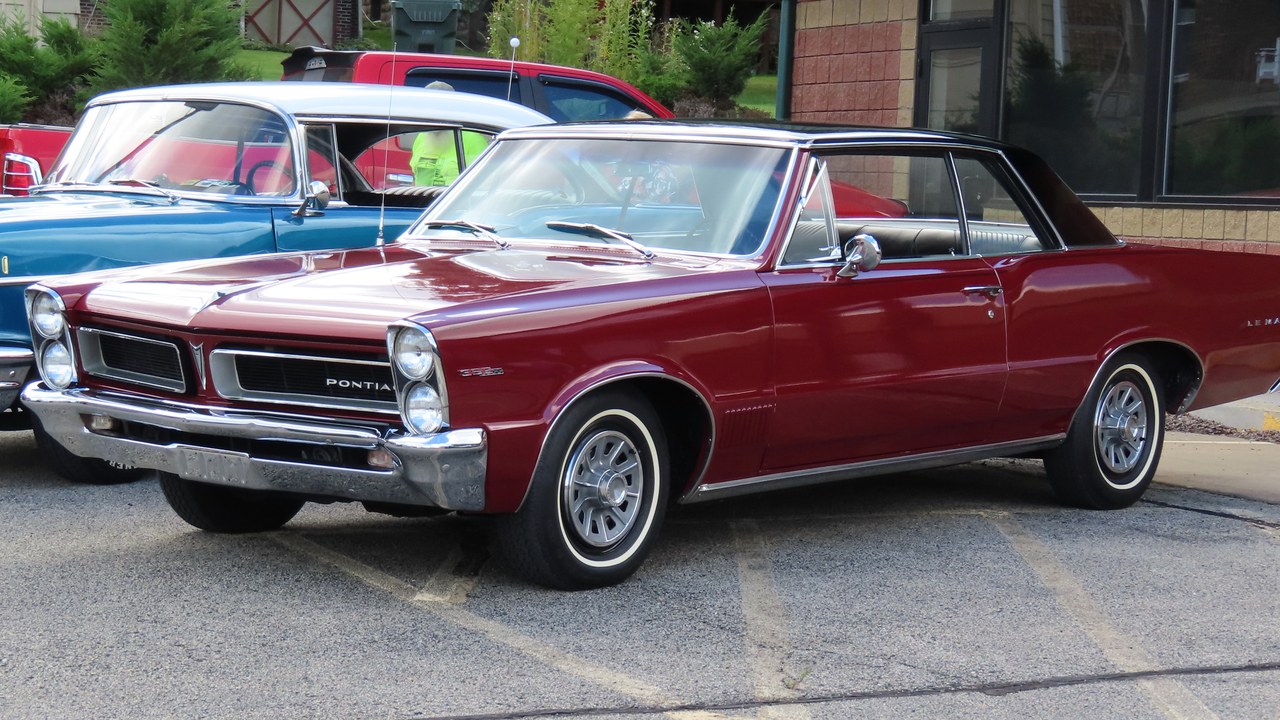
The LeMans name is listed from 1962 to 1993 in a Supercars.net model list, though Wikipedia notes that an upscale version of the Tempest called the LeMans was introduced toward the end of 1961. It outlived the car it helped create.
The GTO began in 1964 as part of the Tempest and LeMans lineup, which moved to GM’s A-body platform that year. By 1972 the GTO was a sub-series of the LeMans, the Tempest was discontinued, and the base mid-sized Pontiac was simply called the LeMans.
15. Pontiac Safari: The Original Wagon
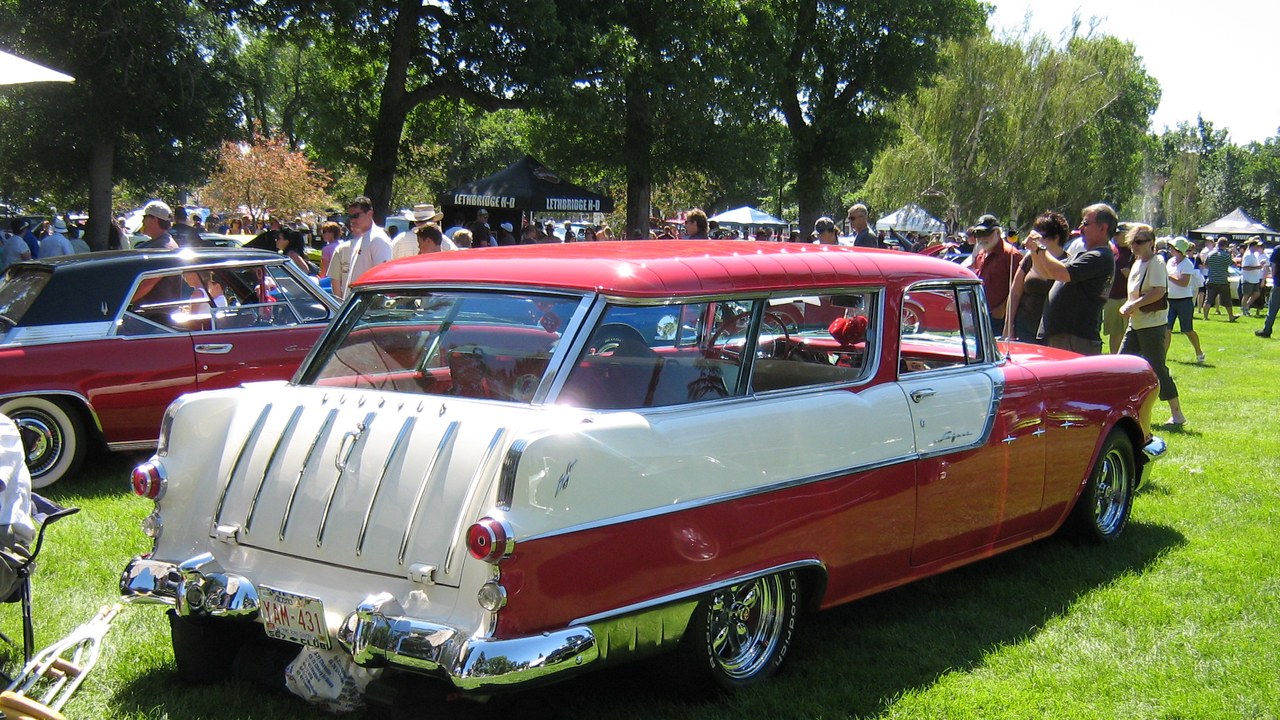
The Safari wagon launched in 1955, and the Supercars.net list gives the original run as 1955 to 1957. Later Pontiac wagons kept the Safari name alive in different forms.
The list also shows a Grand Safari from 1971 to 1978, and Wikipedia notes that the Sunbird Safari Wagon replaced the Astre Safari Wagon in 1978. Safari station wagon production ended in 1989, the last V8-powered full-size rear-wheel-drive Pontiac until the 2009 G8.
16. Pontiac Ventura: Many Roles in One Name
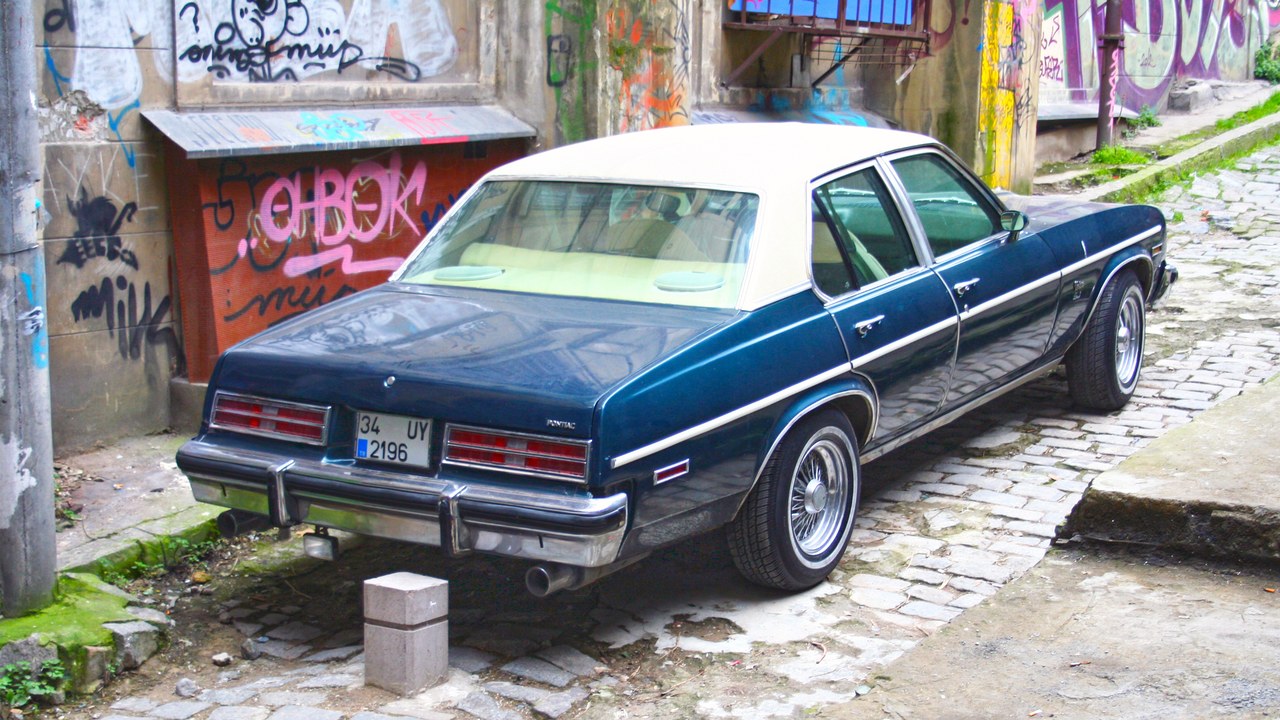
The Ventura name ran from 1960 to 1977, according to the Supercars.net list. In 1960 it debuted as a more luxurious hardtop coupe positioned between the Catalina and Star Chief, with Bonneville luxury features in a shorter, lighter Catalina body.
When Pontiac introduced the Grand Prix in 1962, it took the place of the Ventura, which became a trim option on the Catalina. The compact Ventura was restyled for 1973, and the list also shows a Ventura II from 1971 to 1972.
17. Pontiac Grand Am: From Colonnade Coupe to Compact
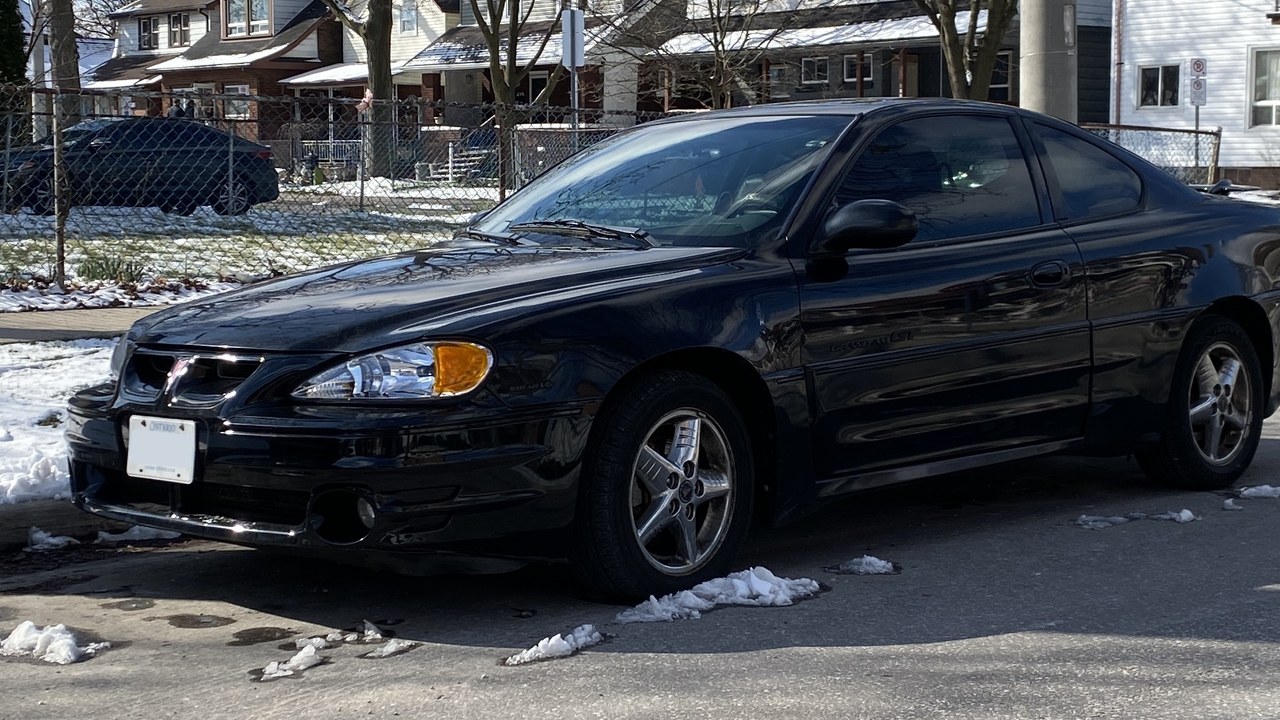
The Grand Am nameplate ran from 1973 to 2005, according to the Supercars.net list. It arrived for 1973 as an all-new model in the LeMans line, part of GM’s Colonnade A-body generation named for its pillared roof treatment.
Decades later the name lived on in a different kind of car. In 2005 the Grand Am was replaced by the mid-size G6, but it was produced for the 2005 model year to fill the gap until the new G6 coupe and convertible became available.
18. Pontiac 6000: The Techy Mid-Size Sedan
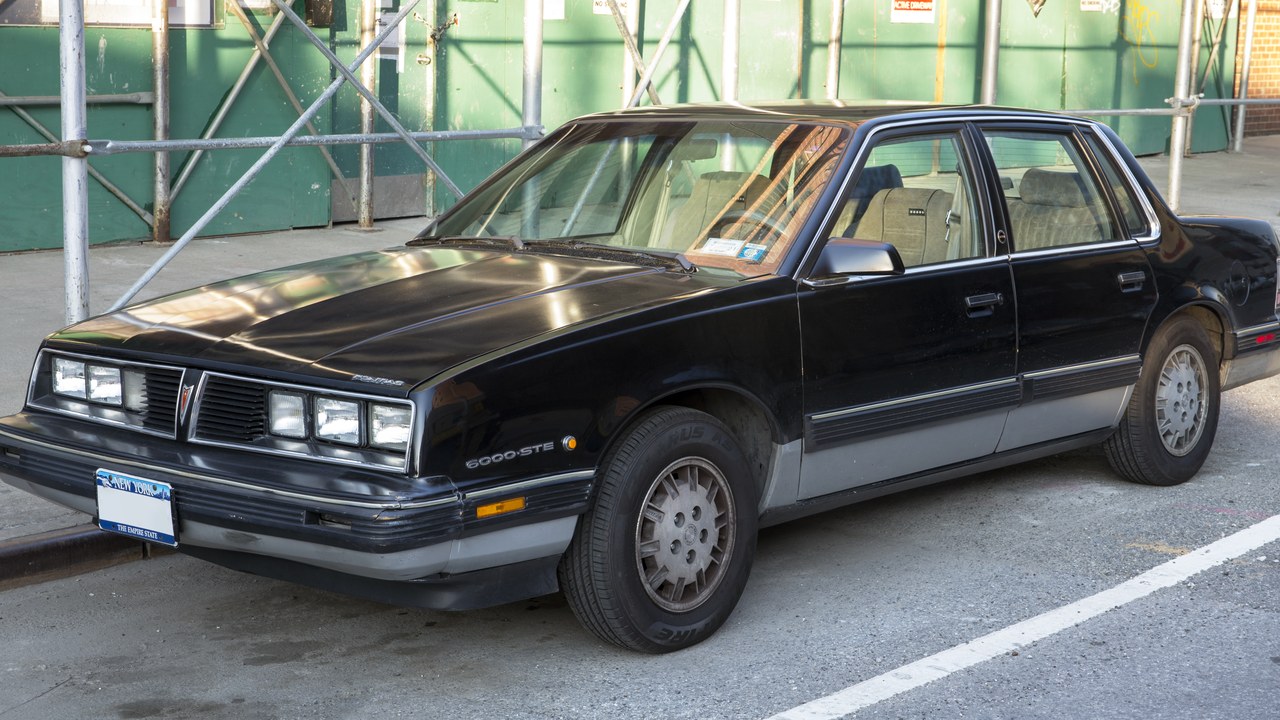
The front-drive 6000 was Pontiac’s mid-size sedan, listed from 1982 to 1991 by the Supercars.net list. In 1984 Pontiac added a Special Touring Edition, or STE, to the 6000 line as a rival to European road cars such as the Mercedes 190.
The STE carried digital instruments and other electronics, a more powerful V6 and a retuned suspension. Later versions brought some of Pontiac’s first anti-lock brakes and steering-wheel radio controls. At the end of the 1991 model year, the 6000 was discontinued.
19. Pontiac Trans Sport: Pontiac’s First Minivan
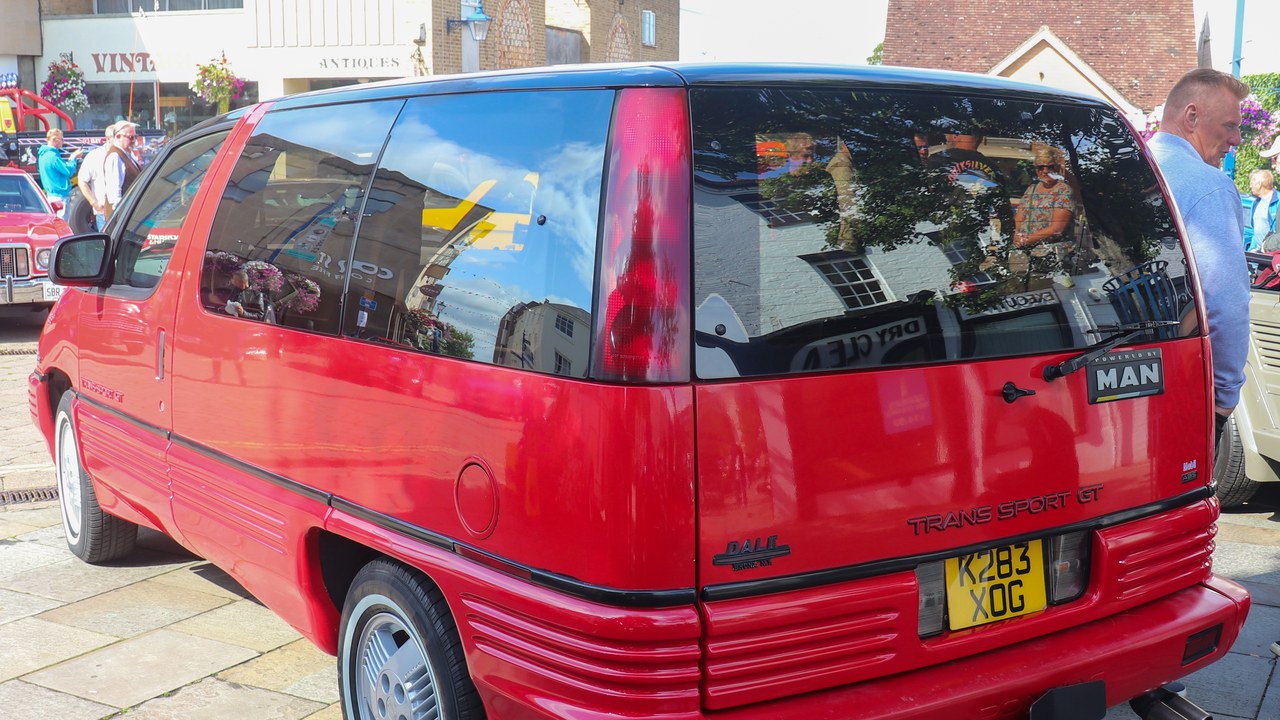
The Trans Sport ran from 1990 to 1999, according to the Supercars.net list. The 1990 model year saw it launched as Pontiac’s first minivan and light truck, a new kind of vehicle for a brand known for performance.
A Trans Sport concept had appeared years earlier, listed as a 1986 show vehicle. The 1999 model year saw the Trans Sport replaced by the larger Montana minivan, which Wikipedia’s model list shows continuing in production until 2005.
20. Pontiac G8: The Last Rear-Drive Sedan
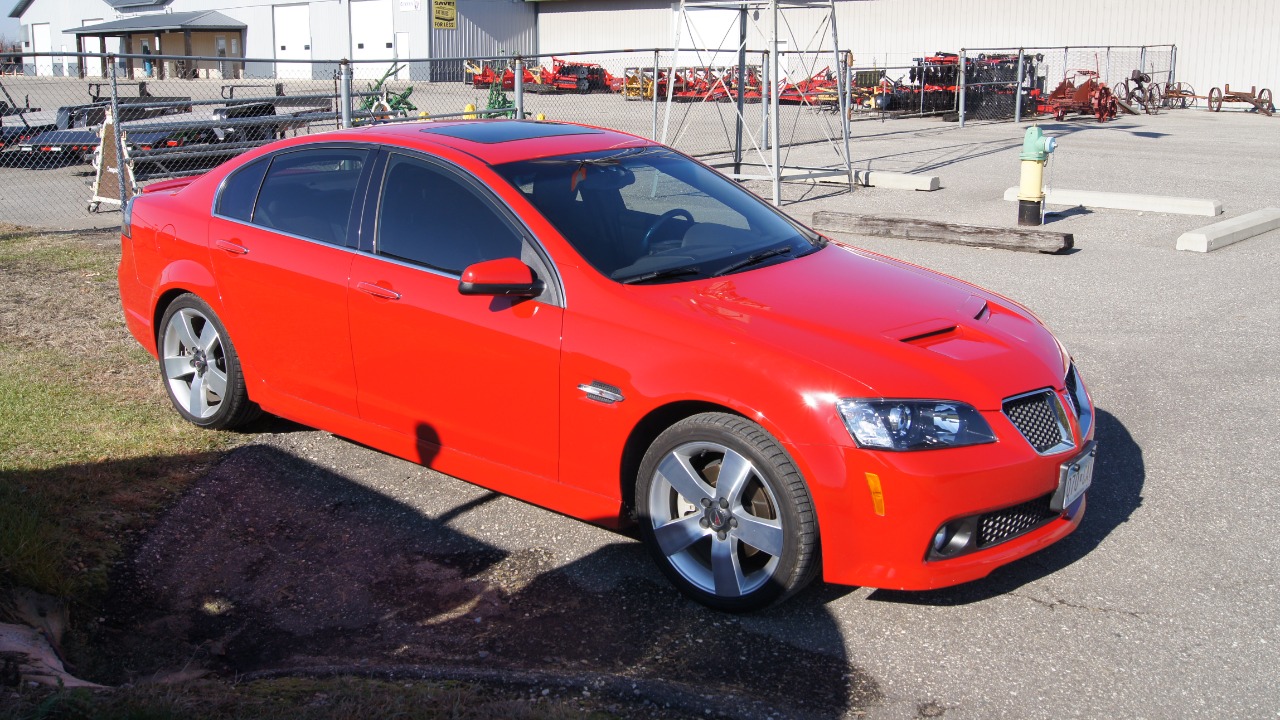
The rear-drive G8 lasted only from 2008 to 2009, as the Supercars.net list shows. The high-performance sedan was based on an Australian Holden, part of a 2000s resurgence that also included the Solstice.
Wikipedia lists it as a rebadged Holden VE Commodore. Pontiac’s restructuring ended it quickly: GM agreed to discontinue the brand, the last car, a white G6, was built on January 4, 2010, and dealer franchise agreements expired on October 31, 2010.
More from Morning Overview
- Arizona declared a statewide emergency after storms and floods battered homes and roads
- Tesla’s Cybercab is finally for sale to select buyers, but it only drives with a $299 monthly plan
- Student pilots are stuck with nearly 60-year-old T-38 jets that work only half the time
- A dangerous unpatched Windows exploit is now public and can hand attackers full control
