
Plymouth launched in 1928 as Chrysler’s low-priced entry and was discontinued on June 29, 2001, after more than seven decades of family cars, muscle cars and minivans. The lineup spanned torsion-bar hardtops, winged NASCAR specials and a hot rod built for the final years. Here are fifteen Plymouths that show how the brand rose and bowed out.
Read next on Morning Overview: Three atmospheric rivers are lining up to drench the Pacific Northwest this week
1. Plymouth Fury: The Torsion-Bar Pioneer
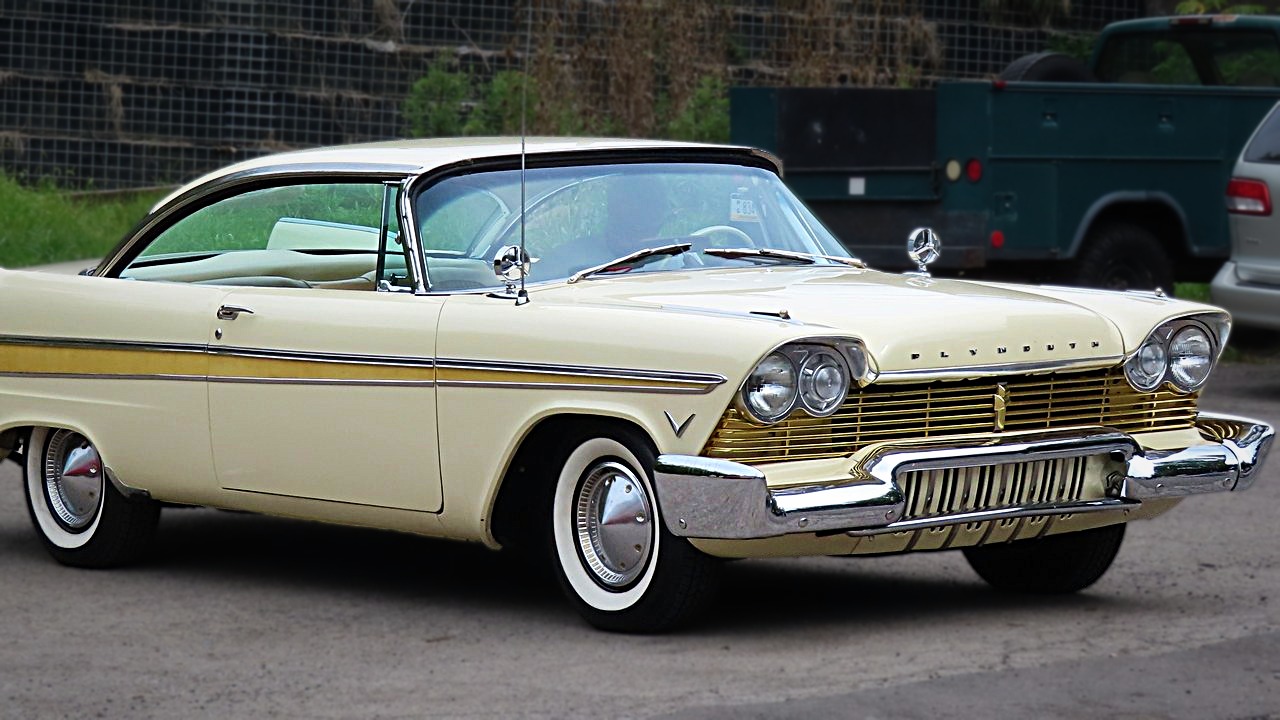
Hagerty credits the 1957 Fury with being the first Mopar to get torsion-bar front suspension, a layout used widely on the company’s cars through the 1960s, and notes that the model won Motor Trend’s Car of the Year. The Fury began as a limited 1956 model in Eggshell White with gold trim.
By 1957 the Fury V-800 packed a dual-quad 318 rated at 290 horsepower, and muscle car historian Jim Wangers counts it among the first true muscle cars, a claim that predates the GTO by several years.
2. Plymouth GTX: The Mopar Muscle Claim
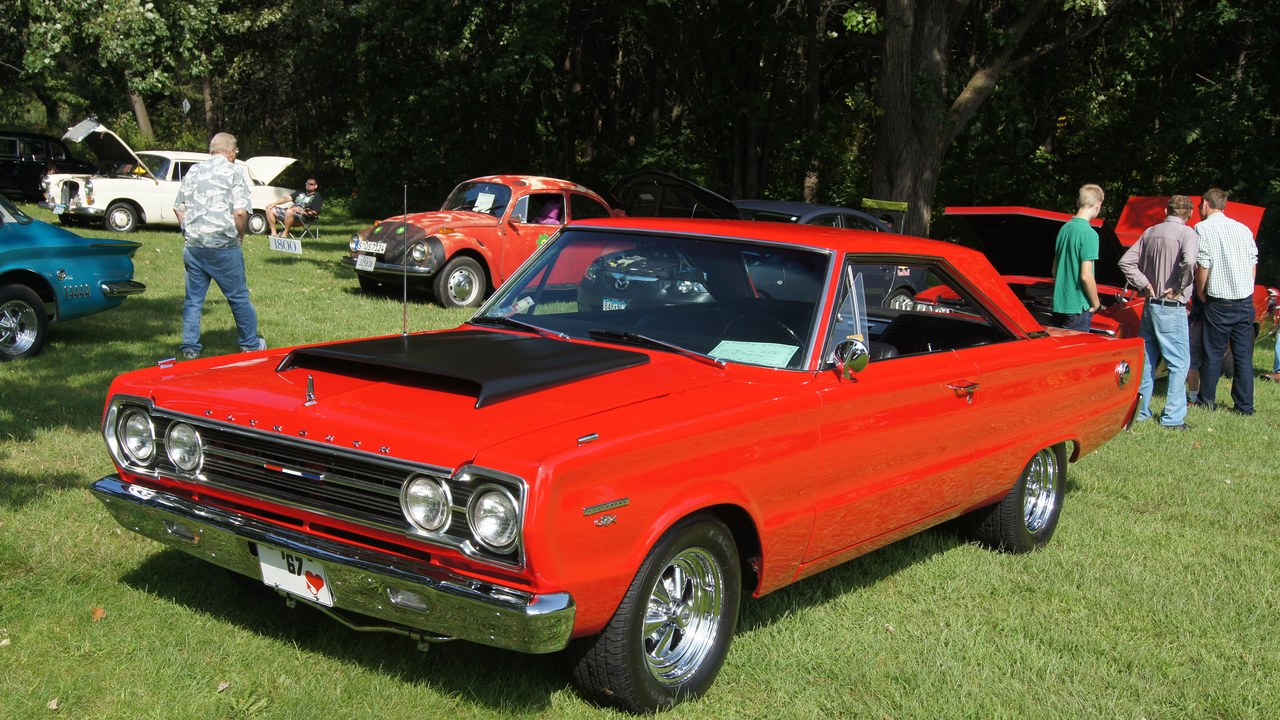
Most observers call the 1964 Pontiac GTO the first muscle car, but many in the Mopar camp champion the 1967 Plymouth GTX alongside the Dodge Coronet R/T. Hagerty reports that Jim Wangers disagrees with both nominations, so the title remains a bar-room argument rather than a settled fact.
A 1969 High-Performance Cars test of a 375-horsepower 440 GTX with a Torqueflite and air conditioning ran 13.98 seconds at 103.80 mph on street tires, and 13.57 on slicks, with 3.91 gears.
3. Plymouth Road Runner: The 162-Car Hemi Rarity
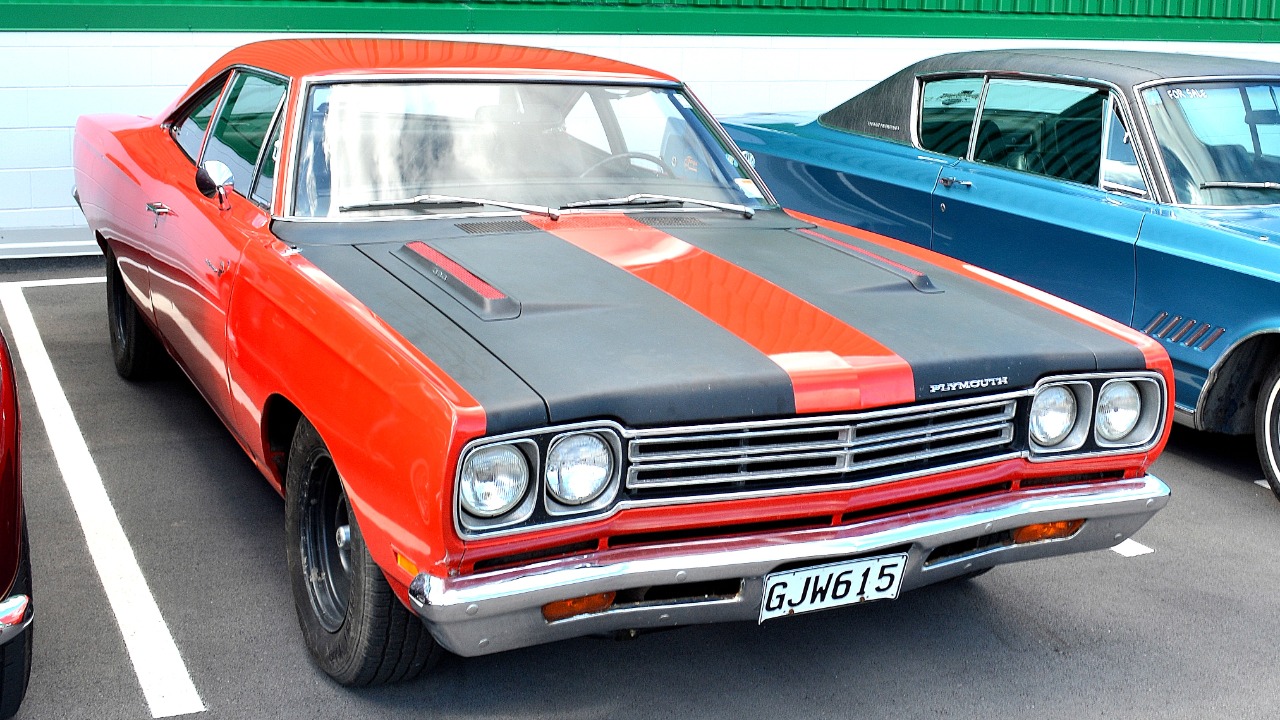
Hagerty cites a 1969 test of a 425-horsepower Hemi Road Runner with a Torqueflite automatic, one of just 162 built that year. On its 14-inch F70 street tires with the Air Grabber cold-air system open, it ran a best quarter-mile of 13.32 seconds at 107.65 mph.
The 1969 and a half A12 package added a triple-carbureted 440 and a lift-off fiberglass hood with no hinges, held by four pins, a lightweight tactic only Mopar offered on showroom cars.
4. Plymouth Barracuda: Two Weeks Ahead of the Mustang
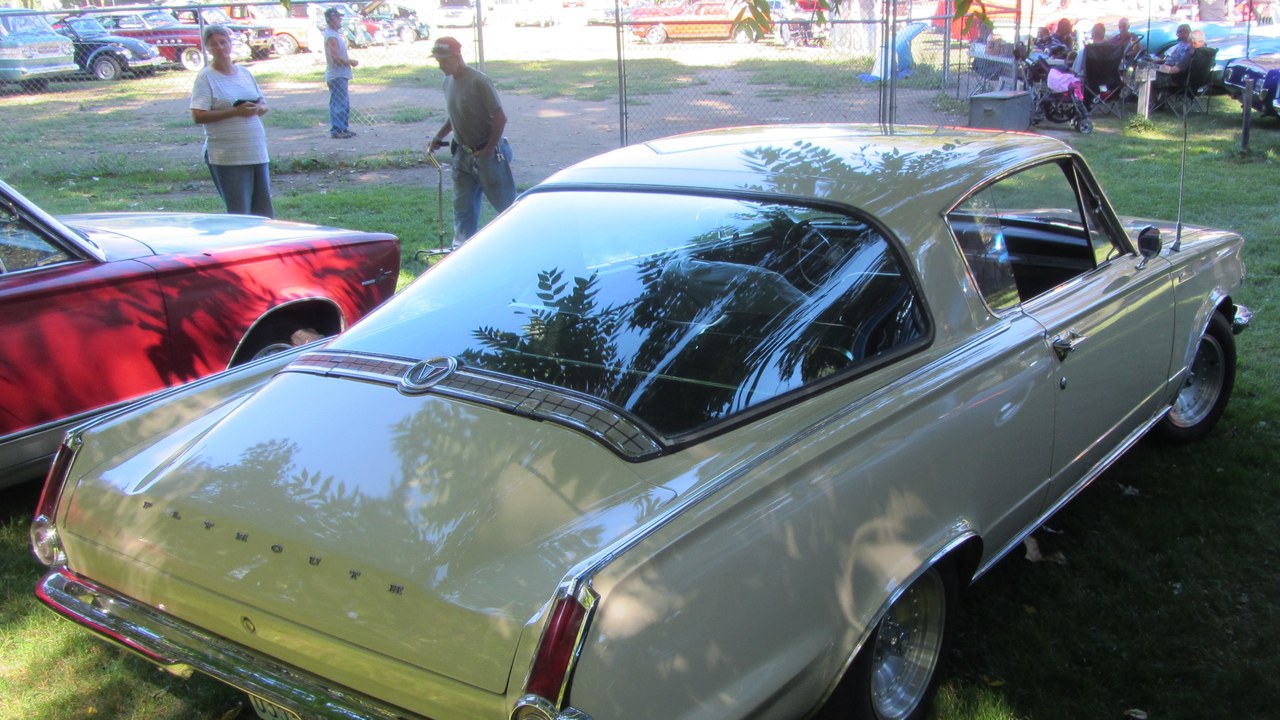
Plymouth beat the Mustang to market with the Barracuda, Hagerty points out: the first Barracuda arrived on April 1, 1964, while the Mustang followed on April 17. The magazine describes it as basically a Valiant with a sexy fastback body, much as the first Mustang was a rebodied Falcon.
The Barracuda sold well, but the Mustang was a sensation. Four years later Dodge and Plymouth built 29 race-only Hemi Barracuda fastbacks coded B029 for NHRA Super/Stock competition.
5. Plymouth Superbird: The Winged Homologation Special
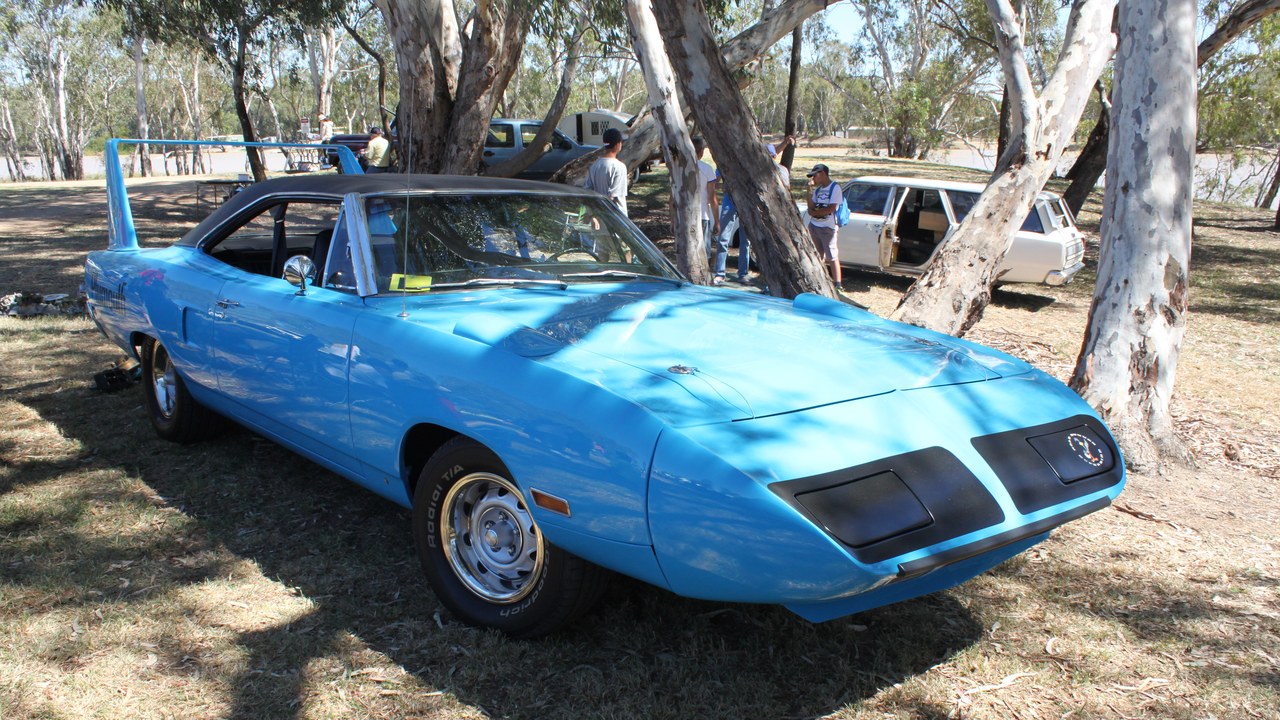
Plymouth built only 1935 examples of the 1970 Road Runner Superbird, according to Hagerty, though some say the number is lower. It was a homologation special, built so the aerodynamic shape could be legal in NASCAR competition.
Hagerty adds that the Superbird’s nose cone and tall rear wing differ from those of the related Dodge Charger Daytona, which proved more aerodynamically efficient, with a drag coefficient of 0.29 against 0.31 for the Plymouth.
6. Plymouth Cranbrook: The Early-Fifties Family Car
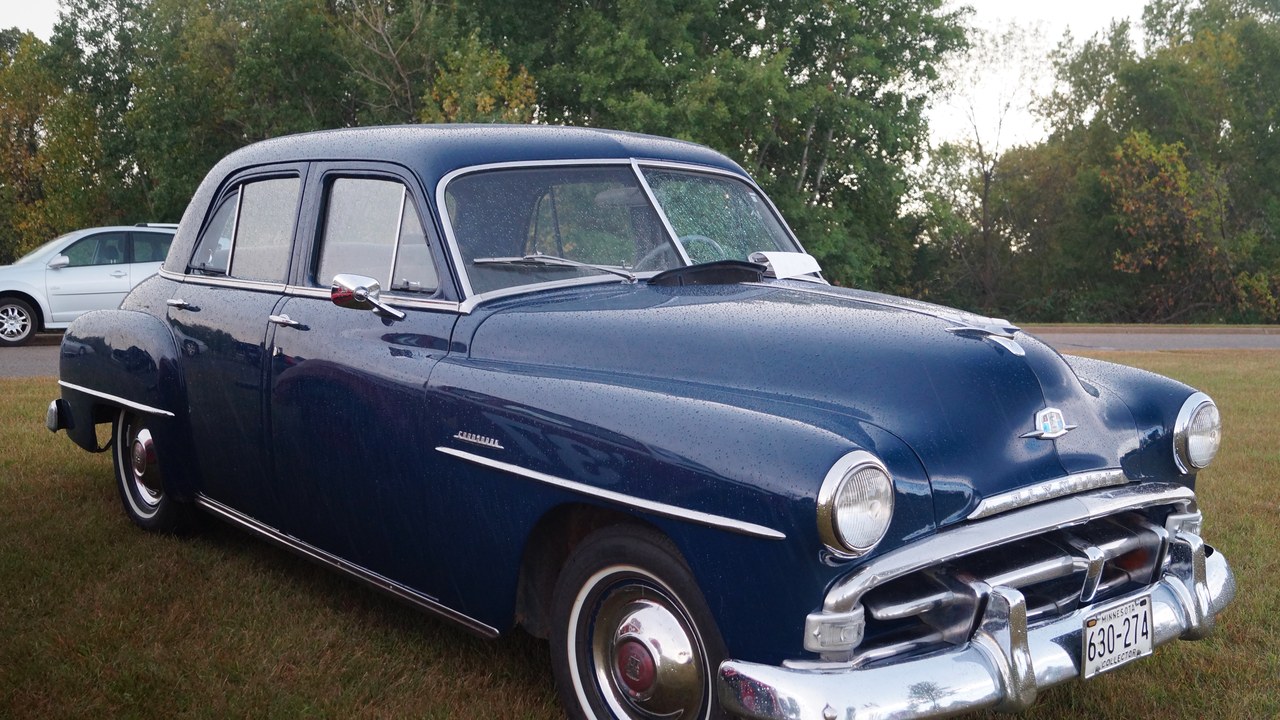
Supercars.net lists the Plymouth Cranbrook for 1951 to 1953 and describes it as part of the brand’s post-war lineup, designed to blend style and practicality. It was offered in several body styles, including a convertible.
Modern styling cues, in the site’s telling, appealed to the burgeoning middle class, which made the Cranbrook an everyday family model rather than a performance car.
7. Plymouth Valiant: The Compact That Built a Reputation
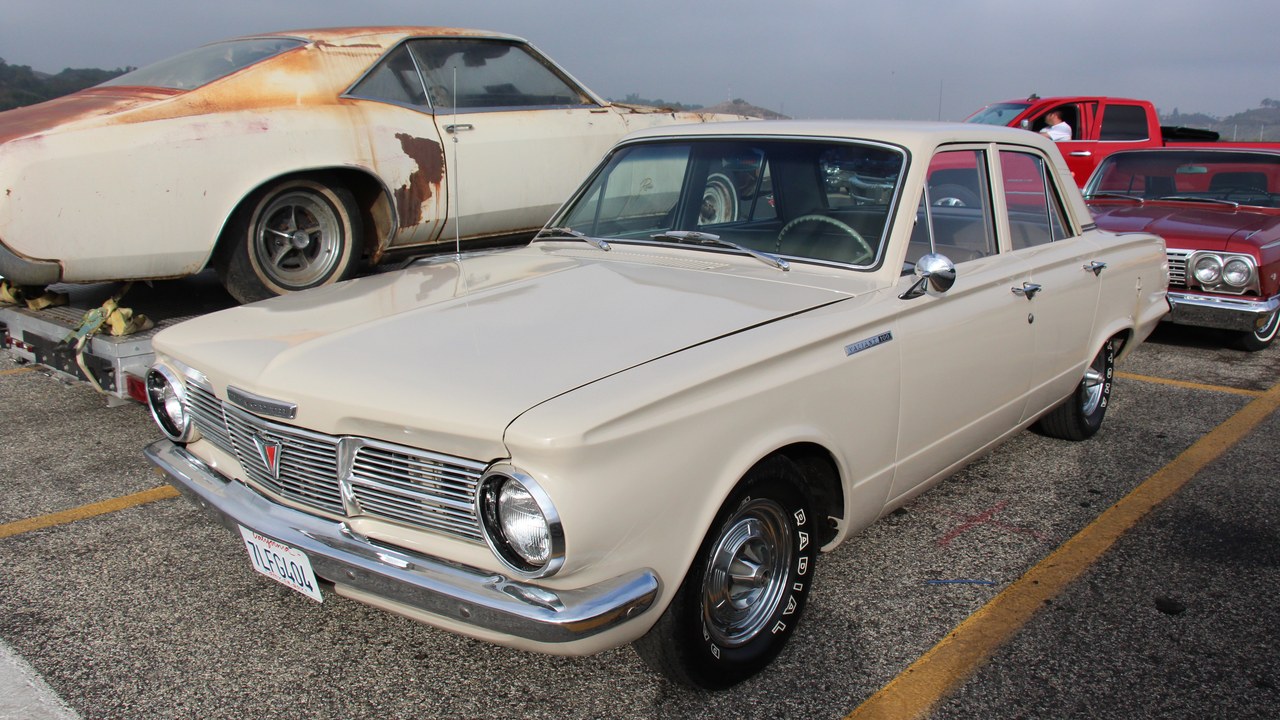
Supercars.net lists the Valiant for 1960 to 1976 and calls it one of the first compact cars produced by an American manufacturer. The page credits it with offering economy, practicality and durability.
It was highly successful, the site says, and laid the groundwork for Plymouth’s reputation for affordable, reliable cars. A long run for a compact, it ended when the Volare took over.
8. Plymouth Duster: The Budget Muscle Look
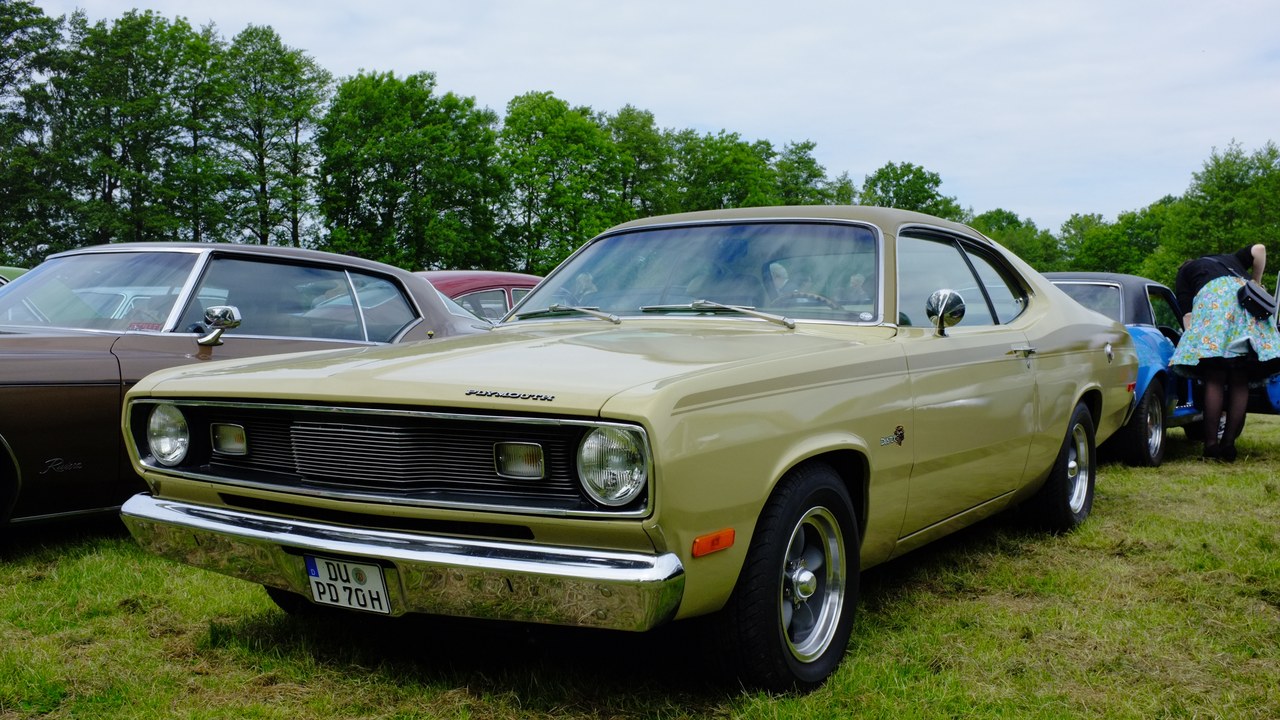
The Duster coupe ran from 1970 to 1976, according to Supercars.net, which describes it as a compact, sporty car aimed at younger buyers. The formula combined affordability and style with real choice under the hood.
Engines ranged from an economical six-cylinder to a powerful V8, so a Duster could be a commuter or a stoplight challenger depending on the order sheet.
9. Plymouth Prowler: The Hot Rod From the Last Years
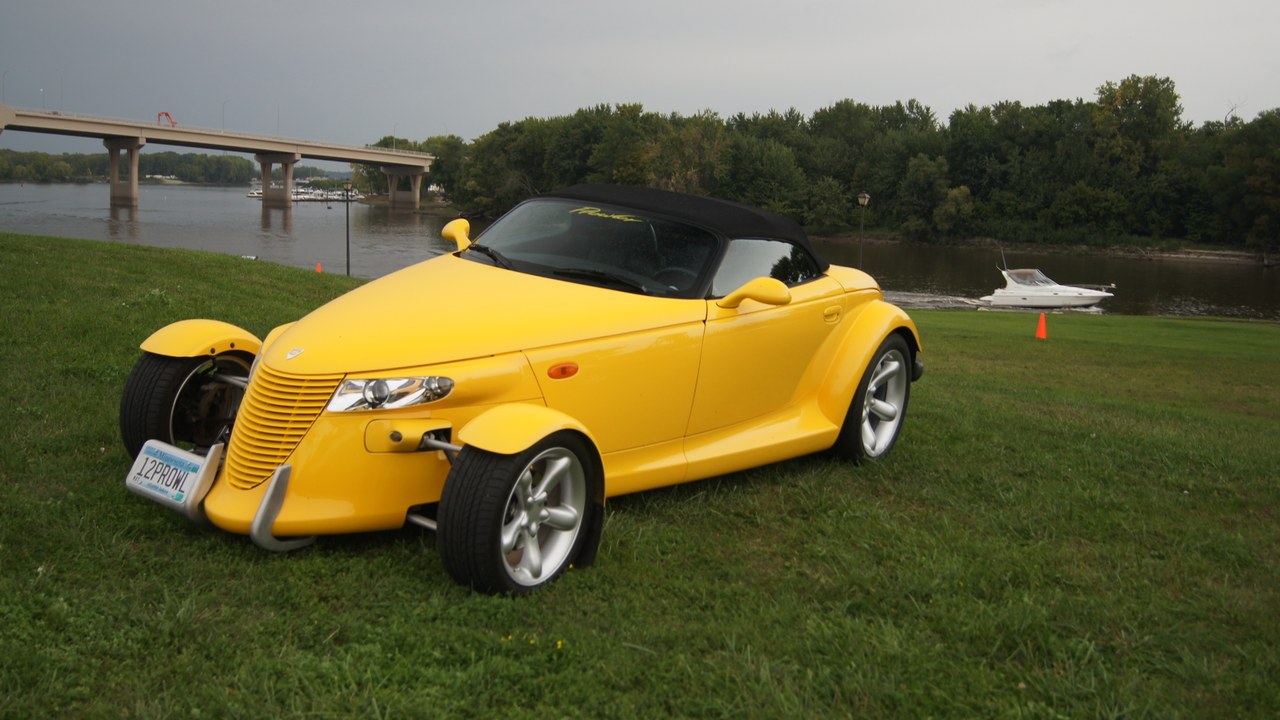
Supercars.net lists the Prowler for 1997 to 2001 and calls it a modern take on 1930s hot rods, with a retro-inspired design. The page counts it among the last models produced by Plymouth.
It remains, in the site’s words, a symbol of the brand’s creativity and willingness to take risks. Production overlapped with the brand’s final years before Plymouth was discontinued on June 29, 2001.
10. Plymouth Satellite: The Intermediate Name of 1965
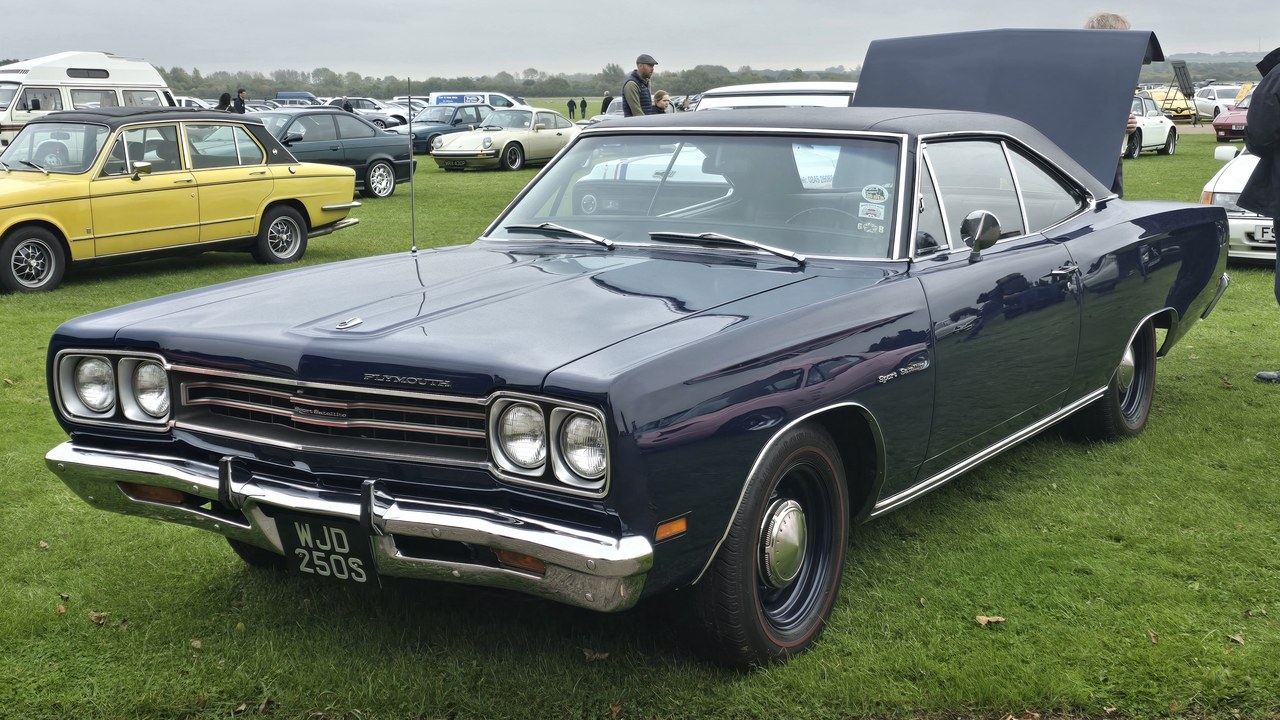
Wikipedia’s Plymouth history records that the intermediate B-body line became the Belvedere and Satellite for 1965. The Belvedere had been the mid-size nameplate on the B-body platform since 1962.
That year the full-size Fury moved to the new C-body platform, leaving the Belvedere and Satellite pair to carry the intermediate class, and the Satellite name stayed in the lineup into the 1970s.
11. Plymouth Savoy: The Line Dropped for 1965
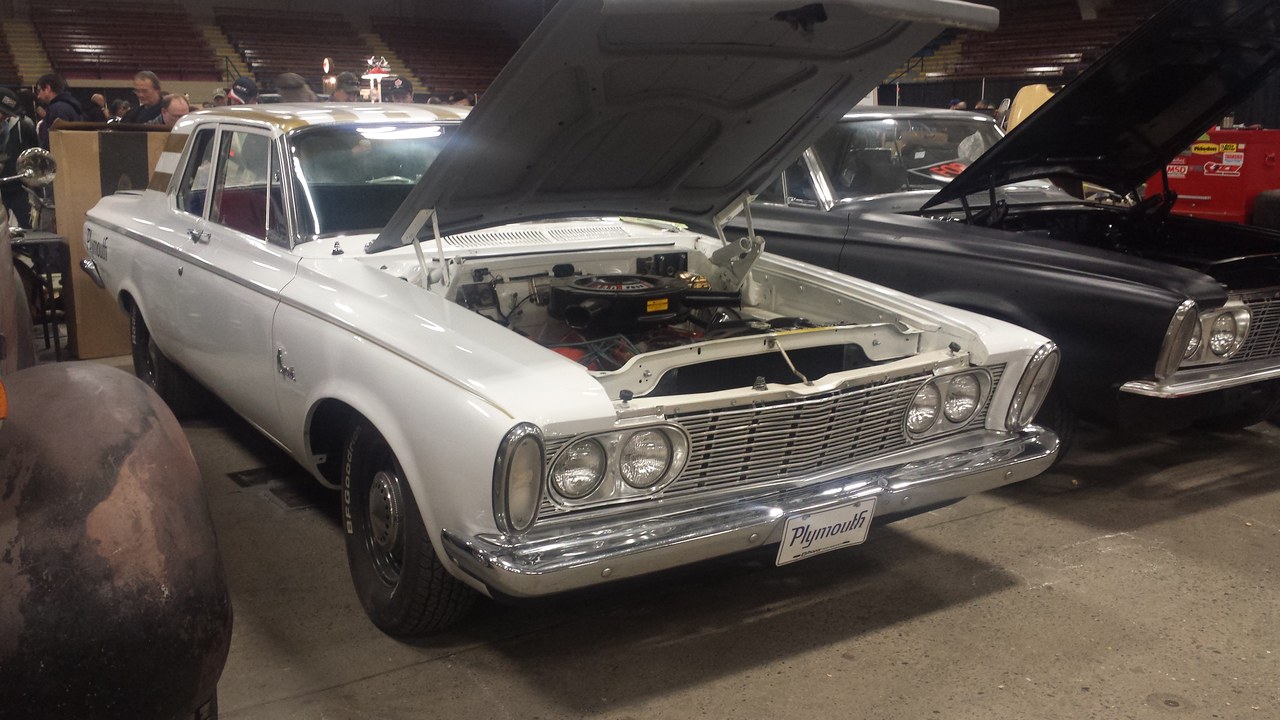
Wikipedia notes that the Savoy line was discontinued when Plymouth’s Fury models moved to the new C-body platform for 1965. The low-end series became the Fury I, the mid-level model the Fury II and the higher-end models the Fury III.
A Sport Fury with bucket seats and a console shifter sat above them. The change ended the Savoy as a full-size trim name, one of the older nameplates that disappeared in the shuffle.
12. Plymouth Volare: The Valiant’s Replacement
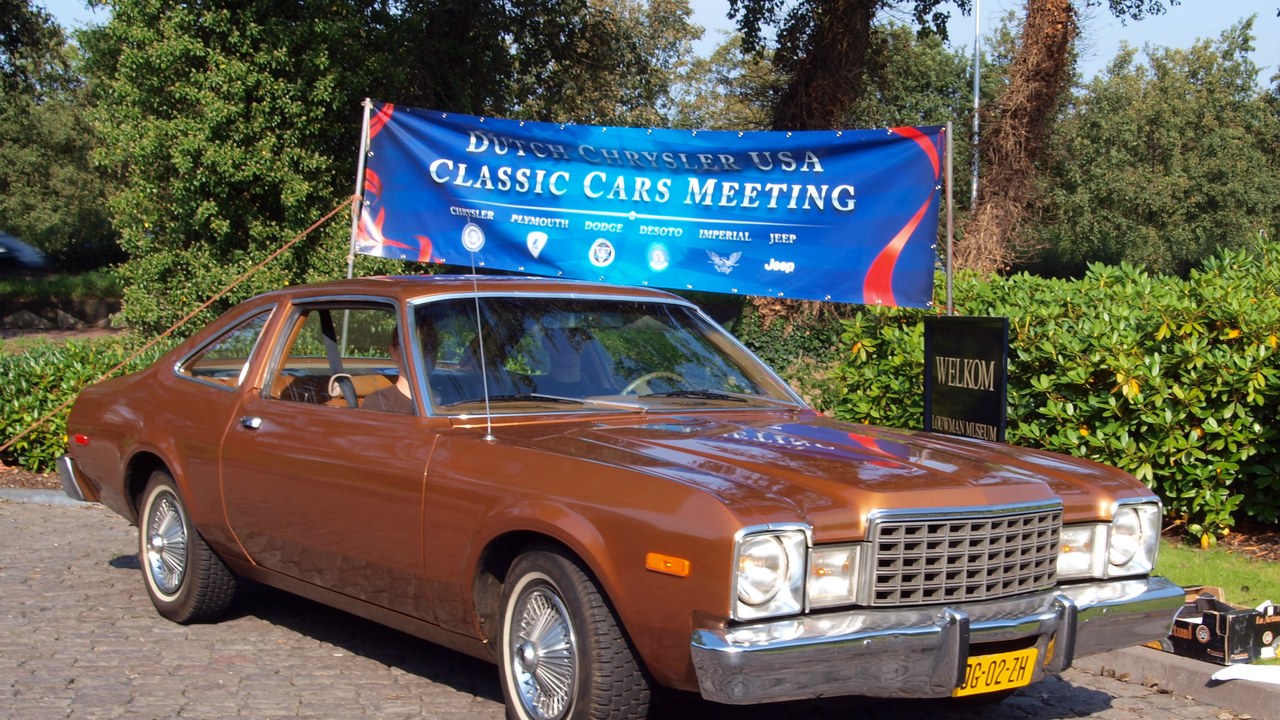
The Volare was launched in 1976, and the Valiant was discontinued at year-end, according to Wikipedia’s Plymouth timeline. The Volare used transverse-mounted torsion bars and a slightly larger body than the car it replaced.
Its run was short: 1980 was the last year for both the Volare and the Road Runner, and the front-drive Reliant replaced them. The page also notes that many Plymouths from the 1970s onward, the Volare among them, were badge-engineered versions of Dodge or Mitsubishi models.
13. Plymouth Horizon: The Front-Drive Subcompact
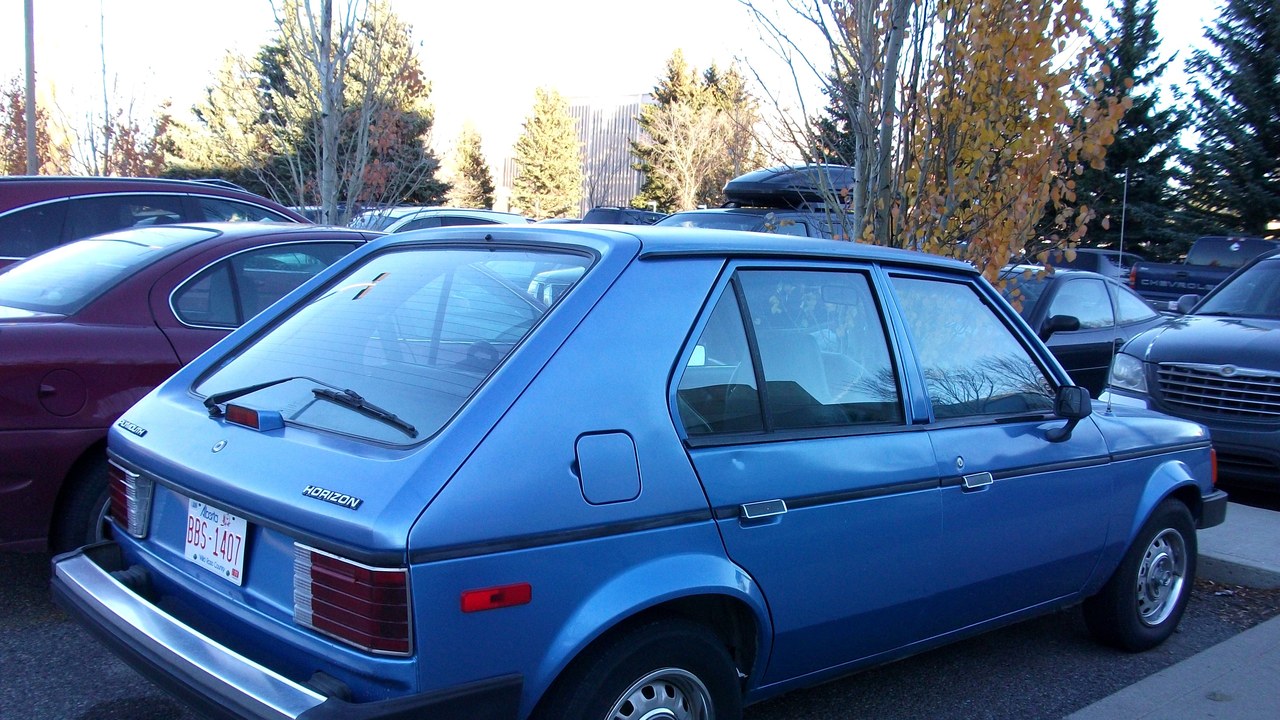
Chrysler introduced the Plymouth Horizon for 1978 as a new front-drive compact twin to the Dodge Omni, based on a Simca platform. Wikipedia says it sold well but suffered from a scathing Consumer Reports review.
The magazine found its handling dangerous in certain situations. Plymouth continued to sell the Horizon until 1987, when a variety of front-wheel drive compacts made up the line.
14. Plymouth Reliant: The First K-Car
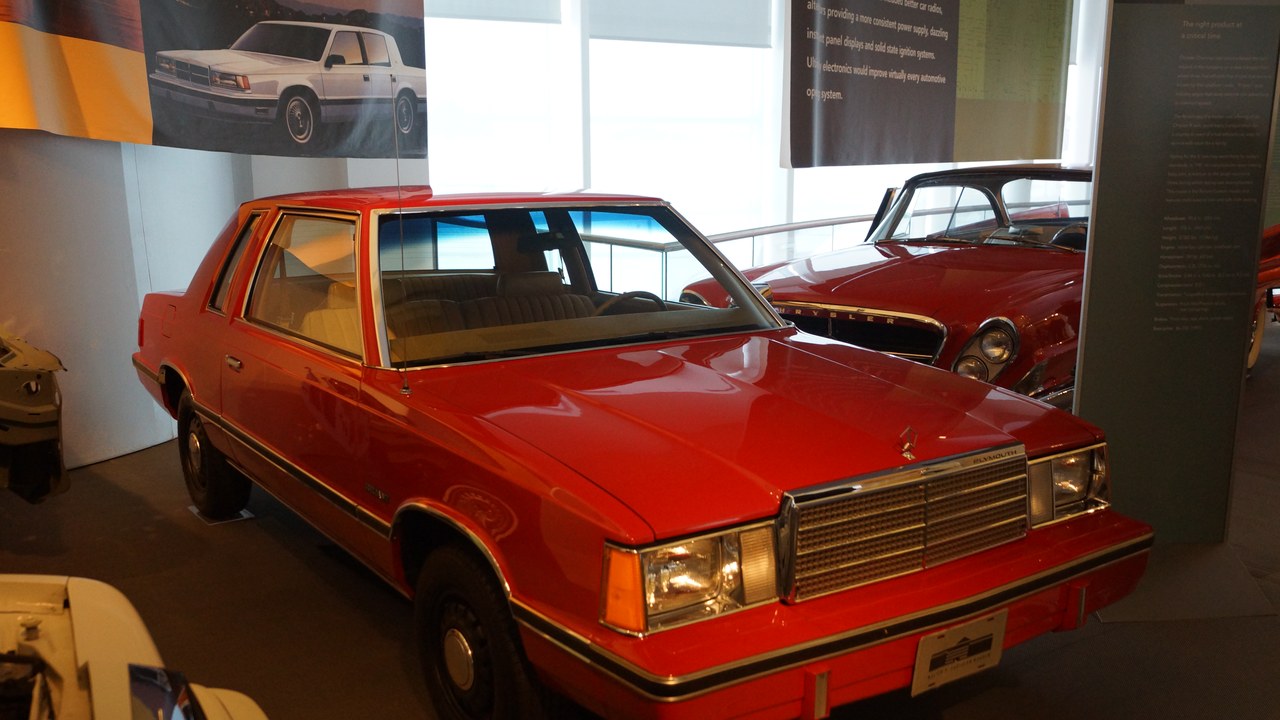
The Plymouth Reliant and Dodge Aries were introduced for the 1981 model year as the first K-cars from Chrysler Corporation. The Reliant came as a two-door coupe, four-door sedan or four-door wagon.
Chrysler marketed the car as able to seat six Americans, and it replaced the Volare and Road Runner. Despite its compact footprint, it kept a traditional bench-seat layout with a column shifter.
15. Plymouth Voyager: The Minivan Under the Plymouth Badge
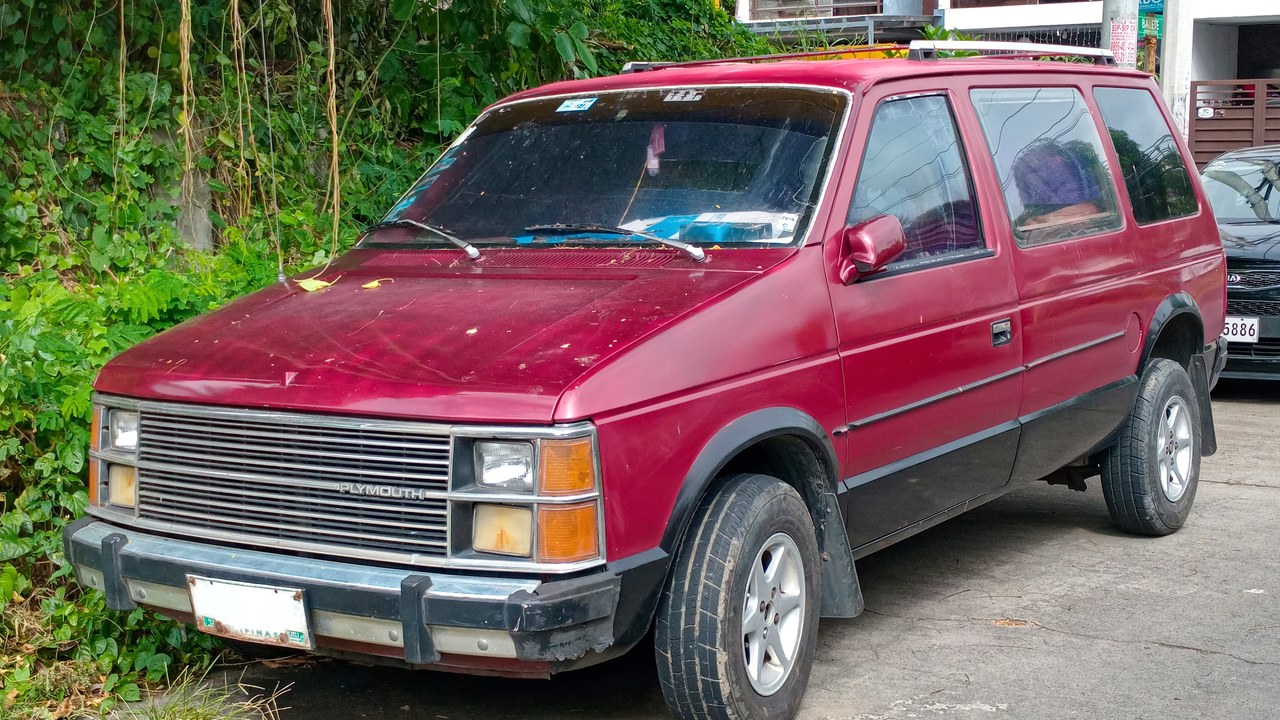
In 1984 Chrysler marketed the rebadged Plymouth variant of its new minivan as the Voyager, using the S platform derived from the K-car. It borrowed pieces of the Reliant, including the instrument cluster and dashboard controls.
The front-drive layout and low floor gave a car-like ease of entry. A longer Grand Voyager arrived in May 1987, and the Voyager was among the last Plymouth models, later absorbed into Chrysler.
More from Morning Overview
- Tesla’s Cybercab is finally for sale to select buyers, but it only drives with a $299 monthly plan
- Student pilots are stuck with nearly 60-year-old T-38 jets that work only half the time
- A dangerous unpatched Windows exploit is now public and can hand attackers full control
- The FCC cut eight phone companies off the network for ignoring robocall traces
