
Chevrolet grew through the 1950s and 1960s into one of North America’s largest and most successful brands, and a handful of models did much of the work. They range from the V-8 Bel Air and the first Corvette to work pickups, compacts and GM’s answer to the Mustang. Here are thirteen Chevrolets that built that rise.
Read next on Morning Overview: Student pilots are stuck with nearly 60-year-old T-38 jets that work only half the time
1. Chevrolet Bel Air: The Tri-Five Sales Surge
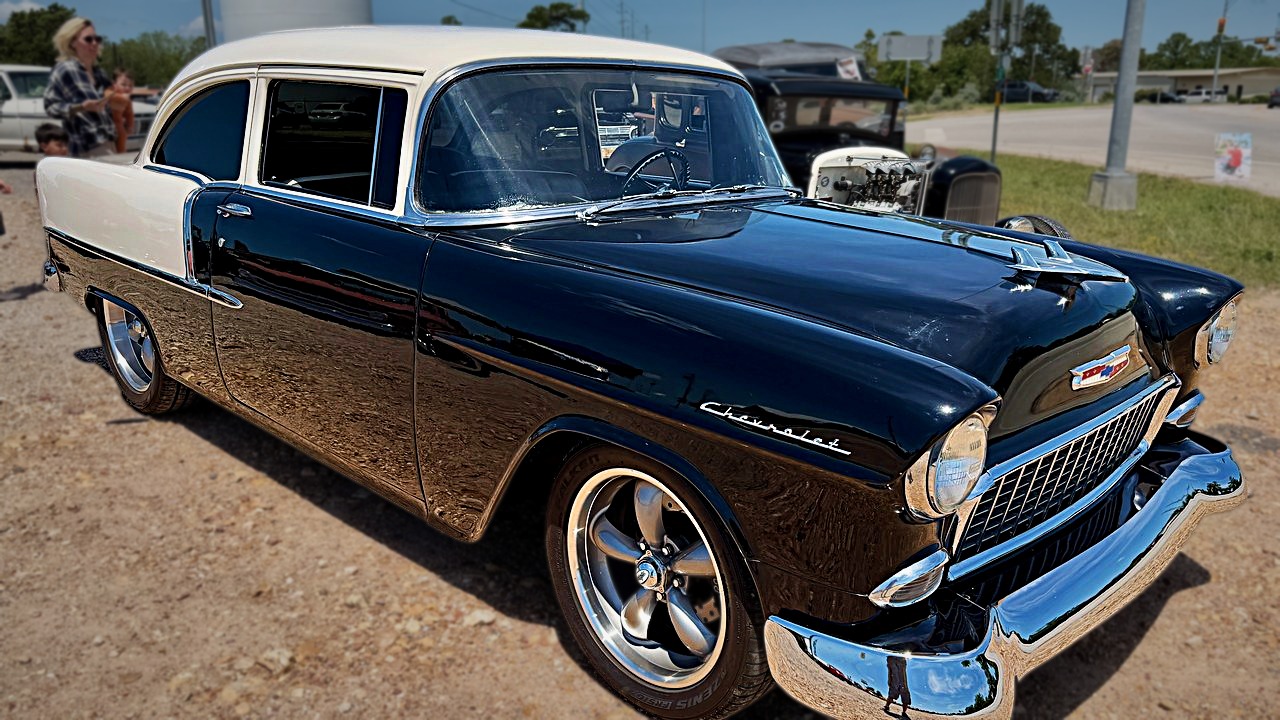
In 1955 Chevrolet sold 1.8 million cars across its 150, 210 and Bel Air lines, a 64 percent jump over 1949, according to Hagerty’s Tri-Five buyers guide. The Bel Air name had arrived as a trim level in 1950, and by 1955 it topped the range with carpet, chrome headliner bands, fender spears and an egg-crate grille.
That year also brought the small-block V-8, a modern overhead-valve design that became a smash hit among racers, and a Bel Air served as the Indianapolis 500 pace car. Hagerty calls the 1955 to 1957 cars an icon within the three years they were available.
2. Chevrolet Nomad: The Top-Shelf Wagon
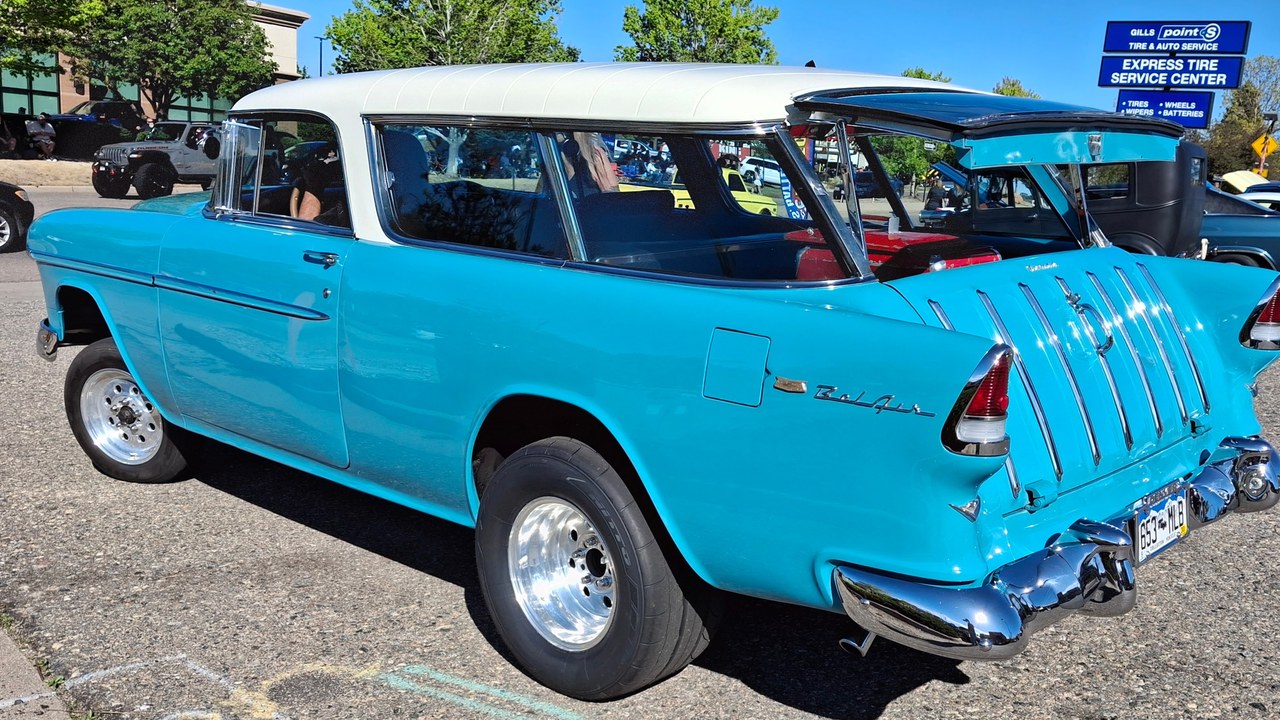
The two-door Nomad wagon sat at the top of the 1955 Bel Air line, alongside the two-door sedan, four-door sedan and Sport Coupe, as the Tri-Five buyers guide lays out. Designer Carl Renner focused much of his attention on the Nomad when he joined the Chevrolet styling studio in 1951.
The wagon differed sharply from its Bel Air siblings. It shared only front fender and door trim with the rest of the family, carried fully radiused rear wheel openings for 1955 only, and used the same frameless door glass as the two-door coupe and four-door hardtop.
3. Chevrolet Impala: Fins, Wings and Cat-Eye Lamps
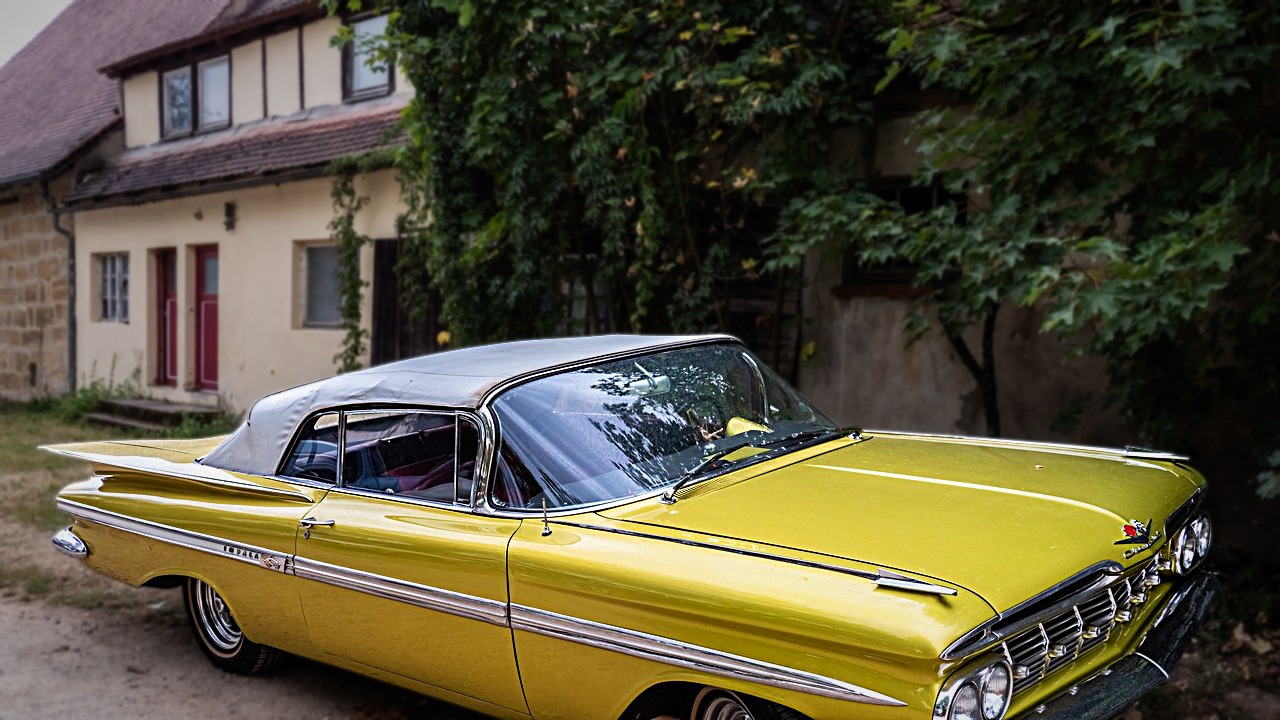
Chevrolet gave the Impala its own model status for 1959. It had been a Bel Air trim in 1958, and the redesign made it longer, lower, wider and heavier, with a wide-open greenhouse of glass. Hagerty’s Impala valuation report puts an excellent-condition 1959-60 car at $49,800, up 27 percent since 2018.
The two years carry the boldest fins ever fitted to a Chevrolet. The 1959 has gracefully curved fins and cat-eye taillights, while the 1960 uses angular fins and simple round lamps. Buyers could choose an inline-six, a 283-cubic-inch small-block V-8 or a 348-cubic-inch big-block.
4. Chevrolet Corvette: A Slow Start, Then the V-8
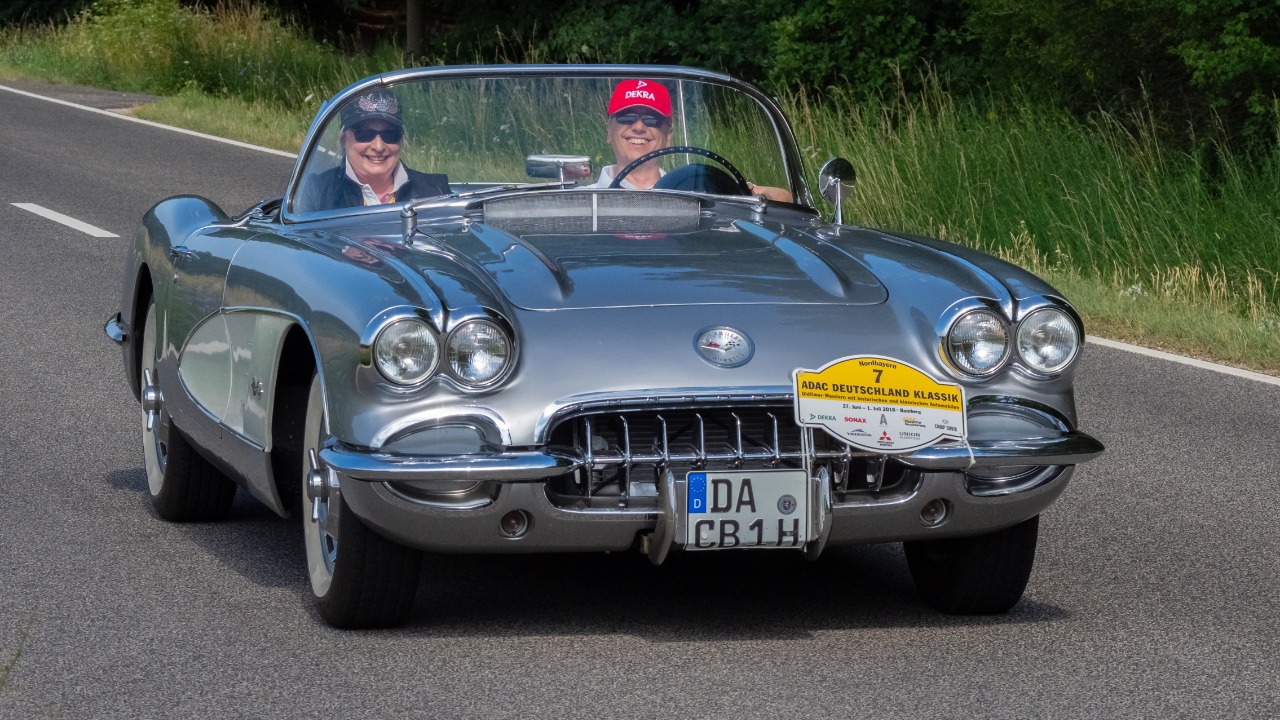
The original Corvette arrived in 1953, offered only as a convertible, and was less popular than Chevrolet had hoped until the small-block V-8 became available in 1955, as Classic & Sports Car recounts. Customer interest rose rapidly from then on.
That first generation stayed in production for nine years. The magazine calls it the start of a very big story, since Chevrolet still builds Corvettes today. Every current version is V-8 powered, though the layout recently changed from front-engined to mid-engined.
5. Chevrolet C/K: A Letter and a Number
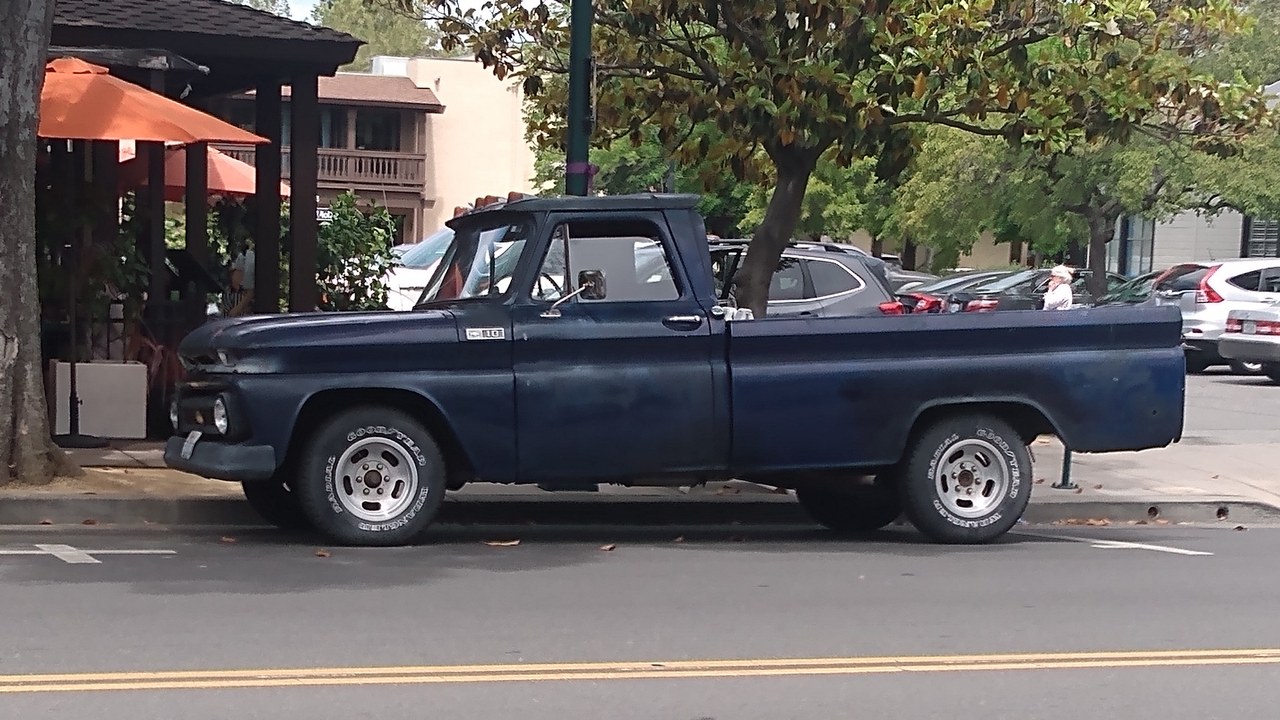
The C/K trucks arrived at the close of the 1950s, sold by both Chevrolet and GMC, and at first kept the wraparound windscreen of the Task Force trucks but very little else, according to Classic & Sports Car. No single vehicle was ever sold as a C/K.
Models were known by a letter and a number, with C used for rear-wheel-drive trucks and K for four-wheel drive. Several body styles were offered with six-cylinder engines or the small-block V-8, and C/Ks also formed the basis of the Suburban for several years. The line ran four generations until 2002.
6. Chevrolet Chevelle: Ford’s Fairlane Met Its Match
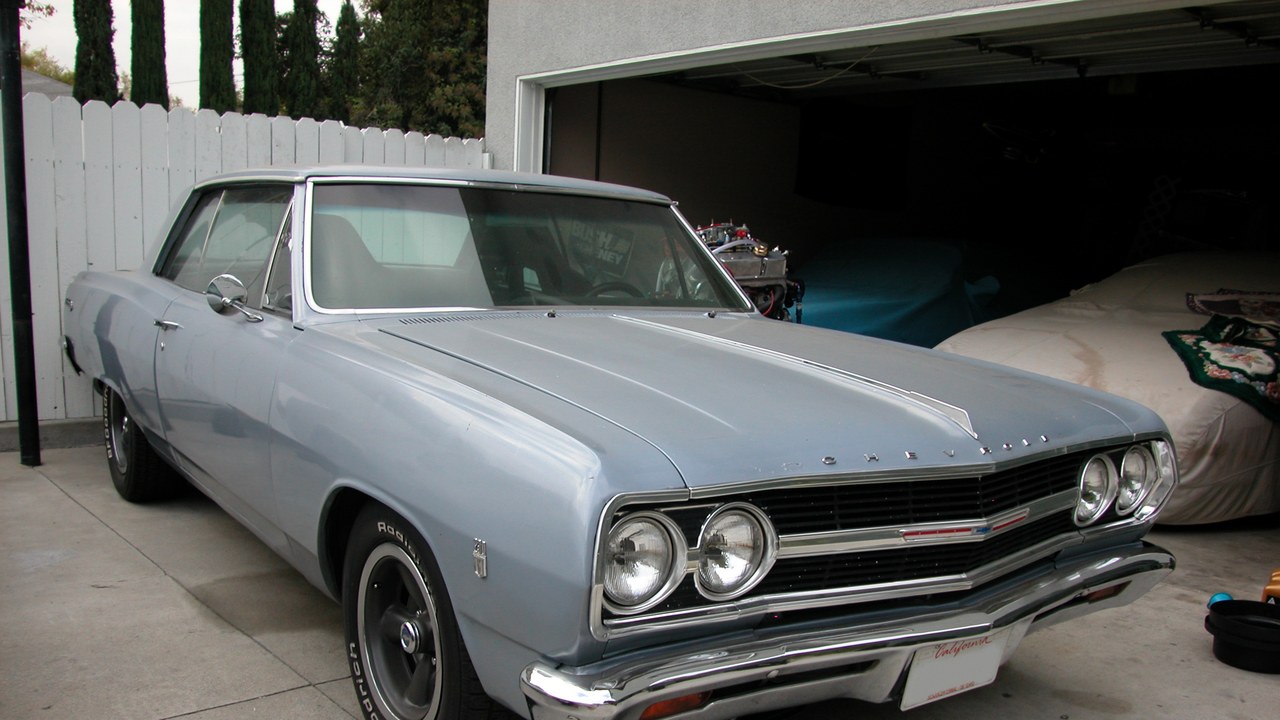
One size larger than the Chevy II, the original Chevelle of 1964 was Chevrolet’s answer to the fourth-generation Ford Fairlane, launched in 1962. It quickly became a hit, and Classic & Sports Car notes that annual production passed 400,000 before its four-year lifecycle ended.
That was about 100,000 more than the rival Ford. Straight-six and V-8 engines were available, but the Chevelle truly became a muscle car when Chevrolet fitted a 6.5-litre big block to the SS 396 version.
7. Chevrolet Caprice: The 100 Millionth GM Car
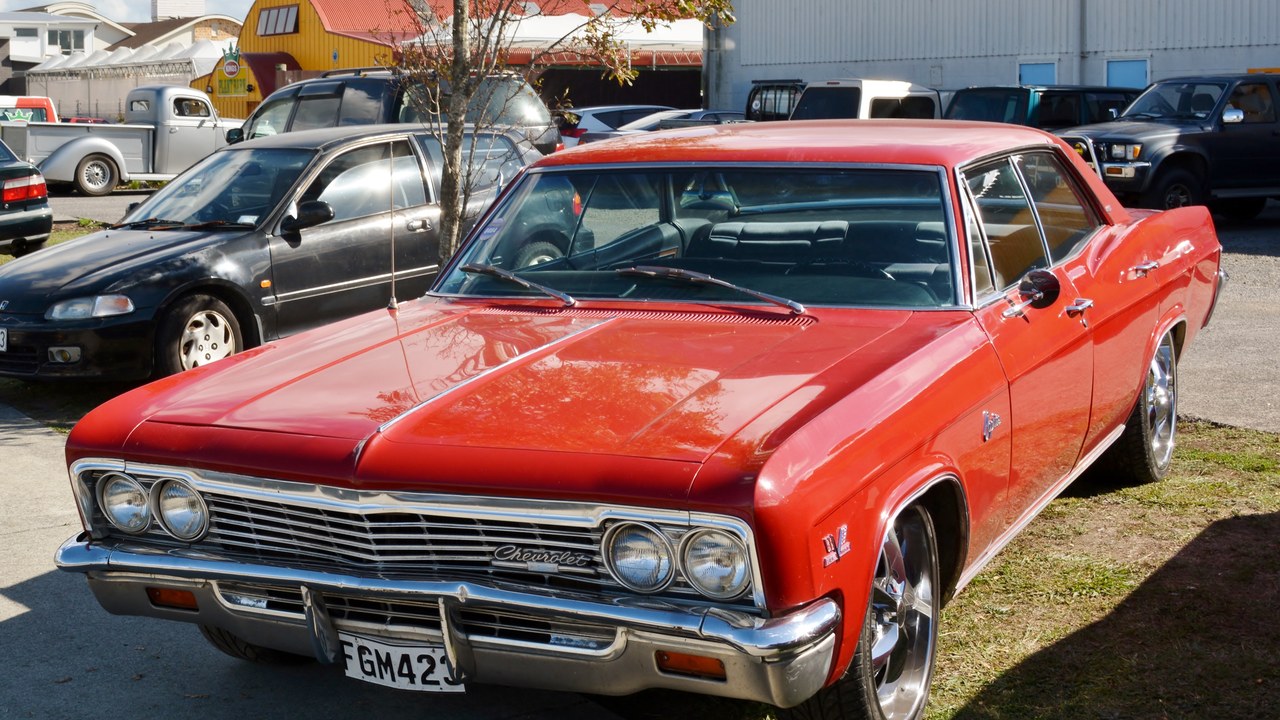
The Caprice name first appeared in 1965 on an optional luxury package for the Impala. A year later it became a model in its own right, the ultimate full-size Chevrolet of its day, as Classic & Sports Car describes, offered as a coupe, a four-door hardtop or an estate with a variety of V-8s.
Sales trailed the Impala, though the magazine notes that sales of everything trailed the Impala. The first-generation Caprice earned a milestone in April 1967, when the 100 millionth General Motors car built in the United States left the Janesville assembly plant in Wisconsin.
8. Chevrolet Camaro: GM’s Late Pony Car
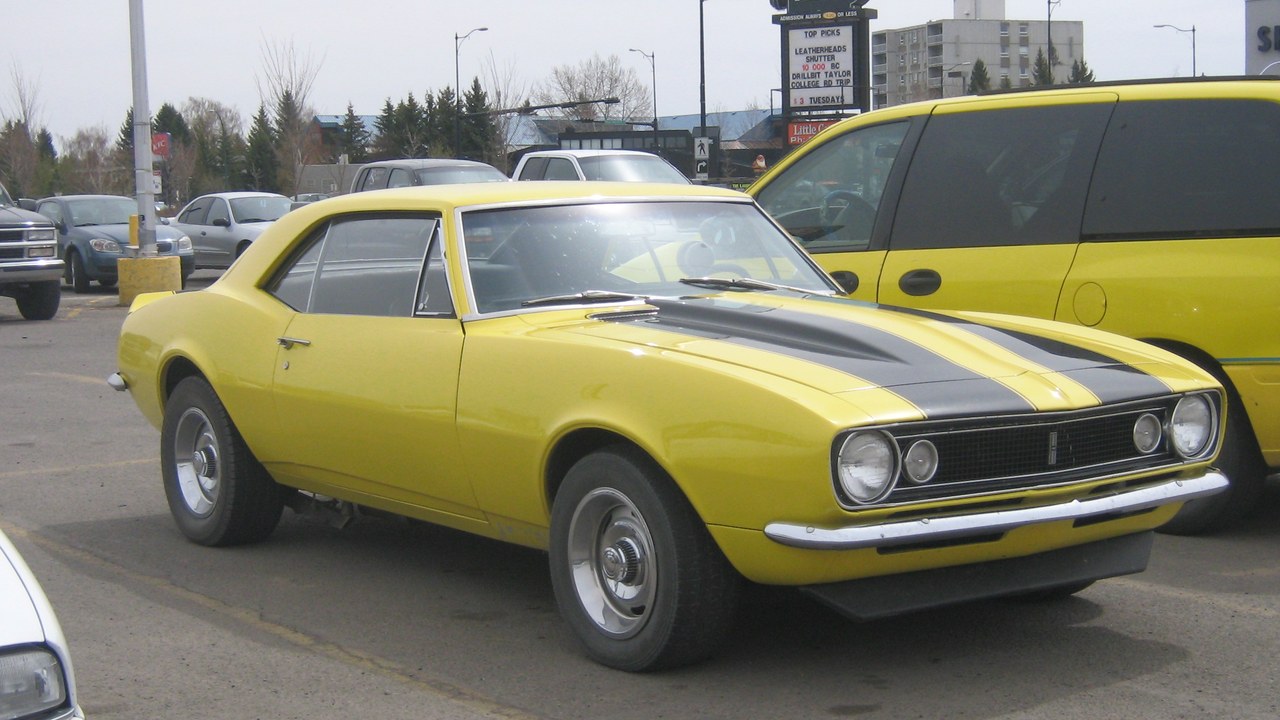
General Motors was a relatively late entry in the pony car class, which is generally agreed to have been established in 1964 by the Plymouth Barracuda. Classic & Sports Car notes that the first Camaro arrived two years later as a compact, sporty coupe or convertible.
It immediately became a serious rival to the Ford Mustang, and the magazine observes that it still is more than half a century on. The ultimate first-generation version was the Z28, whose 4.9-litre V-8 was officially rated at 290 horsepower, though the real output is believed to have been higher.
9. Chevrolet Cameo Carrier: The Gentleman’s Pickup
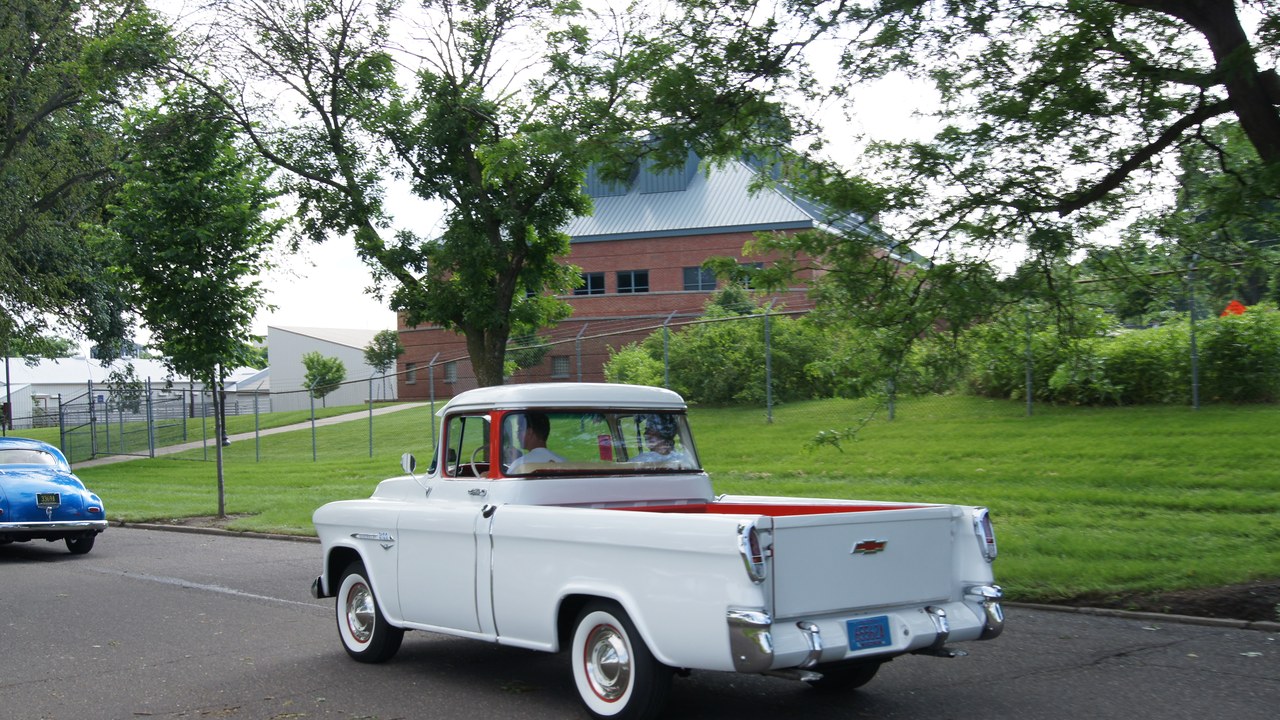
When the Cameo Carrier arrived in 1955, Chevrolet showed that a truck could be more than a tool for hauling. SlashGear’s Chevrolet roundup describes the stylish “gentleman’s pickup,” built with luxury features usually found only in premium cars, and painted in Bombay Ivory on every cab.
Chevrolet borrowed trim from its cars, including chrome taillights from the 1954 Bel Air and 1955 Bel Air hubcaps on wide whitewall tires. The bed interior was painted red, and buyers could order a radio, power steering and even carpeting. A 235-cubic-inch six was standard, with a 265 V-8 optional.
10. Chevrolet Corvair: Sales Peak, Then Collapse
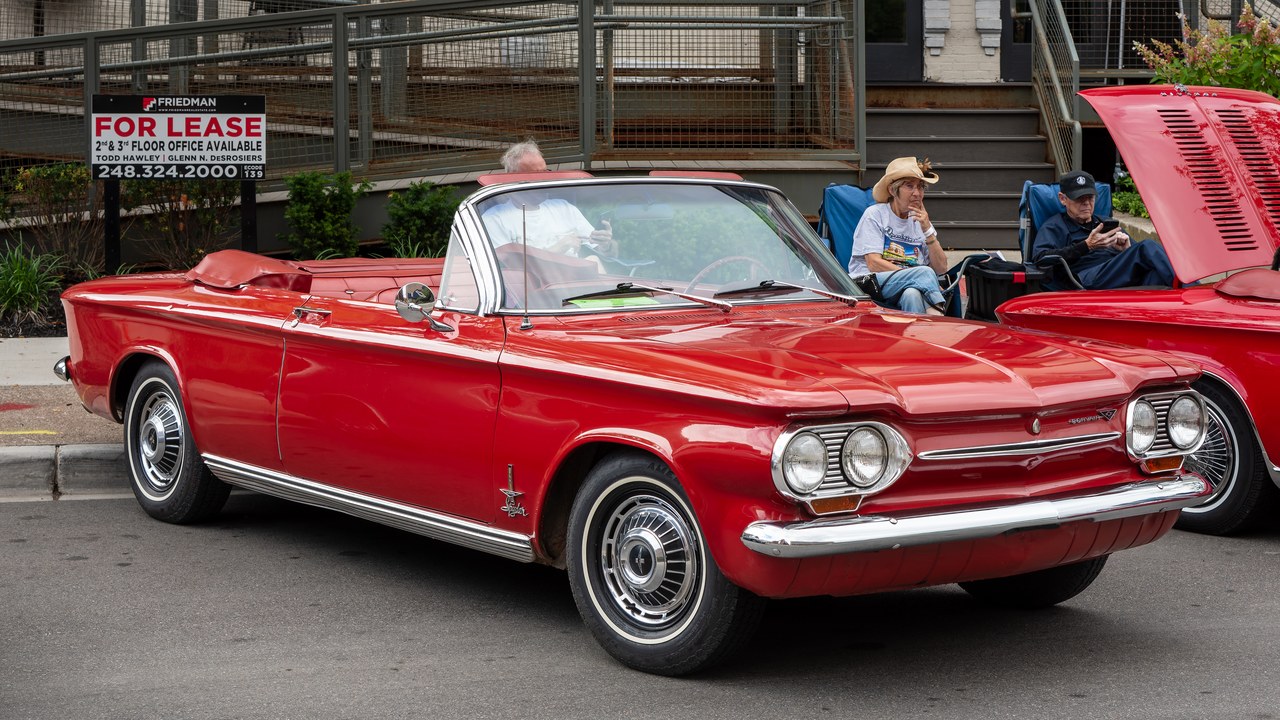
Built to take on the Ford Falcon, Plymouth Valiant and Volkswagen Beetle, the Corvair offered features rare in American cars. SlashGear’s Chevrolet roundup notes it was GM’s first mass-produced unit-body vehicle in the US and the first domestic car with a mass-produced air-cooled engine.
Corvair sales in 1960 exceeded 250,000, third among compacts behind the Falcon and Rambler. They stayed strong through 1965, fell to 103,743 in 1966 and dropped to only 6,000 in 1969, the last year. The Barracuda and Mustang sealed its fate, and Ralph Nader’s book Unsafe at Any Speed also dogged the model.
11. Chevrolet El Camino: A Car With a Pickup Bed
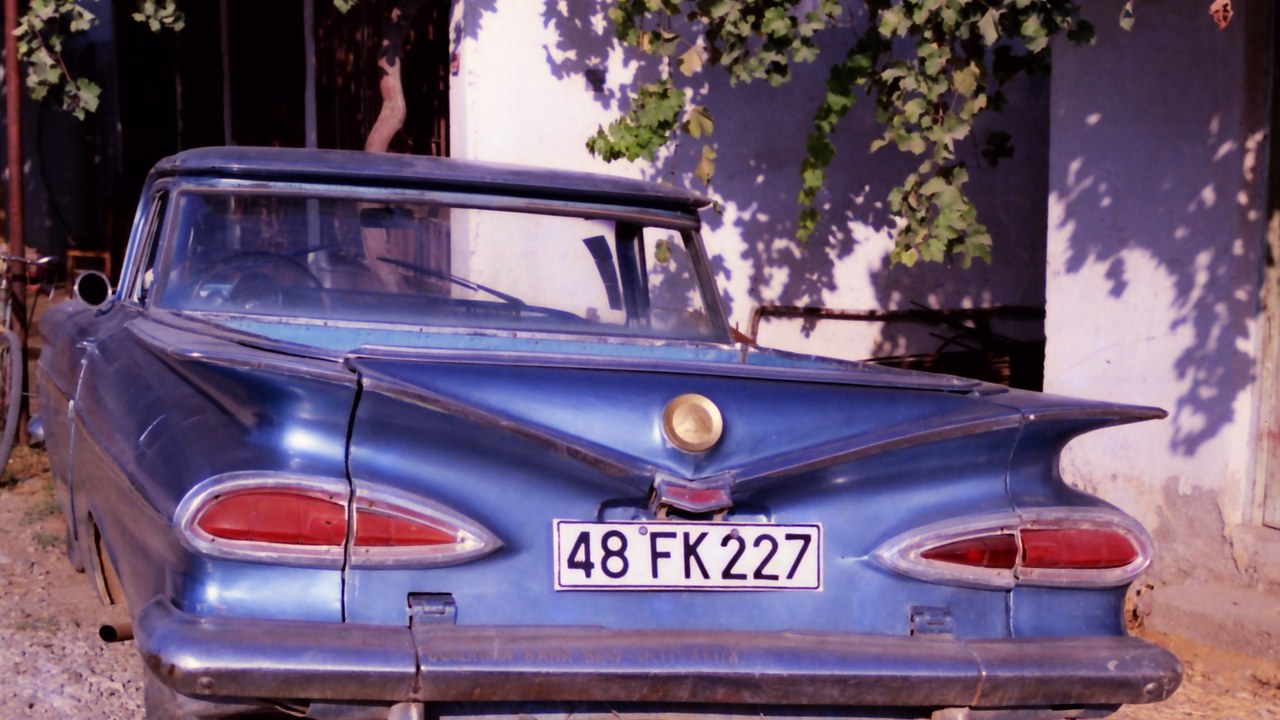
Introduced in 1959, the El Camino was one of the first hybrid vehicles in automotive history, according to SlashGear’s Chevrolet roundup. It was produced from 1959 to 1960 and again from 1964 to 1987, a car-based utility coupe with a cargo bed built into the body.
Classic & Sports Car stresses that the first-generation El Camino was related to the Bel Air rather than being a converted truck like the Cameo Carrier. It lasted only two model years, but the idea was strong enough for Chevrolet to revive it in 1964.
12. Chevrolet Nova: A Compact in Sheep’s Clothing
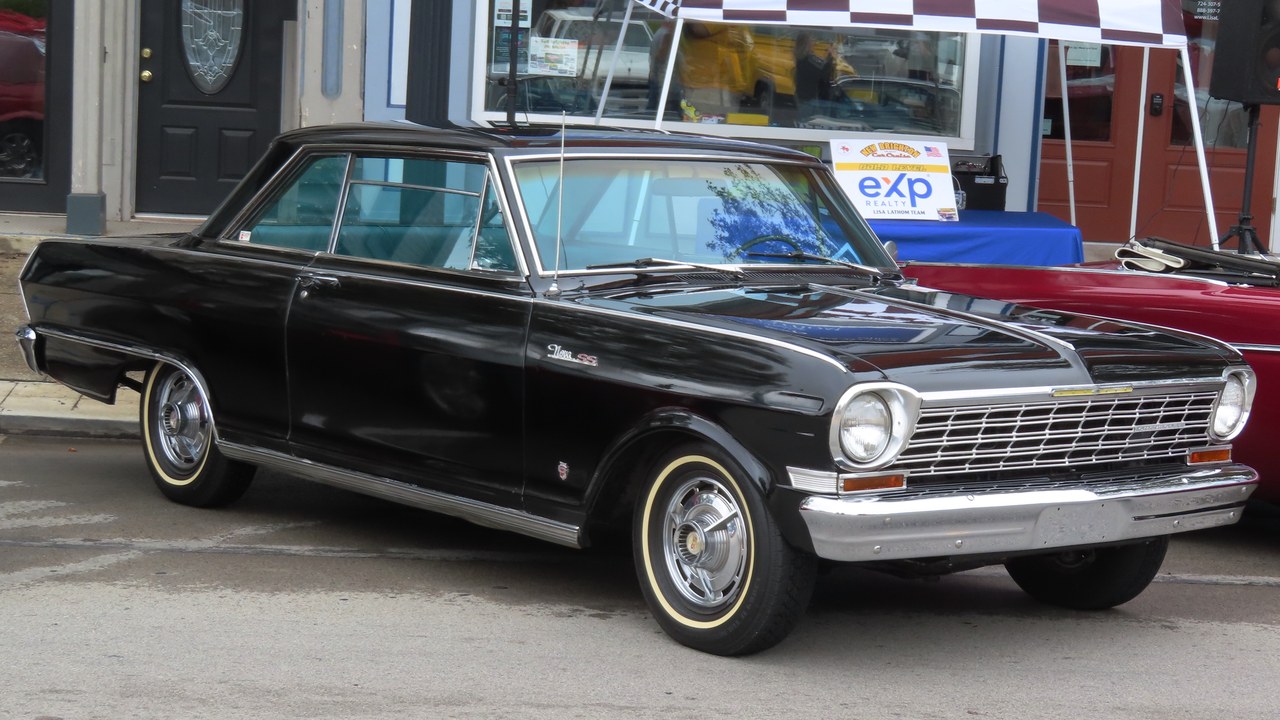
Chevrolet launched the compact Chevy II in 1962 to compete with the 1960 Ford Falcon, and a higher-performance Nova 400 arrived alongside it. By 1964 the Nova had started to behave like a muscle car, as SlashGear’s Chevrolet roundup explains, with 283 small-block V-8 options.
For 1965 a 327-cubic-inch V-8 added up to 300 horsepower. Paired with a close-ratio four-speed, the Nova reached 60 mph in 6.3 seconds, 100 mph in 18.7 seconds and covered the quarter mile in 15 seconds. The Super Sport package added bucket seats, a center console and a floor shift.
13. Chevrolet Corvette Sting Ray: The One-Year Split Window
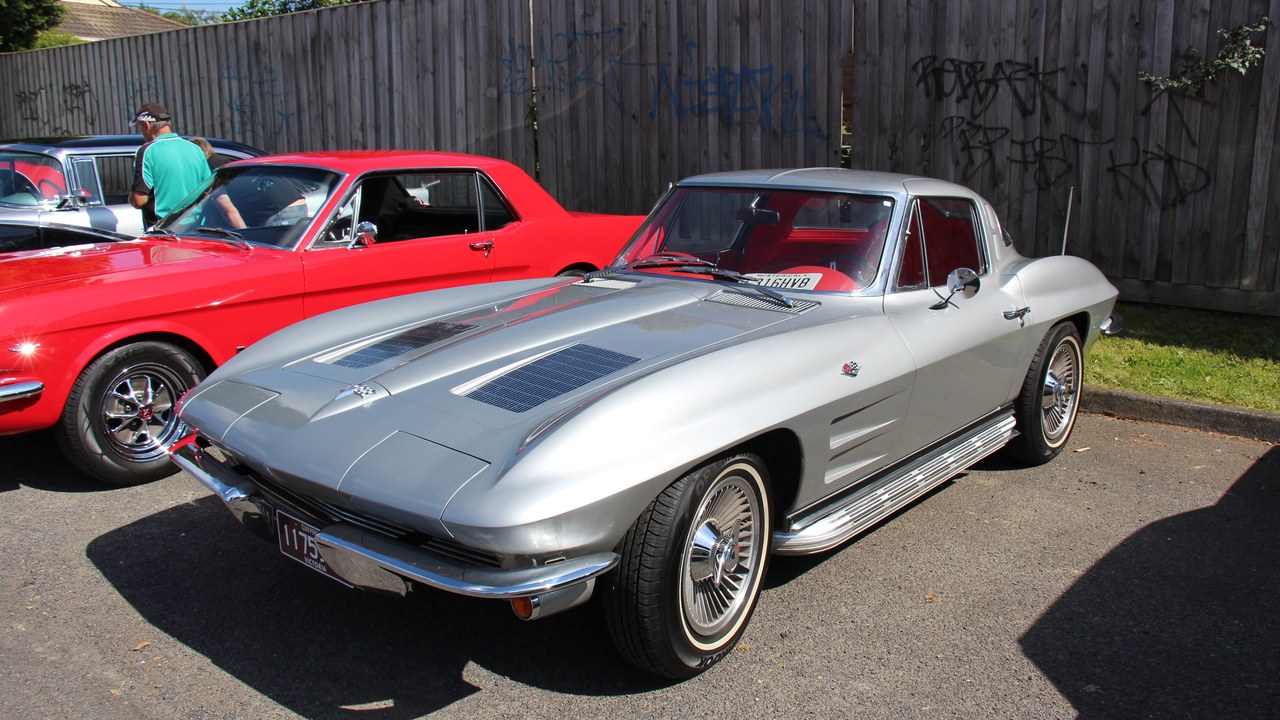
The 1963 Corvette Sting Ray was the only model year in Corvette history with a split rear window, according to SlashGear’s Chevrolet roundup. It kept the 327-cubic-inch V-8 of the previous year, rated at 250 horsepower, with 300, 340 and fuel-injected 360 horsepower versions above it.
Buyers complained that the center pillar blocked their view to the rear. Some owners replaced the two panes with a single piece of glass, and some dealerships offered to make the change. For 1964 Chevrolet fitted single-piece glass only. Classic & Sports Car adds that this was the first Corvette named Sting Ray.
More from Morning Overview
- Hackers broke into Japan’s Fugaku supercomputer and stole the SSH keys of its users
- Windows 11 is now installing its 26H2 update on home PCs by itself
- Arizona declared a statewide emergency after storms and floods battered homes and roads
- Tesla’s Cybercab is finally for sale to select buyers, but it only drives with a $299 monthly plan
