
Many everyday safety and comfort features had to debut somewhere. Seat belts, automatic transmissions, alternators, turbochargers and sequential turn signals all first appeared on specific cars between the late 1930s and the late 1960s. Here are thirteen classic cars that rolled out new safety and comfort tech.
Read next on Morning Overview: A dangerous unpatched Windows exploit is now public and can hand attackers full control
1. Chrysler Imperial: Three Firsts Under One Badge
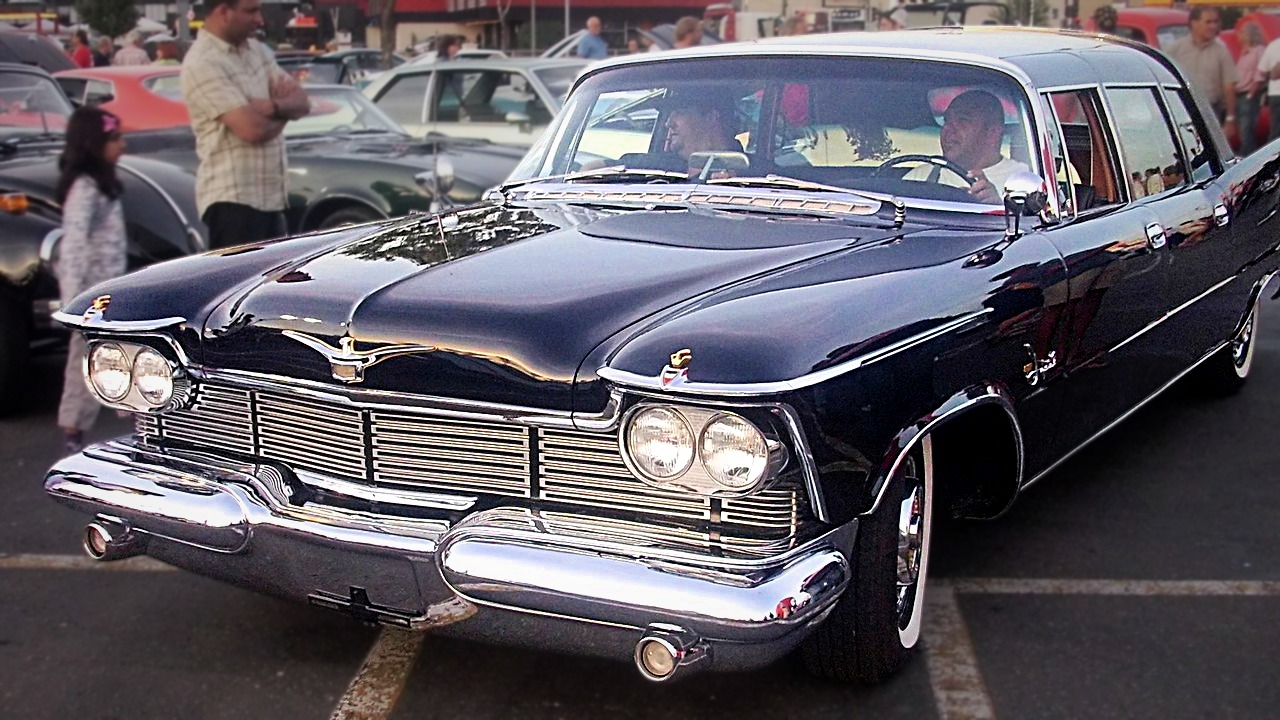
The Imperial carried several comfort firsts, and Goodwood’s roundup of 1950s innovations credits it with the first all-electric window system in 1951, which used four small electric motors. The same year it was offered with the first commercially available power steering, called Hydraguide. In 1958 the Imperial, newly split from the main Chrysler brand into its own entity, introduced the Speedostat system, now known as cruise control.
Air conditioning followed in 1953, when Chrysler introduced the Airtemp system in the Imperial. General Motors, Ford and Chevrolet introduced similar electric window systems in 1954. Cadillac, not Chrysler, was the first manufacturer to coin the term cruise control.
2. Nash Ambassador: The First Seat Belts
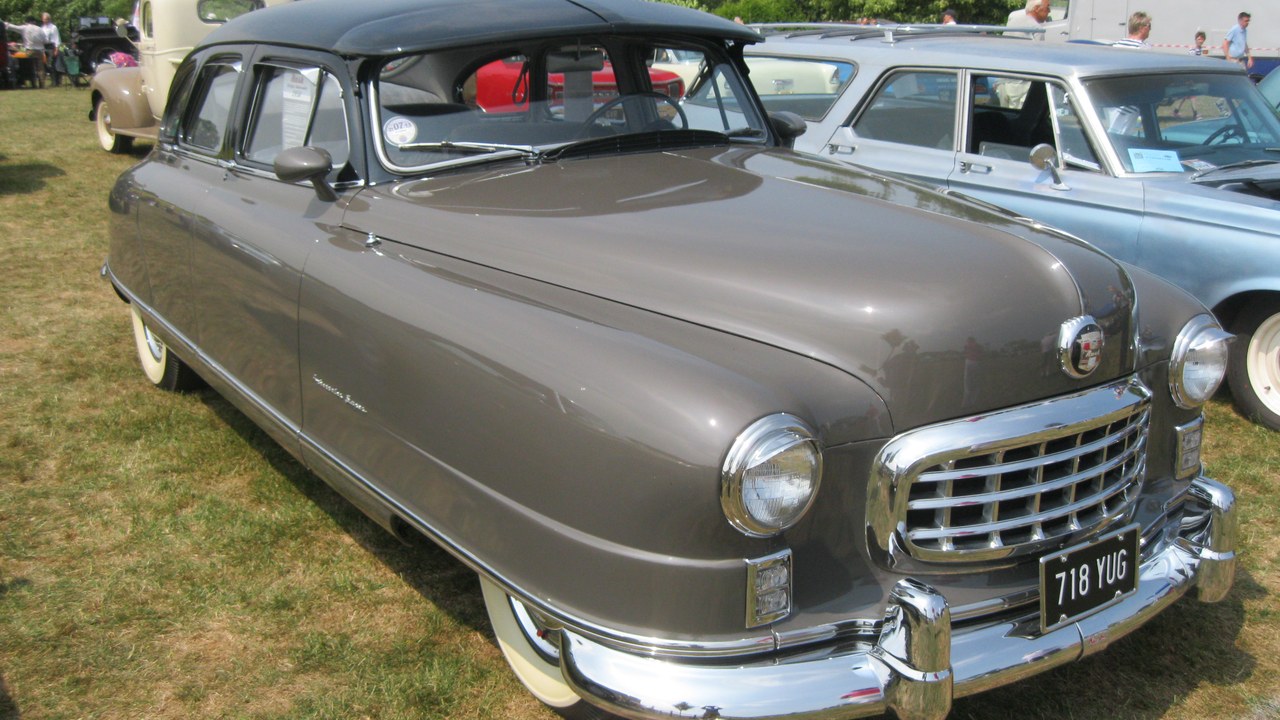
Beginning in 1950, Nash became the first auto manufacturer to offer seat belts, according to Old Cars Weekly, and the Ambassador stands in here for the make. Physicians had recommended belts in the 1930s, equipping their own cars with lap belts and urging manufacturers to provide them in all new cars.
Nash was also early on comfort. Goodwood reports that in 1954 Nash and Pontiac moved air conditioning to the front of the car, and that the Nash system was the first to combine a heating element with the air conditioning in a single unit. That layout became the blueprint for systems still broadly in use today.
3. Ford Fairlane: The Lifeguard Gamble
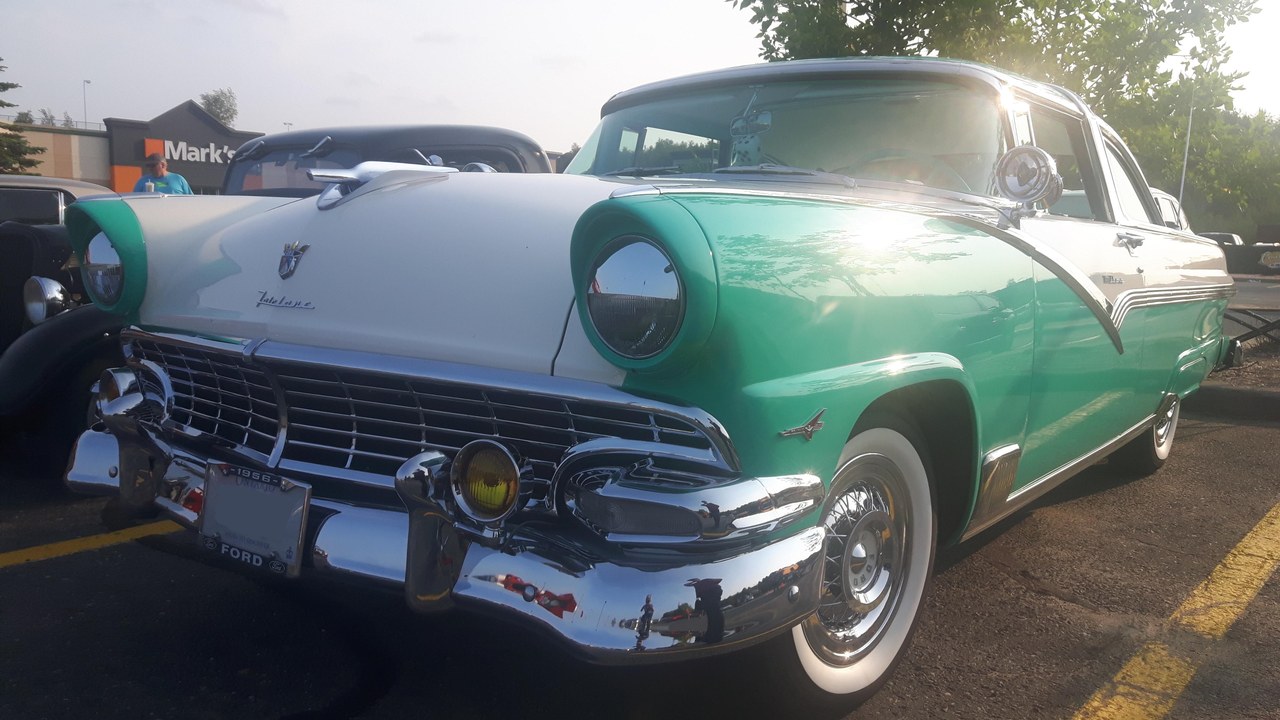
For the 1956 model year, Ford general manager Robert McNamara chose to emphasize safety under the banner of Lifeguard Design, as Old Cars Weekly explains. The option group included seat belts and a padded dash. The equipment resulted from a two-year study with Cornell Medical College, the American College of Surgeons, and the National Safety Council. The Fairlane stands in here for the Ford line.
Promotion included test films of crash-test dummies slamming into windshields. The effort was futile, because most buyers did not want to spend money on belts and a padded dash. Ford nevertheless kept offering the optional safety equipment until the federal government made it mandatory.
4. Chevrolet Bel Air: Belts Few Buyers Ordered
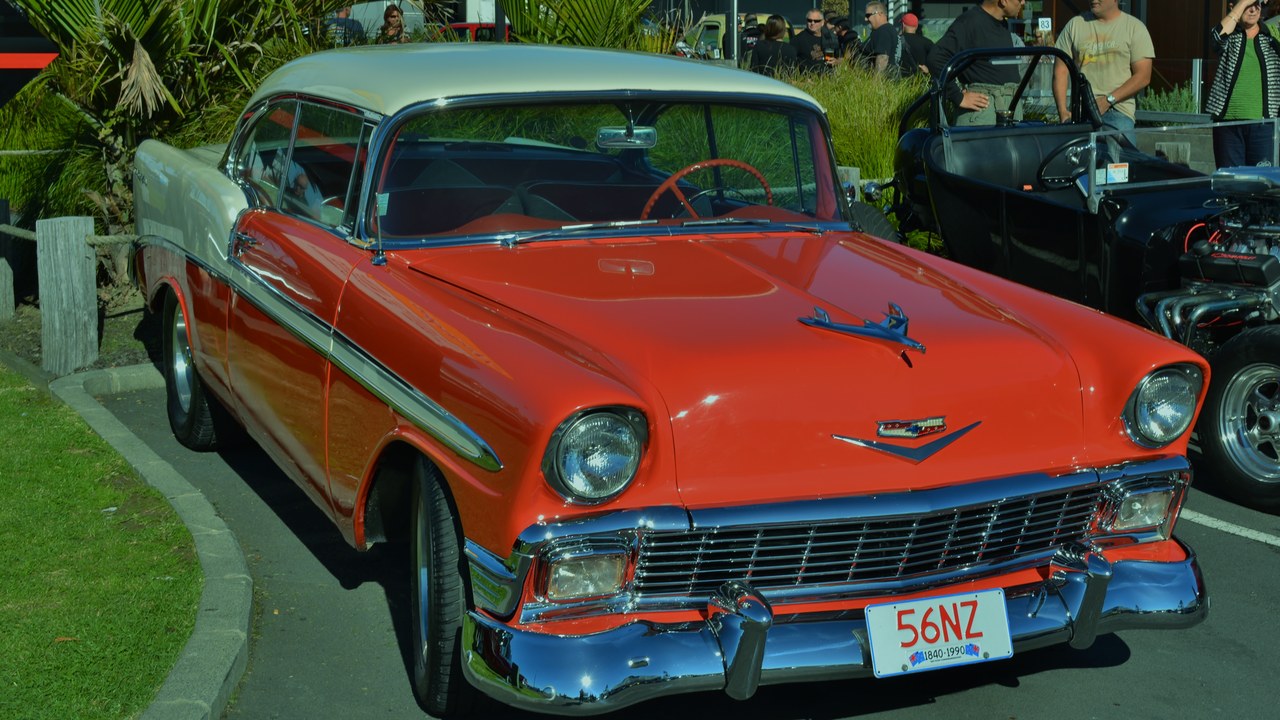
Chevrolet offered both lap belts and shoulder belts for front and rear passengers starting with the 1956 model year, yet few Chevy cars had even the lap belts. Seat belts and a padded dash were available as separate options but were not heavily promoted, partly from a fear that advertising them would imply the cars were unsafe.
At least one 1956 Bel Air, a two-door hardtop with the special-order dual-quad 225-hp Corvette engine, was fitted with the optional front shoulder harnesses, and that car still exists. General Motors had spent two years developing its belts before offering them as an option in 1956.
5. Volvo Amazon: The Three-Point Belt
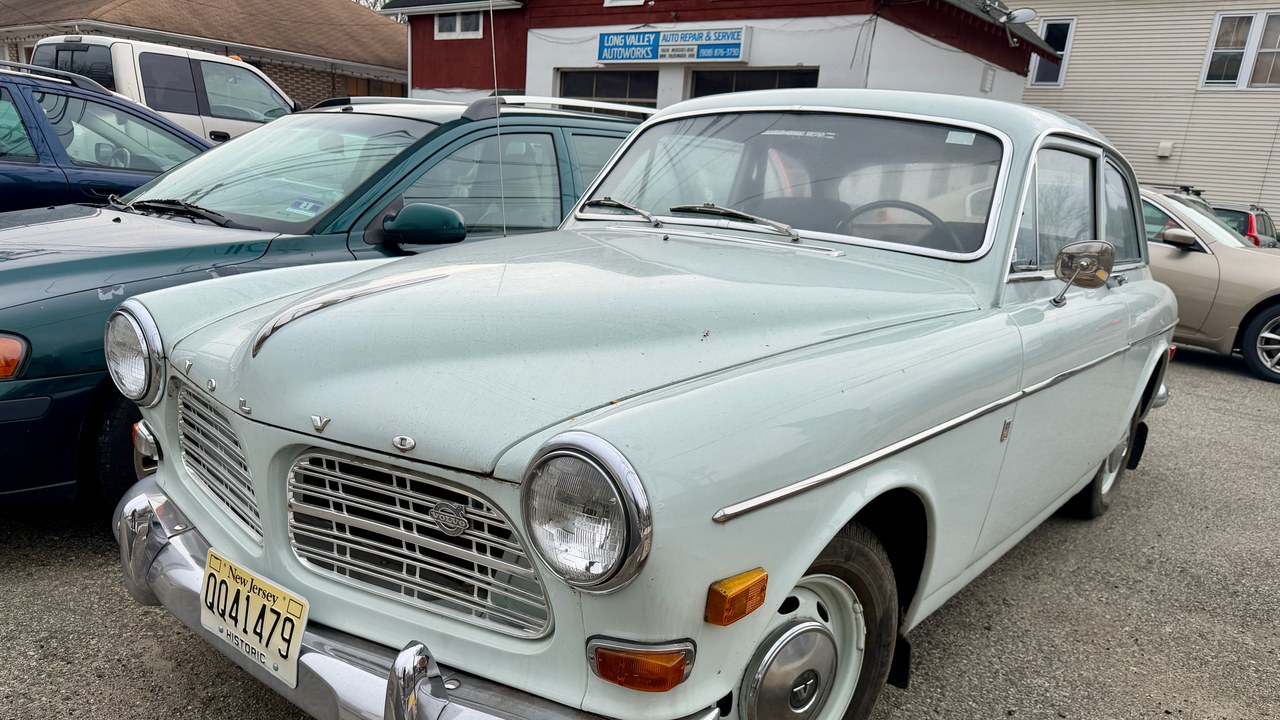
Goodwood’s list of 1950s innovations calls the three-point seat belt one of the most important safety advances of all time and says it first featured on the Volvo 122, known as the Amazon or Amason. The article dates the feature to 1959. It was a progression from the two-point lap belt first used in 1910, intended to spread impact energy across the shoulders, chest and pelvis.
The design was invented by Nils Bohlin, who had previously worked on ejection seats at Saab. The benefits were obvious, and it was not long before Volvo made the design available for all manufacturers to use for free.
6. Oldsmobile Series 60: The First Mass-Produced Automatic
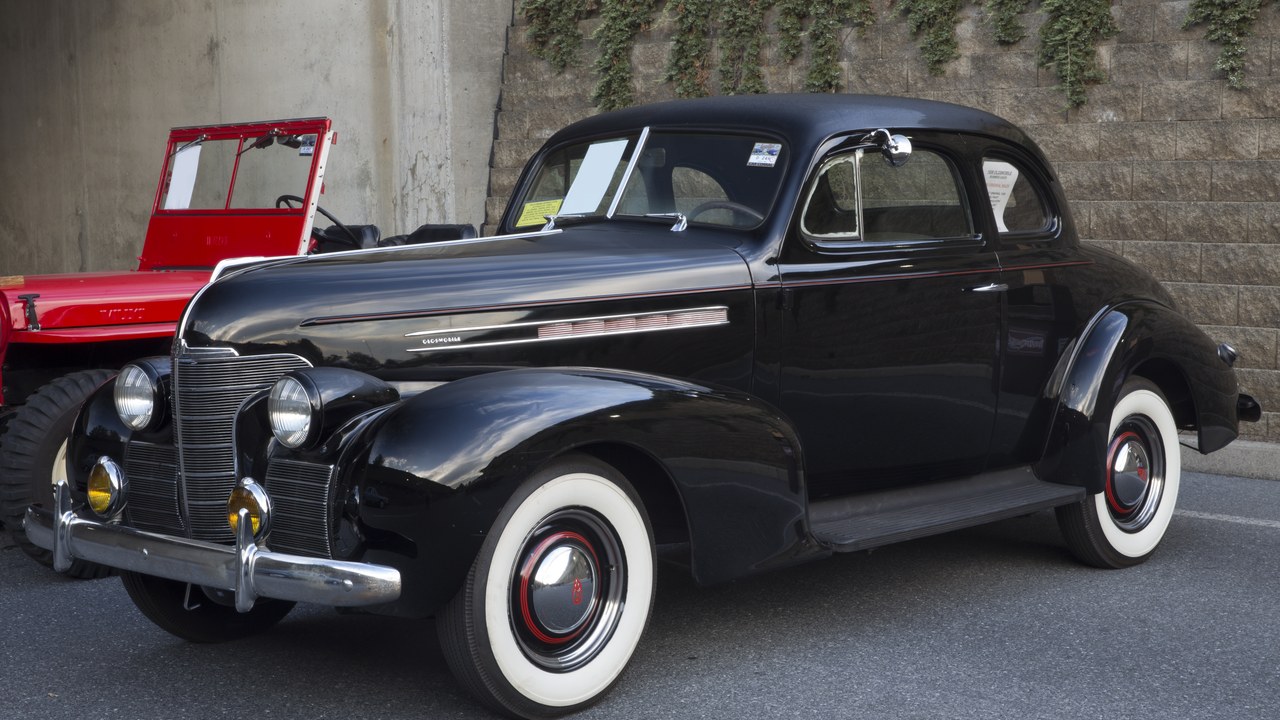
General Motors introduced the first mass produced automatic transmission, the Hydra-Matic, in 1939, according to Goodwood innovations feature. It was offered as an option in both the Oldsmobile Series 60 and the Cadillac 60 Special.
Classic & Sports Car adds that the technology was introduced in 1939 for 1940-year cars and that GM trialled it on Oldsmobiles first. HydraMatic combined four ratios with a fluid coupling in place of a clutch, but it lacked a torque converter and so could not multiply torque. Before such gearboxes, changing gear in the 1930s took skill and patience.
7. DeSoto Adventurer: Early Fuel Injection
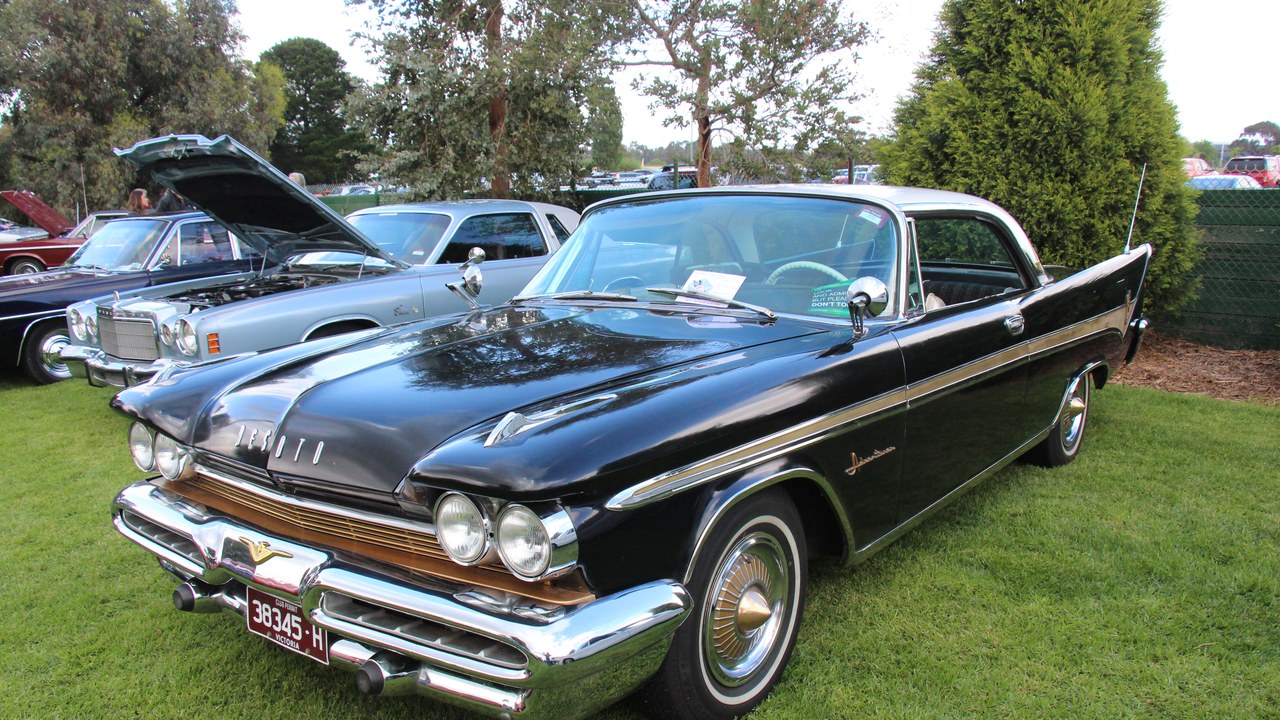
Hagerty’s list of Chrysler innovations records the first use of modern electronic fuel injection in 1958, albeit with an analog computer. The Electrojector system was optional on DeSotos and Chryslers, and the Adventurer stands here for the DeSoto line. It was built for Chrysler by Bendix, a company that supplied fuel injection for some aircraft.
Hagerty’s wording flags the analog computer as the catch, marking this as an early form of the technology rather than the finished article. The same list credits Chrysler with other firsts, including the 1971 Imperial as the first mass-produced car with four-wheel antilock disc brakes.
8. Plymouth Valiant: Alternators Arrive
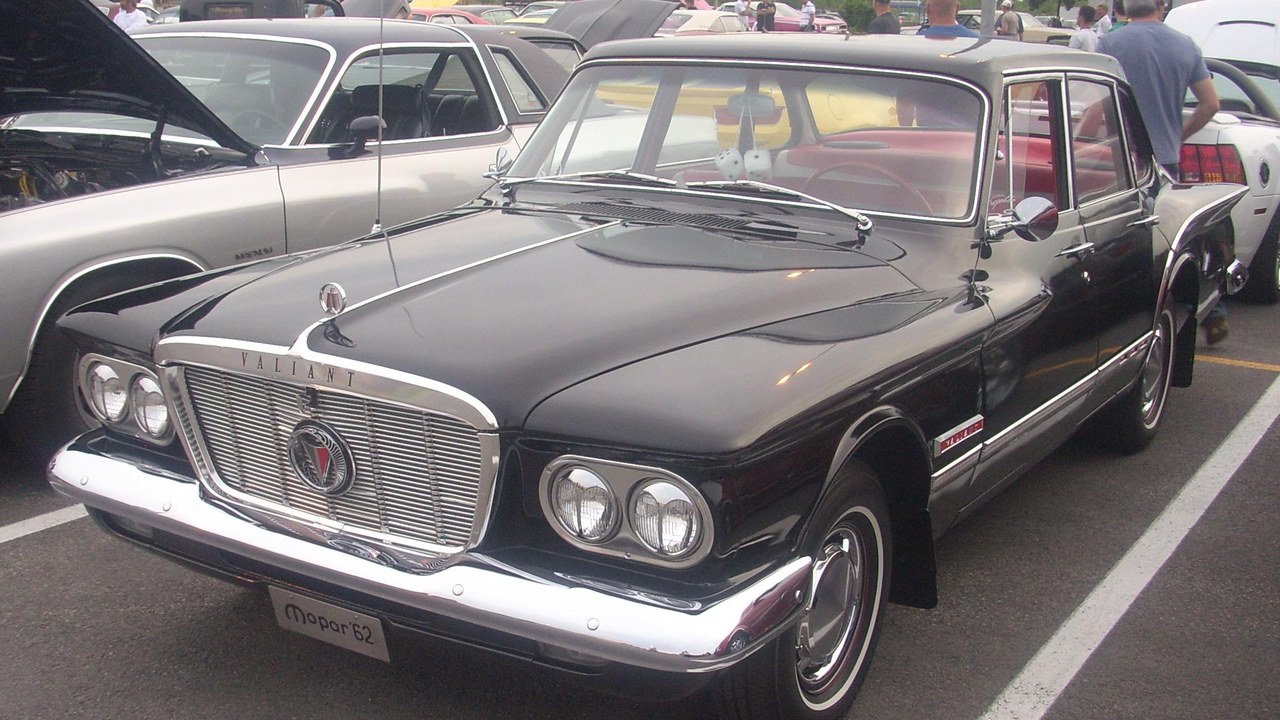
Hagerty’s Chrysler innovations list notes that alternators instead of generators were standard on some cars in 1960, the Valiant among them, and on all U.S. cars in 1961. That gave Chrysler’s compact a year’s head start on the rest of the American industry.
The reasoning was practical. Generators did not do a sufficient job in slow traffic or at idle, and the electrical demands of modern cars were beginning to require generation that only an alternator could provide. Hagerty files the change alongside other Chrysler firsts, such as the 1958 Electrojector fuel injection offered on DeSotos and Chryslers.
9. Chevrolet Corvair Monza: Turbo Before Europe
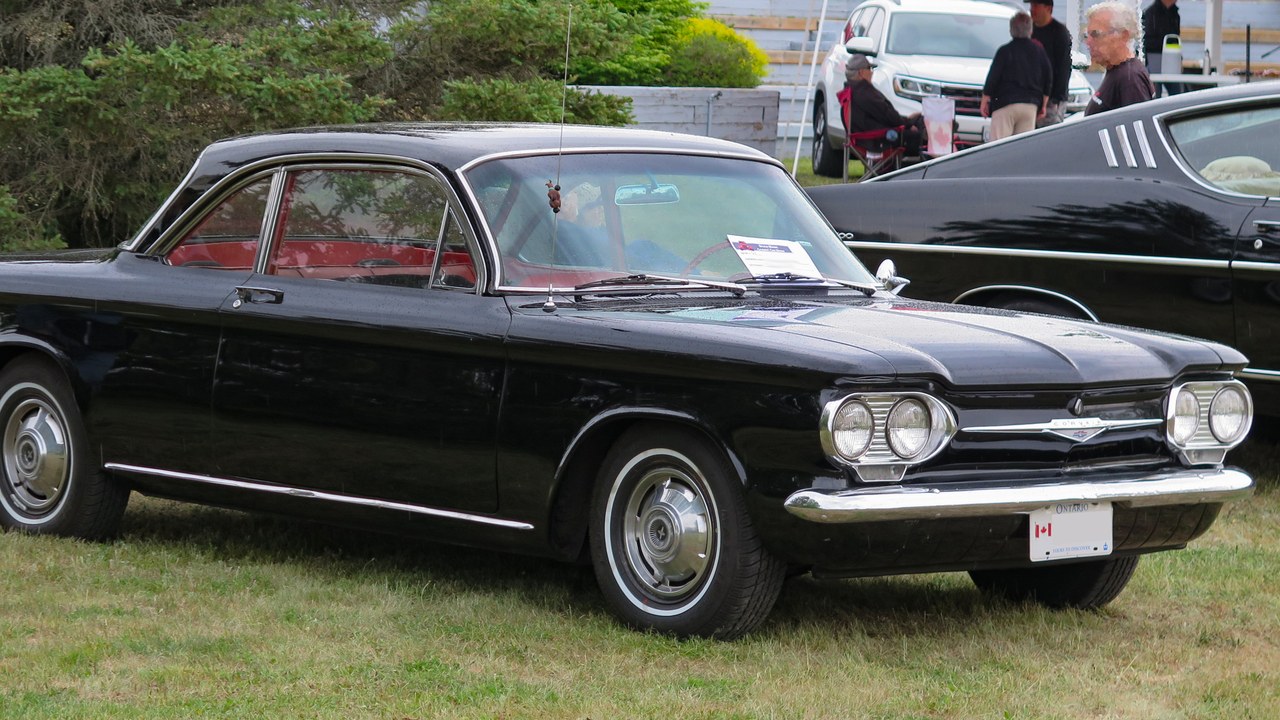
General Motors offered a turbocharger an entire decade before Porsche, BMW and Saab introduced European car fans to turbocharged power in the mid 1970s, as this Detroit innovations gallery recounts. Fitting a turbocharger almost doubled the 80bhp of the Corvair Monza’s flat-six.
The same technology gave Oldsmobile’s comparatively small 3.5-litre V8 the punch of a much bigger engine. The Olds version, however, was dogged by reliability problems and swiftly killed off. The gallery ranks turbocharging fifth among its landmark Detroit innovations, noting that the American industry reached the idea long before the European makers that later became associated with it.
10. Ford Thunderbird: Sequential Signals
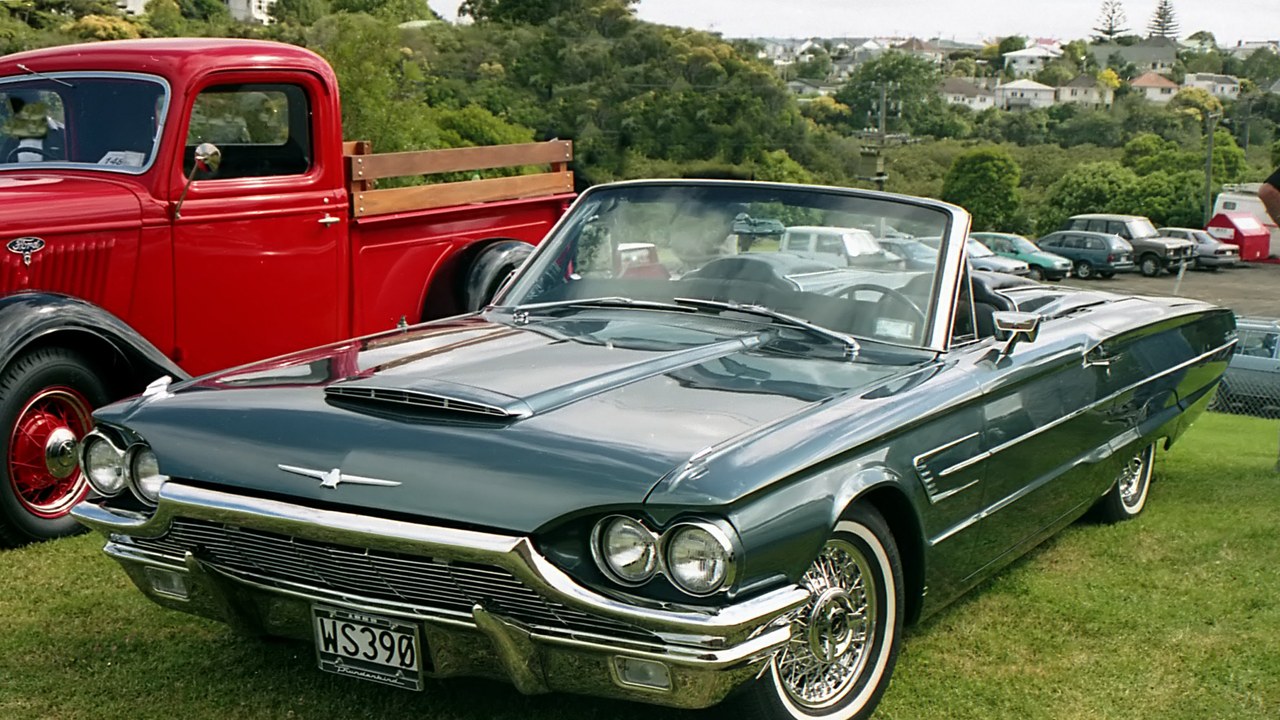
Modern Audi LED indicators send a narrow strip of light sliding left or right in the direction of intended travel. A Detroit innovations gallery points out that Ford offered something similar, minus the LED bit, on its 1965 Thunderbird.
Sequential turn signals rank sixth among the landmark Detroit innovations the gallery lists. The Thunderbird version used no LEDs, so the effect was achieved with conventional lamps rather than the light strips seen on current cars. Ford carried the idea further in 1967, when it offered the same technology on the Mercury Cougar and the Shelby GT350 and GT500.
11. Mercury Cougar: Sequential Signals, Second Act
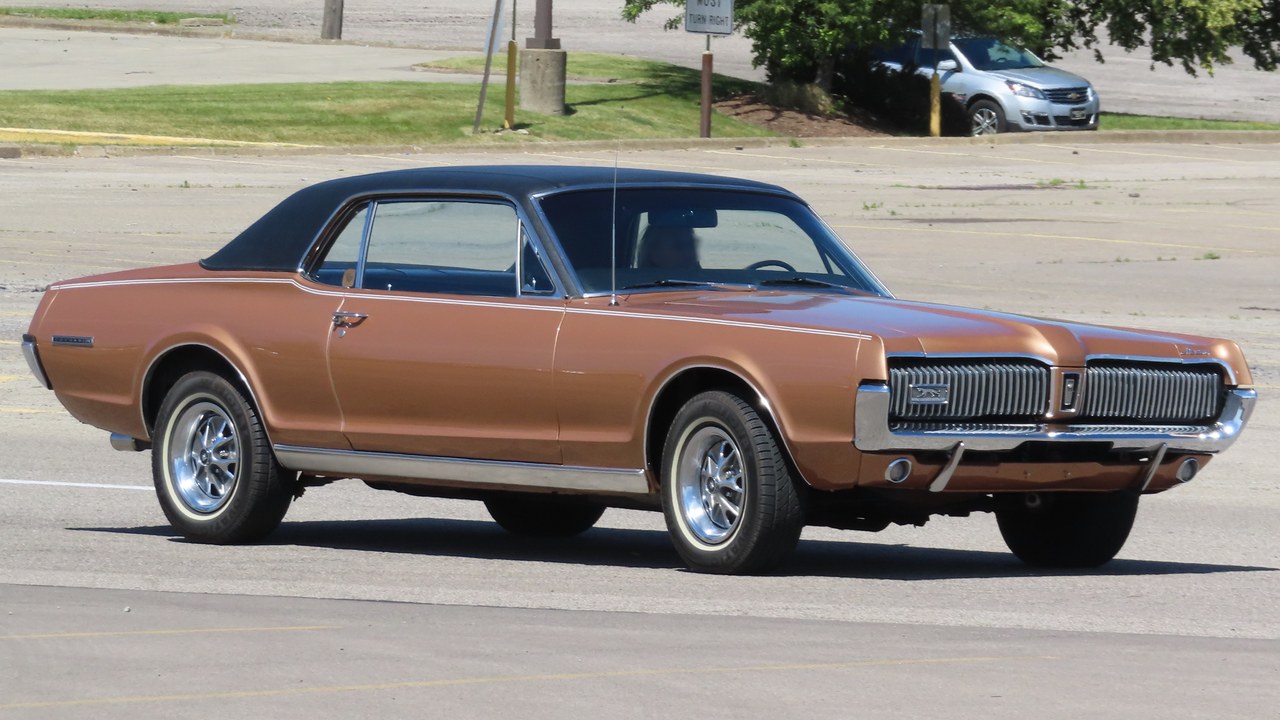
From 1967, Ford offered the same sequential turn-signal technology on two Mustang spinoffs, the Mercury Cougar and the Shelby GT350 and GT500, according to this Detroit innovations gallery. The feature had first appeared on the 1965 Thunderbird, minus the LED element that Audi later used.
That puts the Cougar in a line of Ford products that carried the idea across more than one brand within two years. The gallery describes the technology as something modern Audi owners may recognise when a narrow strip of light slides left or right at a junction, and it credits Ford with offering the mechanical precursor first.
12. Pontiac GTO: The Bumper Built to Bounce Back
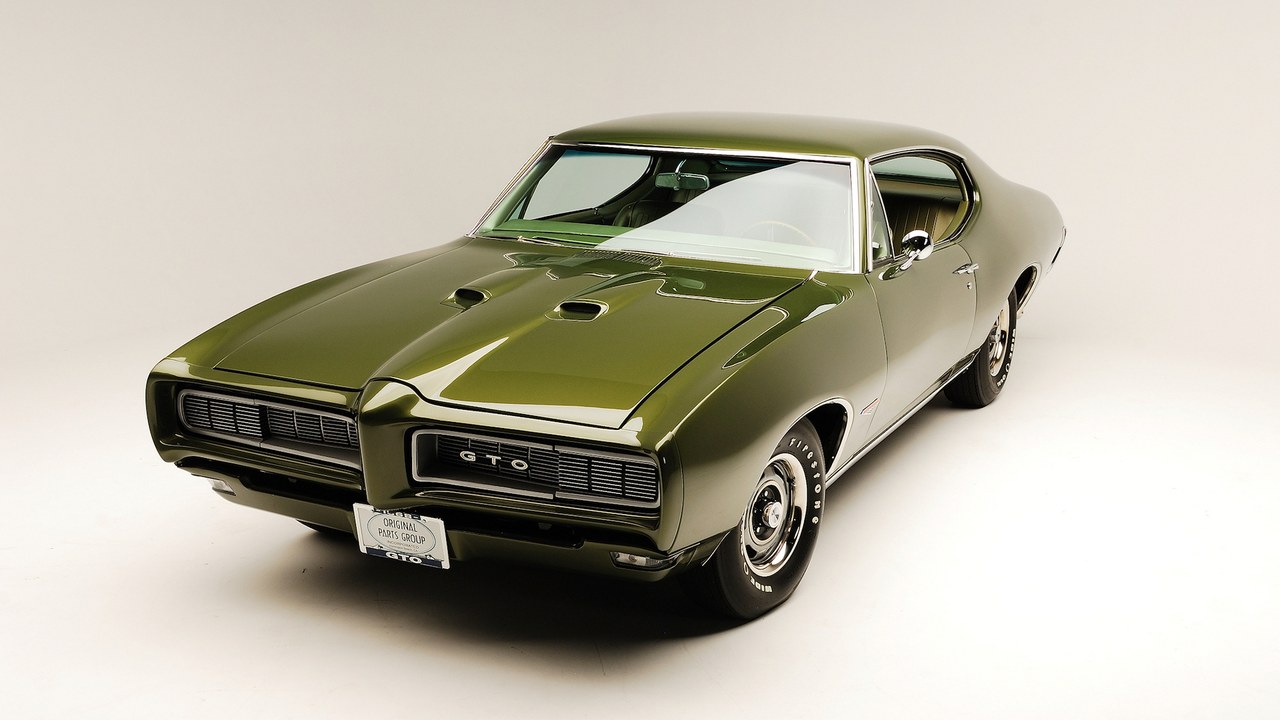
Chrome bumpers are a key ingredient on almost all 1960s and 1970s classics, but Classic and Sports Car notes that they are not particularly resistant to parking knocks and are difficult to repair after a ding. Pontiac’s answer was the Endura front bumper fitted to the 1968 GTO, made of polyurethane and painted the same hue as the body panels.
The Endura bumper could withstand minor parking impacts. Pontiac even released a TV advert showing a load of engineers beating one with a crowbar to demonstrate how tough it was. Strangely, the rear bumper stuck with chrome.
13. Cadillac DeVille: Climate Control Arrives
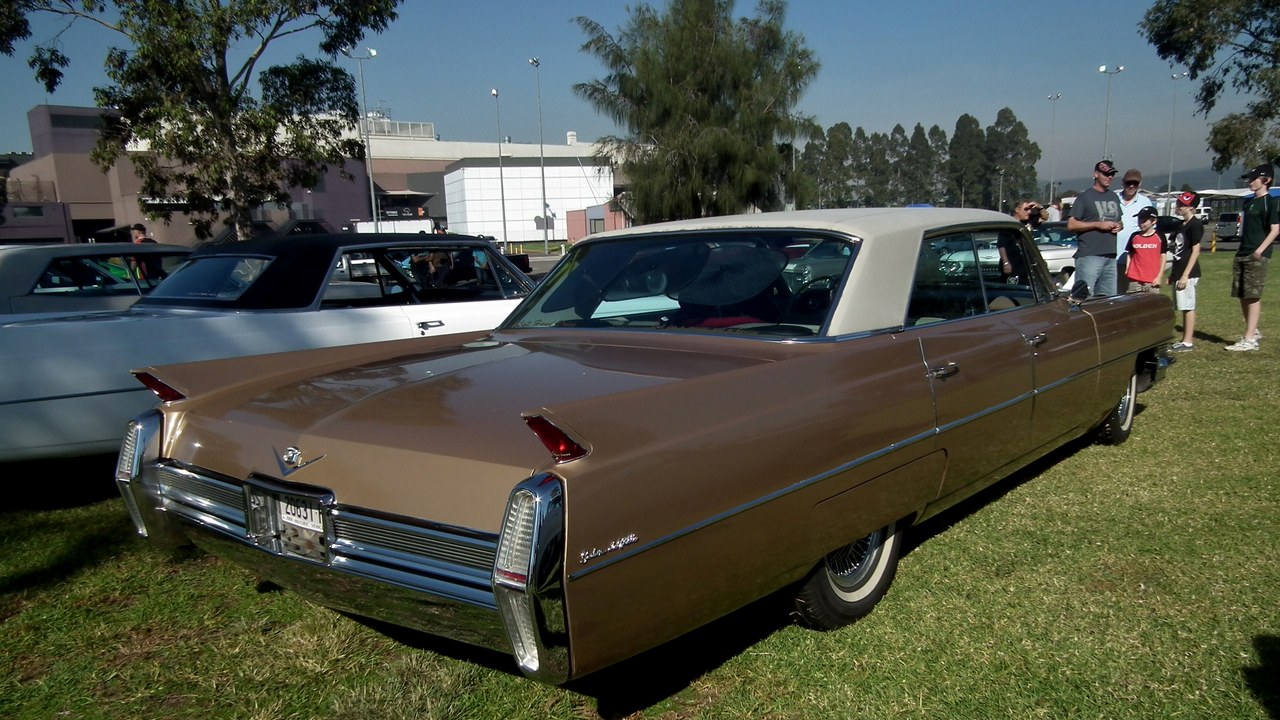
Cadillac launched its fully automatic Comfort Control air conditioning in 1964, and the DeVille stands in here for the brand. By 1969 over half of all cars sold in the US were fitted with air conditioning, the gallery notes.
Air conditioning itself was older. Goodwood says Packard had tried it with no great success before Chrysler introduced the Airtemp system in the Imperial in 1953, and that General Motors soon sold virtually all of its Cadillac, Buick and Oldsmobile cars with a Frigidaire-built unit installed in the back of the car. Fully automatic control was the next step.
More from Morning Overview
- Windows 11 is now installing its 26H2 update on home PCs by itself
- Arizona declared a statewide emergency after storms and floods battered homes and roads
- Tesla’s Cybercab is finally for sale to select buyers, but it only drives with a $299 monthly plan
- Student pilots are stuck with nearly 60-year-old T-38 jets that work only half the time
