
Popes have traveled in everything from armored limousines to a modest hatchback priced near $20,000. Some choices were driven by security after the 1981 shooting, others by a deliberate message of simplicity. Here are thirteen cars that have carried popes, from Paul VI’s Lincoln Continental to the Fiat 500L.
1. Mercedes-Benz G-Class: Electric Popemobile Lineage
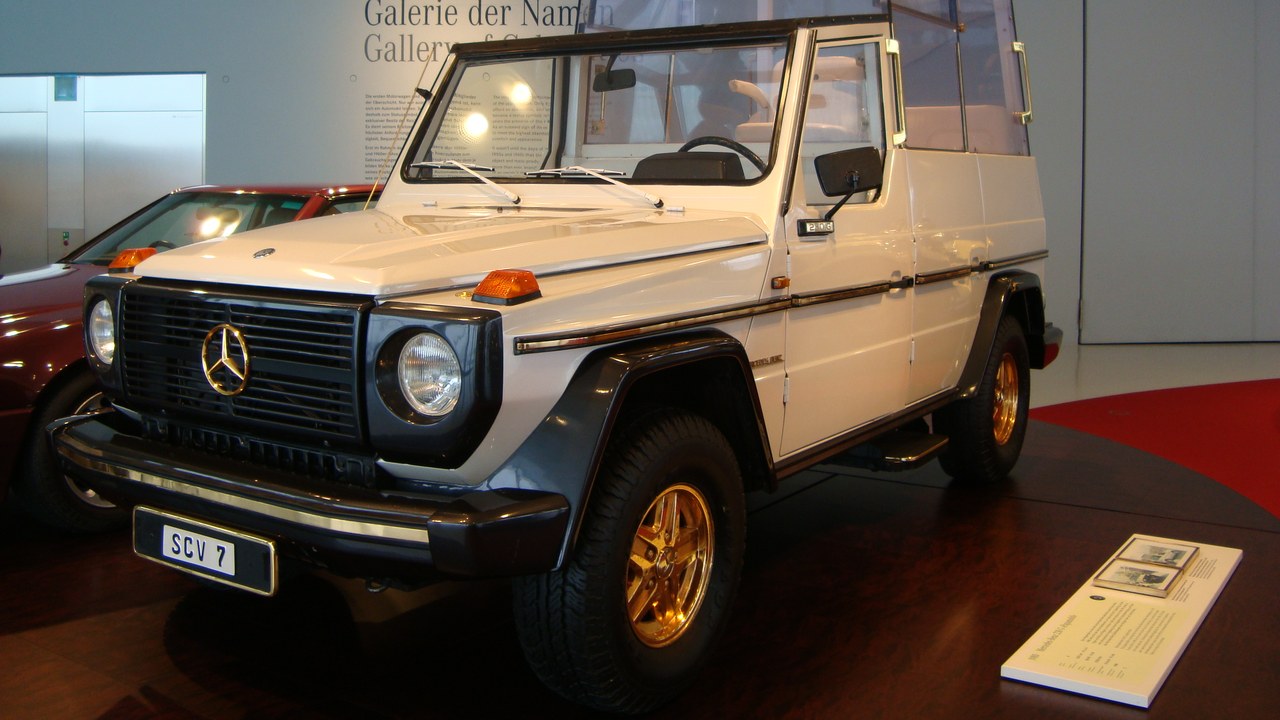
Mercedes-Benz stated that ‘for the past 45 years, the Pope has been using’ G-Class-based Popemobiles, and the company has now unveiled an all-electric Popemobile built on the same boxy chassis. That statement dates the practice to roughly 1980, making the boxy Mercedes the most durable papal platform on this list.
A stock G-Class is a civilian truck, and the papal versions differ sharply, with glass-walled cabins and Vatican livery. The all-electric version marks a break from decades of combustion power. Each generation of the vehicle has been reworked for the pope rather than driven in factory form.
2. Fiat 500L: The Compact Pope Mobile
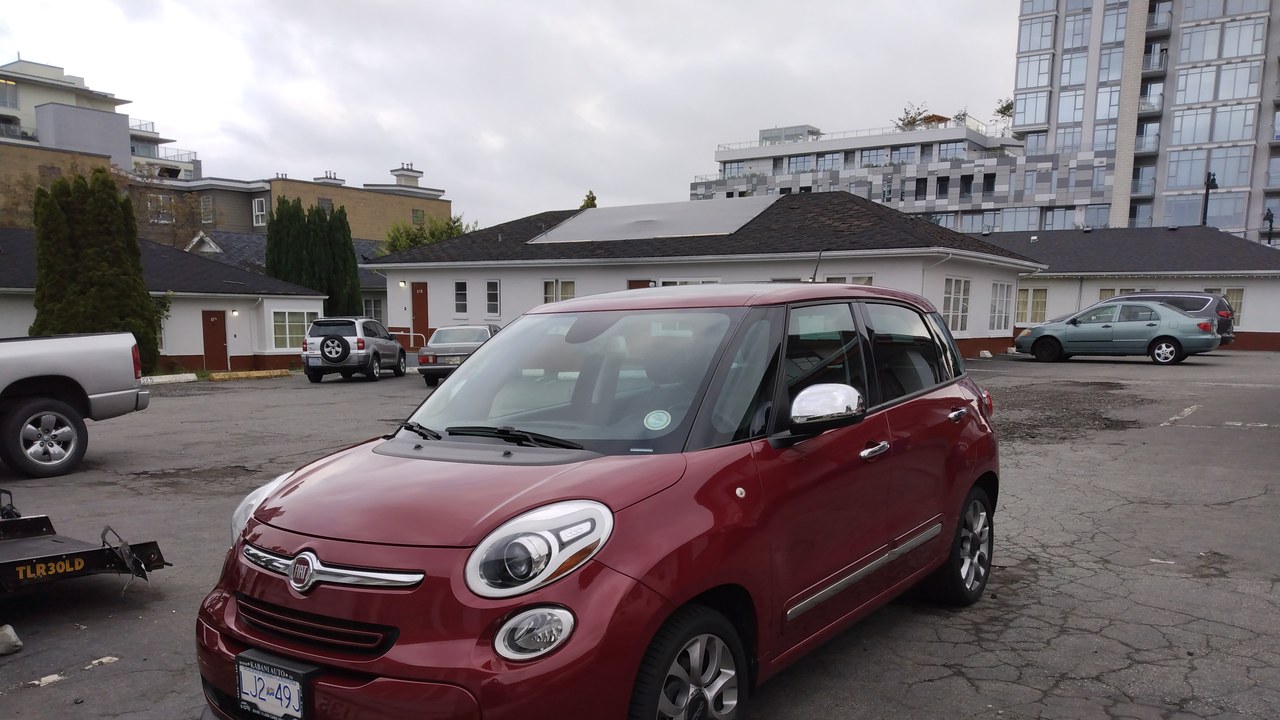
The compact hatchback whisked Pope Francis from the tarmac on his 2015 US visit, and CNNMoney noted that CNNMoney report on Fiat 500L ‘start at about $20,000’ for the model. That figure made the choice a pointed contrast with armored limousines.
The small footprint was part of the message, since the visit drew heavy security and enormous crowds. Few heads of state would accept an entry-level city car as an official arrival vehicle. Photographs of the small car beside larger motorcade vehicles became a lasting image of the trip.
3. Ford Focus: A Focus on Modesty
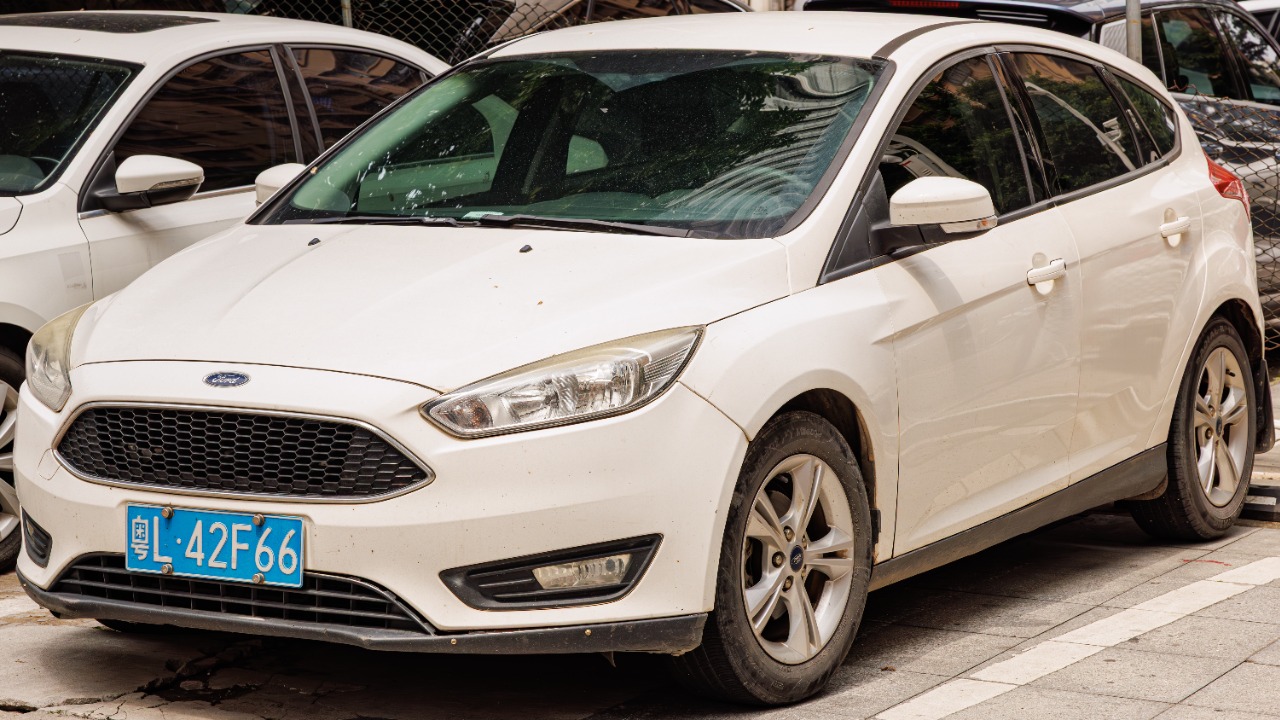
On visits abroad, CNNMoney reported, CNNMoney report on Focus use showed that ‘he has taken compact cars like the Ford Focus.’ The hatchback is a mainstream family car sold in huge numbers worldwide.
The pattern fits a papal style that favored ordinary vehicles over limousines. The choice also kept motorcades smaller and gave local crowds an unusually plain sight of the pope. Such choices were reported as a pattern rather than a one-off, which is why the model appears alongside other everyday cars.
4. Jeep Wrangler: Open-Top Parade Duty
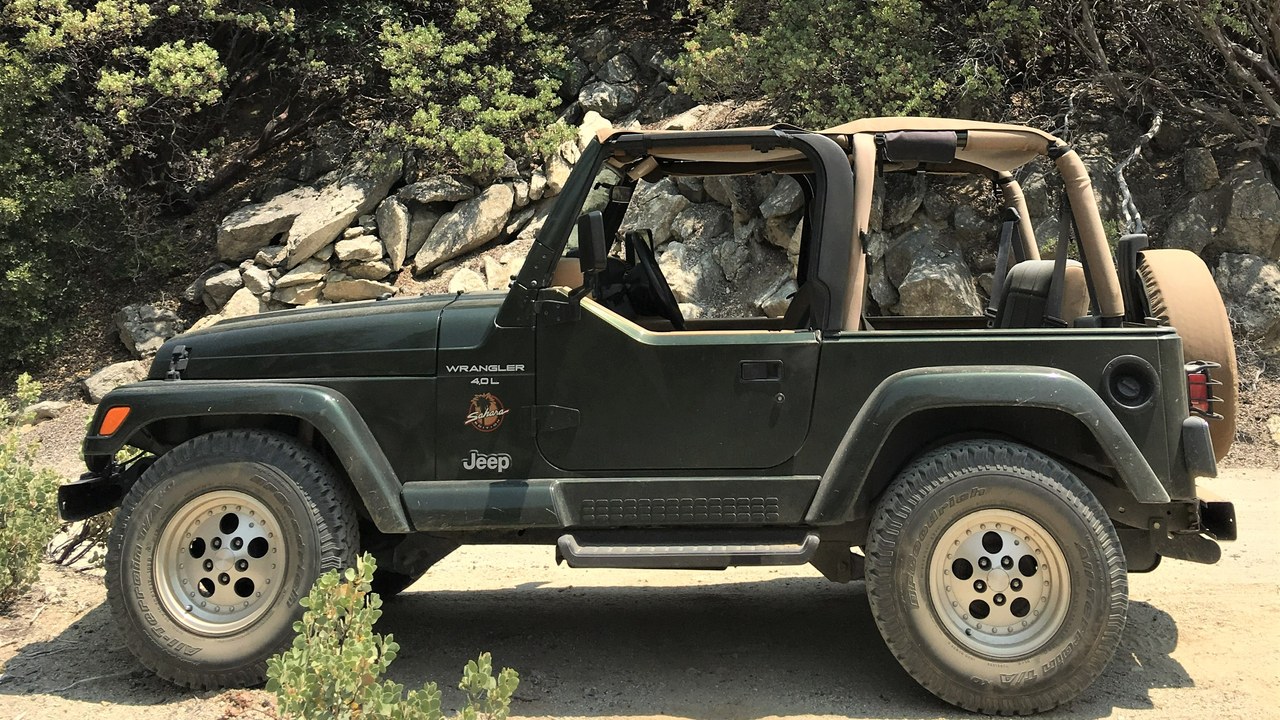
A ‘modified Jeep Wrangler’ carried Pope Francis in open-top parades, according to CNNMoney report on parades of his US trip vehicles. Removing the roof let crowds see him directly.
The Wrangler suits that role because its removable top and upright seating need little rebuilding. Open exposure like this is exactly what the later bulletproof glass cabins were meant to prevent. Each parade carried the usual risk of open exposure, which the vehicle’s design did nothing to reduce.
5. Hyundai Santa Fe: Roof Cut Away
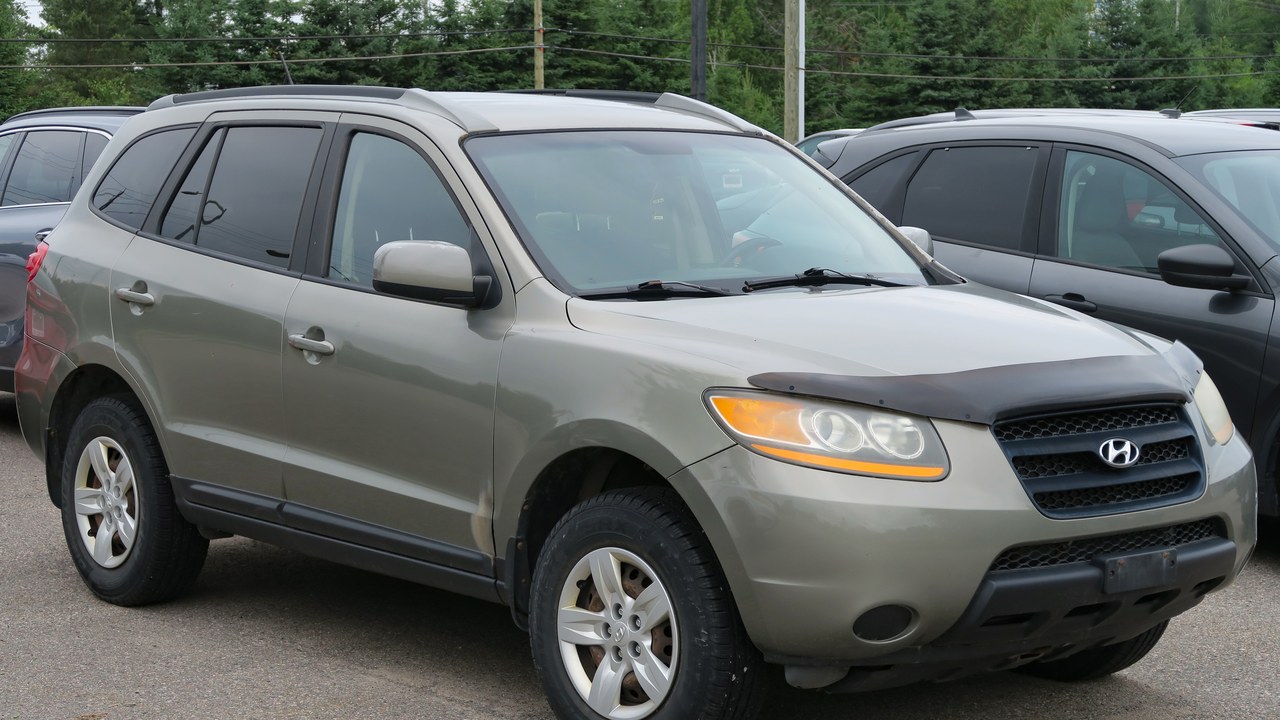
Pope Francis also used modified SUVs ‘like the Hyunda Santa Fe,’ with part of the roof cut away, as described in CNNMoney report on modified SUVs of the 2015 motorcade. The conversion gave a standing papal passenger a clear view above the doors.
Such crossovers are common family transport, so the modification, not the badge, is what made them papal. The approach traded armor for visibility during short parade routes. The cutaway roof preserved the original body so the car still looked like an ordinary road vehicle from a distance.
6. Lincoln Continental: The 1965 New York Ride
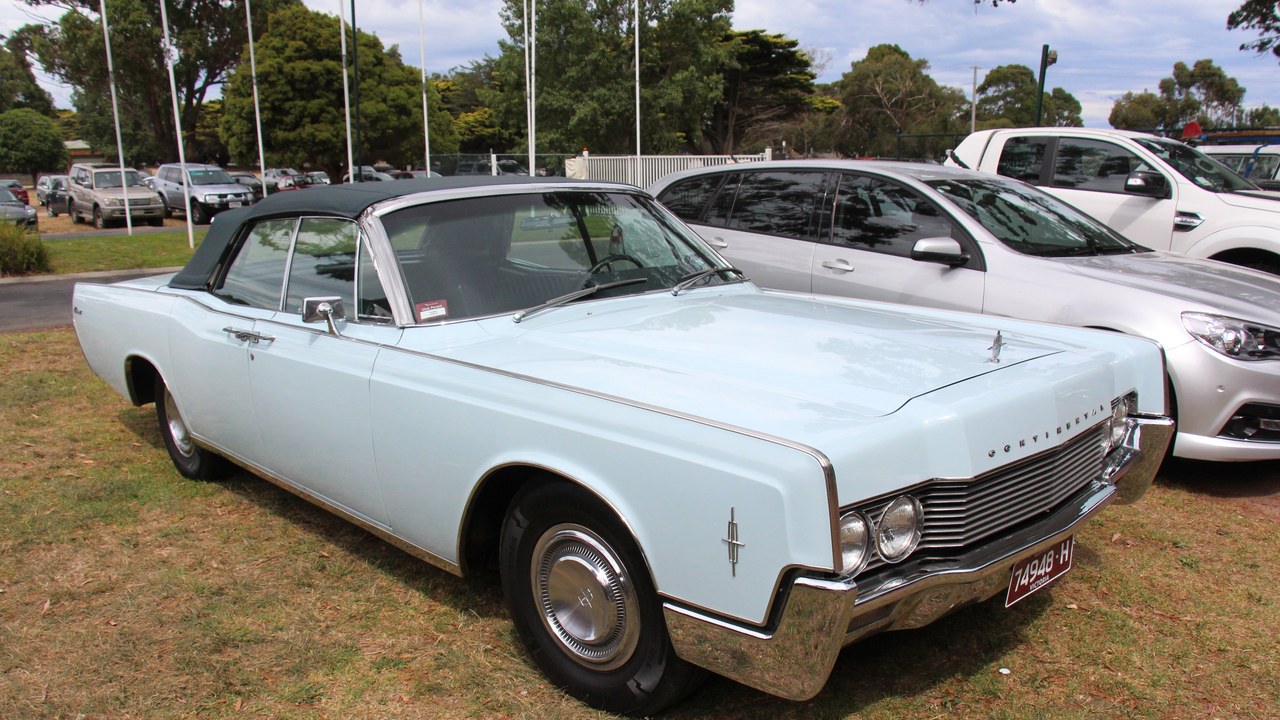
Pope Paul VI used a modified Lincoln Continental in New York in 1965, which The Week’s popemobile history presents as an early landmark in papal transport. The long four-door convertible body gave a standing or seated passenger an open view of the street.
The visit helped establish the idea of a purpose-adapted papal car. Open-body travel remained common until the events of 1981 changed security thinking. It remains a reference point for how far papal vehicles have since moved toward enclosed protection.
7. Fiat Campagnola: The Car Behind the Shield
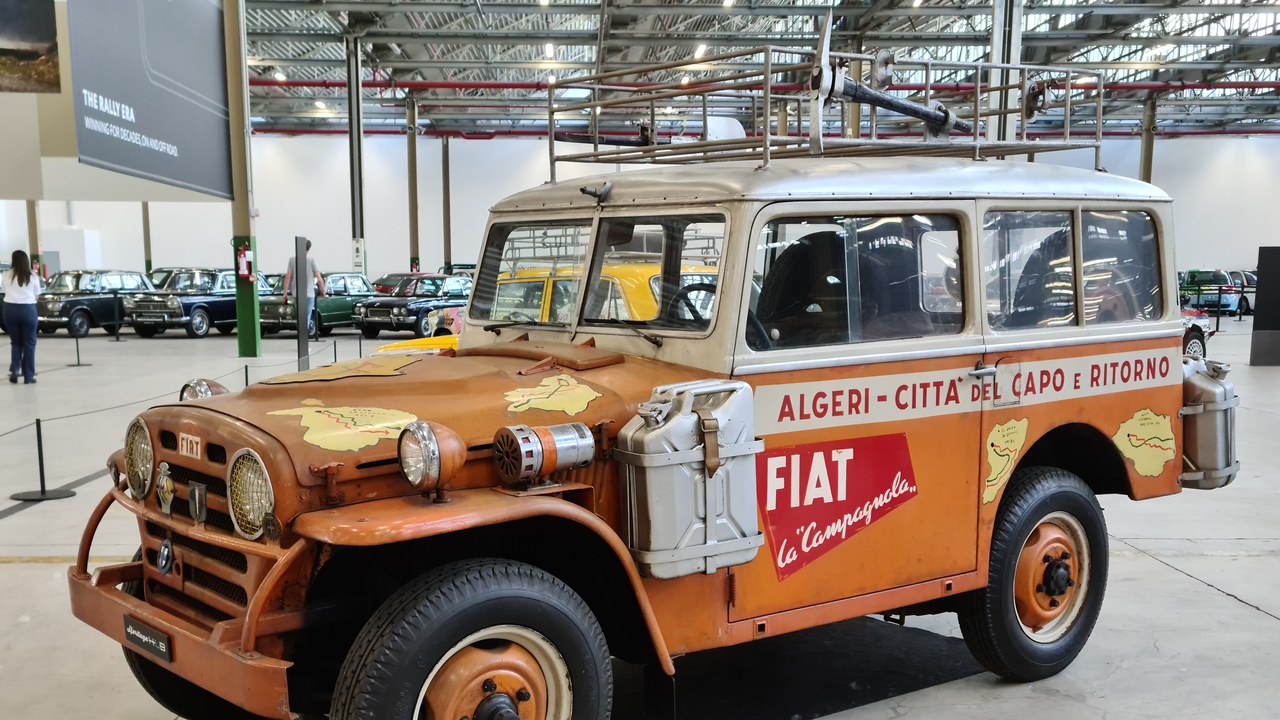
John Paul II rode in an open Fiat Campagnola during the 1981 assassination attempt, after which, The Week’s papal vehicles history explains, bulletproof glass walls were introduced. The rugged Italian utility vehicle was built on a military-style design.
The shooting turned the popemobile from a parade accessory into protective equipment. Glass enclosures became a defining feature of the vehicles that followed. Its livery and utilitarian shape distinguish it from the sleek limousines usually associated with heads of state.
8. Kia Soul: A Boxy Korean Hop
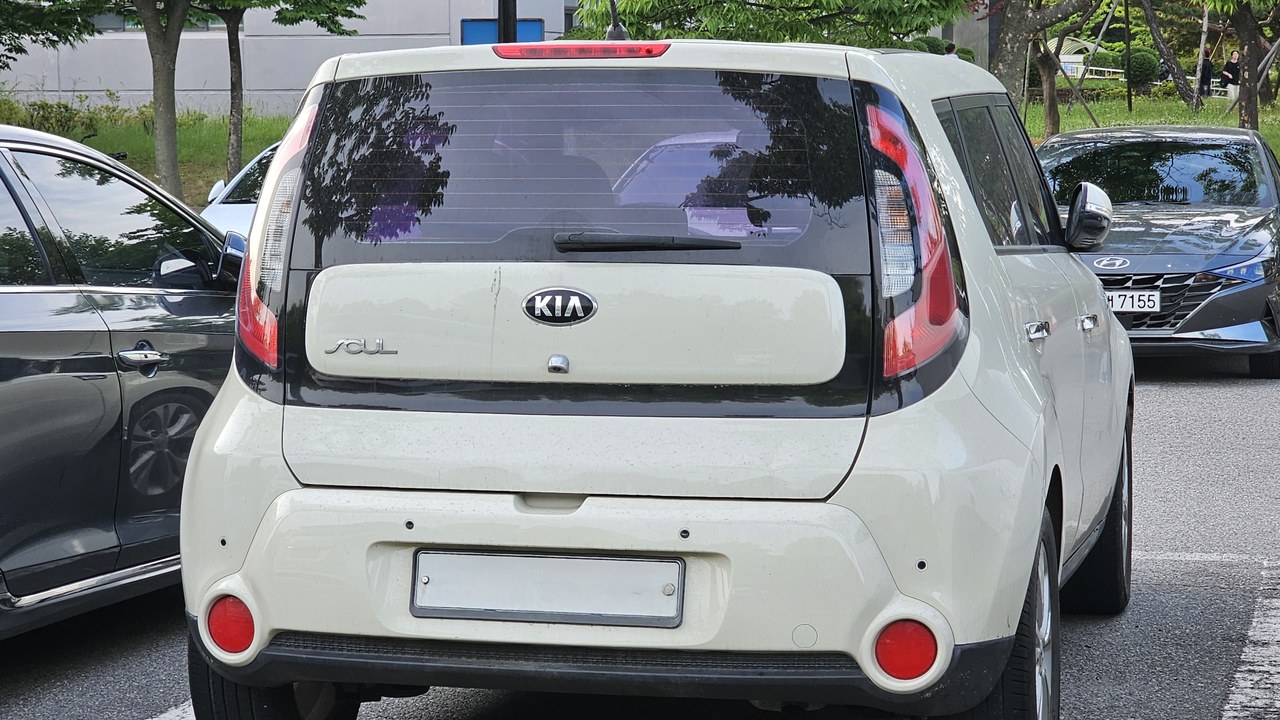
Pope Francis used a Kia Soul during his visit to South Korea in 2014, a detail recorded in The Week’s popemobile history of popemobile history. The boxy hatchback is a domestic-market favorite.
Local vehicle choices on foreign trips honored the host country and its industry. The small, tall-roofed body also made entering and exiting easy for the pope. It sits among the least formal choices in the fleet and is remembered for its small, upright shape.
9. Mercedes-Benz M-Class: Security Upgrade
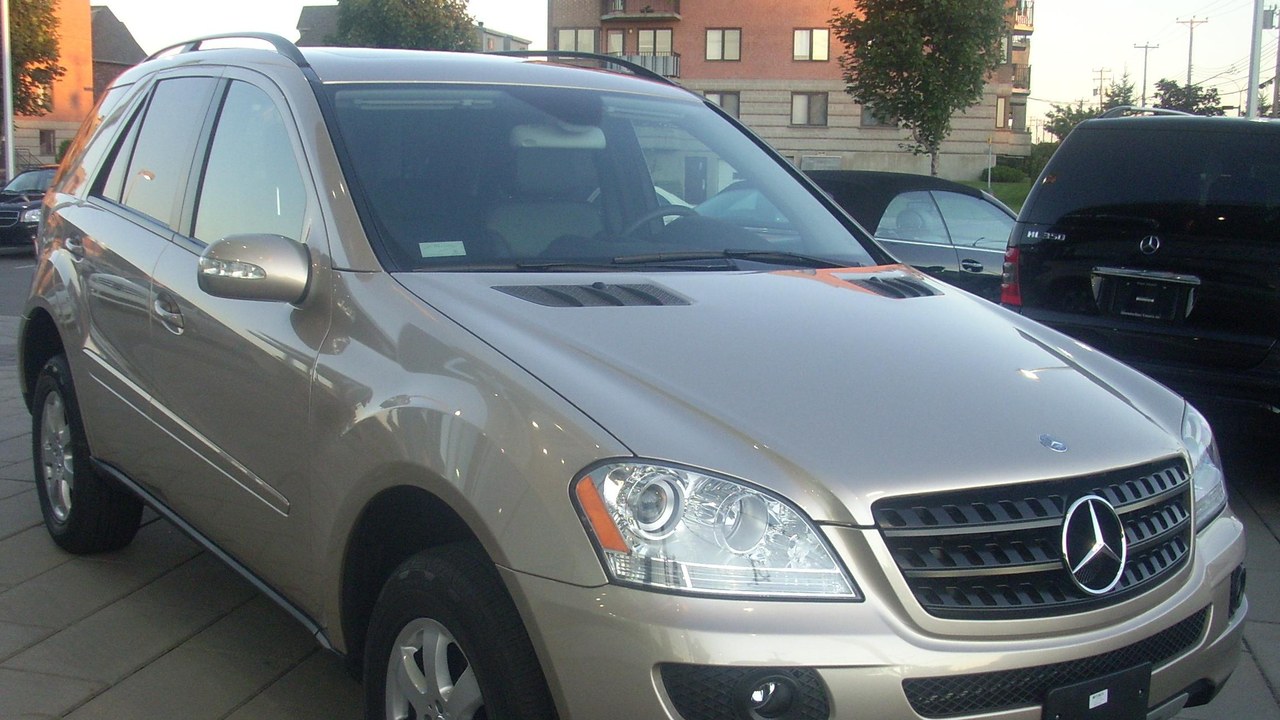
For Pope Francis’s international trips ‘when more security was required,’ he used a Mercedes-Benz M-Class, according to The Week’s popemobile evolution on the popemobile’s evolution. The SUV class offered added protection without requiring a bespoke build.
That line of Mercedes SUVs bridged everyday vehicles and the dedicated glass-sided models. It reflected a compromise between his preference for simplicity and protection teams’ demands. Such trips usually involved larger motorcades, so the vehicle choice was one of several layers of protection.
10. Renault 4: The Worn Workhorse
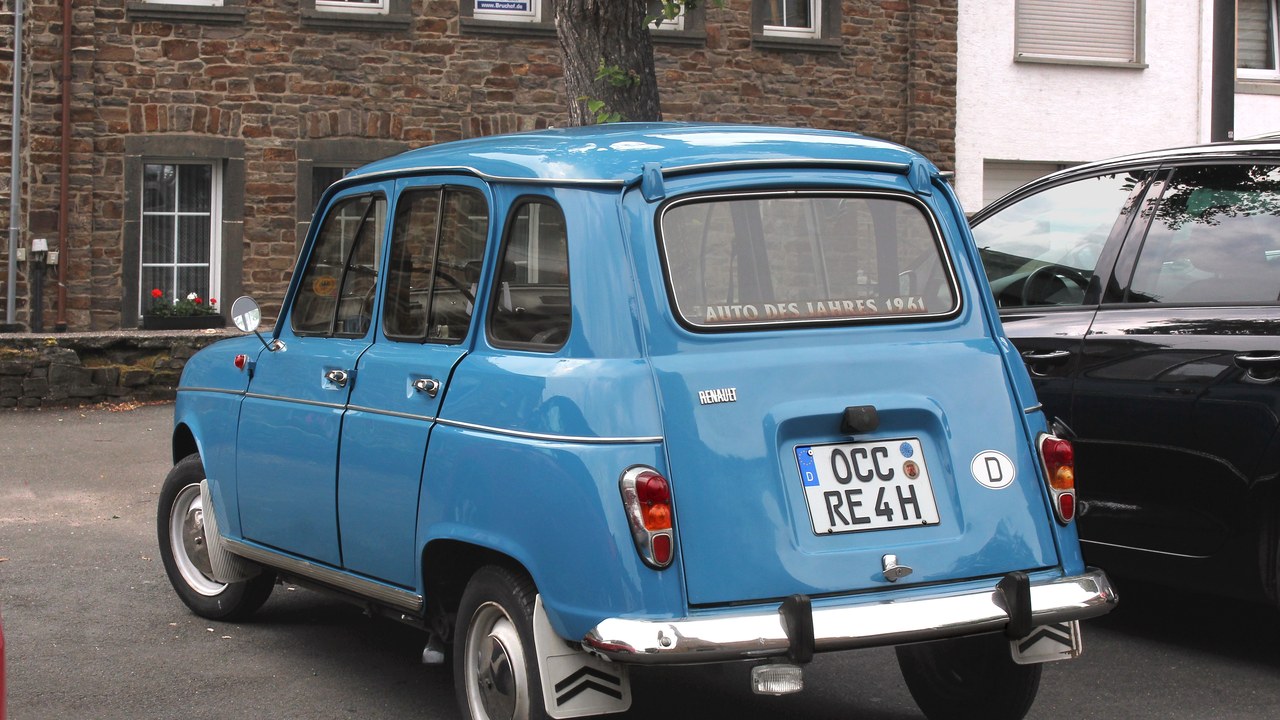
Pope Francis’s old, high-mileage Renault 4 (‘vecchio modello iperchilometrato’) is cited in Missionline’s papal fleet report on his fleet. The small French hatchback is a long-running symbol of thrifty everyday motoring.
Its long service record, rather than cost or power, is what made it notable. The car became a symbol of the humble image the pope cultivated. The detail was highlighted precisely because it ran against expectations of luxury for a head of state.
11. Dacia Duster: Romania’s Budget SUV
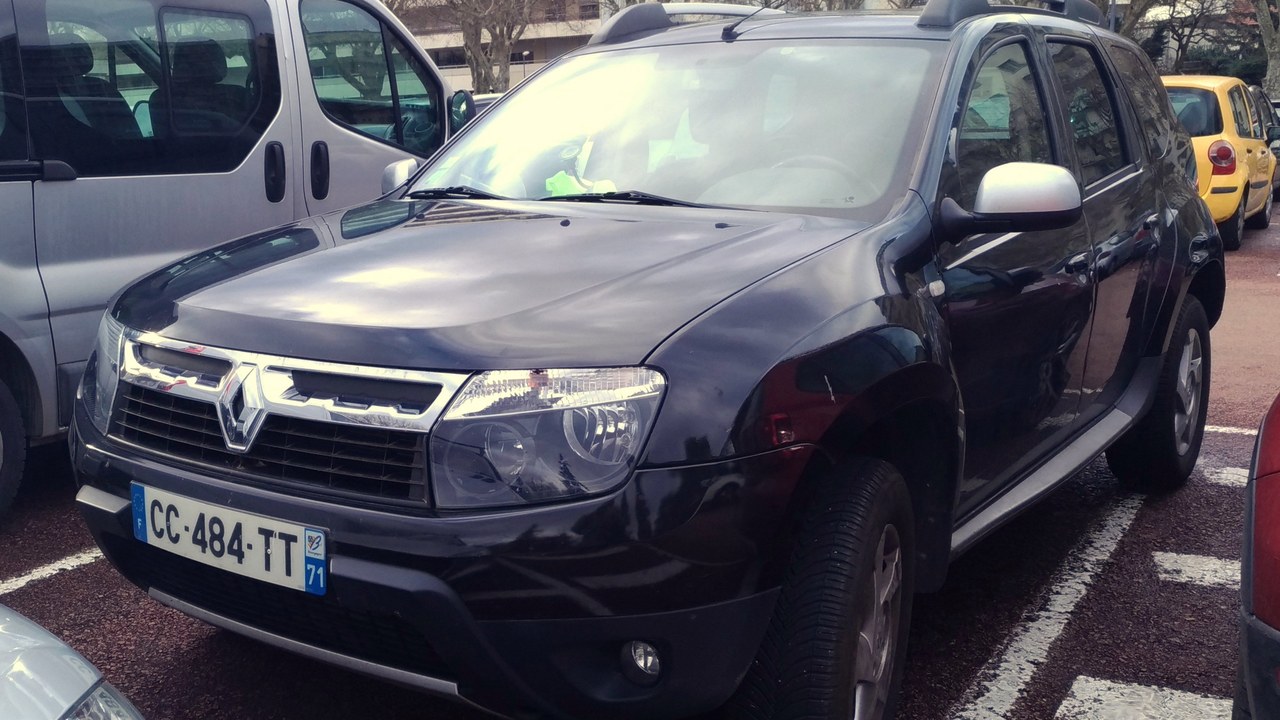
Missionline calls the Dacia Duster ‘la Dacia Duster della Romania,’ meaning the pope’s car on his trip to Romania, in Missionline’s papal fleet report on the fleet. The Duster is a compact crossover associated with affordable pricing.
Selecting a budget vehicle built in the host country again signaled humility. It also gave a clear example of local sourcing for each papal journey. Together with the Renault 4, it shows a recurring preference for practical vehicles over prestige badges.
12. Hyundai Ioniq 5: Electric in Singapore

In Singapore the pope traveled in ‘la Ioniq 5,’ as Missionline’s fleet list lists among the trip cars. The battery-electric crossover was sold alongside combustion models.
The choice highlighted electrification in a papal fleet that later included an all-electric Popemobile. It also illustrates how the fleet reflects what is sold and driven in each destination country. Battery-electric travel of this kind also fits the broader environmental themes associated with the papacy, though the report presents it simply as the trip car.
13. Toyota Mirai: Hydrogen in Japan
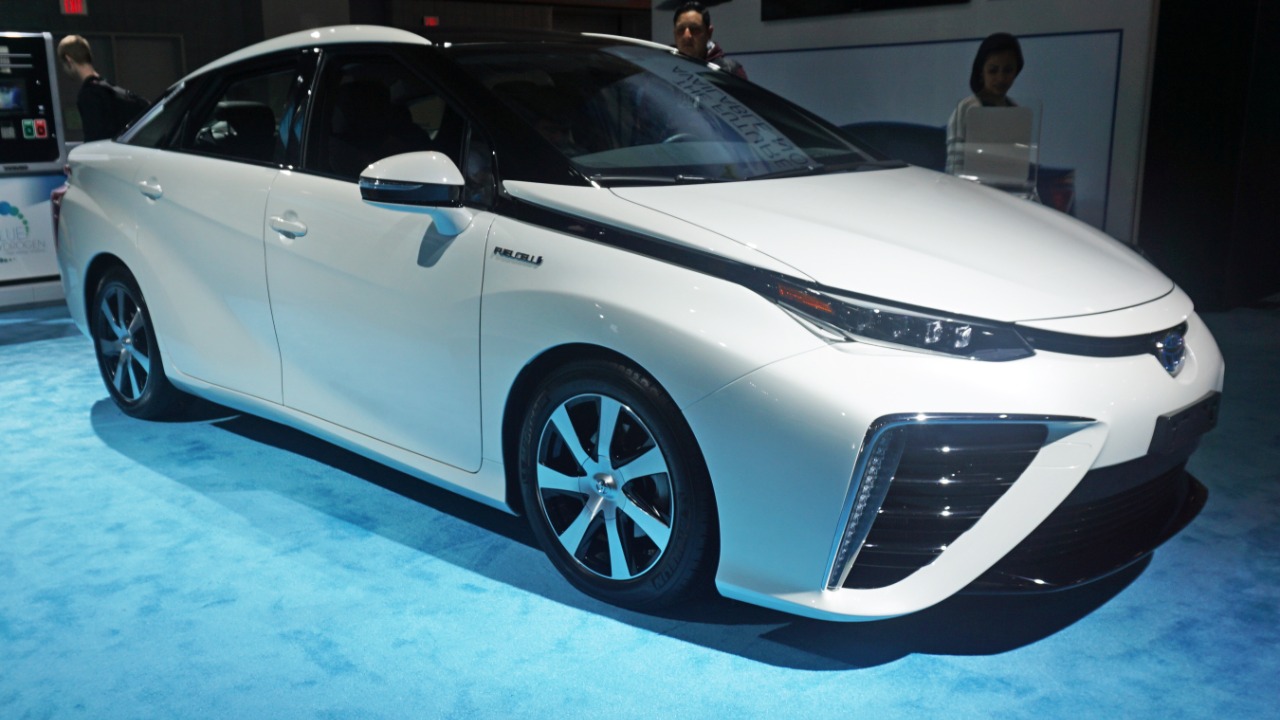
A hydrogen-powered car carried the pope on his Japan trip, listed as ‘Toyota Mirai a idrogeno in Giappone’ in Missionline’s fleet survey of the fleet. The Mirai is a Toyota fuel-cell sedan that emits only water vapor from its tailpipe.
The model advertised Japan’s hydrogen ambitions while serving as a clean ceremonial car. It is a rare case of a papal vehicle chosen to showcase technology. Choosing it tied a single papal trip to a specific national industrial story rather than to one standard vehicle.
More from Morning Overview
- Hurricane Hunter radar shows four warning signs that a tropical cyclone is about to strengthen, a University of Miami study found
- Tropical Storm Rachel is dumping up to 12 inches on four Mexican states on its way to major hurricane strength
- The FTC says Lens.com doubled the price shoppers saw in Google ads
- Common allergy, bladder and sleep pills tied to sharply higher dementia odds
