
A home battery is expensive, but the car in the driveway already holds one. Vehicle-to-home power lets certain electric models feed a house during an outage, usually with specific chargers or equipment attached. Here are twelve models named by automakers and trade sources as capable of that job, along with the conditions attached to each.
1. Tesla Model 3: Home Backup for New Orders
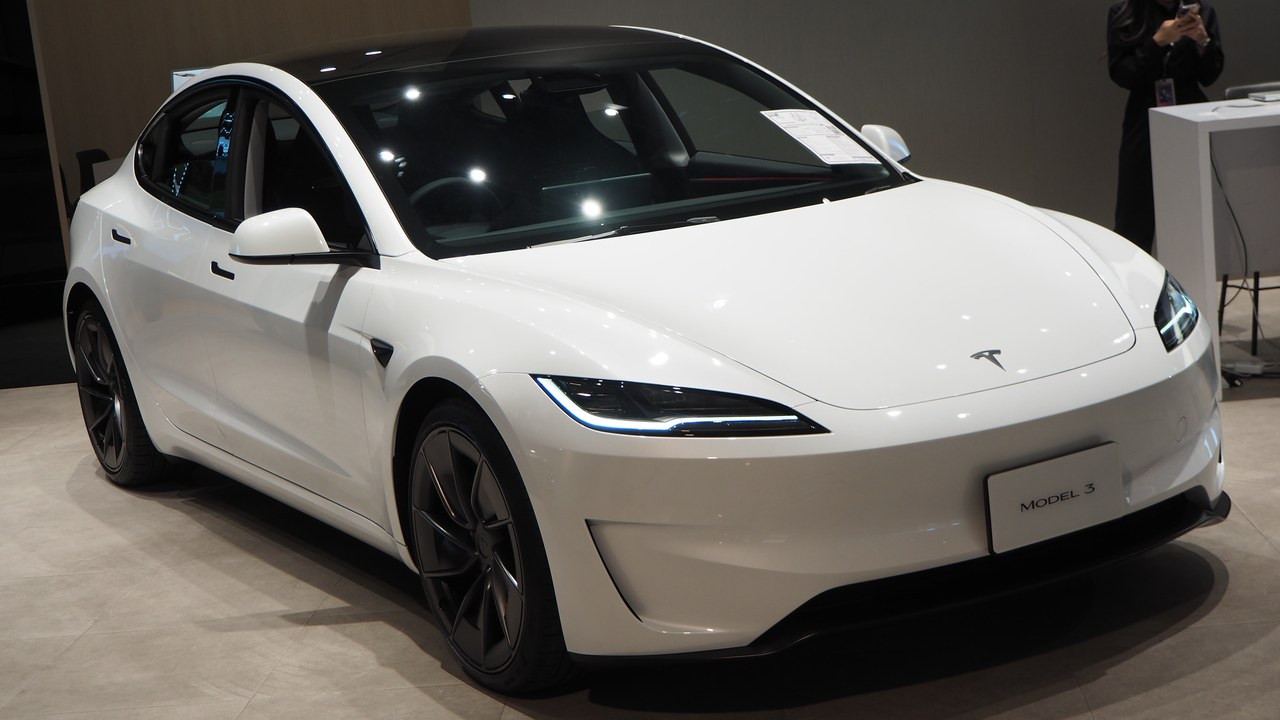
Tesla has opened its Powershare home backup feature to new Model 3 sedans, as reported in Electrek’s Powershare coverage. The eligibility line is firm: all new Model 3 and Model Y vehicles ‘ordered on October 1, 2026 or later’ qualify, and ‘Powerwall 3 is required’ for the arrangement to work.
For a buyer, the order date matters as much as the hardware. A Model 3 ordered before that cutoff falls outside the announcement, and a household without a Powerwall 3 would have to add one. Anyone planning around outages should confirm both conditions before counting on the sedan as a backup source.
2. Tesla Model Y: Two Extra Days of Backup
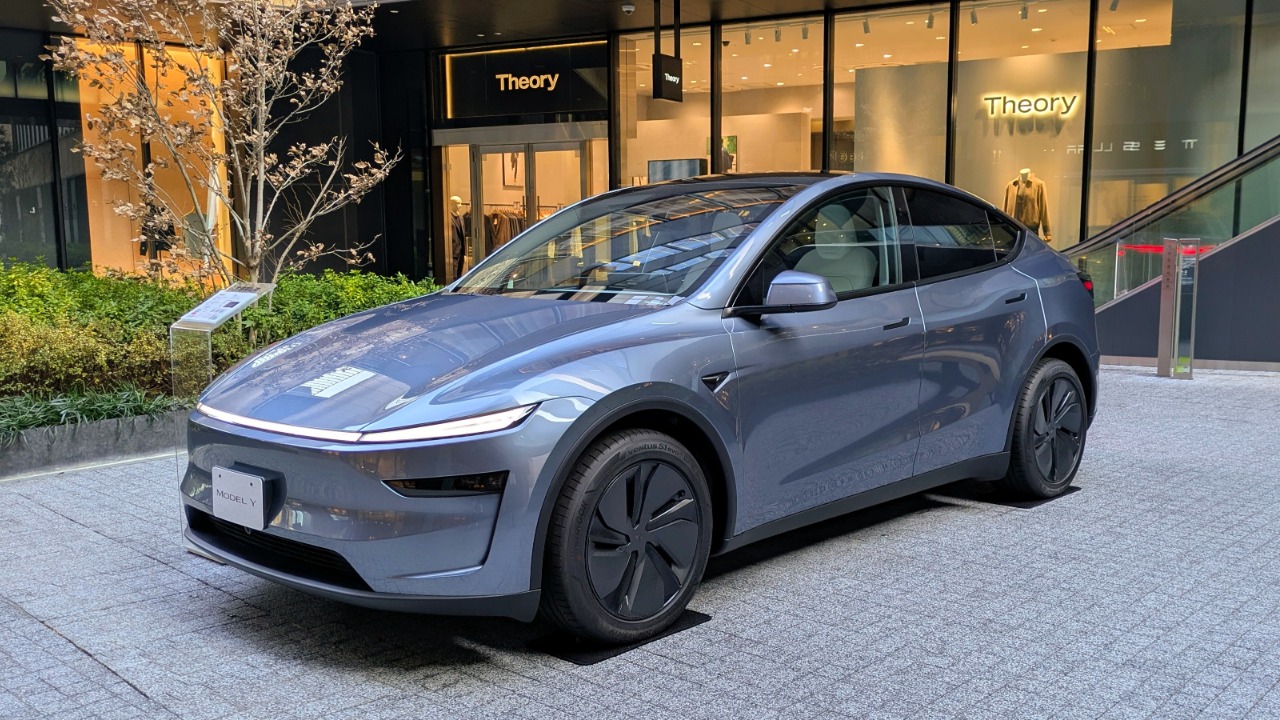
Tesla’s pitch for the Model Y is blunt: the company says the vehicle can extend home backup by ‘over 2 days.’ The claim, covered in Electrek’s report on Powershare, applies to new Model Y vehicles ordered on or after October 1, 2026, and it carries the same condition as the Model 3, since Powerwall 3 is required.
The figure is Tesla’s own marketing language rather than a measured result, so real-world runtime will depend on household load. Shoppers weighing the Model Y for outage insurance should treat the two-day line as a headline claim to test against their own usage, not a guarantee.
3. Tesla Cybertruck: 11.5 kW During Outages
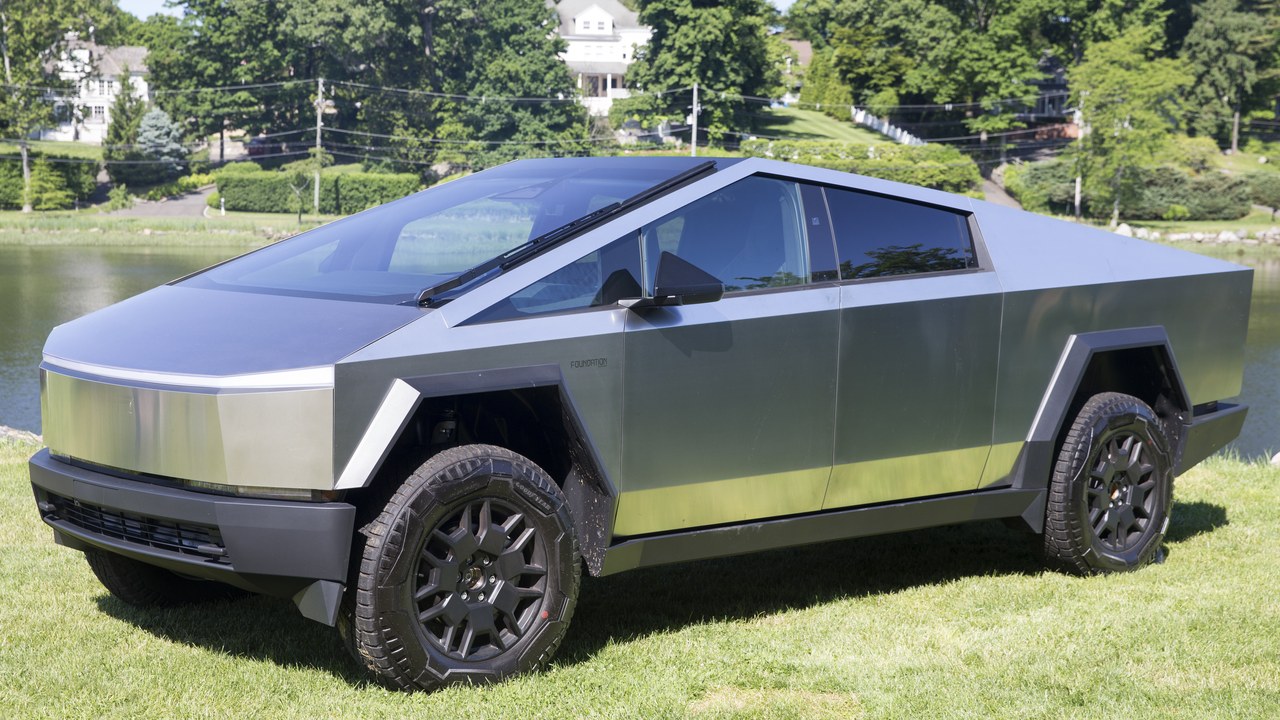
Powershare on the Cybertruck can deliver up to 11.5 kW of continuous power to a home during outages, a figure cited in EnergySage’s bidirectional charging guide. The word continuous is the useful part, because it describes sustained supply to a house rather than a brief burst of output.
The number describes what the truck is rated to send, not necessarily what an installed home system will deliver. Buyers drawn to the Cybertruck as a backup source should still confirm that the rest of the setup, from the home’s wiring to the equipment between truck and panel, is compatible with that output.
4. Ford F-150 Lightning: Most Developed, Most Particular
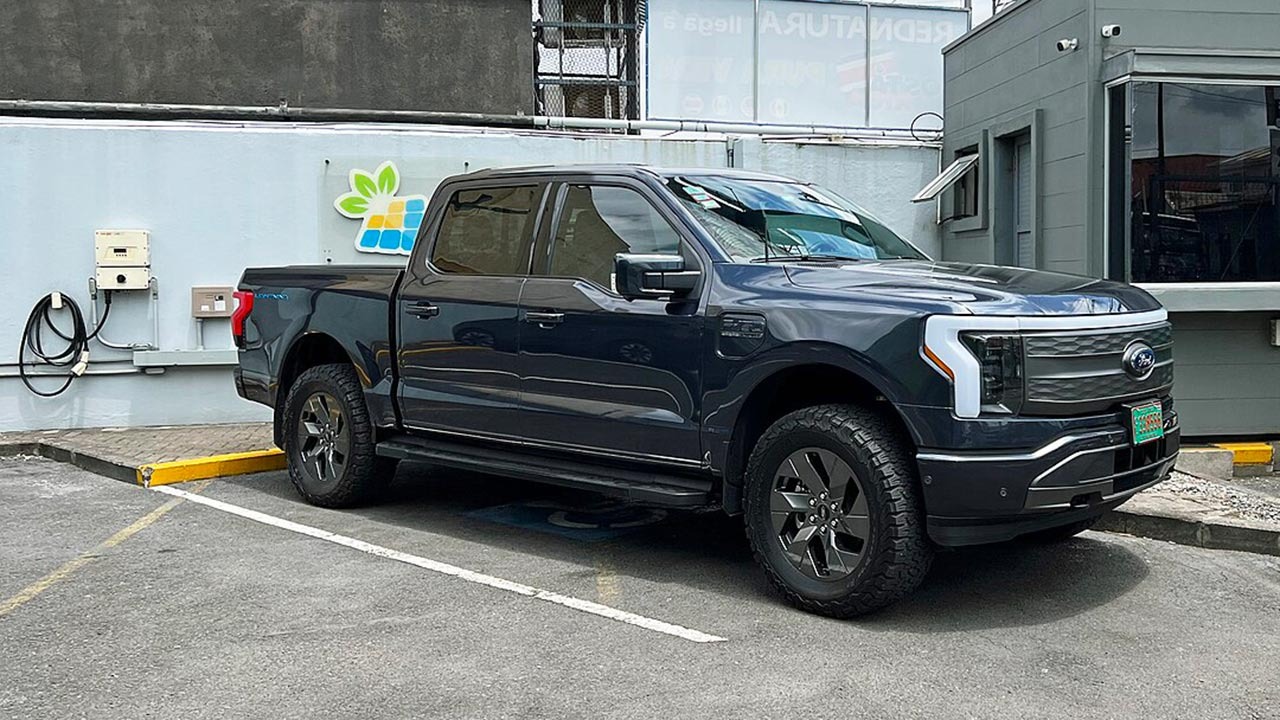
EnergySage’s guide says the F-150 Lightning offers the most developed vehicle-to-home system in the U.S., with a catch that comes in the same sentence. According to the EnergySage bidirectional guide, the truck requires Ford’s specific 80-amp charger, so the equipment is tied to the brand.
That wording points to Ford’s own unit rather than a generic charger, which makes the hardware part of the purchase decision. Lightning shoppers interested in home backup should price the charger alongside the truck and confirm the home’s electrical service can support it before assuming the feature will be available.
5. Hyundai Ioniq 9: A 110 kWh Battery Pack
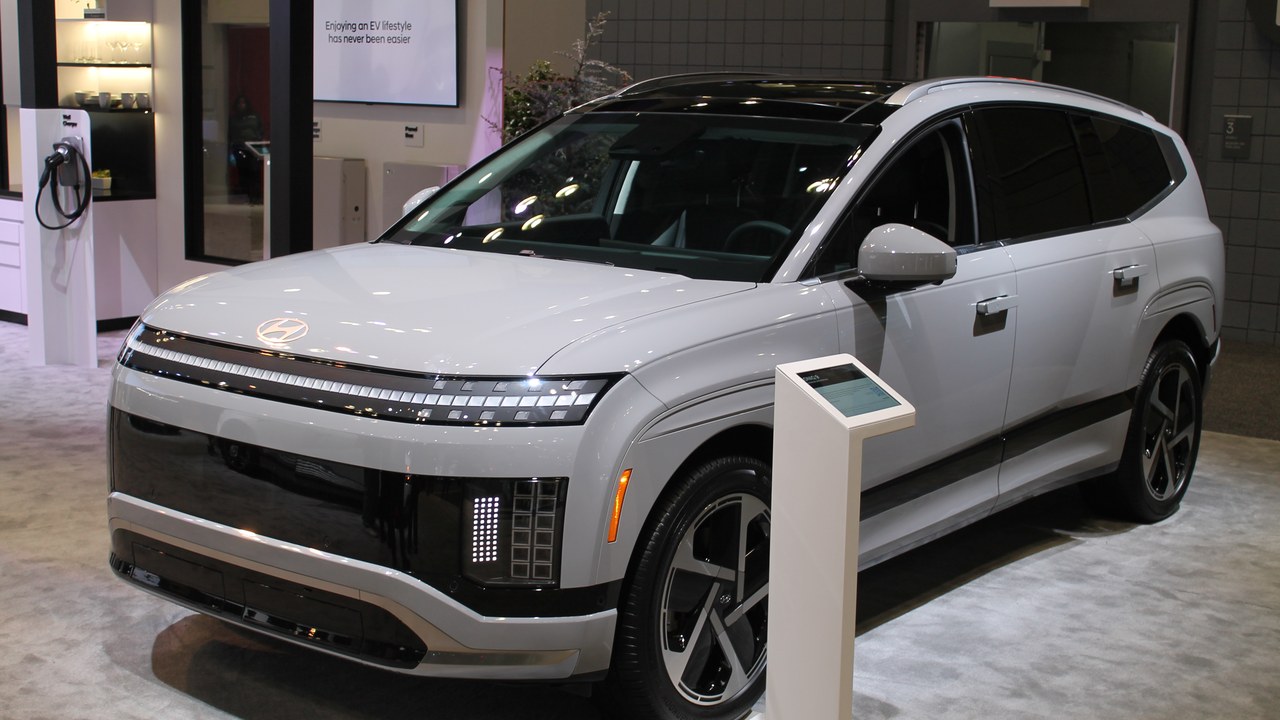
Hyundai’s Ioniq 9 appears on dcbel’s list of bidirectional cars, and the entry highlights its size: ‘Battery capacity rings in at an impressive 110 kWh.’ A pack that large is the main reason the model draws attention in a roundup about sending power back to a house.
Battery size sets the energy available to a home during an outage, so 110 kWh gives the Ioniq 9 a large reservoir on paper. The listing is a roster entry, however, and it does not detail the charger or home equipment required, so owners would need to confirm the setup with Hyundai or an installer.
6. Chevrolet Silverado EV: GM’s First V2H Vehicle
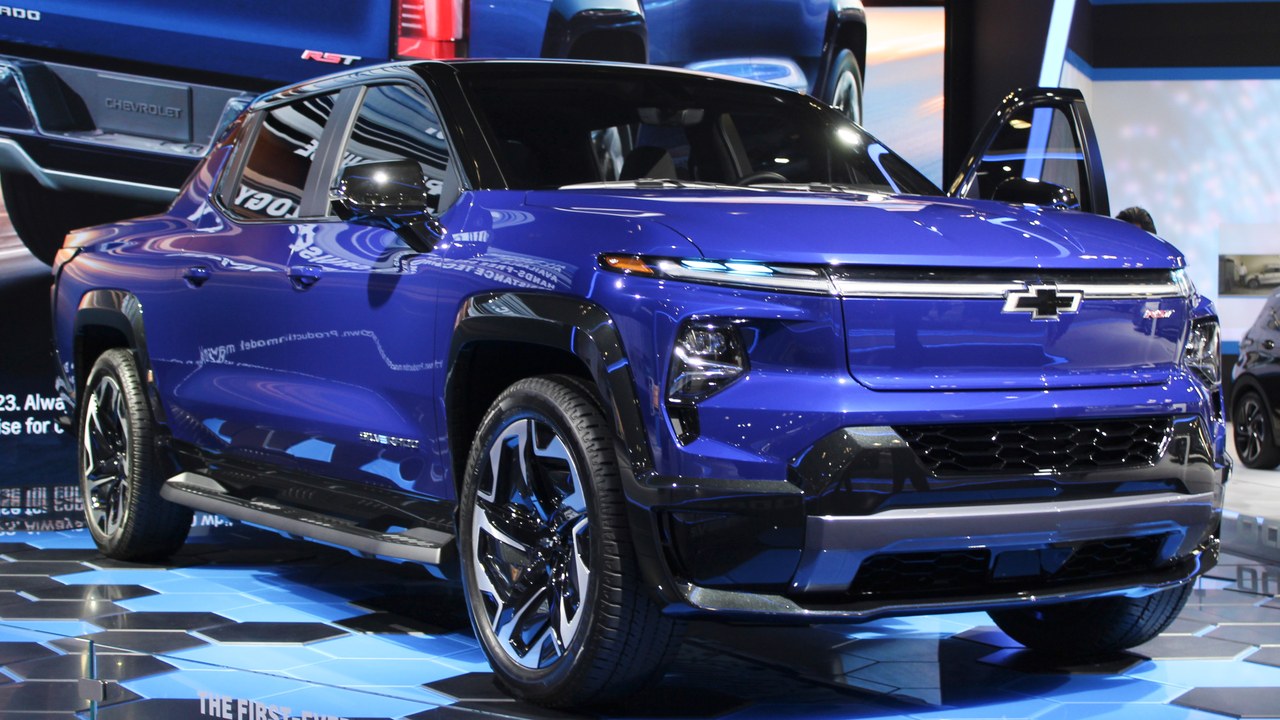
In its August 2023 announcement, GM’s newsroom release presented the Chevrolet Silverado EV as the company’s first vehicle-to-home vehicle, naming ‘the previously announced 2024 Chevrolet Silverado EV RST.’ The pickup therefore anchors GM’s push to let its electric models supply power to a house.
The source is GM itself, which makes this a first-party statement rather than a third-party roster entry. Buyers should note that the release names the RST trim and the 2024 model year, so other versions of the Silverado EV should be checked individually before anyone assumes home power export is included.
7. Volvo EX90: On the Bidirectional Roster
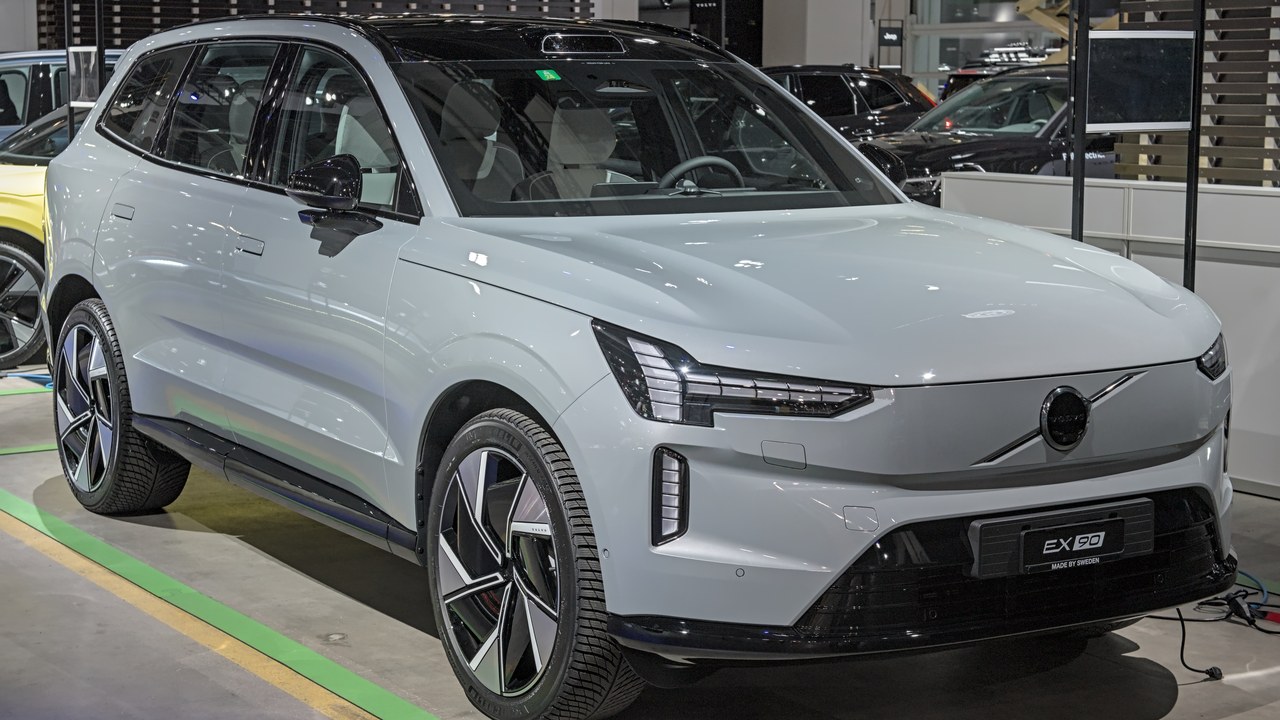
Volvo’s EX90 earns its place through a single, modest piece of evidence: it appears on dcbel’s 2025 roster of bidirectional-capable cars. That listing indicates the SUV can send power as well as receive it, but the entry supplies no output figure, price or equipment requirement.
Without a stated power rating or compatible charger, the listing is best read as a starting point rather than a purchase guide. Prospective owners should ask Volvo or a home-energy installer which equipment pairs with the EX90 before assuming blackout backup is available in their home.
8. Cadillac Lyriq: Part of the First Wave
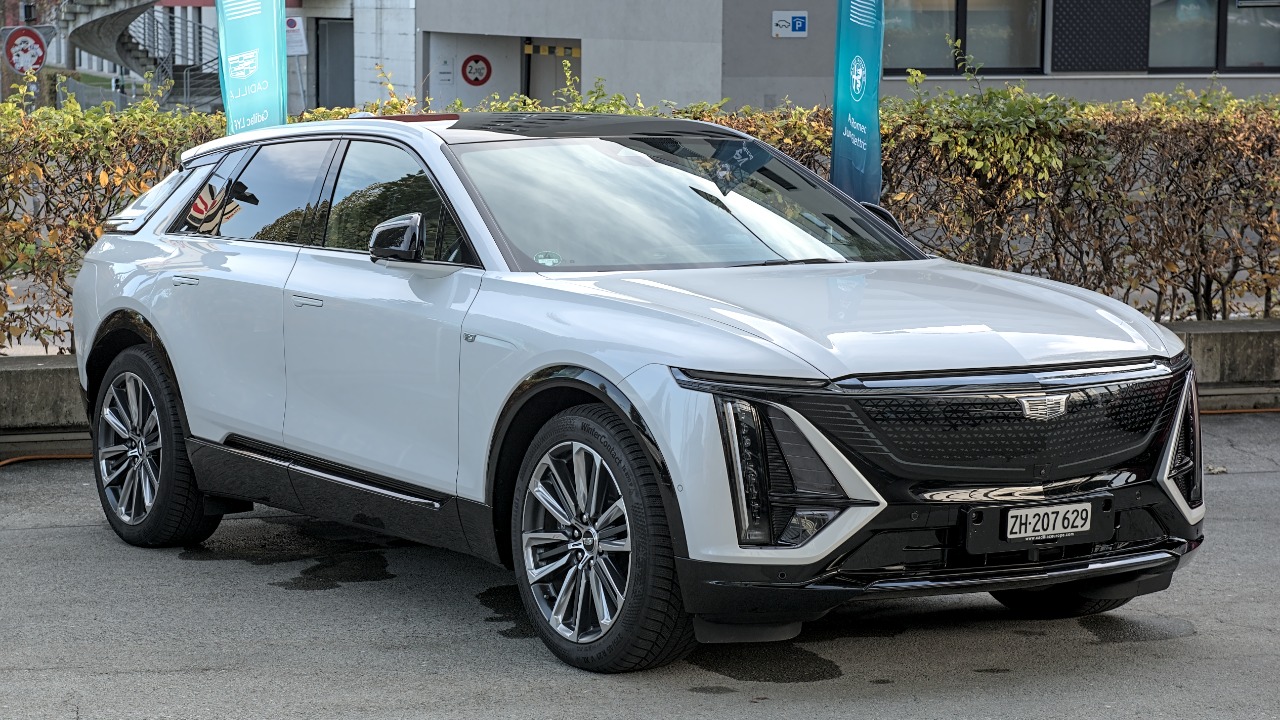
GM named the ‘2024 Cadillac LYRIQ’ in its first wave of V2H models, according to the company’s newsroom announcement. The Lyriq was thus among the earliest Cadillacs promised the ability to send energy from the battery to a house, rather than only drawing power in.
The Lyriq appears in the same release as the Silverado EV and the Escalade IQ, so a Cadillac shopper can compare it against the brand’s larger flagship in a single document. The model year named is 2024, and owners of other years should check eligibility directly with GM.
9. Cadillac Escalade IQ: Listed Before It Arrived
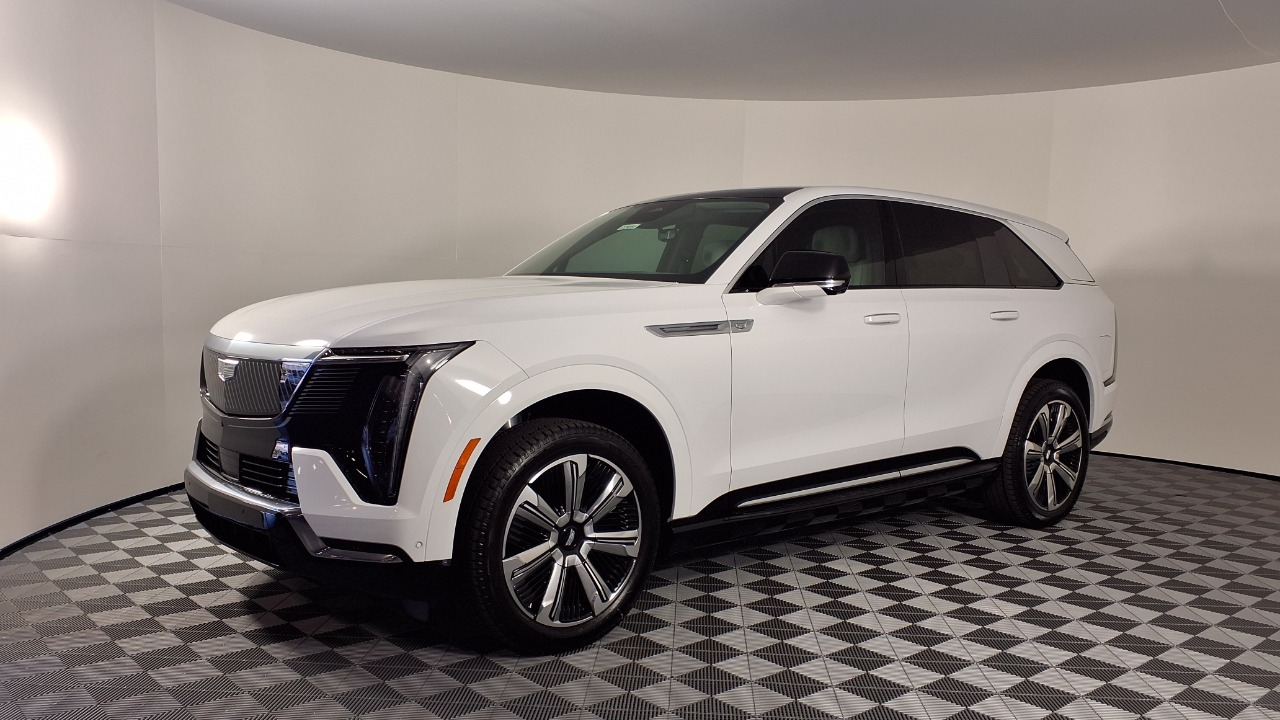
GM’s V2H announcement, published on the company newsroom site, listed ‘the upcoming Cadillac ESCALADE IQ’ among the vehicles slated for home power. The flagship electric SUV was named alongside models already on sale, which signaled that the capability was planned for it from the start.
The word upcoming matters. At the time of that release the vehicle had not yet reached owners, so the listing was a commitment rather than a report from real-world use. Shoppers should confirm that current Escalade IQ trims still support home power export, and what equipment the house needs, before relying on it.
10. GMC Sierra EV: Denali Edition 1 Included
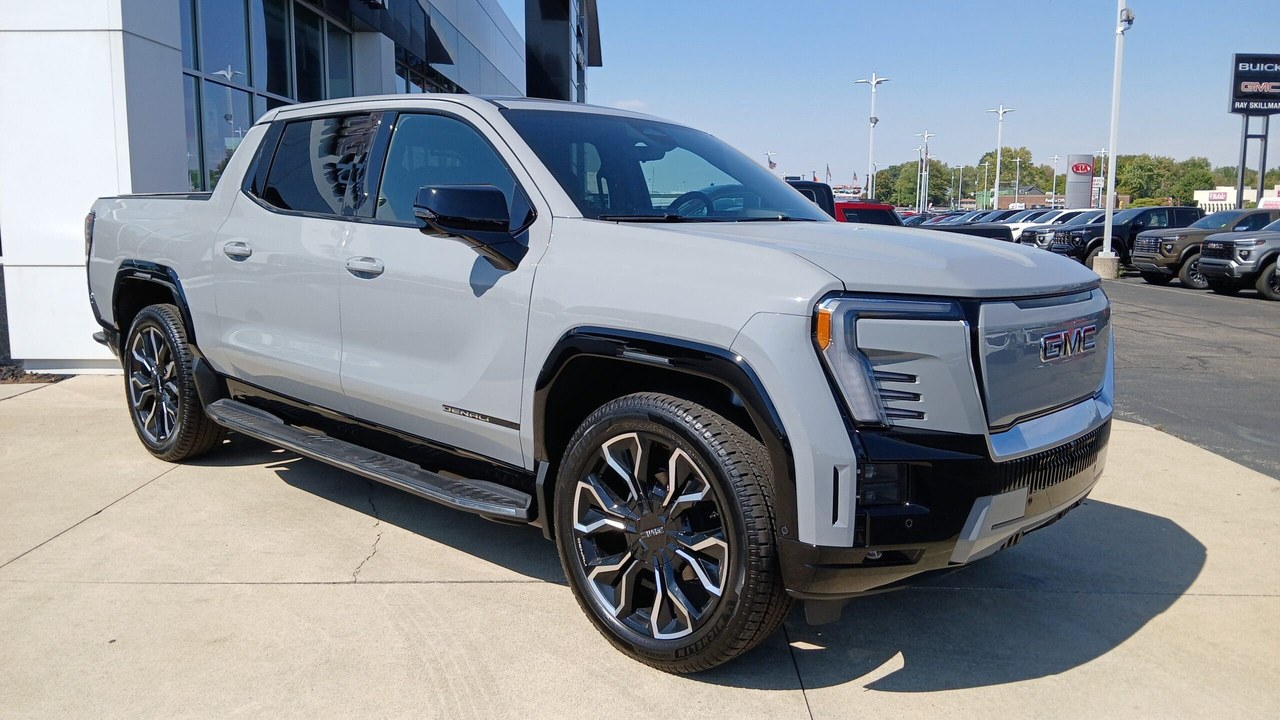
CCJ reported that the ‘2024 GMC Sierra EV Denali Edition 1’ can ‘transfer energy from GM vehicles to a properly equipped home,’ in its coverage of GM’s expansion. The truck is the GMC counterpart in a program that began with Chevrolet and Cadillac models.
The phrase ‘properly equipped home’ carries the real condition. The vehicle supplies the energy, but the house must have the hardware to accept it, and the report does not itemize that equipment. Sierra EV buyers should treat the Denali Edition 1 naming as specific and verify other trims before assuming parity.
11. Chevrolet Blazer EV: Part of a Wider Ultium Rollout
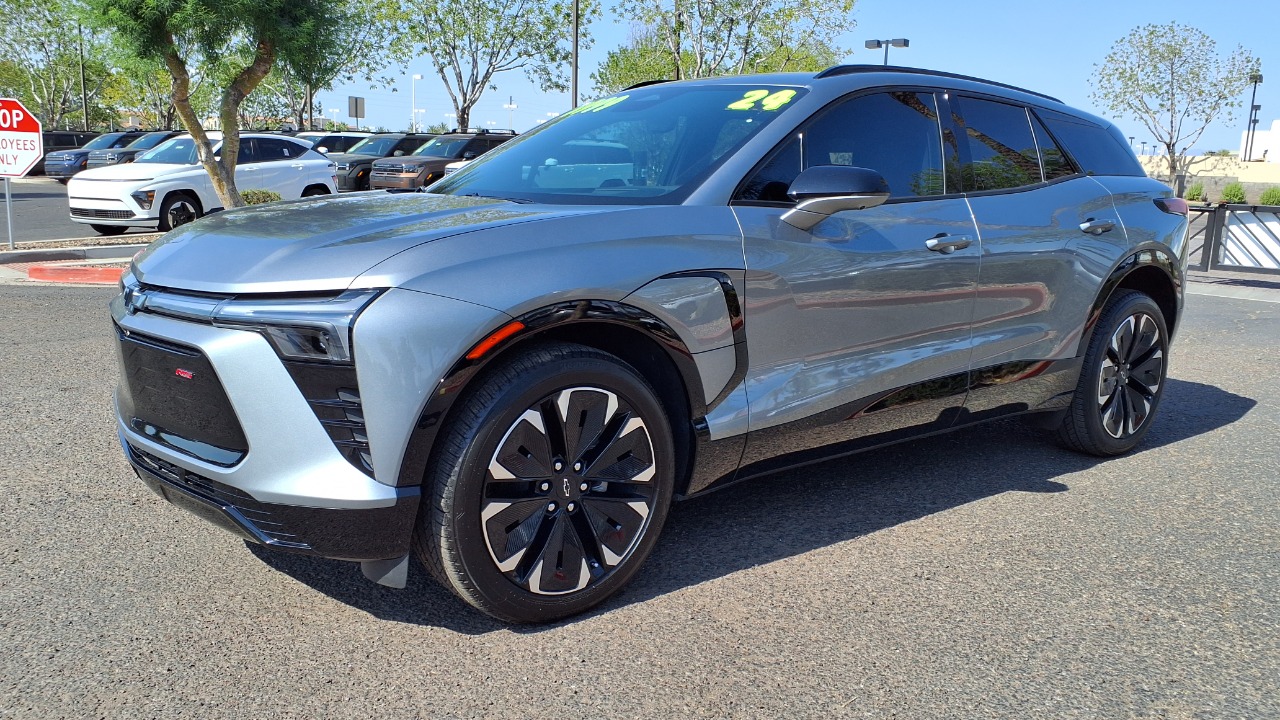
CCJ’s report places the ‘2024 Chevrolet Blazer EV’ in GM’s V2H rollout across ‘Ultium-based electric vehicles by model year 2026.’ The detail appears in the trade outlet’s article and frames the Blazer EV as one stop in a broad, multi-year plan rather than a one-off feature.
The date language suggests the capability was meant to expand over several model years instead of arriving everywhere at once. For a Blazer EV buyer, that makes the specific model year important: the 2024 version is the one named, and later or earlier vehicles deserve a direct check of what each supports.
12. Cadillac Optiq: 85 kWh and 300 Miles
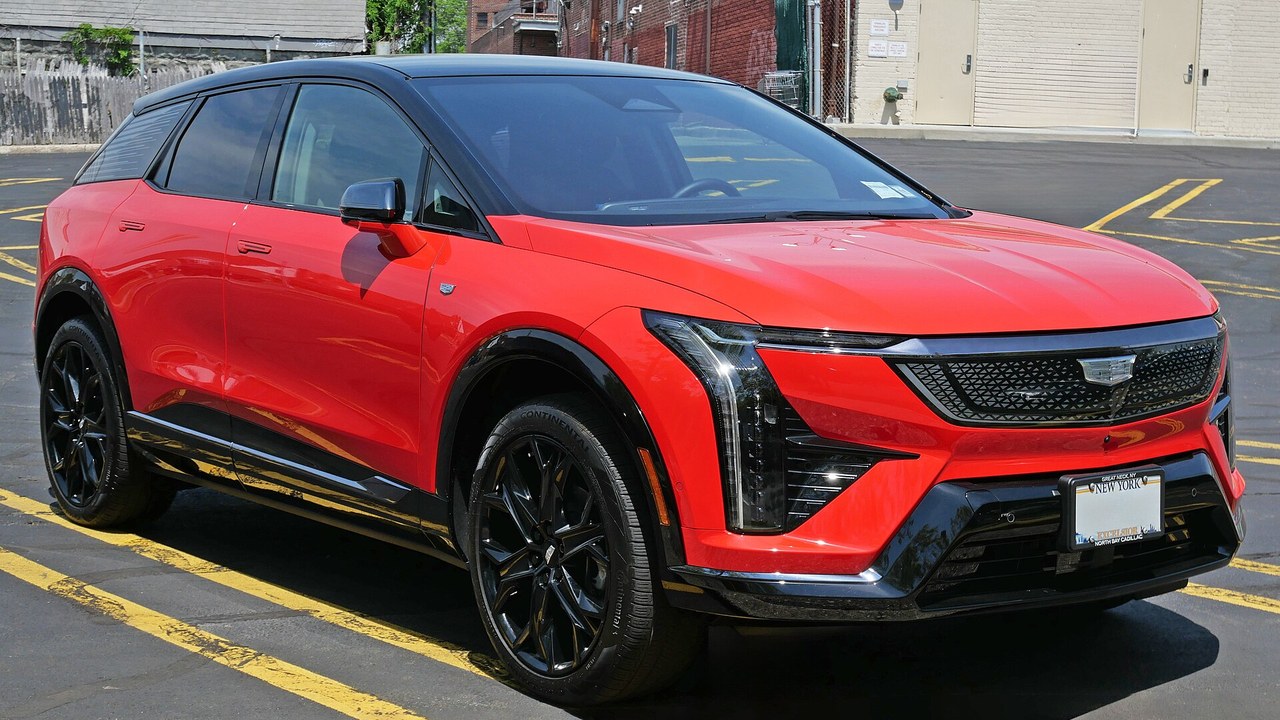
The dcbel roundup lists the Cadillac Optiq among bidirectional-capable models and adds a pair of specifications: ‘With 85 kWh of usable energy, the OPTIQ can travel 300 miles.’ Both figures appear in dcbel’s bidirectional car guide, which treats the compact Cadillac as a credible entry.
The usable-energy number is the one relevant to home backup, since it describes how much power the pack can hold. The 300-mile estimate is a driving figure and does not translate into hours of household runtime. Optiq shoppers should look for a stated output rating and charger requirement before treating it as a blackout solution.
More from Morning Overview
- Regulators cleared the first U.S. small modular reactor, 4 months early
- Lake Powell sank to a record 3,517 feet, nearing the level that stops Glen Canyon Dam’s turbines
- Seven of Earth’s nine planetary boundaries are breached, and all seven are worsening
- The NSA says three phone features should be off whenever you aren’t using them
