
Open-top motoring is not limited to sports cars, and a surprising number of sport utility vehicles have offered a roof that folds, lifts or comes away entirely. They range from rugged trail rigs of earlier decades to a luxury crossover that dropped its roof. Here are twelve of them.
1. Range Rover Evoque Convertible: The Four-Seat Evoque Droptop
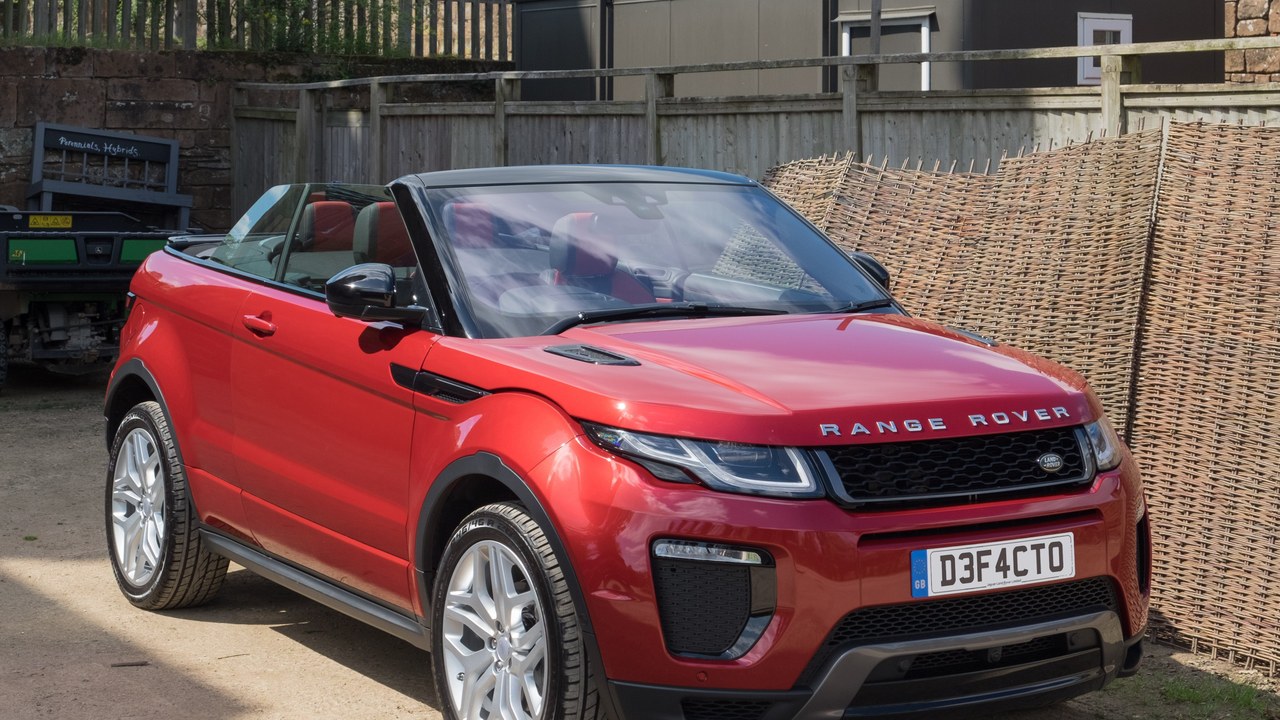
retractable soft top defined the Evoque Convertible, a four-seat version of the compact Range Rover. VehQ places its first sale at the 2017 model year, with production ending in 2018, which makes it one of the shortest-lived open-top SUVs on any list.
A brief run means few were built, so the model is rarely seen on the road. Buyers shopping the used market should expect limited choice and should have the roof mechanism checked carefully before purchase. The Evoque name otherwise belongs to a hardtop crossover, so the open version stands apart.
2. Nissan Murano CrossCabriolet: Crossover With a Folding Roof
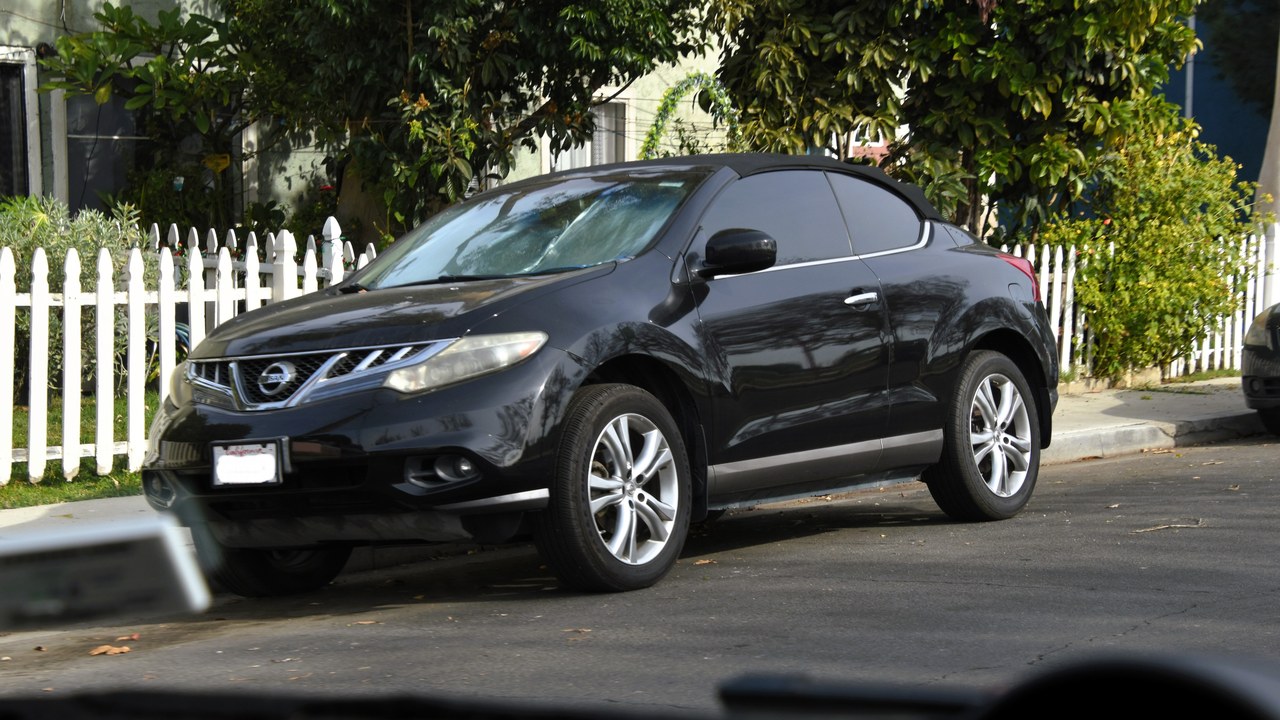
The folding soft top on the Murano CrossCabriolet disappeared into the trunk area, according to VehQ. Built from 2011 to 2014, it was marketed as the first crossover with all-wheel drive and a convertible roof, an unusual pitch for a family-sized Nissan.
The concept never became a trend, and the model left the lineup after only a few years. Its place in history rests on being a luxury crossover that dropped its roof, not on sales volume. It remains a curiosity that sits well outside the usual crossover mold.
3. Ford Bronco: Original Open-Air Bronco
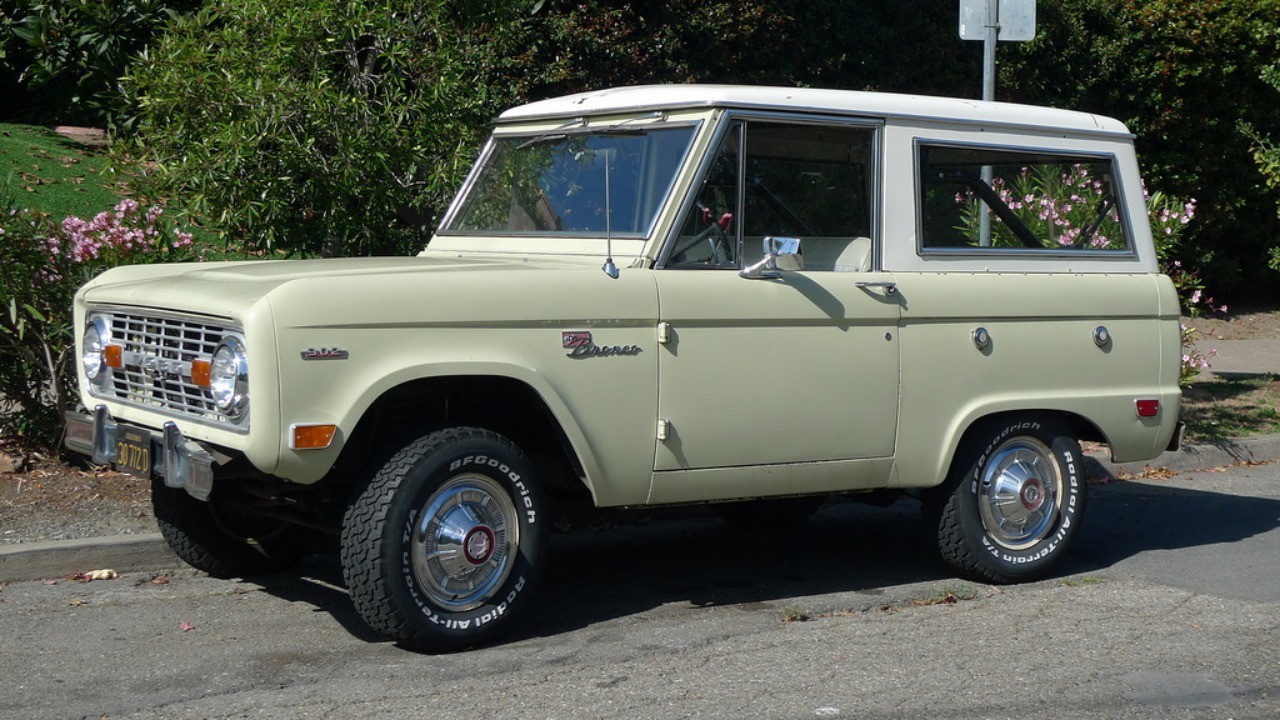
Among older utility vehicles, the original Bronco is one that VehQ names as an SUV with a removable roof. The early two-door body was compact and upright, with a roof that could come off for open-air driving.
The older Bronco has since become a collector favorite. Anyone looking at a surviving example should confirm which roof configuration it carries, since removable tops were a core part of its character. Open-roof capability is part of why the early Bronco is remembered so fondly.
4. Geo Tracker: Canvas-Topped Cousin
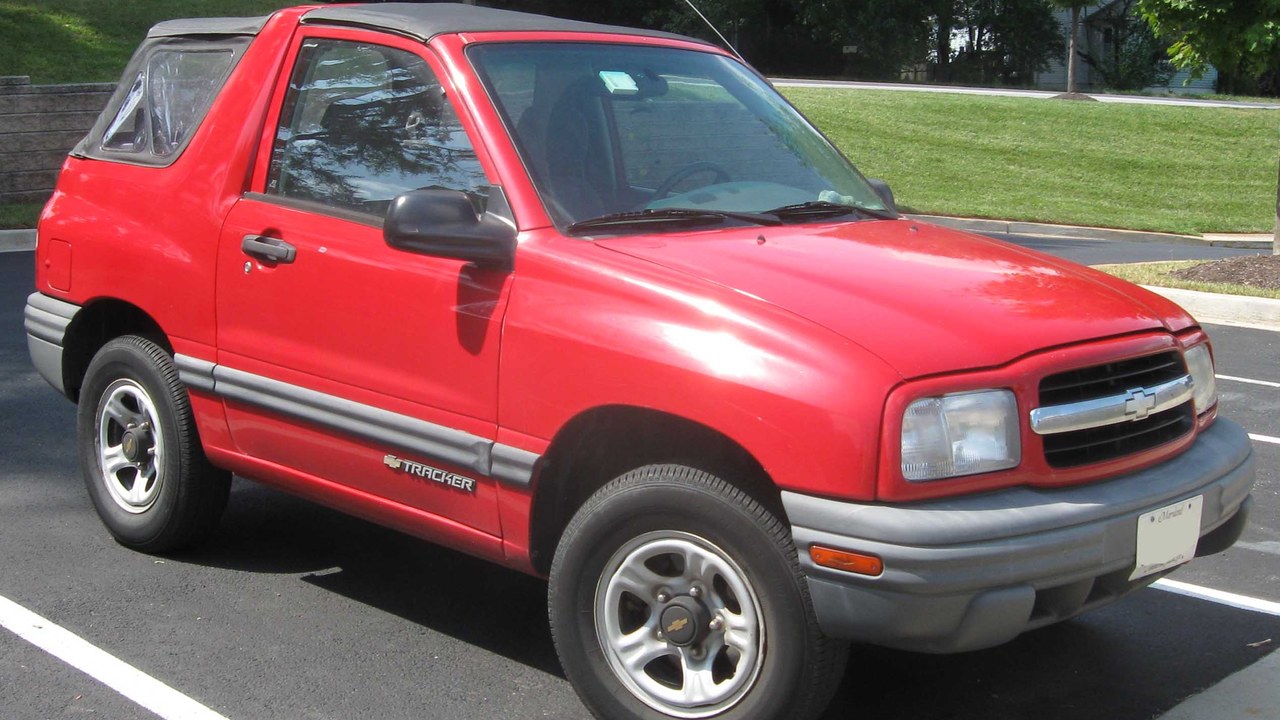
Canvas tops were standard fare for the compact SUVs of the 1990s, and Jalopnik describes the Tracker as one of them. The same vehicle was also sold as the Suzuki Sidekick and Pontiac Sunrunner. It used an 80 hp 1.6L engine and weighed 2,365 pounds.
Light weight and a small engine made it modest in performance but easy to live with. The low output explains why the Tracker was a cheap fun-in-the-sun purchase, not a serious trail machine. The Tracker still turns up as an inexpensive, lighthearted way to get an open roof.
5. Kia Sportage: Folding-Chair Roof Gear
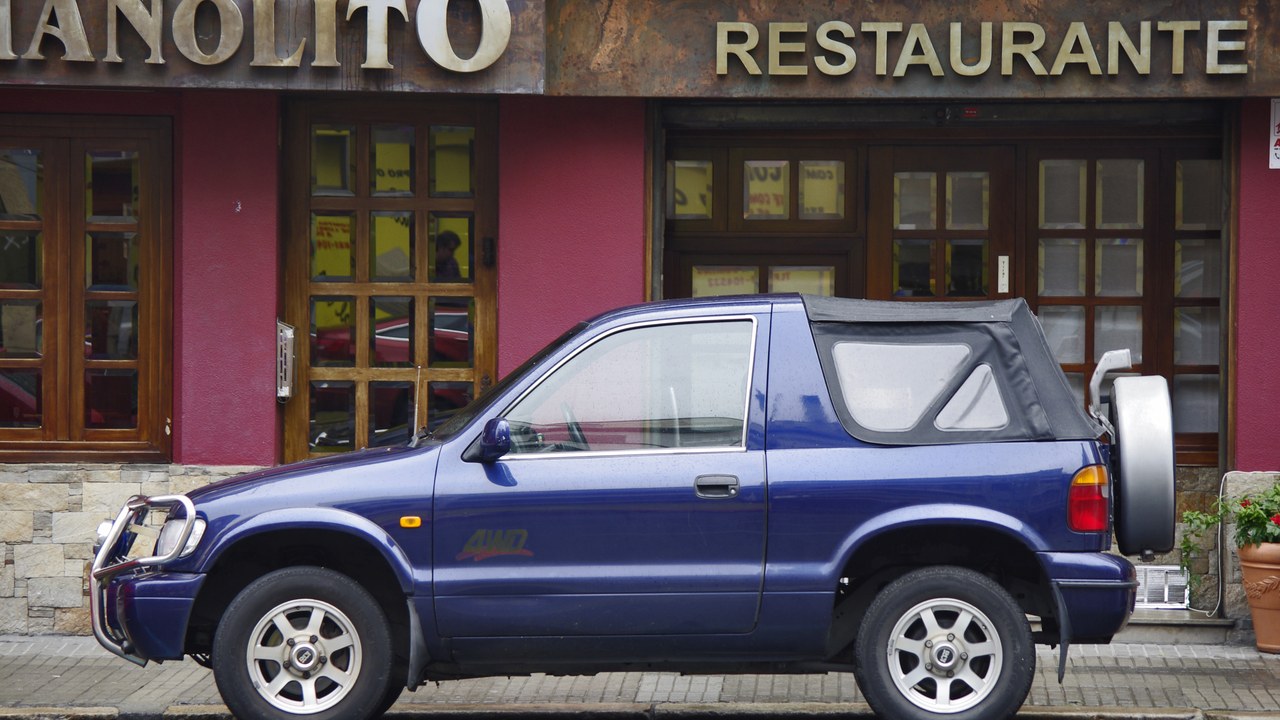
Jalopnik says the first-generation Sportage had a roof mechanism borrowed from a folding chair, which made it a ragtop. That fabric top lasted until the model went out of production in 2002, long before the nameplate became a mainstream crossover.
The contrast with later Sportage models is large. A buyer expecting a modern family hauler would find a very different, much simpler open-air vehicle in the earliest version. It is a historical footnote that surprises many who know only the later models.
6. Isuzu Amigo: Half a Convertible
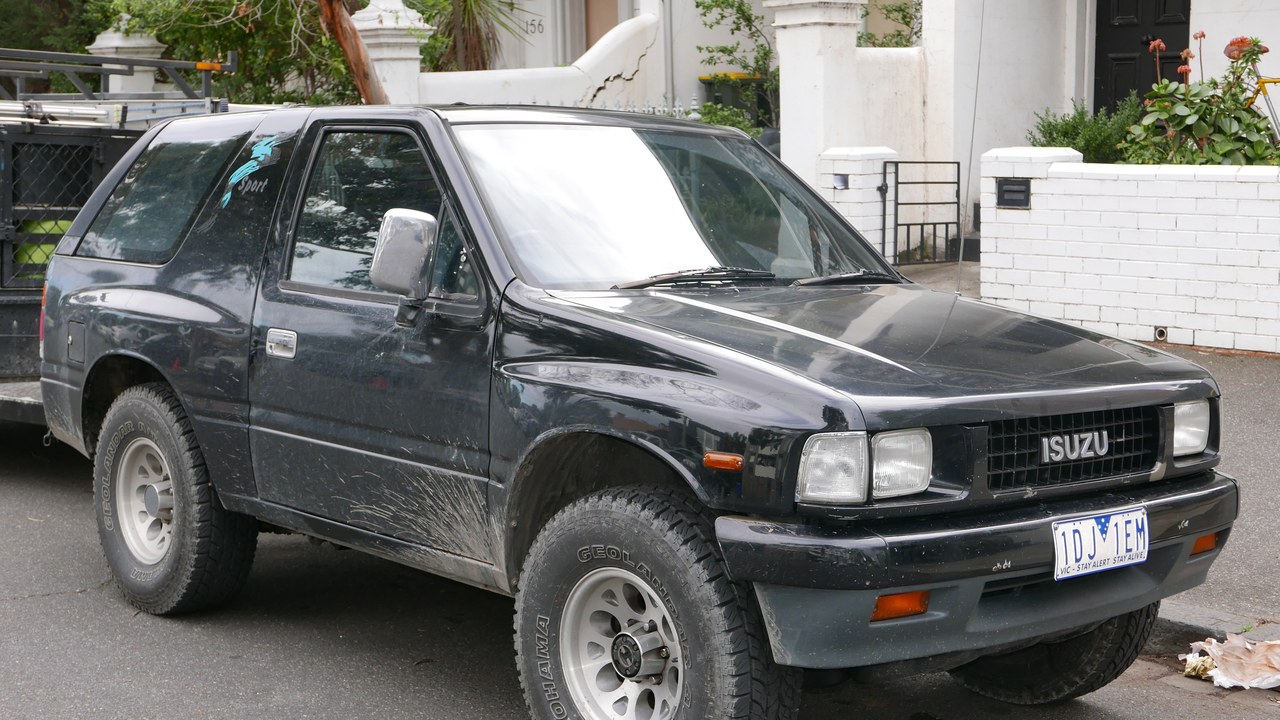
Jalopnik calls the two-door Amigo a compact convertible coupe SUV with “half a convertible top”. The phrase captures its odd design, in which only part of the roof could be opened to the sky.
That partial approach set it apart from vehicles with a fully removable roof. The Amigo remains a quirky entry among 1990s small utility vehicles, remembered more for its unusual top than for outright capability. It stays an unusual footnote in the story of small open-air utility vehicles.
7. Suzuki Samurai: Small 4×4 With a Soft Top
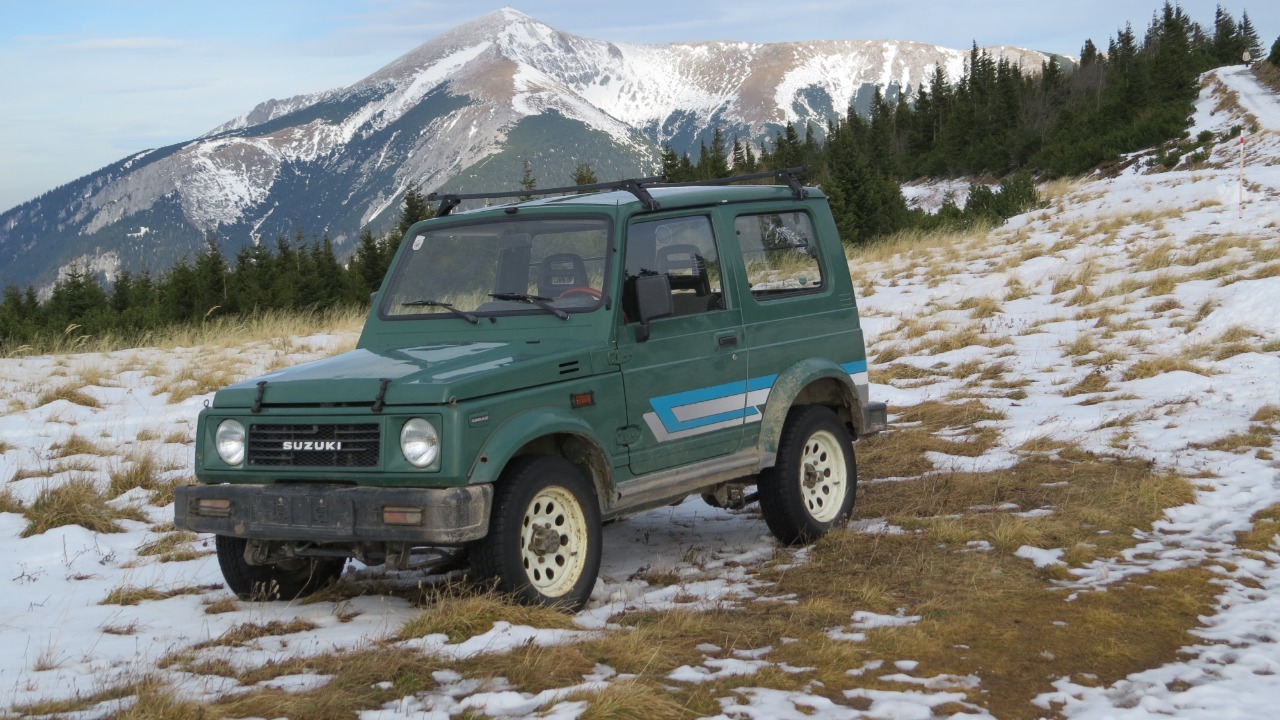
A small two-door 4×4 sold with a removable soft top, the Suzuki Samurai was a basic off-roader. Jalopnik names it as a solid-axle trail vehicle, a layout favored by people who modify trucks for rough ground.
Its short body and light build made the Samurai a natural fit for open-air driving. The soft top kept the vehicle simple, which is much of why it still has a following among off-road hobbyists. The tiny size also made it easy to place on narrow trails.
8. Chevrolet K5 Blazer: Full-Size Open Roof
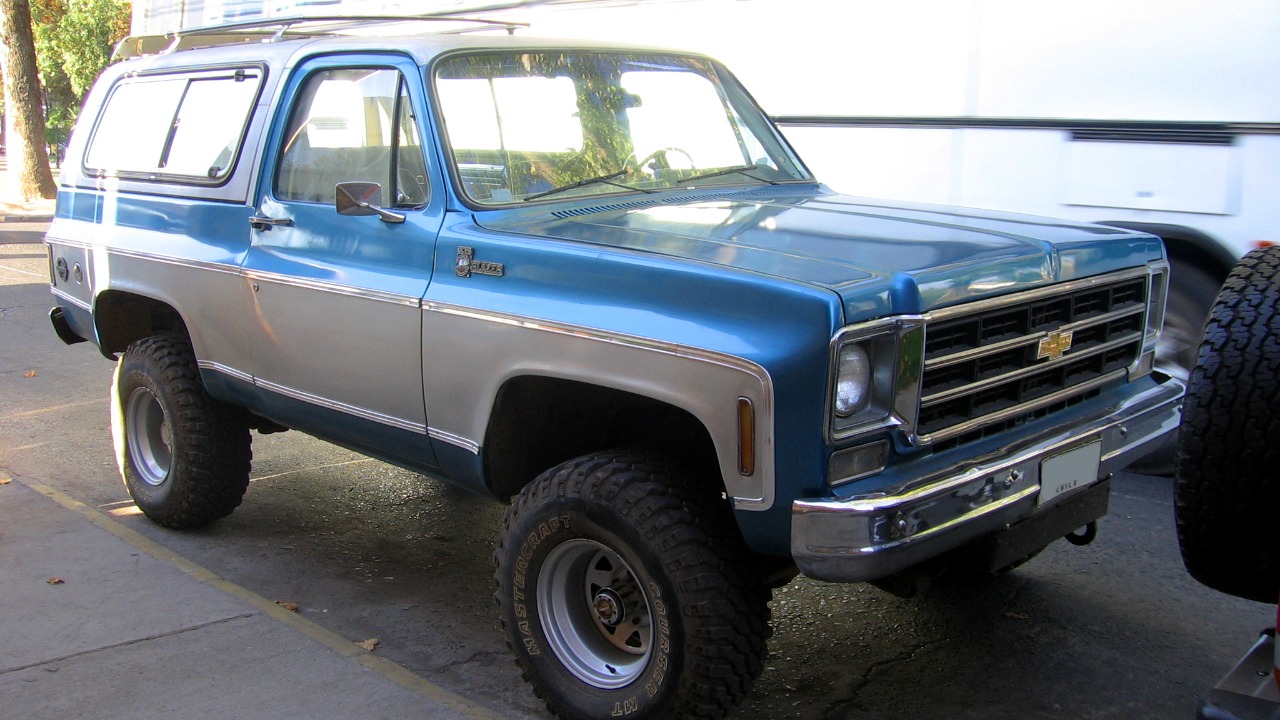
Full-size and rugged, the K5 Blazer offered a removable hardtop over its rear section. That feature set it apart from enclosed wagons of the period and gave the big Chevrolet a truly open cabin on warm days.
Removing a hard roof is a larger job than folding fabric, and the panel takes storage space. The Blazer is nevertheless the best-known example of a large SUV that could effectively become a convertible. Few other SUVs of its size managed that trick.
9. Jeep CJ: Predecessor To the Wrangler
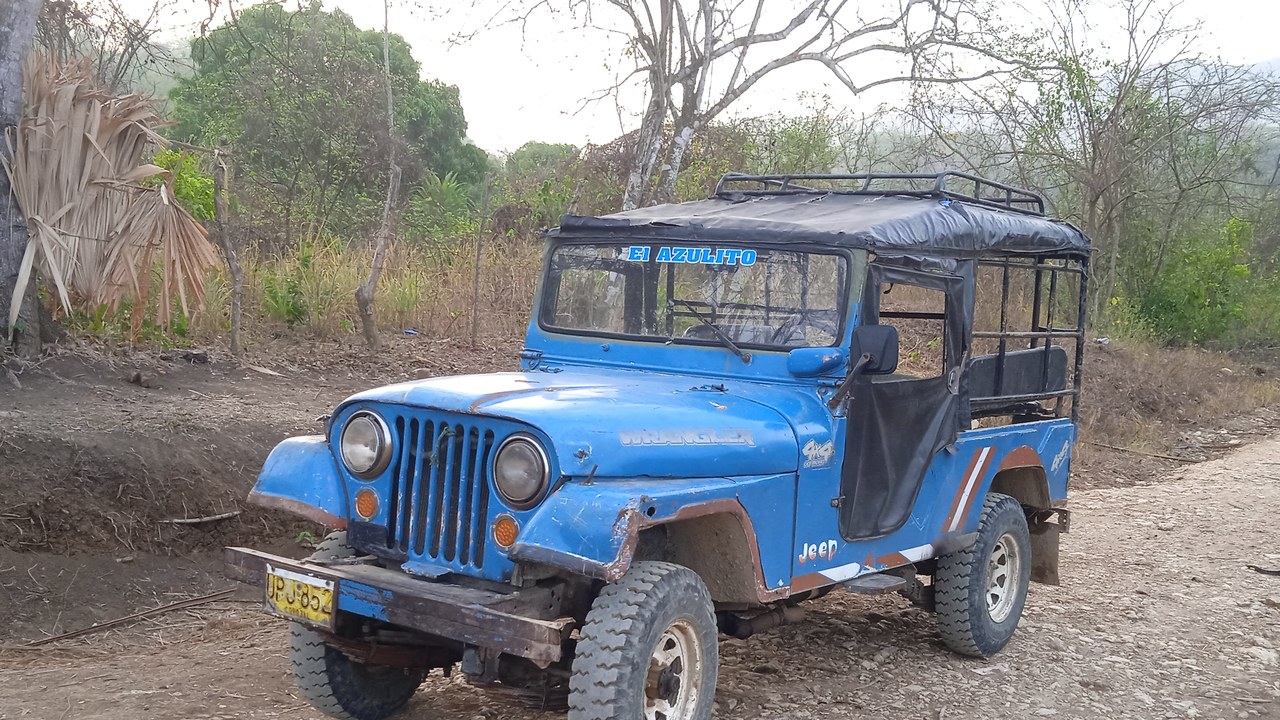
Before the Wrangler, the Jeep CJ was the open Jeep with a removable top. The CJ line established the formula of a simple, upright body that could be stripped down or buttoned up as weather demanded.
That template carried directly into the Wrangler, which is why the family tree matters. Anyone tracing the removable-roof SUV back to its origin ends up at the CJ and its plain, practical design. Its simple layout is the reason so many later open vehicles look familiar.
10. International Scout: Scout With a Lift-Off Roof
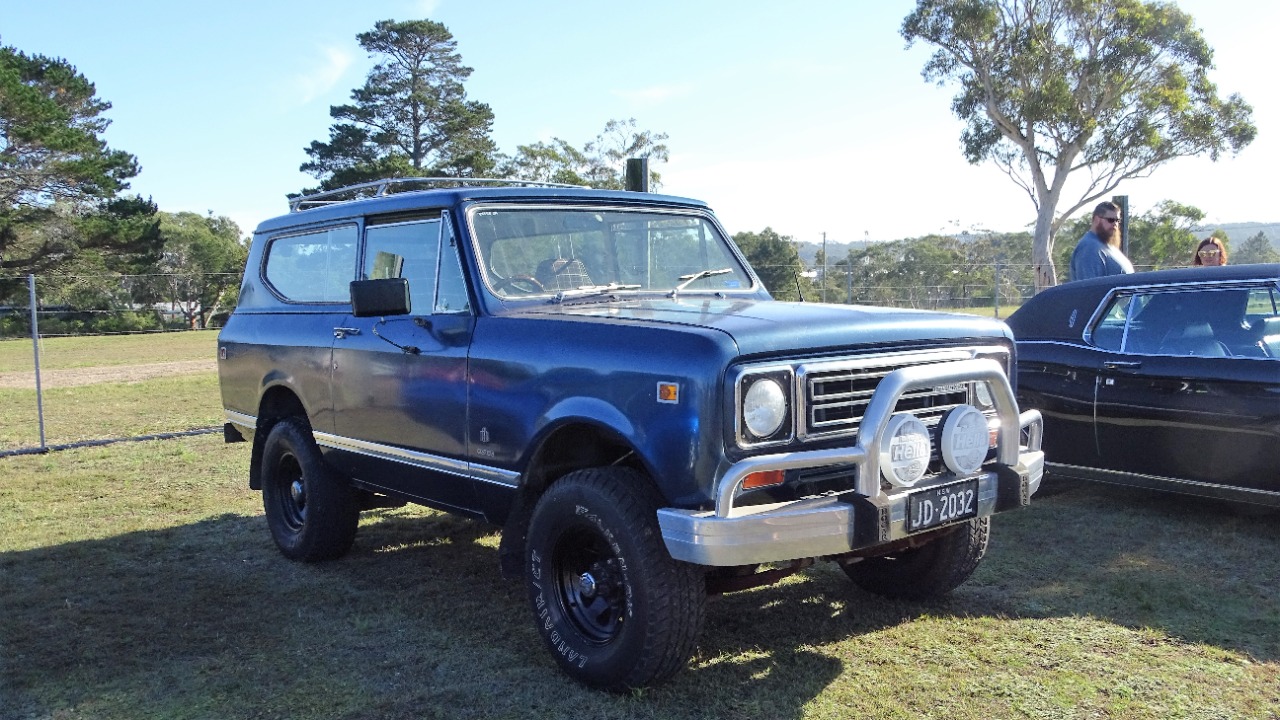
For the International Scout, VehQ lists the model among older SUVs with removable roofs. The Scout was built by a farm and truck maker, and that utilitarian heritage showed in a boxy, work-ready body.
Its lift-off roof turned a rugged truck into an open-air vehicle. Surviving Scouts are now prized by collectors, who tend to value original, unmodified examples. The model’s boxy, honest layout also made it simple to maintain and to repair, a trait that older enthusiasts continue to praise today.
11. Toyota Land Cruiser FJ40: Soft Top On a Classic Cruiser
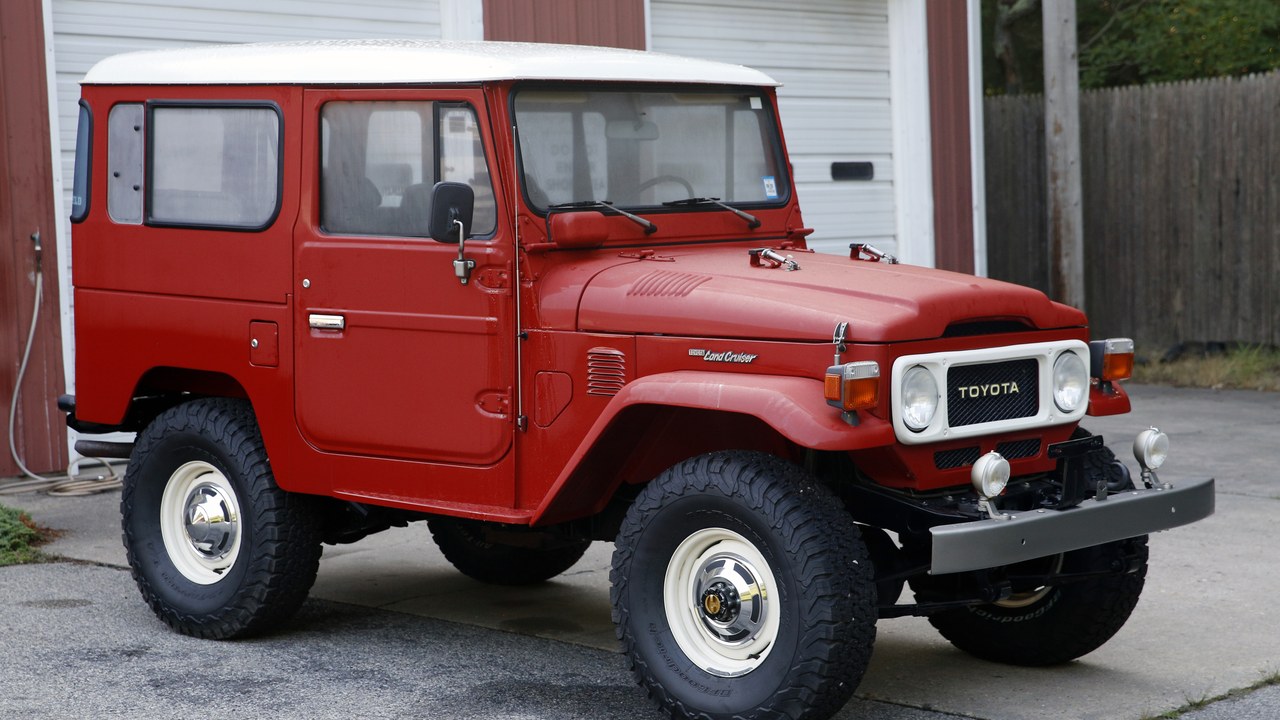
Few vehicles are as closely linked to the removable top as the FJ40 Land Cruiser. Toyota offered the short-wheelbase model with a removable soft top, giving the utilitarian truck an open cabin for warm climates and rough ground.
The FJ40 built a reputation for durability, and clean examples have climbed in value. Buyers should still inspect the frame and the top itself, since fabric roofs wear out long before the steel does. Careful buyers also check for rust around the body mounts and the doors.
12. Suzuki Sidekick: Tracker Twin With Canvas
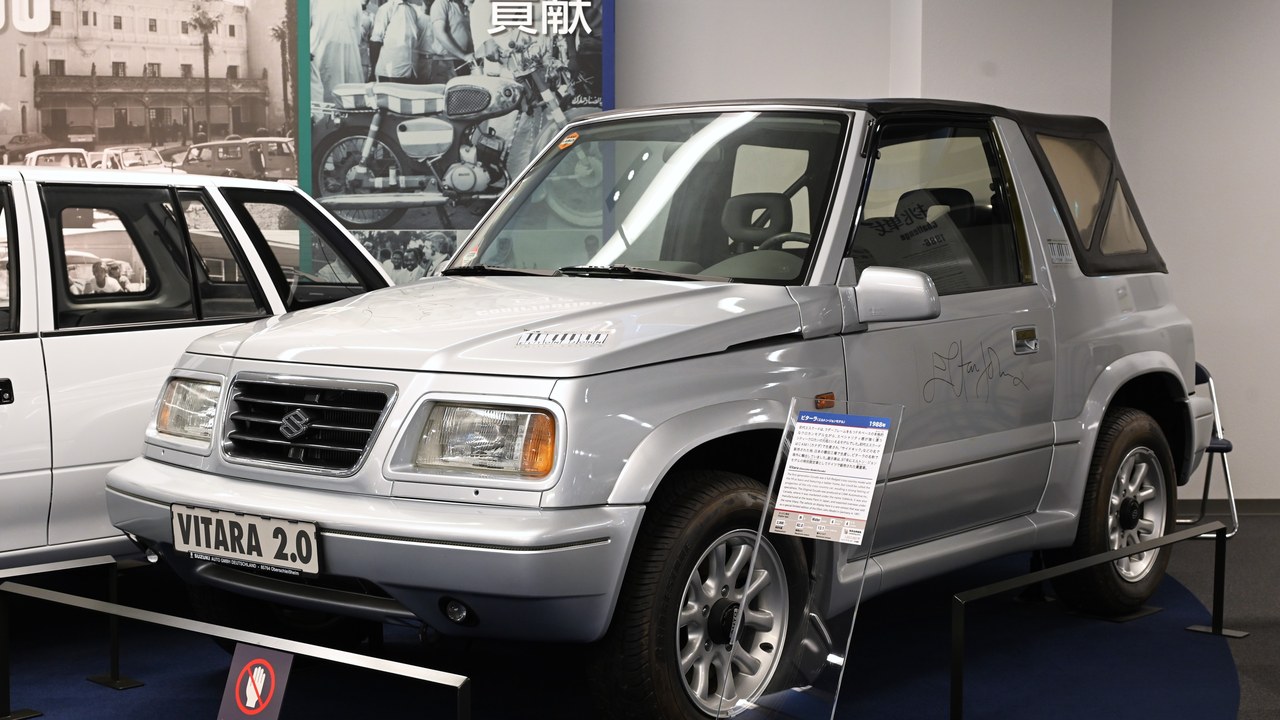
Jalopnik lists the Sidekick as a Tracker twin fitted with canvas tops, one of several badge-swapped siblings from the same factory. Suzuki sold its own version while General Motors sold the Tracker and the Sunrunner.
The shared design means that a fabric roof, light body and small engine defined every version. Choosing among them mostly came down to the badge on the grille and the dealership selling it. Both versions are now a rarity on the road, and a clean one draws attention.
More from Morning Overview
- Ford is recalling 223,472 F-150 pickups because the fuel tank can leak or detach
- Hybrids have 15% fewer problems than gas cars, while EVs and plug-in hybrids have about 80% more, Consumer Reports finds
- Regulators cleared the first U.S. small modular reactor, 4 months early
- Lake Powell sank to a record 3,517 feet, nearing the level that stops Glen Canyon Dam’s turbines
