
Most sports cars keep their engine up front, but a design shift decades ago moved it just behind the driver’s seat instead. That single change reshaped weight balance, handling, and the silhouette of an entire class of performance cars, from Italian icons to Japanese two-seaters. Here are twelve cars that hid their engine behind the driver.
1. Lamborghini Miura: The Template Setter
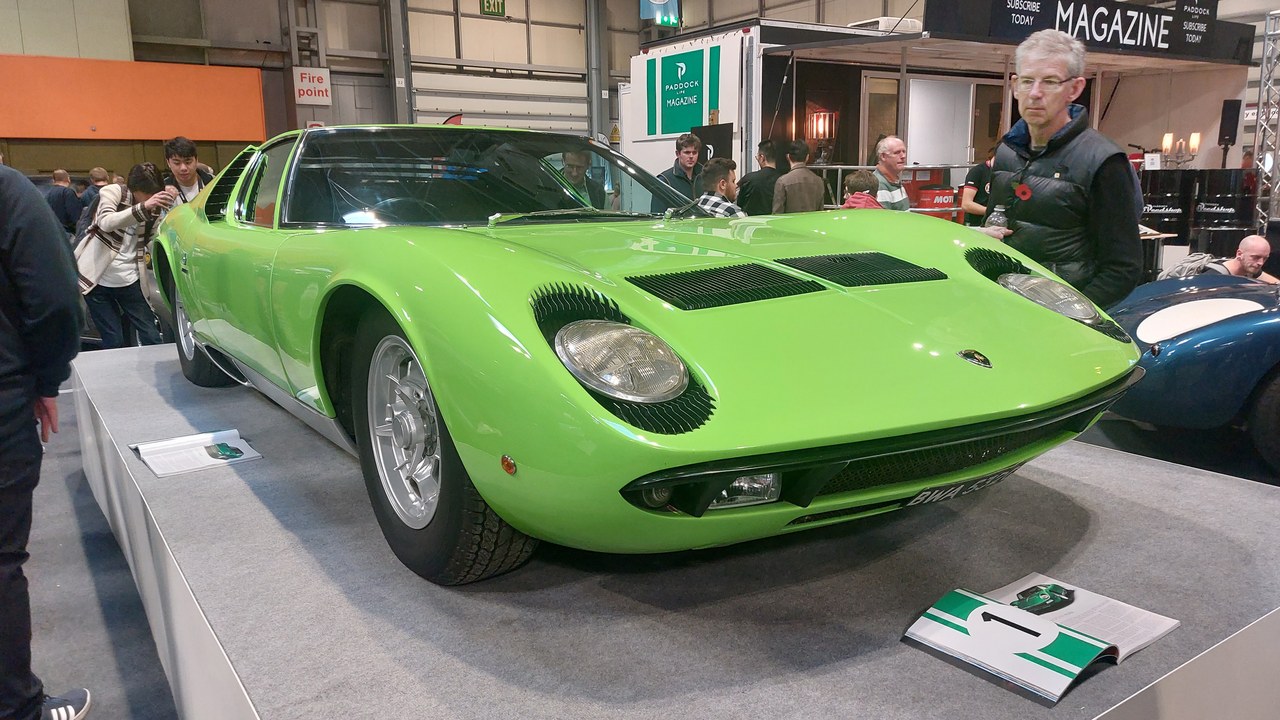
The Miura was the first mid-engine road car Lamborghini built, and Lamborghini’s own history describes a V12 mounted transversely behind the cockpit, just ahead of the rear wheels. That sideways placement kept the car low and the wheelbase short, a layout most rivals hadn’t attempted on a street car.
The arrangement turned the Miura into the template every mid-engine supercar since has followed, even as engine layouts and displacement have changed. Its low, wide stance still defines what a mid-engine exotic is supposed to look like.
2. Ford GT40: Built To Beat Ferrari
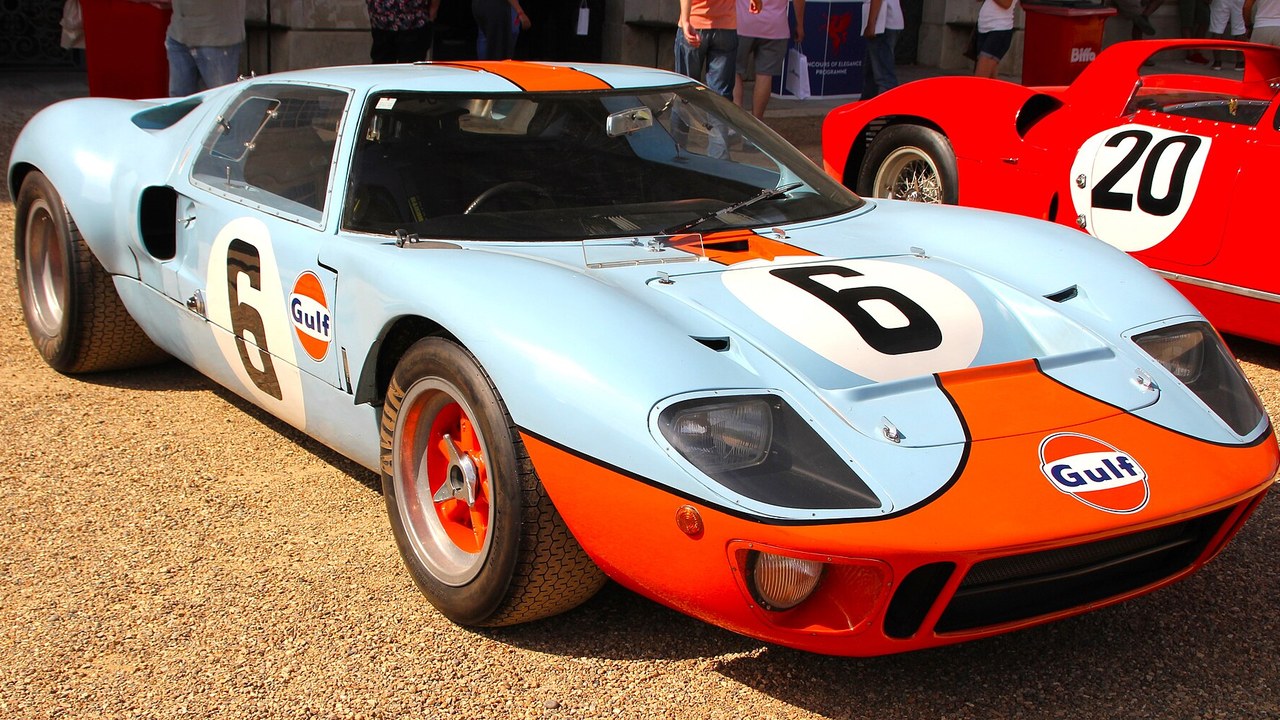
Ford built the GT40 as a mid-engined racing car with one explicit goal: beat Ferrari at Le Mans, and its Le Mans record reflects that mission. The V8 sat low behind the two-seat cockpit, part of a chassis shaped purely around lap times rather than road comfort.
The layout let engineers keep the engine’s mass near the car’s center and the nose low for high-speed stability on long straights. That mid-engine racing pedigree carried directly into the road-going supercars that followed it decades later.
3. De Tomaso Pantera: Italian Body, American V8
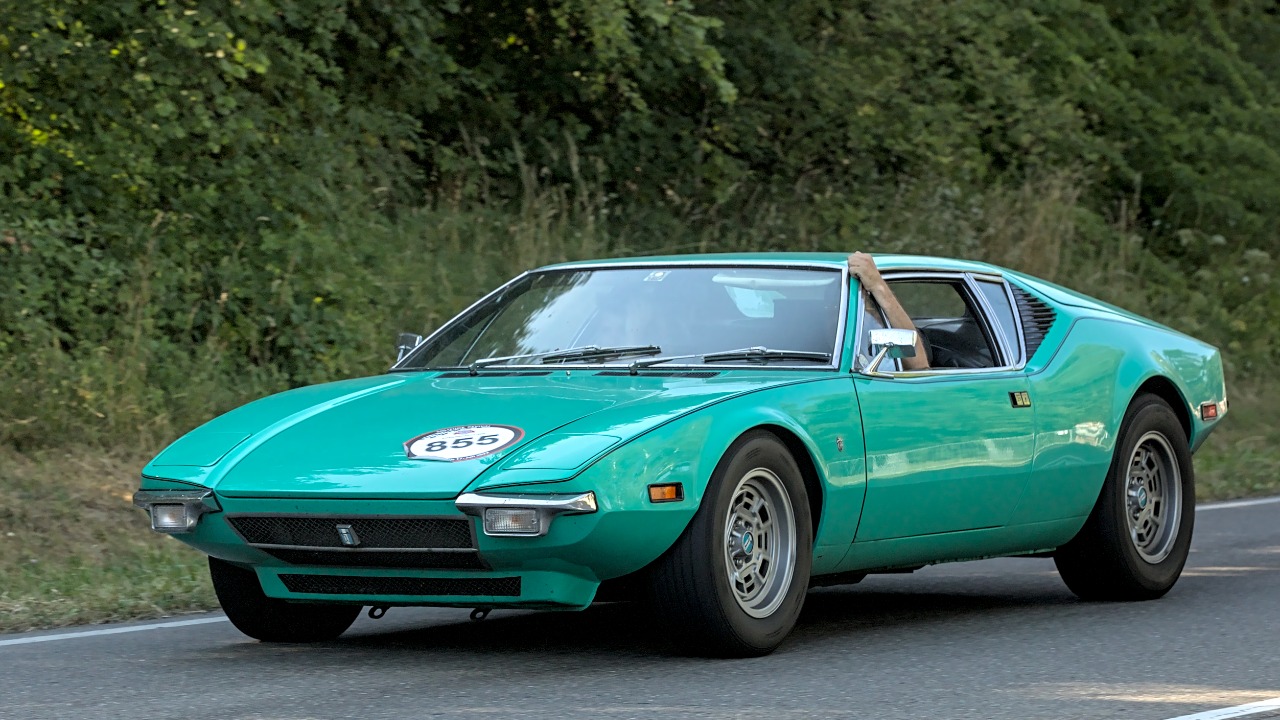
The Pantera used a rear mid-engine layout built around a Ford 351 Cleveland V8, according to its Wikipedia entry, wrapped in bodywork from the Italian manufacturer De Tomaso. Mounting the American V8 just behind the cabin, rather than up front, was the defining engineering choice behind the design.
Pairing a domestic engine with a mid-mounted layout and Italian styling was unusual for the era, when most V8 muscle cars kept their engines up front. The Pantera’s approach made it a rare crossover between American power and European chassis engineering.
4. Fiat X1/9: A Small Car’s Big Idea
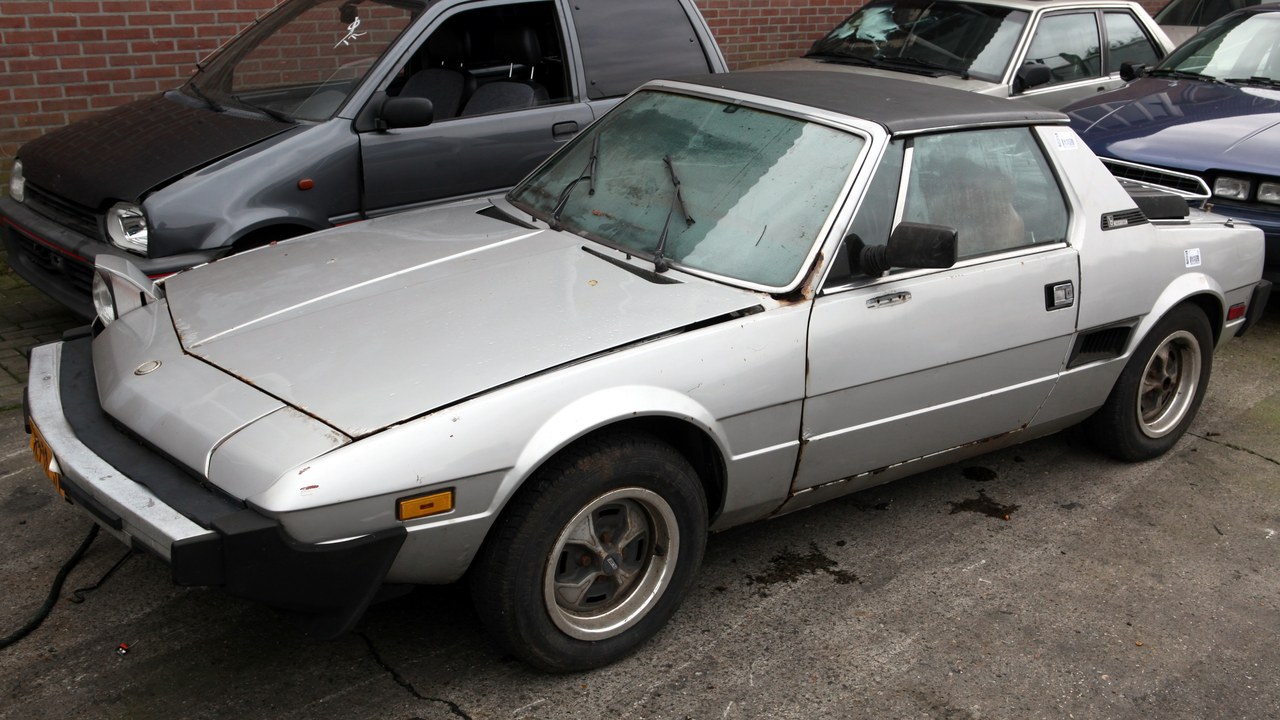
Fiat’s X1/9 mounted its engine transversely behind the two-seat cabin, a layout styled by Marcello Gandini at Bertone and built from 1972, per its Wikipedia page. The targa-top body put a mid-engine layout, usually reserved for exotics, inside an affordable, small-displacement commuter car.
That combination made the X1/9 an unusual entry point into mid-engine handling for buyers who couldn’t afford a Lamborghini or a Ferrari. Its removable roof panels and compact footprint distinguished it from every other car on this list.
5. Lotus Esprit: A Wedge With A Secret
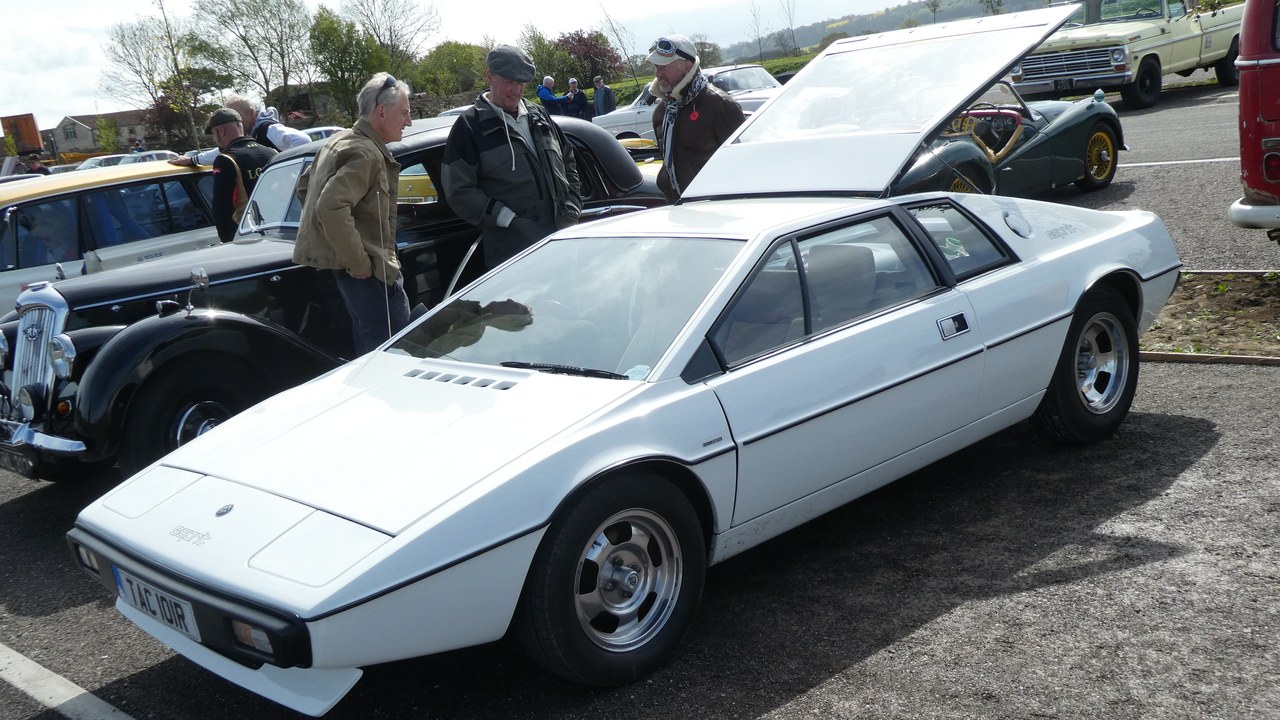
The Lotus Esprit’s sharp, wedge-shaped body hid a mid-engine layout, with Car and Driver noting the original Esprit placed its engine behind the driver rather than up front. Giorgetto Giugiaro penned the angular styling that made the layout look futuristic rather than simply practical.
Placing the engine behind the cabin kept the Esprit’s nose low and its silhouette flat, reinforcing the wedge design language popular through the 1970s and 1980s. The car later became known well beyond enthusiast circles for its appearance in film.
6. Pontiac Fiero: Detroit’s Mid-Engine Detour
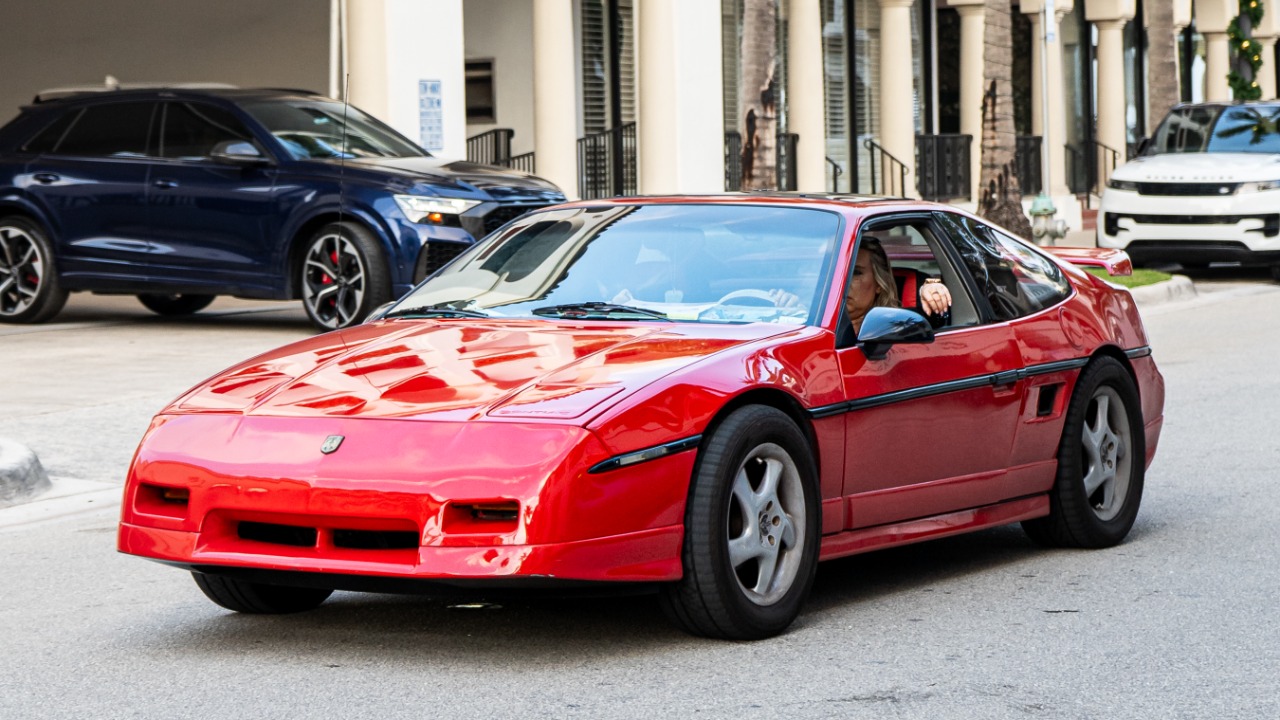
General Motors built the Fiero with a transverse mid-engine layout, an unusual choice for a mainstream American brand, according to its Wikipedia entry. Pontiac produced the two-seater for model years 1984 through 1988, positioning the engine behind the cockpit rather than under a conventional front hood.
The layout set the Fiero apart from nearly every other Pontiac in showrooms at the time, most of which kept front-engine, front- or rear-drive setups. It remains one of the few mass-market American cars ever built around a mid-engine chassis.
7. Toyota MR2: Japan’s First Of Its Kind
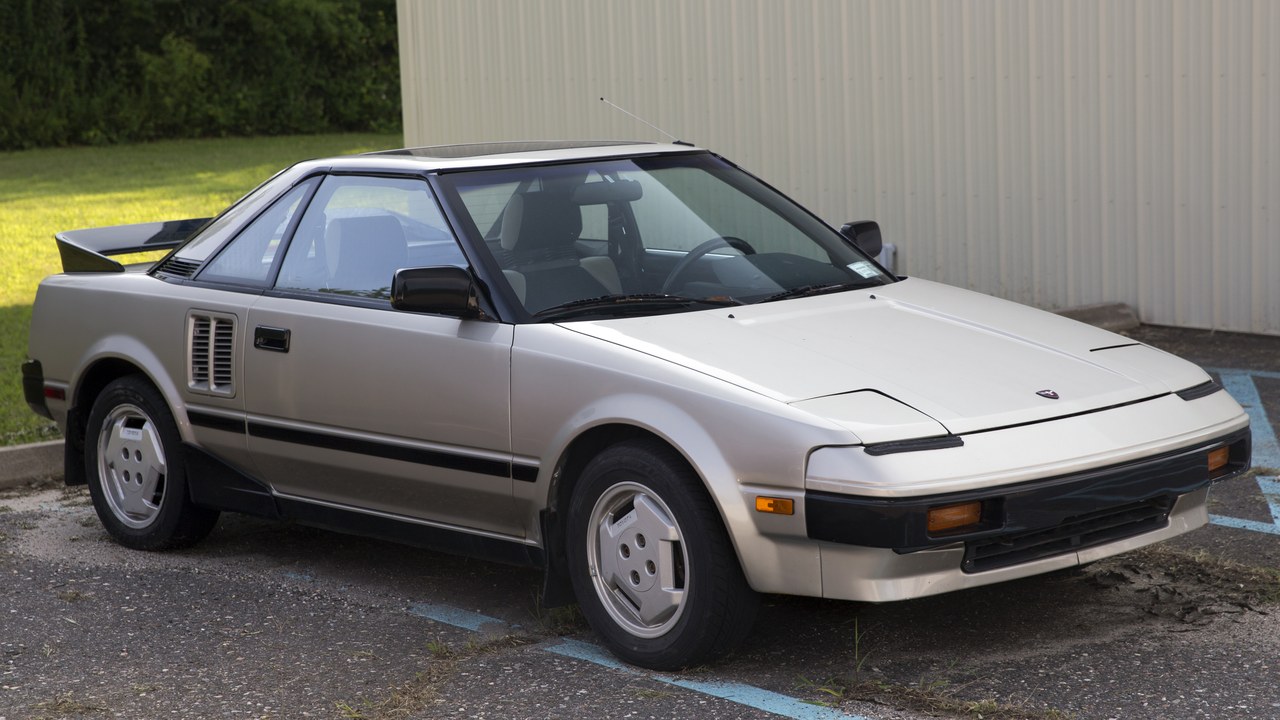
Toyota’s MR2 was the first Japanese rear-mid-engine, rear-wheel-drive production car, built continuously from 1984 to 2007, per its Wikipedia page. The compact two-seater put its four-cylinder engine directly behind the cabin, a configuration few other Japanese manufacturers had attempted at the time.
That layout gave the MR2 sharper, more balanced handling than the front-engine coupes most competitors were still selling. The nameplate ran through three distinct generations before Toyota discontinued it in the mid-2000s.
8. Ferrari F40: The Twin-Turbo Icon
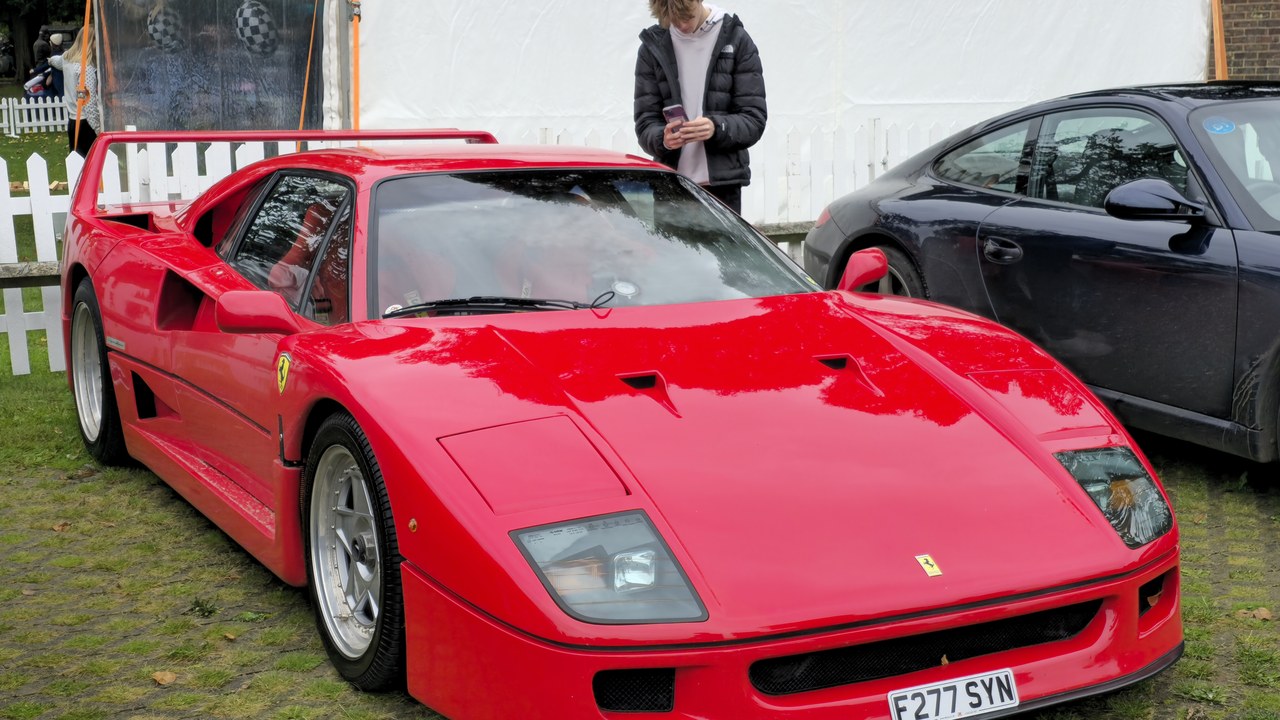
Ferrari’s own listing for the F40 describes a rear longitudinal twin-turbo V8 mounted behind the driver, paired with a top speed of 324 km/h. The car arrived as Ferrari’s flagship in the late 1980s, built with a stripped, lightweight cabin around that mid-mounted engine.
Positioning the turbocharged V8 low and centrally helped the F40 put its power down without the front-heavy nose of Ferrari’s earlier grand tourers. It stood as the fastest production Ferrari of its era.
9. Acura NSX: Supercar Handling, Daily Manners
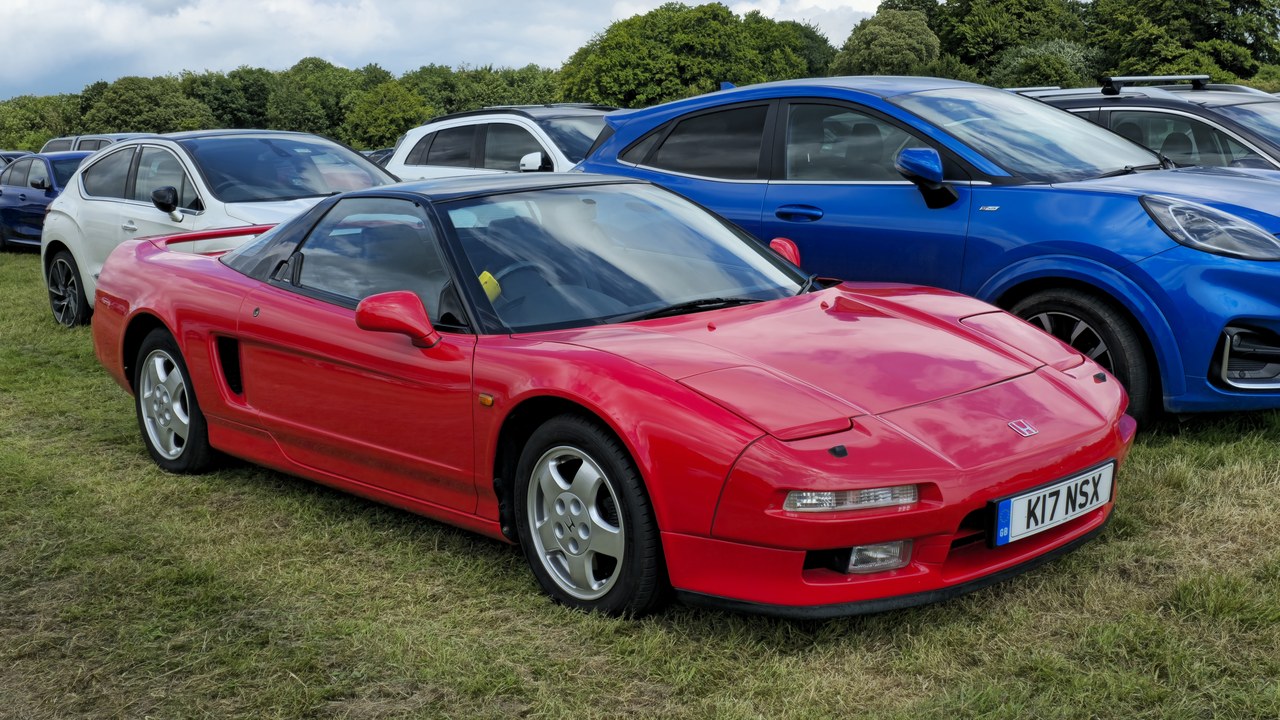
Car and Driver’s specs for the NSX describe the 2022 Type S as mid-engine, with front and mid motors working together in its hybrid layout. Acura built the NSX to deliver mid-engine handling without sacrificing the everyday usability of a conventional coupe.
That balance set the NSX apart from more temperamental European rivals of the same era, which prioritized outright performance over daily comfort. The nameplate carried the mid-engine hybrid layout through to the end of its production run.
10. McLaren F1: A Seat Built For One, First
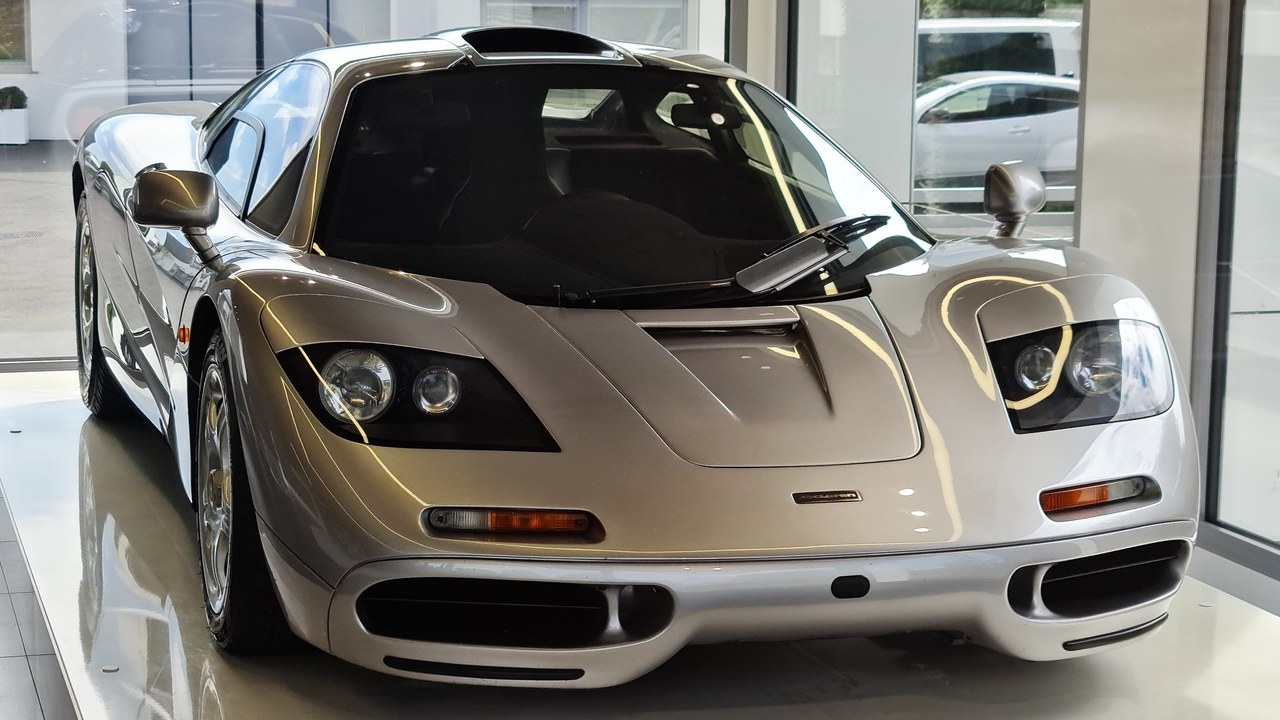
The McLaren F1 placed a rear mid-engine BMW S70/2 V12 behind a central driving seat, according to its Wikipedia entry, with two passenger seats set slightly behind and to either side. Butterfly doors opened upward to grant access to the unusual three-seat cabin.
Centering the driver ahead of a mid-mounted V12 was a layout no other road car of the period matched, built purely around driver feel rather than passenger convenience. The F1 became a benchmark for the hypercars that followed.
11. Porsche Boxster: Porsche’s Mid-Engine Roadster
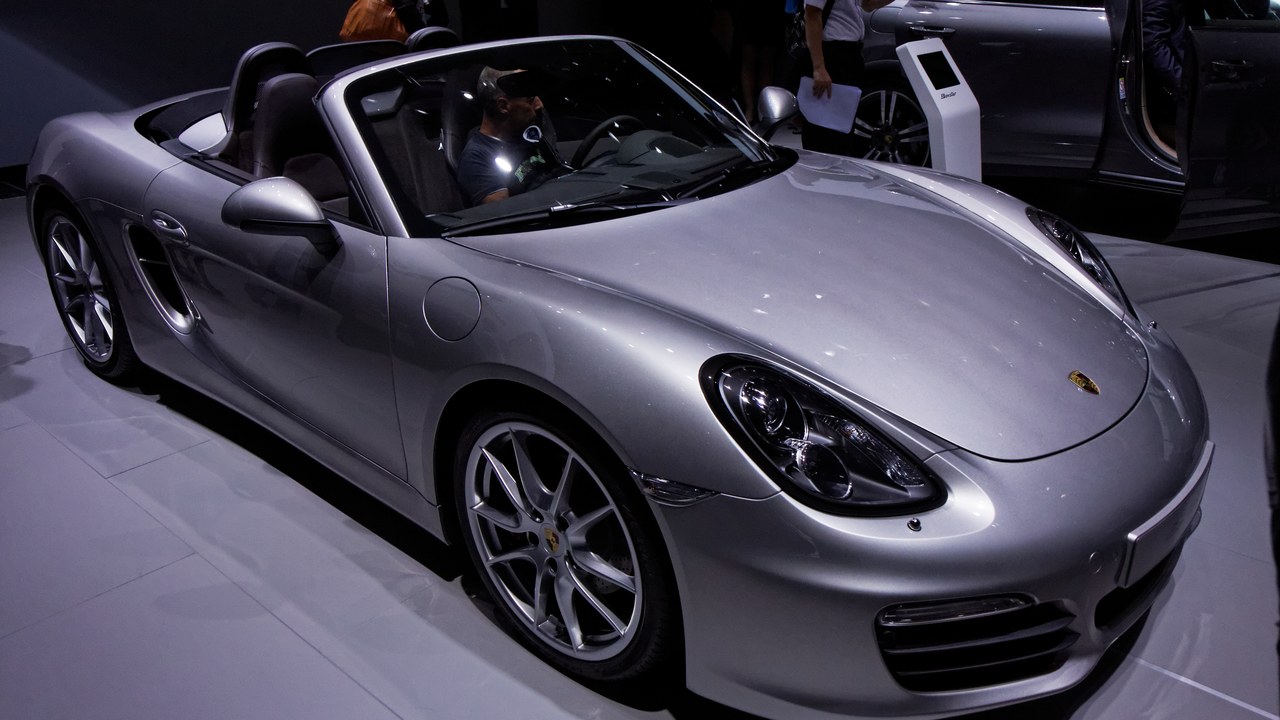
Car and Driver’s specs for the Boxster list the 718 Spyder RS as mid-engine and rear-wheel drive, placing the flat-six behind the two-seat cockpit rather than at the rear like a 911. Porsche built the roadster as an accessible mid-engine alternative to its flagship sports car.
That layout gave the Boxster a more neutral weight balance than the rear-engine 911 it was sold alongside. The convertible top and mid-mounted engine combination has carried through every generation since the model’s introduction.
12. Chevrolet Corvette: America’s Late Convert
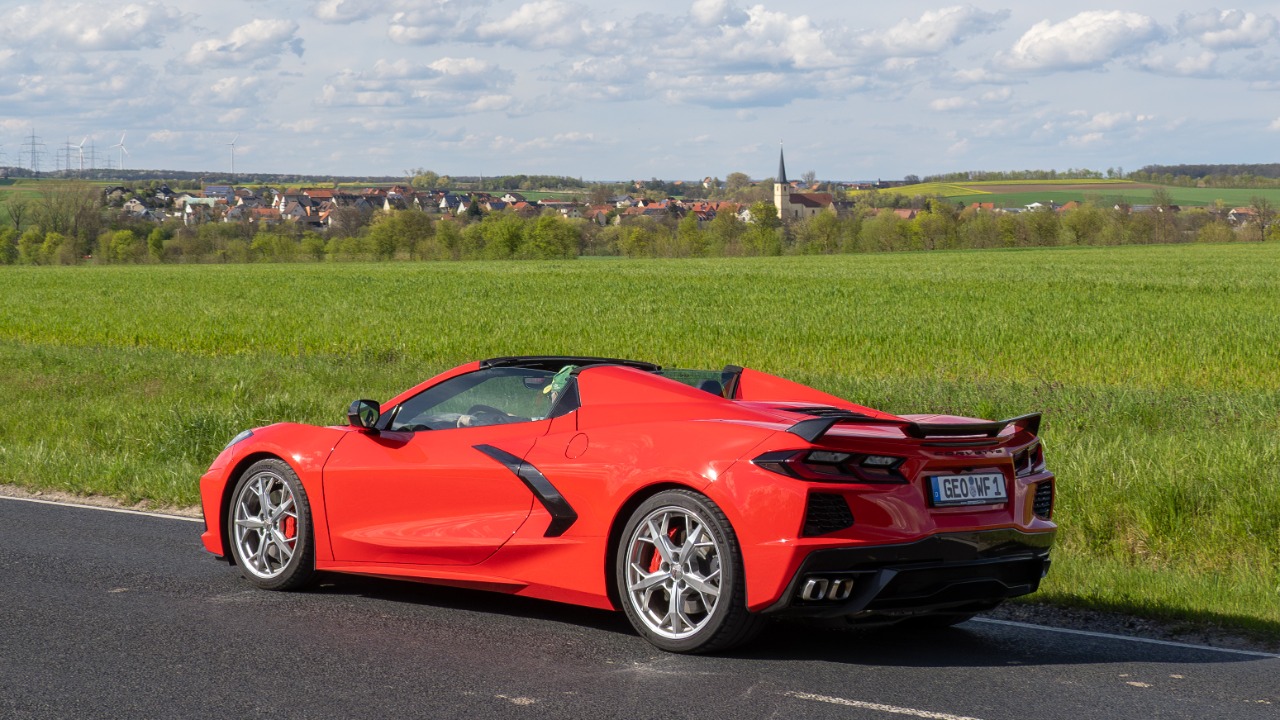
Chevrolet moved the Corvette’s engine behind the driver with the C8 generation, which Car and Driver describes as a pure two-seater built around that mid-engine layout. The change came after decades of front-engine Corvettes, ending the nameplate’s long run as America’s best-known front-engine sports car.
Moving the V8 behind the cabin brought the Corvette’s chassis layout in line with the European exotics it had long competed against on price and performance. The switch marked the biggest engineering change in the model’s history.
More from Morning Overview
- Long-term use of common heartburn pills is tied to kidney and dementia risk
- A California supervolcano has bulged upward about two and a half feet since 1978
- The FTC is warning about a scam quietly draining thousands from victims
- The NSA is again telling phone owners to switch off one location setting
