
Compact crossovers are among the most popular vehicles on the road, which makes their trouble spots worth knowing. CarComplaints collects owner reports and ranks the model years that cost the most to fix, often at surprisingly low mileage. Here are twelve compact SUVs, each paired with the year or problem that stands out in the complaint record.
The day in tech, in one email: TLDR is the daily newsletter with links and TLDRs of the most interesting stories in startups, tech and programming.
We may earn a commission if you sign up.
1. Toyota RAV4: The Costliest Oil Habit
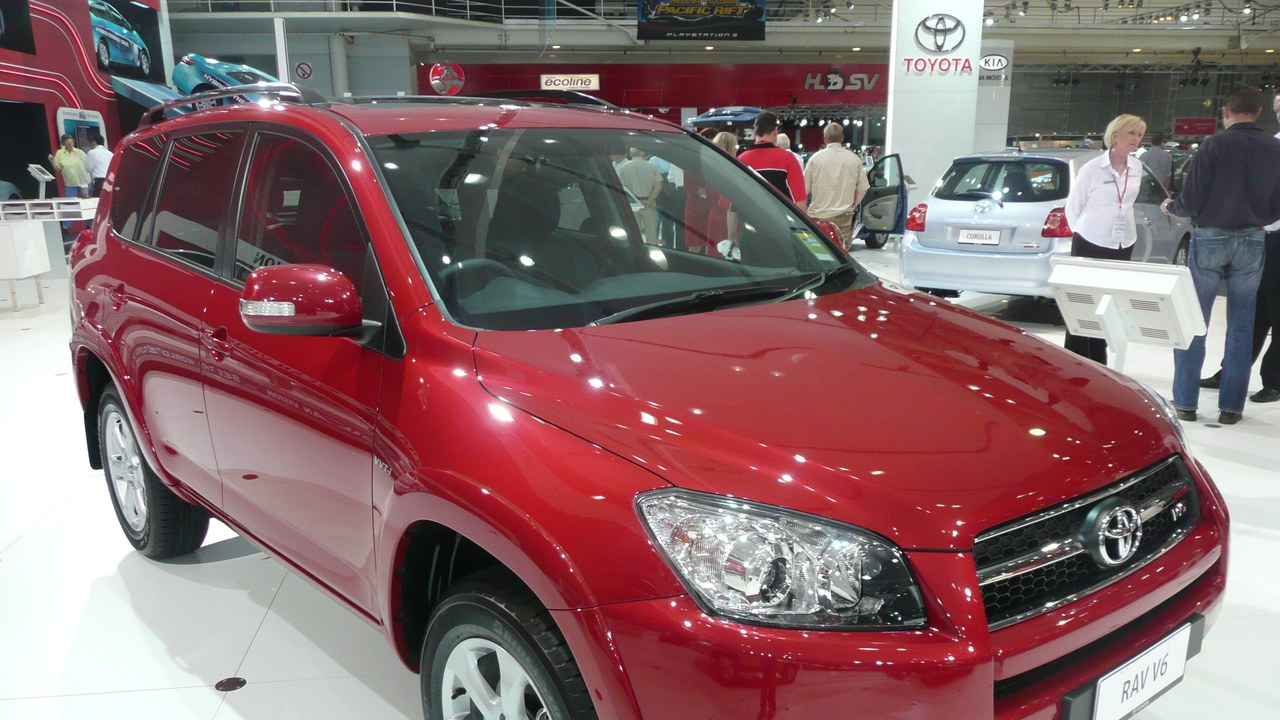
The RAV4 has 2,666 complaints, and the CarComplaints Toyota listing shows the 2008 model topping the site’s cost list. Excessive oil consumption fixes there average $35,600 at 105,000 miles, a figure far above the other repairs in this gallery.
Anyone shopping for a 2008 RAV4 should ask for proof of engine work or warranty coverage. Oil-consumption history is worth documenting, and the VIN can be checked for open recalls at NHTSA before any purchase.
2. Nissan Rogue: Losing Acceleration
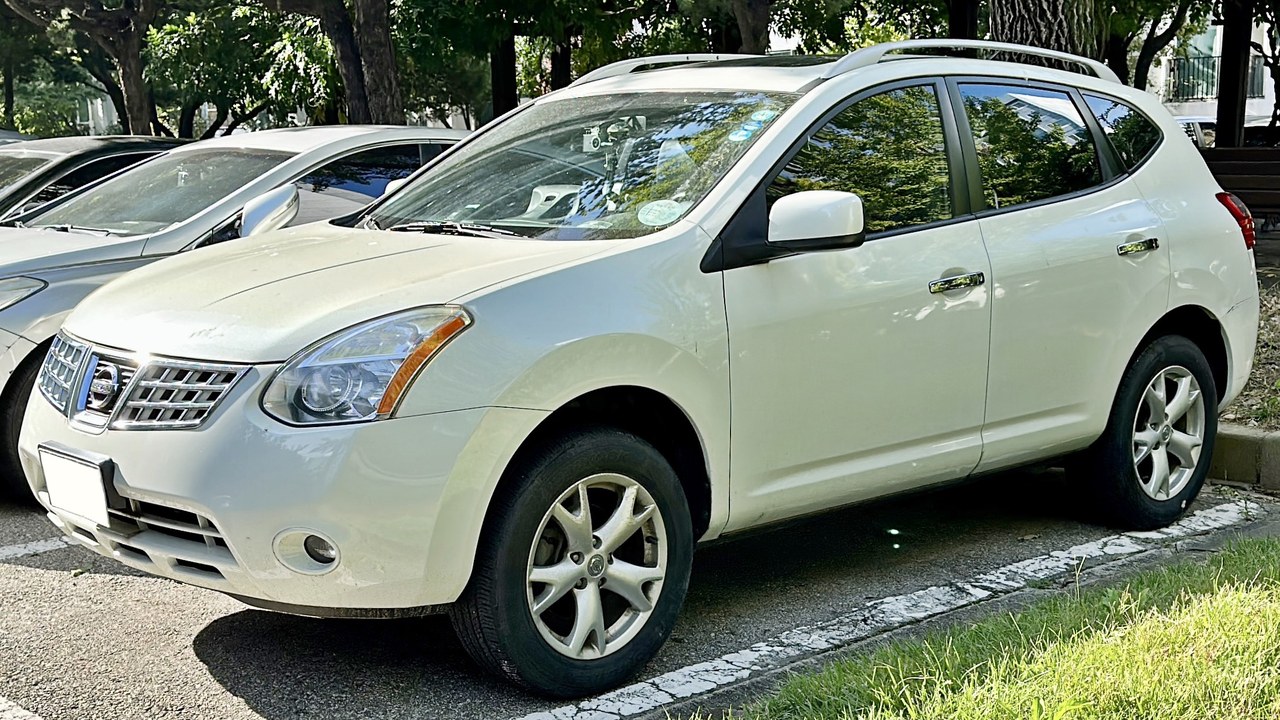
The Rogue has 1,390 complaints, and the 2013 model drew the most, 209, per the CarComplaints Rogue page. A loss-of-acceleration repair averages $3,200 at 76,000 miles, which suggests the trouble tends to appear after several years of use.
A used 2013 deserves a test drive that includes merging and hill climbing to see whether power drops off. Service records covering the drivetrain can help a buyer decide whether to go ahead.
3. Ford Escape: Stopped Working
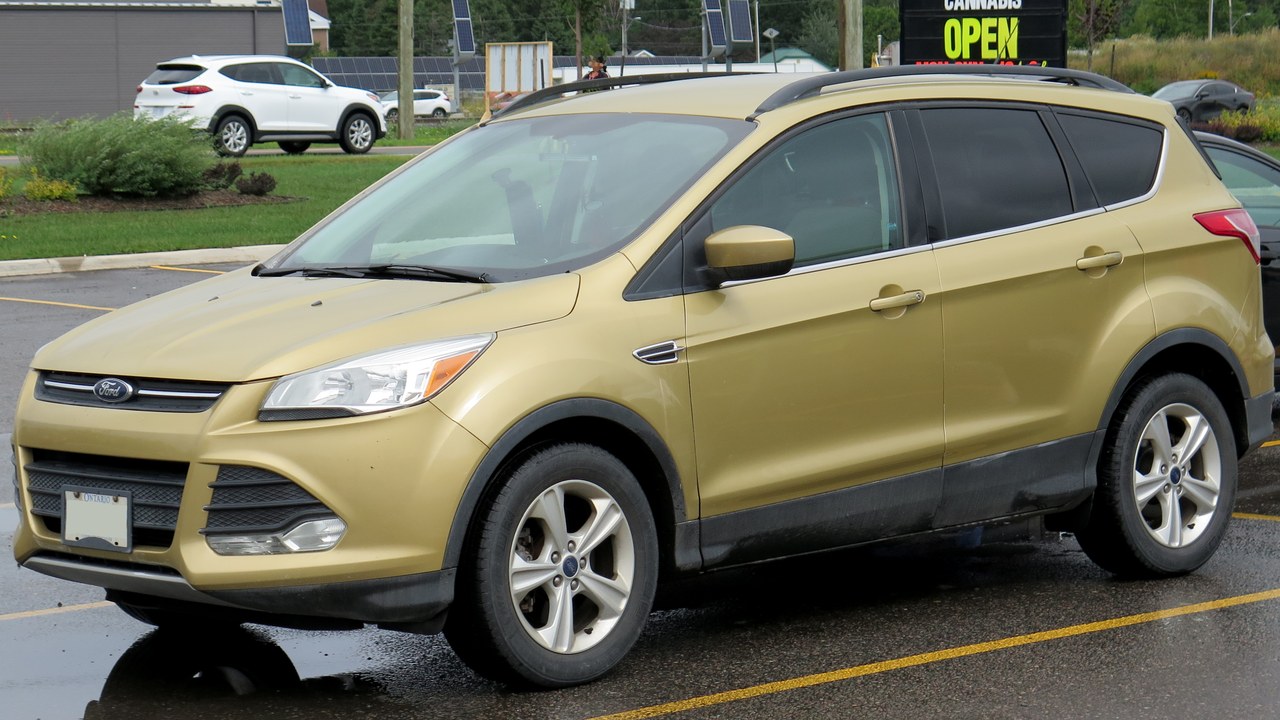
Owners logged 4,924 Escape complaints, and CarComplaints rates the 2014 Escape worst, with 349. A problem listed as ‘stopped working’ leads the way, averaging $4,200 to fix at 84,000 miles.
The sheer number of complaints partly reflects how many Escapes were sold. Even so, a 2014 should be checked thoroughly, and a buyer can ask the seller what, exactly, was repaired and when. Recall status by VIN at NHTSA is another quick check.
4. Chevrolet Equinox: Head Gasket Headaches
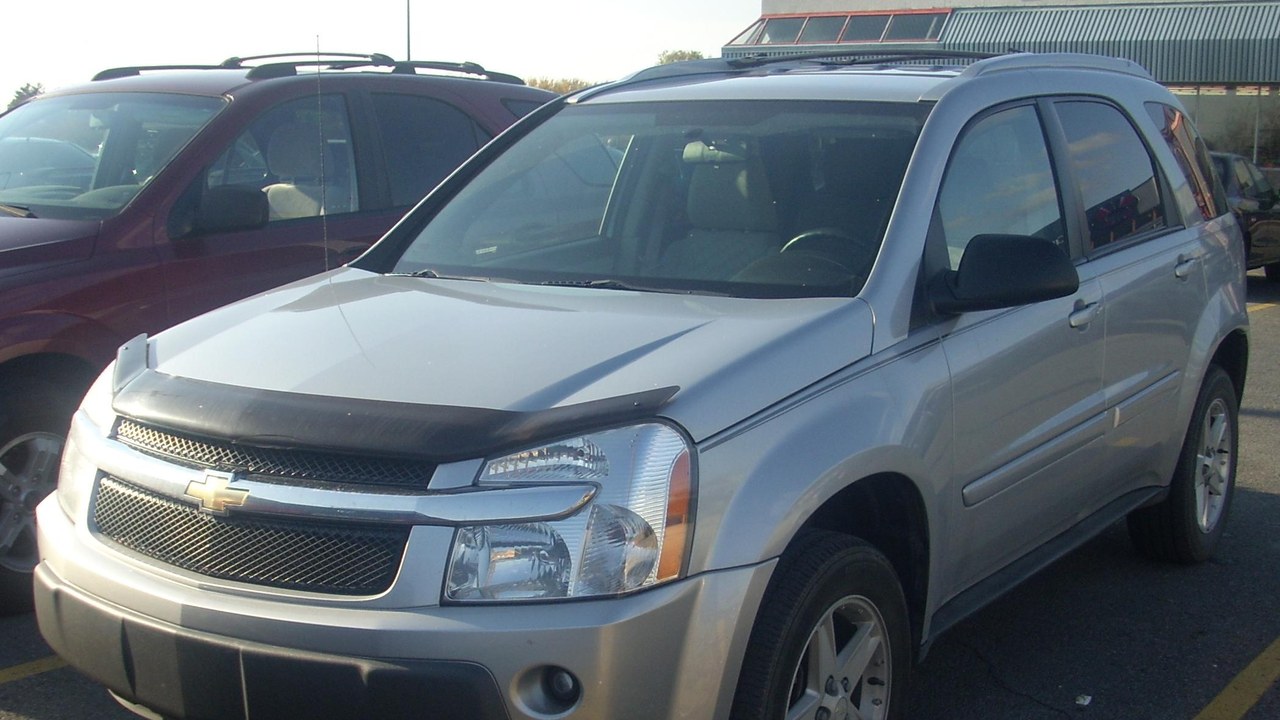
For the 2005 Equinox, CarComplaints lists 45 NHTSA complaints about the engine and engine cooling. The average failure mileage is 41,847, and one owner described a low-mile truck with a blown head gasket.
Engine-cooling problems can be expensive, so a buyer should check coolant level and condition, look for signs of overheating, and ask whether any head gasket work has been done. The facts here reflect owner reports rather than repair-cost averages.
5. Hyundai Tucson: A Name on the Worst List
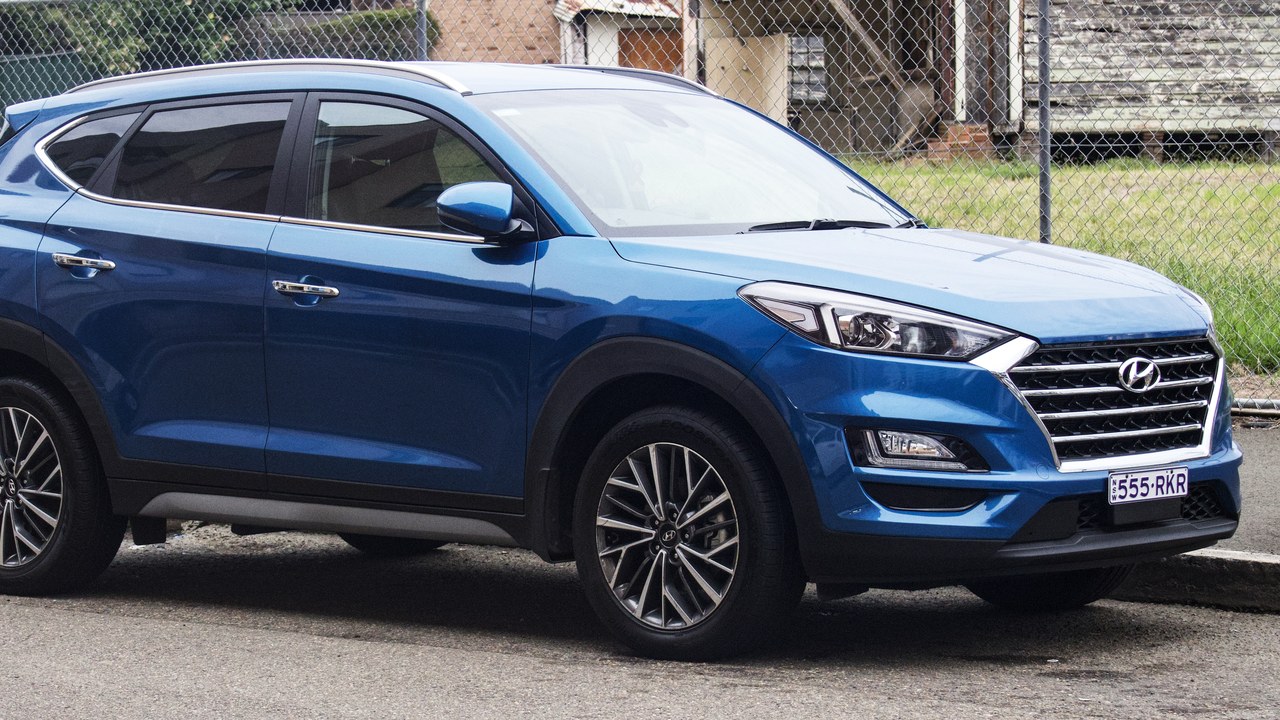
The Tucson has drawn 999 complaints, and CarComplaints names the 2016 Tucson among Hyundai’s five worst models. The listing does not break out a repair cost or mileage for the Tucson here, so the verdict rests on the count and that ranking.
A shopper considering a 2016 Tucson should look up its specific complaint history and recall status by VIN at NHTSA. A thorough test drive and a service-record review are sensible steps with any used compact SUV.
6. Mazda CX-5: Unexplained Acceleration
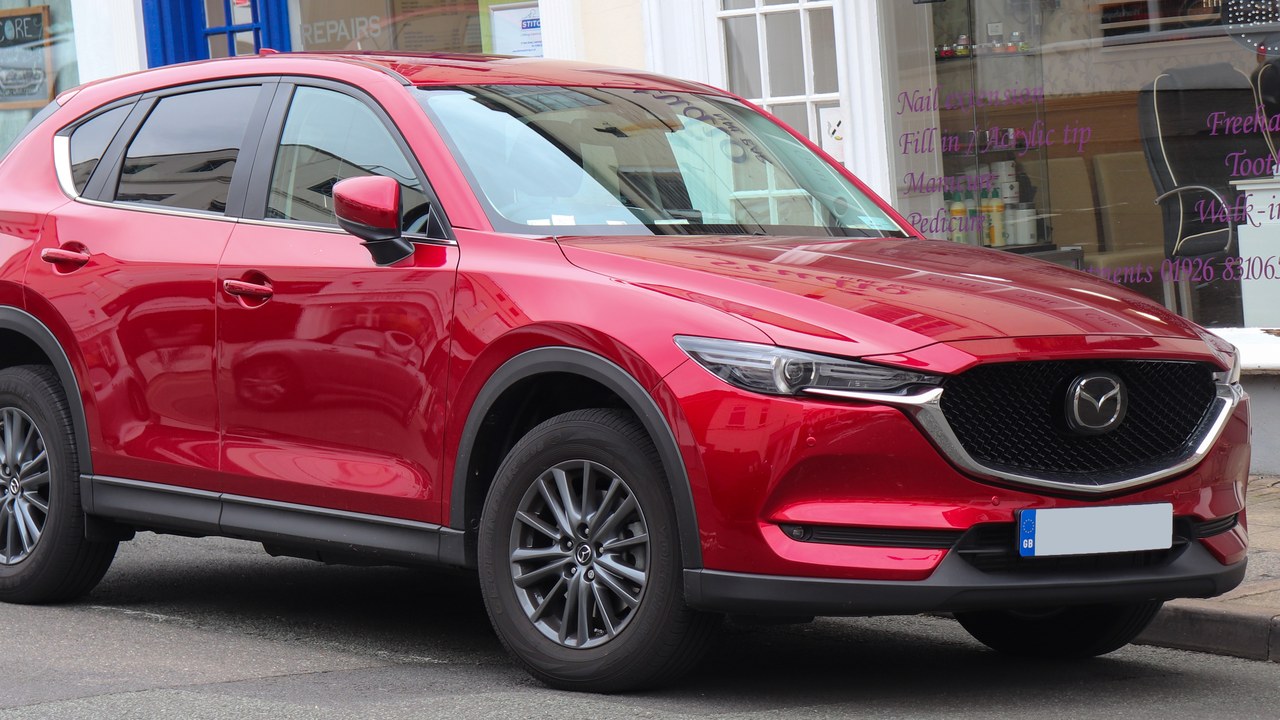
Owners reported unexplained acceleration on the 2019 CX-5, and the CarComplaints Mazda page lists it as a top problem. The average fix is $2,600 at 14,000 miles, and the CX-5 has 581 complaints overall.
Problems that appear at such low mileage may have been handled under warranty, so a used buyer should ask for dealer repair records. Confirm that any recalls were completed by checking the VIN, and test the throttle response in parking-lot and highway conditions.
7. Jeep Cherokee: Shutdowns at 17,000 Miles
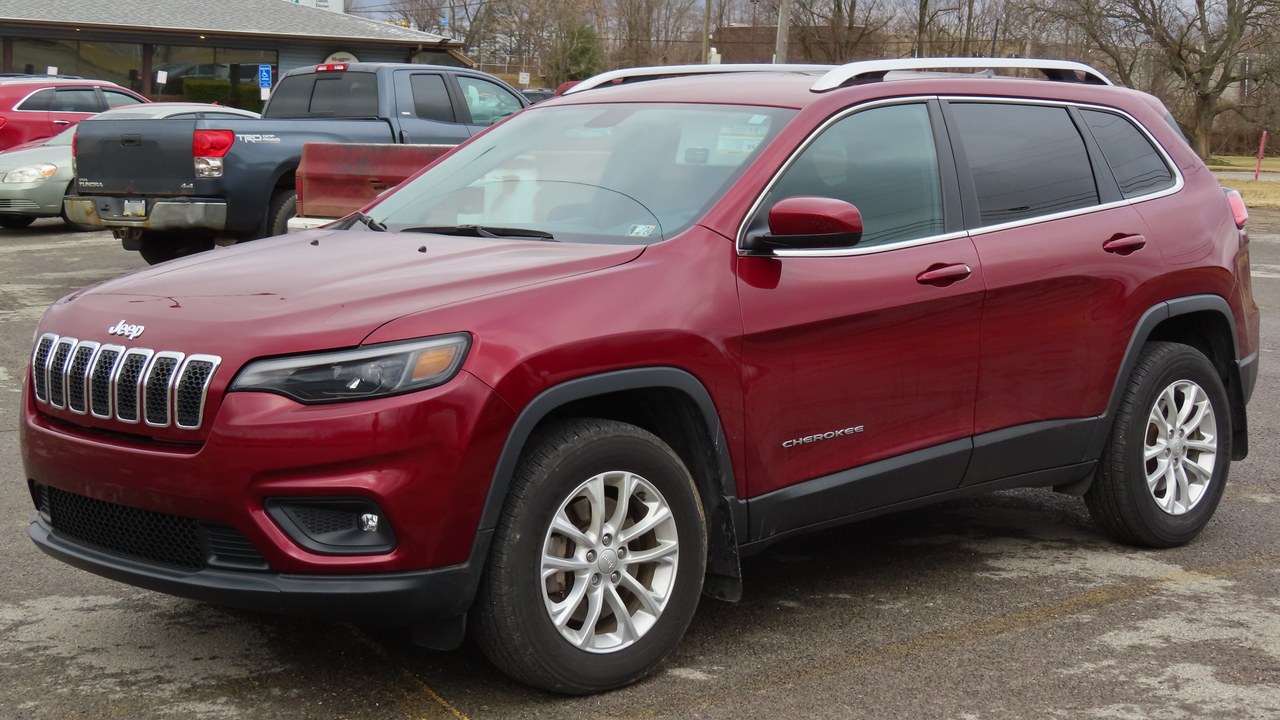
The Cherokee has 2,200 complaints. On CarComplaints’ Jeep page, a 2019 engine shutdown tops the brand’s list at an average $6,000 and 17,000 miles. An engine that shuts off unexpectedly is a safety issue as well as a repair bill.
Buyers of a 2019 Cherokee should check for repair history related to engine shutdowns, along with recall status. A test drive that includes stop-and-go traffic can show whether the vehicle behaves normally.
8. Jeep Compass: A Failing Power Module
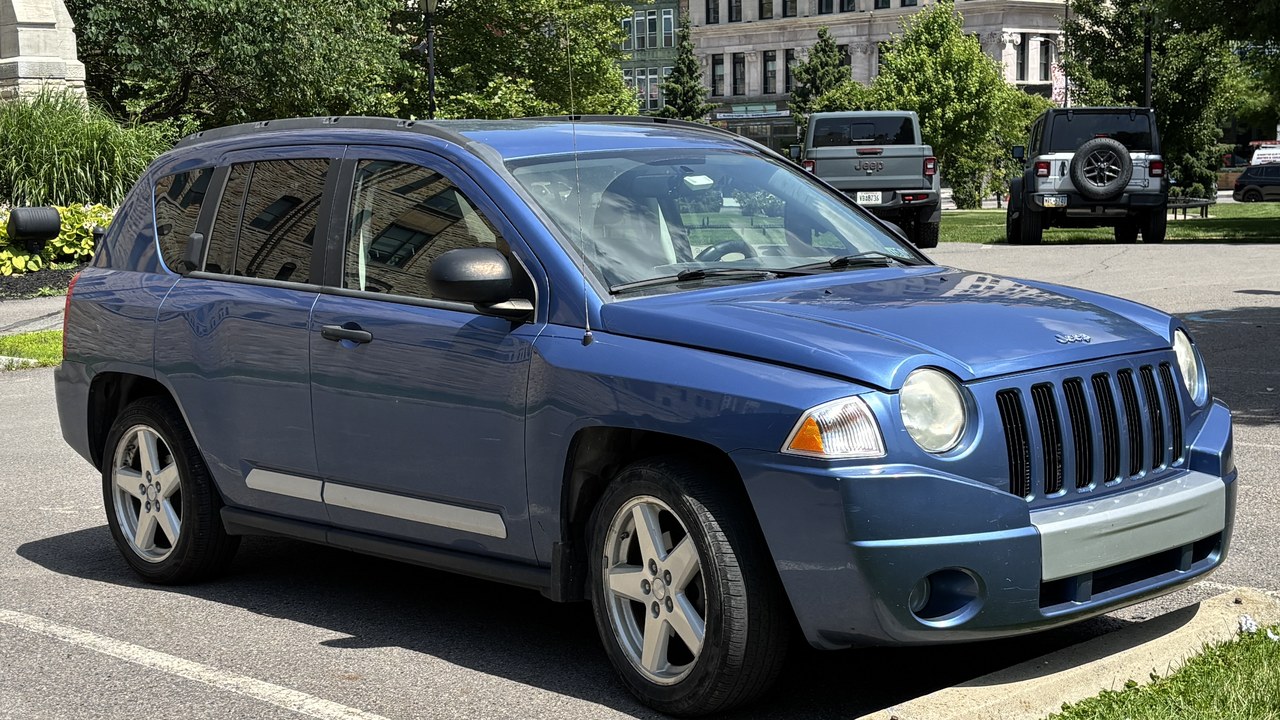
The Compass has 540 complaints, and the 2007 model has the most, 99, according to the CarComplaints Compass page. TIPM failure, a problem with the power module, averages $1,600 at about 110,000 miles.
A repair bill of that size is modest next to some others here, but electrical faults can be maddening to track down. A buyer of an older Compass should test every power function and note any odd behaviour.
9. GMC Terrain: Thirsty Engines
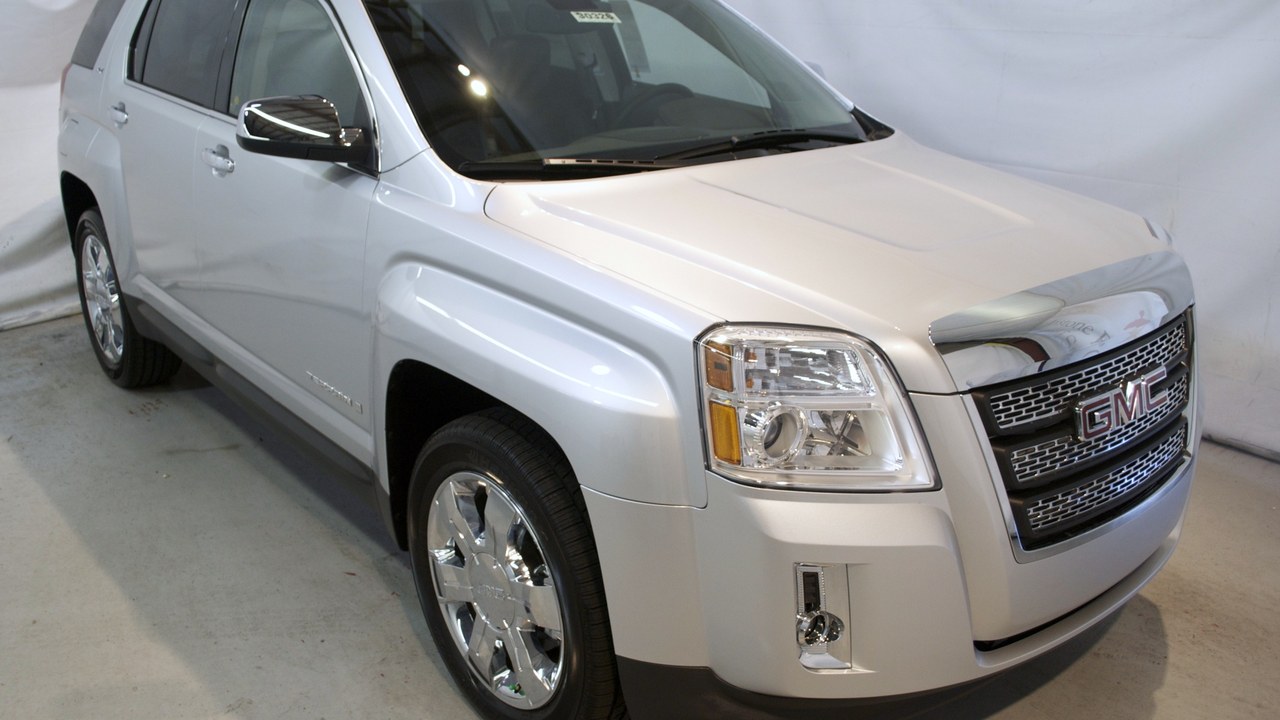
The Terrain has 692 complaints, and CarComplaints data on GMC shows 2011 models with oil consumption averaging $5,100 to fix at 93,000 miles. That repair tends to arrive well after the first owner has moved on.
A used 2011 Terrain should be checked for oil level and any history of engine work. Ask the seller how often oil has been added between changes, and verify recall status by VIN. A mechanic’s inspection before purchase is worthwhile on a vehicle of this age.
10. Honda CR-V: Braking Into Acceleration
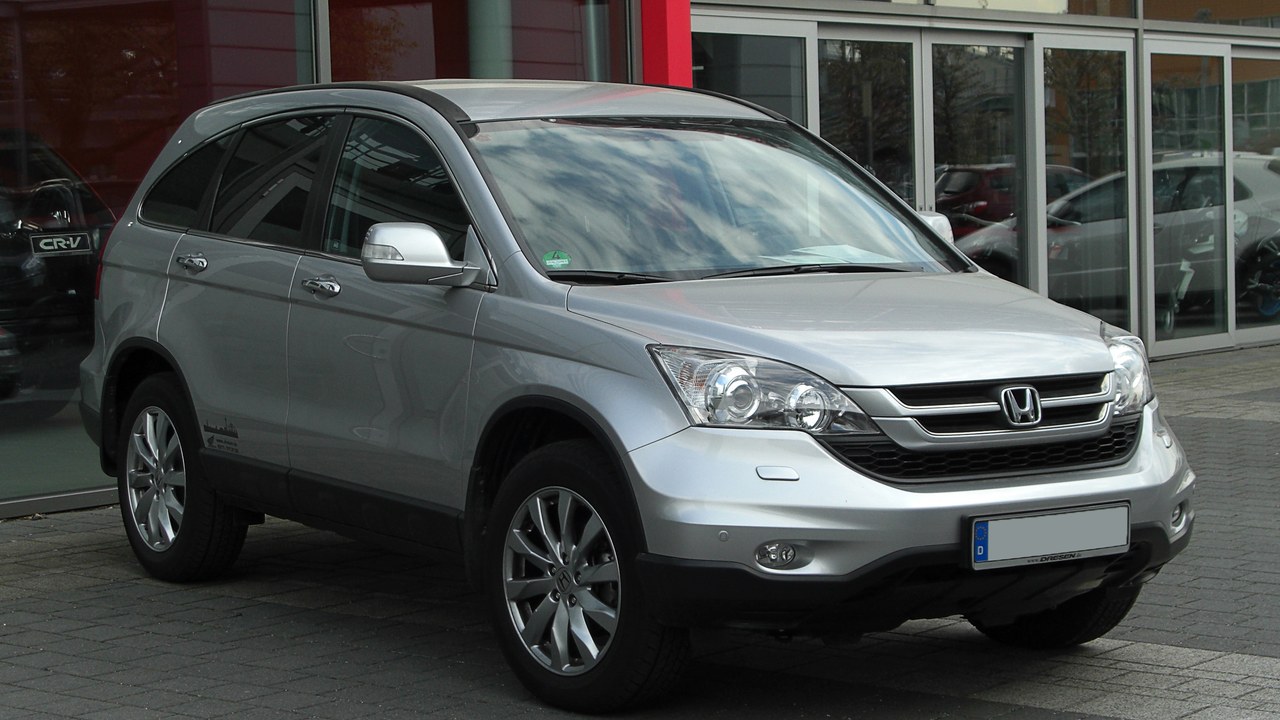
CarComplaints rates 2011 the CR-V’s worst year, with 148 complaints, according to its CR-V page. The leading problem is unwanted acceleration when braking, averaging $5,000 to fix at 16,000 miles. The CR-V has 3,781 complaints across all years.
Because that problem shows up at low mileage, many cases may have been handled early. A buyer of a 2011 can still ask for repair records and confirm any open recalls at NHTSA.
11. Subaru Forester: Oil Again
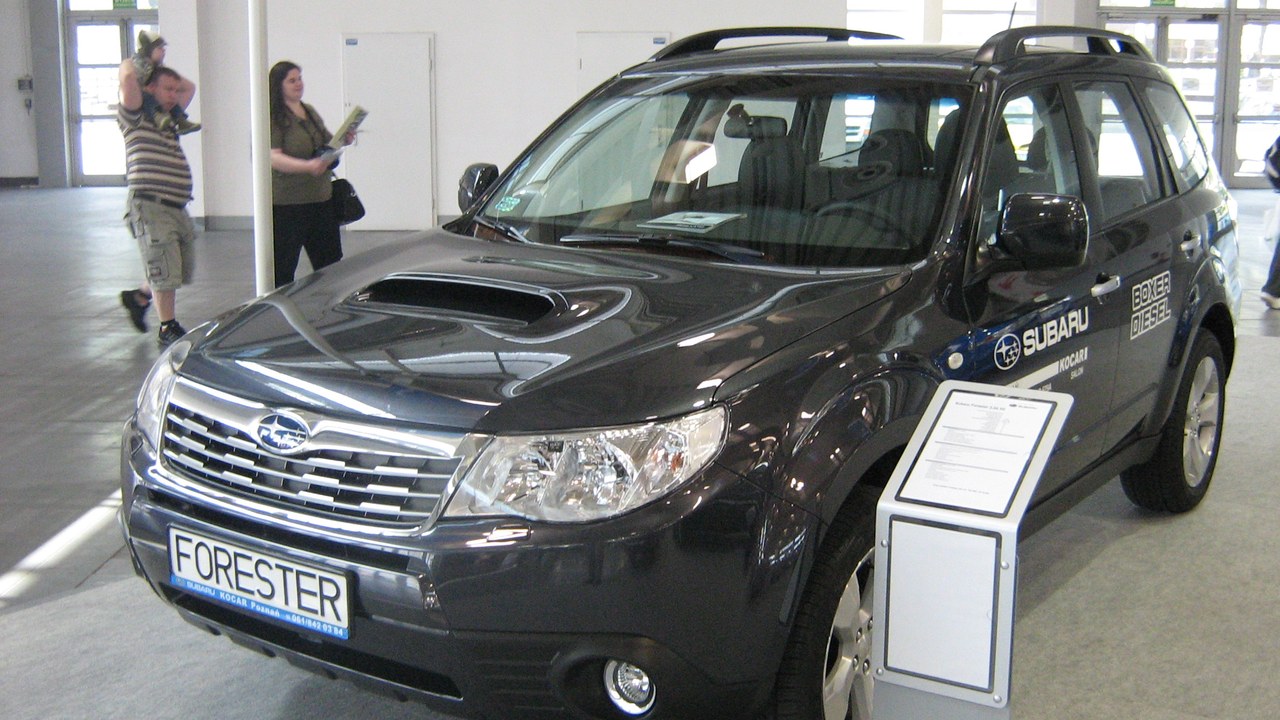
The Forester has 1,086 complaints, and the CarComplaints Subaru page shows excessive oil consumption on 2011 models averaging $3,100 to fix at 48,000 miles. That is earlier than many owners expect for a major engine concern.
A used 2011 Forester should have its oil level checked and its service records reviewed. Evidence of regular oil monitoring and any engine repairs gives a clearer picture of the vehicle’s history, and a pre-purchase inspection can confirm it.
12. Subaru Crosstrek: Cracked Windshield
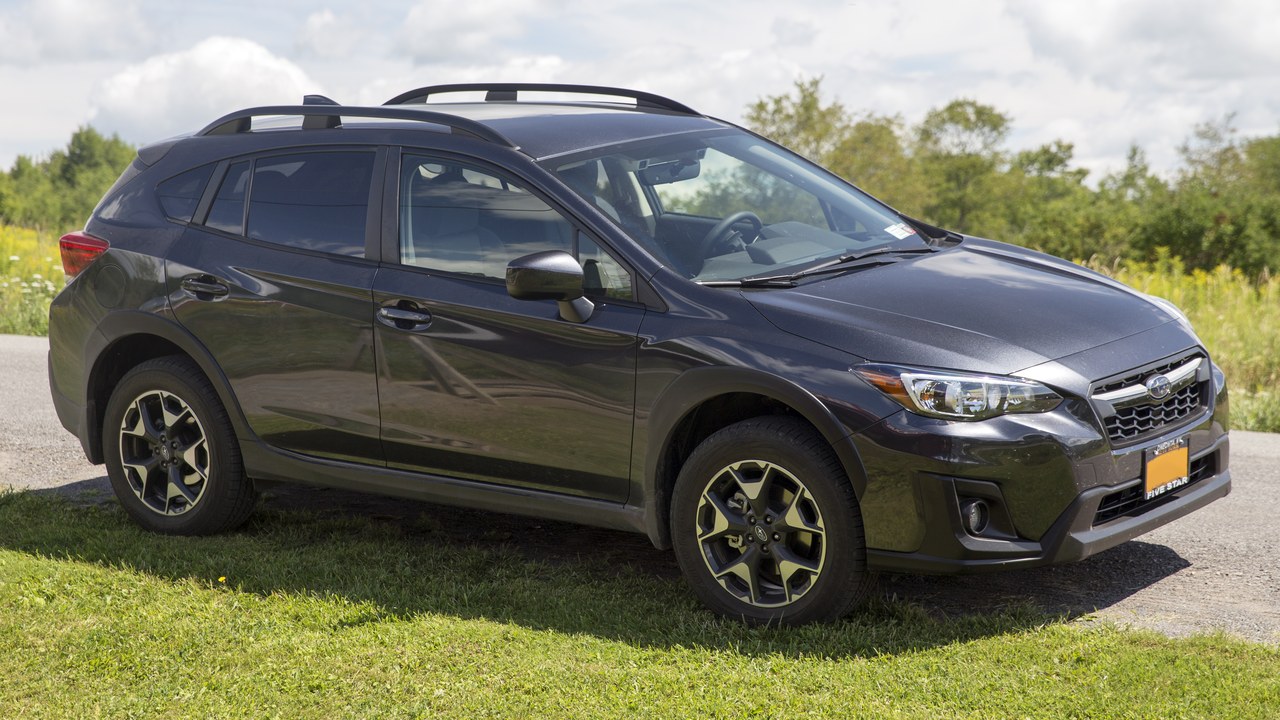
This one is a top complaint rather than a model-year verdict. On the CarComplaints Crosstrek page, the 2019 Crosstrek’s leading issue is a cracked windshield, averaging $1,500 to fix at just 8,000 miles. The Crosstrek has 156 complaints.
Glass damage is a less alarming problem than an engine or transmission failure, though a replacement still costs money. Inspect the windshield for chips and cracks, and ask whether the vehicle has had glass replaced.
The day in tech, in one email: Get TLDR →
We may earn a commission if you sign up.
More from Morning Overview
- Two Kentucky residents died when a small plane crashed at Missouri’s Lake of the Ozarks, and the NTSB is investigating
- 11 engines built to run well past 200,000 miles
- Melting permafrost is setting off a newly identified kind of catastrophic landslide, scientists say
- Cadillac cut the price of its cheapest EV, which goes up to 317 miles on a charge
