
The Escape nameplate ran for a quarter century and spawned relatives at Mazda and Mercury along the way. Its story covers a car-based crossover launch, a pioneering hybrid, several redesigns and a final assembly-line farewell in Kentucky. Here are nine Escapes and twins that trace that full arc.
Tech news worth reading: Get Techpresso, the daily email with the most interesting tech news and insights, read by 400,000+ professionals from Google, Apple and OpenAI.
We may earn a commission if you sign up.
1. 2001 Ford Escape: Crossover Beginnings
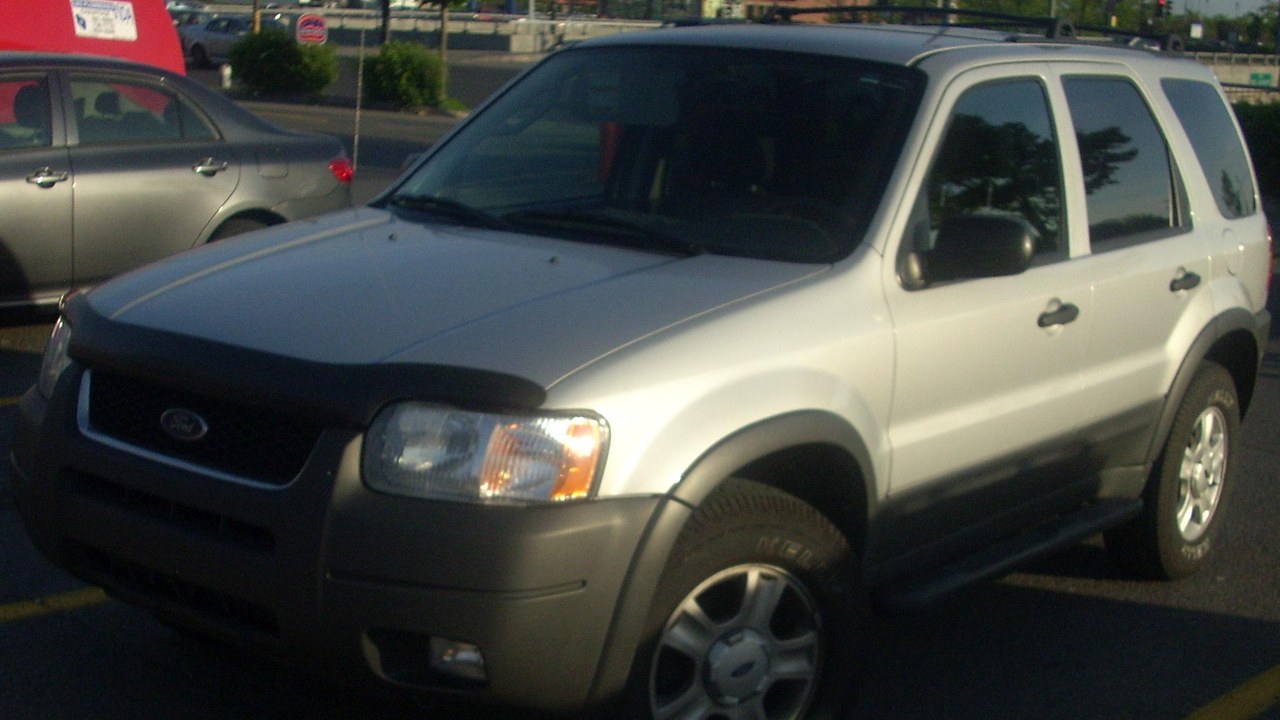
Released in 2000 for the 2001 model year, the first-generation Escape was a car-based crossover rather than a truck-based SUV. It sold 164,184 units in 2001, its first full year on sale.
That construction set the model apart from the rugged utility vehicles of its day. Used shoppers should treat it as a compact crossover first, with the ride and packaging that implies, rather than expecting traditional truck hardware underneath. Its debut signaled a broader industry move toward carlike handling in compact utilities. Anyone studying how the segment evolved will find this model a useful starting reference, since later generations built on the same basic idea of everyday practicality.
2. Escape Hybrid: First Hybrid SUV
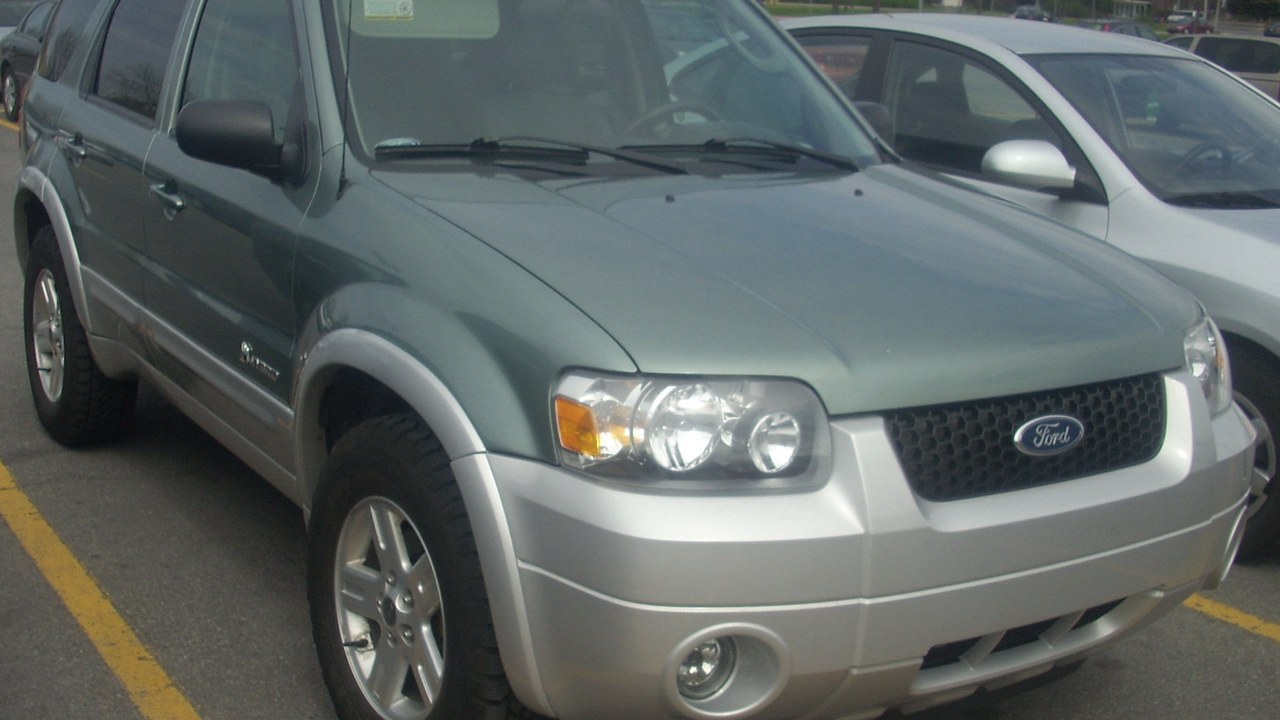
Ford’s own media site says the Escape debuted the world’s first hybrid SUV in 2005. That milestone sealed the nameplate’s reputation for efficiency among compact utility buyers.
The claim comes from the manufacturer itself, so it reflects Ford’s framing of the achievement. Even so, the hybrid gave later Escape generations a clear identity that rivals had to answer for years afterward. For a model that began as a mainstream family vehicle, that kind of first carried lasting weight. Hybrid buyers today take such powertrains for granted, which makes the early example a useful reminder of how recently the technology reached the segment.
3. Mazda Tribute: Jointly Developed Twin

The Mazda Tribute was jointly developed with Ford and shown at the 2000 Los Angeles Auto Show. It was discontinued at the end of the 2011 model year and replaced by the CX-5.
Shoppers cross-shopping used examples can treat the Tribute as a close mechanical relative of the early Escape. Its replacement by the CX-5 marked a shift to Mazda’s own platform rather than a shared one. Parallel development between automakers often meant shared components, and that helps when sorting through used inventory. Comparing trim, equipment and condition on both vehicles can turn up better value than limiting a search to a single badge.
4. Mercury Mariner: Upscale Mercury Cousin
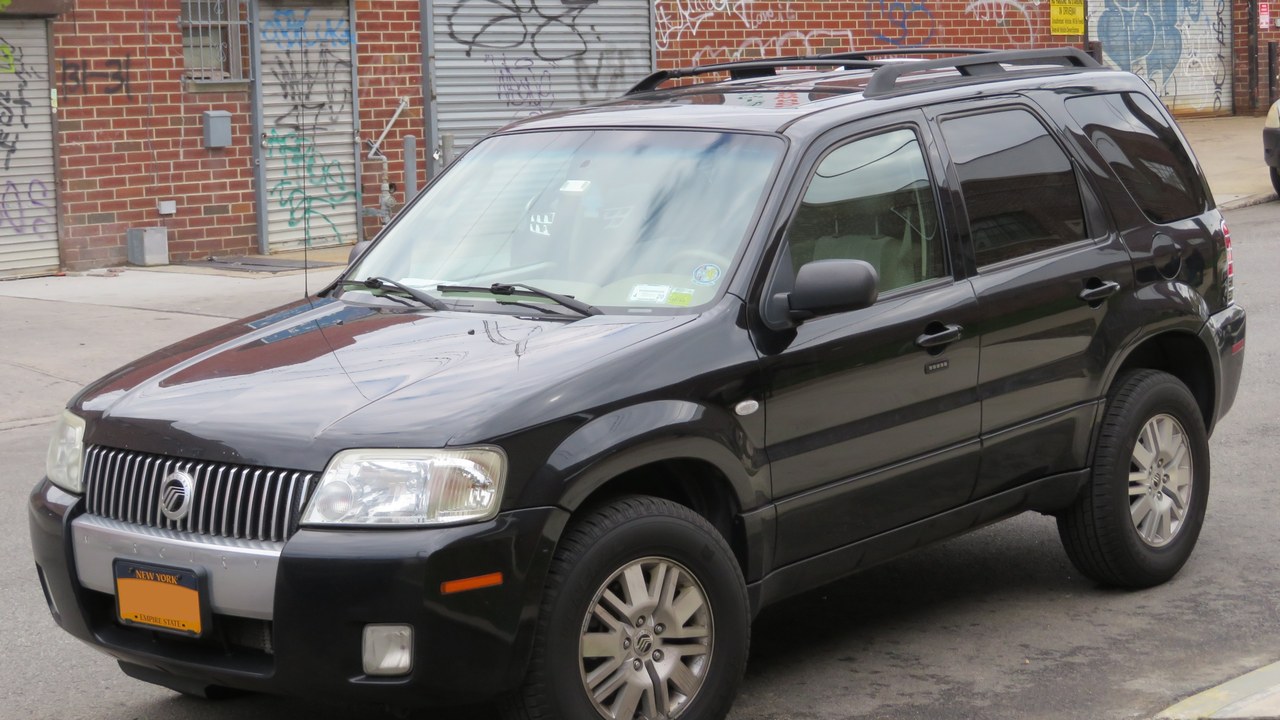
The Mercury Mariner arrived for 2005 as the upscale twin of the Escape. Its hybrid version sold a total of 12,300 units, and the last Mariner was assembled on October 5, 2010.
That modest hybrid total shows how small a share of Escape-family sales the Mercury version captured. For owners, the Mariner is now an orphan brand model, so parts and service rely on its Ford siblings. Badge-engineered siblings like this are common reminders of how automakers once spread one platform across several brands. Prospective owners should weigh condition and service history more heavily than the badge itself when evaluating a surviving example.
5. Second-generation Escape: Second Act in Los Angeles
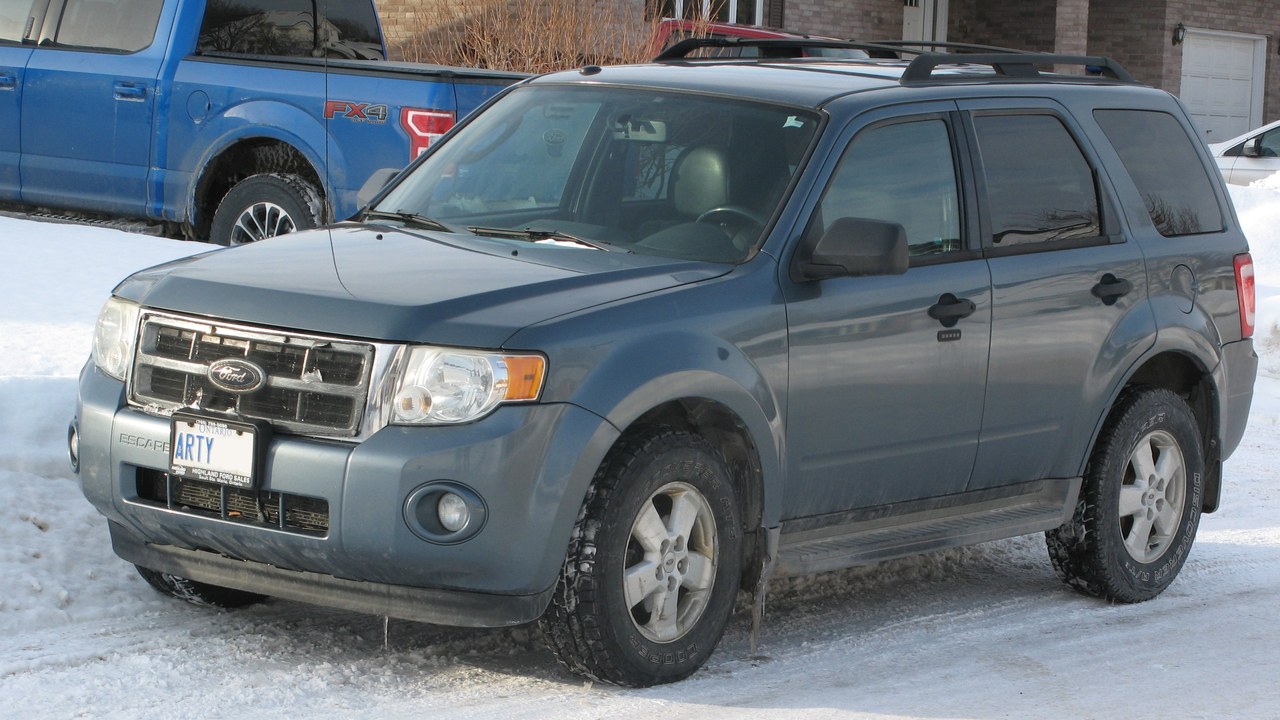
The second-generation Escape debuted at the 2006 Los Angeles International Auto Show. Ford then added electronic stability control for the 2008 model year.
Stability control matters when comparing used examples, since earlier model years of this generation may lack the feature. Checking the build year before purchase is a simple way to confirm which safety equipment a given Escape carries. Reading build dates and window stickers remains good practice with any used vehicle. This generation also marks the point where the Escape moved from its pioneering first design into a more mainstream and refined chapter of its history.
6. 2013 Escape EcoBoost: Turbocharged Rethink
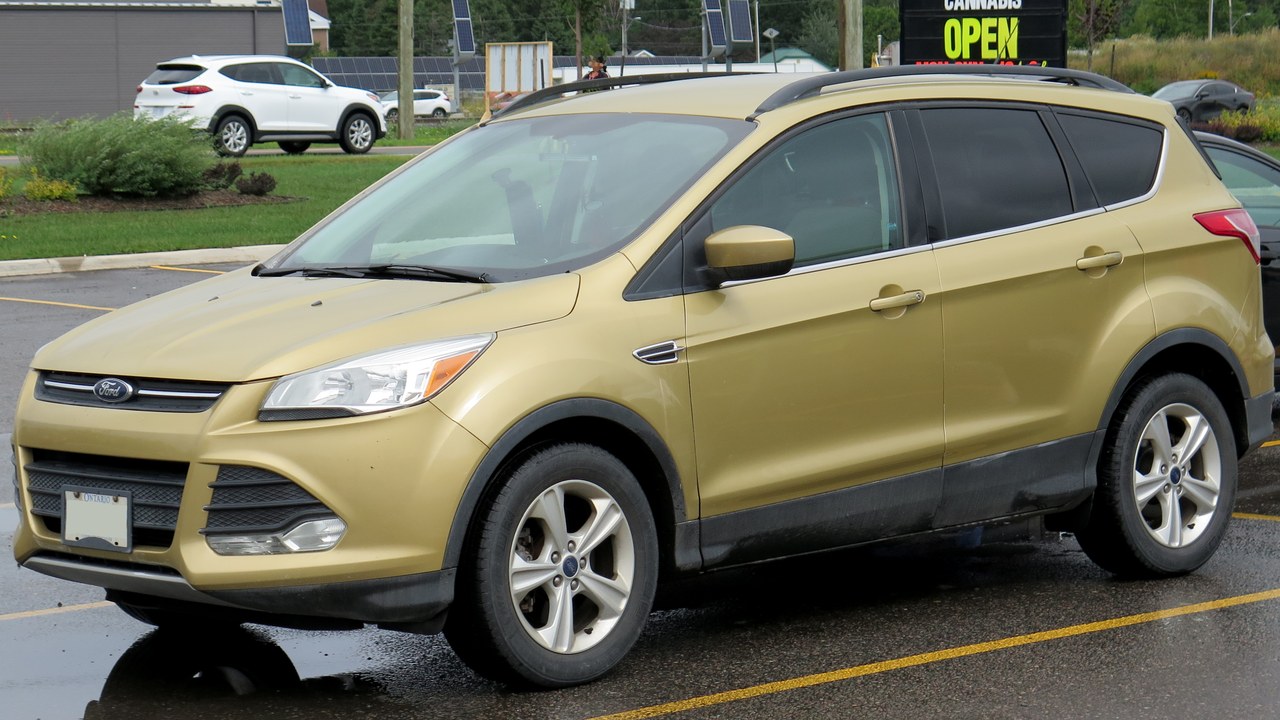
The third-generation Escape arrived for 2013 with turbocharged EcoBoost engines, including a 237-horsepower 2.0-liter. Its U.S. sales peaked at 308,296 in 2017.
That peak is the highest annual figure in the sales table behind it, which makes this generation the commercial high point of the nameplate. Buyers get a strong used-market selection, with a choice between 1.6-liter and 2.0-liter turbo units. Turbocharged engines can reward drivers with stronger performance, though maintenance records deserve close attention on any used example. The era also shows how the nameplate grew into one of the most visible compact utilities on American roads.
7. 2020 Escape redesign: All-New Hybrid Push
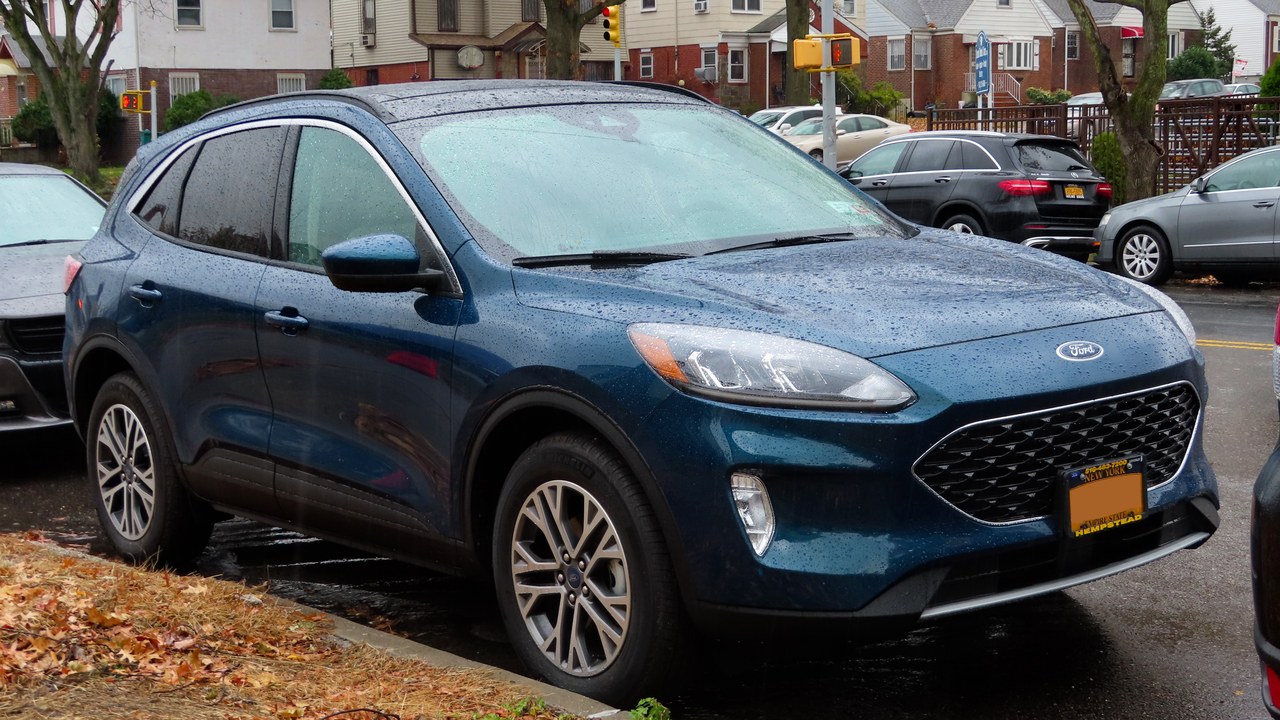
Ford’s all-new 2020 Escape redesign added hybrid powertrains. The full hybrid targeted an EPA-estimated range of more than 550 miles on a tank.
Such a long range depends on driving habits and conditions, and the figure was a target at announcement. Still, it positioned the redesigned Escape as a serious option for commuters who wanted fewer fuel stops. Real-world results will vary with load, weather and driving style, as with every estimate of this kind. The redesign also marked a clear break from the look and feel of earlier generations, giving the lineup fresh energy late in its life.
8. Escape Plug-In Hybrid: Plug-In Arrives
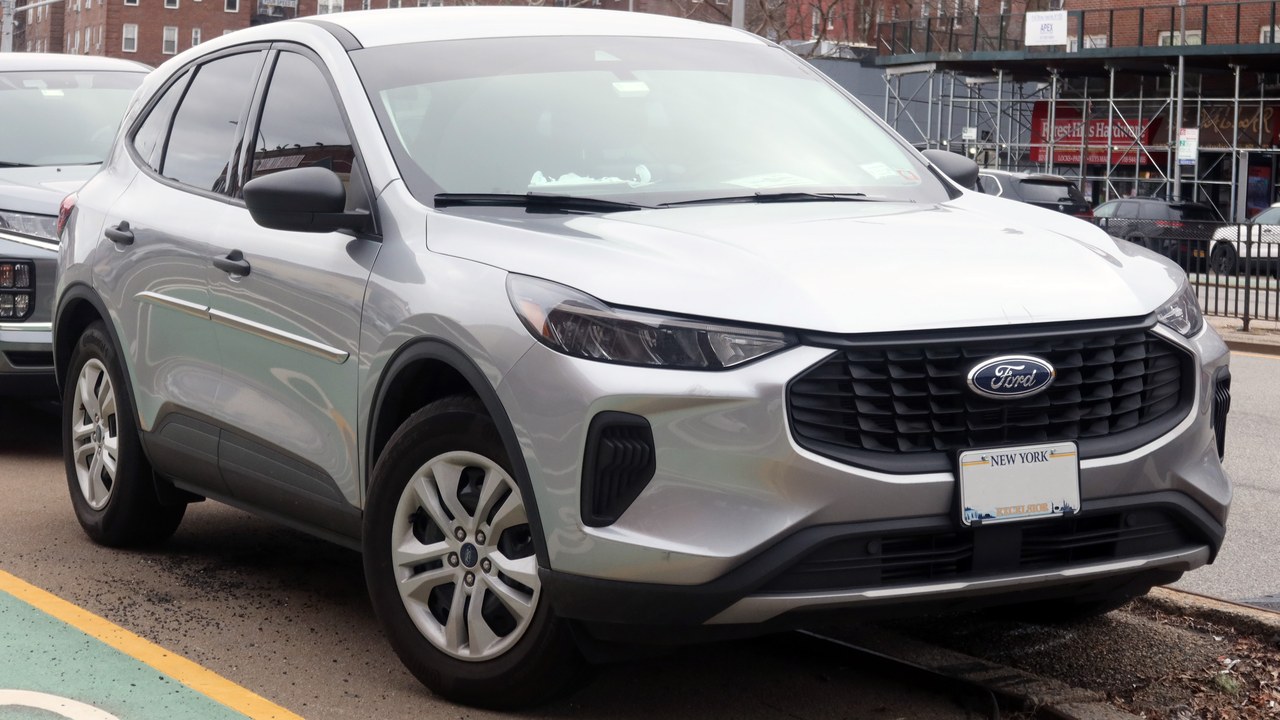
The plug-in Escape was announced with an EPA-estimated range of at least 30 miles in electric-only mode and a 209-horsepower system output.
These figures come from the announcement, so owners should check the final rating for the exact model year purchased. A plug-in suits short daily trips on battery power, with the gasoline engine available for longer drives. Charging habits and trip length determine how much of the benefit an owner actually sees. Compared with a conventional hybrid, the plug-in approach asks for more attention to home charging access, which is a practical question worth settling before purchase.
9. Last Escape (2026): Final Assembly Line Exit
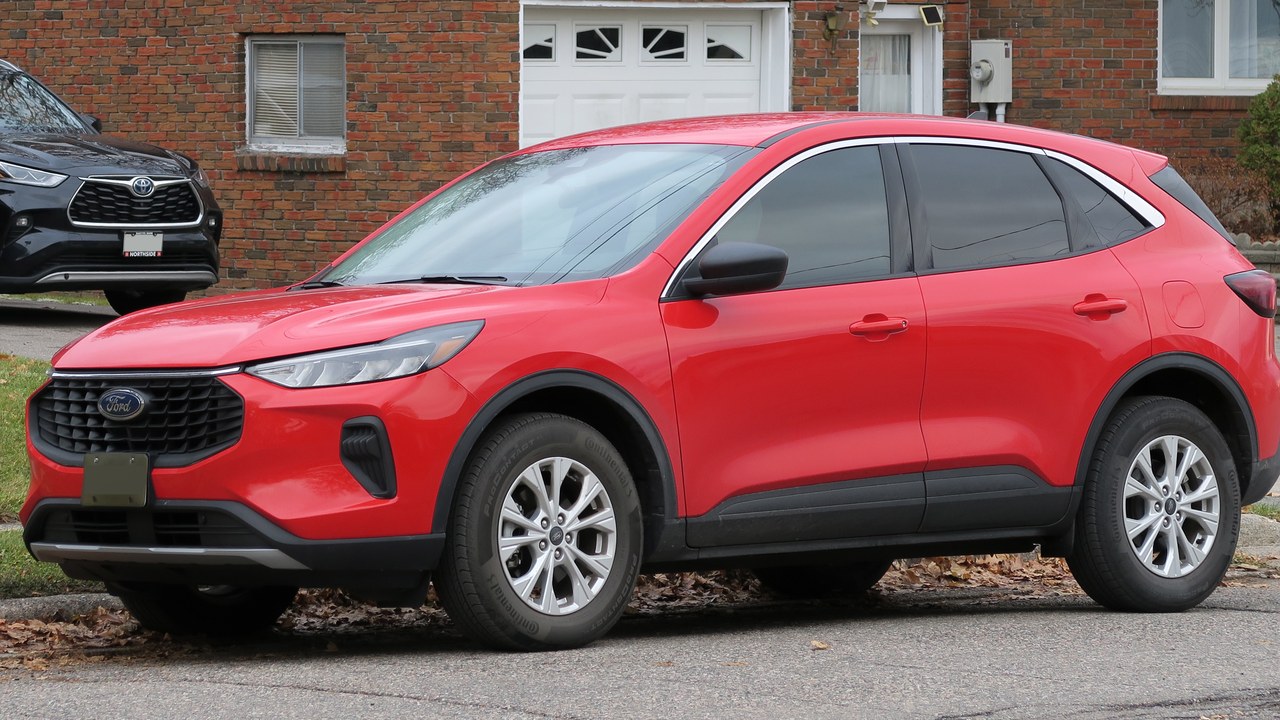
The last Escape, a 2026 ST-Line, left Louisville Assembly on December 17, 2025. Sales had fallen below 150,000 a year, and the plant was retooled for EVs.
The departure closes a run that began with a crossover and a hybrid first. Anyone buying one now is choosing from a finished model line, so long-term parts support will depend on Ford and its dealers. Production ending does not remove existing vehicles from the road, and resale conditions will depend on how buyers value a discontinued nameplate. The final unit gives collectors a clean, well-documented marker for the end of the story.
Tech news worth reading: Get Techpresso →
We may earn a commission if you sign up.
More from Morning Overview
- Seven of Earth’s nine planetary boundaries are breached, and all seven are worsening
- The NSA says three phone features should be off whenever you aren’t using them
- Hurricane Hunter radar shows four warning signs that a tropical cyclone is about to strengthen, a University of Miami study found
- Tropical Storm Rachel is dumping up to 12 inches on four Mexican states on its way to major hurricane strength
