
Chevrolet has used the Blazer and Tahoe names for decades, across body-on-frame trucks, compact utilities, a crossover and an electric model. The lineage links off-road hardware, police fleets and a hybrid that earned an award. Here are ten of the most notable Blazers and Tahoes that show how those names evolved.
The day in tech, in one email: TLDR is the daily newsletter with links and TLDRs of the most interesting stories in startups, tech and programming.
We may earn a commission if you sign up.
1. K5 Blazer: Original Full-Size Utility
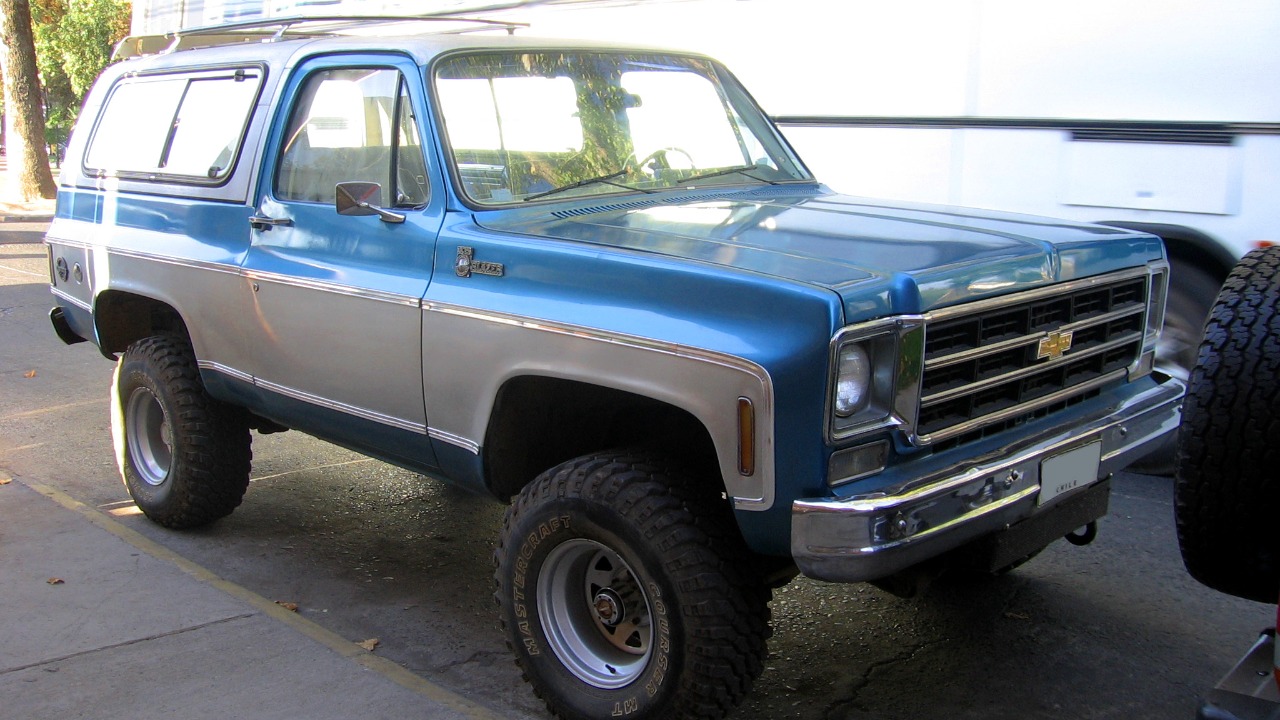
The full-size K5 Blazer was built from 1969 to 1995. It was renamed Blazer in 1992, and its two- and four-door models became the Tahoe in 1995.
That handoff explains why the two nameplates share so much family history. Collectors hunting a classic should note that the K5 label points to the full-size truck, not the later compact vehicle sharing the Blazer name. The long production span means plenty of examples exist, though condition varies widely after decades of use. Rust and wear deserve close inspection on any classic, and verifying the body style helps avoid confusion with the later vehicles using the same name.
2. S-10 Blazer: Compact Pickup Offshoot
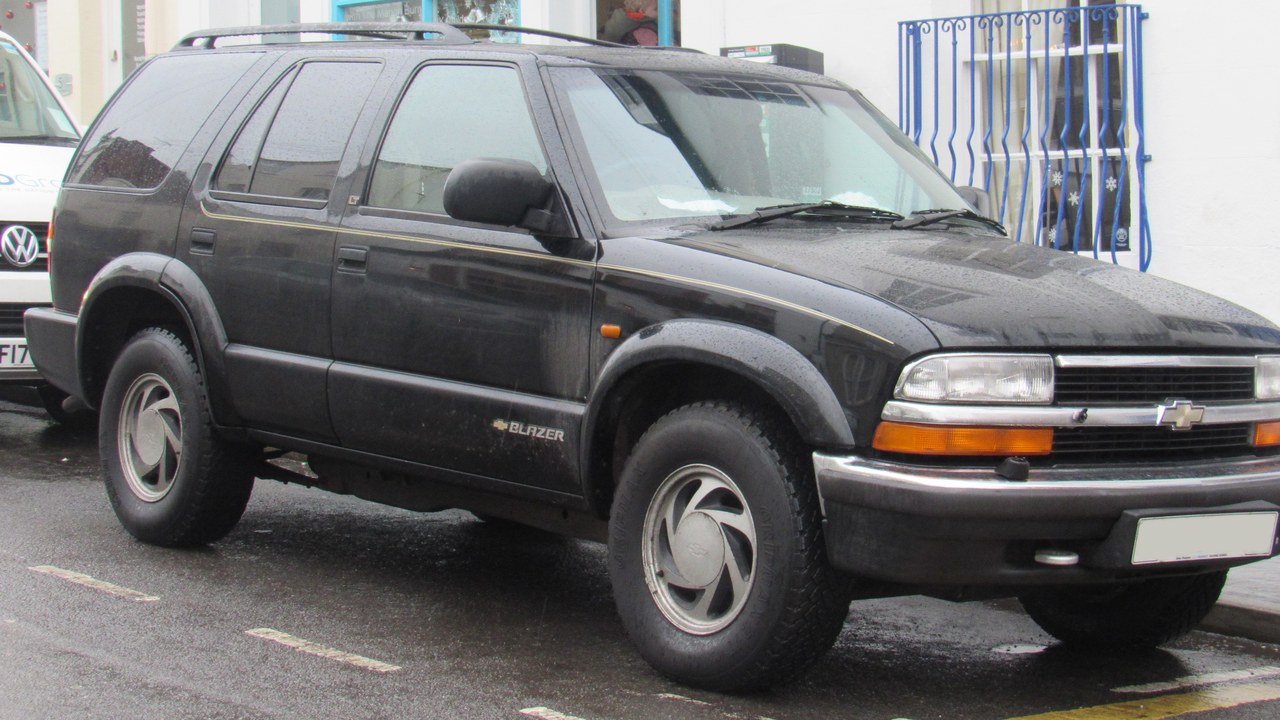
Based on the S-10 pickup, the compact S-10 Blazer was built from 1983 to 2012.
A run of nearly three decades made it a common sight, and it gave Chevrolet a smaller utility alongside the full-size model. Used buyers get a truck-derived design, so the pickup lineage shapes parts availability and repair familiarity. Its popularity helped define what many buyers expected from a small, rugged family utility. Enthusiasts restoring one will find a large community and plenty of shared knowledge, which makes sourcing information easier even where reproduction parts may be scarce.
3. 2019 Blazer: Name Revived
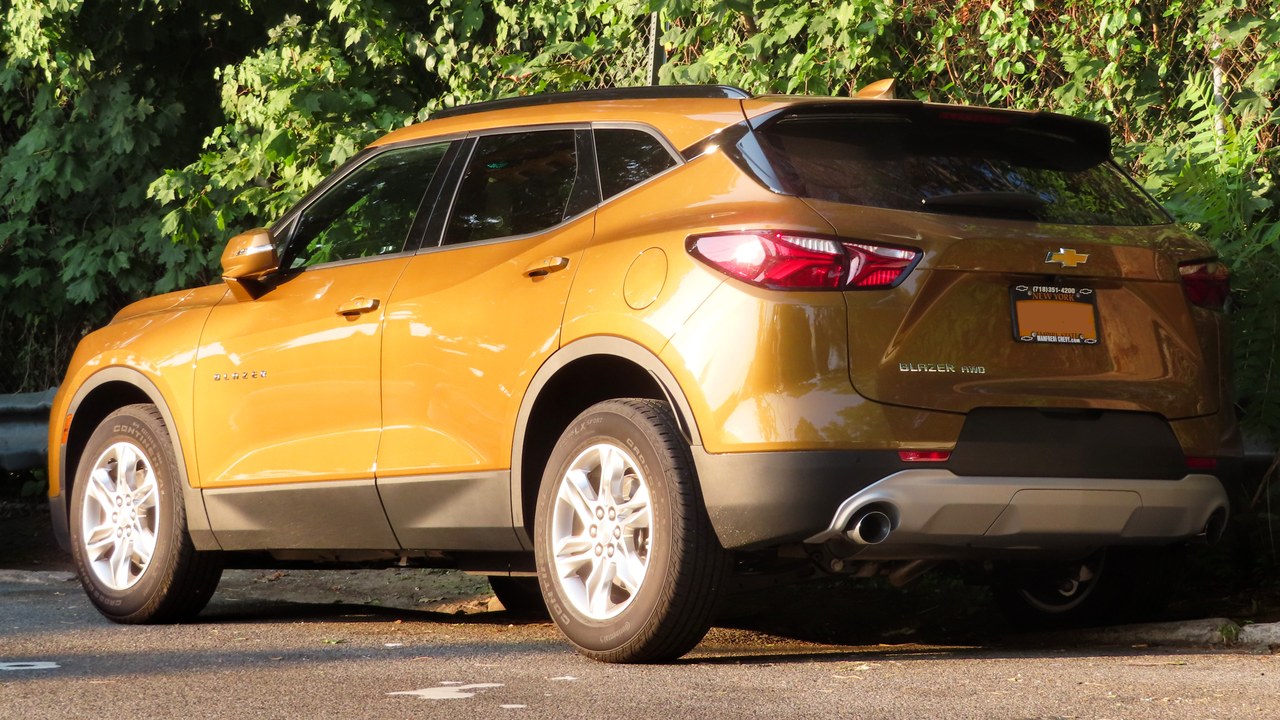
Chevrolet revived the Blazer name in 2019 on a mid-size crossover, after the S-10 Blazer ended in 2012.
The new vehicle shares a badge with the old trucks but not their body-on-frame construction. Shoppers comparing generations should treat the 2019 model as a modern family crossover rather than a spiritual successor to the K5. The gap between the two eras shows how much the market shifted toward crossovers over the intervening years. Buyers should shop it against other mid-size crossovers on comfort, space and price rather than against the truck-based utilities of earlier decades.
4. Blazer EV: Electric Blazer
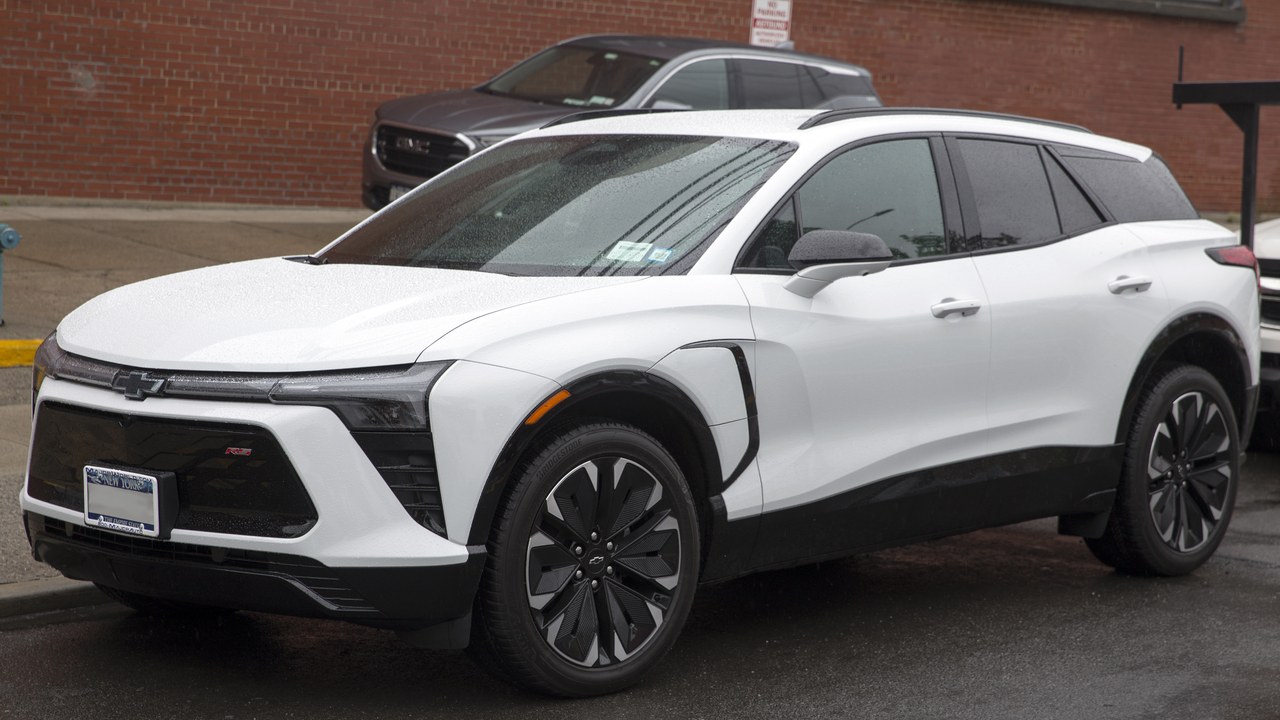
GM’s electric Blazer EV is rated at up to 320 miles on a full charge. The SS version makes up to 615 horsepower.
The mileage and power figures come from GM’s 2022 announcement, so buyers should confirm current ratings for a specific model year and trim. The SS stands out as the performance choice within the electric lineup. Real-world range can differ from the rating depending on temperature, speed and load, so a test drive on familiar routes is a sensible step. Charging access at home or work is also worth confirming before choosing an electric utility over a gasoline model.
5. 1995 Chevrolet Tahoe: Tahoe Debuts
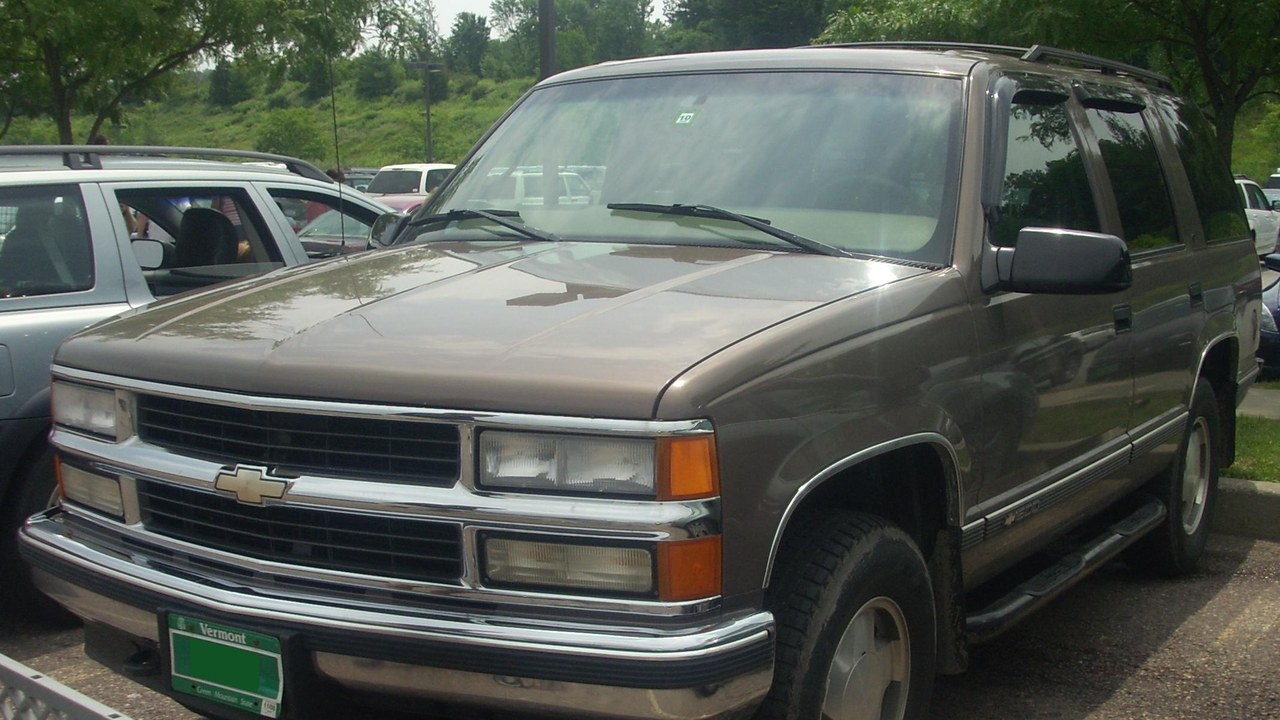
The Tahoe arrived for the 1995 model year as a multipurpose SUV on a truck platform, a short-wheelbase four-door built for maneuverability.
Its compact footprint among full-size utilities made it easier to park and navigate than a longer wagon. The truck underpinnings also explain the strong towing reputation that later Tahoes continued to build on. Many shoppers still seek the original Tahoe shape for its straightforward design and approachable size. Older examples require careful inspection of the frame, underbody and service history, since full-size truck platforms can accumulate wear in ways that are not always visible.
6. Tahoe Z71: Off-Road Badge
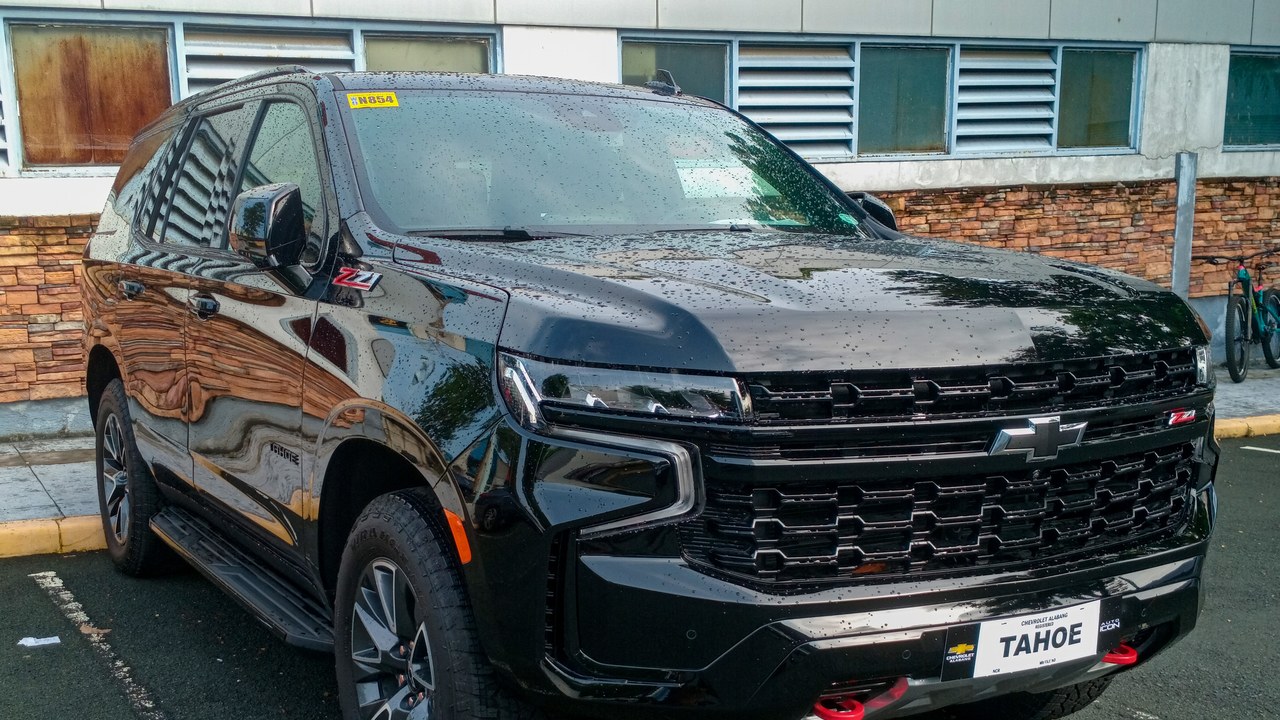
The Z71 name comes from an off-road chassis package first offered on K-series pickups in 1989, with Bilstein shocks and skid plates.
Today the badge appears on Tahoes as a trim signal, so buyers should verify what hardware a particular vehicle carries. Original intent was serious trail use, which is why shocks and underbody protection defined the package. Such packages helped separate trail-ready trucks from ordinary commuter versions. Checking the original build sheet is the most reliable way to confirm that a used example truly came equipped with the hardware the badge historically represented.
7. Tahoe Hybrid: Hybrid Full-Size
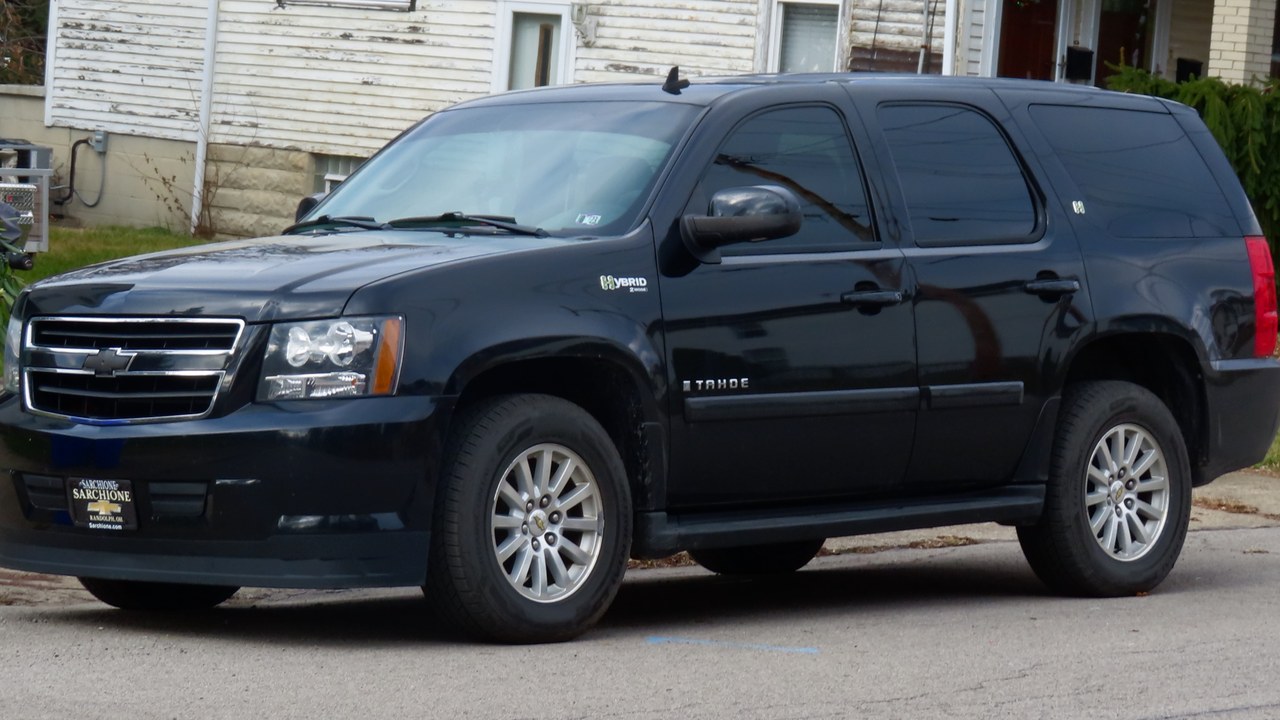
The 2008 Tahoe Hybrid paired a 6.0-liter V8 with electric motors for 379 horsepower and 20 mpg city and highway. It was Green Car of the Year for 2008.
Fuel economy improved from 14 mpg city and 19 mpg highway, a notable jump for a vehicle this large. Owners of used hybrids should keep in mind that battery health becomes a key inspection item. Award recognition gave the hybrid a place in the history of large SUVs. Because these vehicles are now older, prospective owners should confirm the condition of the hybrid components and review any available service documentation before agreeing to a deal.
8. Tahoe PPV: Police Package

Chevrolet offered a police package starting in 1997, and the pursuit-rated Tahoe PPV arrived in 2014.
Fleet use explains why former patrol vehicles show up at auctions. Anyone considering one should expect heavy prior duty and review service records carefully, since a pursuit-rated vehicle was built for demanding conditions. Police-spec Tahoes are known for sturdy construction suited to fleet demands. Interior wear, idle hours and past equipment mounting can all affect value, so a thorough inspection and a vehicle history report are especially important for this variant.
9. Second-generation Tahoe: Major Refresh
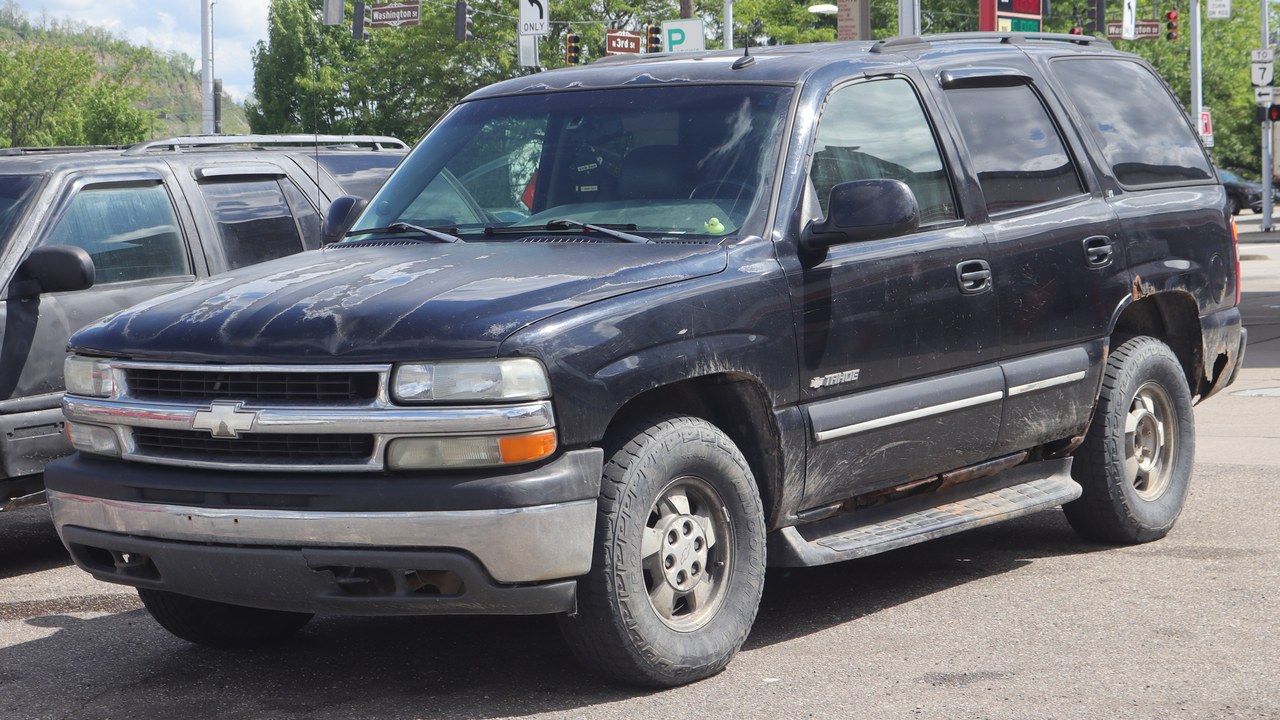
Chevrolet gave the Tahoe a major refresh in 2003 that added StabiliTrak, dual-level airbags, a passenger-sensing system and adjustable brake and accelerator pedals.
The list reads as a safety and comfort upgrade for family buyers. Shoppers comparing used examples can use the 2003 changeover as a dividing line when weighing which equipment matters most. The mix of features shows how automakers began treating protection and driver adjustment as selling points in large family vehicles. Buyers weighing older examples should check that each system works properly, because aging electronics can influence both safety and cost.
10. 2021 Tahoe: Diesel Option
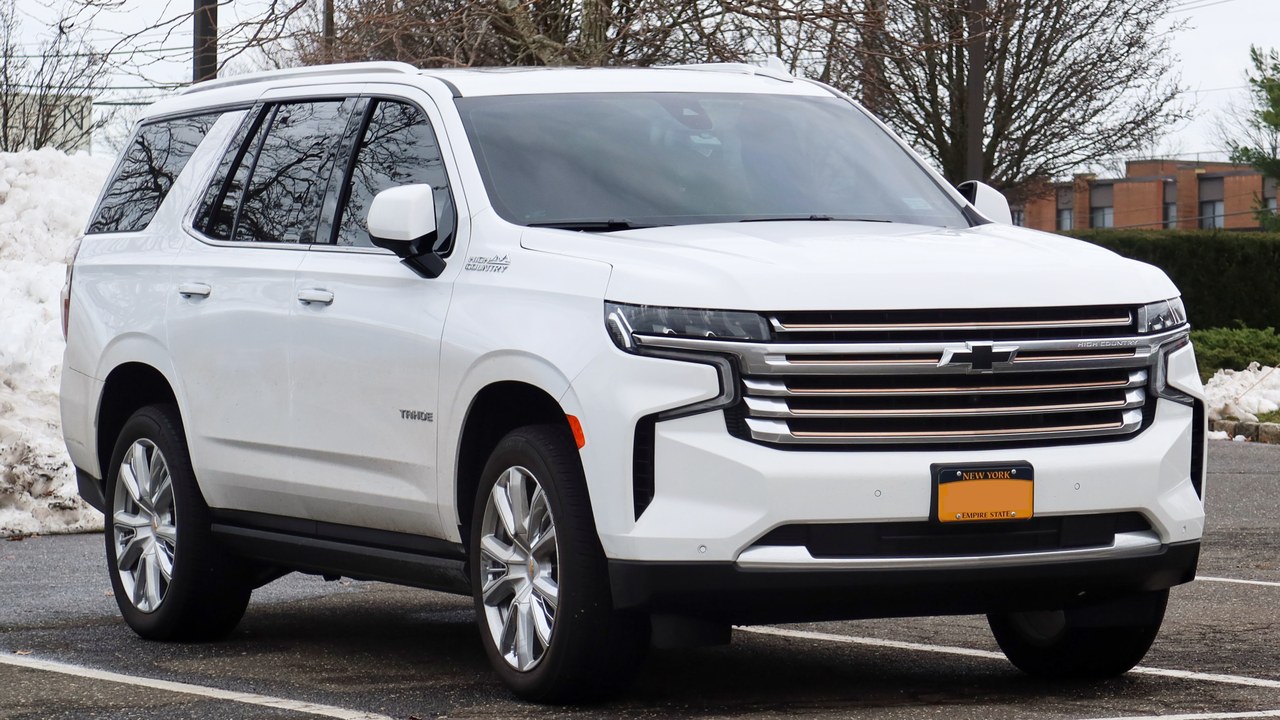
The fifth-generation Tahoe swapped its live rear axle for independent rear suspension. It also offered a 3.0-liter Duramax diesel for the first time, making 277 horsepower.
Independent rear suspension changes ride and cargo packaging, while the diesel appeals to long-distance drivers. Buyers should weigh the engine choice against towing needs and typical annual mileage before committing to either powertrain. The combination reflects Chevrolet’s effort to modernize a long-running nameplate for contemporary road manners and efficiency. Shoppers should test drive both gasoline and diesel versions to see which character suits daily driving, towing or long highway trips best.
The day in tech, in one email: Get TLDR →
We may earn a commission if you sign up.
More from Morning Overview
- The NSA says three phone features should be off whenever you aren’t using them
- Hurricane Hunter radar shows four warning signs that a tropical cyclone is about to strengthen, a University of Miami study found
- Tropical Storm Rachel is dumping up to 12 inches on four Mexican states on its way to major hurricane strength
- The FTC says Lens.com doubled the price shoppers saw in Google ads
